Finding Flora
Elinor Florence
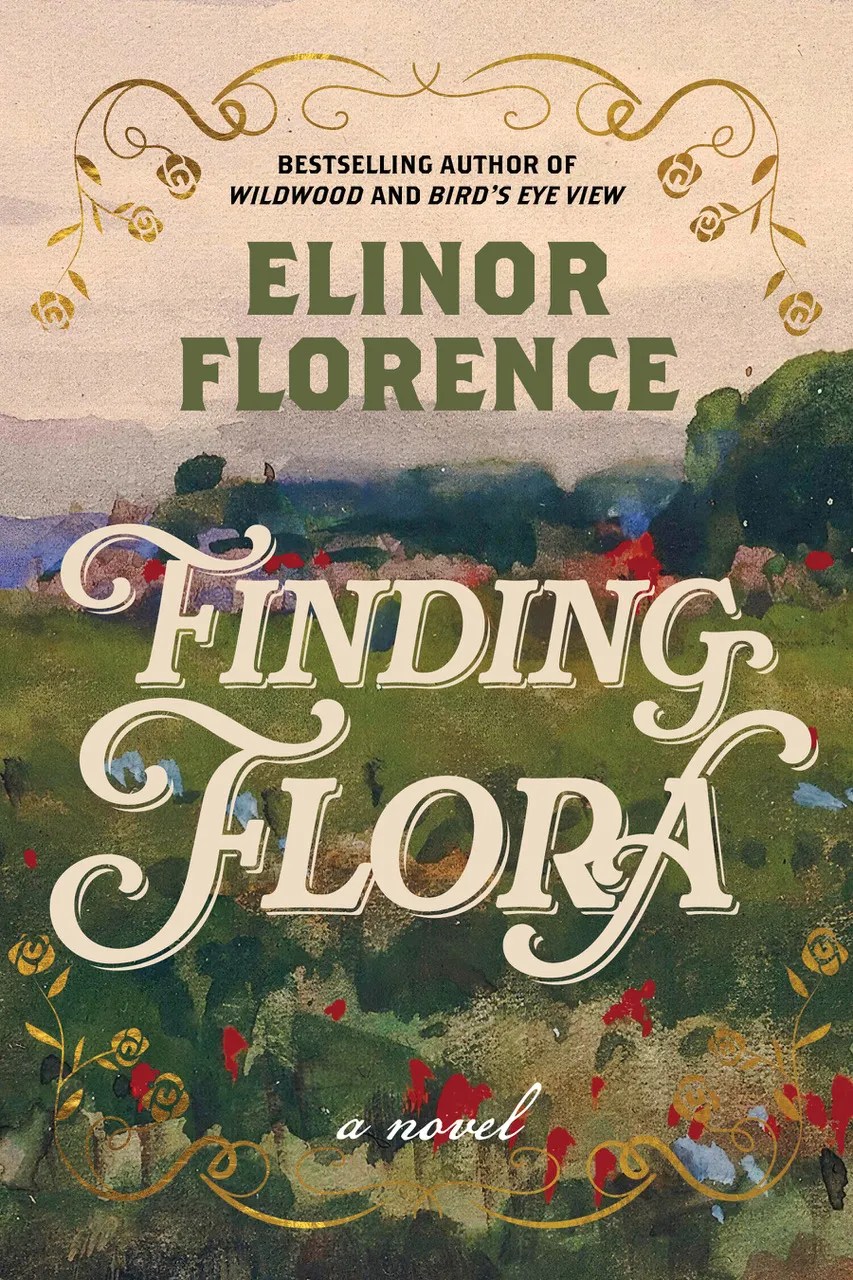 When a friend recommended this historical novel I was immediately intrigued because the setting is a very familiar one. The story takes place near the location of present-day Clive, Alberta, about an hour and a half by car from where I live! The action begins in 1905 with Scottish newcomer, Flora Craigie, jumping from a moving train to escape a disastrous marriage. Depending on where you live, 1905 might seem like fairly recent history, but this was brand new country at that time. The town where I live was established as a Canadian Pacific Railway townsite in 1906 and incorporated as a village in March 1907.
In the early 1900s, the Canadian government granted 160 acres of free land to any man who met three stringent conditions: he had to live on the property for three years, build a habitable dwelling, and cultivate a required number of acres each year. That opportunity wasn’t open to single women, however. Not surprising, I suppose, if you consider the fact that women in Canada weren’t even legally declared persons until October 18, 1929!
The heroine of our very well-researched story finds a legal loophole, however. Canadian veterans of the Boer War in South Africa were granted homesteads by the federal government in appreciation for their service and there was no law against them selling these claims. Flora purchases her claim from one of the twelve Canadian nurses who served in the Boer War and who were therefore considered veterans. She is astonished to find that her nearest neighbours are also female: a Welsh widow with three children, two American women raising chickens, and a Métis woman who trains wild horses.
With strength, determination, and endless courage Flora and her neighbours battle the harsh environment as well as those who were opposed to women owning land. They endure backbreaking labour and many hardships that were common to early Canadian settlers. Hardships like the winter storm that kept us housebound one day last week. Imagine surviving a prairie blizzard in a one room cabin without insulation, indoor plumbing, electricity, and central heating! To complicate matters for Flora, there were indications that her violent husband hadn’t given up looking for her.
The kindness of strangers and the importance of community are themes that weave their way through this heartwarming story. There’s also an element of romance and although the ending is quite predictable, I can’t help but love a story about resilient boundary-breaking women!


 Buying a Piece of Paris is a charming memoir about the Australian author’s humorous and challenging quest to find and purchase an apartment in Paris. With only two weeks to locate and secure the apartment of her dreams, something exuding character and Parisian chic, Ellie embarks on what seems an almost impossible pursuit. Armed with only a cursory grasp of the language, she finds herself trying to navigate the bewildering French real estate market with its unique customs, quirky agents, and unexpected cultural hurdles. All in all, a very entertaining read and especially so since, although I’ve only spent five days in Paris, I could visualize many of the places that she mentioned and the kind of buildings she visited in her frantic and sometimes hilarious search for the perfect place to call home.

 After moving with her husband to the tiny, bustling city of Macau, across the Pearl River delta from Hong Kong, Grace Miller finds herself a stranger in a very foreign land. Facing the devastating news of her infertility and a marriage in crisis, Grace resolves to do something bold, something that her impetuous mother might have done. Turning to her love of baking, she opens Lillian’s, a café specializing in coffee, tea, and delicate French macarons. In this story of love, friendship, and renewal, Lillian’s quickly becomes a sanctuary where women from different cultural backgrounds come together to support one another.
 When Jennifer Connolly of
  In this international bestseller, renowned mental health expert and speaker, Dr. Gabor Maté, provides insight into the critical role that stress and emotions play in the development of many common diseases.
 At seven years old, Suzanne Heywood set sail from England with her parents and younger brother on what was supposed to be a three-year trip around the world retracing one of Captain Cook’s voyages. What followed was a decade of isolation on a 70-foot sailboat crossing some of the world’s most dangerous oceans and surviving horrendous storms, shipwrecks, and reefs. What sounded like the romantic adventure of a lifetime became a child’s worst nightmare “trapped inside someone else’s dream”.
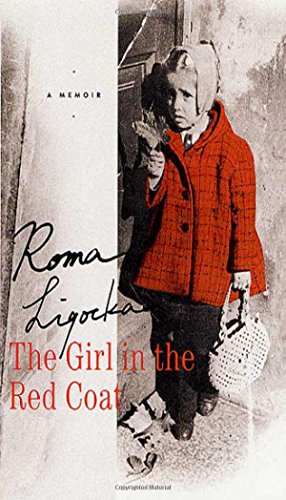 The book opens with an elderly Jewish woman sitting in the elegant dining room of a posh hotel on the French Riviera. Suddenly and quite seamlessly it transitions to the dark Ghetto of Kraków, Poland during World War II and I was hooked!
 If I didn’t know that this novel was was a well-researched, but fictionalized retelling of a true story I would have thought it a bit far-fetched. A father giving his 16-year-old daughter control of three family plantations in South Carolina while he leaves the country to secure his political position on the Caribbean island of Antigua would be remarkable at any time, but this was 1738! At a time when the role of women was purely domestic, intelligent and headstrong Eliza Lucas was determined to find a cash crop to pull the plantations out of debt, pay for their upkeep, and support her family.
 This book is really three stories in one, each distinct, but all connected. Deborah Birch is a seasoned hospice nurse assigned to care for an embittered and lonely history professor whose career ended in academic scandal. As his life slowly ebbs away, the professor, an expert in the Pacific Theater of World War II, begrudgingly puts his trust in Deborah and begins to share with her an unpublished book that he wrote. As she reads to him from his story about a Japanese fighter pilot who dropped bombs on the coastline of Oregon, he challenges her to decide if it is true or not.
 I’ve been avoiding books set during World War II lately. Over the past year or so I’d read so many of that popular genre that I was growing weary of them, but The Book Thief was different from most.
 Following Augustine