 In last Friday’s post about fighting invisibility with fashion, I wrote that we should wear what makes us feel confident, but how do we do that? To begin with, let’s think about what we mean by confidence. An article in Psychology Today, defines it as “a belief in oneself, the conviction that one has the ability to meet life’s challenges and to succeed – and the willingness to act accordingly.” It went on to say that projecting confidence helps us gain credibility, make strong first impressions, deal with pressure, and tackle personal and professional challenges. It also helps put other people at ease. So, what does all this have to do with how we dress?
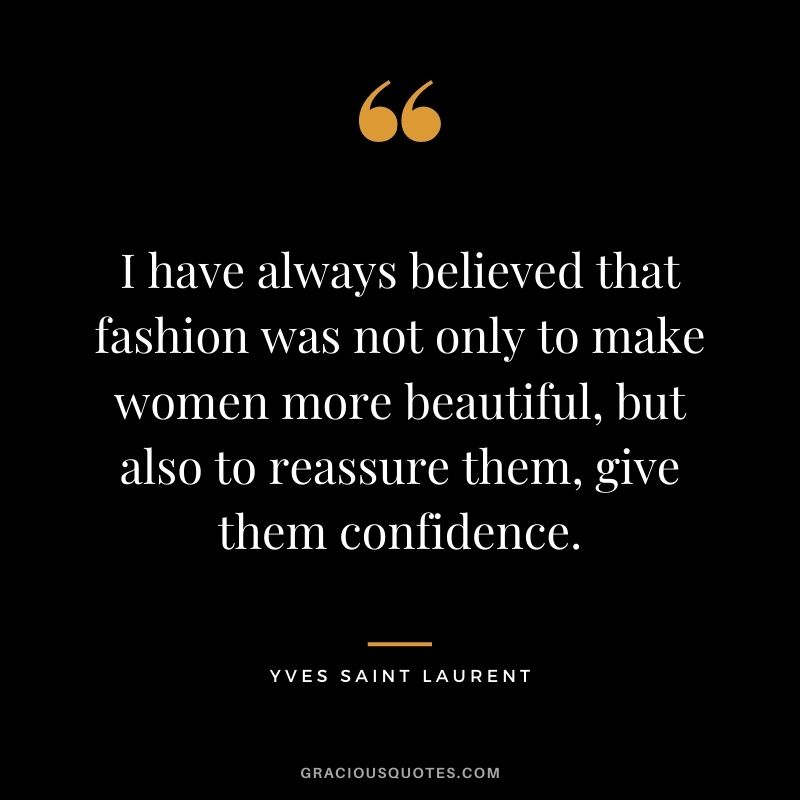
When you know that what you’re wearing looks good, it’s empowering. It gives you a sense of confidence and strength. It makes you feel like your best self and helps you hold your head a little bit higher. In psychology, this idea that what we wear influences who we are or how we think, act, or feel is called enclothed cognition.
Style confidence is something you can learn. Here are ten tips to help you dress confidently:
1. Know which colours look best on you.
Knowing whether your skin has cool or warm undertones can help in choosing the colours that are best for you. An easy way to figure this out is to look at the veins on the inside of your wrist. Do they look blue or green? If they appear more blue, you are cool-toned; if they’re more green, you’re warm-toned. The study of colour can be a complex one, but essentially, if you are cool-toned, take your inspiration from the cool end of the spectrum. Bright blues, deep purples, emerald greens, and frosty shades of lavender, ice blue, and pink will look good on you. If you’re warm-toned, look to the warm end of the spectrum for your best colours. Think fiery reds, peach, coral, oranges and rusty tones, creams, camel, and earth tones.
2. Know your body type.
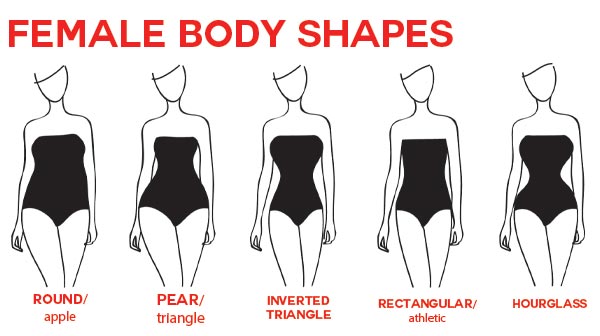
While exercise and healthy eating can make some difference, your body shape depends largely on genetics and skeletal structure. A quick search online will result in many videos and articles to help you dress to flatter your unique shape. Designer, Justine Leconte, created a video series on this topic several years ago. You can find the introductory video here and then go from there to explore your own body type.
3. Emphasize your best features and play down your least favourite.
This tip goes hand in hand with the previous one. Once you’ve identified your body type, consider which of your features you’d like to highlight and which you’d prefer to draw attention away from. For example, if your waistline is one of your best features, you may want to show it off by tucking in your top and wearing an eye-catching belt. I, on the other hand, have a rectangular body shape with very little definition at the waist. Add the thickening of that region that invariably seems to come with age, and that’s a part of my body that I’d rather not emphasize.
4. Know your personal style.
Style is how we personalize what the fashion industry produces. One way to identify your personal style is to choose 3 to 5 adjectives to guide your fashion choices. Check here for an exercise that will help you do that. Pinterest is another excellent tool to help you identify or clarify your own style. This post will show you how that works.
5. Dress for the occasion.
When it comes to clothing, we seem to have become an anything goes society, but you will definitely feel more confident when you dress appropriately. That doesn’t mean following a bunch of archaic fashion rules, but simply being sensitive to the occasion and the location. For example, if you’re going to a job interview, find out what type of company it is and what the work environment is like, then dress accordingly. For any event, when in doubt, I recommend erring on the dressier side.
6. Wear what you feel most comfortable in.
I mean that literally. If you find walking in high heels uncomfortable, choose flatter shoes. If a particular fabric is uncomfortable against your skin, avoid it. If something feels too tight, don’t wear it. In my opinion, comfort is key to feeling good in what we wear. As far as styles go, while I encourage you to step outside your comfort zone and try new looks, if something is going to make you feel self-conscious or uncomfortable, don’t wear it.
7. Get rid of clothes that make you feel second-rate.
If there are pieces in your closet that don’t fit, aren’t the right colour for you, don’t suit your body type or your personal style, or that make you feel uncomfortable, now is the time to move them out! Reserve the space in your closet for things that make you happy.
8. Don’t try to copy someone else or be someone you aren’t.
Don’t compare yourself to others or try to copy them. Take inspiration from women whose style you admire, but be yourself. Mimicking someone else won’t give you the confidence you’re looking for.
9. Don’t be so hard on yourself.
What do you say to yourself when you look in the mirror? What negative thoughts do you repeat about yourself? A woman who values herself accepts and appreciates who she is, including her imperfections, so stop beating yourself up! Instead, practice positive and respectful self-talk.
10. Wear what you love, not what anyone else tells you you should wear.
Shopping with friends can be a lot of fun, but their taste might be different than yours. Consider their advice, but resist buying something that they like unless you know that it’s actually right for you. Similarly, don’t let the fashion industry dictate what you wear. As I said in my last post, wear what makes your heart sing!
 Recently, a reader commenting on one of the fashion blogs that I follow suggested that the blogger consider tucking in her blouse because, in her words, it would reduce the “frump factor”. The blogger took exception to being told that she looked frumpy and responded by devoting part of her next post to the topic. She pointed out that tucking tops in doesn’t necessarily work for everyone and that many very stylish women choose not to tuck. That post resulted in a lengthy discussion amongst her readers and inspired me to write today’s post. So, with apologies to Shakespeare, to tuck or not to tuck, that is the question!


 Online shopping has grown in popularity over the past few years, but Covid-19 has taken it to a whole new level. Here in Canada, e-commerce giant, Amazon, uses the postal system to ship parcels. For the past couple of months, Canada Post has been handling volume comparable to the usual Christmas rush. I’ve made a couple of orders myself, but when it comes to clothing, I’m definitely a brick and mortar shopper even though I live in a teeny, tiny town that doesn’t boast a single clothing store!
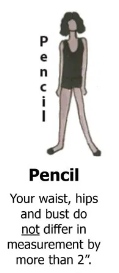 reviews are helpful, but nothing beats trying the garment on and standing in front of a three way mirror. I could probably do quite well ordering tops online, but pants are my nemesis. I’m tall and thin with a very boyish figure, sometimes referred to as a pencil body type. Made for more curvy girls, pants that fit my waist often bag at the hips. I usually have to try on several pairs to find the ones that fit me well and flatter my body type.
 While it’s true that what we wear only enhances
 Following Augustine