We set off bright and early Monday morning to join this small group tour of four Cotswold villages. It was a delightful day with a driver/guide who was both entertaining and knowledgeable. I took well over 100 photos, but I won’t subject you to all of those!
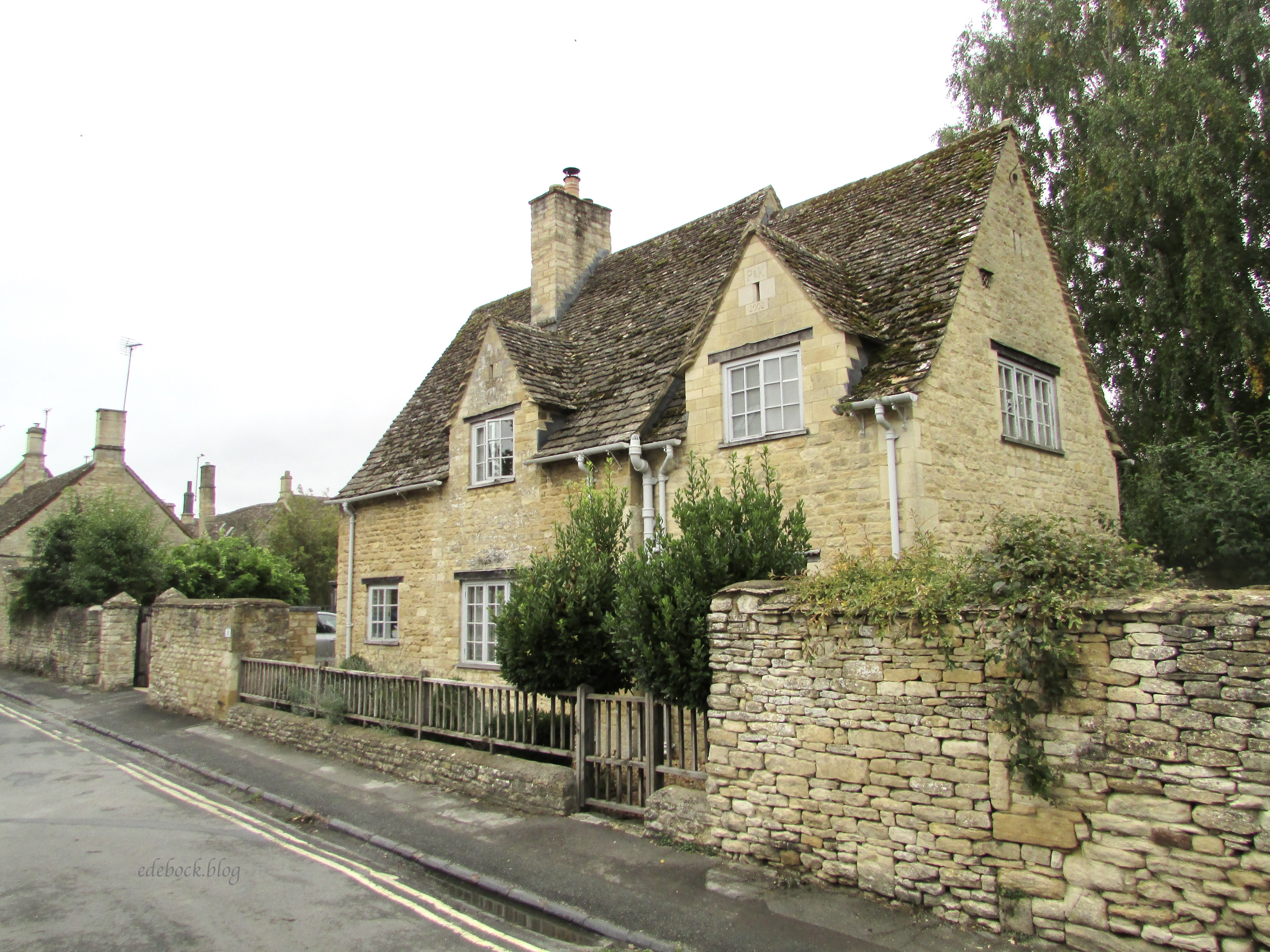
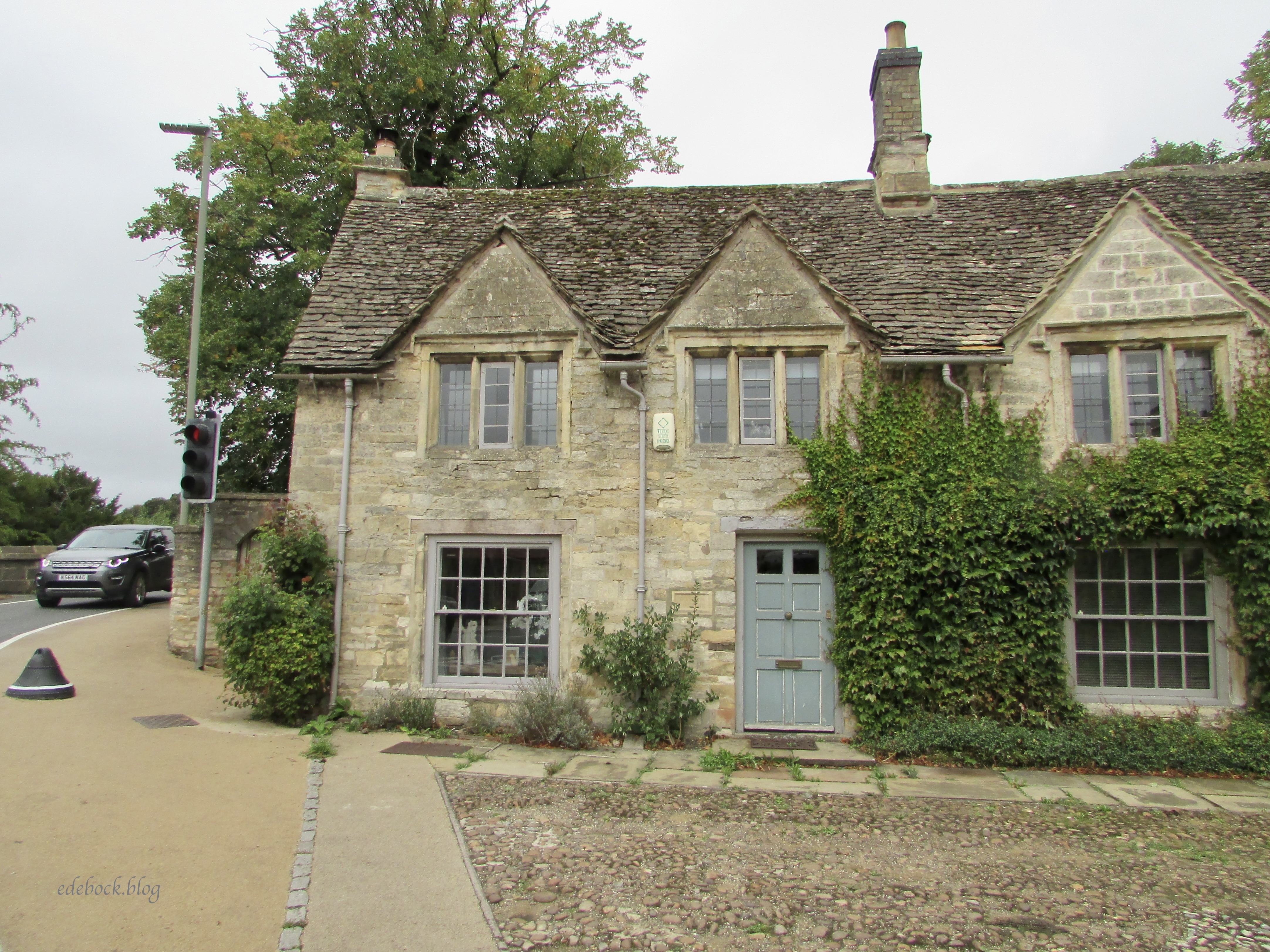
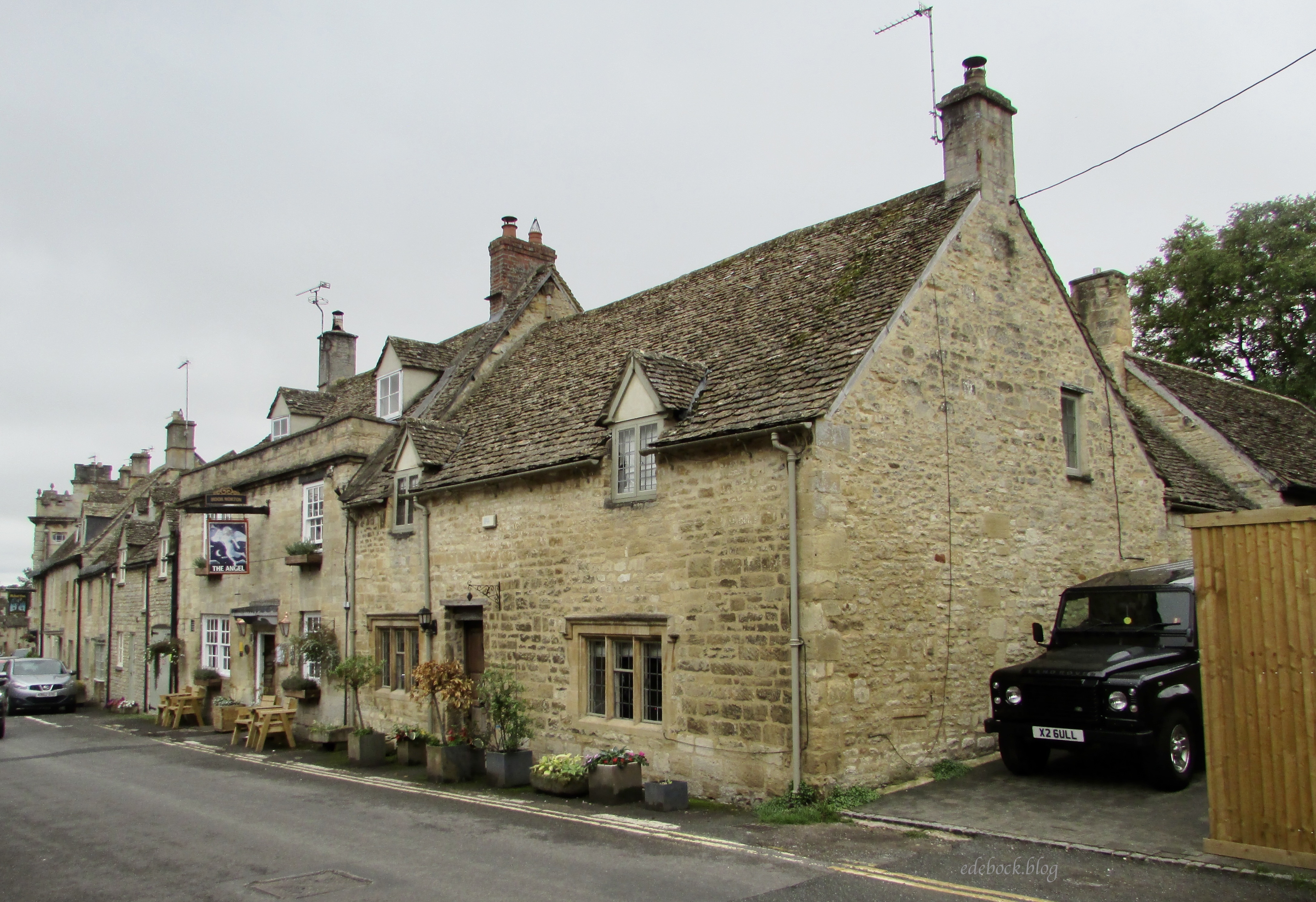
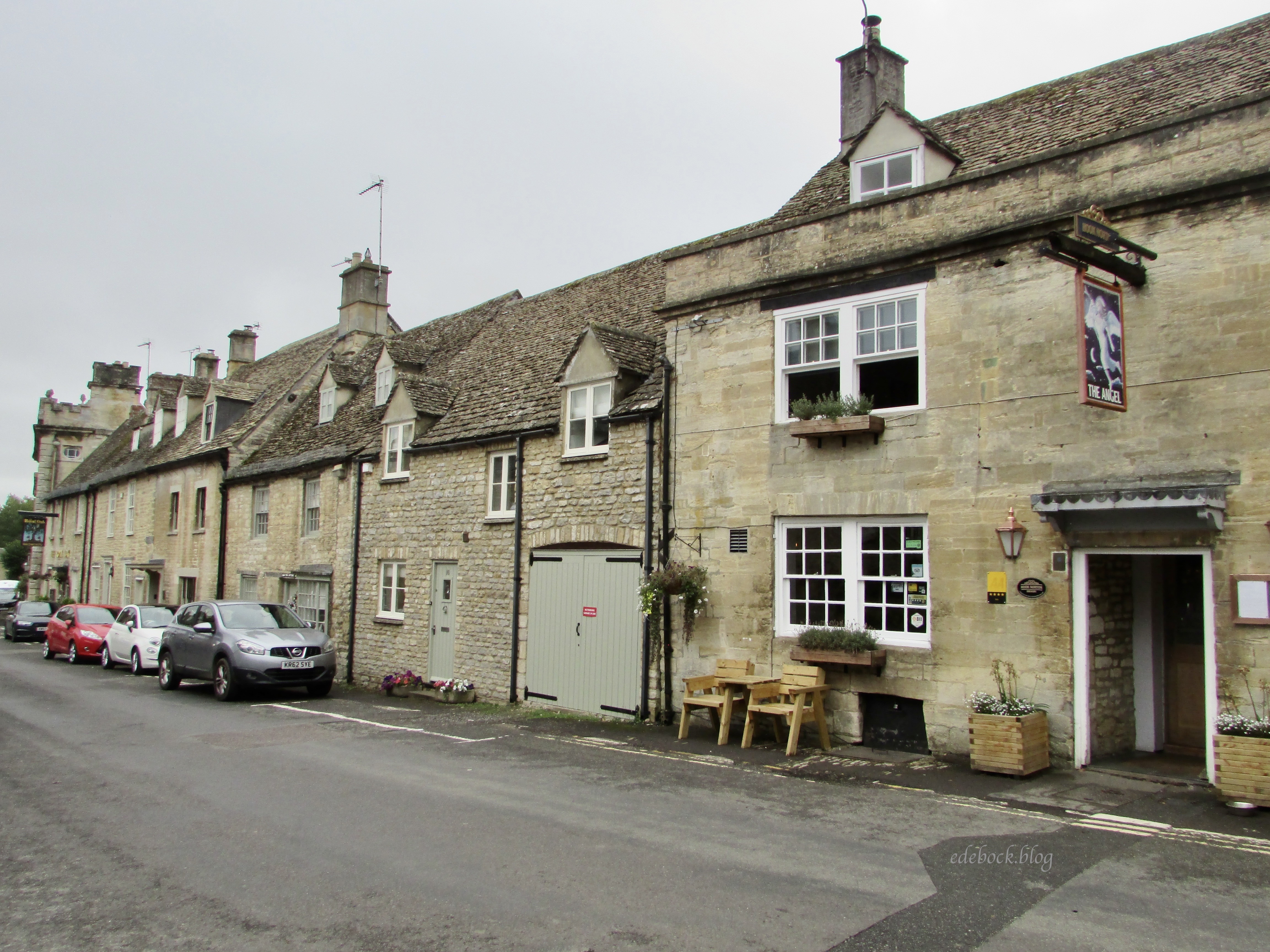
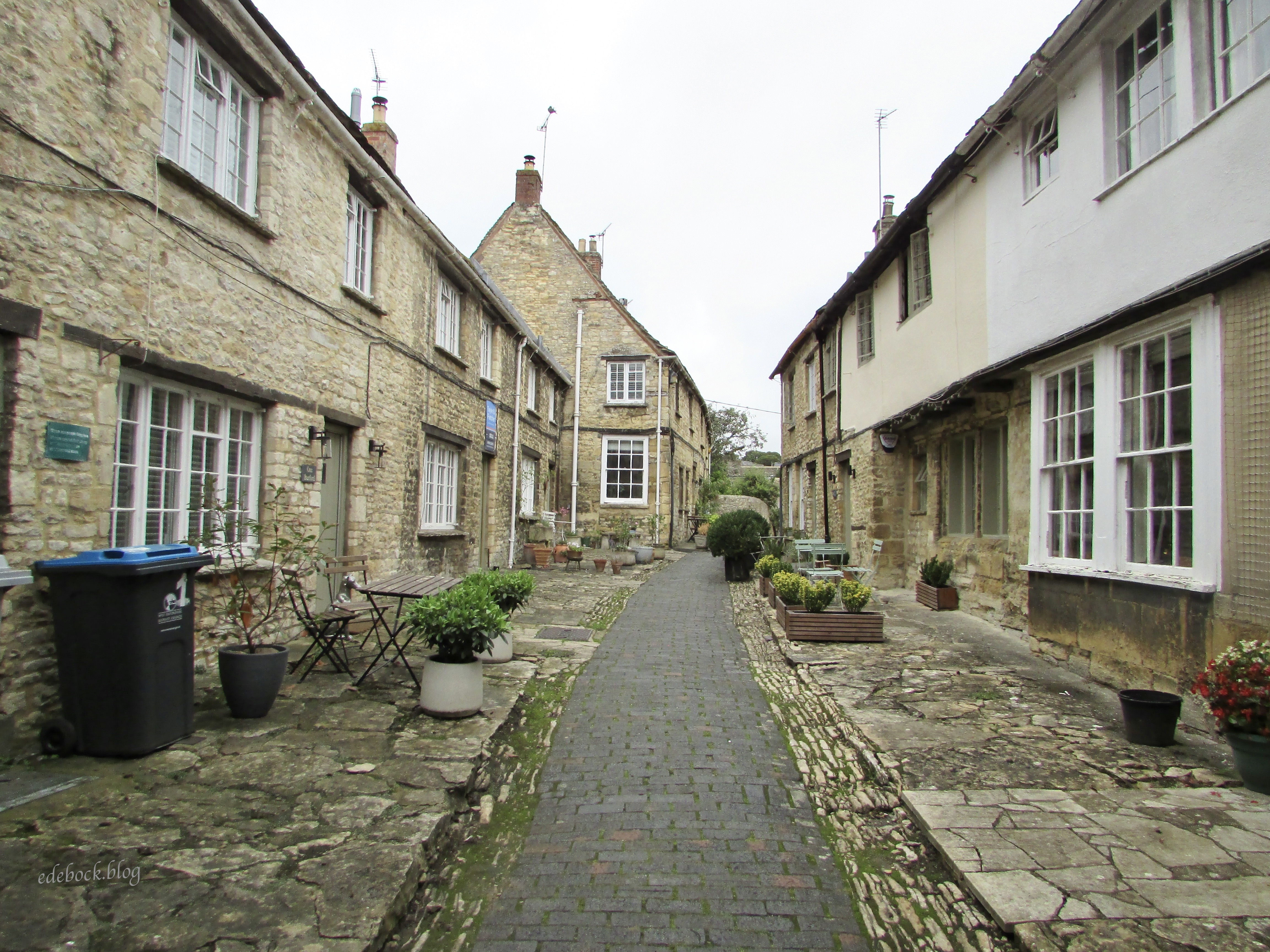
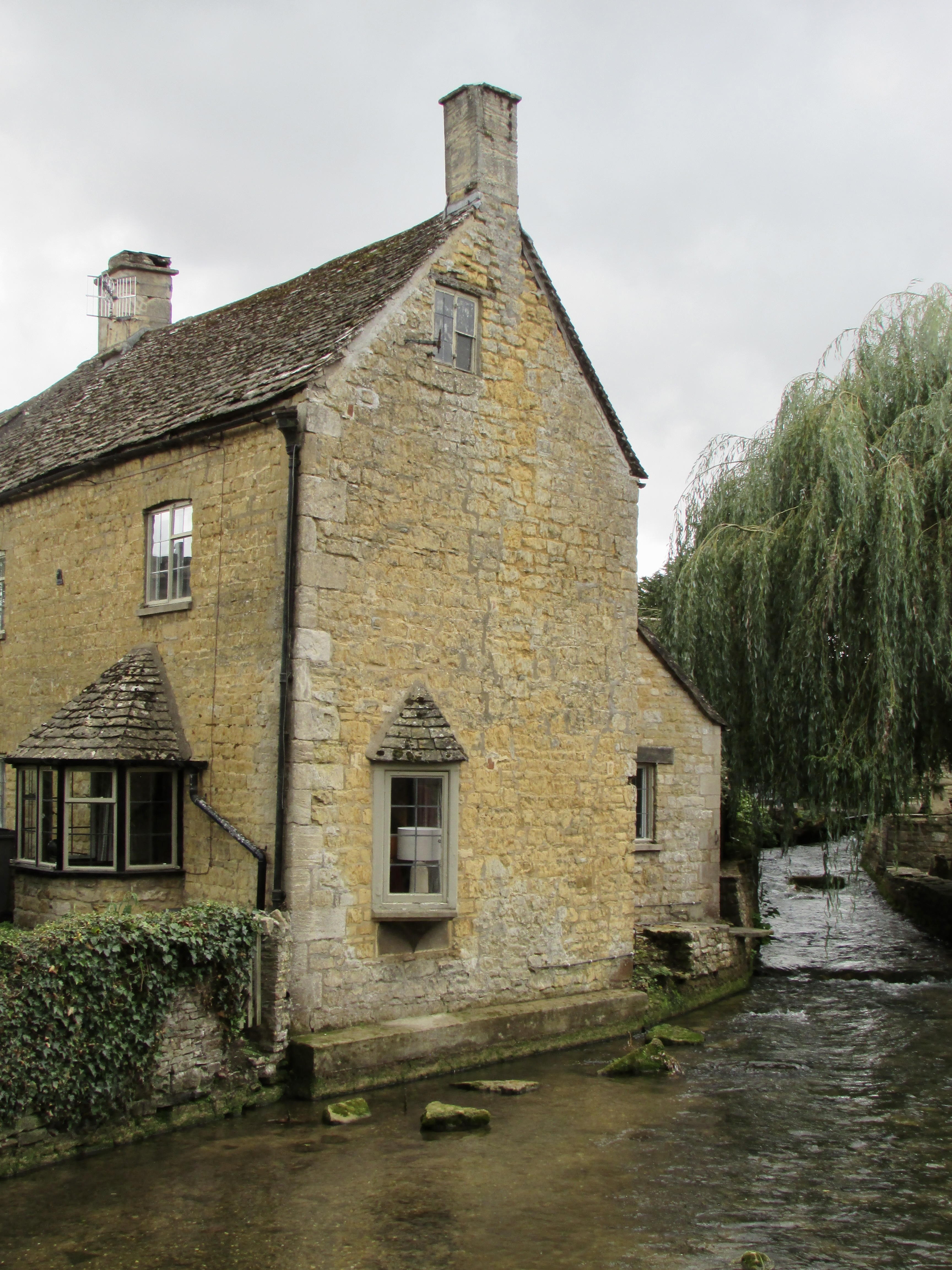
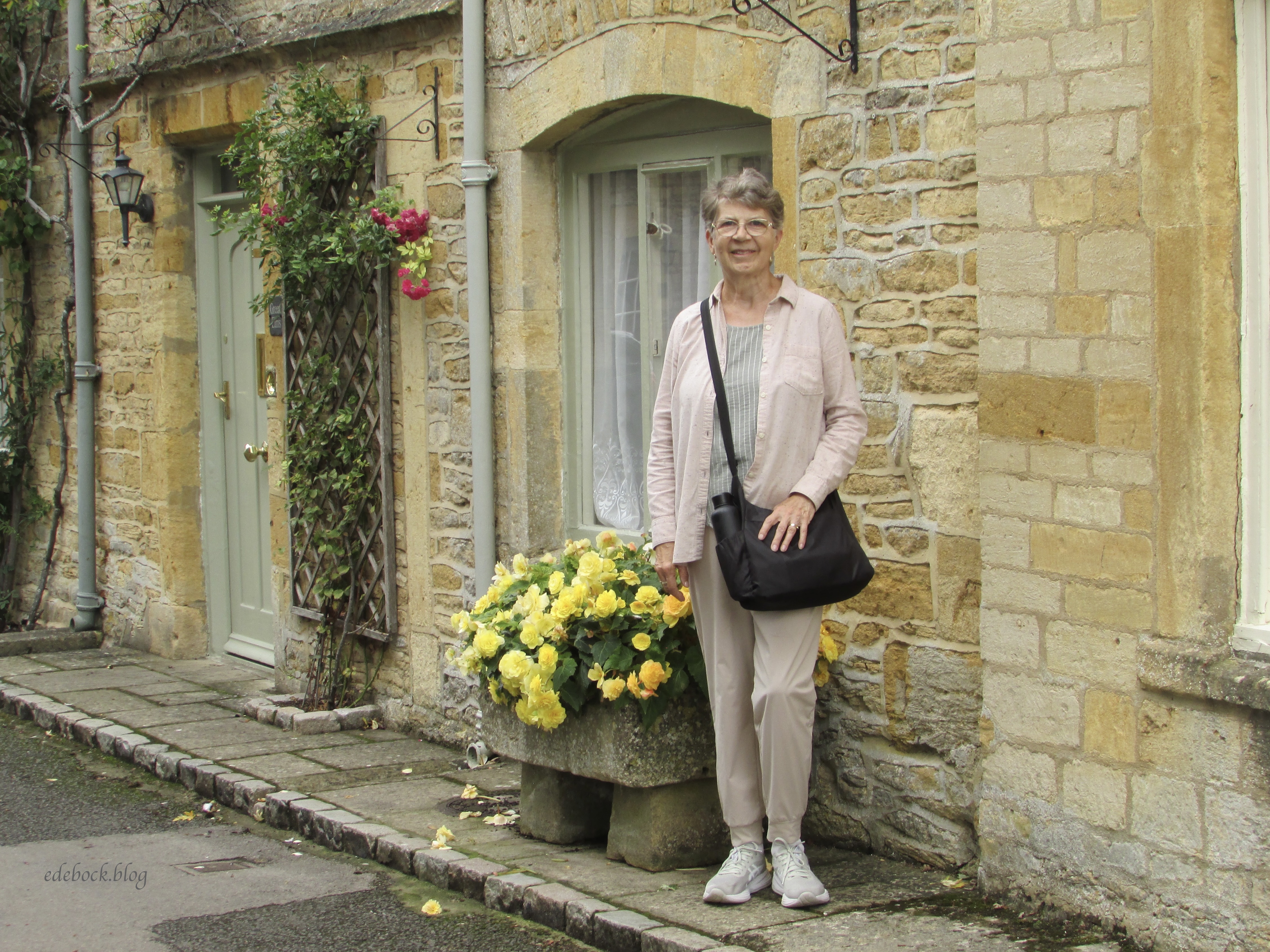
Buildings in the Cotswolds are primarily made from Cotswold Stone, a honey-coloured limestone that is quarried locally. Many of them are more than 1000 years old and new construction is required to fit the historical look.
Our first stop was Burford. Known as the gateway to the Cotswolds, Burford has a population of about 1700 people. We started our visit there at St John the Baptist Church, an active evangelical Anglican church where we had the privilege of chatting about the church and the community with a gent who volunteers there.
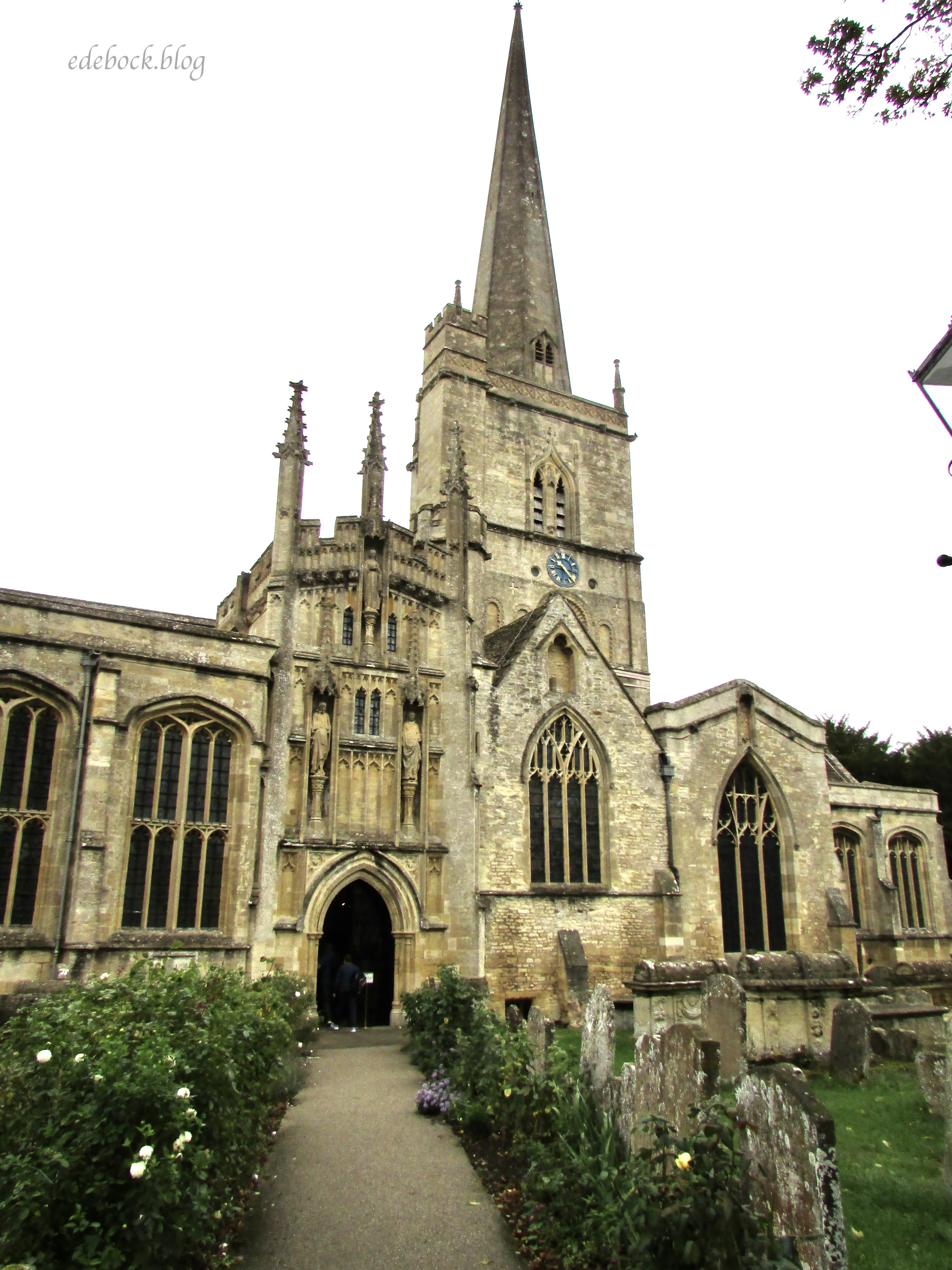
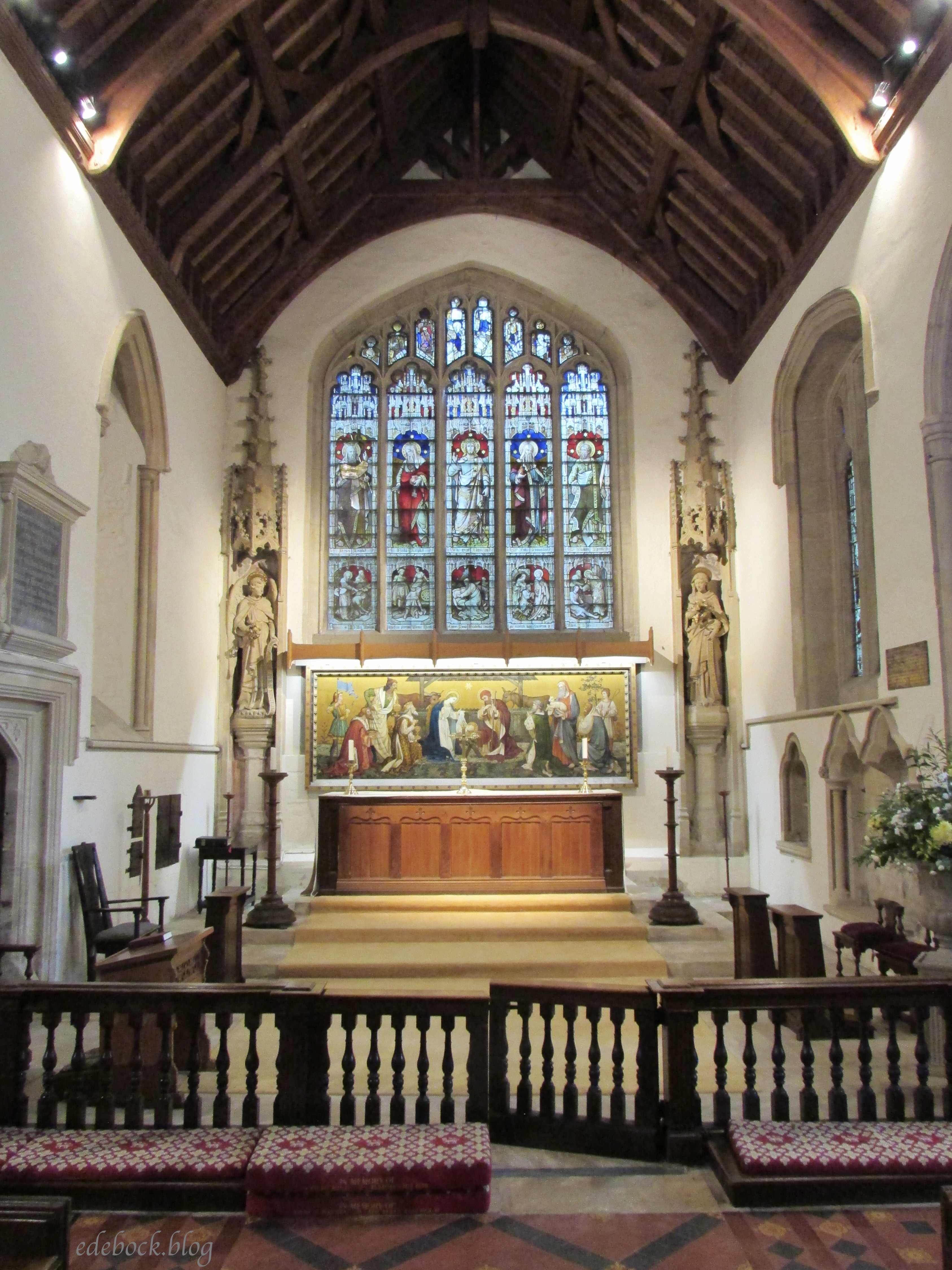
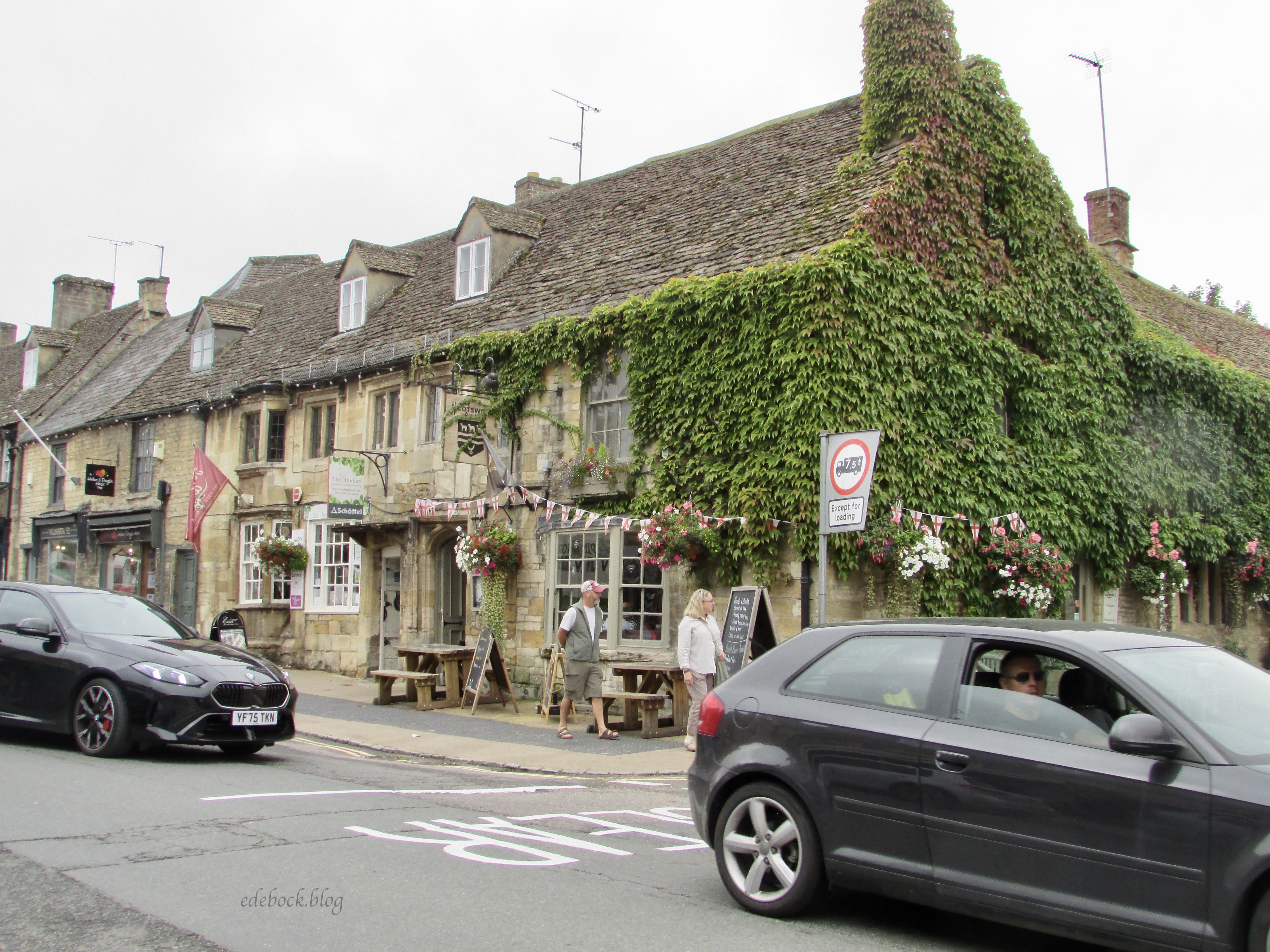
One of the things that I liked about this particular tour was the fact that our guide gave us lots of information about each village before we arrived and then we were free to explore on our own. Rather than staying only on the main shopping streets, hubby and I also ventured into less touristy spots. So, come explore Burford with us.
Our next stop was tiny Bibury. Getting there was an adventure. Due to a bridge being closed for maintenance, our driver had to find an alternate route, one he’d never used before! As a result, we traveled some very narrow backroads through idyllic countryside that we wouldn’t have seen otherwise. Bibury was the quietest of the villages that we visited, not full of tourists like the other three. Likely some tours bypassed it because of the bridge closure, but our driver was determined that we not miss it.
Located on the quiet River Coln, Bibury is famous for Arlington Row, a picturesque row of 17th-century cottages that is one of the most photographed sights in England. These historic buildings started as a wool store in about 1380 and were turned into weavers’ cottages during the 17th century to house handloom weavers who supplied cloth to the nearby Arlington Mill. The main industry in the Cotswolds in the past was the sheep and wool trade.
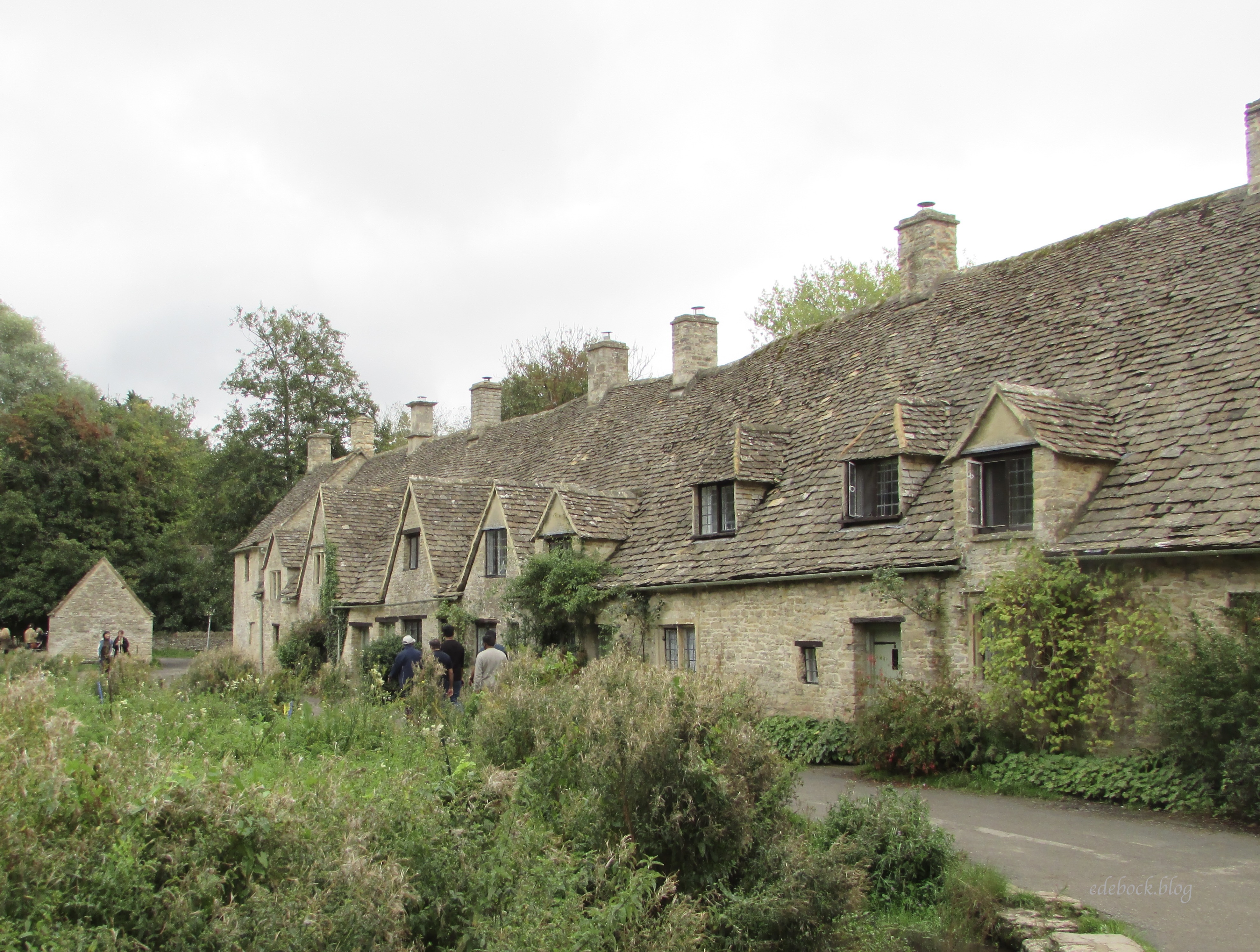
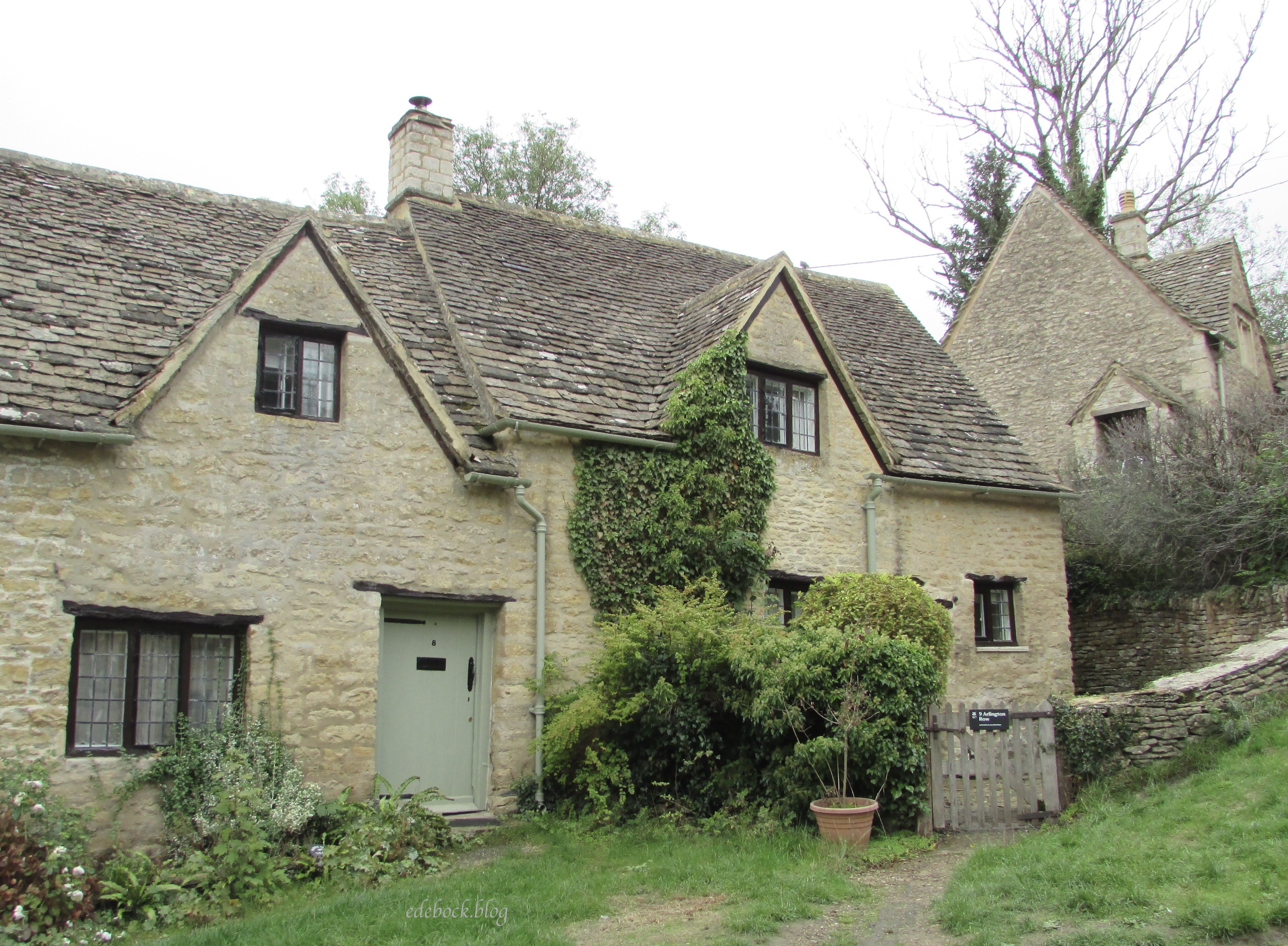
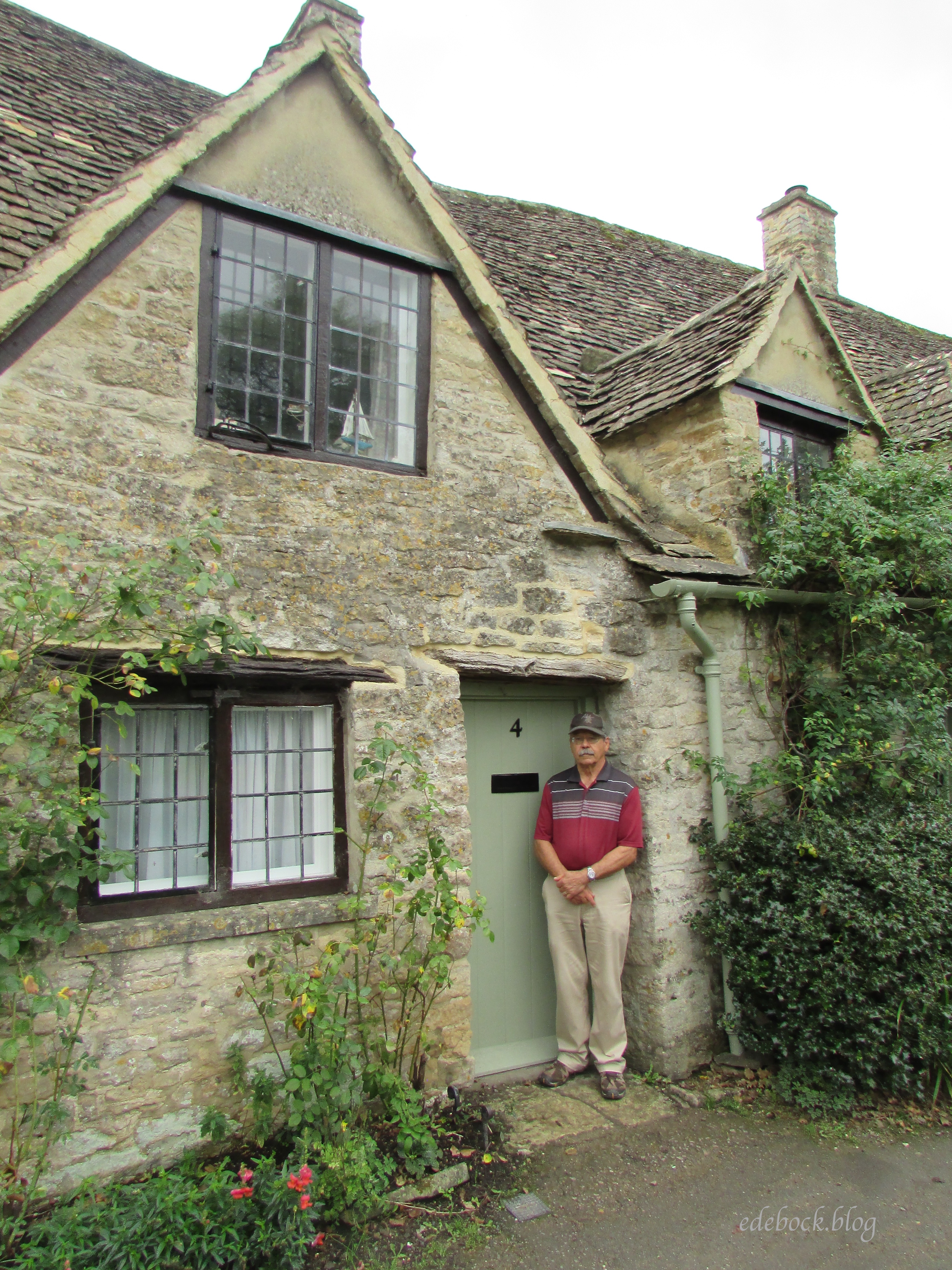
The doors in these cottages were unusually short, perhaps to retain heat or maybe because people in the medieval period were generally shorter than they are today.
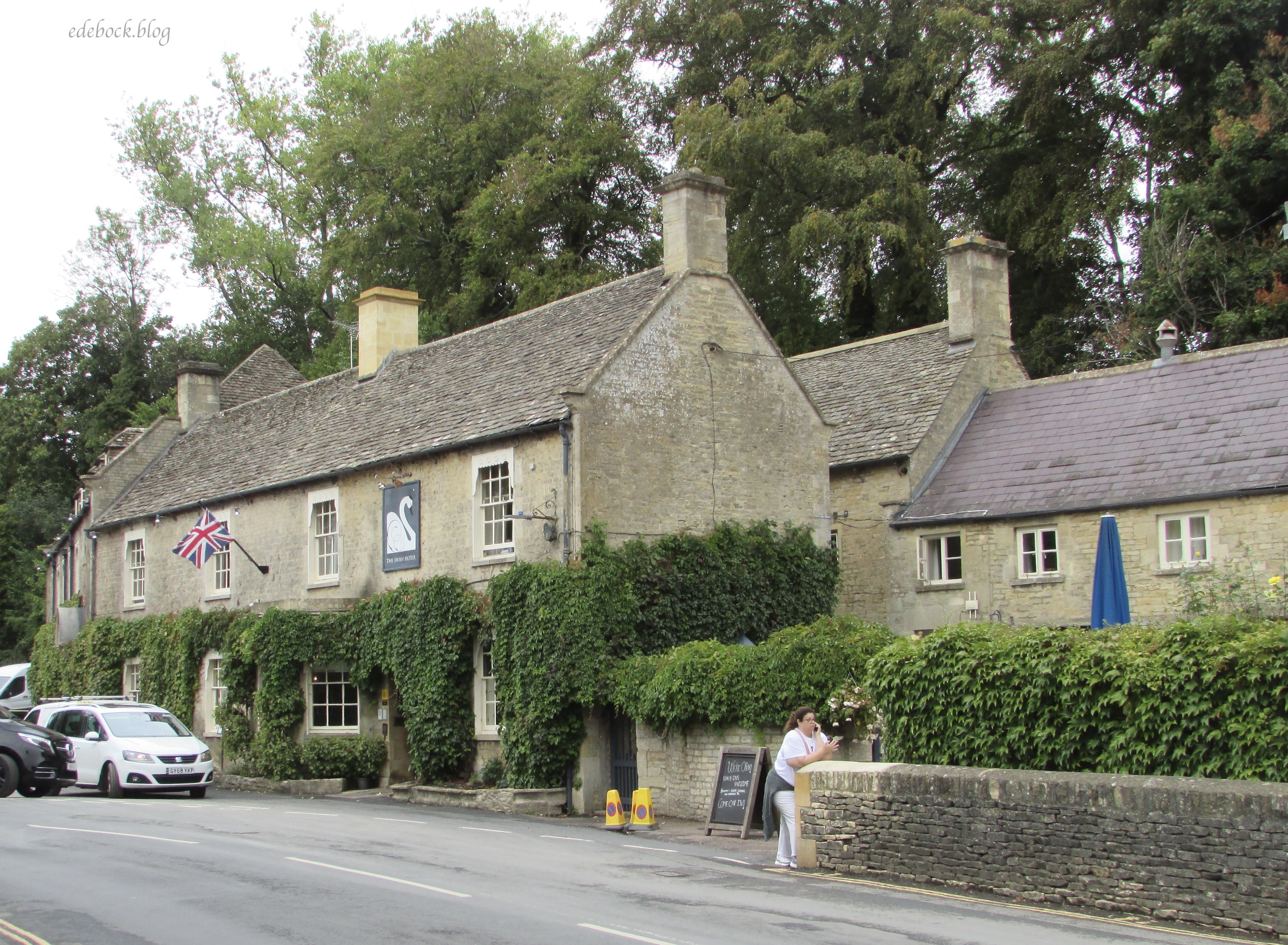
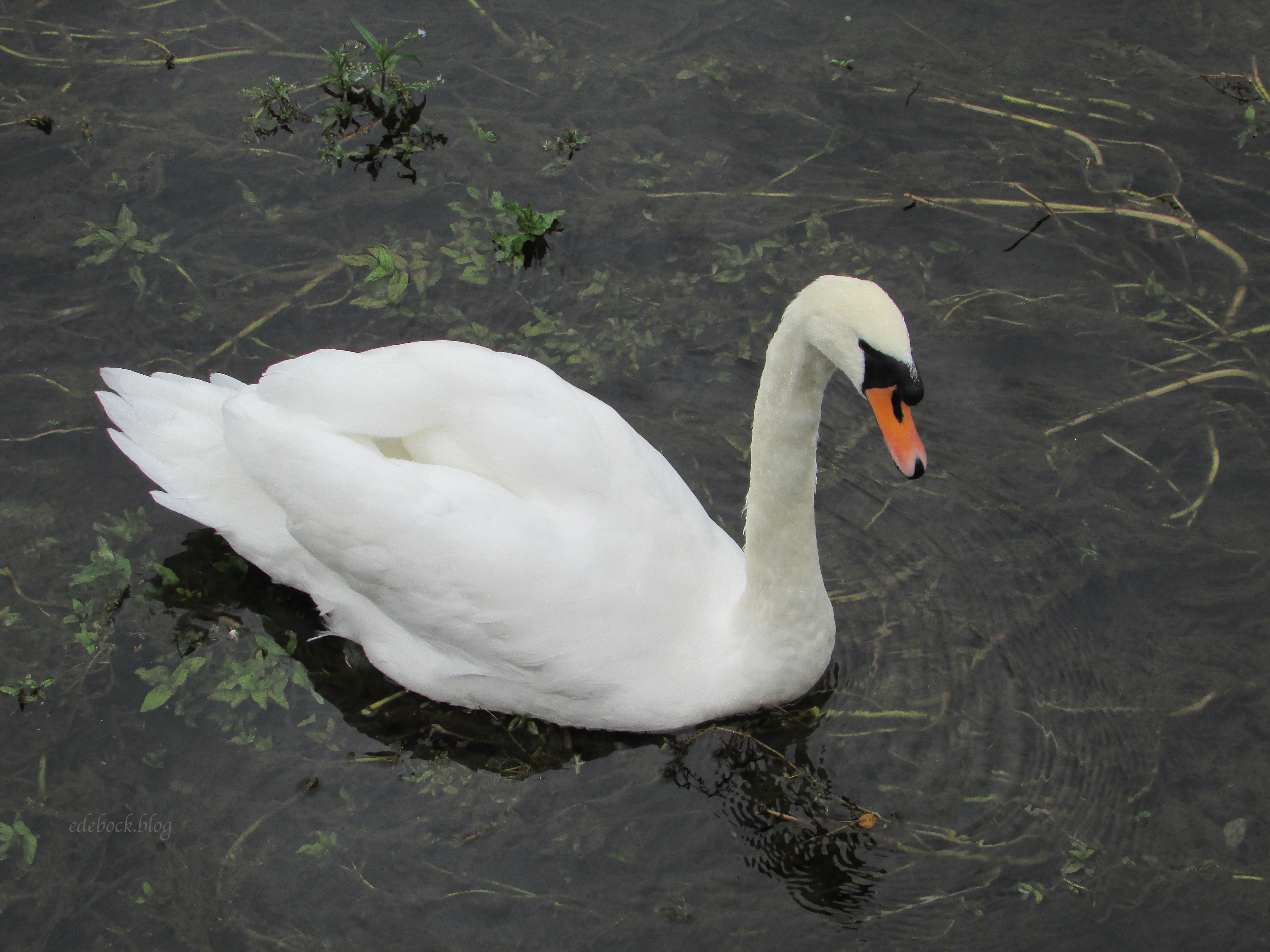
Bibury is also home to The Swan Hotel, an ivy-clad 17th-century coaching inn that is still in use today. Fittingly, a lovely swan posed for us in the reedy edge of the tranquil river just across the road.
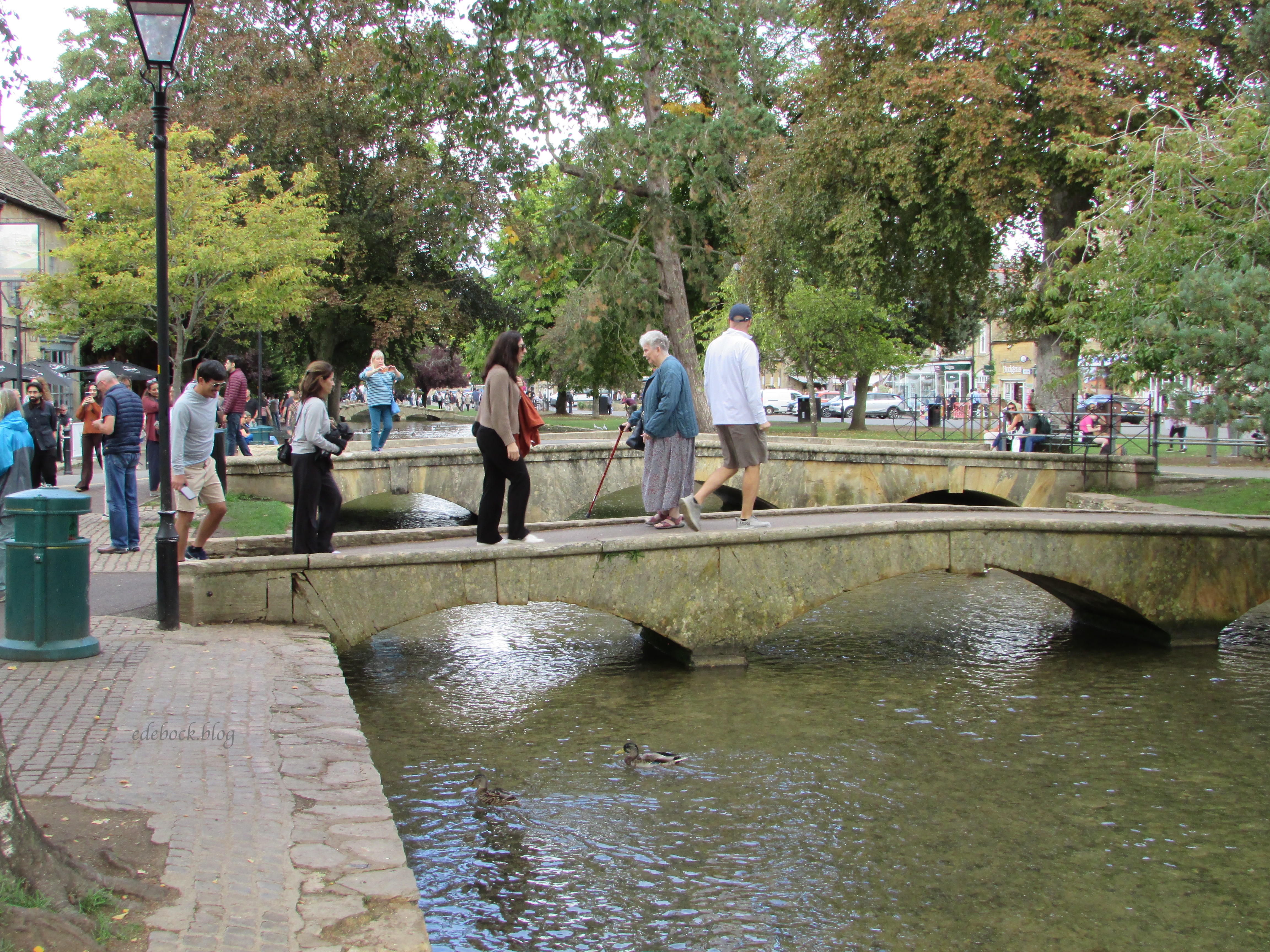
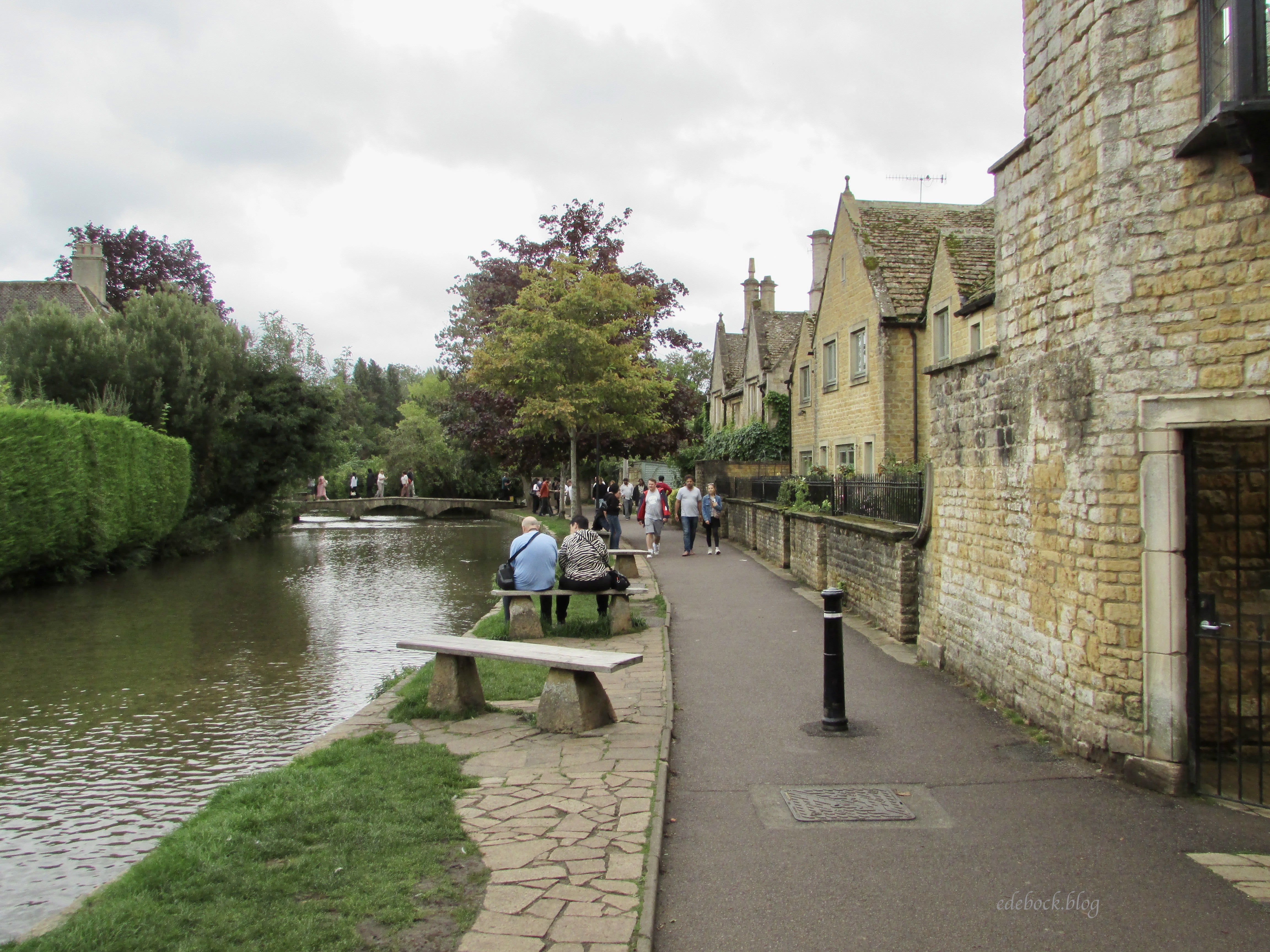
Known as “Venice of the Cotswolds” for the shallow River Windrush running through its centre and spanned by numerous low arched stone bridges, Bourton-on-the-Water was our third and longest stop giving us time to find lunch and eat it by the river. With a population of approximately 4300 people, Bourton-on-the-Water was the biggest and the busiest of the villages that we visited. Come explore with us!
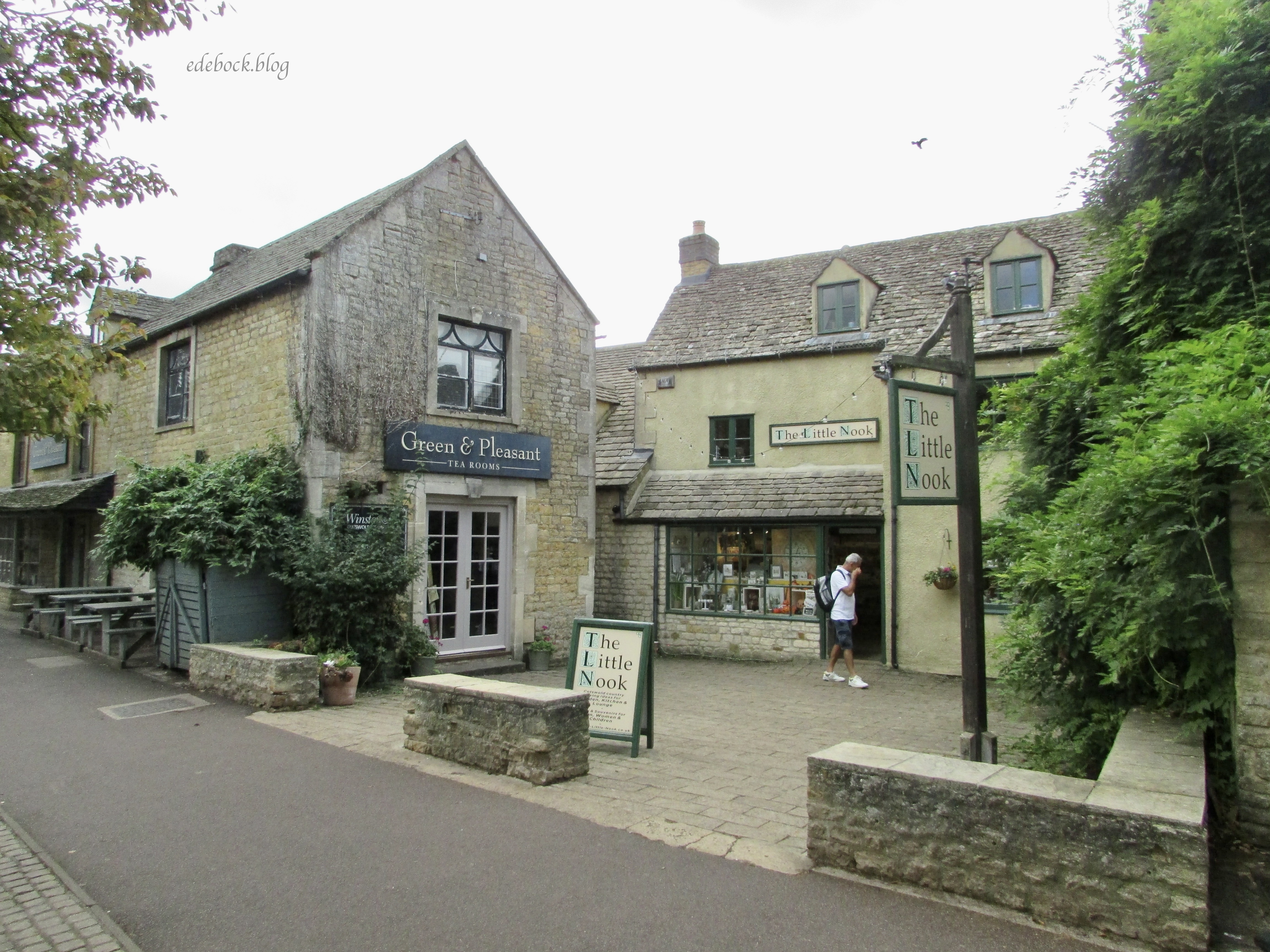
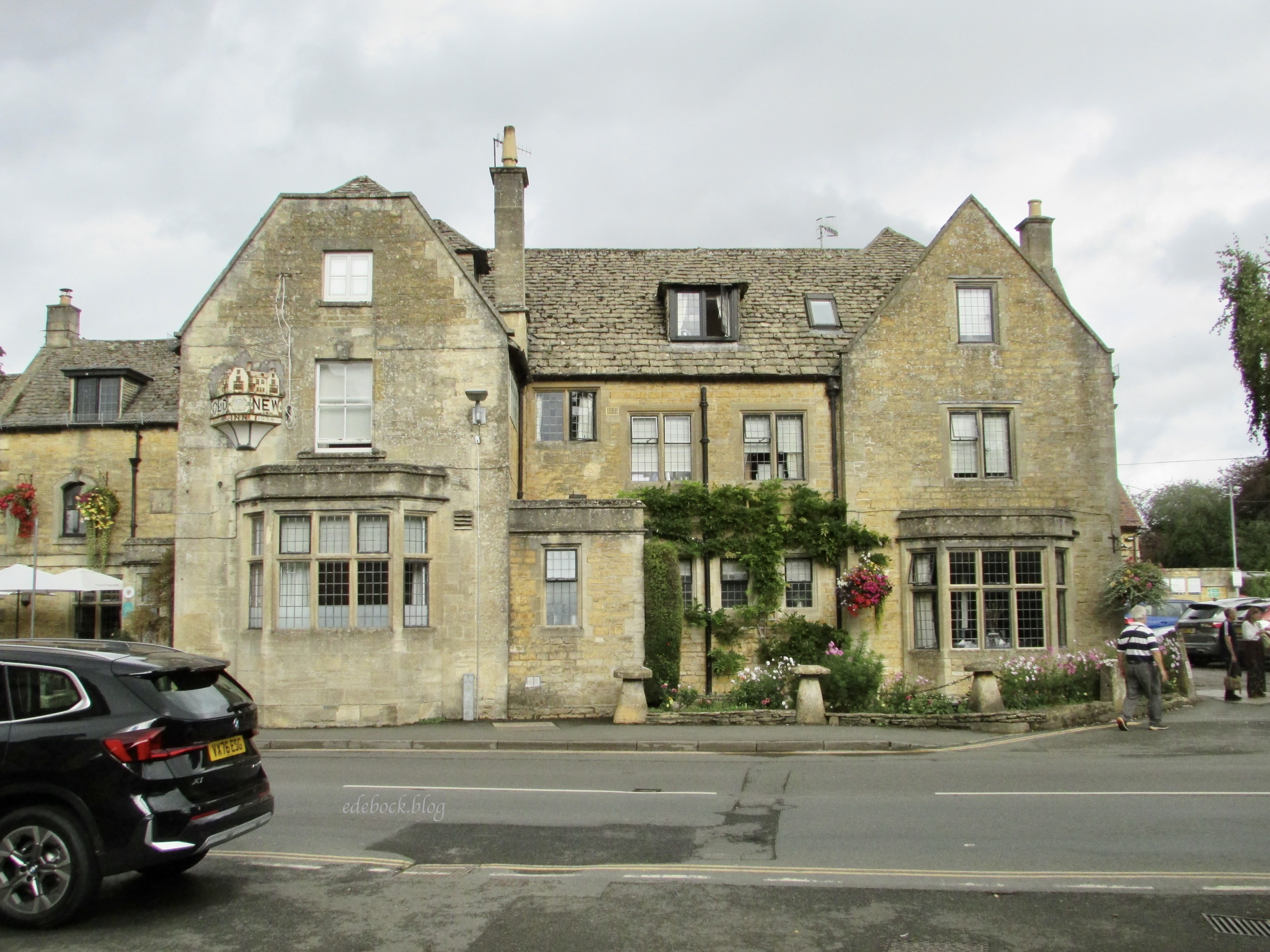
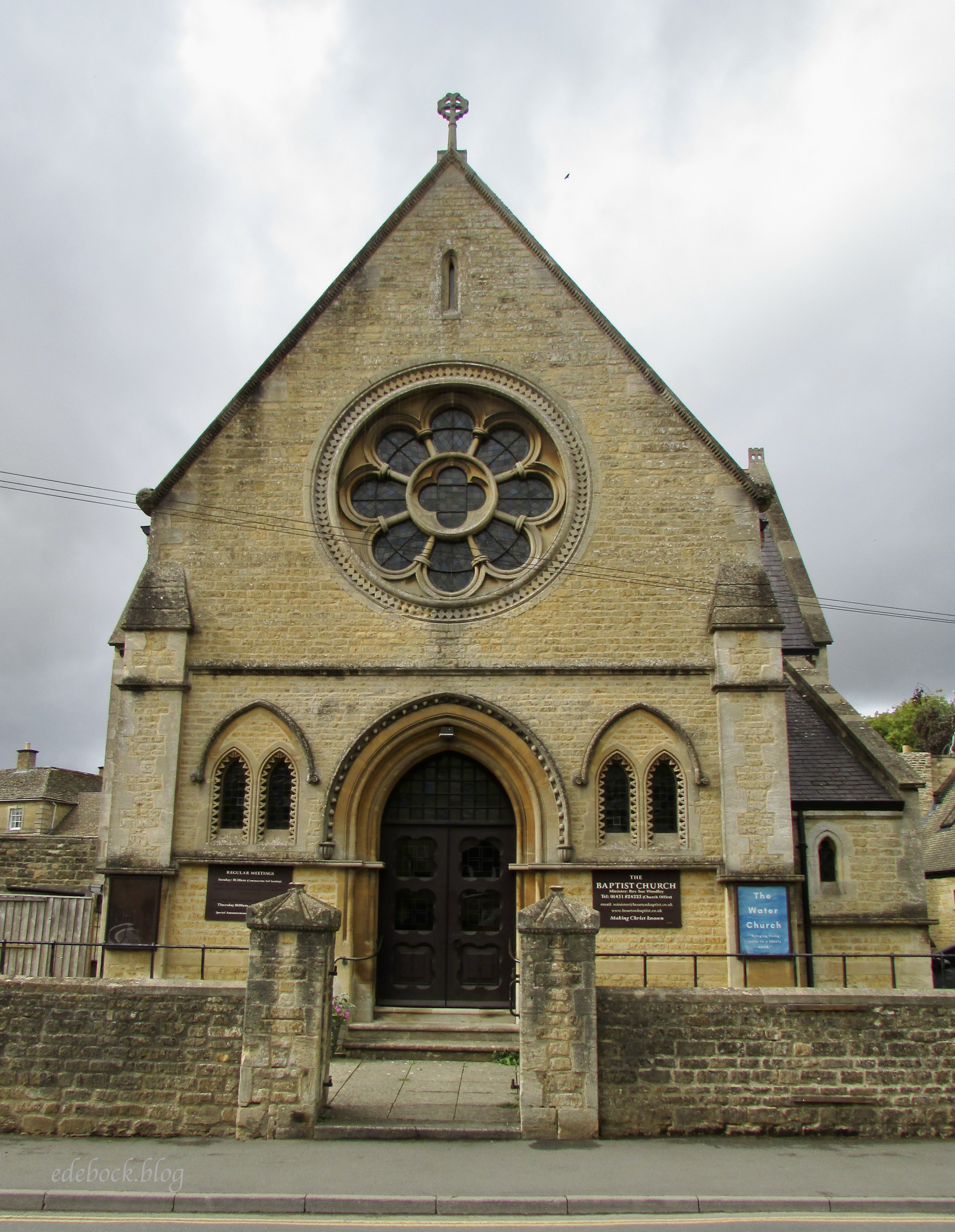
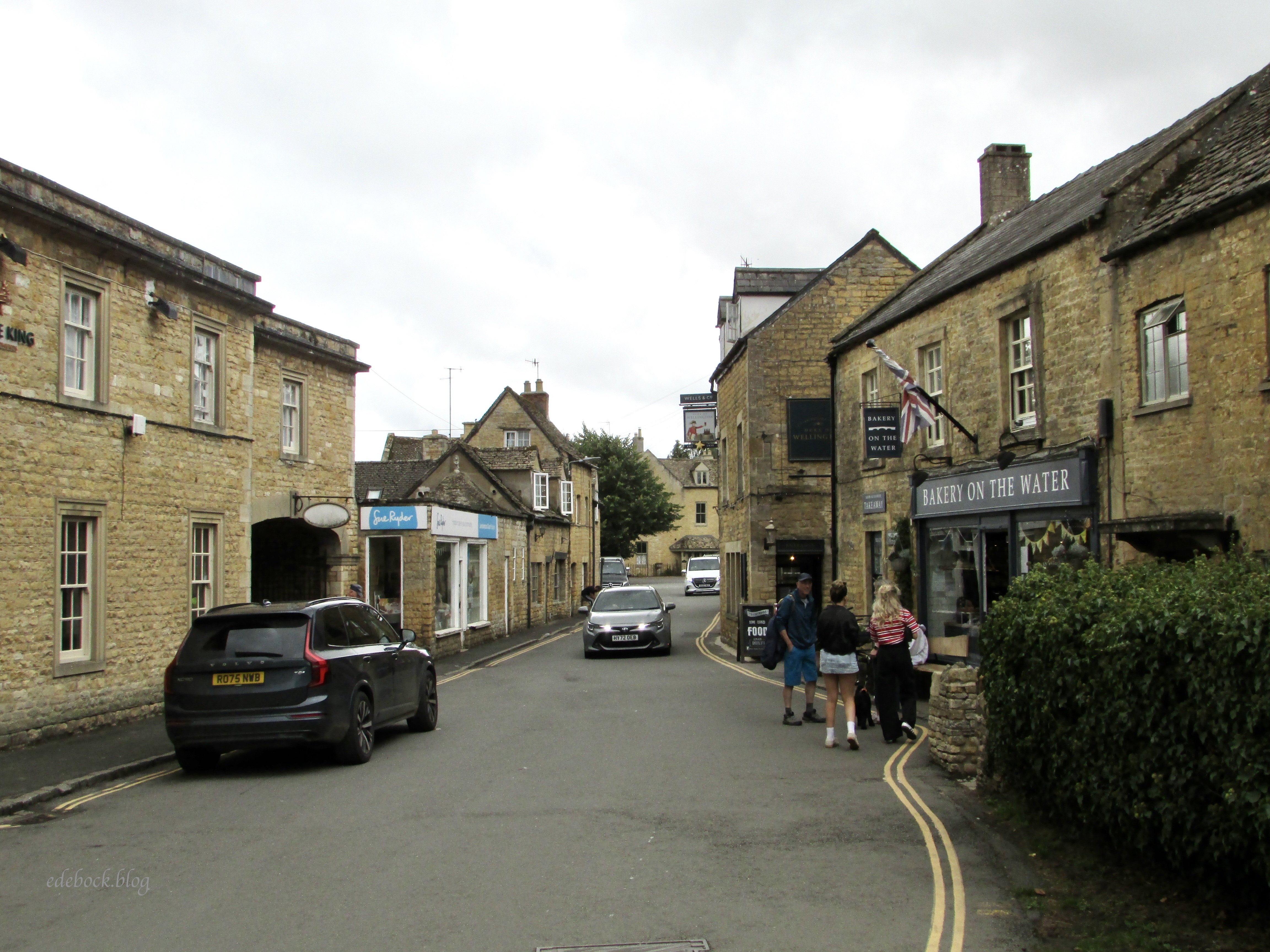
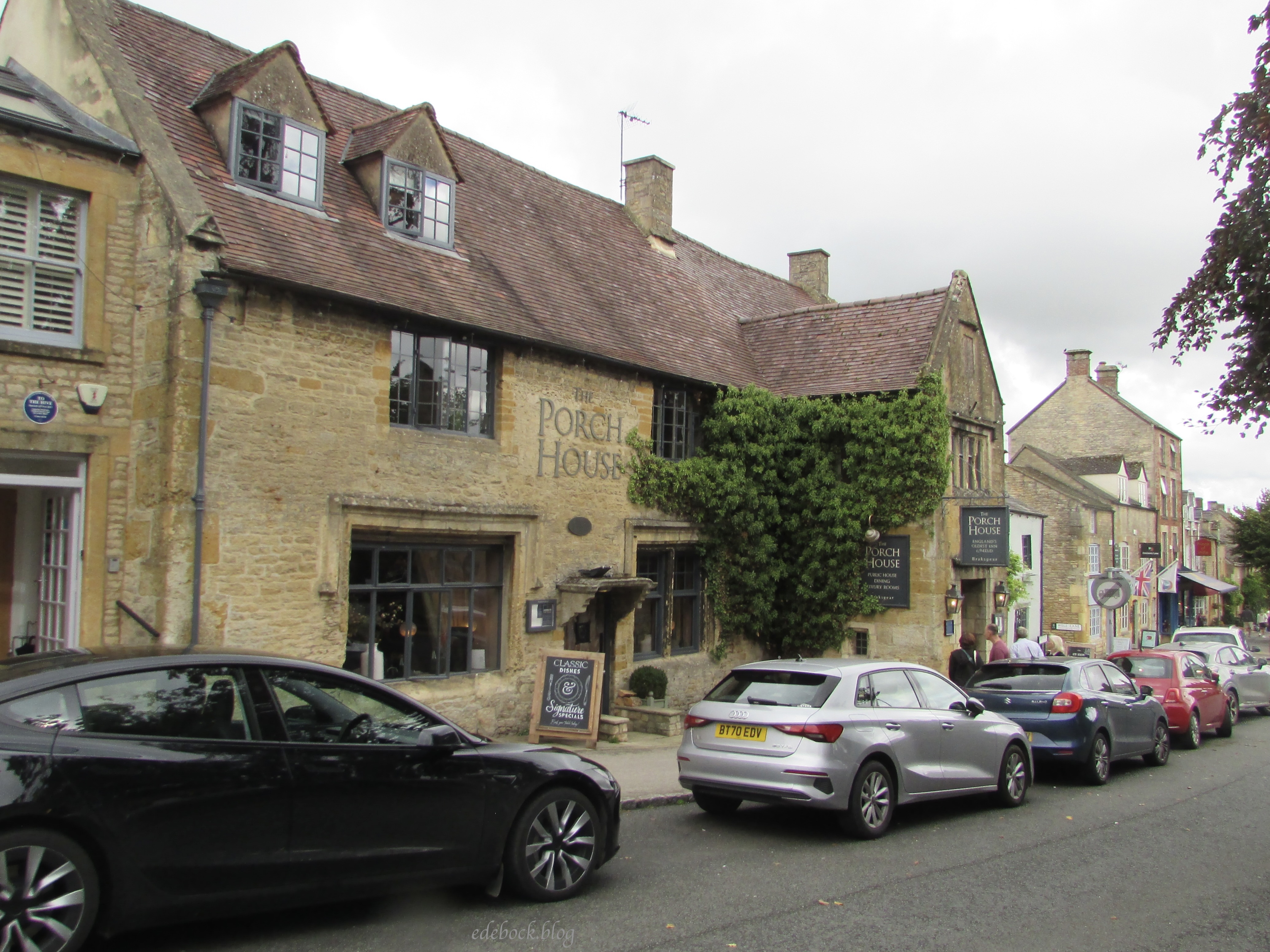
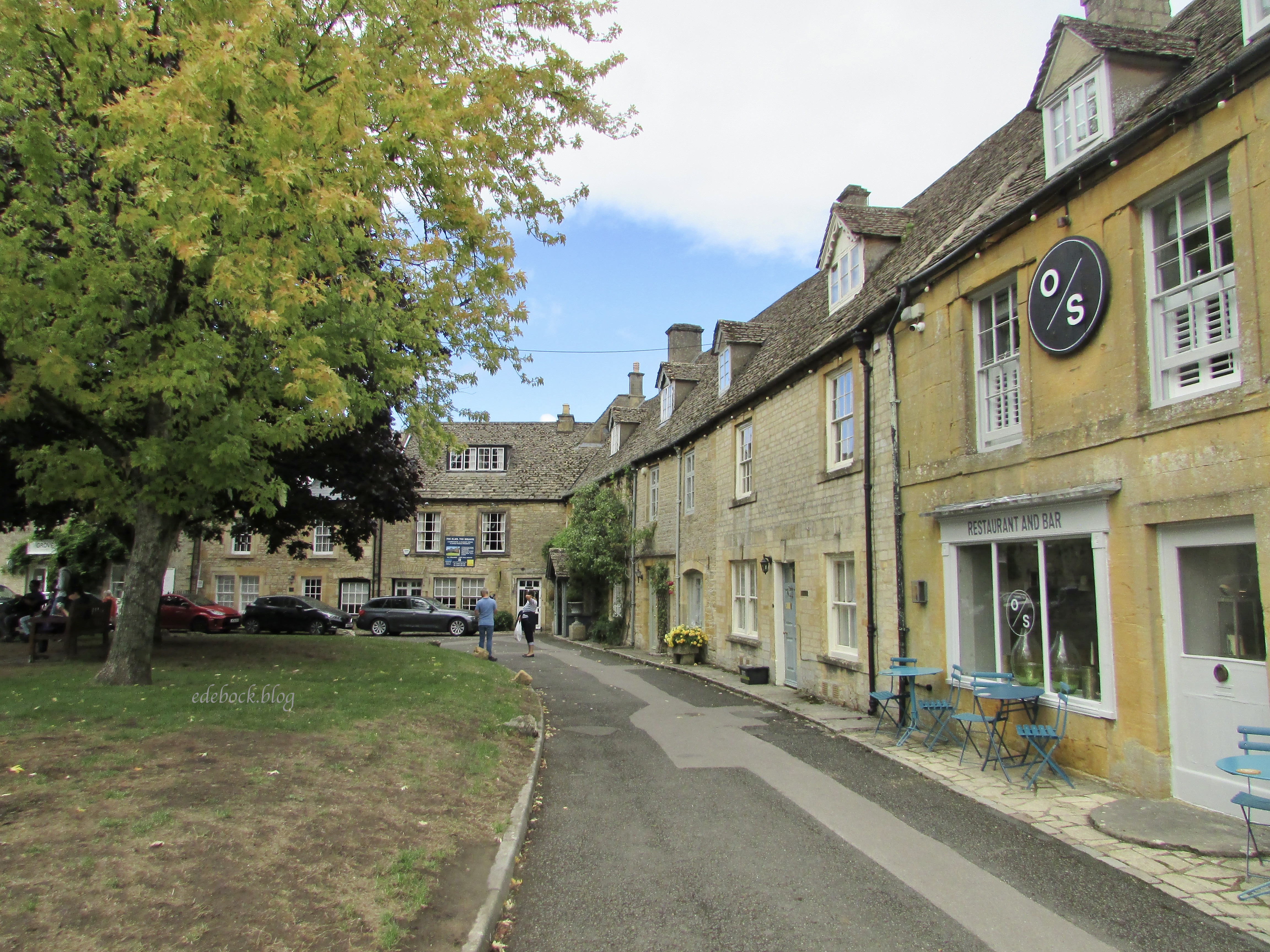
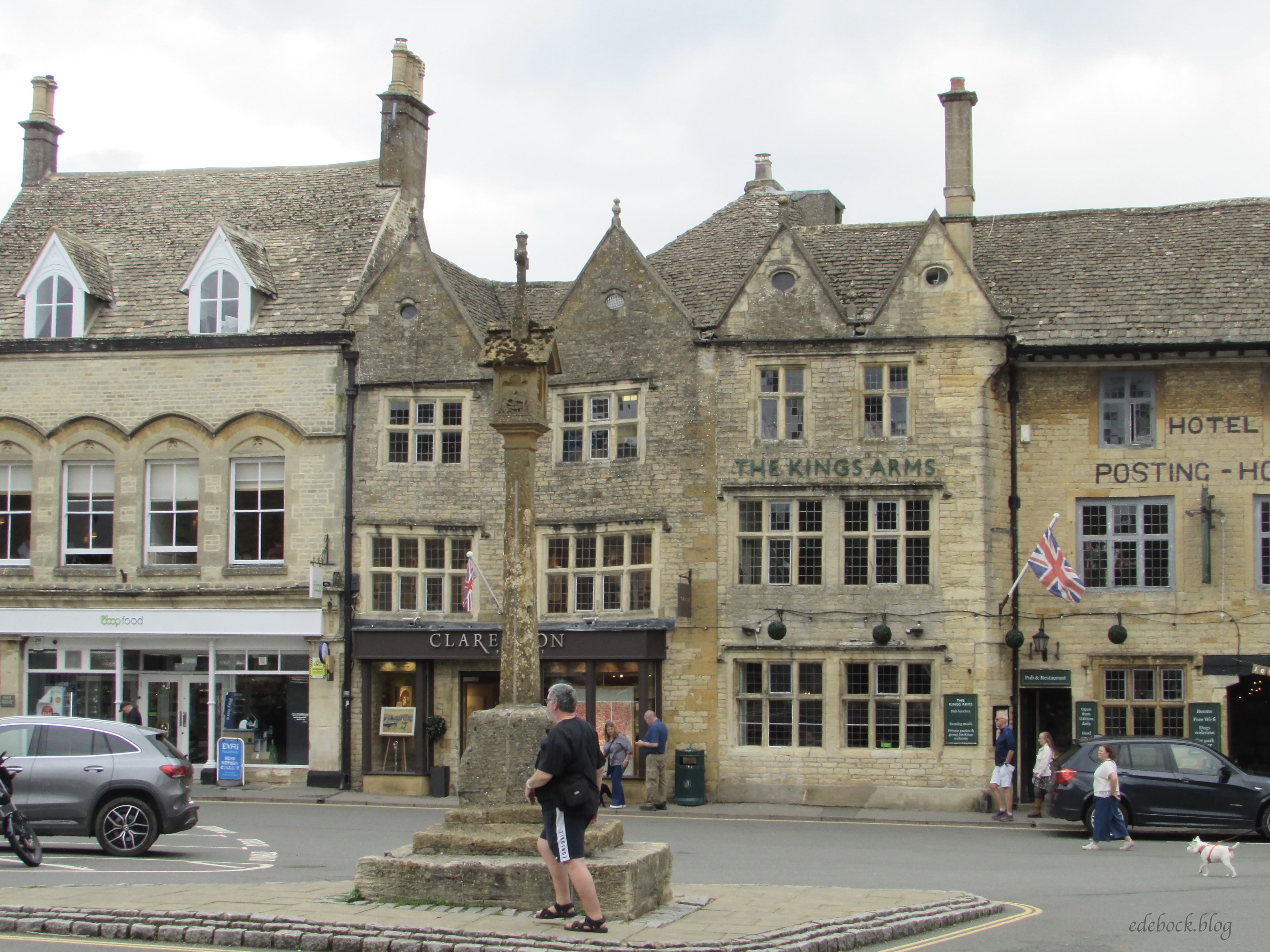
Our final stop was Stow-on-the-Wold, a jumble of inns and antique shops situated around an ancient market square. Stow has been a centre of trade in the Cotswolds for centuries and was the location of the last battle of the English Civil War in 1646. It’s also the location of The Porch House, believed to be England’s oldest pub. Parts of it date back to 947 AD.
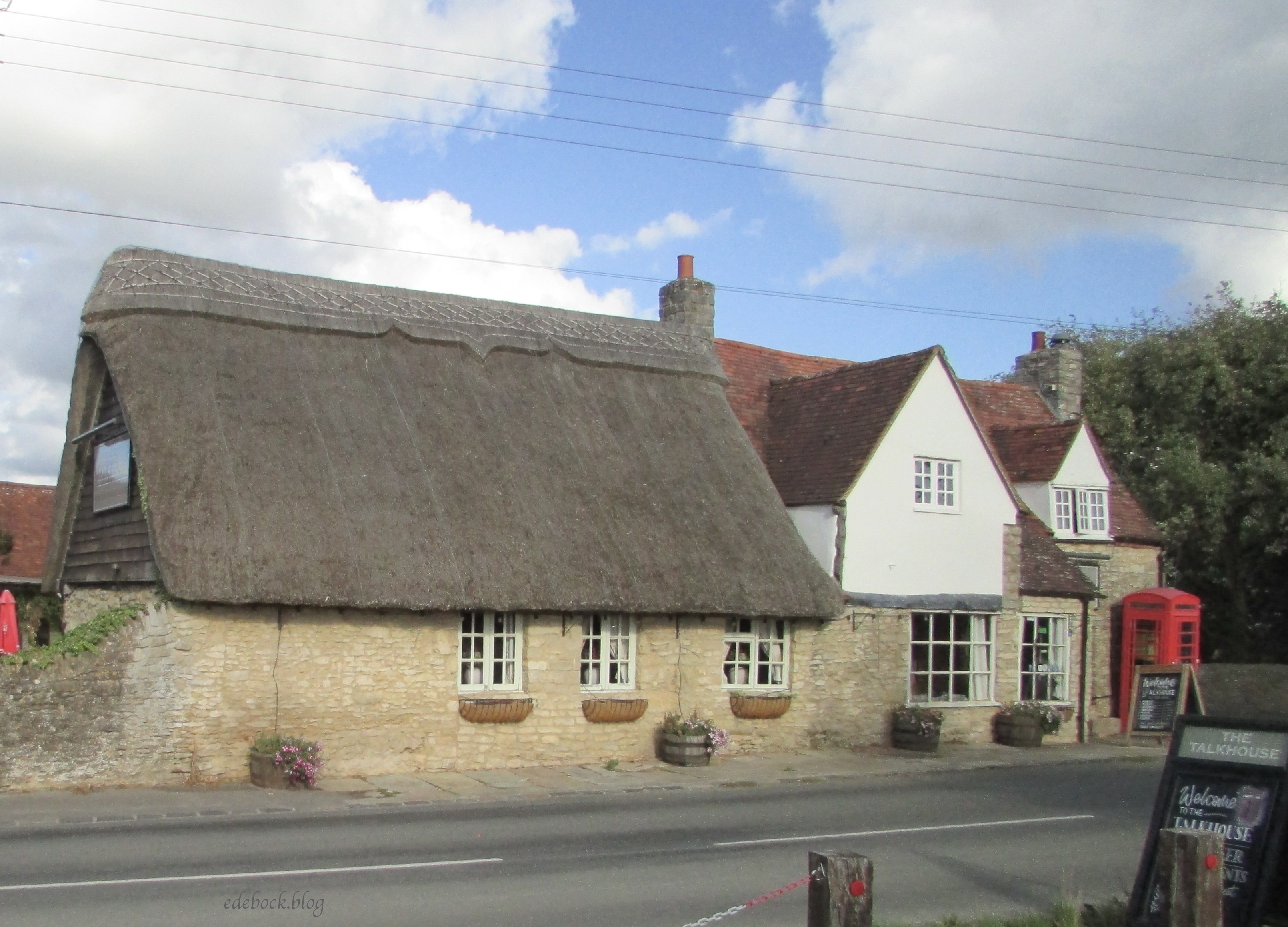
Although most of the roofs in the Cotswolds are made of tiles cut from the Cotswold Stone, there are still a few thatched roofs. Our driver stopped before we left the area so that we could take photos of this one. He also explained that having a thatched roof is very expensive because they have to be replaced every 20 to 25 years and there are very few craftsmen left who do thatching.
Nine and a half hours after boarding the bus, we were back where we started having thoroughly enjoyed a day to remember.

