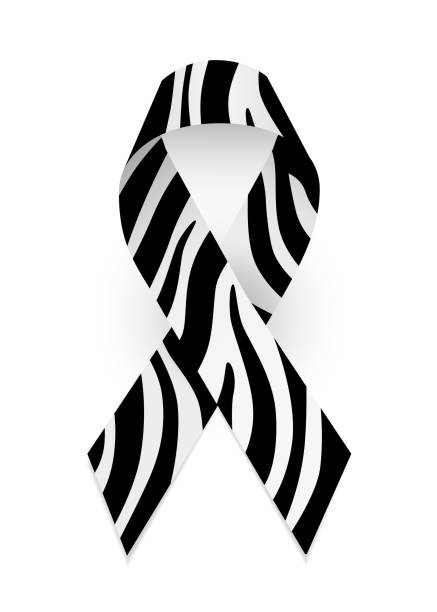
 There’s a great debate in neuroendocrine cancer circles over the use of the zebra as our symbol. At one extreme are patients, usually women, who show up at meetings and conferences decked out from head to toe in zebra stripes and who refer to one another as fellow zebras. On the other side of the debate, the world’s best known and most highly revered patient advocate is so opposed to the idea that he doesn’t allow anything zebra on his social media sites. He thinks that it’s an infantile gimmick that trivializes the grave nature of our disease and that it’s actually detrimental as an awareness tool.
So, how did the zebra become our symbol in the first place? In North America, medical students are taught “when hearing hoofbeats, think of horses, not zebras.” Neuroendocrine tumours (NETS) are very difficult to diagnose. The symptoms are usually vague and similar to more common health problems. Many family doctors have never encountered a NETS patient so when they’re presented with symptoms like stomach pain and diarrhea, they naturally think of things like Irritable Bowel Syndrome, Crohn’s Disease or lactose intolerance. They think of “horses”, not “zebras”.
When it comes to the great zebra debate, I stand somewhere in the middle. I think we need to take advantage of every available opportunity to draw attention to our cause and if that includes zebra stripes, I’m fine with that. After all, branding works. For example, the pink ribbon and the colour itself have become highly recognized symbols of breast cancer. While you’ll never see me wearing zebra stripes from head to toe, partly because I think it looks silly and partly because I don’t look good in black and white, I do have a zebra striped top in cream and brown and on occasion, wearing it has led to a conversation about my cancer.
Although within weeks of learning that I had neuroendocrine cancer, I wrote a blog post entitled I’m a zebra!, I’ve now joined the ranks of those who cringe at being called that. Referring to ourselves as zebras makes it sound like we’re part of an exclusive club or a cult! Zebra refers to a diagnosis, not a person. While I have NET cancer, I am not my disease.
In my advocacy role and as a support group leader, I work with patients on both sides of the great zebra debate. I would really like to know your opinion. Do you think that symbols like the zebra and the striped ribbon can be effective in spreading awareness of a disease? Or do you think that they’re silly and make light of an important topic? Please leave a comment and let me know.
And, in closing, although it has very little to do with today’s topic, I can’t resist sharing the cover of the January 15, 1926 issue of Vogue magazine!

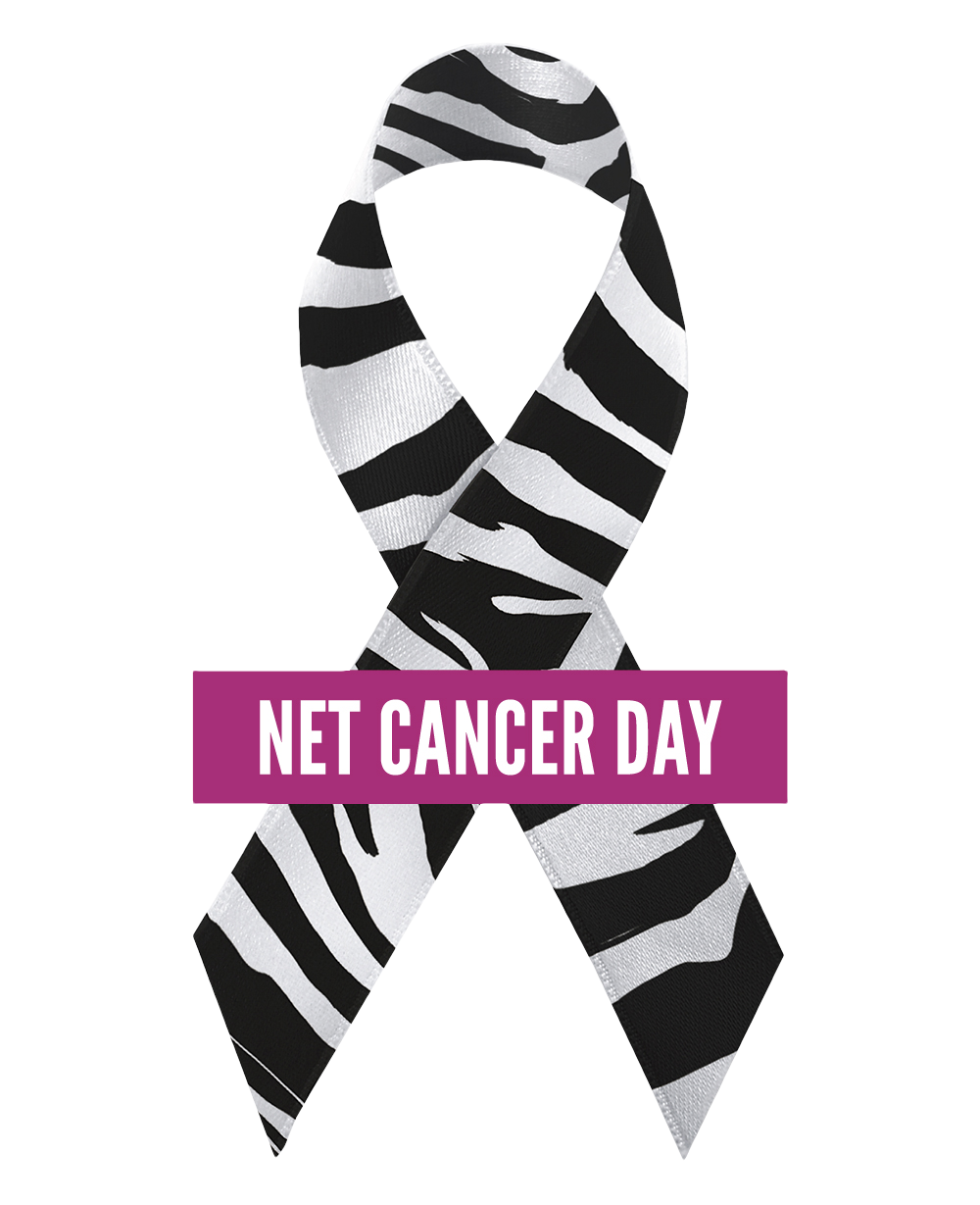 Once again, today is NET Cancer Day. November 10th is a day set aside to increase awareness of neuroendocrine cancer and to promote improved diagnostics, treatments, care, and research, but for those of us who live with the disease, every day is NET Cancer Day.
 Following Augustine