Exploring Frankfurt

Our time in ministry came to an end late Friday night and we headed for the nearest airport almost immediately afterward. Saying goodbye was hard, but flights in and out of that part of the world all seem to go at bizarre hours of the night. We arrived in Frankfurt, Germany early Saturday morning tired in mind and body, but buoyed in spirit by all that we had been experiencing.

Since we had to fly through Frankfurt, it only made sense to the wanderer in me to spend some time exploring a bit of Germany before we head for home. After making our way through passport control, grabbing a quick breakfast at the airport, and figuring out how to catch the train into the city, we located our hotel just around the corner from the central station. As it was several hours before our room would be ready, we left our two little suitcases (yes, we’re traveling carry-on only again) in a locker in the lobby and set off on foot to explore our surroundings.

Approximately 25% of Frankfurt’s population are immigrants who don’t hold a German passport and another 10% are naturalized German citizens. Along with recent refugees from Ukraine, the city is home to a vast number of Syrian asylum seekers as well as expats from many other locations around the world. The multi-cultural nature of the city was clearly evident as we explored the area near our hotel. In fact, we had a hard time finding a traditional German meal!

Later, we walked some more to see the Old Opera House which was constructed during the 19th century, destroyed during World War II, and rebuilt in 1981.

After a good night’s sleep and a hearty breakfast in a restaurant in the corner of the train station, our feet hit the pavement again and we headed for historic Alstadt (Old Town) about 1.6 km (1 mile) from our hotel. It was a cool, cloudy day with occasional light showers, so my photos aren’t as clear and bright as they might otherwise have been, but I took almost 100 and will share just a few of them here.

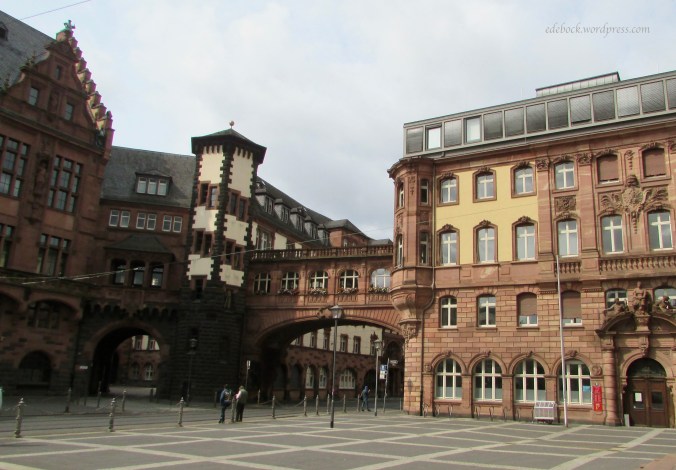
We entered the area through the arched bridge that connects the north and south buildings that make up the Altes Rathaus or Old Town Hall.
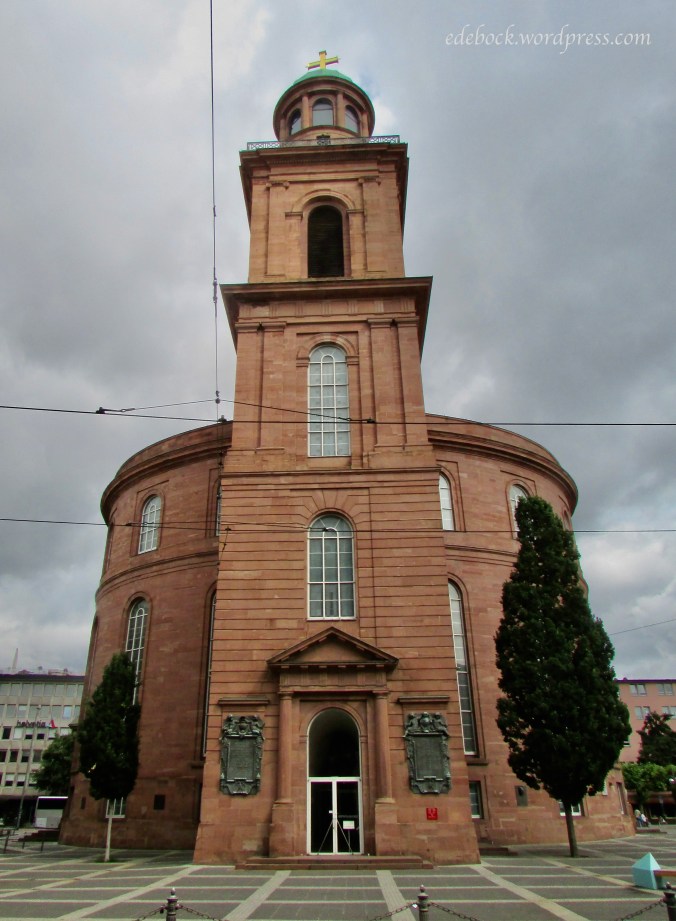
St. Paul’s Church, consecrated in 1833, was the seat of the first freely elected German parliament and is now used by the City of Frankfurt as a special events venue.
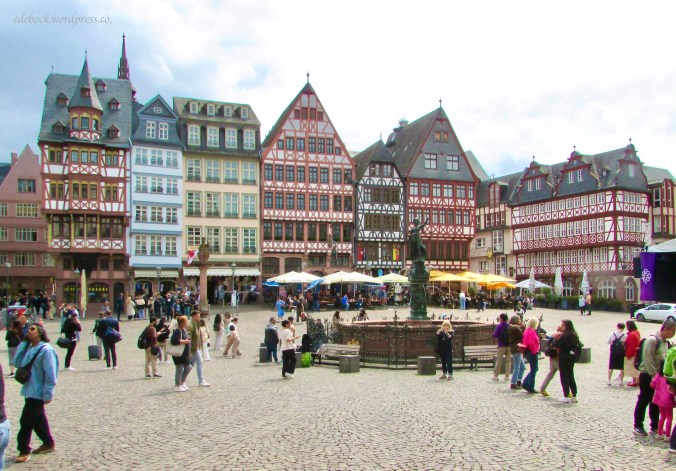
A two minute walk took us to colourful Römerberg Square, a post war reconstruction of the old city plaza that was used for hundreds of years to hold markets, fairs, tournaments, festivals, and even executions.

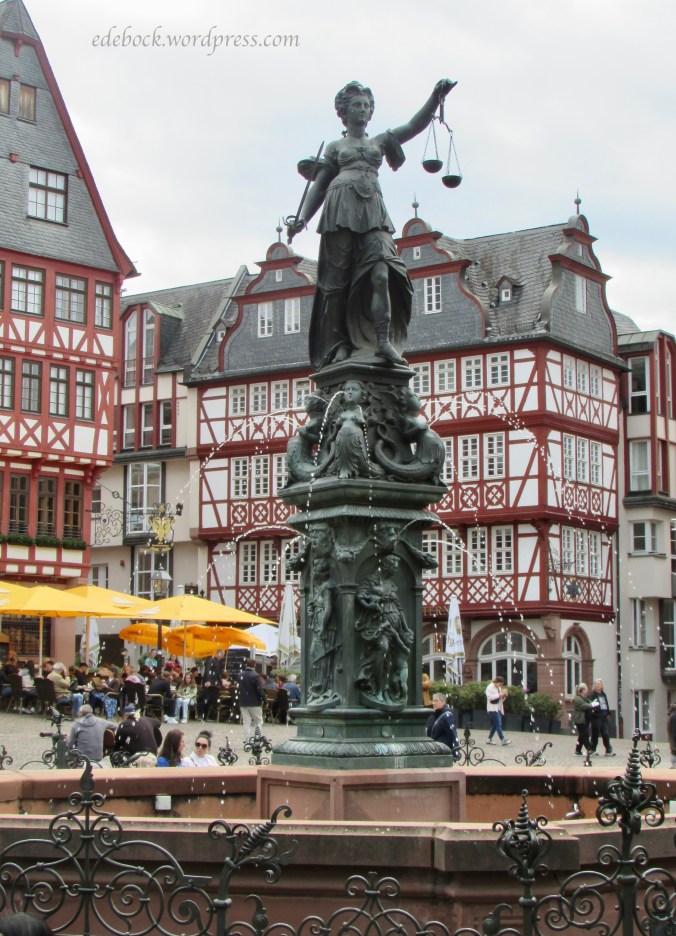
The Fountain of Justice stands at the centre of the square.
With its three gabled roof, the 15th century Town Hall or Römer dominates one side of the square.

Römerberg Square is also home to a monument that might be easily overlooked by many visitors as they focus on the colourful historic buildings surrounding them. Set into the pavement, the large memorial plaque reads “At this place on May 10, 1933 National Socialist students burnt books by authors, scientists and publicists.” Records show that these Nazi sympathizers burned more than 25,000 books that were deemed to be “un-German.” A quote by German-Jewish writer Heinrich Heine stating, “That was just the beginning. Where one burns books, in the end, people are burnt as well.” encircles the memorial.

Nearby, the gothic style Frankfurt Cathedral, dedicated to St. Bartholomew, is the largest religious building in the city. It’s so big, in fact, that I couldn’t find a good vantage point to fit it all in a photo!
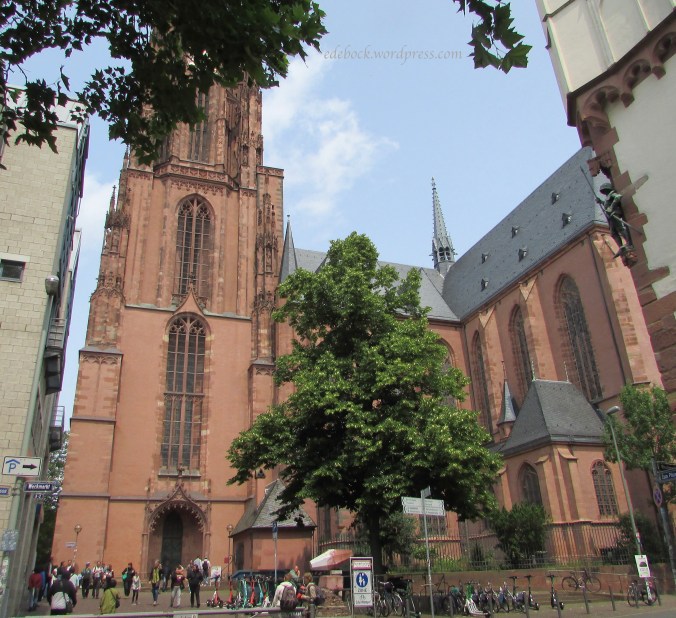
The 95 metre (312 feet) tall cathedral tower is by far the most magnificent part of the structure.
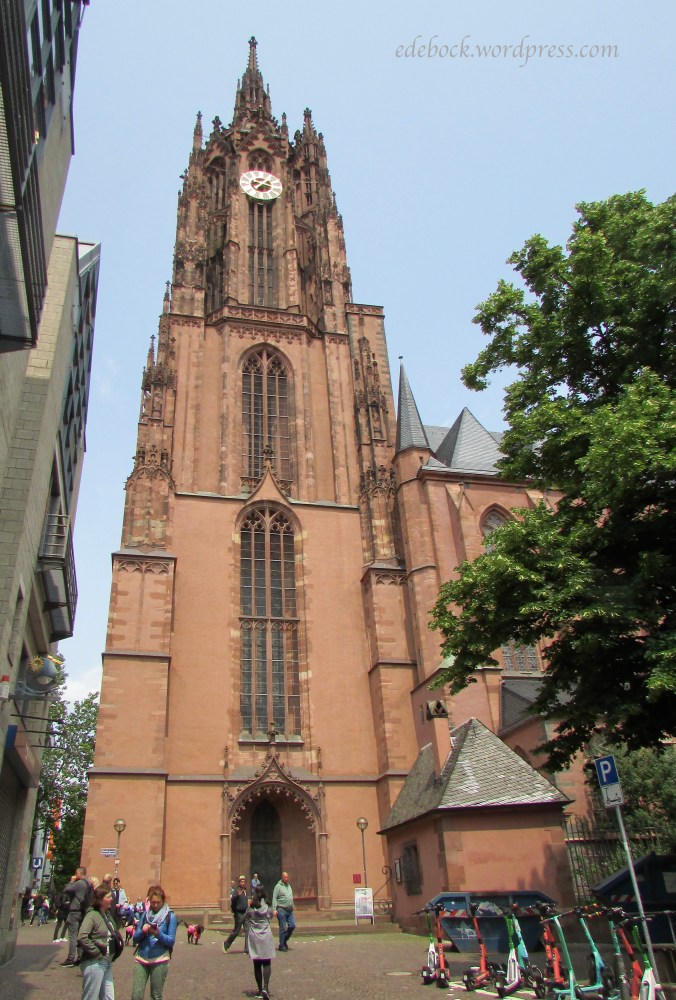
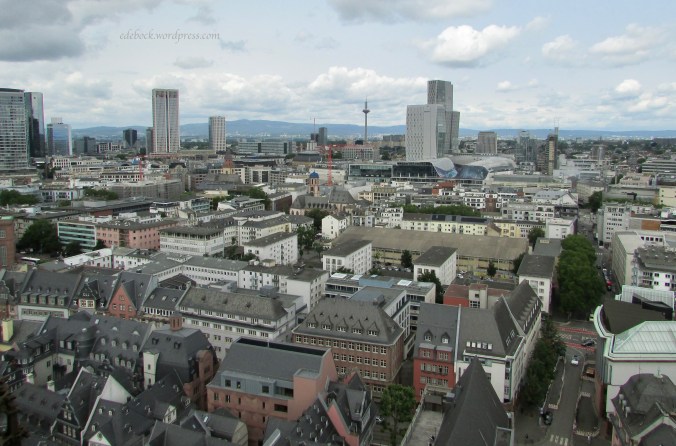
328 stairs took us to the top for some spectacular views of the city! Is it any wonder that our legs are telling us that they’ve been overworked?

Now I’d best get some sleep as we intend to put on many more miles tomorrow!
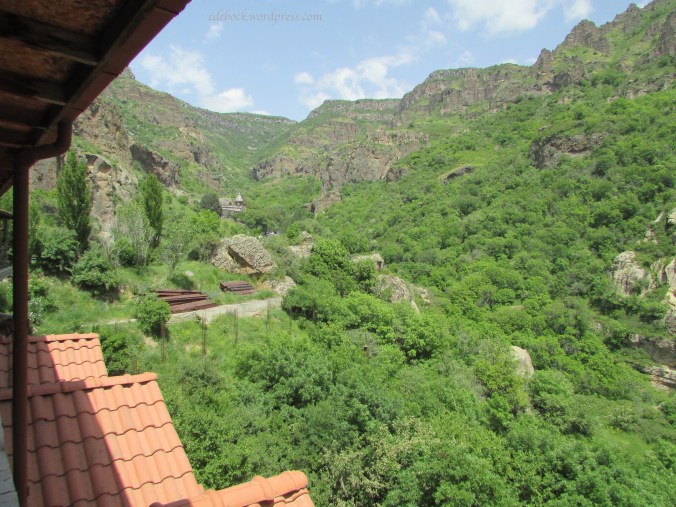
Geghard Monastery

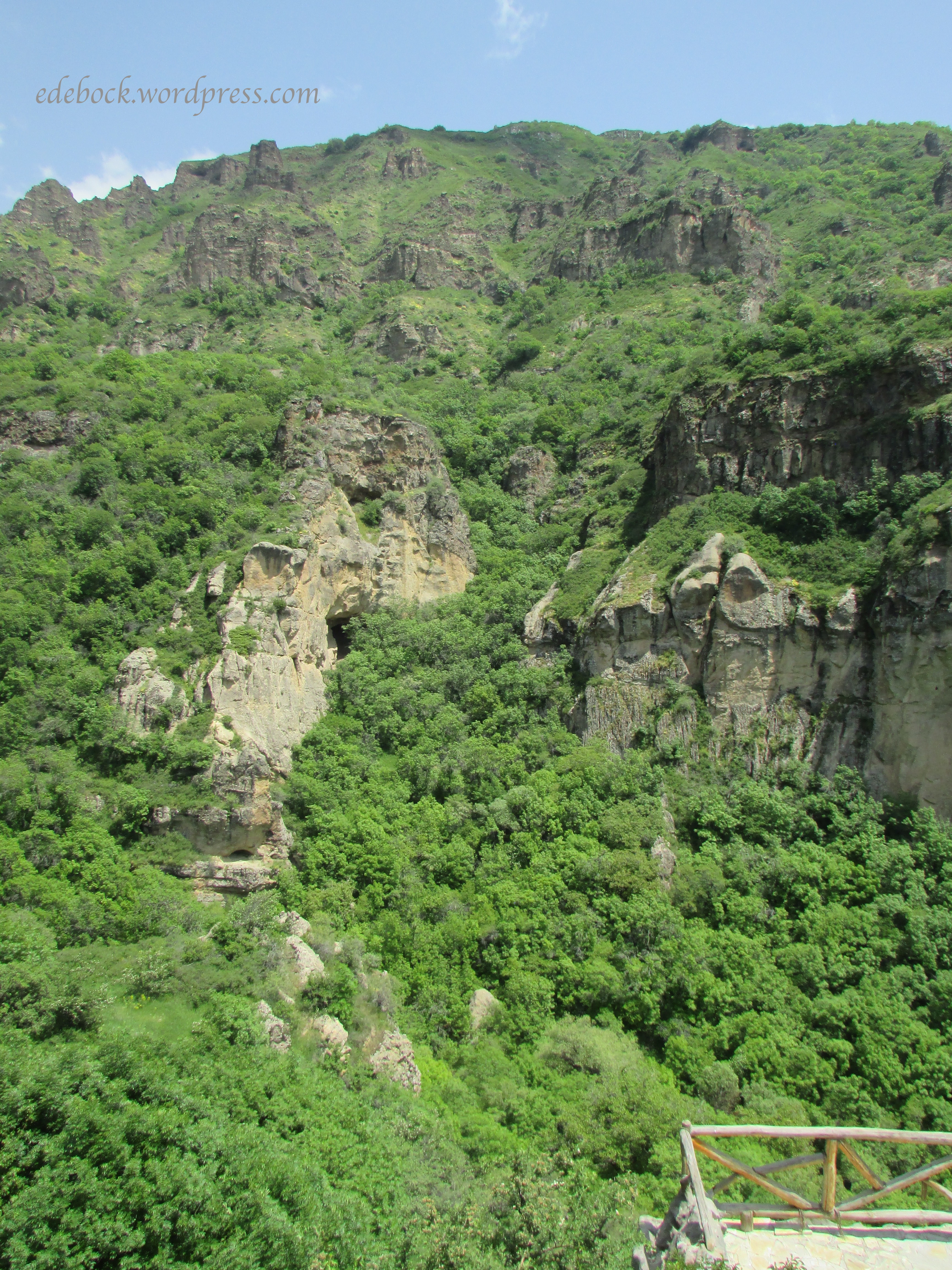
Geghard Monastery, declared a World Heritage Site in 2000, is nestled into the dramatic Azat River Gorge, approximately 35 km (22 miles) east of Yerevan, the capital city of Armenia. Can you spot it in this photo taken from the open air restaurant where we stopped for a delicious lunch.

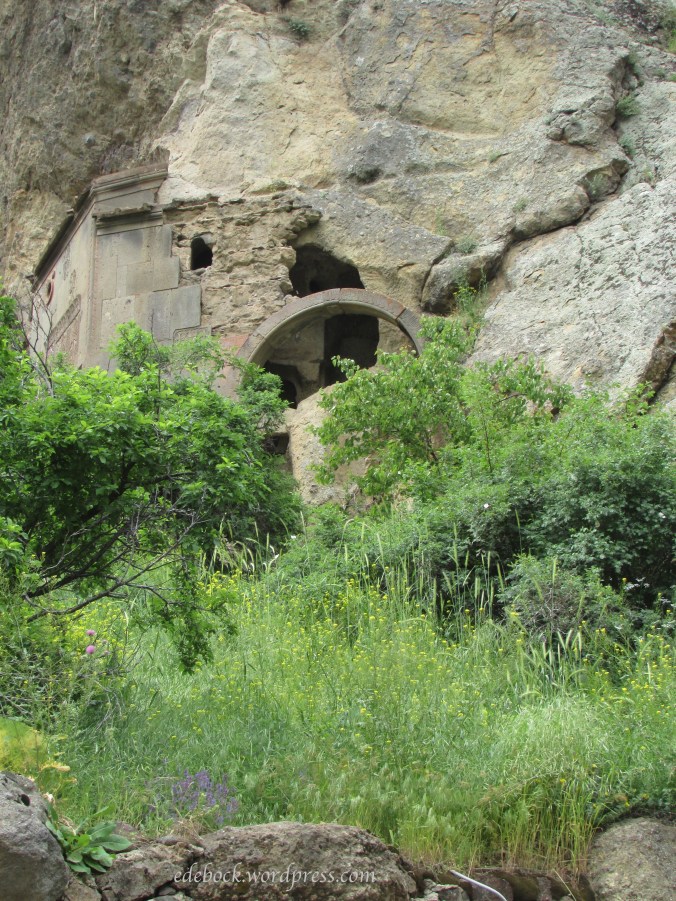
Here’s a closer look.

Views of the gorge from the restaurant were absolutely spectacular. We could hear the river in the bottom of the canyon, but lush growth obscured our view of it.

One of the oldest Christian monasteries in the world, Geghard is one of the country’s most visited tourist destinations. It is believed to have been founded in the 4th century by Saint Gregory the Illuminator, following Armenia’s adoption of Christianity in 301 AD. Until the 13th century, the monastery consisted of churches, chapels, and chambers cut into the rock. 

The main cathedral was built during the 13th century and is an exceptionally well-preserved example of medieval Armenian architecture. The entire complex blends seamlessly into the surrounding mountainous terrain.  

Geghard Monastery was an important spiritual and cultural hub during the Middle Ages housing numerous monks and scholars. It also became a destination for pilgrimages because it was believed that the spear that pierced the side of Christ during His crucifixion was stored there for a period of time. Geghard means “spear” or “spearhead” in Armenian. 

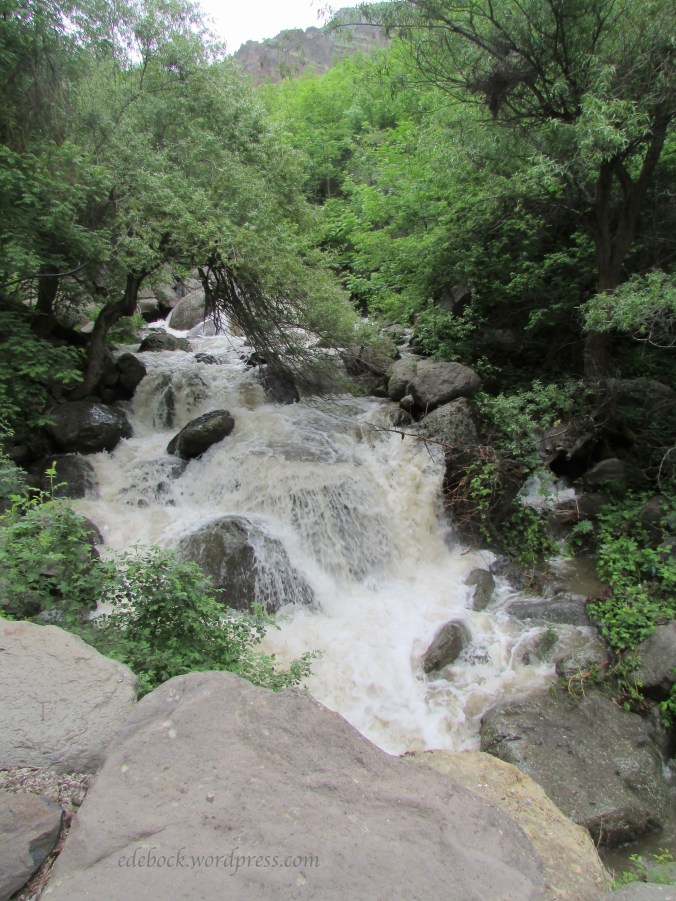
A unique feature of monastery is a spring flowing from the rock inside the church. Believed to be holy water, it has worn a groove into the rocky floor over many hundreds of years. Outside, a very short walk from the main church takes one to a stream tumbling down the rocky mountainside. 

Tomorrow we depart for an undisclosed location where we will engage in the ministry that is the main reason for this trip. The blog will continue when we complete that work and resume travelling as tourists. 

Mexico City’s Palacio de Bellas Artes

We’re home from Mexico now, but we’re living in the middle of a construction zone while renovations continue in our house. Considering how much trouble I had just finding a pair of pants to wear our first morning home, I’m nowhere near ready to consider writing a fashion post just yet. I do have one more travel post to share with you though.

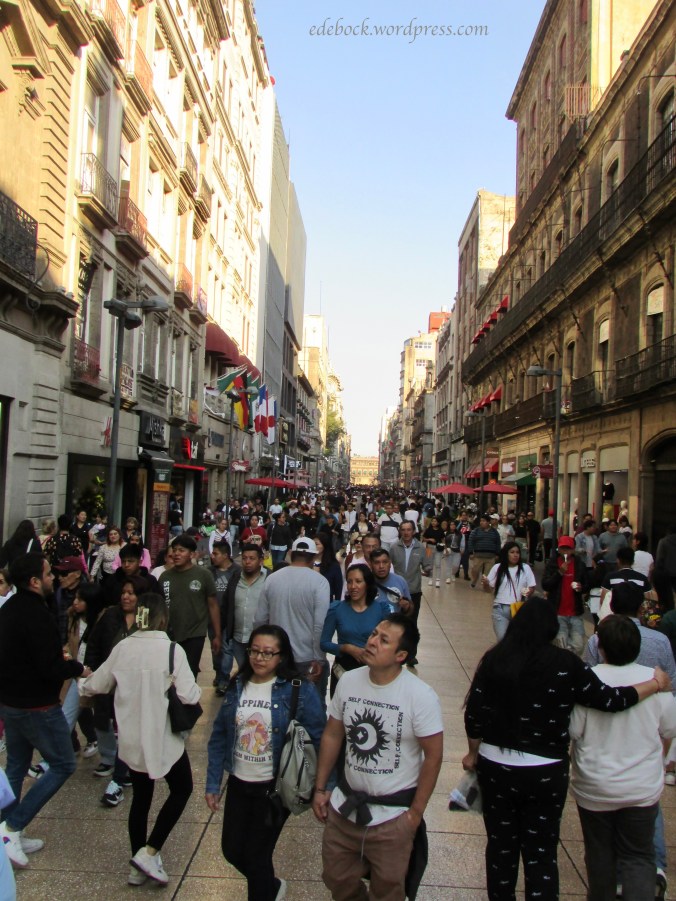
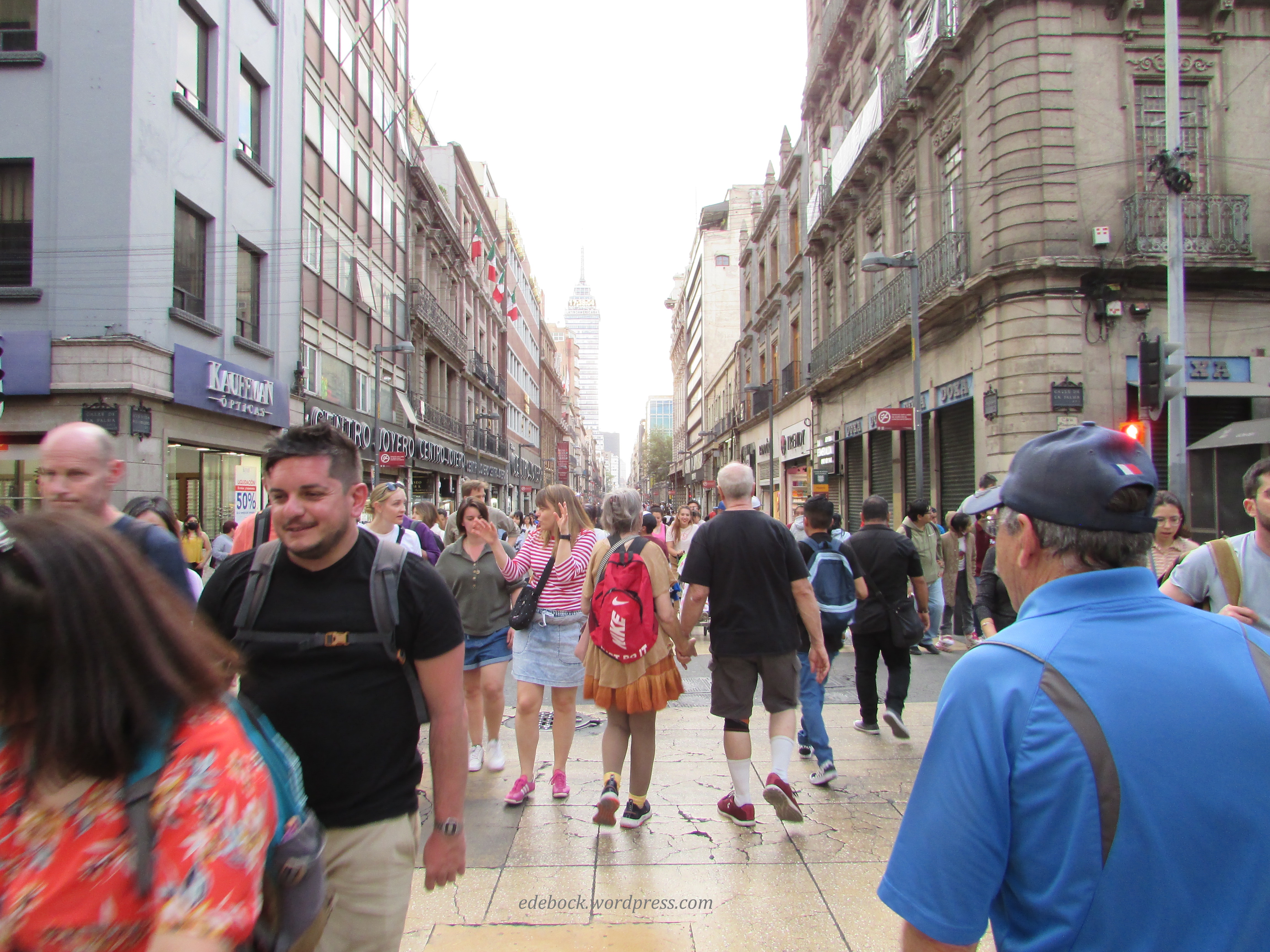
After checking into our hotel in Mexico City’s Centro Historico, we made our way to Francisco I. Madero Street, the busy pedestrian street that we have enjoyed on previous visits. Always busy, it was even more crowded than usual on a sunny Sunday afternoon!
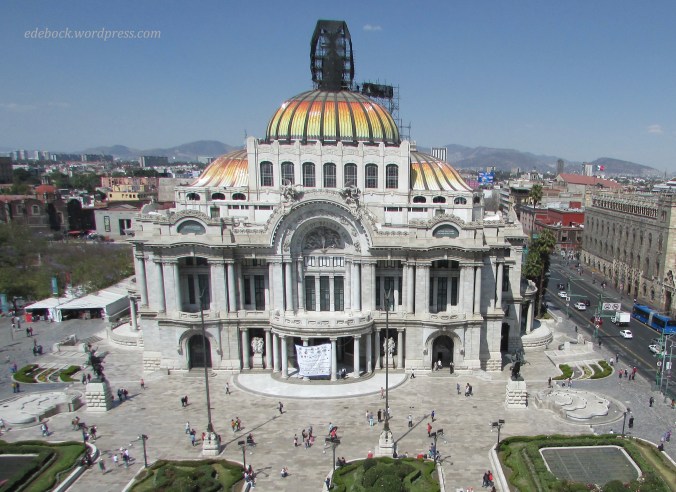
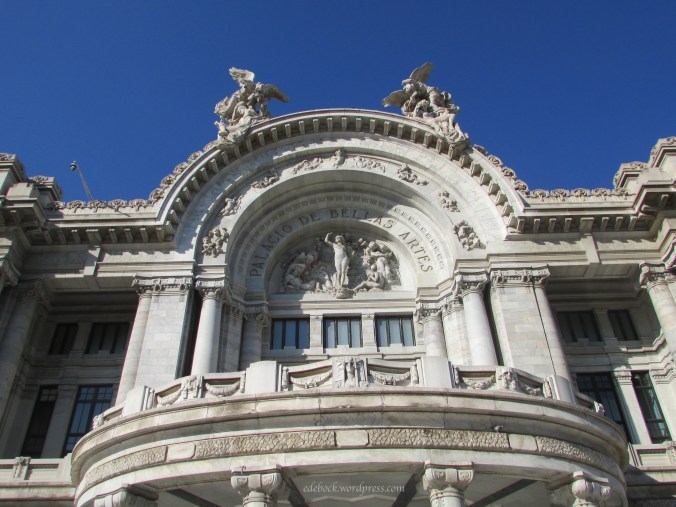
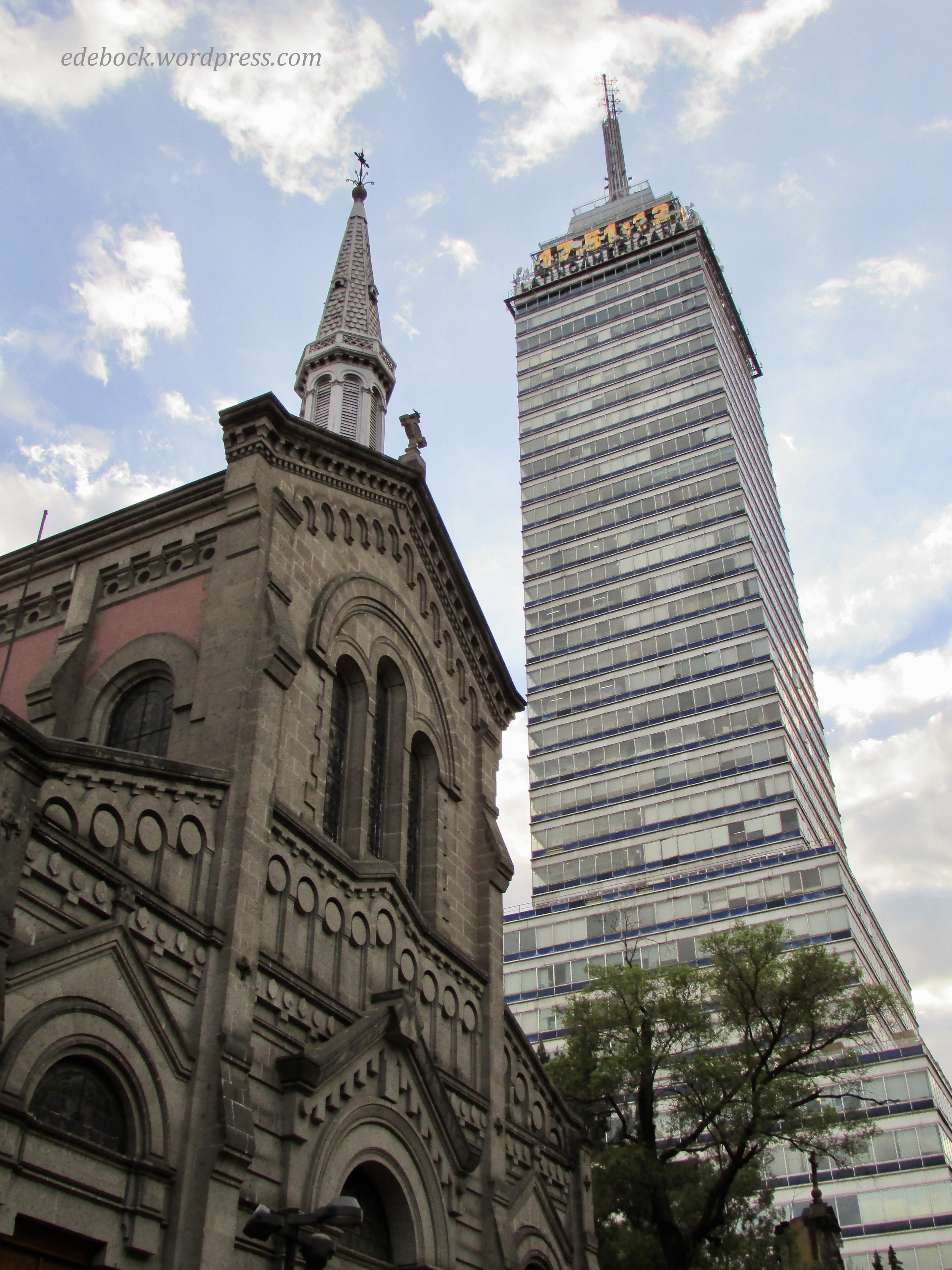
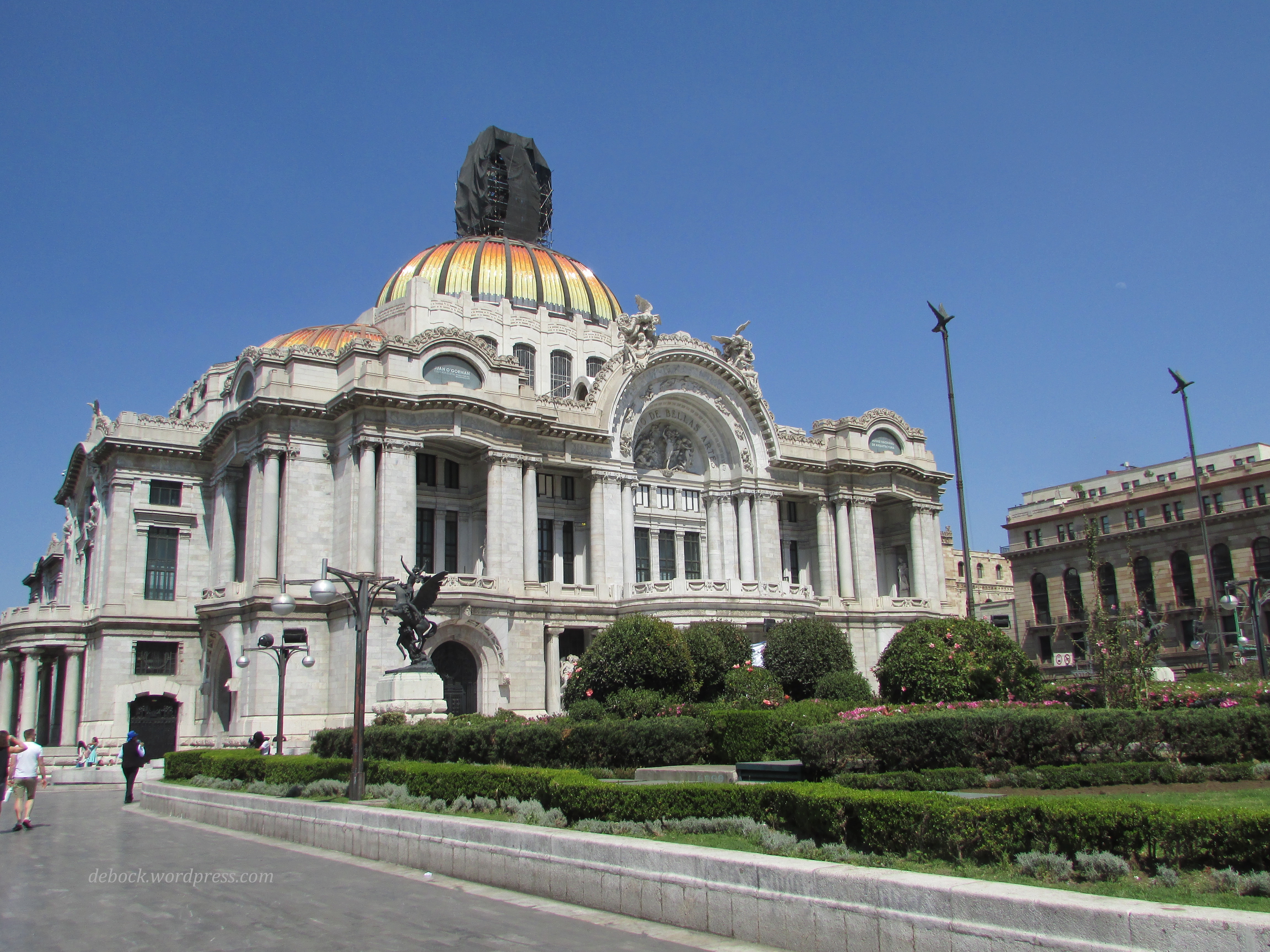
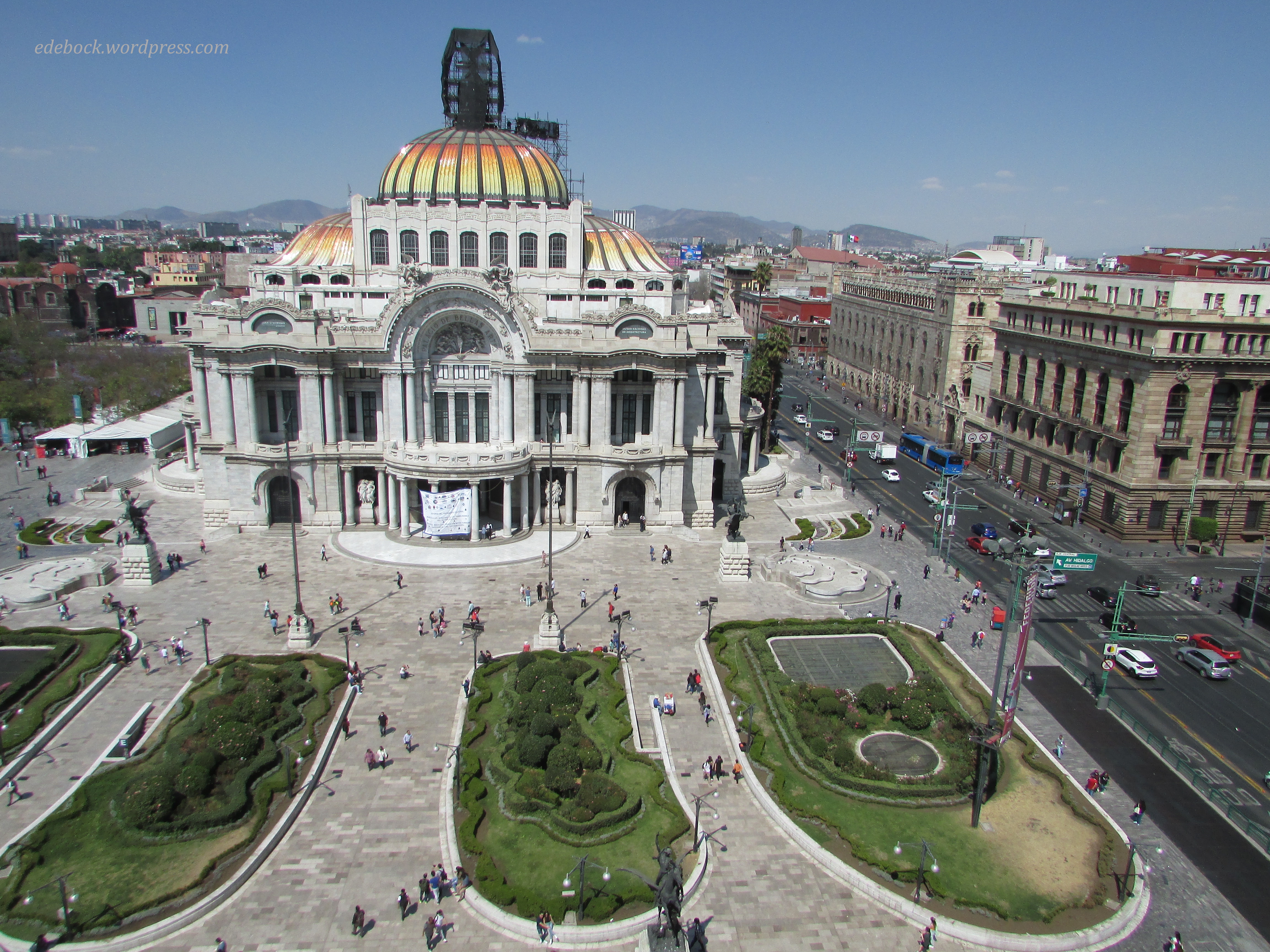
Our destination, the Palacio de Bellas Artes (Palace of Fine Arts), was at the far end of the street. Two years ago, we enjoyed this spectacular view of the prominent cultural centre from the balcony of the 8th floor coffee shop in the Sears department store directly across the street.

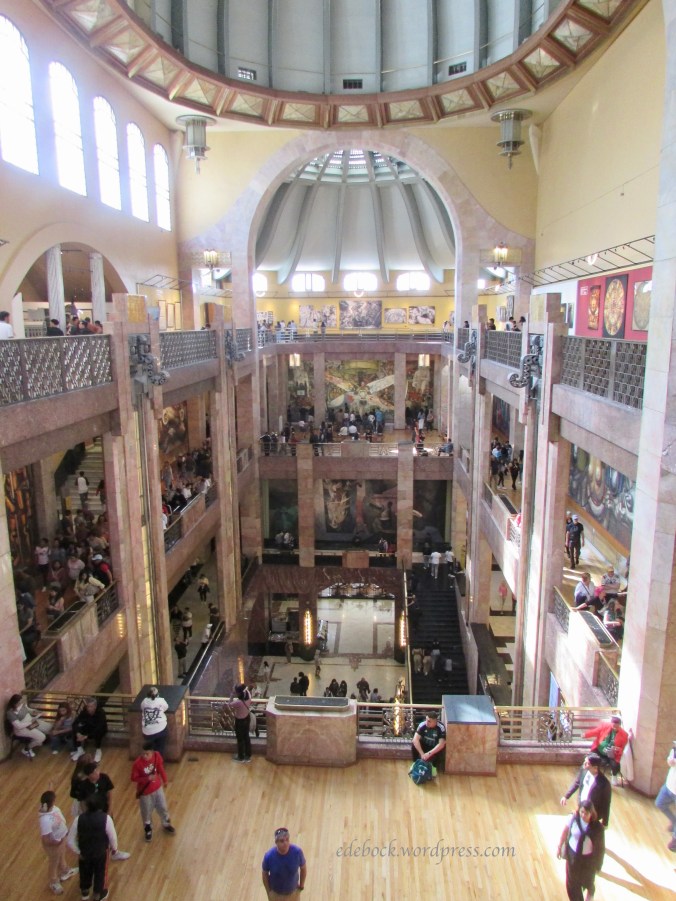
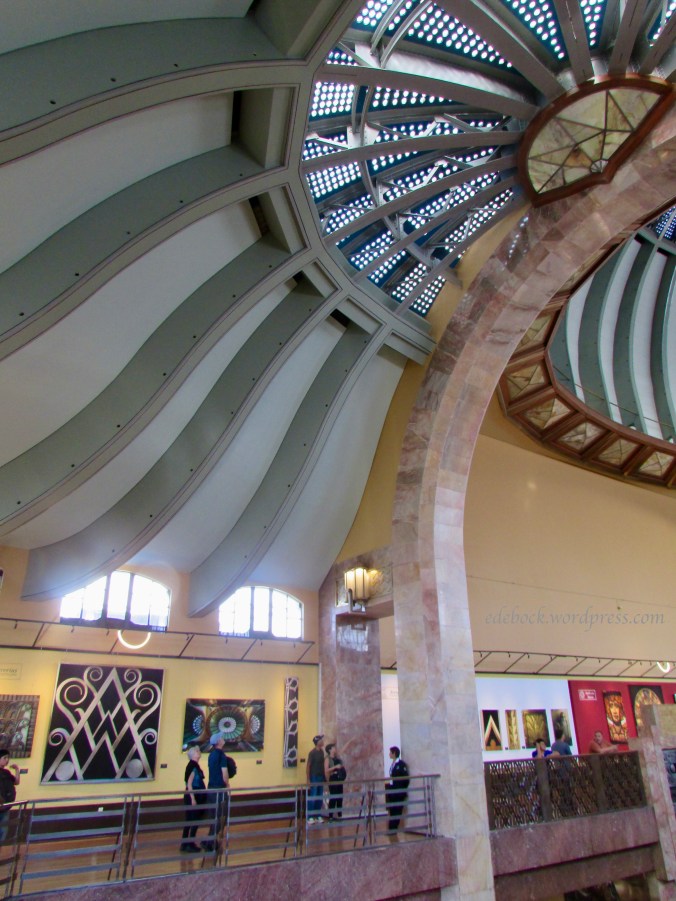
Unfortunately, on that occasion, the Palacio de Bellas Artes was closed, but this time I was determined to see the inside. It definitely didn’t disappoint. While I enjoyed seeing some of the art work on display, it was the building itself that amazed me!
This photo was taken from the centre of the main floor looking up into the domes.

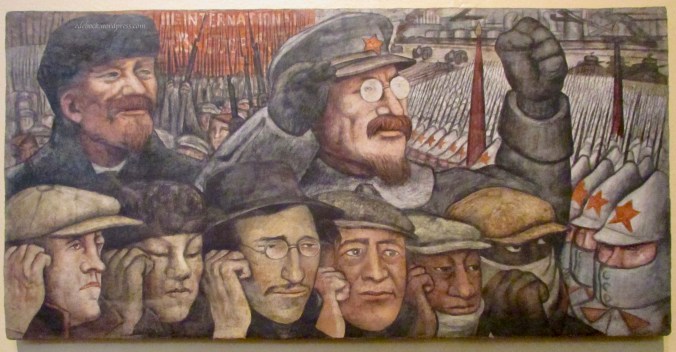
As far as the art work was concerned, it was the murals by famed Mexican artist, Diego Rivera, that I liked best. The first two panels shown here are part of his Carnival of Mexican Life series.

This one, painted in 1933 is called Russian Revolution or Third International.

I wasn’t able to get a photo of his entire The Man Who Controls The Universe mural partly because of the large tour group standing in front of it, but also because of the sheer magnitude of the piece which was painted specifically for the Palacio de Bellas Artes. It’s actually a replica of the original work which was painted in the lobby of the Rockefeller Center in New York City. The inclusion of Lenin’s face led to the destruction of the controversial piece.

Back outside, we also enjoyed the art on the exterior of the beautiful building.

In addition to the art museum housed in the front portion of the enormous marble structure, the Palacio is also home to Mexico’s largest concert hall. Unfortunately, that part wasn’t open while we were there.

Exploring Puebla’s Centro Historico

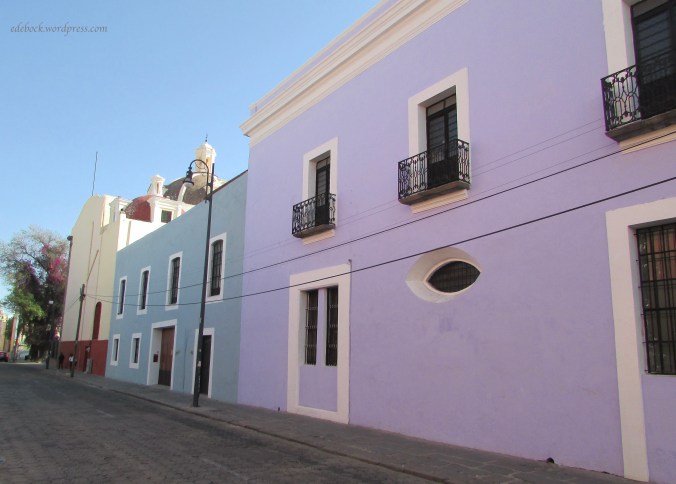
With friends who are permanent residents of Mexico, hubby and I spent a couple of days this past week enjoying the colourful Centro Historico district of Puebla, the country’s fifth largest city by population.  Come take a walk with me as I share some of what we saw.

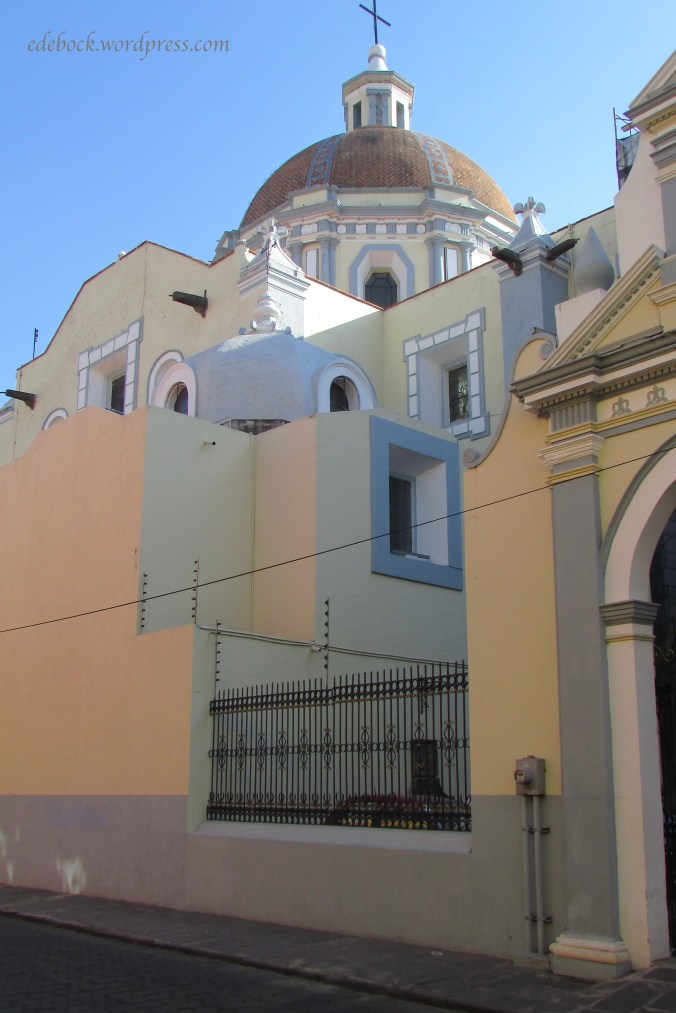
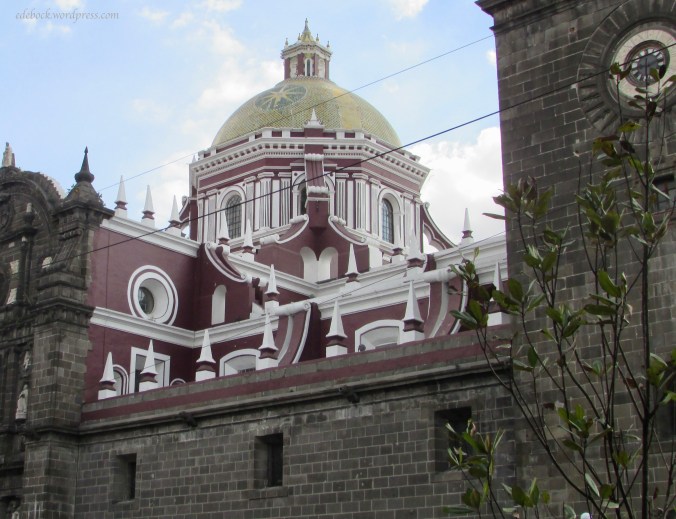
Everywhere I turned, I was amazed by the architecture. Look at all the interesting shapes!

Tiles, or azulejos, are used to decorate many buildings inside and out.

And beautifully carved wooden doors add to the beauty of many buildings.

Of course, flowers in January add to that beauty!

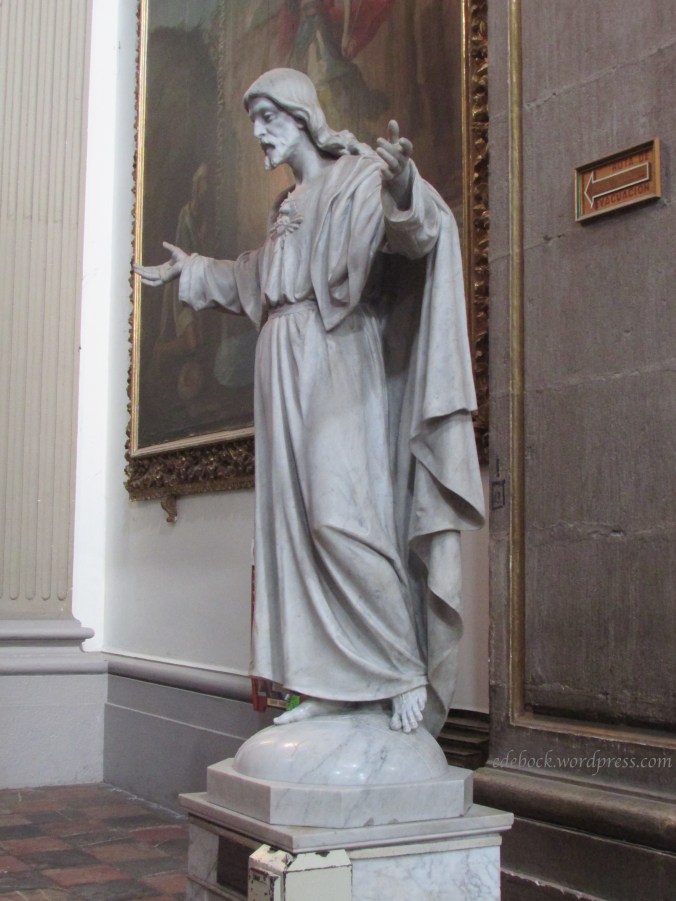
The impressive 16th-century Catedral de Puebla occupies an entire city block in the centre of the district.  

Across the avenue to one side of the cathedral is the Biblioteca Palafoxiana. Founded in 1646, it is recognized by UNESCO as the first and oldest public library in the Americas. It has more than 45,000 books and manuscripts, ranging from the 15th to the 20th century.

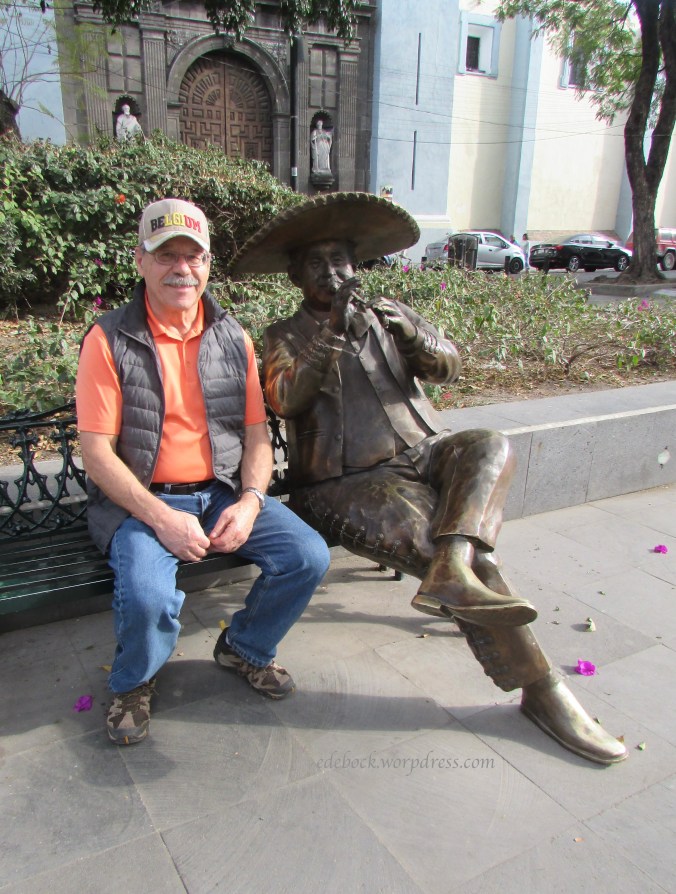
This is just a taste of what there is to be seen and experienced in the historic centre of Puebla. There is, of course, the zócalo, a public square/park that’s found in the centre of almost every Mexican city or town, as well as several other parks. Hubby made a friend in one of the smaller ones! 

There are also upscale eateries and small “hole in the wall” places that serve delicious Mexican dishes as well as many, many shops and market stalls.

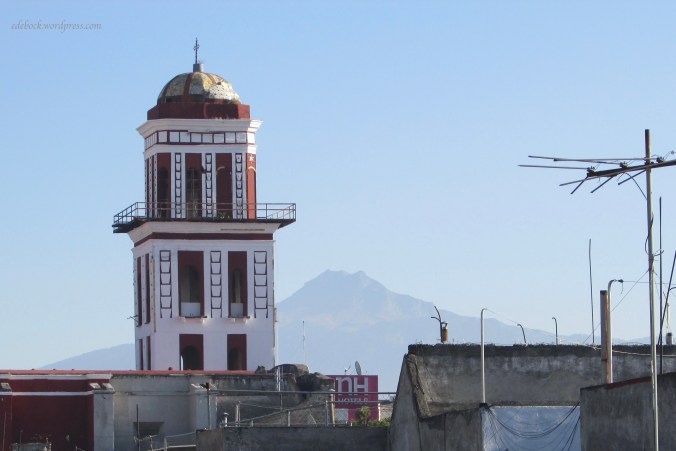
And finally, that’s a view from the rooftop patio of our Airbnb. That’s Popocatépetl (El Popo) in the background, the 18,000-foot-high active volcano that stands about 70 km (45 miles) from Puebla.


Downtown Montreal

I’m back from a whirlwind trip to Montreal where I attended a three day Canadian Neuroendocrine Tumour Society (CNETS) conference. More about that in Friday’s post, but today I want to share a bit of that beautiful city with you. 

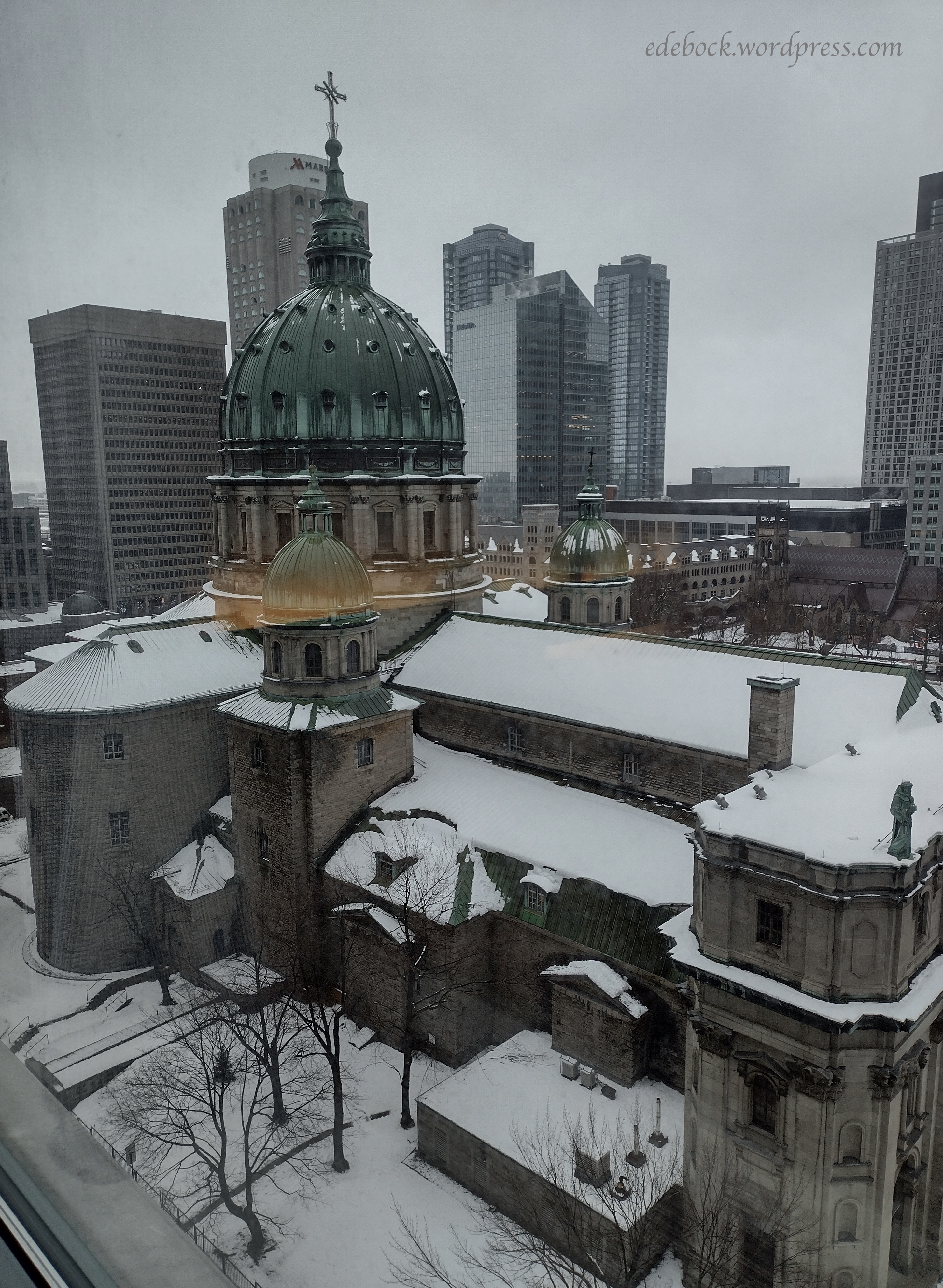
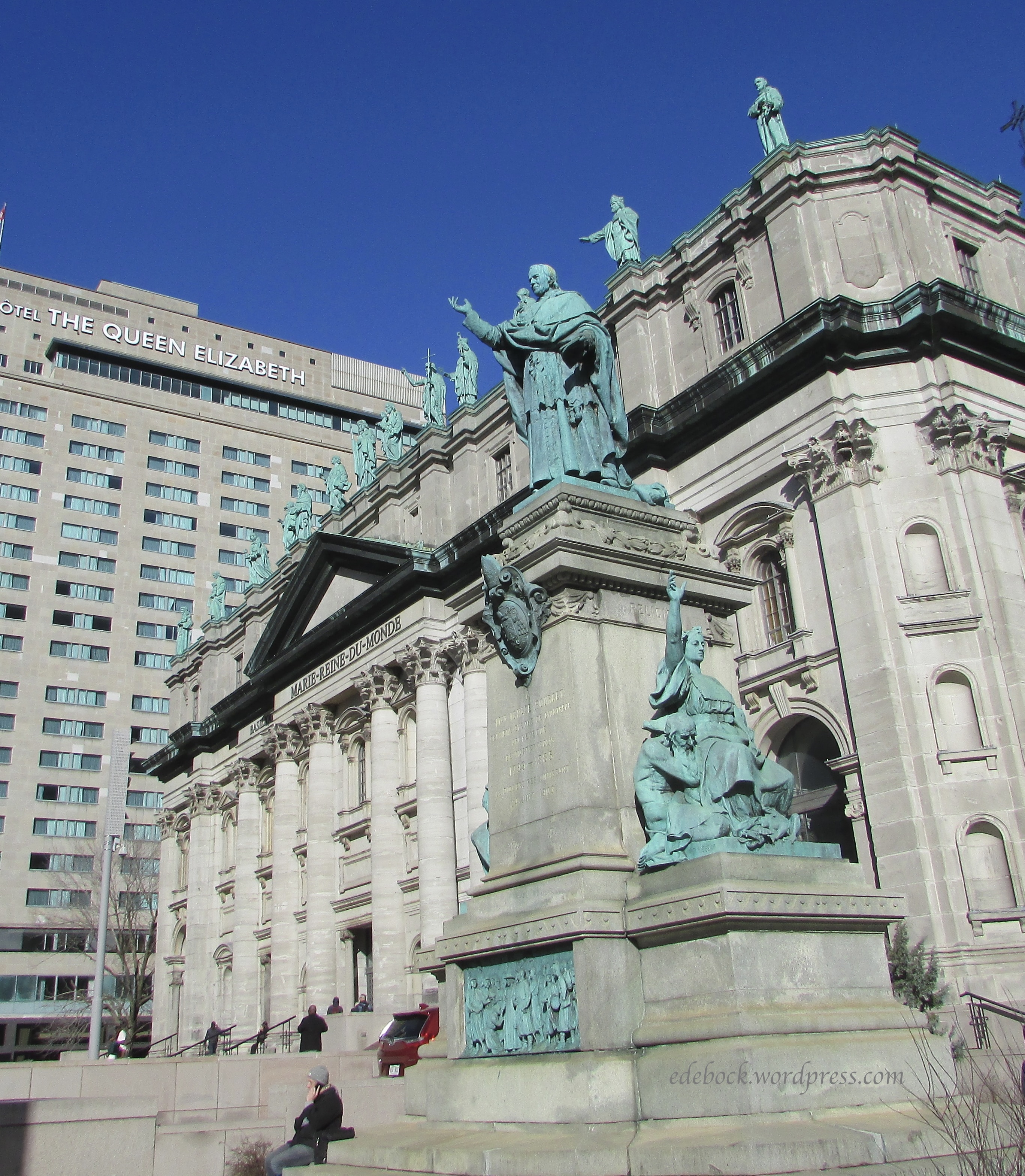
After my plane was delayed for four hours by a major snowstorm, I finally arrived late in the evening and checked into the downtown Fairmont Queen Elizabeth Hotel where the conference was being held. Entering my hotel room, I was awestruck by the view from my window overlooking the ornate Basilique Marie-Reine-du-Monde (Mary Queen of the World Basilica), a smaller replica of St. Peter’s Basilica in Vatican City. 

IMG_20240405_073719691_HDR

The following pictures of the basilica were taken on one of my walks after the weather cleared. 

IMG_6721 2

While the statues on the facade of St. Peter’s depict the twelve apostles, at Mary Queen of the World thirteen statues represent the patron saints of the parishes that form the diocese of Montreal.  Carved of wood and clad with copper, each statue is 9 feet tall. They were completed between October 1892 and October 1900 by Quebec native, Joseph Olindo-Gratton.

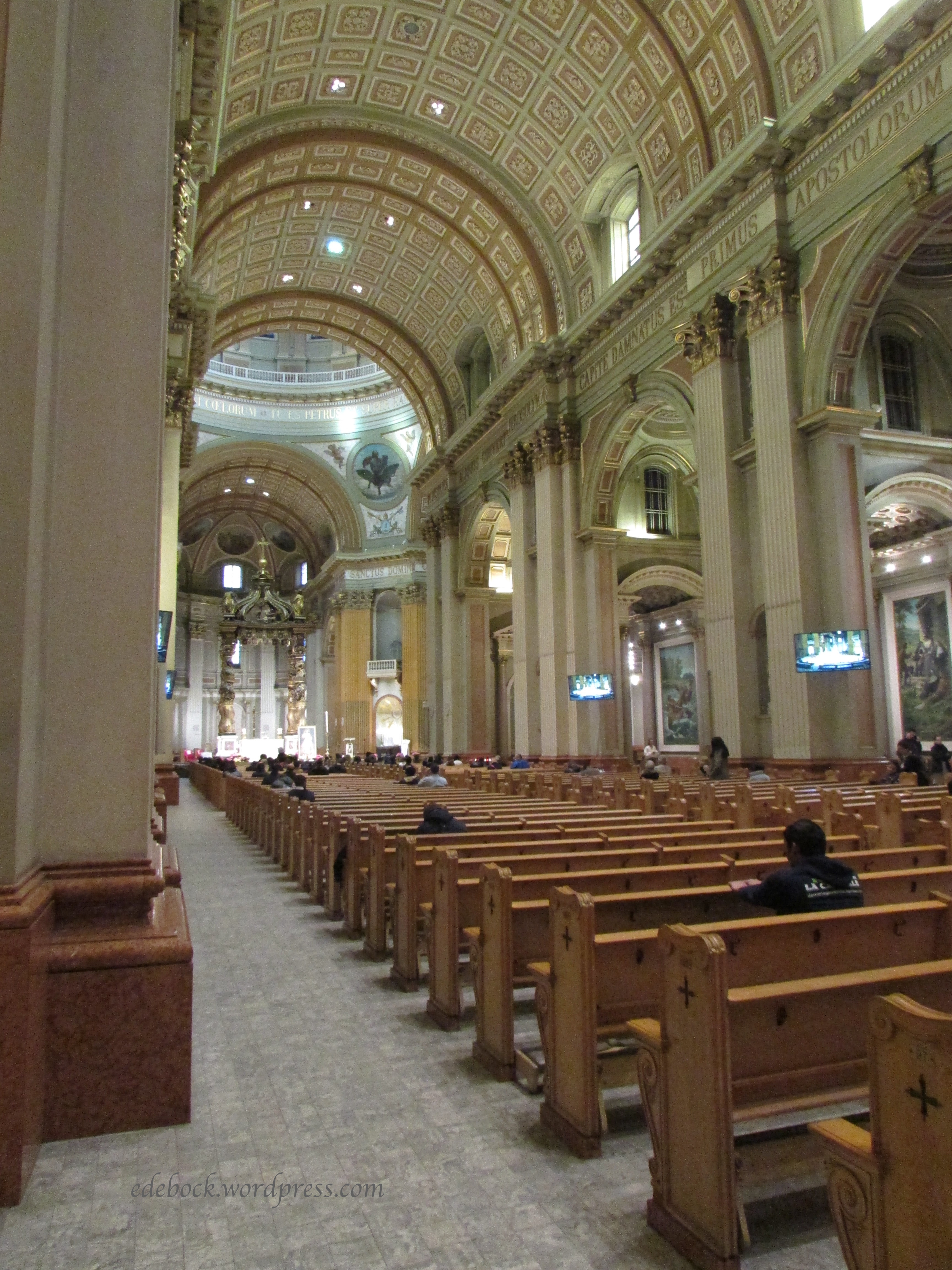
I was thankful to able to slip inside the basilica for a quick photo of the interior. 

IMG_6723

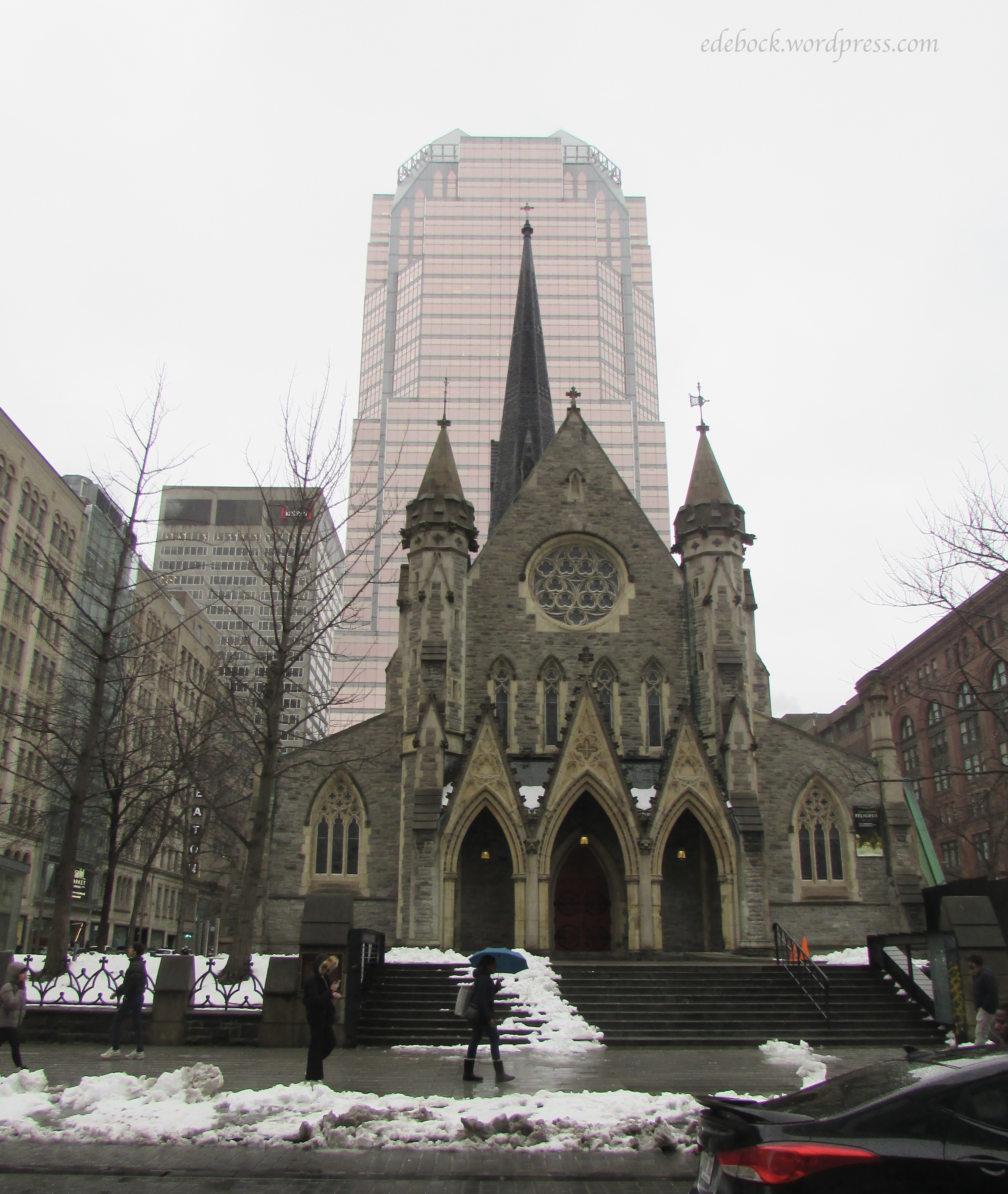
Downtown Montreal is home to many old stone churches. This one is Christ Church Cathedral and has been designated a National Historic Site of Canada.

IMG_6697

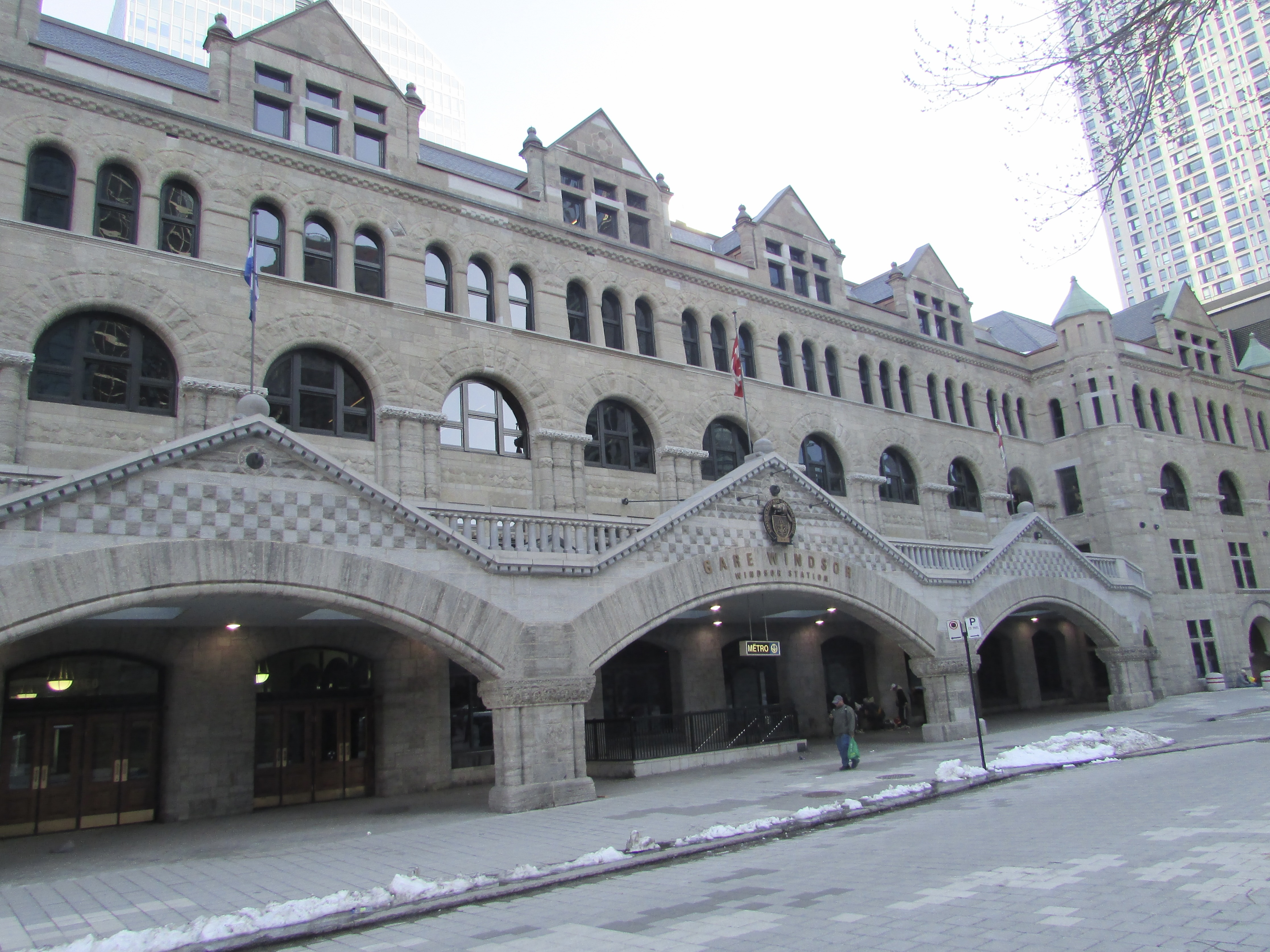
As always, I love the juxtaposition of old architecture and new. Here are a few other structures that caught my eye as I walked. The first is Windsor Station. Formerly the city’s Canadian Pacific Railway station and headquarters of the CPR from 1889 to 1996, it has been redeveloped into an office complex that also houses some restaurants and cafés. I can’t tell you anything about the others. 

IMG_6714

IMG_6708

IMG_6712

IMG_6716

IMG_6804

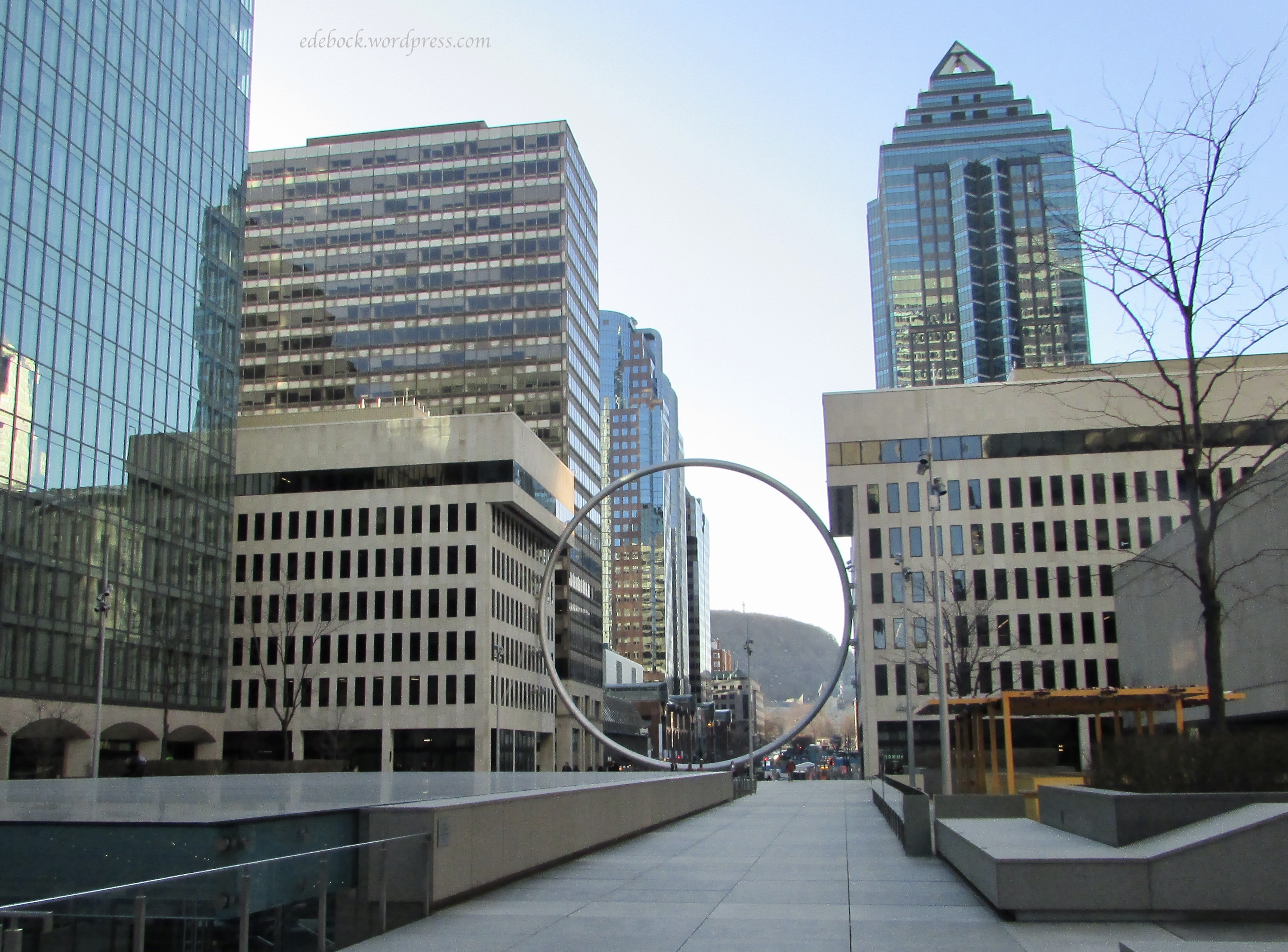
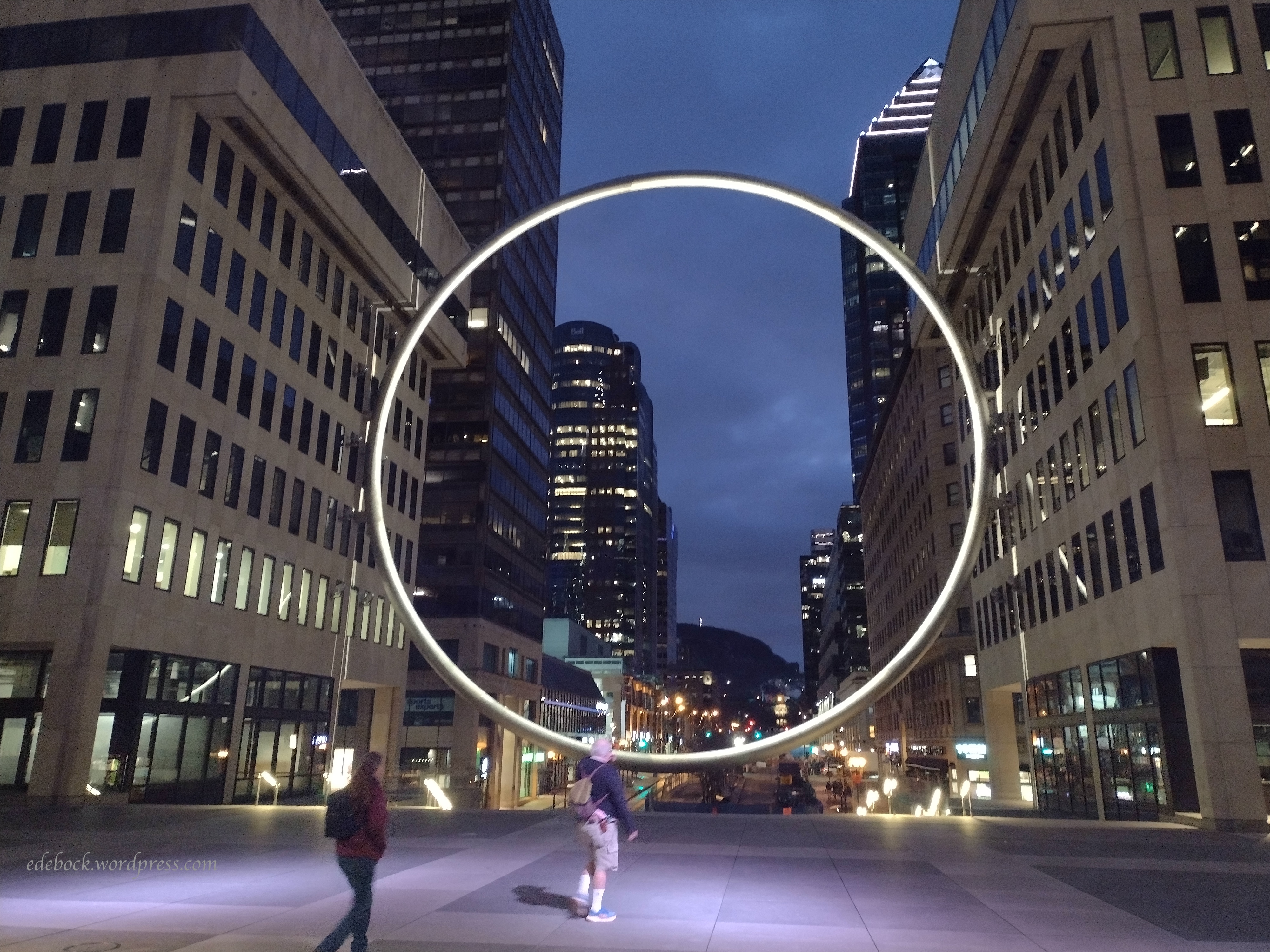
Though there is no end of old architecture to enjoy in Montreal’s downtown area, there’s also something new to see. Suspended between two buildings, 30 metres in diameter and weighing some 23,000 kilograms, The Ring hovers over the staircase of Place Ville Marie’s Esplanade directly across Rene Levesque Boulevard from the Queen Elizabeth Hotel. Installed in June 2022, The Ring serves as a window to more than 200 years of history, establishing a direct line of view from the hotel and Place Ville Marie to McGill University, the former Royal Victoria Hospital, and the illuminated cross on Mount Royal.

IMG_6744

IMG_20240406_195749629

Centro Histórico, Mexico City

We packed a lot into our final day in Mexico. Much of what we saw and experienced was within walking distance of our hotel in the Centro Histórico, the heart of Mexico City. Come walk with me and I’ll show you some of what we saw.

IMG_5433

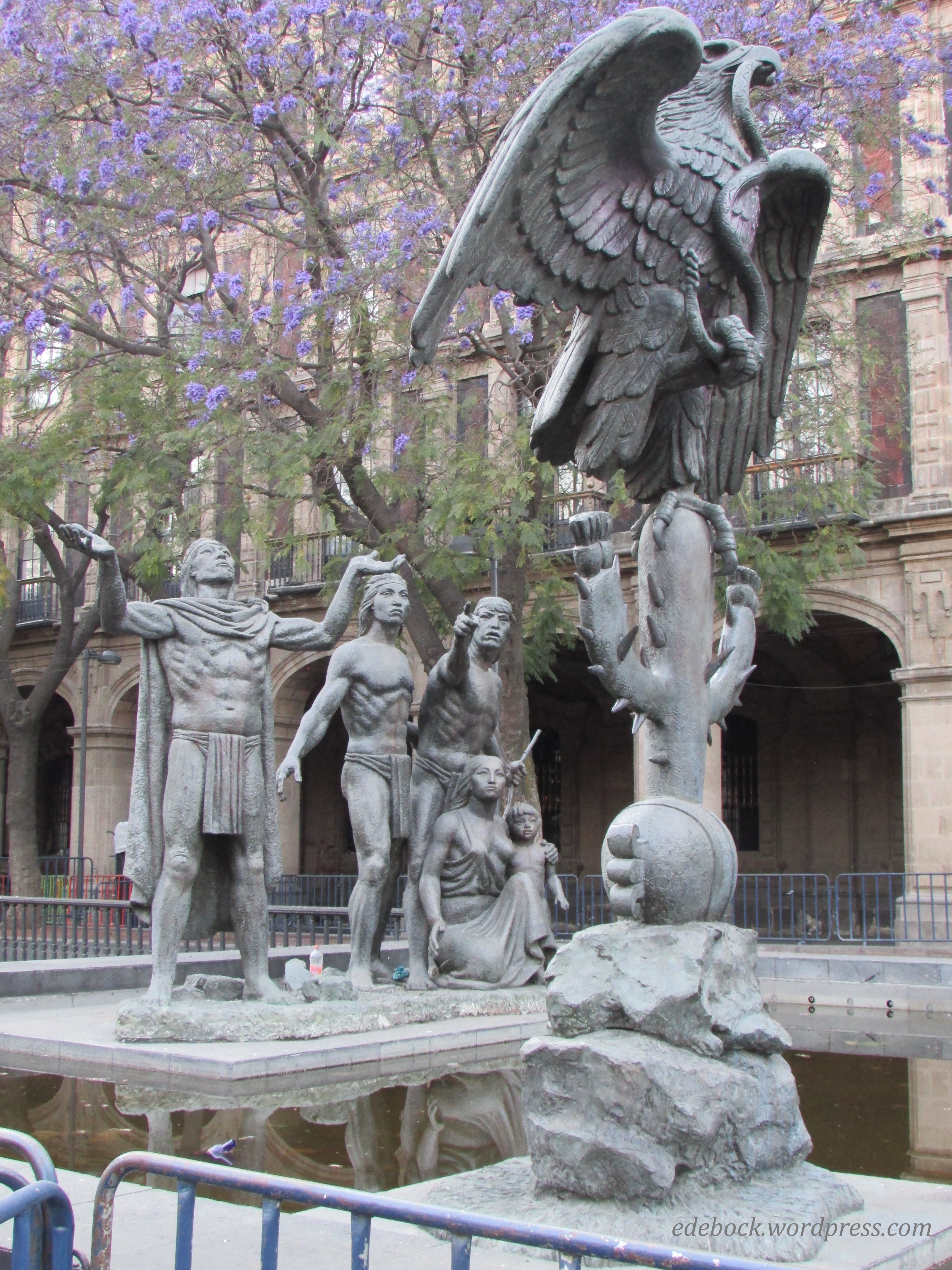
These statues of a wandering group of nomads discovering an eagle perched on a cactus and eating a snake tell the legend of the founding of the Aztec capital, Tenochtitlan. The image of an eagle eating a snake atop a prickly pear cactus also forms part of the coat of arms that is seen in the centre of the Mexican flag. 

Flag-Mexico

Cathedral

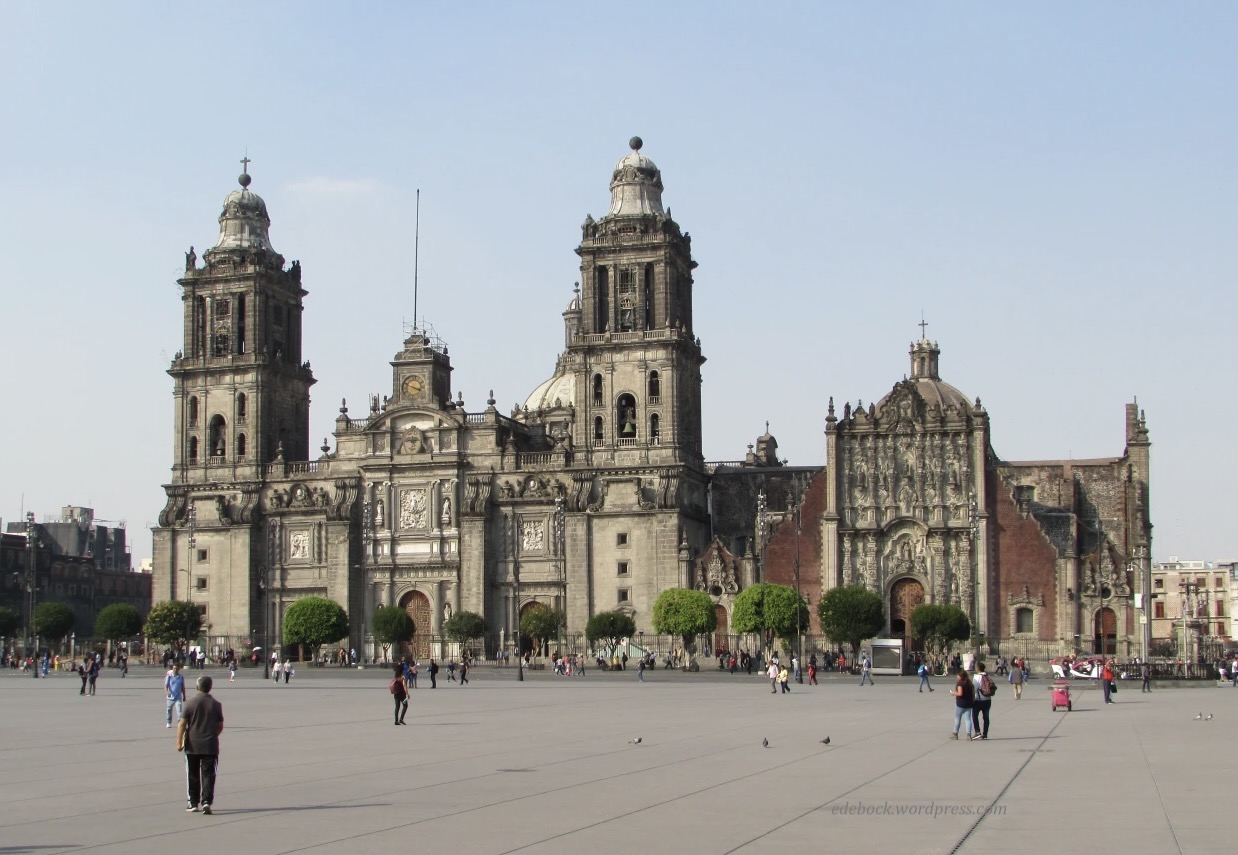
The Metropolitan Cathedral of the Assumption of the Most Blessed Virgin Mary into Heaven, better known as the Catedral Metropolitana, overlooks the Zócalo, a huge city square and is built over what was once part of the Aztec Templo Mayor.

From there, we’ll walk down busy pedestrian-only Avenida Francisco I. Madero which is lined with shops, restaurants, and amazing architecture.

IMG_5325

IMG_5328

IMG_5349

IMG_5330

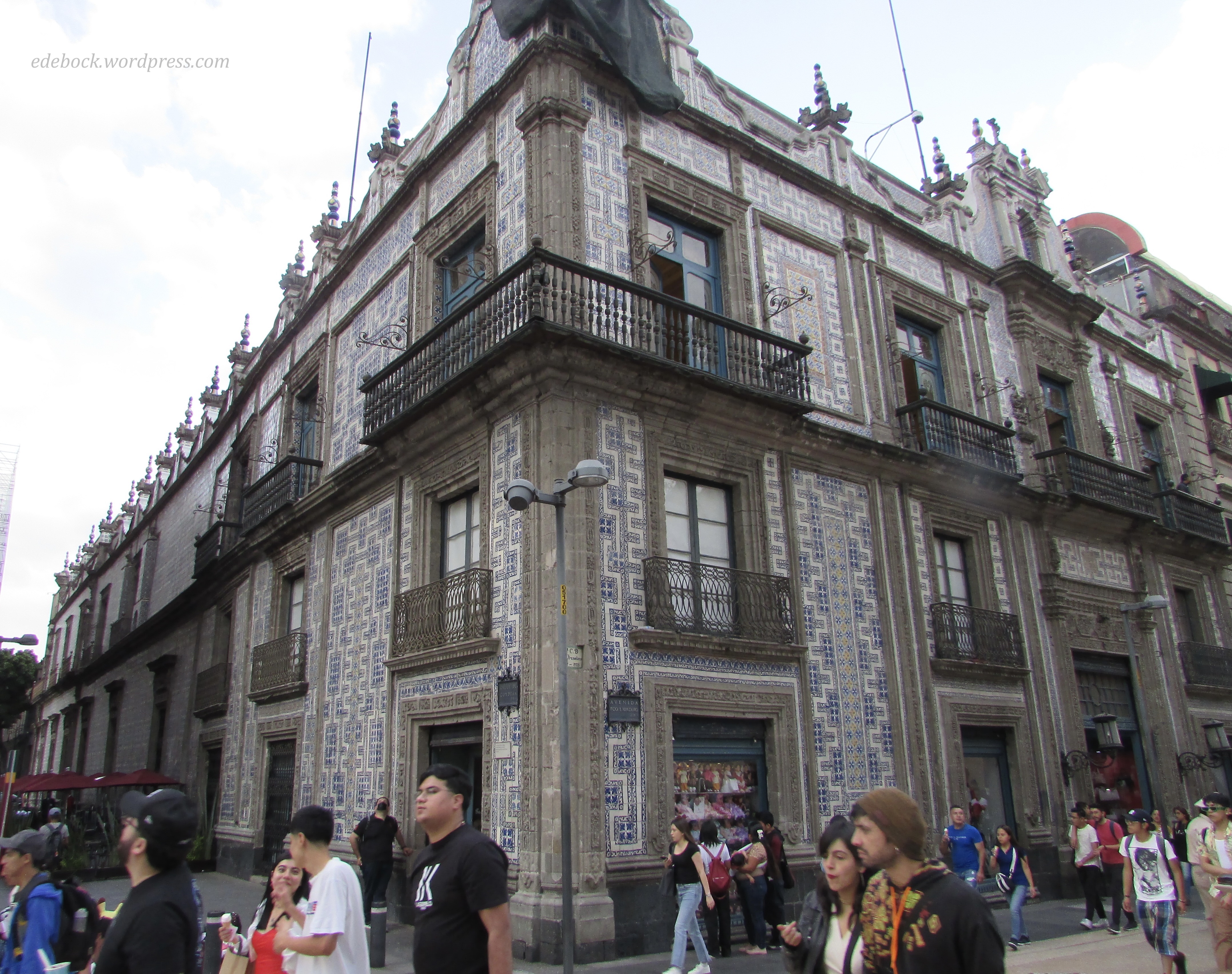
Here, covered on three sides by blue and white Talavera tiles from Puebla, is the famous Casa de los Azulejos (House of Tiles), an 18th-century Baroque palace built by the Count of the Valle de Orizaba family. 

IMG_5337

At the end of the pedestrian avenue, we come to the stunning Palacio de Bellas Artes (Palace of Fine Arts), a prominent cultural center that hosts notable events in music, dance, theatre, opera and literature and holds important exhibitions of painting, sculpture and photography. Unfortunately, most museums and cultural centres in Mexico City are closed on Mondays, so we weren’t able to see the inside. Perhaps on our next visit! 

IMG_5394

A patio coffee shop on the eighth floor of the Sears department store (yes, Sears is still alive and well in Mexico) offered spectacular views of the Palacio des Belle Artes and much of the city beyond. 

IMG_5398

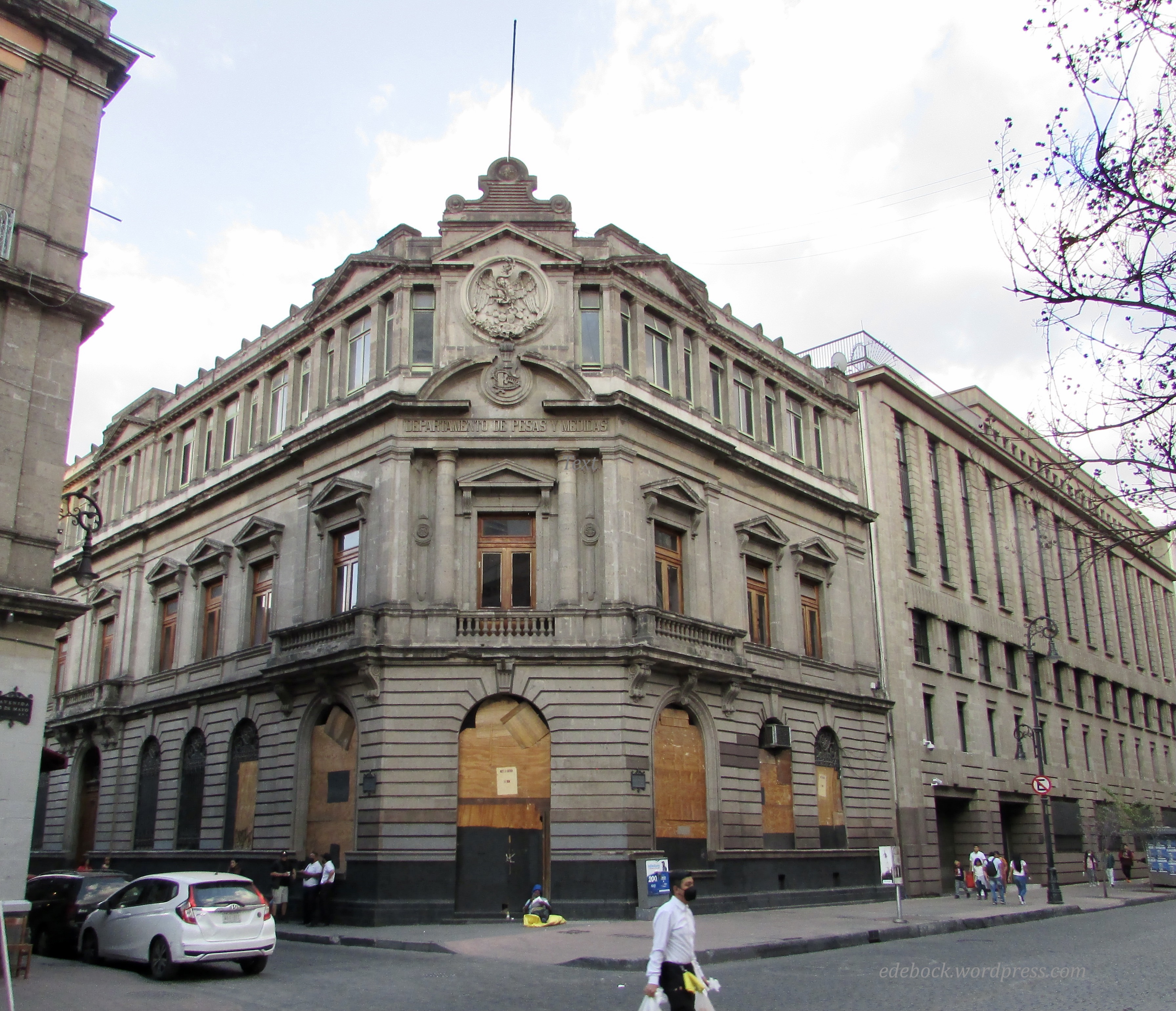
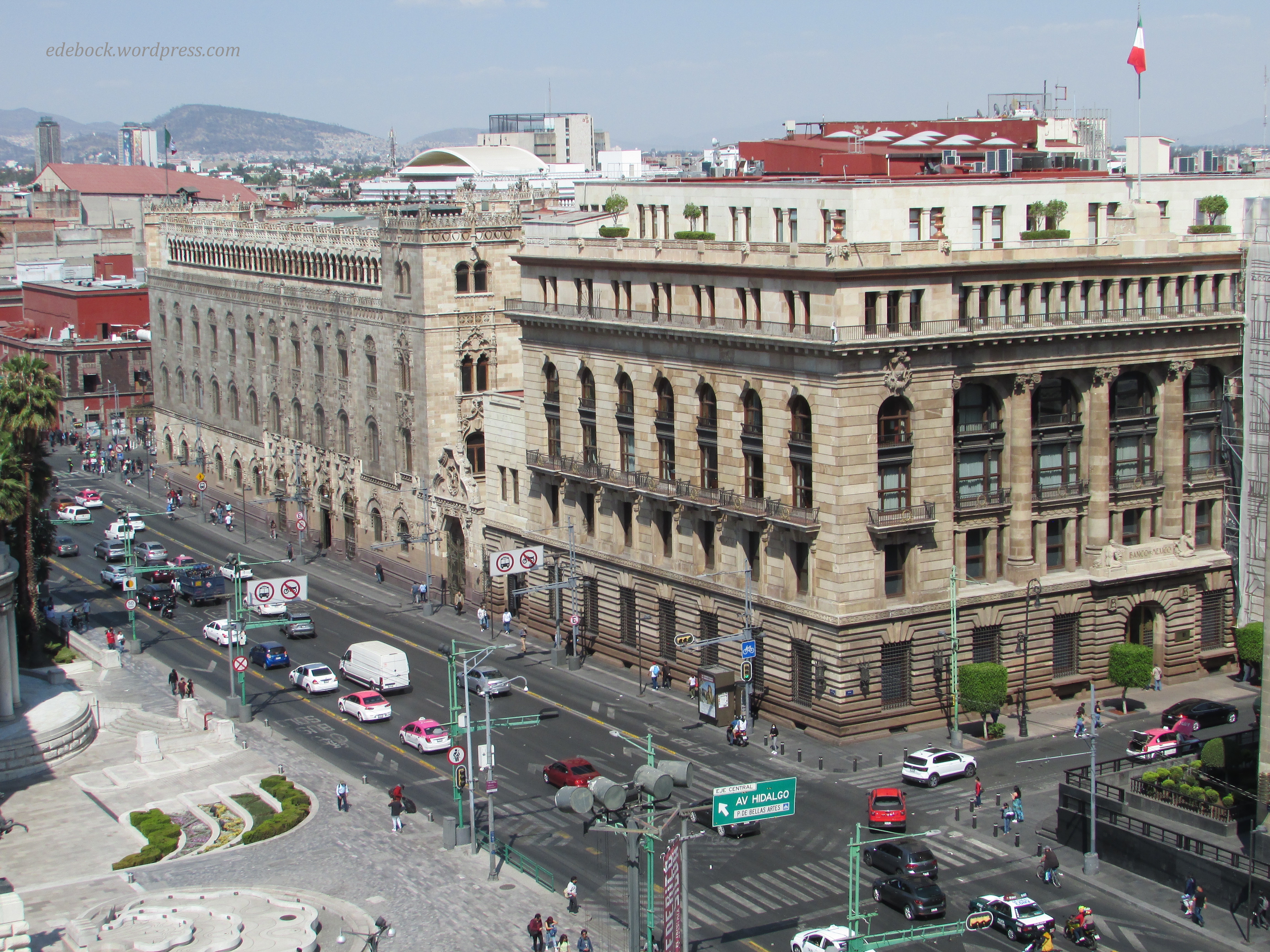
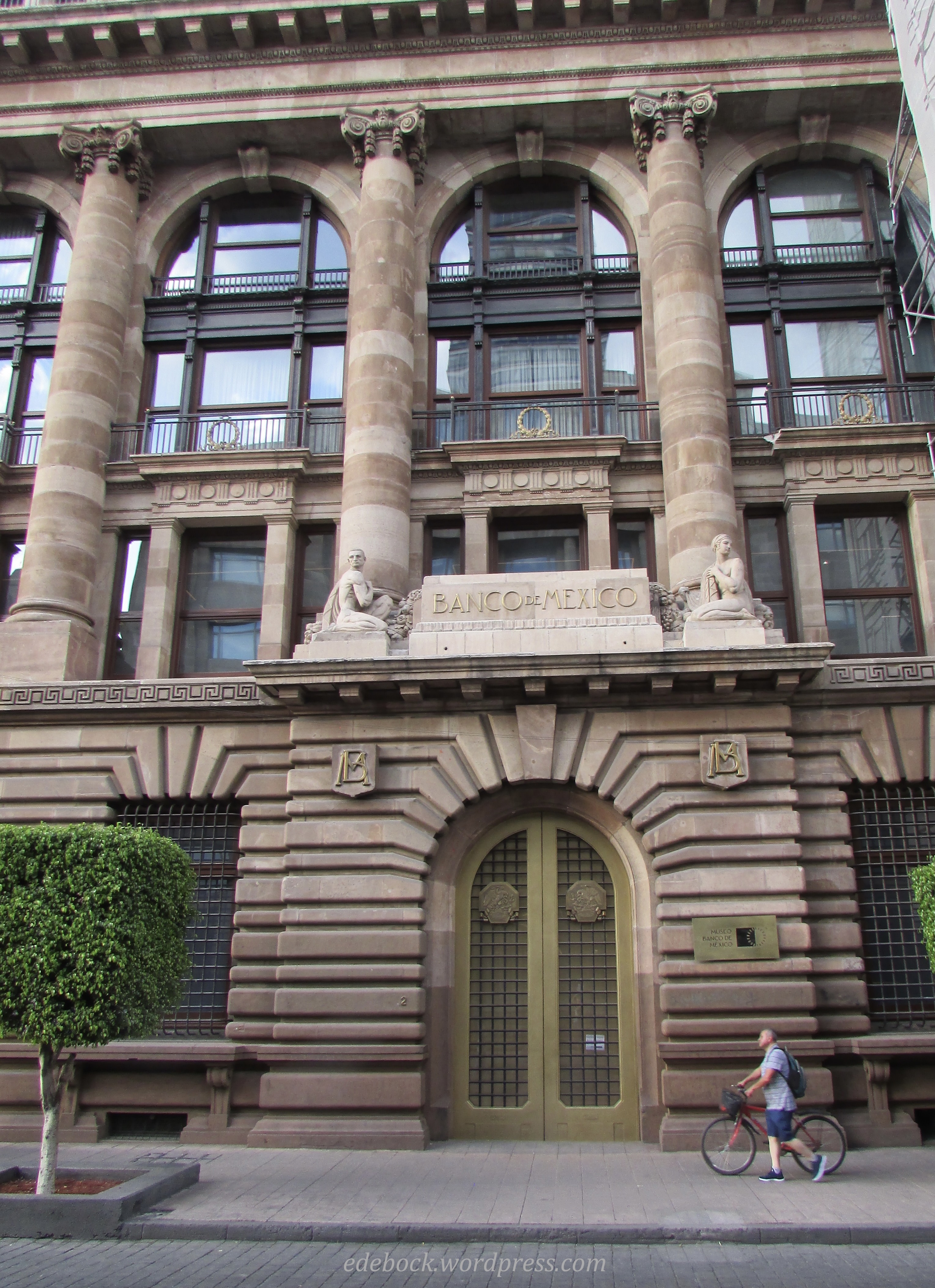
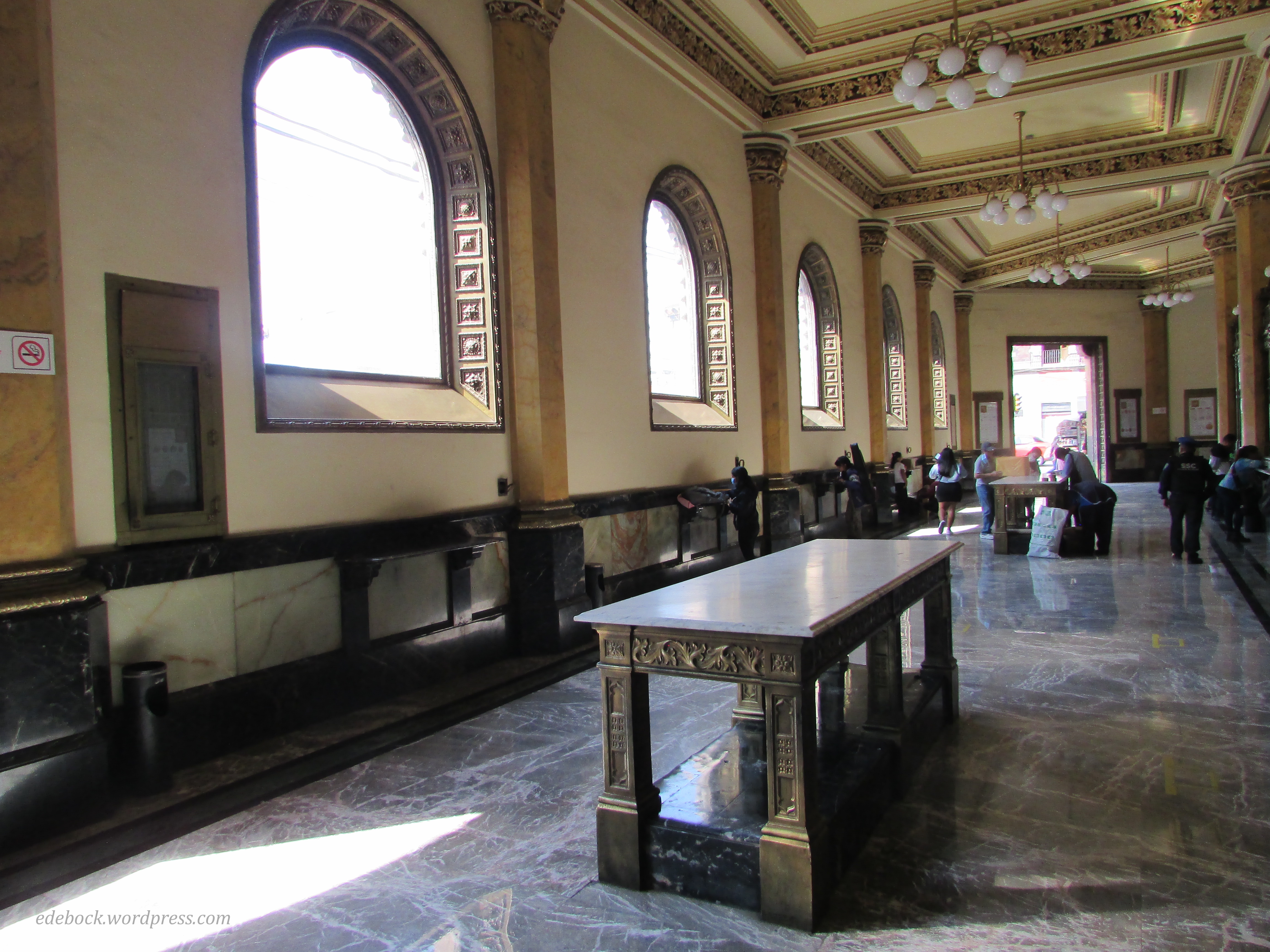
Directly across the street from the Palacio des Belles Artes are the Palacio de Correos (Main Post Office) and Banco de Mexico (Bank of Mexico).

IMG_5399

IMG_5345

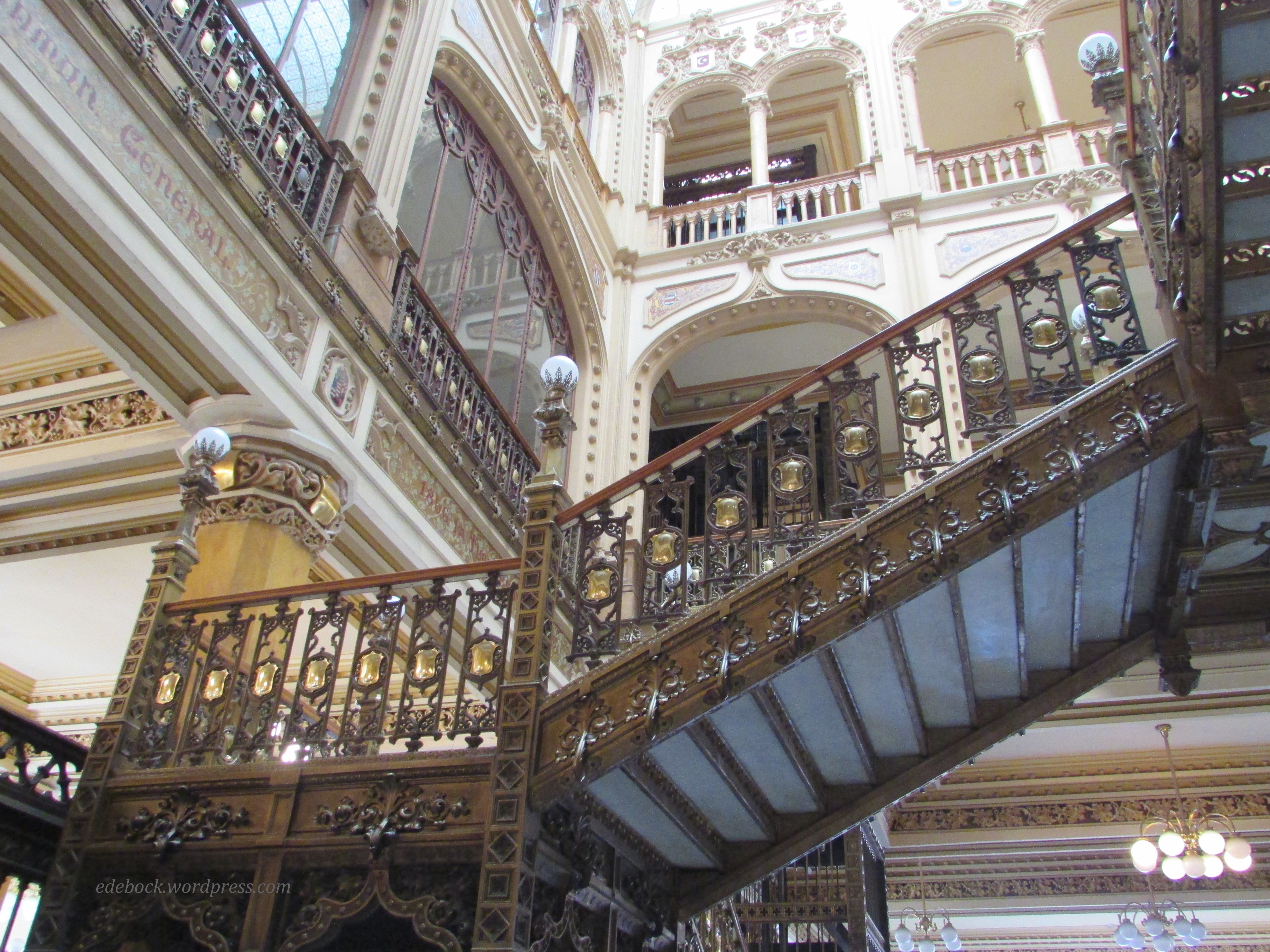
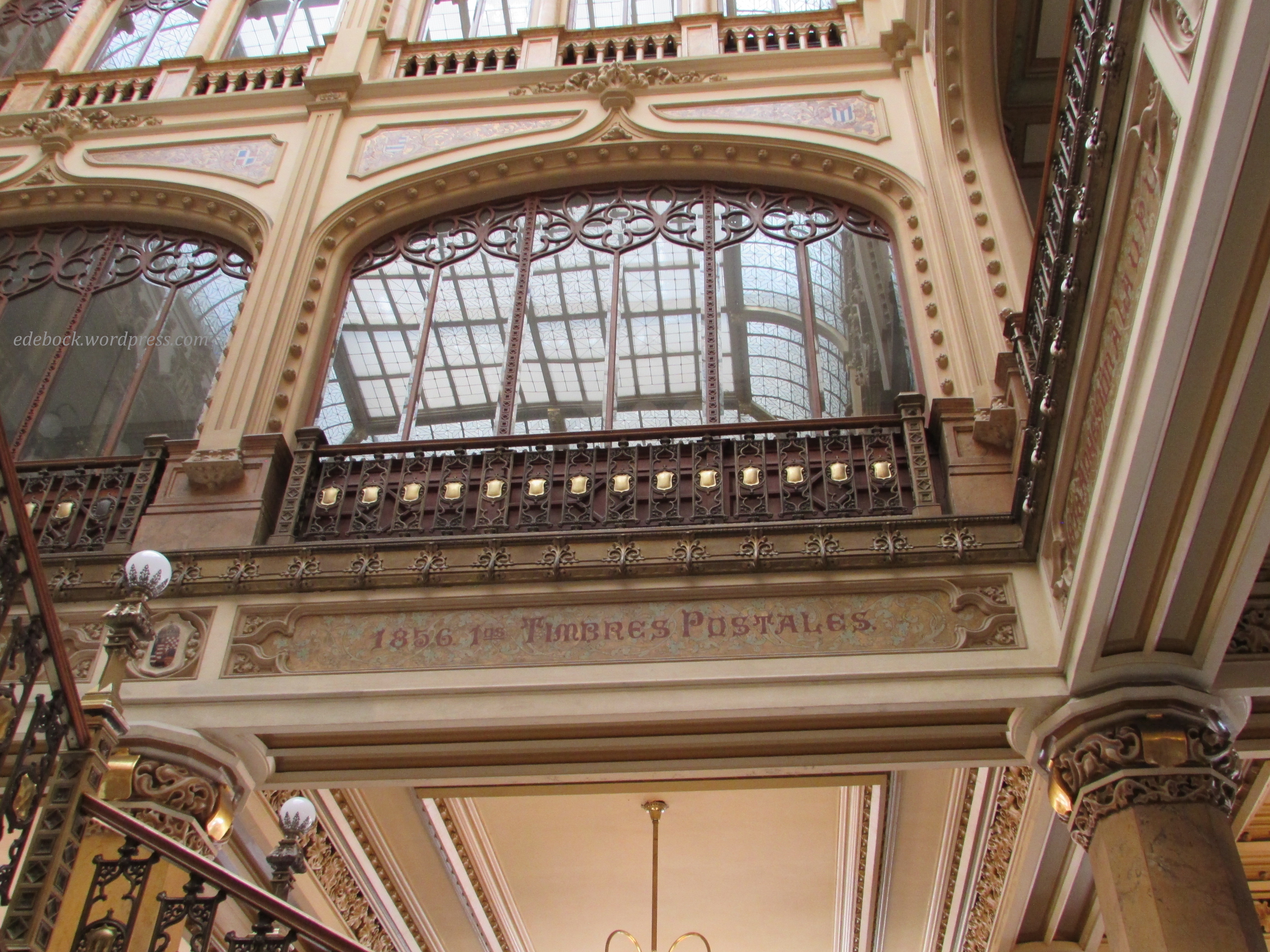
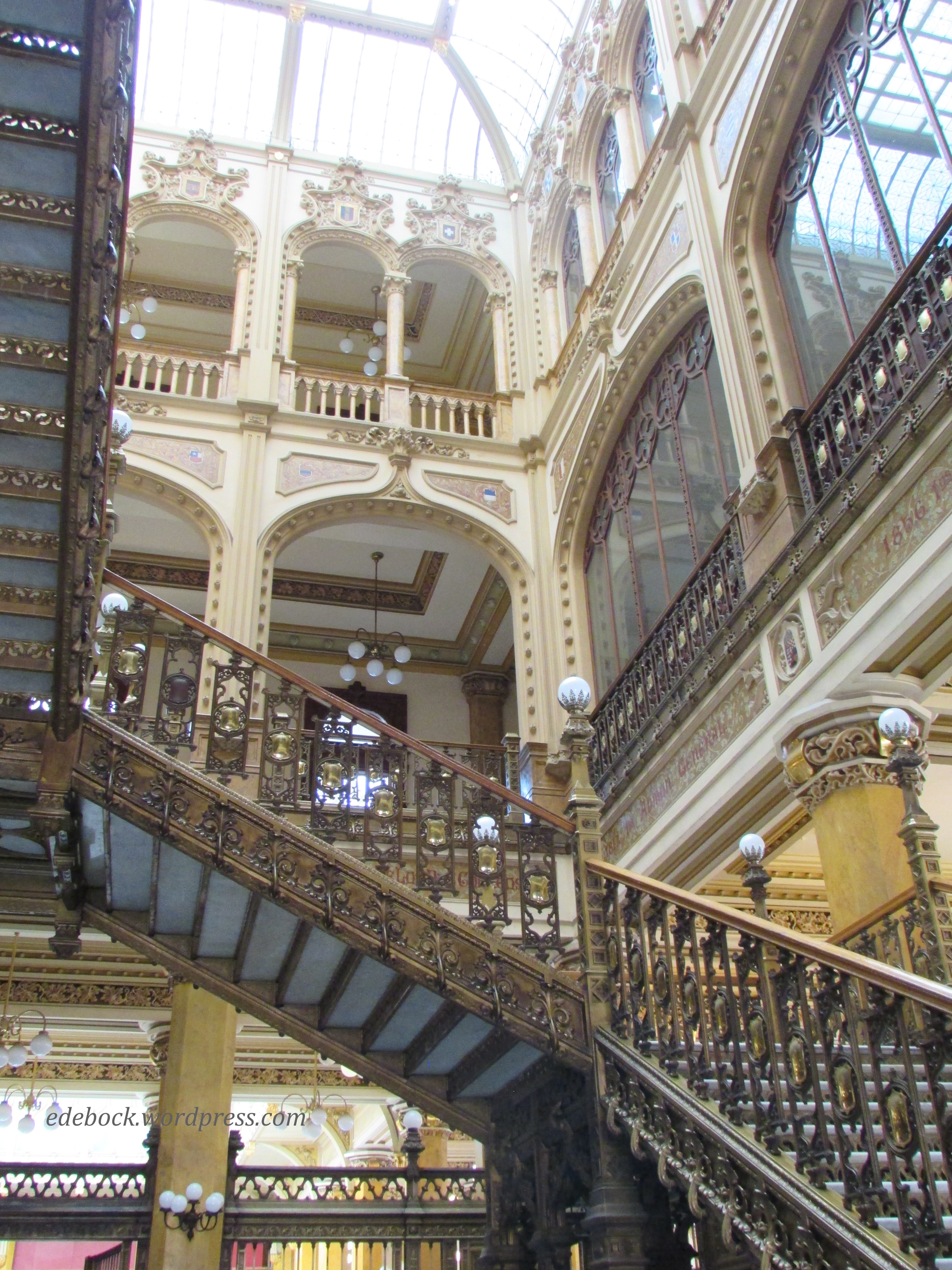
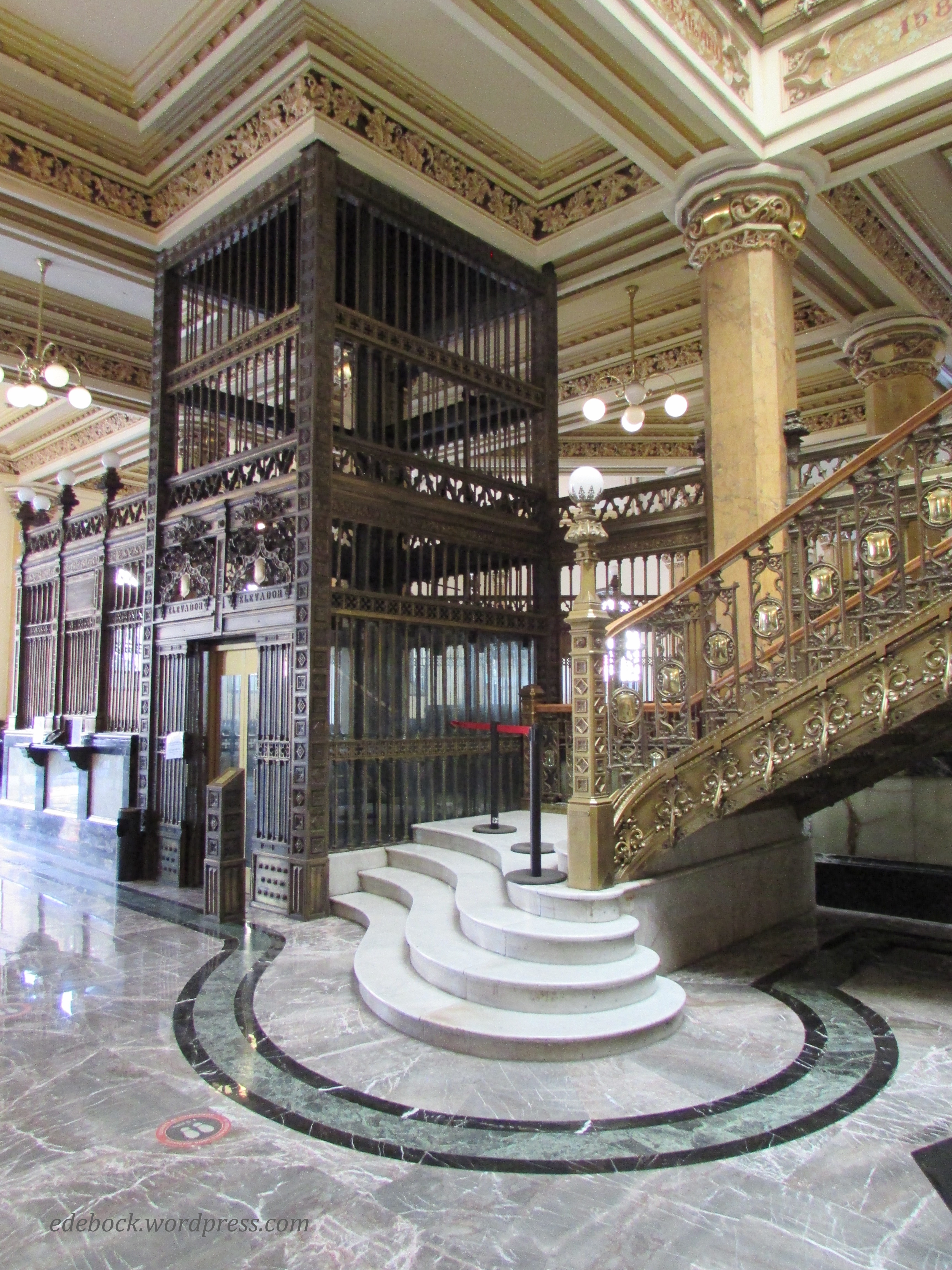
If you’re ever in Mexico City, the interior of the Post Office is definitely a must see! Absolutely stunning, it took five years to build and has been in continuous operation since it opened in 1907.

IMG_5406

IMG_5417

IMG_5416

IMG_5414

IMG_5420

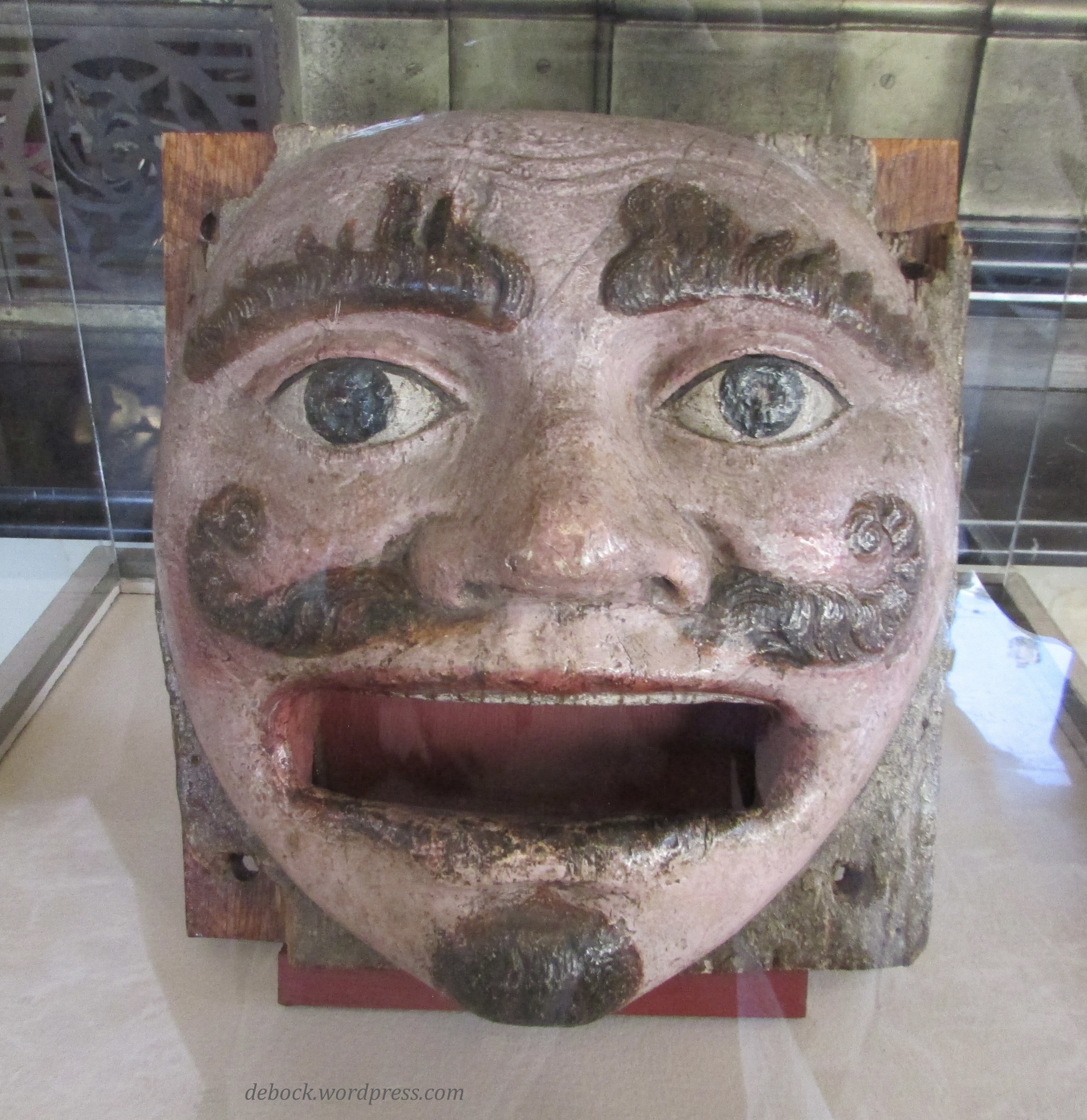
Unfortunately, the antique elevator, though fully operational, wasn’t open to the public. In addition to being an active post office, the building houses a bookstore and a small free museum of postal artifacts. Believe it or not, this handsome fellow is an ancient mailbox! Letters passed through his mouth to be collected and sent to their destination. 

IMG_5425

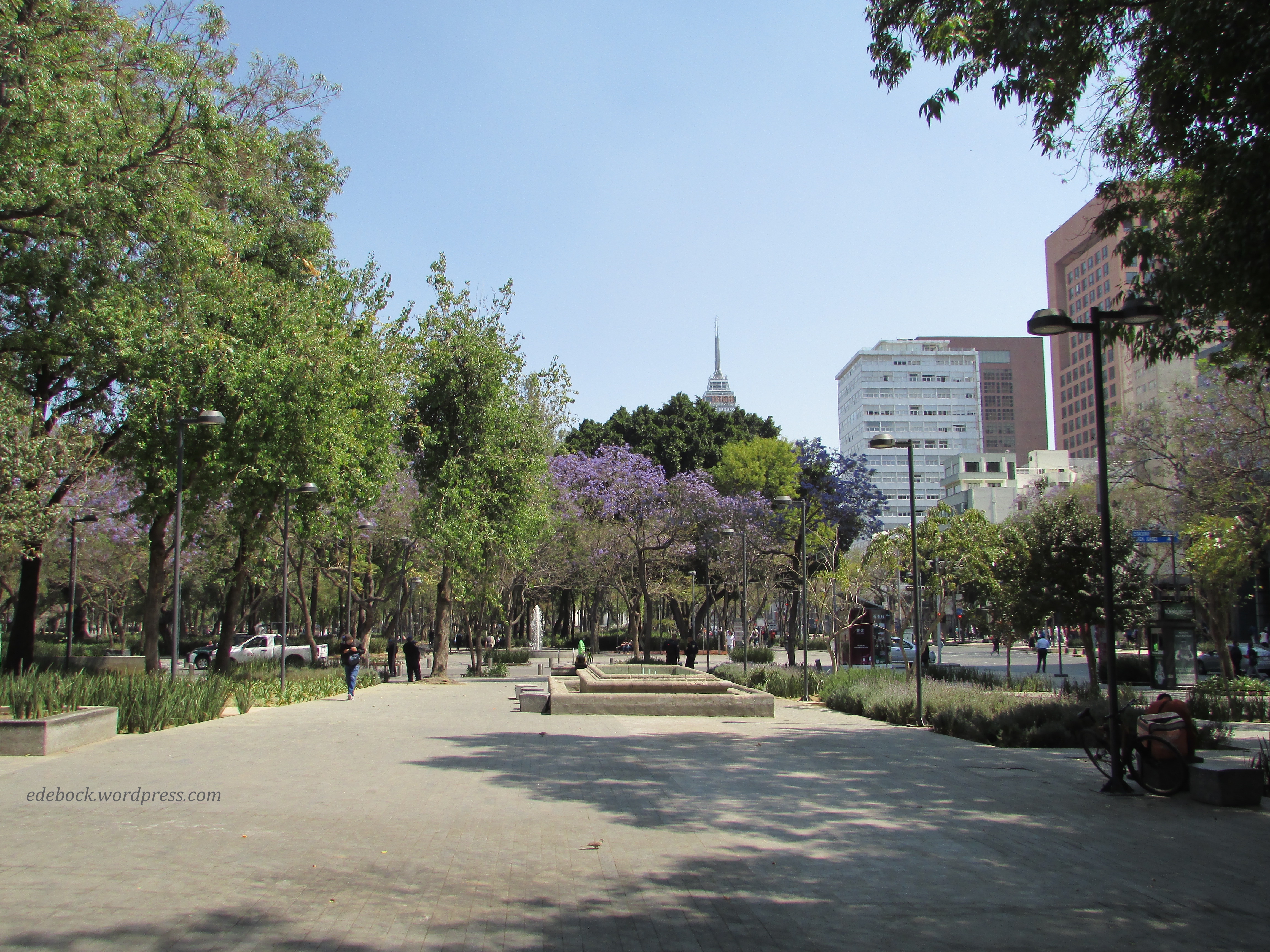
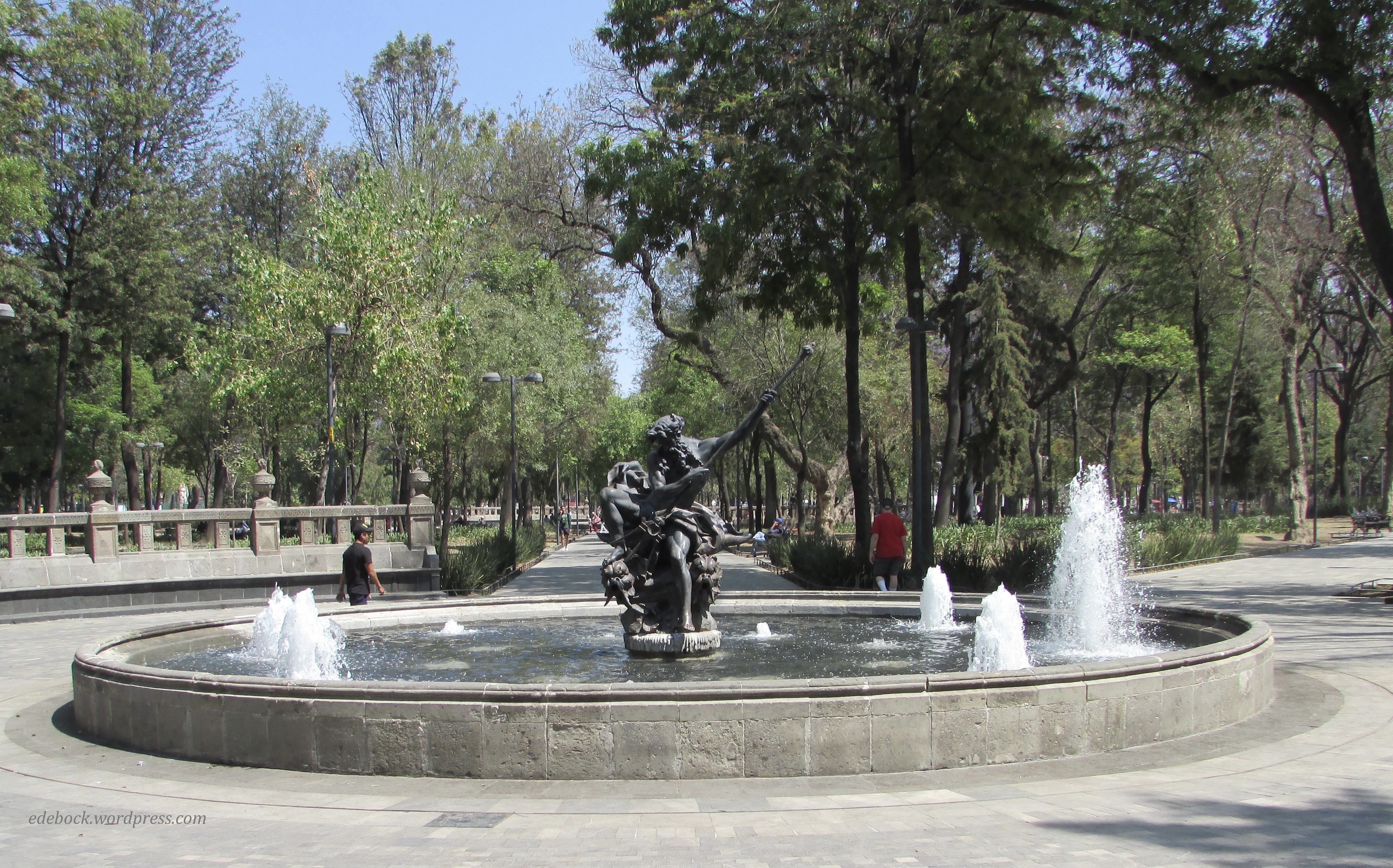
Beyond the Palacio des Belles Artes is beautiful Parque Alameda. What was once an Aztec marketplace is now one of the city’s primary green spaces complete with fountains and statues. Created in 1592, it is the oldest public park in the Americas. 

IMG_5372

IMG_5379

IMG_5381

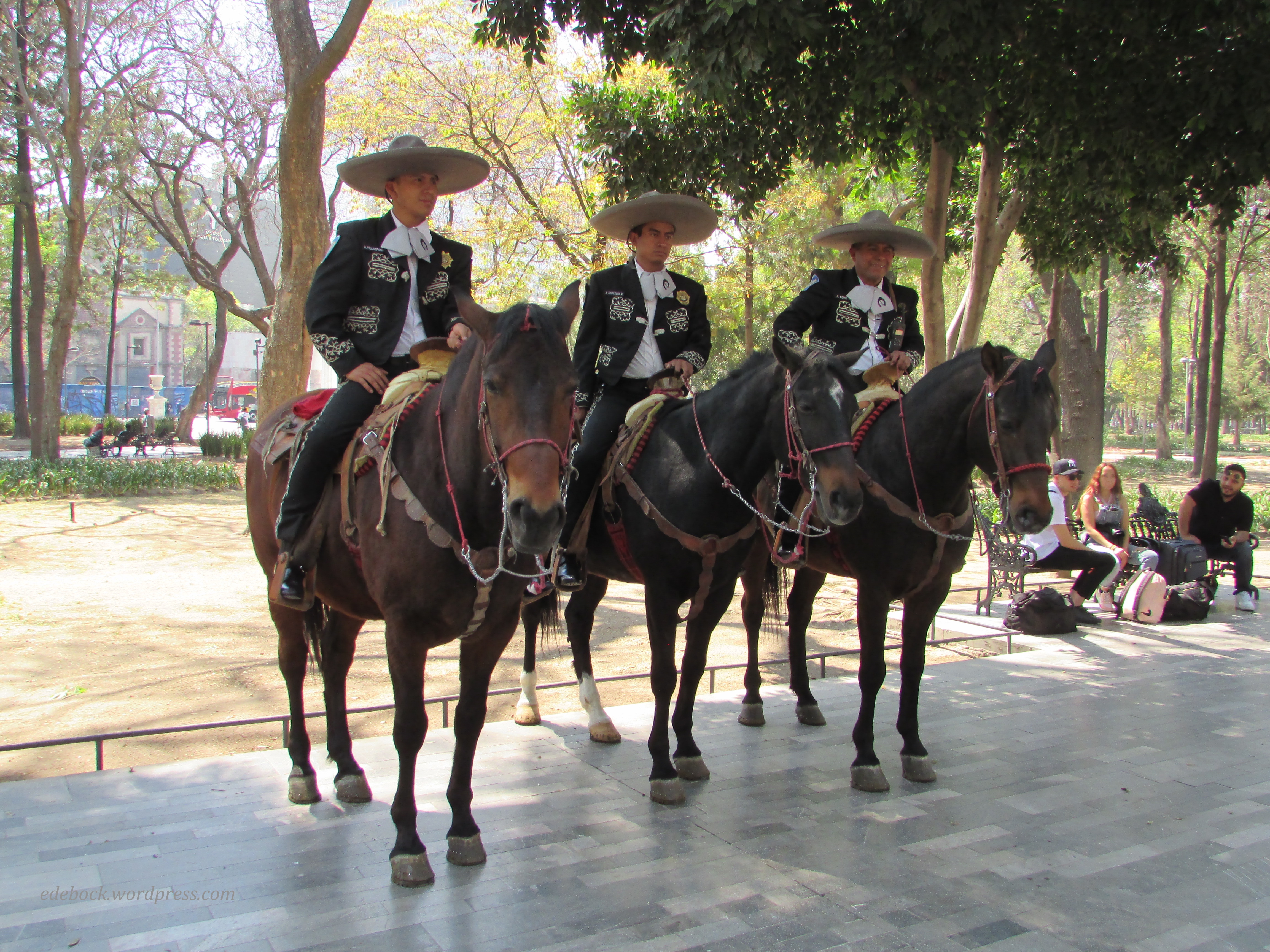
It was in the park that three mounted police officers on horseback donned their sombreros and agreed to have their photo taken. 

IMG_5386

That completes our “walking tour” of Centro Histórico and our most recent trip to Mexico. Now we’re back home in Canada, the land that every Mexican we met referred to as “mucho frio!” (very cold!) I would agree. In fact, I would call it “demasiado frio!” (too cold!).

Xico

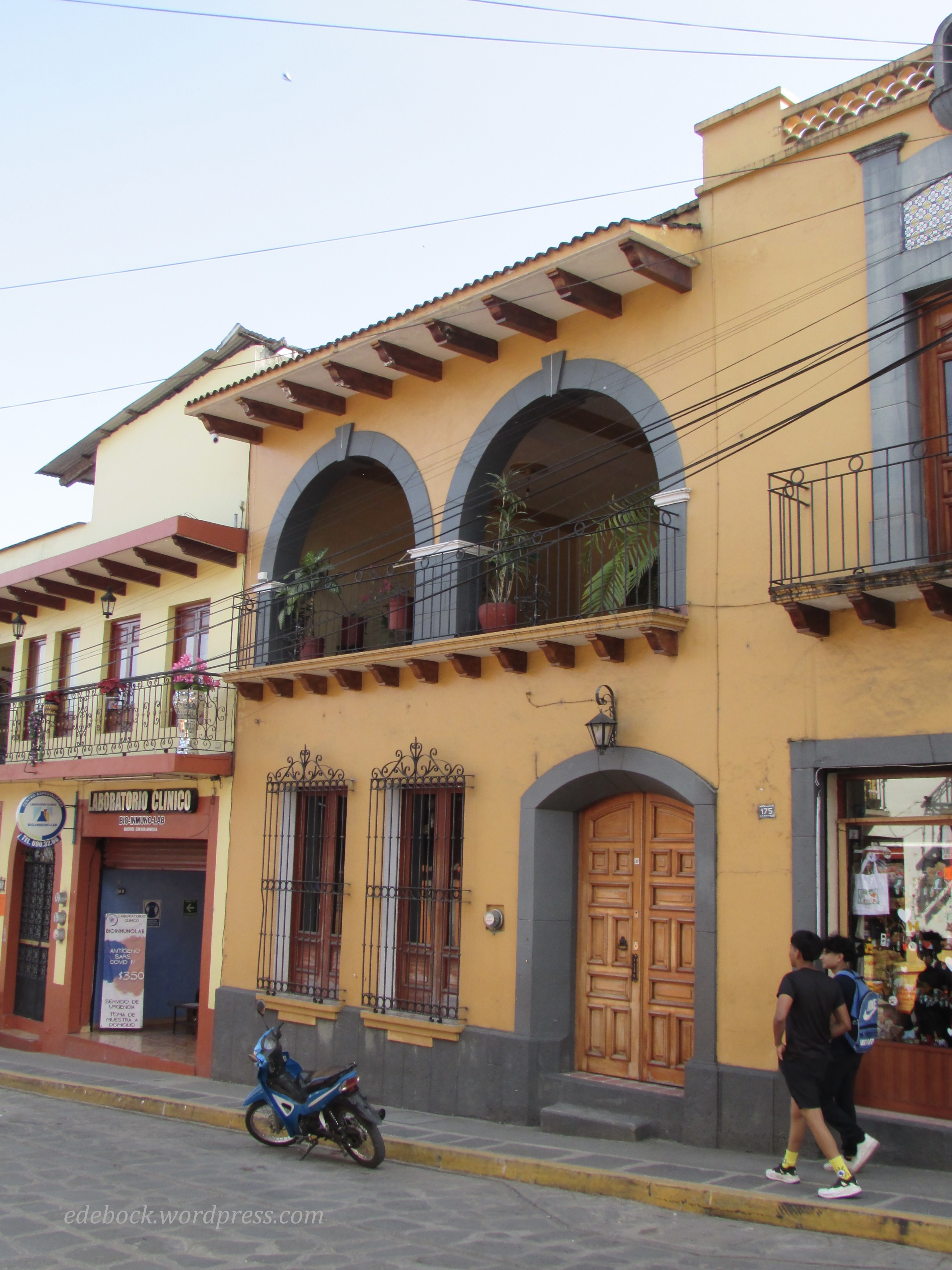
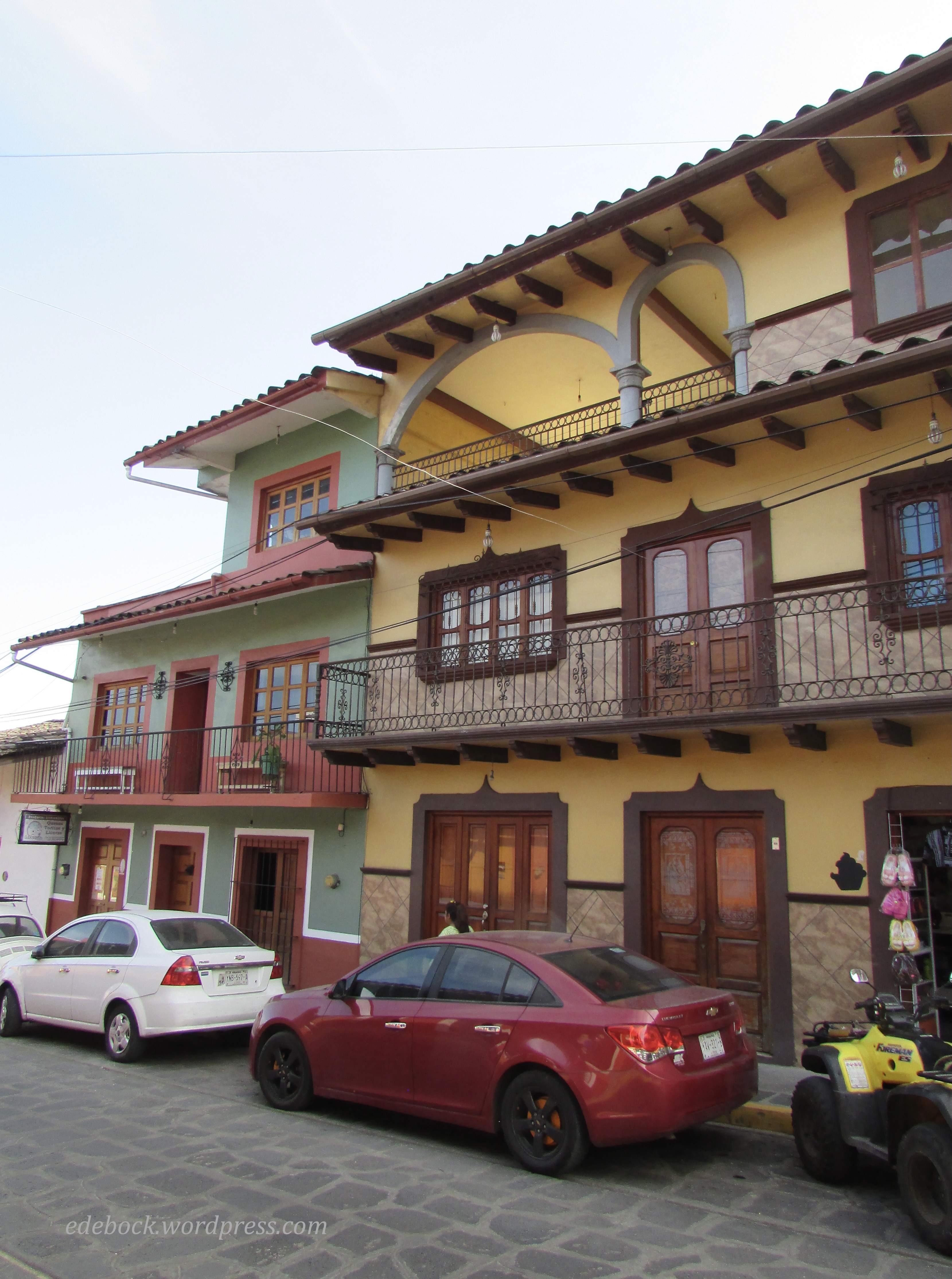
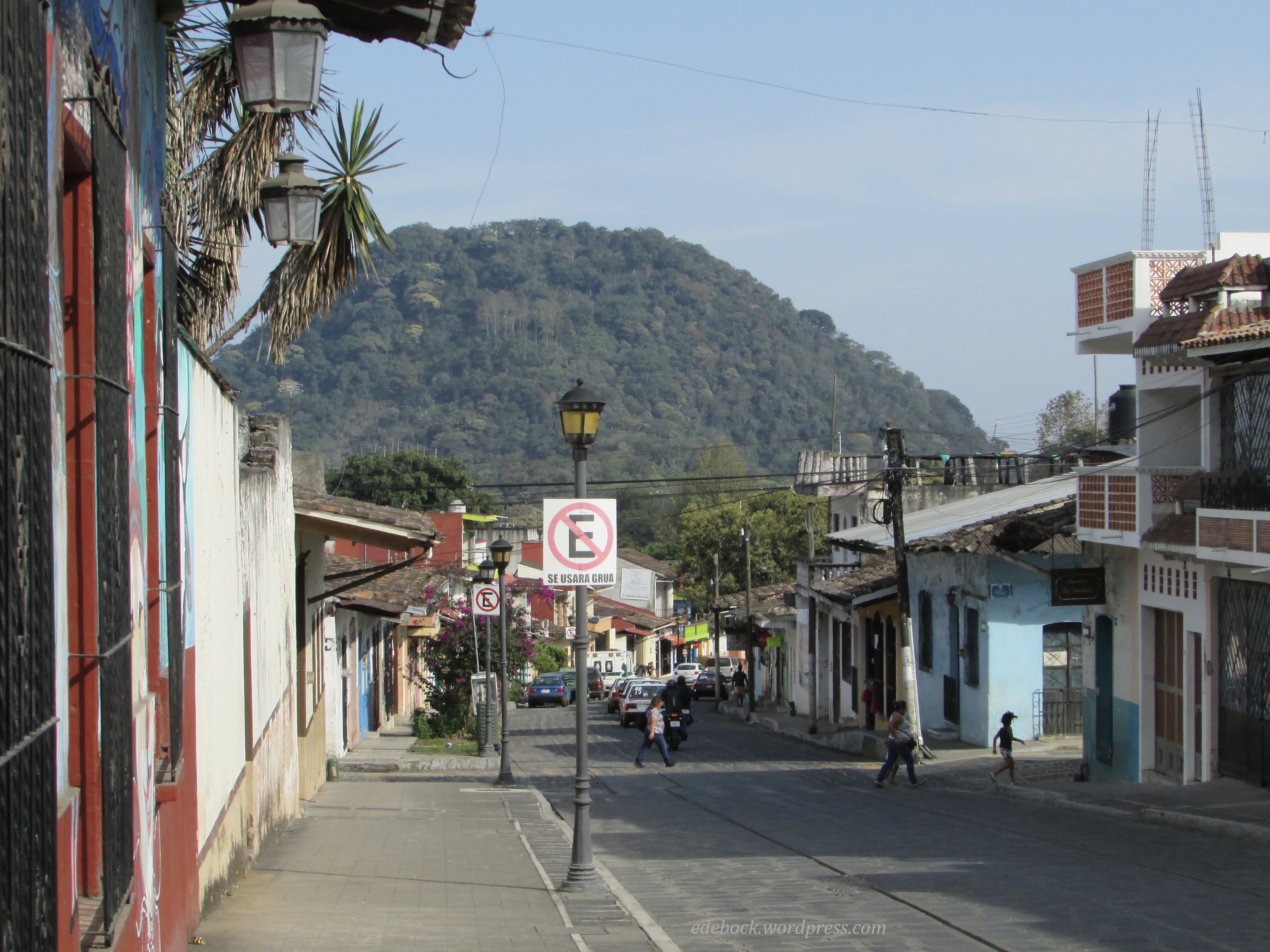
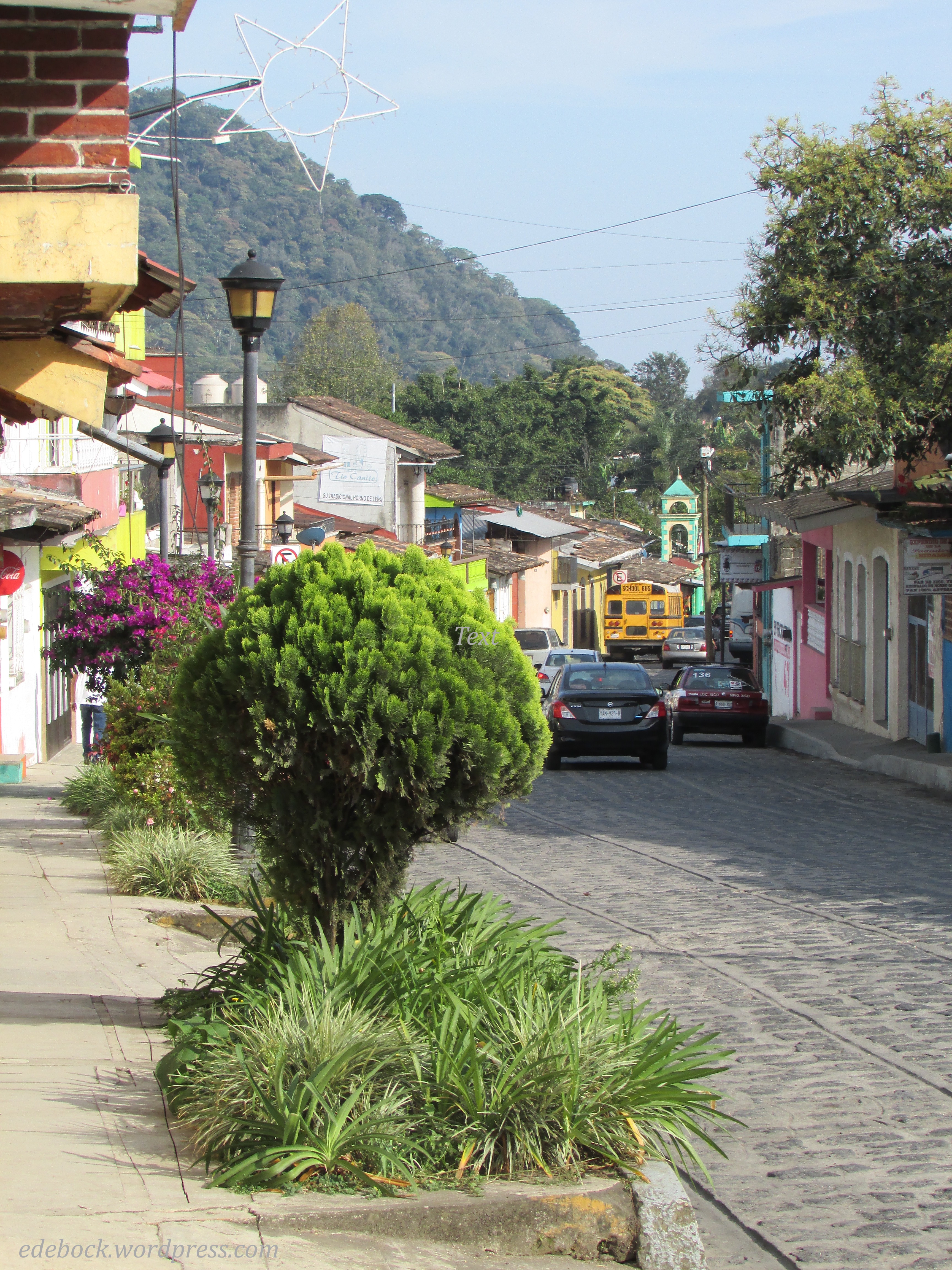
Like Coatepec, nearby Xico has been designated a Pueblo Magico (Magic Town), for maintaining its original architecture, culture, folklore, and/or history. Recognized by the Mexican government for their “magical” qualities, these towns have been selected as some of the most beautiful places in the country to visit.

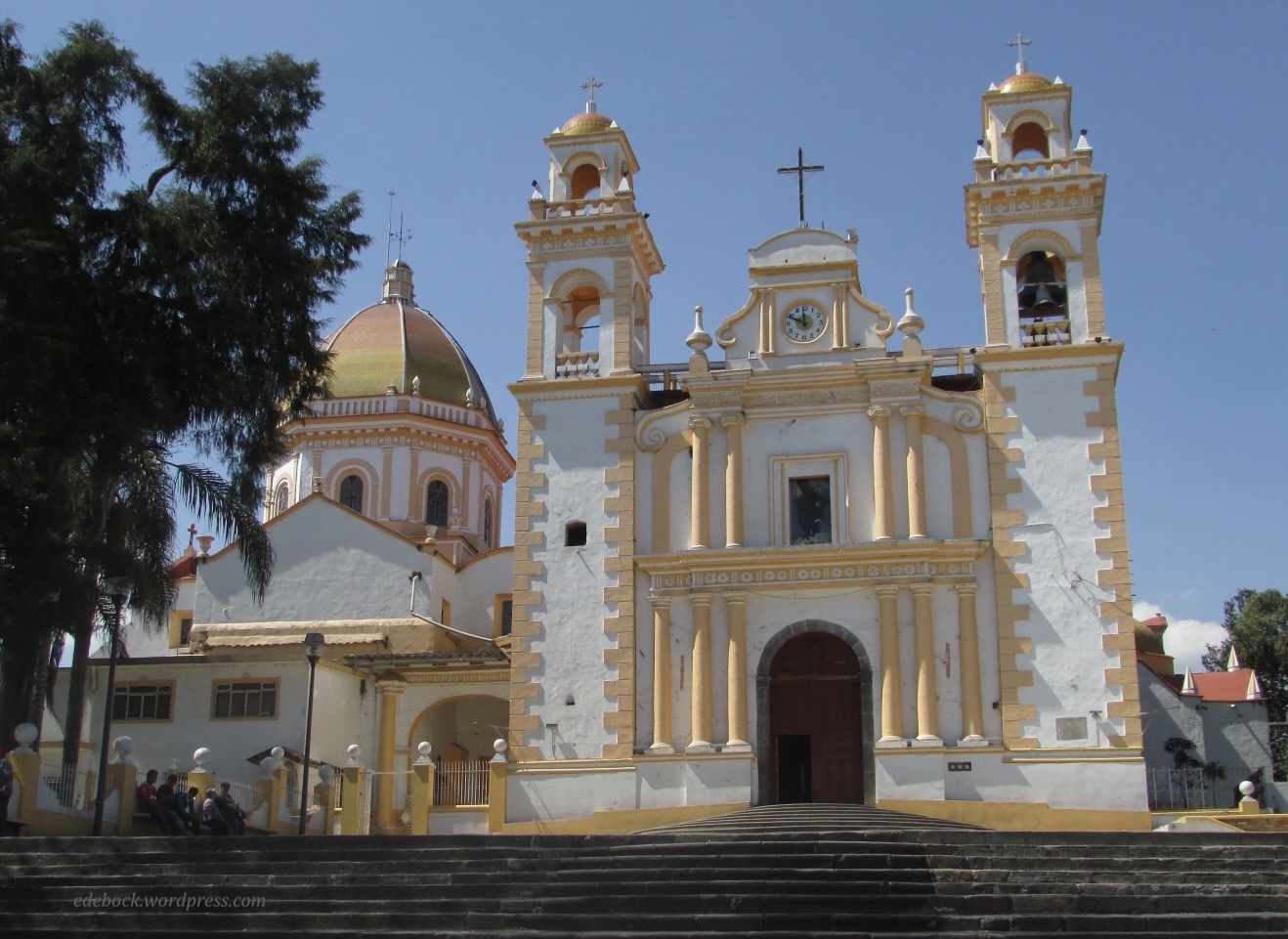
Last time we went to Xico, six years ago, road reconstruction was underway in the downtown core. Though we enjoyed a lovely lunch on an outdoor patio, we weren’t able to explore as much of the area as we did yesterday. Once again, we had the taxi from Coatepec drop us off by the beautiful Santa María Magdalena church in the centre of town.

img_3604

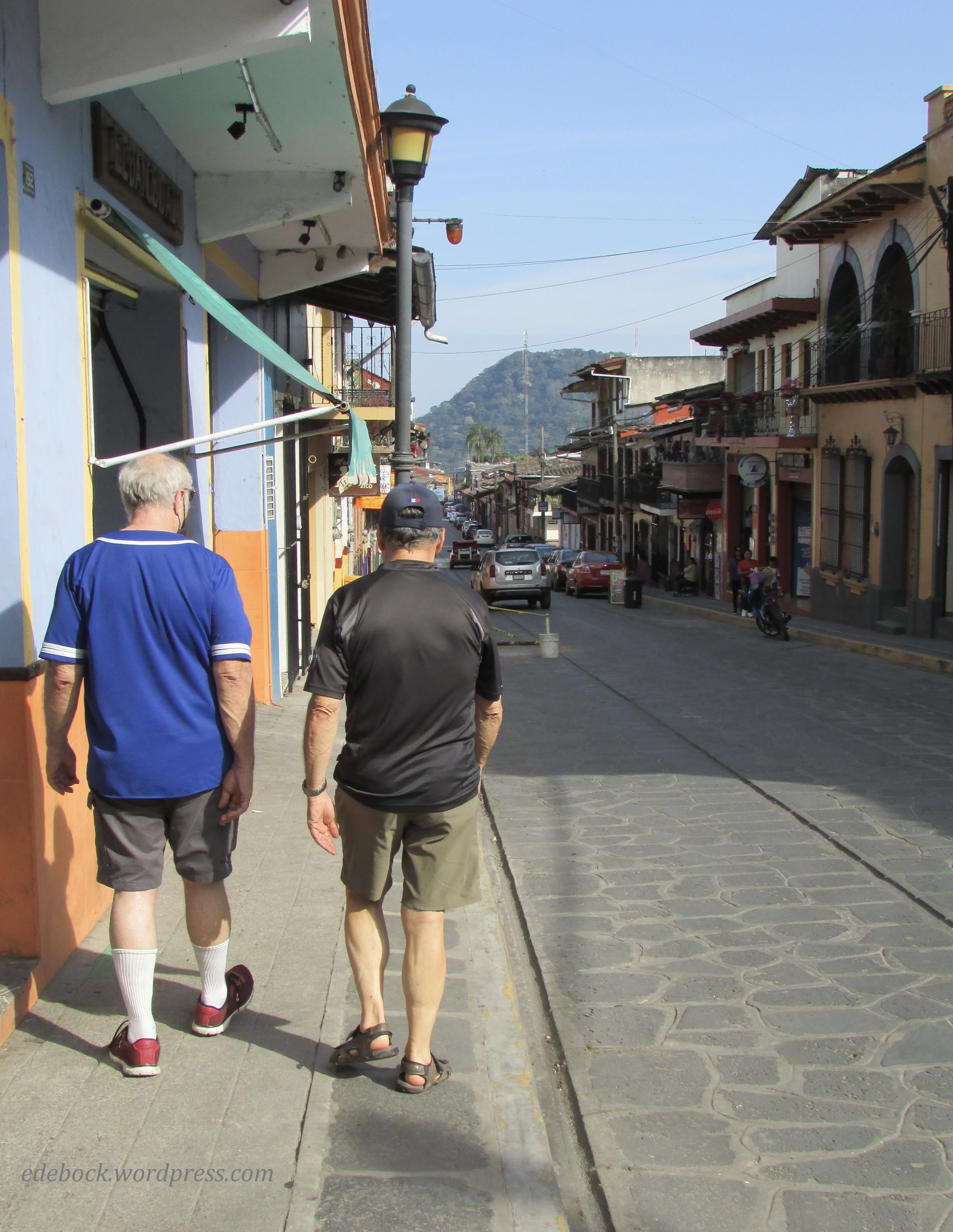
From there, we explored on foot. Come take a walk with us. There’s the two Richard’s leading the way.

IMG_5147

I absolutely love the colours and the old colonial architecture.

IMG_5148

IMG_5149

IMG_5159

IMG_5166

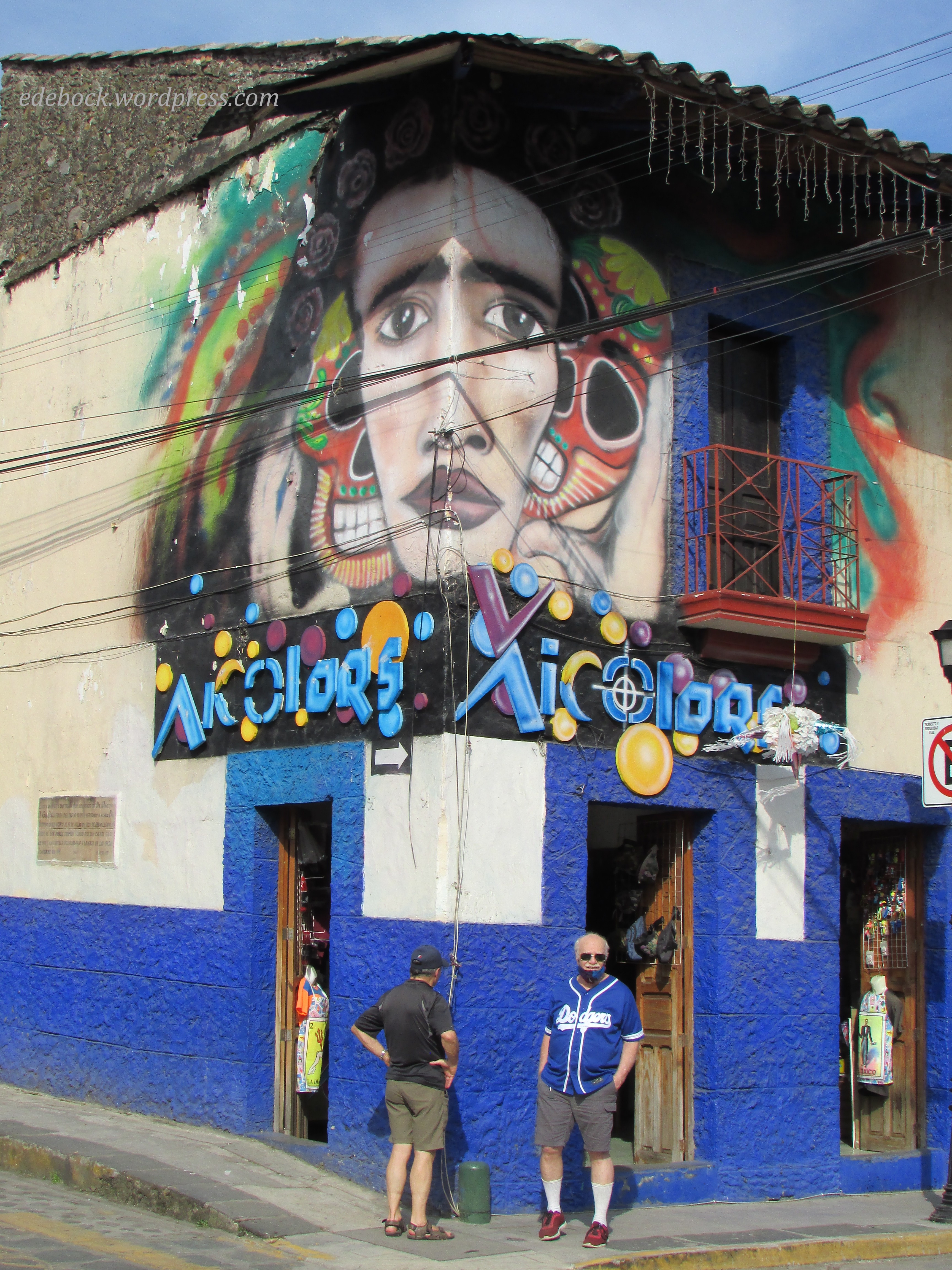
As in Coatepec, I was intrigued by the murals that we saw along the way. This one actually wraps itself around the corner of the upper storey of a building.

IMG_5152

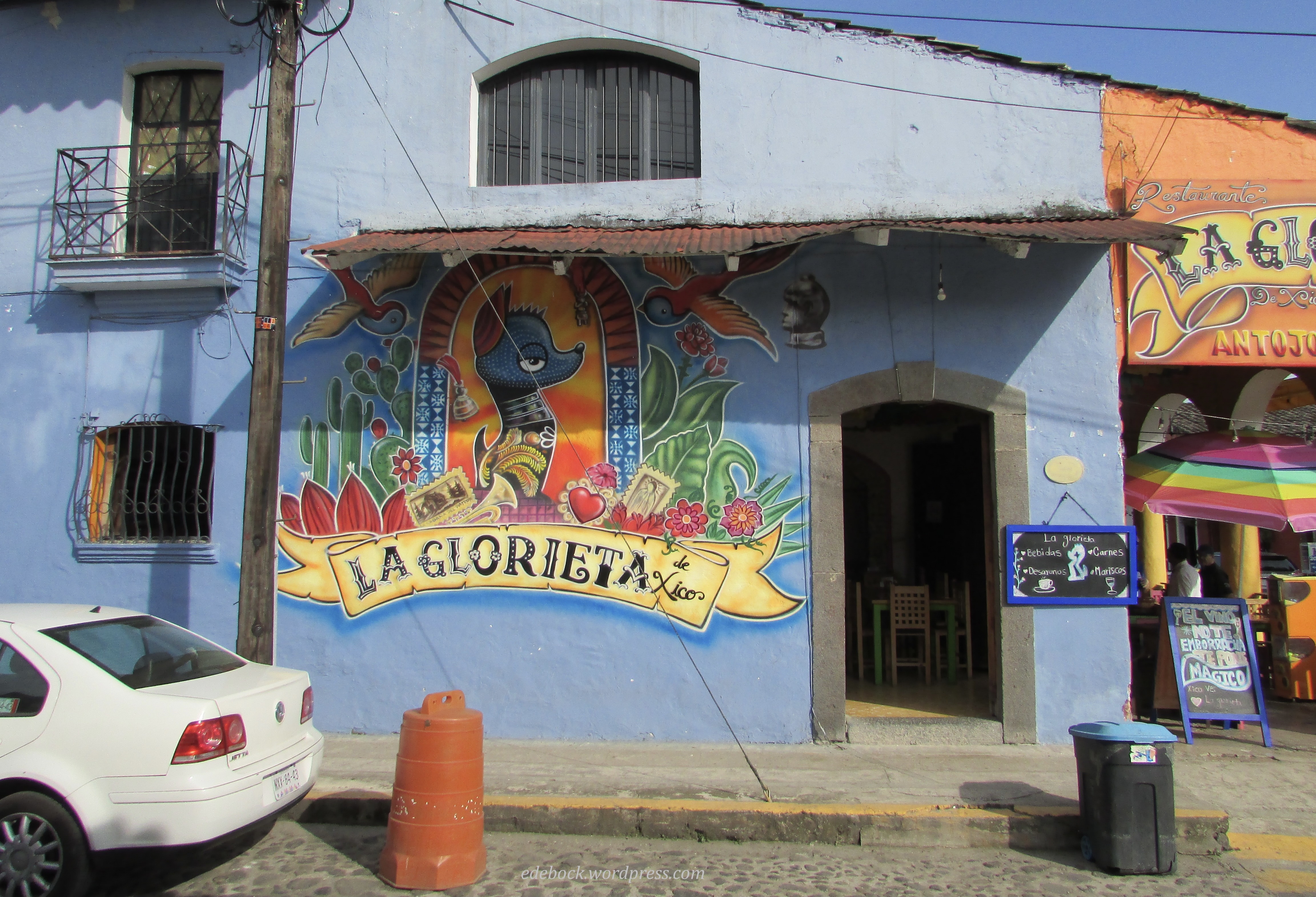
This one adorns the outside of the restaurant where we ate last time we were in Xico.

IMG_5155

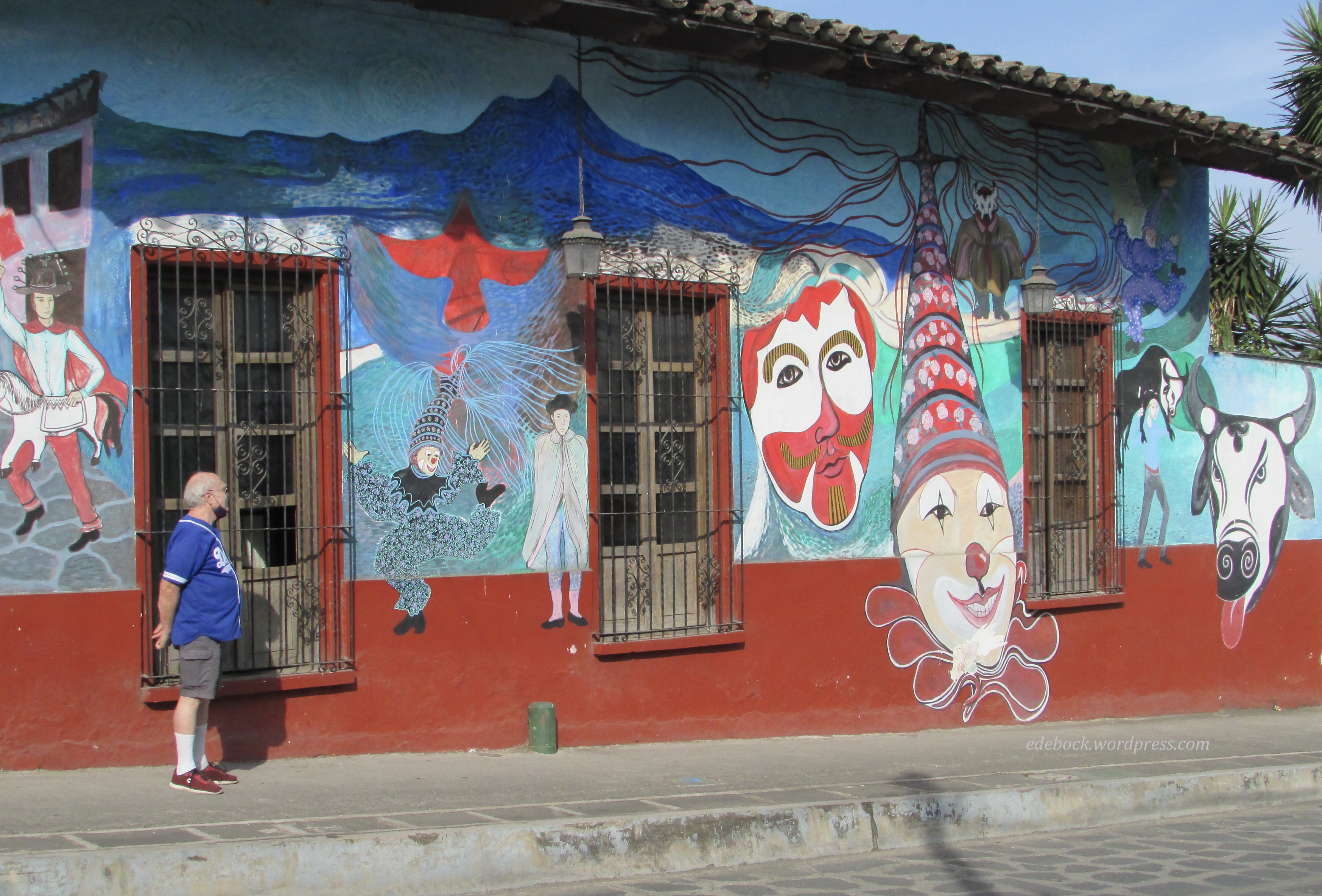
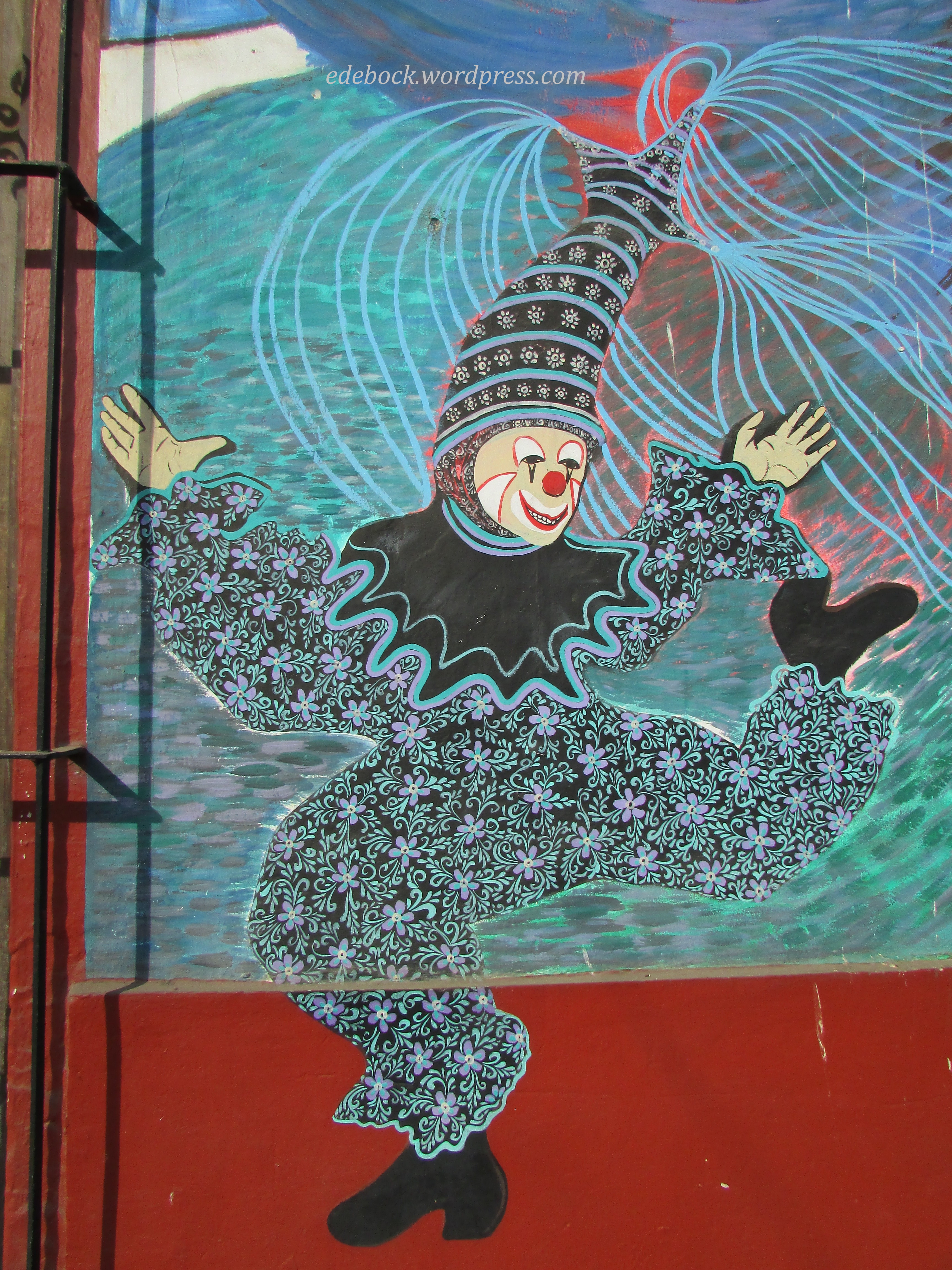
I couldn’t even capture all of this mural in a photo. I especially liked all the detail on the happy little payato (clown).

IMG_5161

IMG_5162

After our walk, we stopped for coffee overlooking the courtyard of the beautiful Las Magdalenas Boutique Hotel. I completely abandoned my coffee free, diabetic diet and indulged in a tall and very delicious frappuccino moka topped with a mountain of whipped cream! Hopefully all the walking somewhat made up for such an extravagance!

IMG_5168

IMG_5176

A day at the Louvre

We thought the Uffizi Gallery in Florence was big, but then we visited the Louvre in Paris! In addition to paintings and sculptures, the Louvre also displays historical objects and archeological finds. It contains more than 380 000 objects and 35 000 works of art. Assuming that I’ve done my math correctly, if a person spent one minute looking at each item on display, it would take 24 hours a day for more than nine months to see everything! We were there for five hours. Clearly it was necessary to plan ahead and choose the things we most wanted to see.

Of course, we had to see the Mona Lisa, the most famous painting in the world, but so did everyone else in the Louvre that day! We literally had to fight our way through the crowd of selfie takers to get a glimpse. It was impossible to get a good photo, but you probably already know what it looks like. Like many others, I really wonder what all the fuss is about. There were certainly paintings that I liked better.

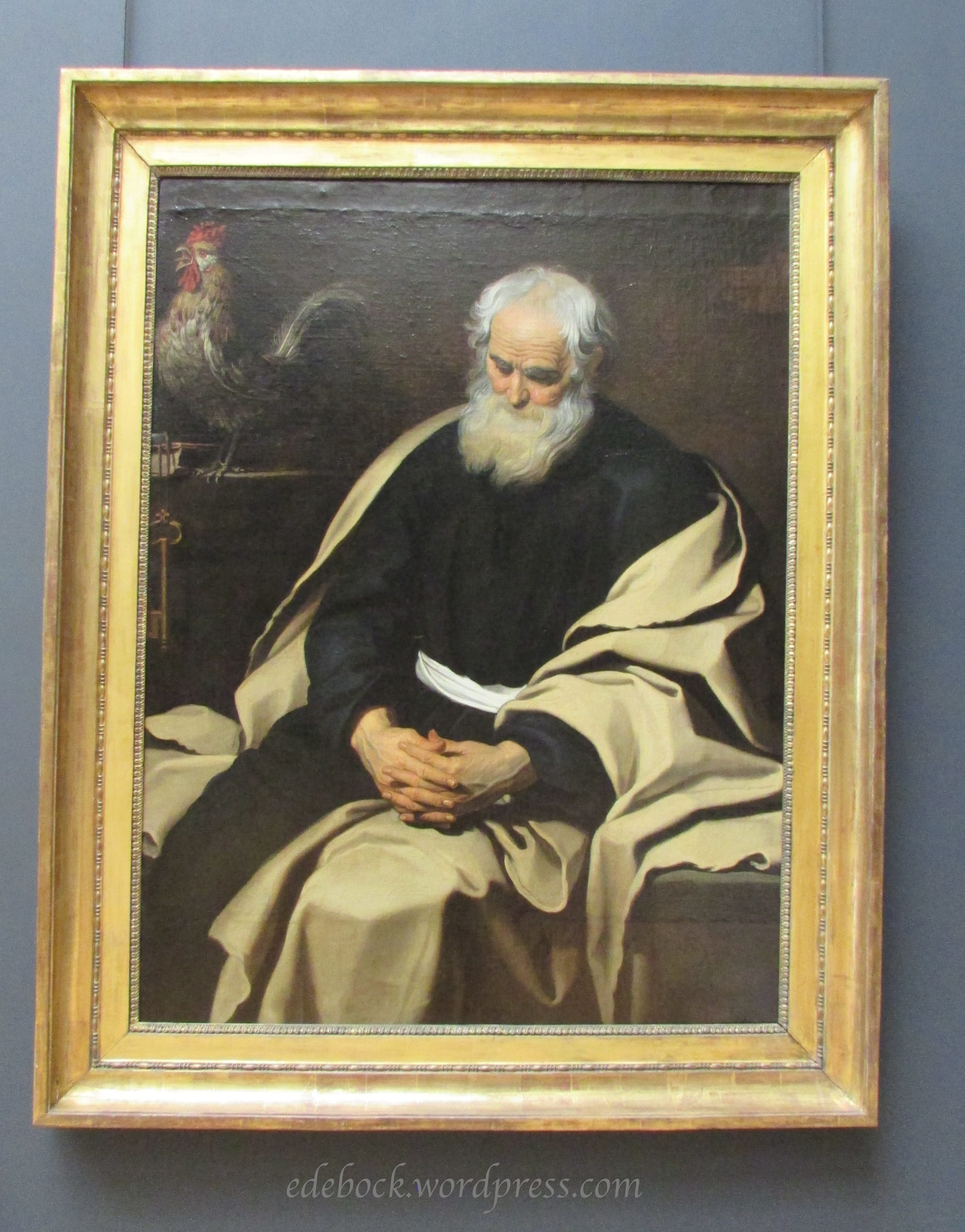
Of all the paintings that we saw, the one that impressed me the most didn’t appear on any of the “must see” in the Louvre lists that I saw.

IMG_8645

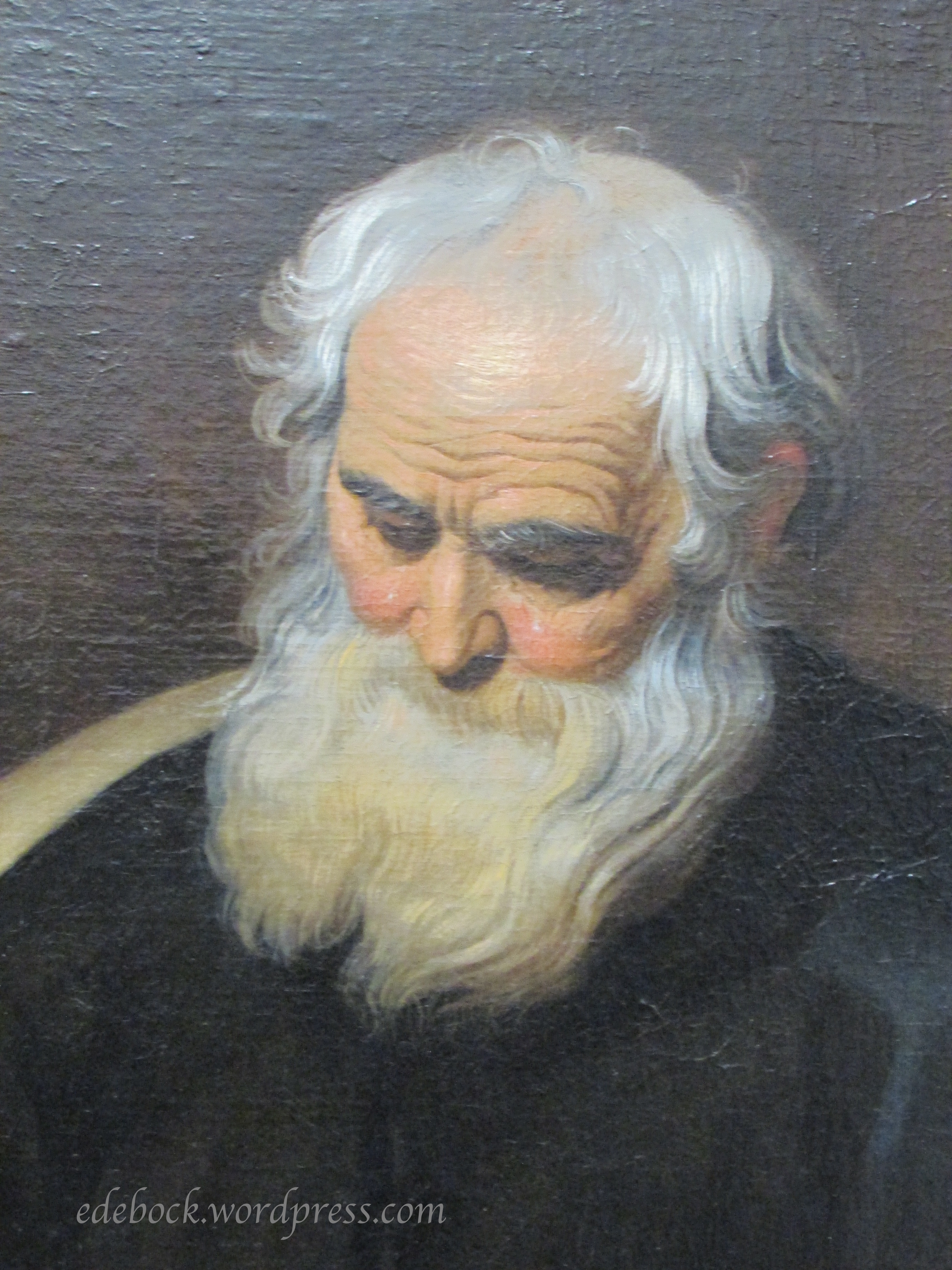
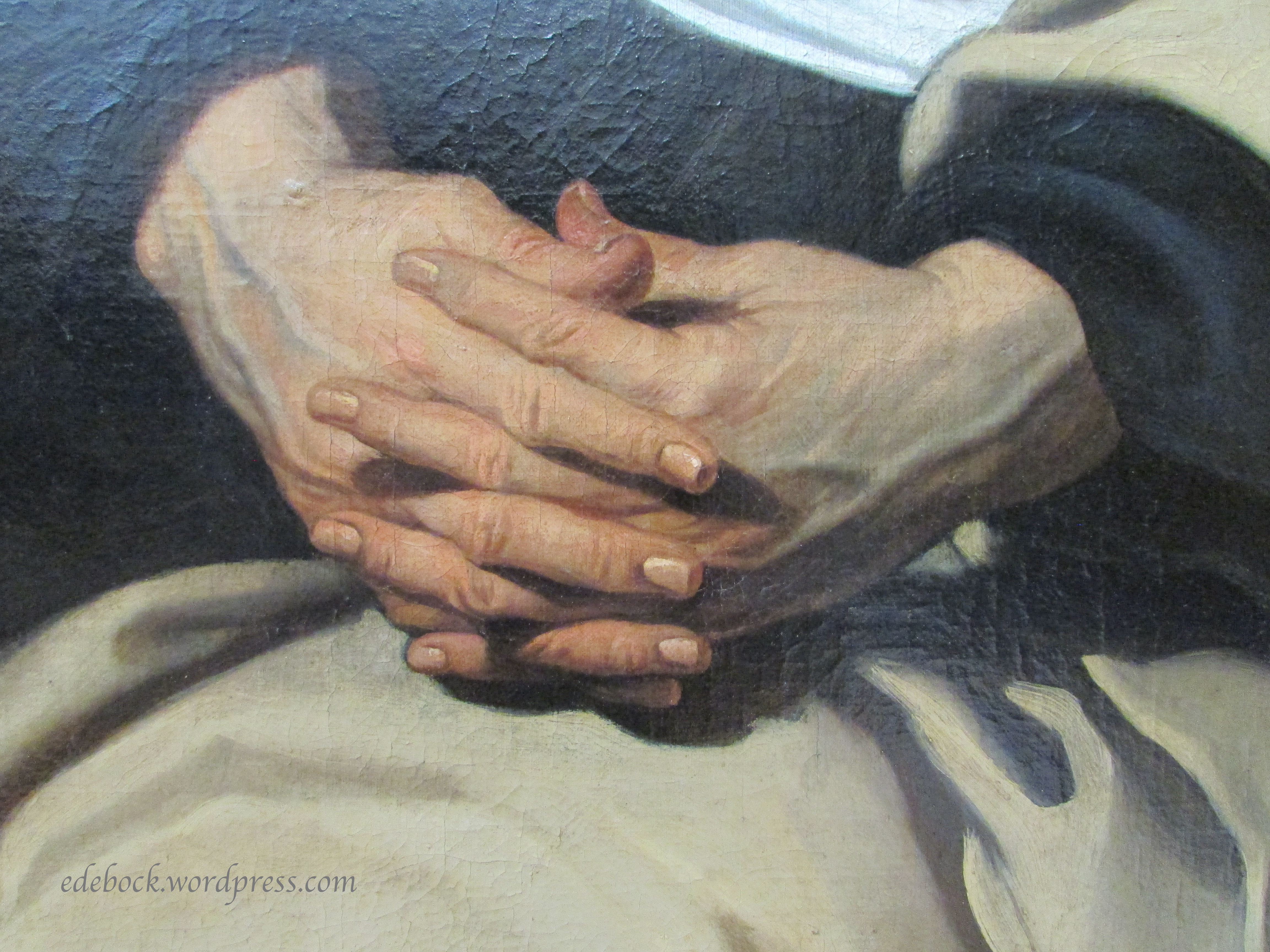
At first glance, I saw an old man snoozing while a rooster crowed in the background, but then I read the description. I was looking at The Penitent Saint Peter, or The Tears of Saint Peter, painted in the 1620s by Flemish artist, Gerard Seghers, and based on the scriptural account of Peter denying Christ three times before the rooster crowed. I like the simplicity of it, but also the detail. Look at the way Seghers captured the softness of an old man’s hair. And then there are those hands!

IMG_8647

IMG_8650

The Venus de Milo is considered one of history’s most significant sculptures. Again, I’m not really sure why.

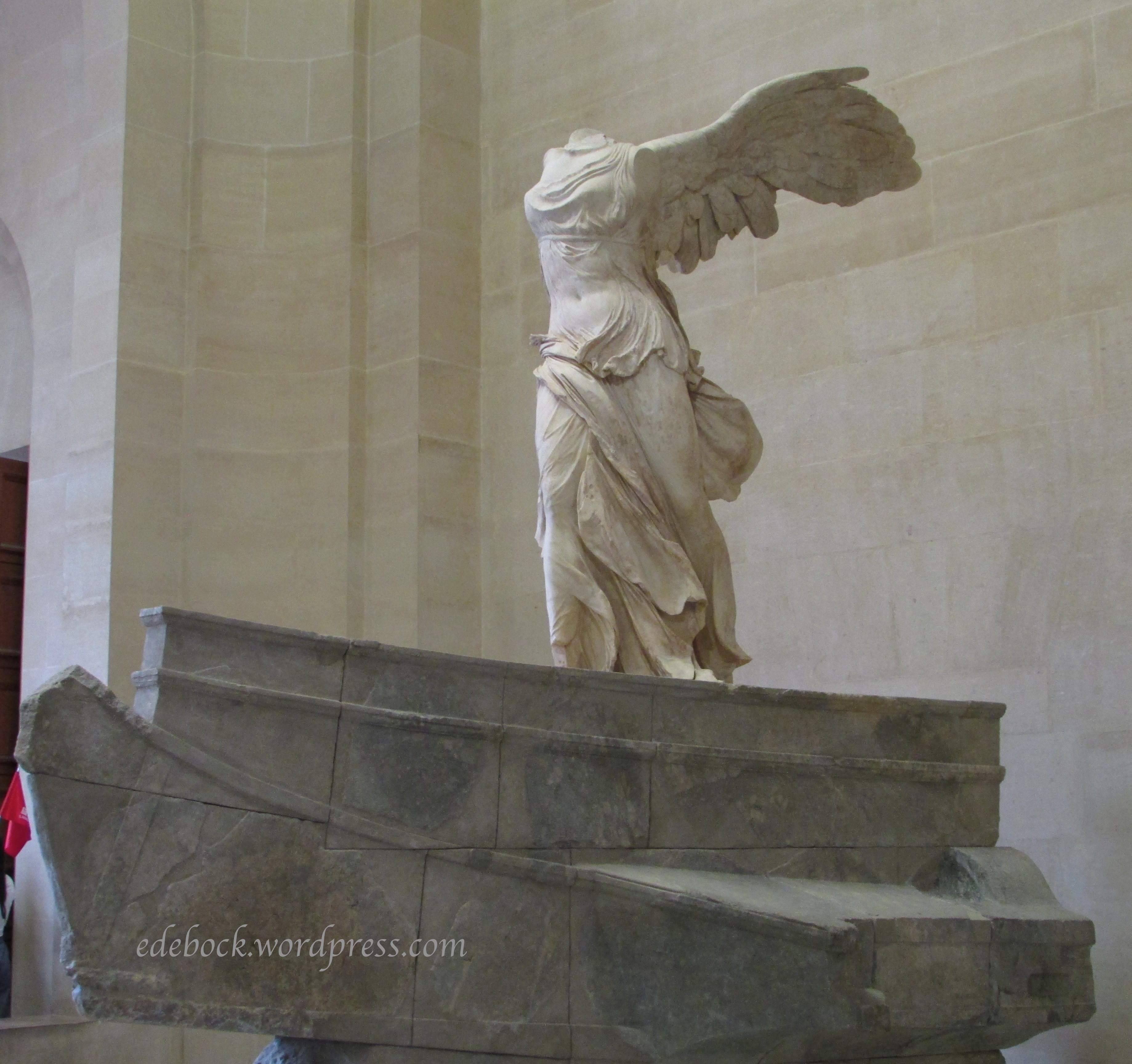
My favourite sculpture was the highly acclaimed Winged Victory of Samothrace which was created in ancient Greece in about the second century BC. The flowing drapery conveys a sense of motion as the goddess, Nike, descends onto the prow of a ship in honour of a sea battle won.

IMG_8603

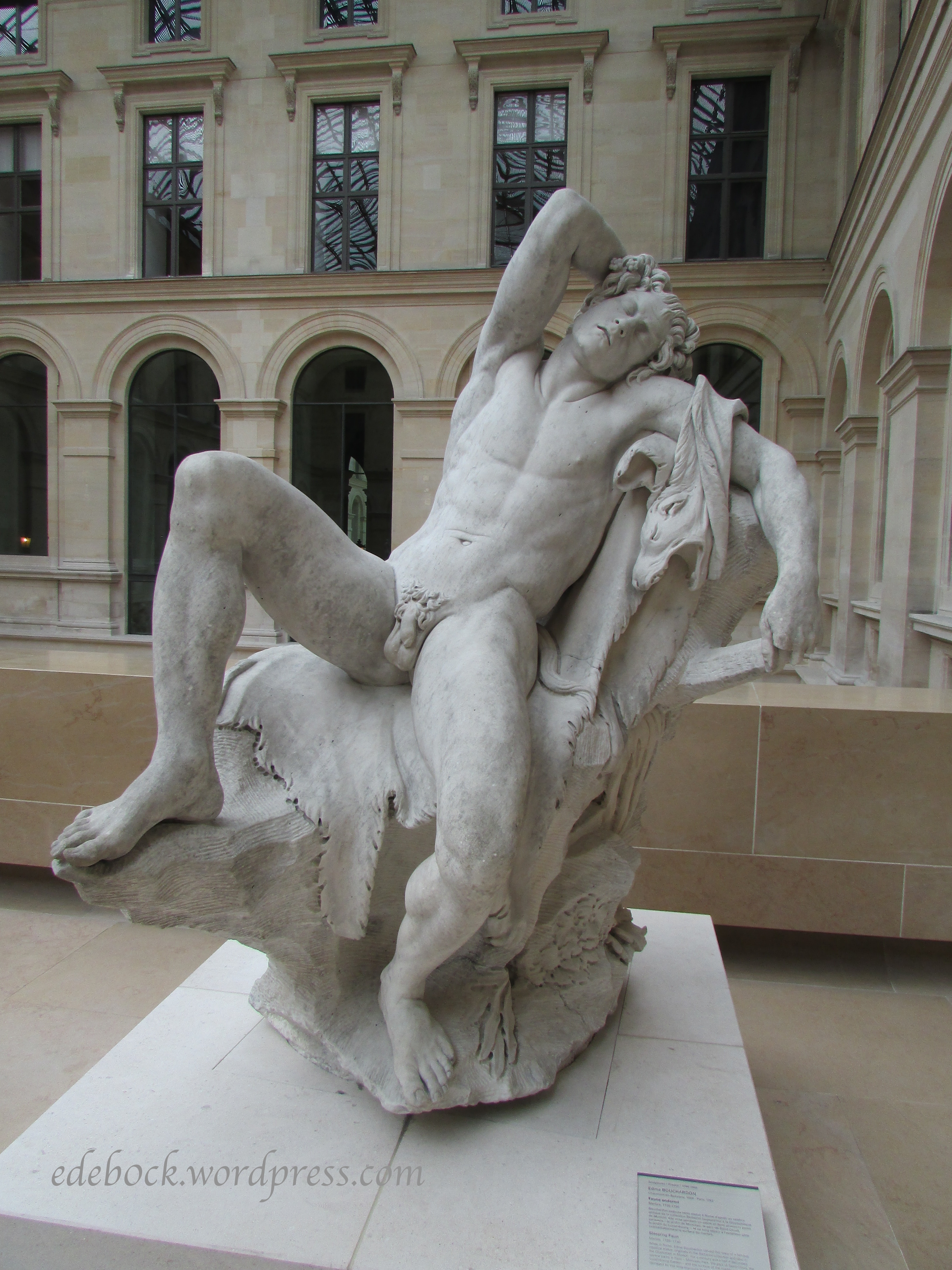
I also liked the Sleeping Faun carved by Edme Bouchardon in the 1700s.

IMG_8691

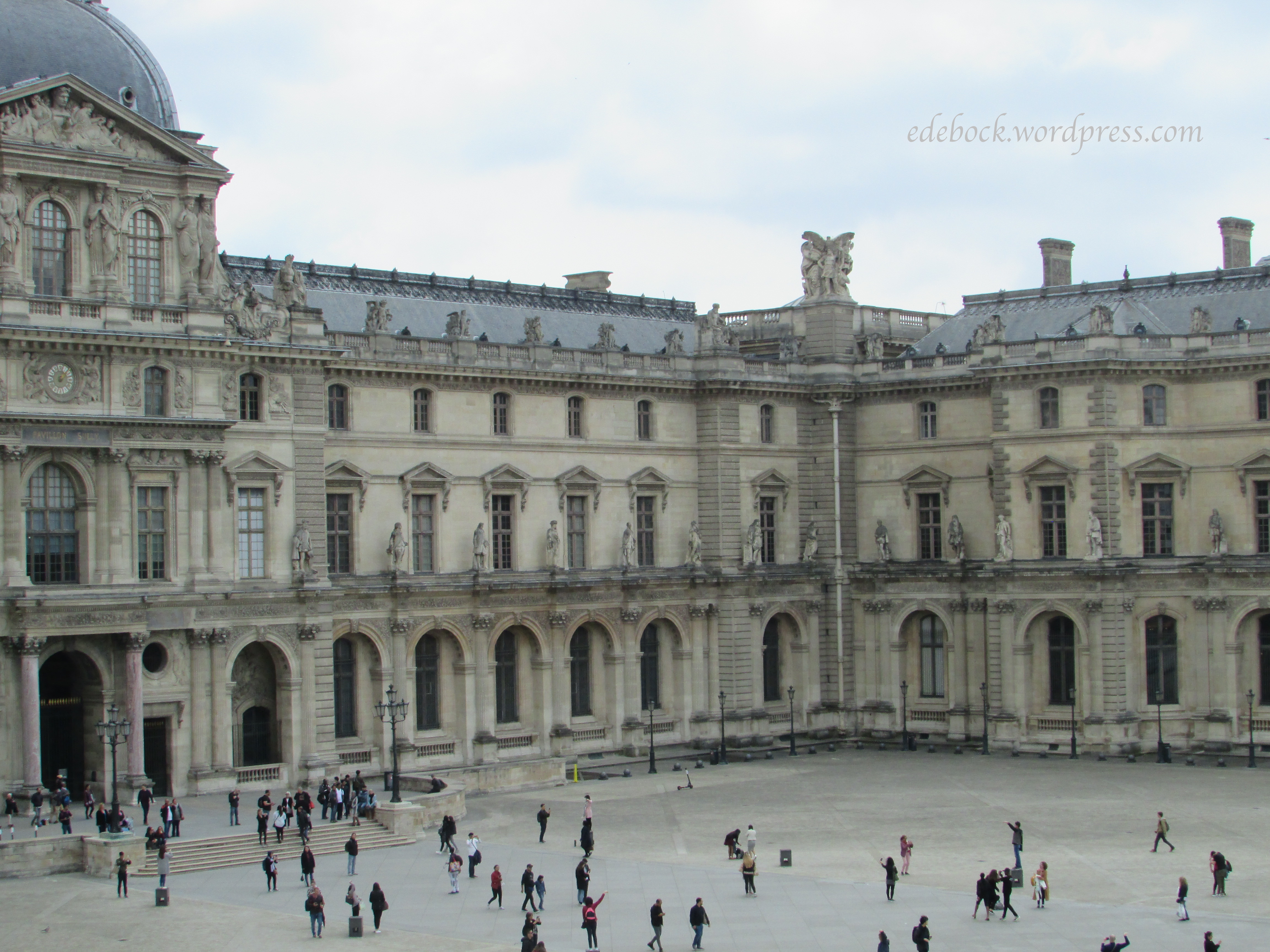
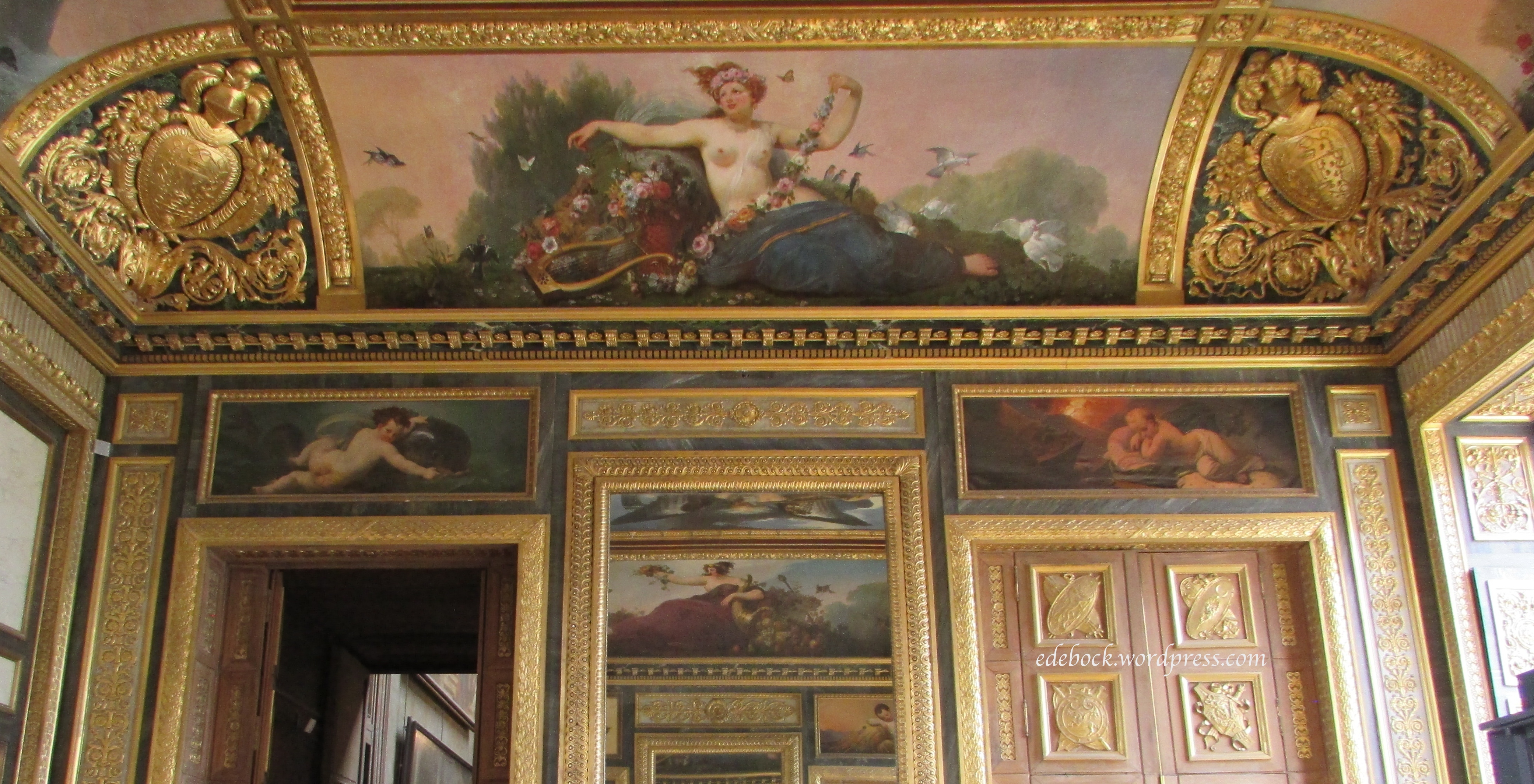
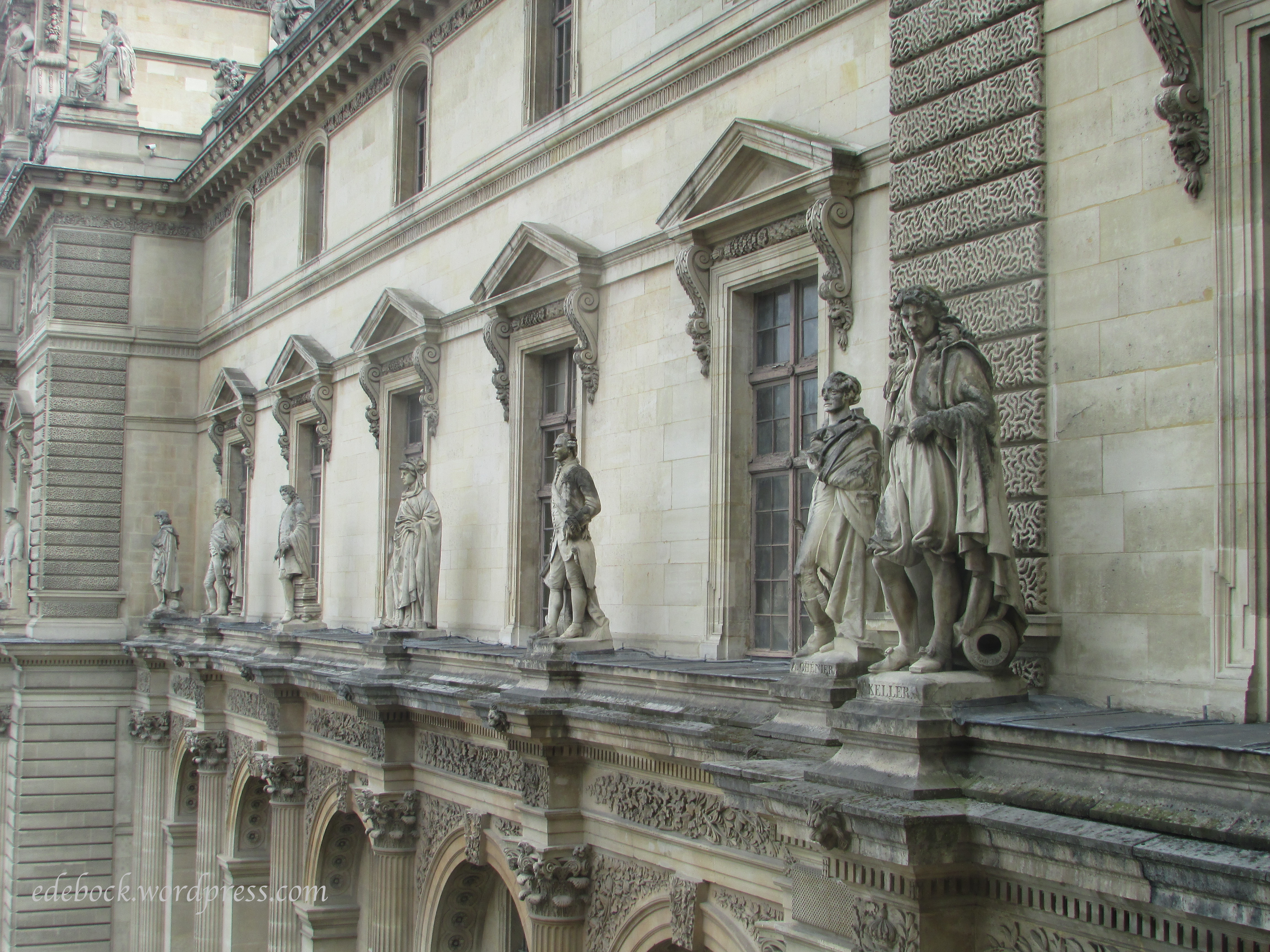
This is just a tiny sampling of what we saw in the Louvre on Monday, but it must also be said that the building itself, a former royal palace, is a work of art.

IMG_8672

IMG_8613

IMG_8611

My neck is getting stiff from craning to see all the amazing ceilings in the various churches, galleries, and museums we’ve been visiting!

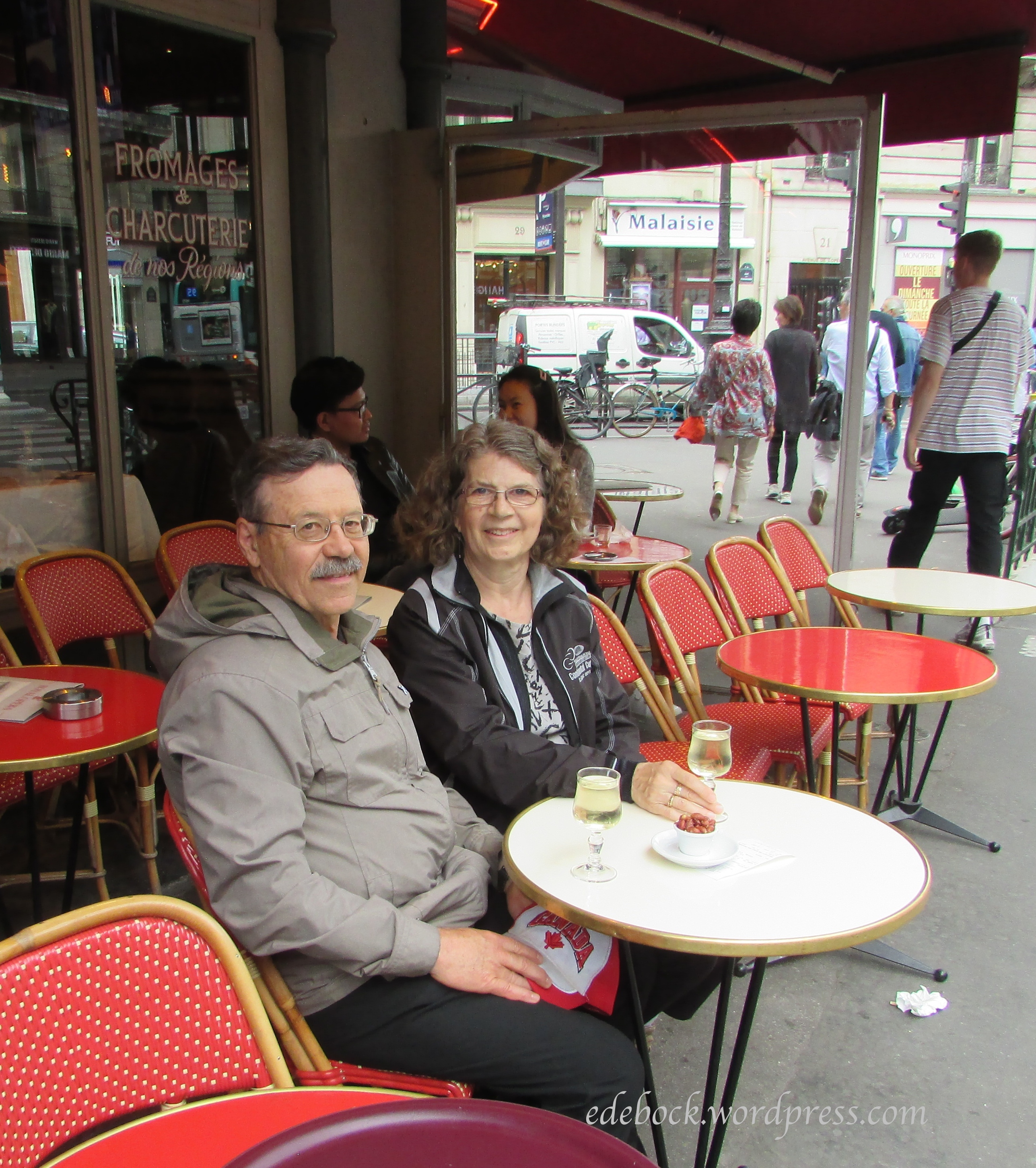
After ensuring that we’d seen everything on my “must see” list, we strolled the length of the Avenue de l’Opera from the Louvre to the Palais Garnier stopping along the way to sip a glass of wine at a sidewalk cafe.

IMG_8743 - Version 2

Oh yes, we are definitely enjoying Paris!

Second day in Paris

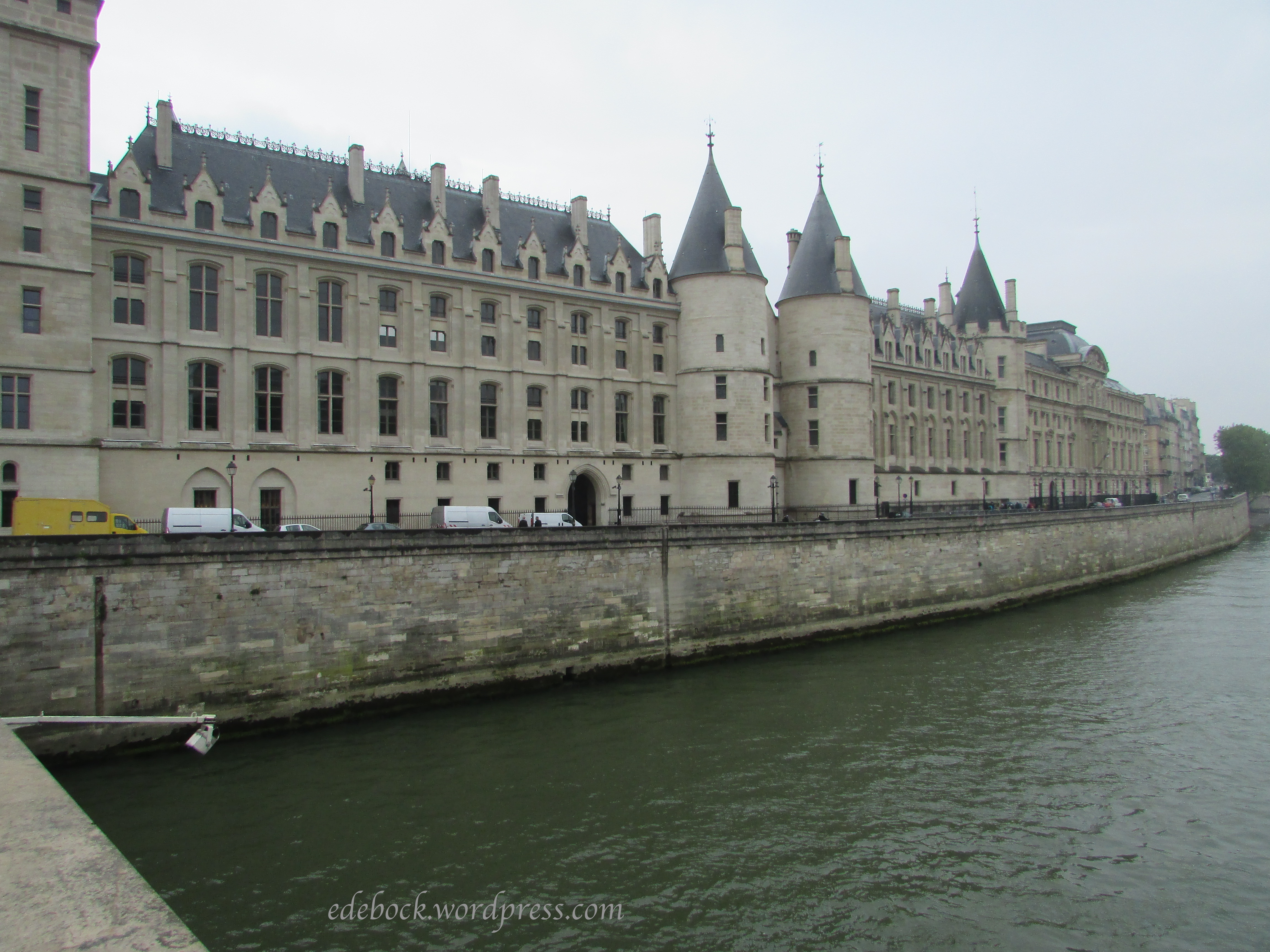
Located on the Île de la Cité, just a stone’s throw from Paris’ Notre Dame Cathedral, the Conciergerie served as a royal residence in medieval times and later a prison. That’s where we started our day yesterday.

IMG_8484

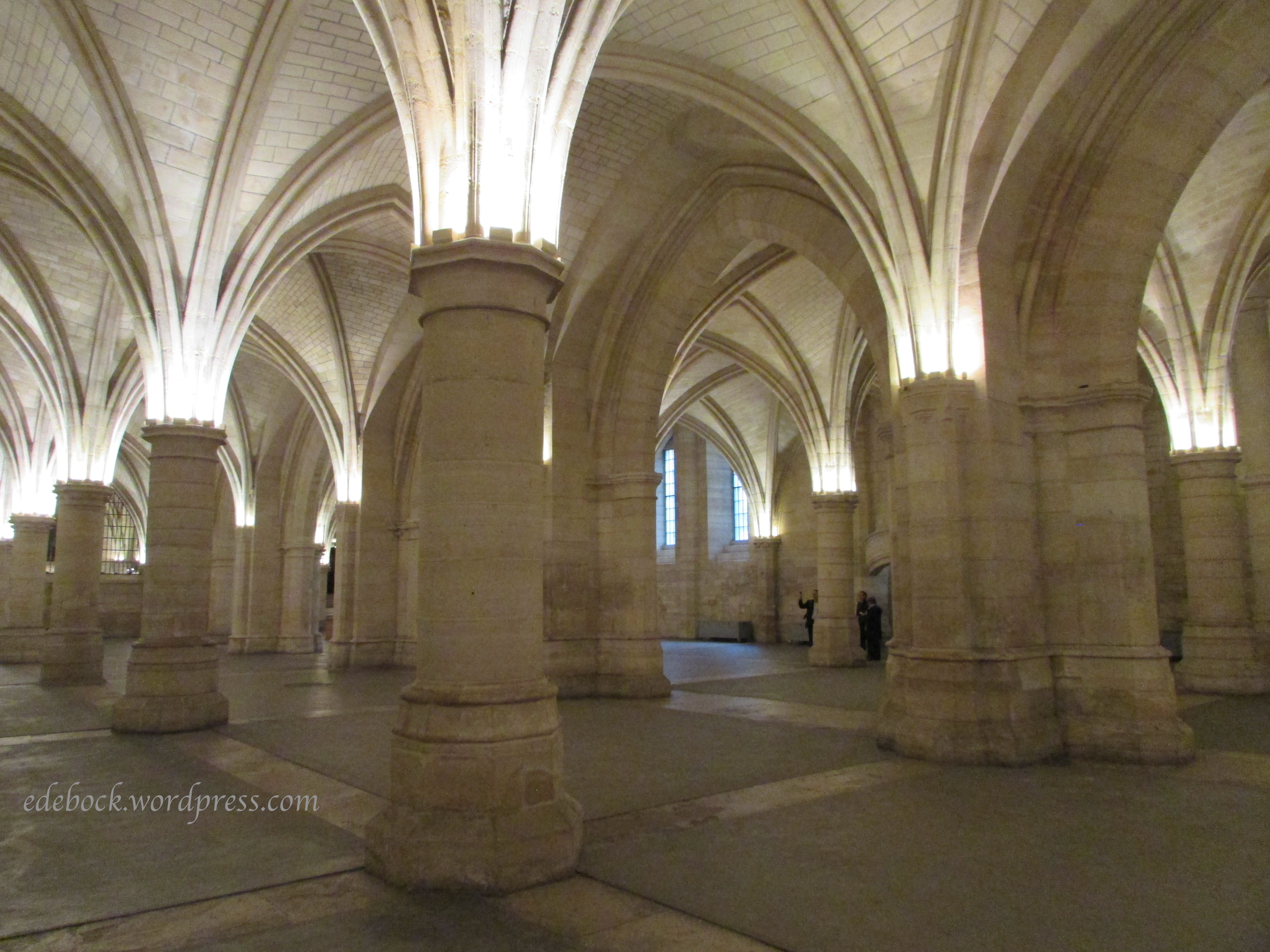
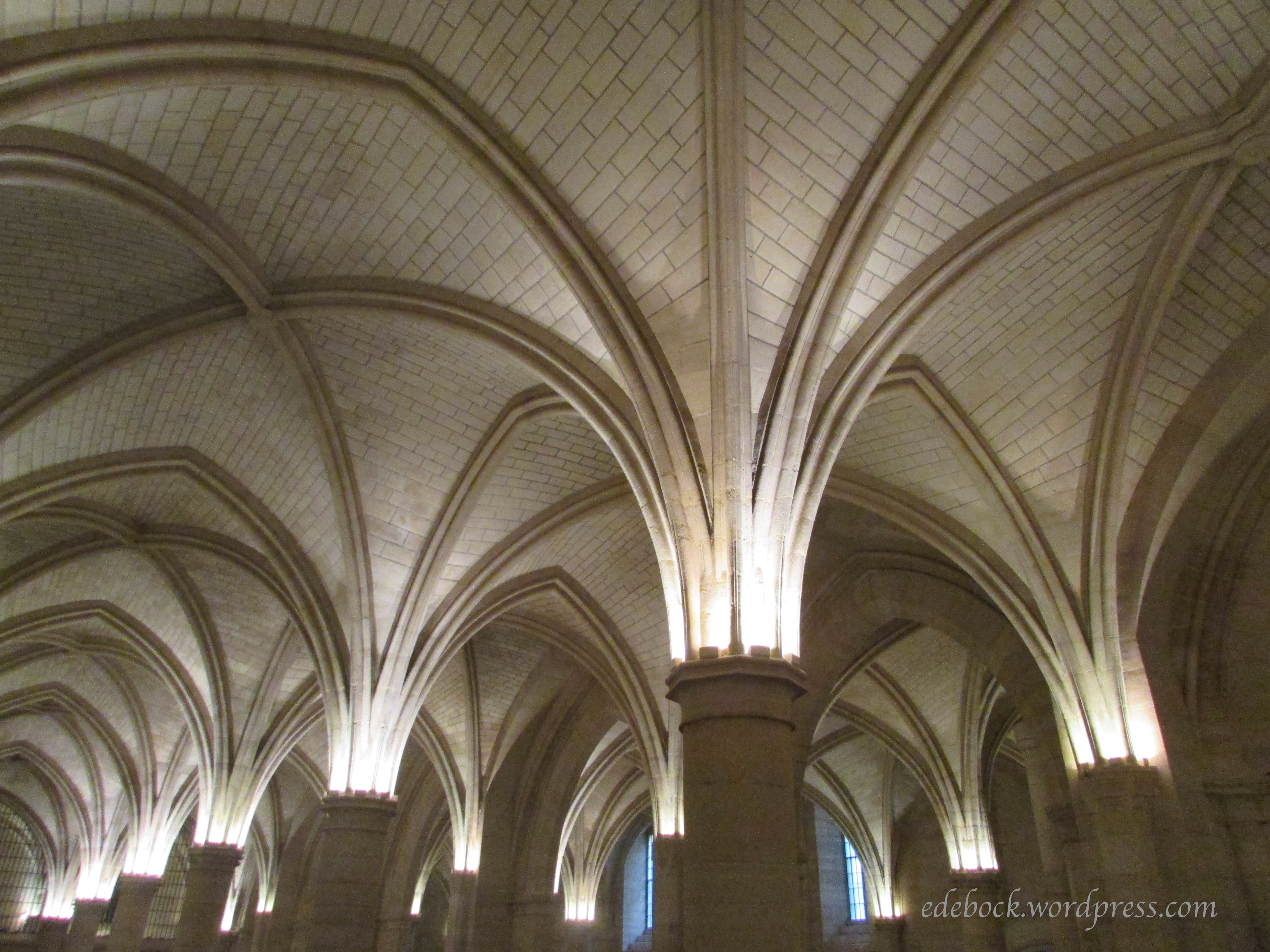
I was enthralled by the vast Salle des Gens d”Armes (Hall of the Soldiers). Constructed in 1302, it’s a great example of Gothic architecture.

IMG_8489

IMG_8487

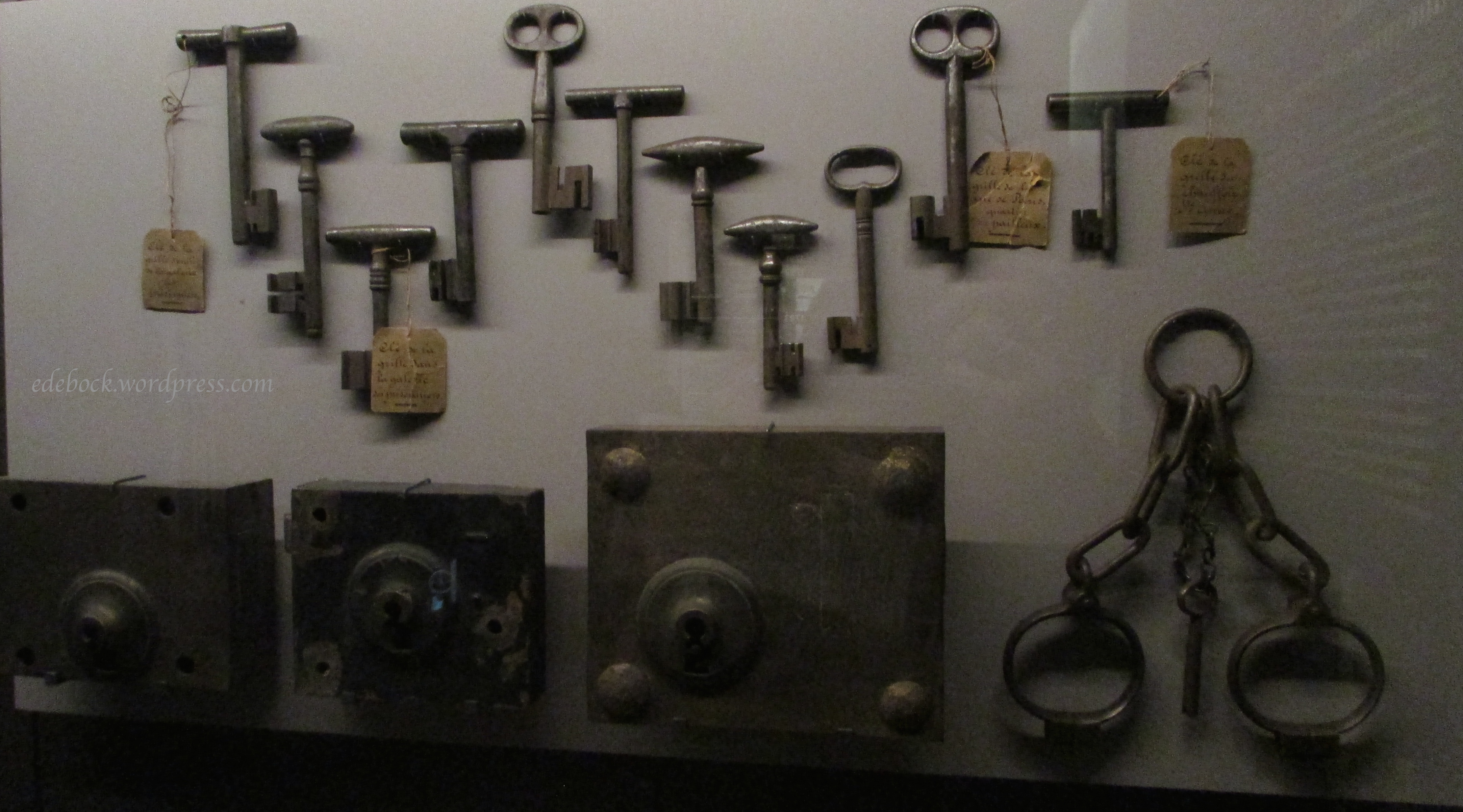
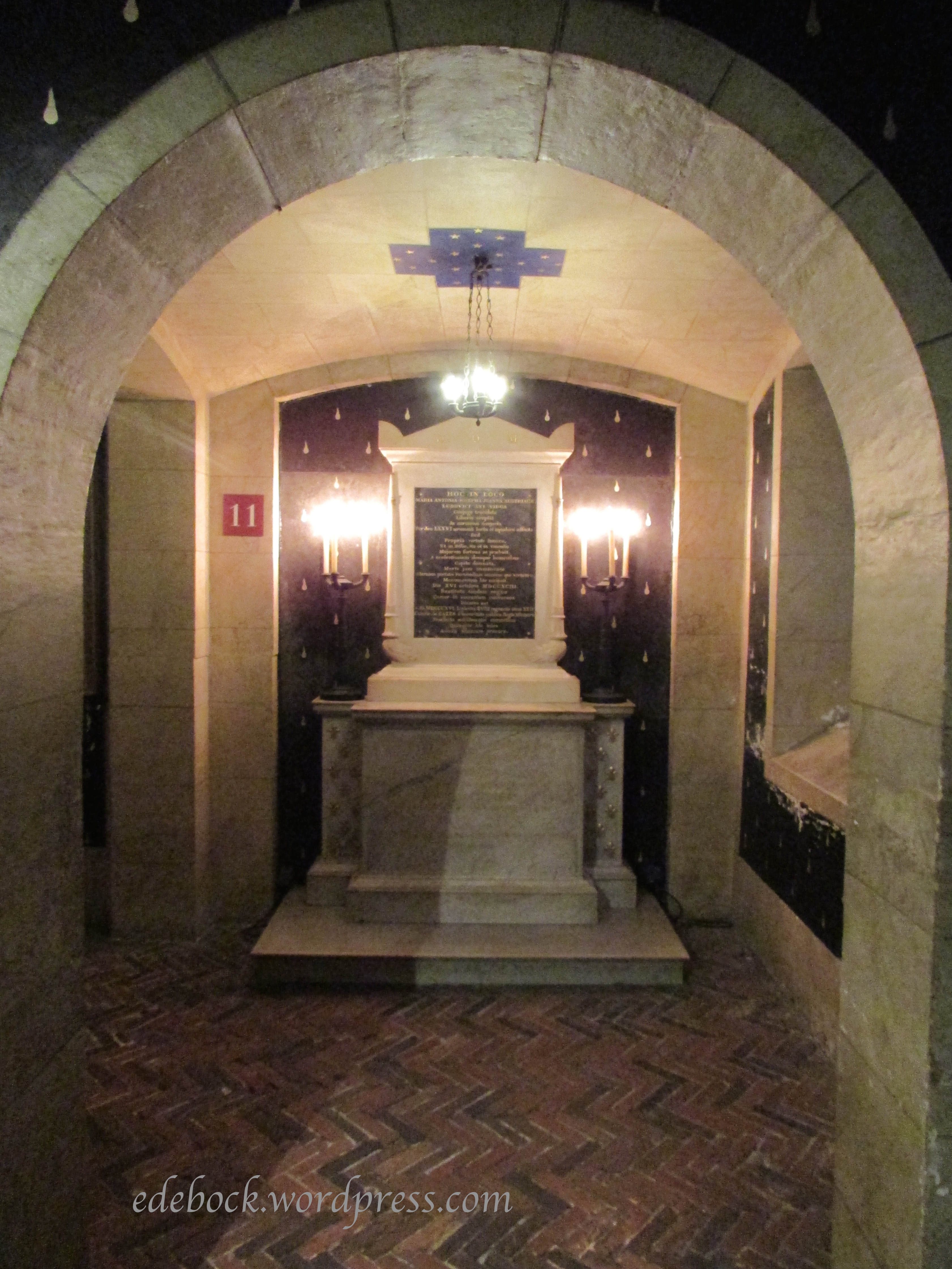
During the French Revolution of the late 1700s and the Reign of Terror that followed, part of the old royal palace held prisoners including Marie Antoinette whose prison cell was later converted into a small chapel in her memory.

IMG_8497

IMG_8498

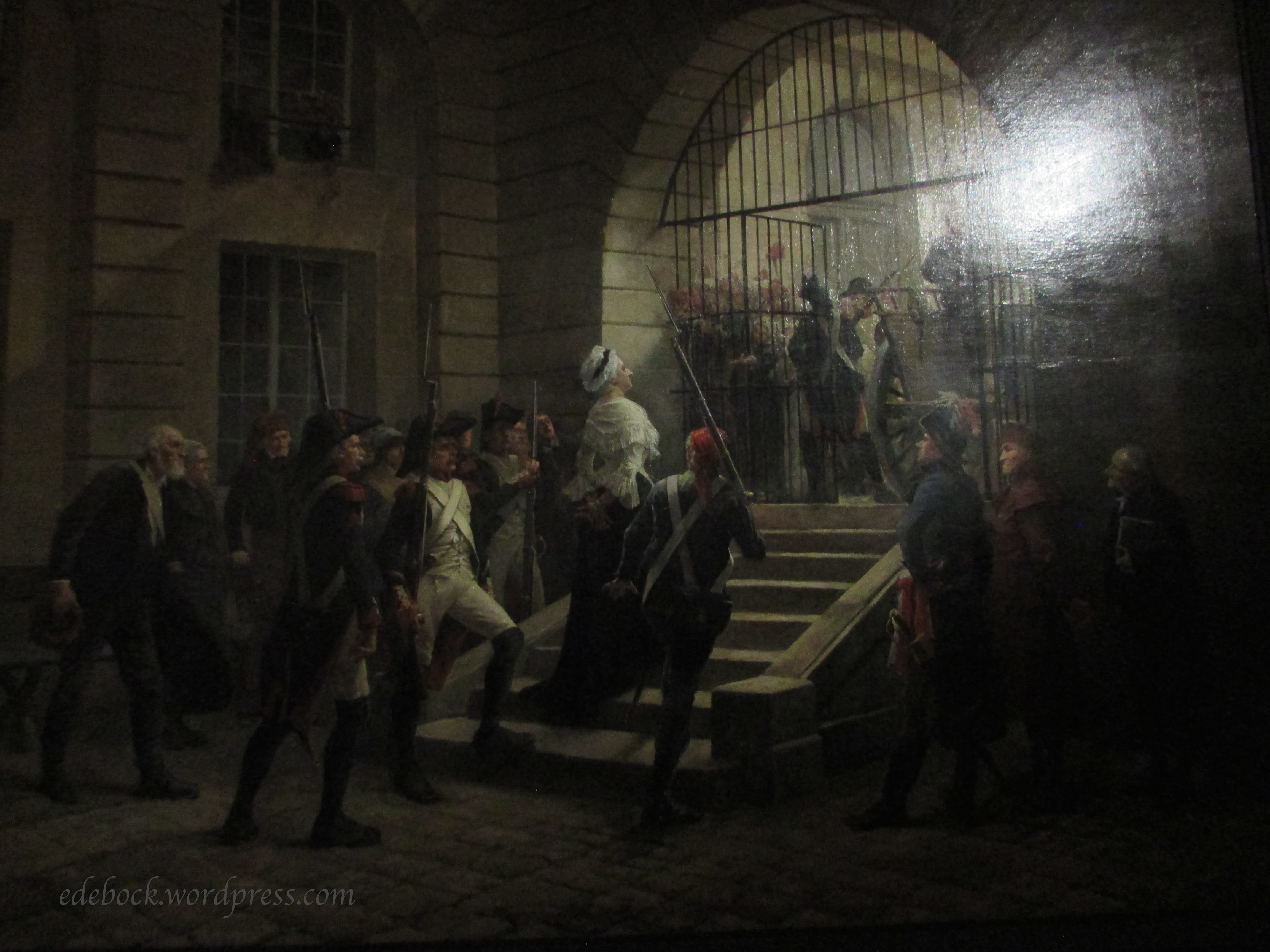
This painting shows the queen ascending the steps from the Conciergerie to the courtyard where she would be transferred to an open cart pulled by horses that would take her to the guillotine located in the Place de la Revolution, now Place de la Concorde.

IMG_8505

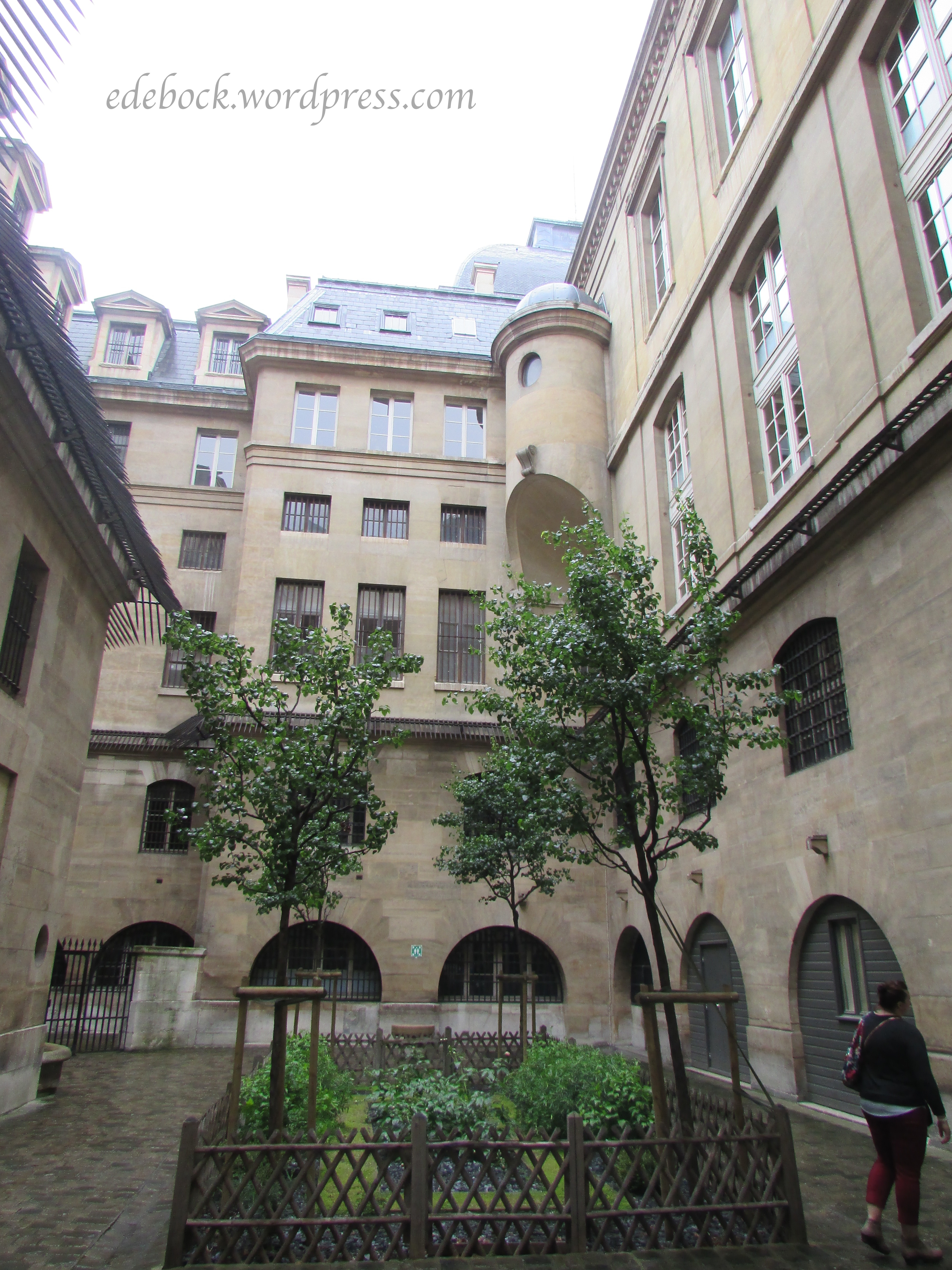
Looking serene today, this was the women’s courtyard. Surrounded by two floors of cramped cells, it was used by the female prisoners to take daytime walks.

IMG_8510

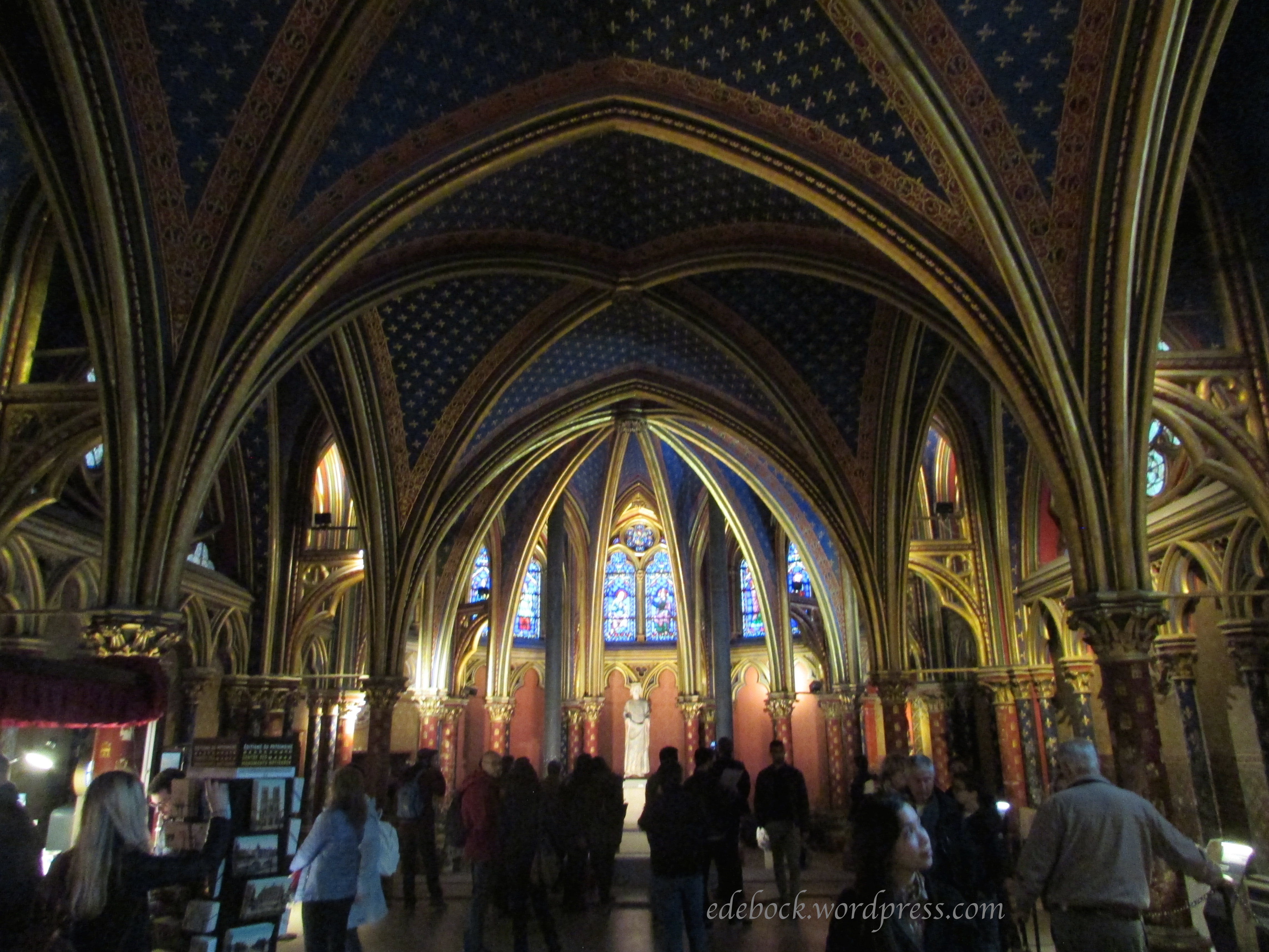
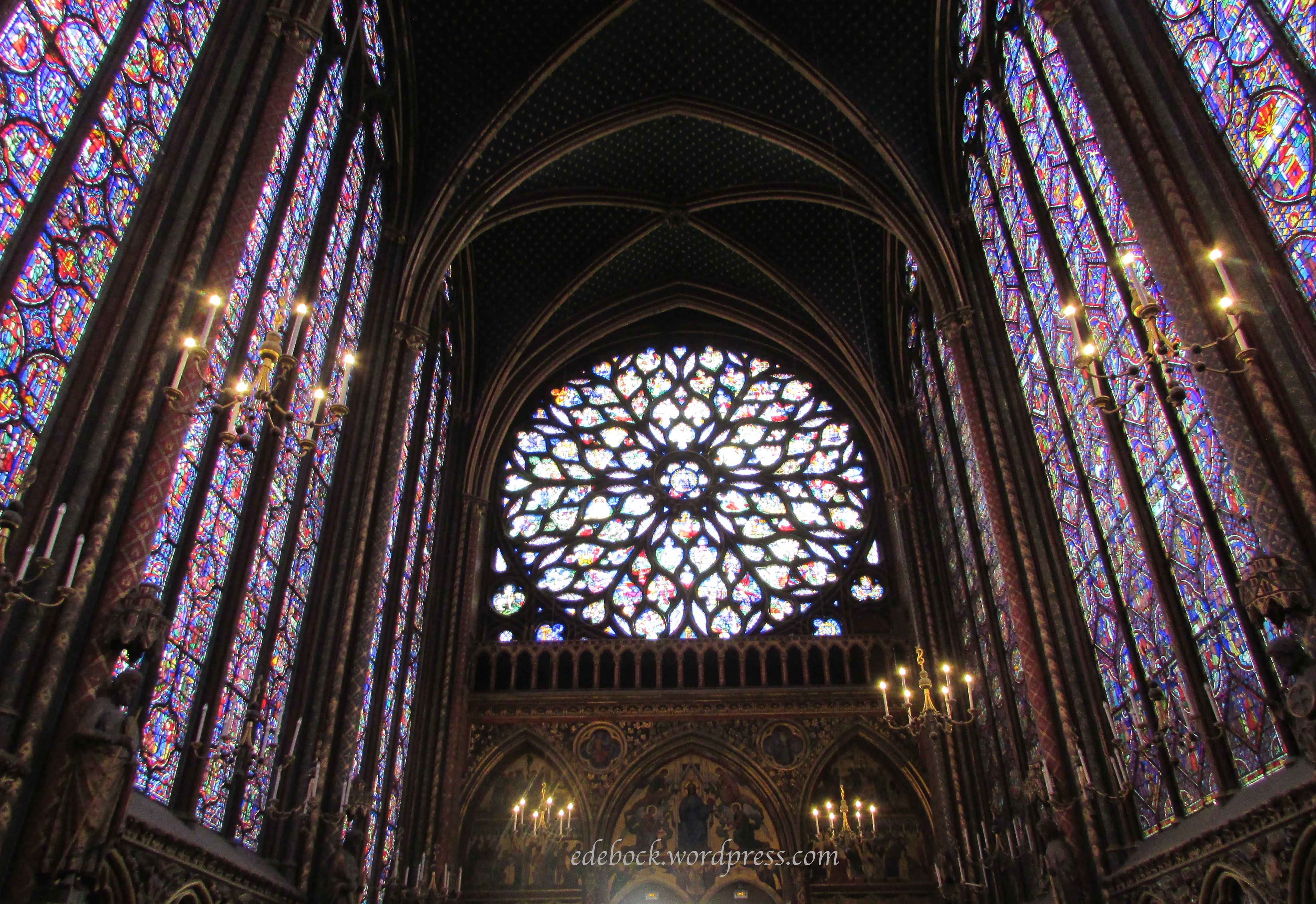
Our visit included Sainte Chapelle, the church built within the palace walls. I thought by now we might be getting tired of churches, but not so. I continue to be amazed by each one that we step into.

IMG_8516

IMG_8519IMG_8522

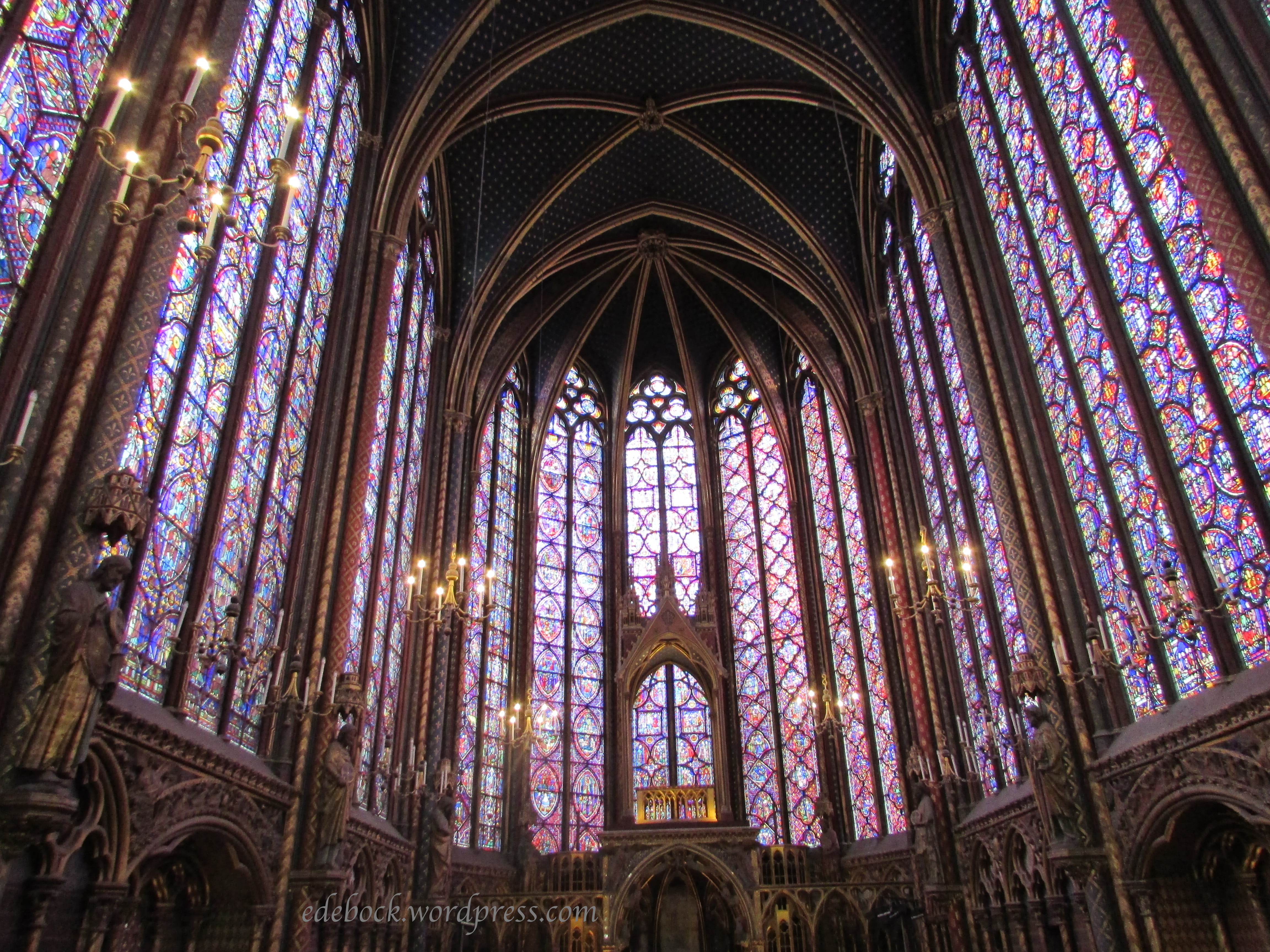
Absolutely nothing could have prepared me for the sight that greeted me when I reached to top of the narrow winding staircase to the upper chapel.

IMG_8531

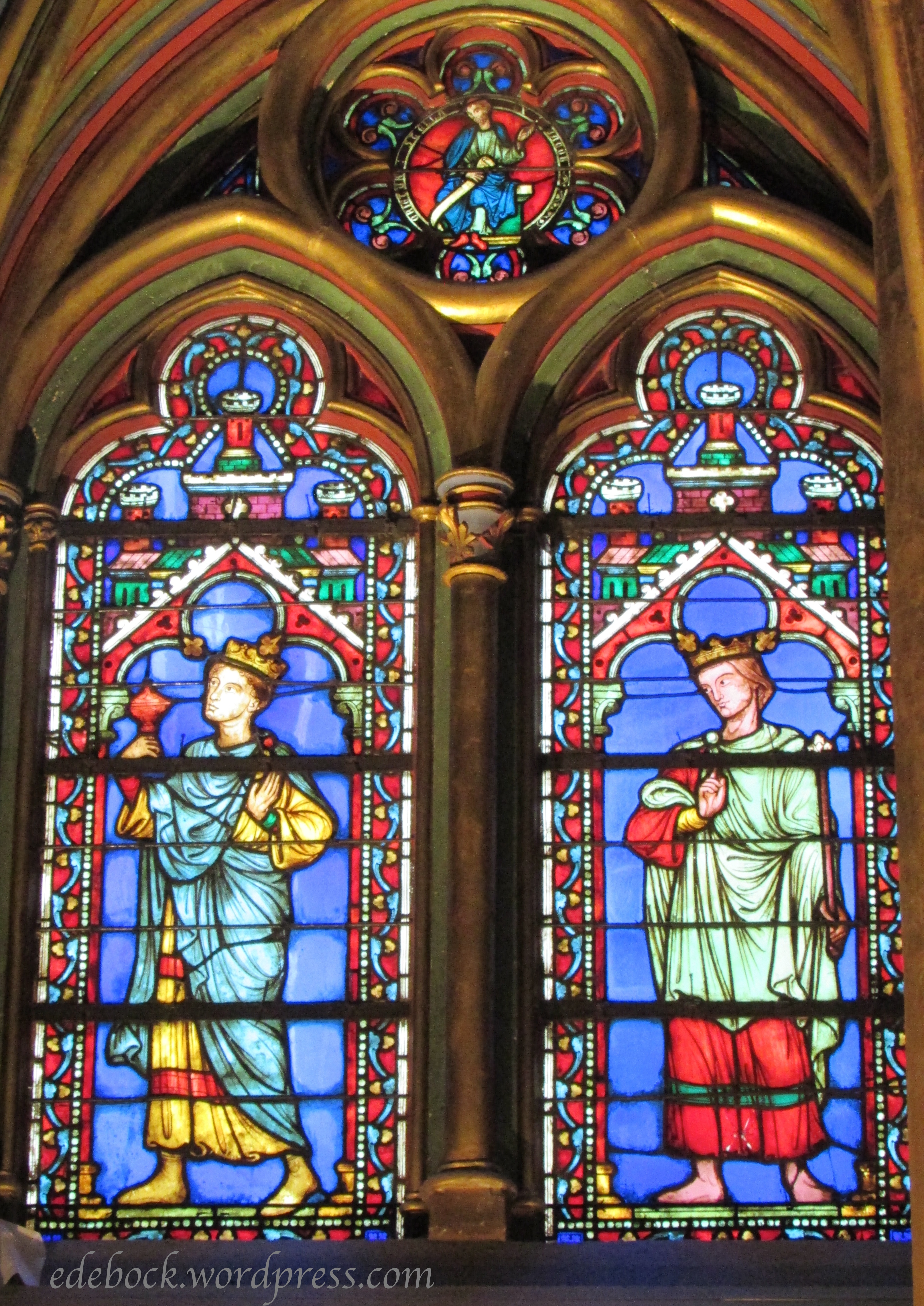
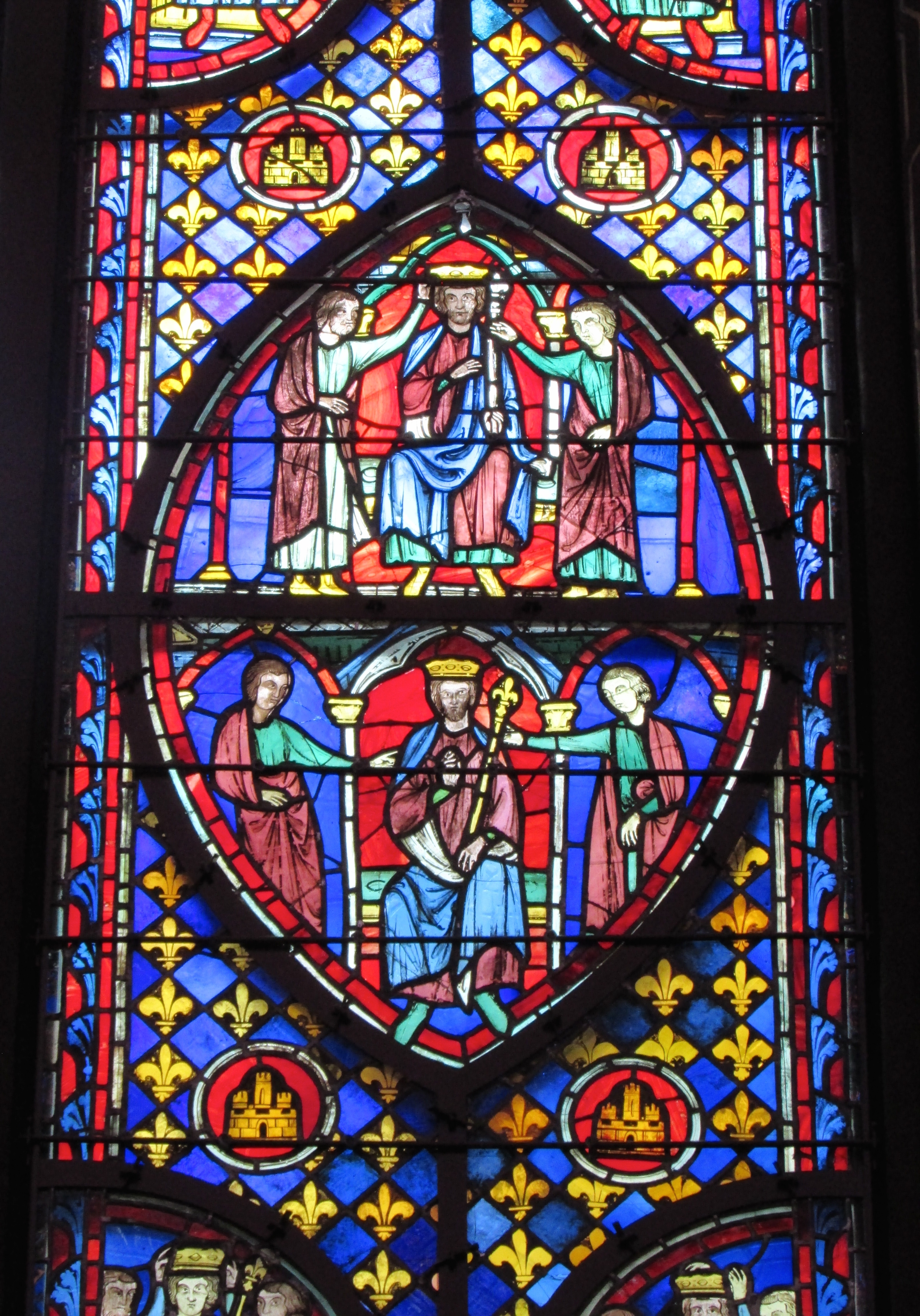
If you read my post about our afternoon in Milan, you’ll know that I love stained glass windows. Never in my life could I ever have imagined something like this though! Photos simply can’t capture the magnitude of what surrounded us.

IMG_8535IMG_8550

Later in the day, after eating crepes from a street vendor and treats at a nearby bakery then taking an elevator to the observation deck of the 56 storey Montparnasse Tower for panoramic views of the city, we made our way to Place de la Concorde.


IMG_8577

IMG_8575

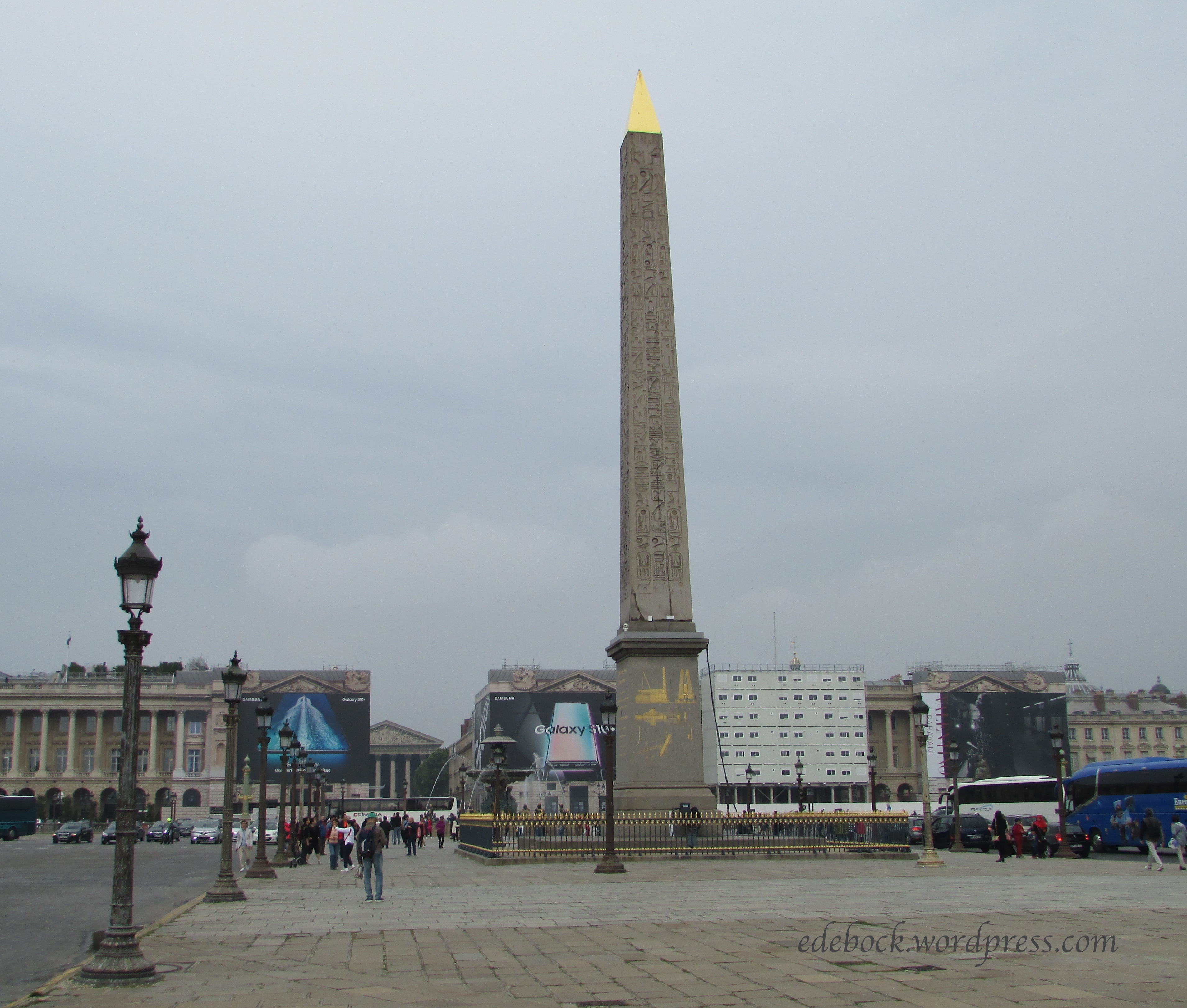
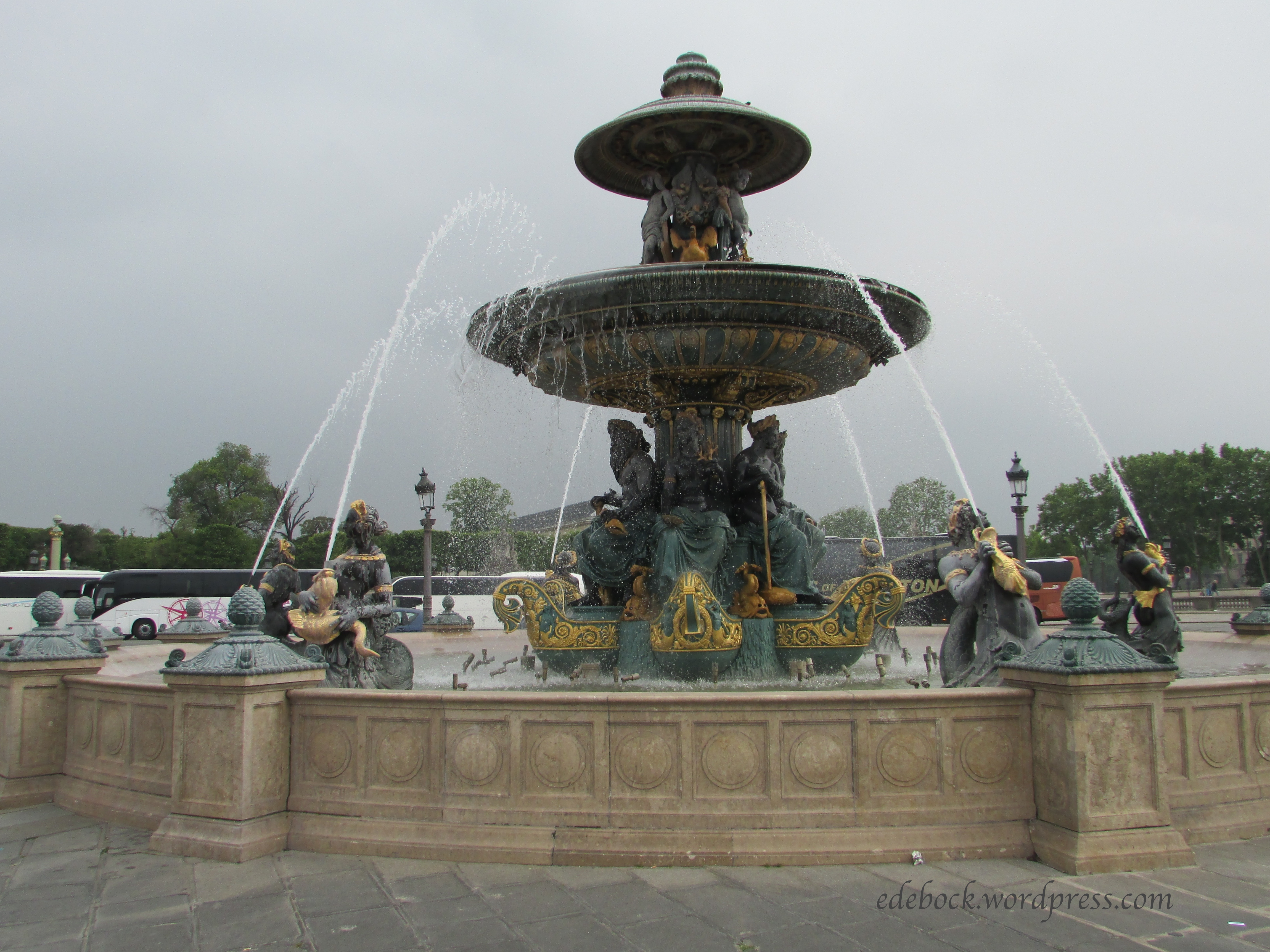
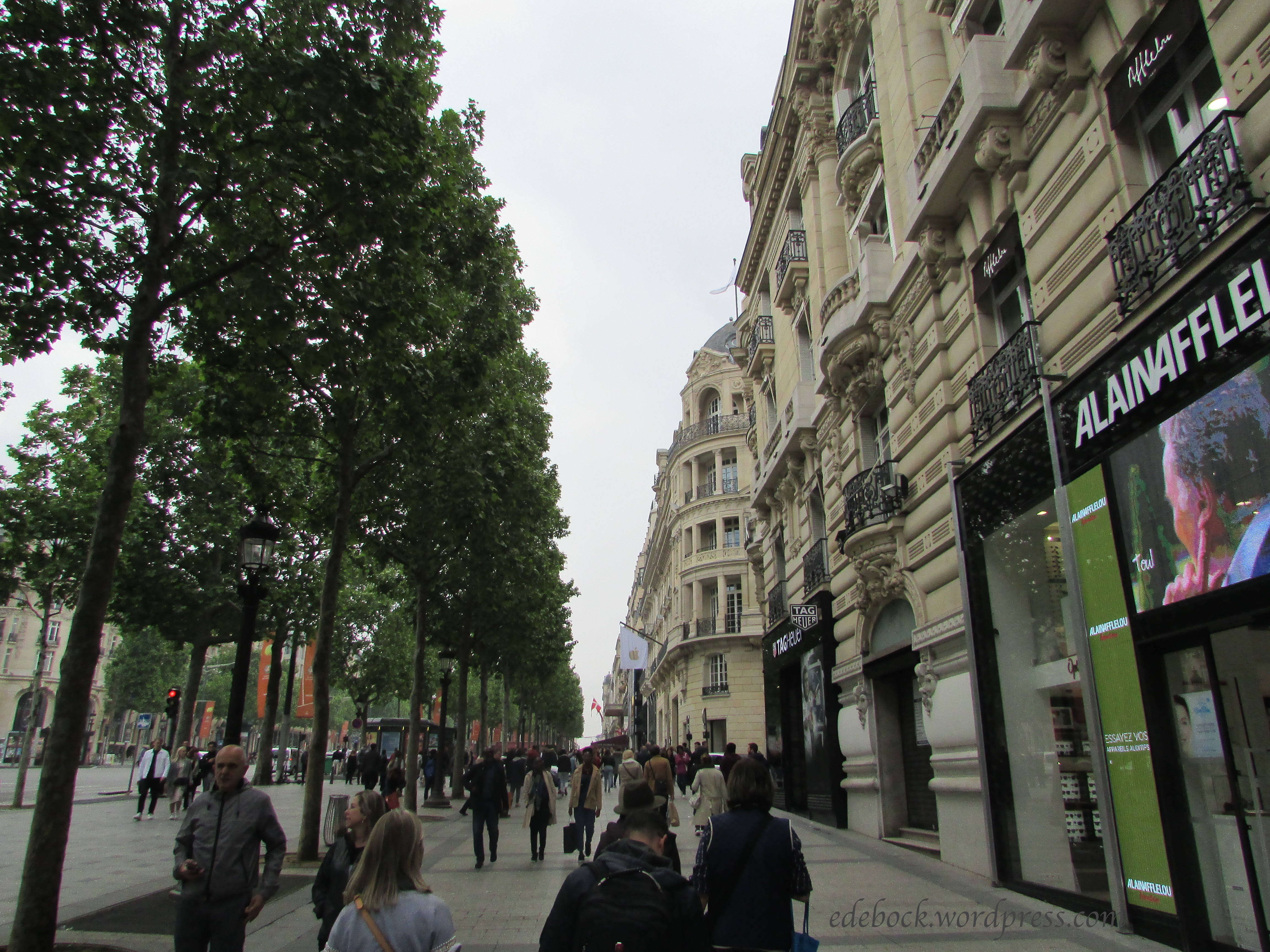
It was here that the guillotine stood; here that Marie Antoinette, King Louis XVI, and many others lost their heads. From there, we strolled 2.3 km up the Champs Élysées to the Arc de Triomphe enjoying the Sunday afternoon crowds.

IMG_8581

IMG_8583

Afternoon in Milan

It wasn’t originally part of my plan for us to visit Milan while we were in Italy. I had hoped to book a day of train travel all the way from Florence to Paris, but since that wasn’t possible, we had to overnight somewhere along the way. We didn’t want to take an overnight train as our main reason for choosing to travel by train instead of flying was to see a bit of the countryside.

We arrived in Milan early in the afternoon the day before yesterday and had the rest of the day to experience a bit of the city. Milan is a financial hub as well as a global capital of fashion and design. At first glance, it looks much like any other modern city, but it has a historical side as well.

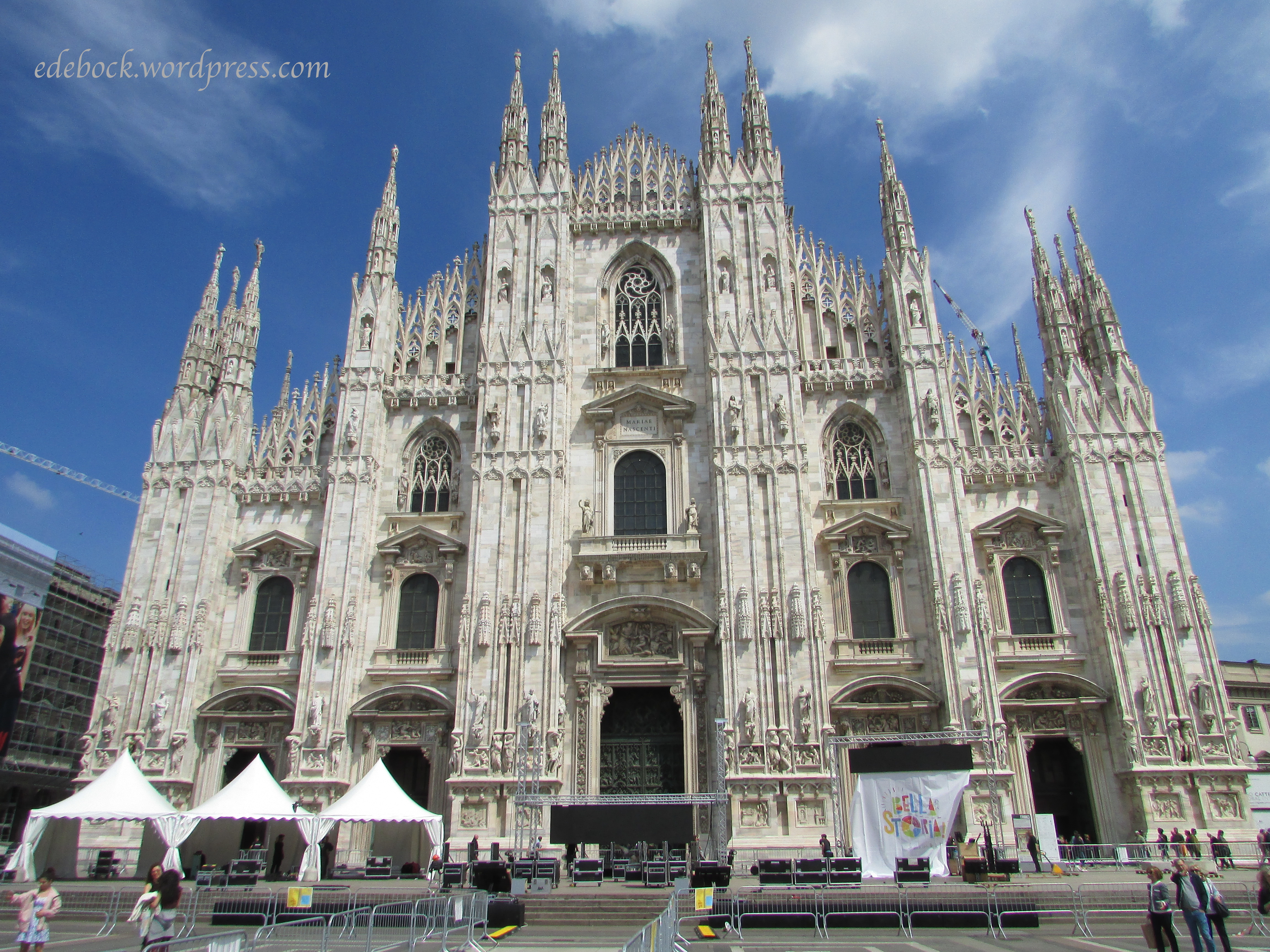
As soon as we were settled into our guest house near the train station, we jumped on the metro and headed for the Duomo, the Milan Cathedral. Dedicated to the Nativity of St Mary, it is the seat of the Archbishop of Milan. We’ve seen a lot of amazing churches on this trip, but emerging from the metro right in front of the Duomo was definitely another breathtaking moment!

IMG_8221

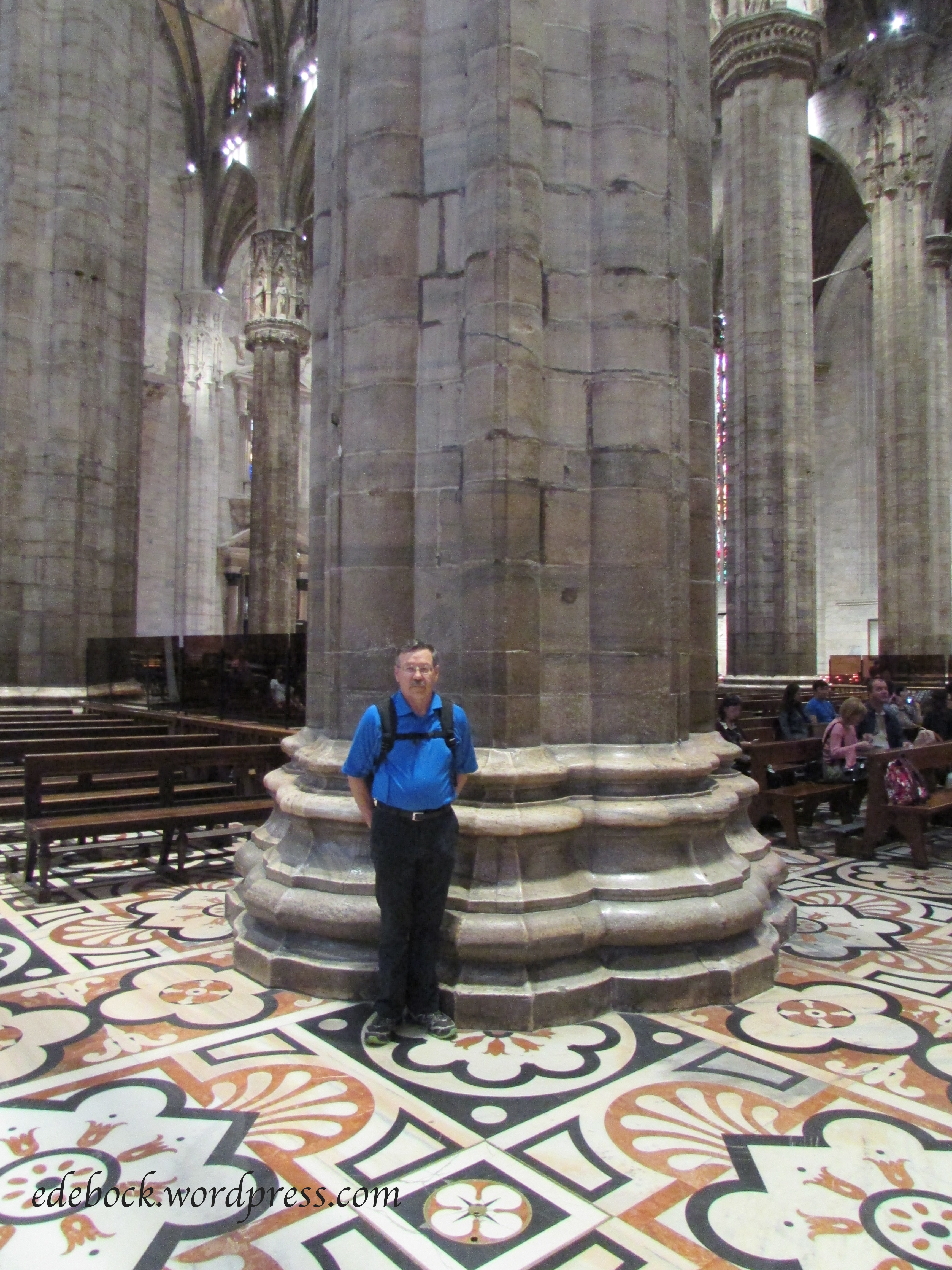
The sheer immensity of the cavernous interior was amazing. Look at the size of that pillar!

IMG_8224

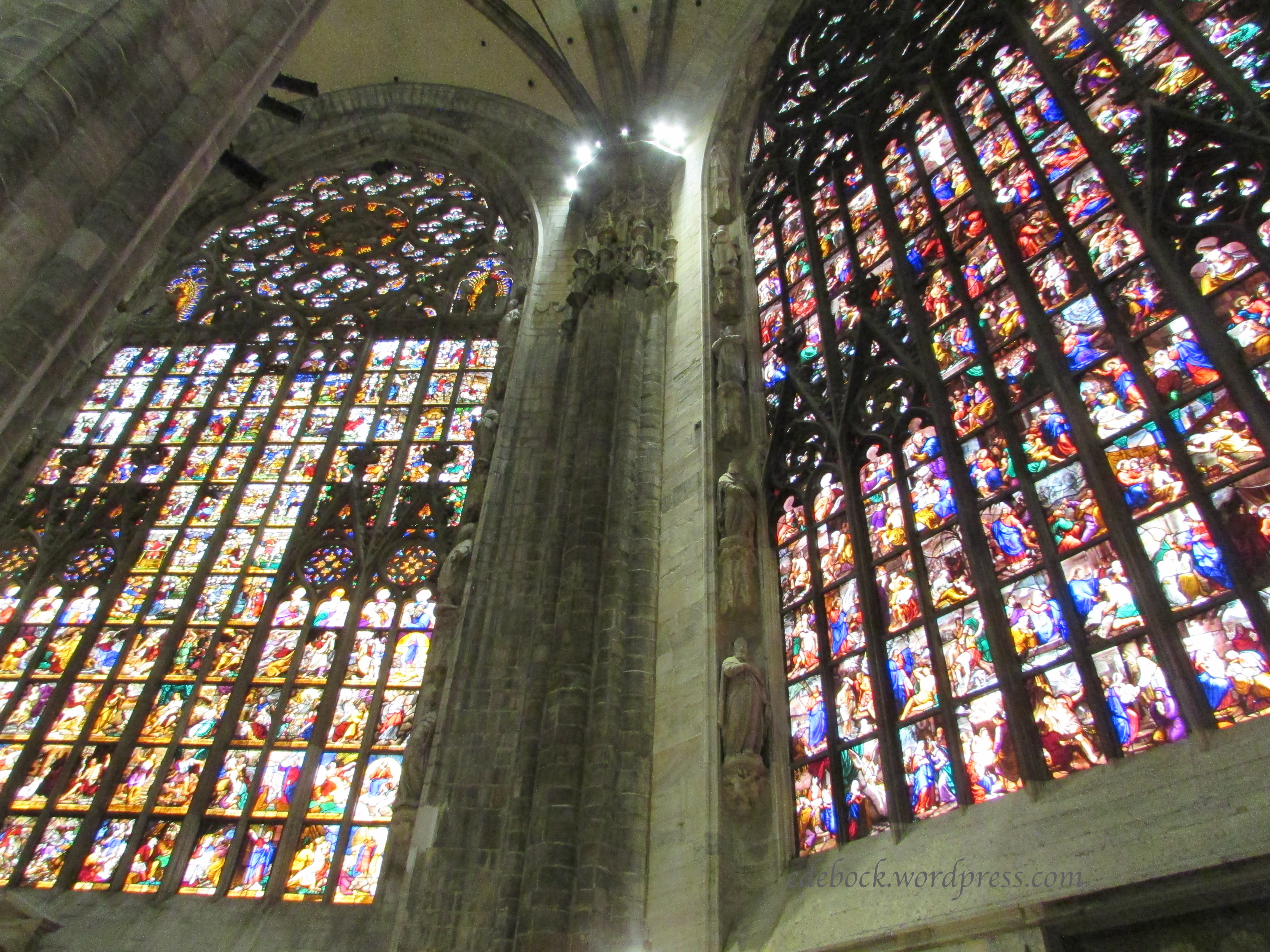
It was the stained glass windows that most astounded me though. There was no way to truly capture them in photographs. This shows just two of the three enormous panels at the front of the building and there were many more narrower ones along its sides.

IMG_8233

Each section depicts a scene from the Old or New Testament. The ones toward the top are so high up that we couldn’t even see the details in them.

After visiting the interior of the church, we took an elevator to the rooftop which was without question the highlight of our short stay in Milan. We could have saved the price of a ticket and climbed the approximately 250 stairs, but our old knees have had a major workout on this trip and the elevator was worth every cent. It also saved us time which we didn’t have a lot of.

After leaving the Duomo, we walked through the gorgeous and glitzy Galleria Vittorio Emanuele II, a very high end shopping mall. With it’s glass ceiling, the whole place has a light, airy feel.

IMG_8302

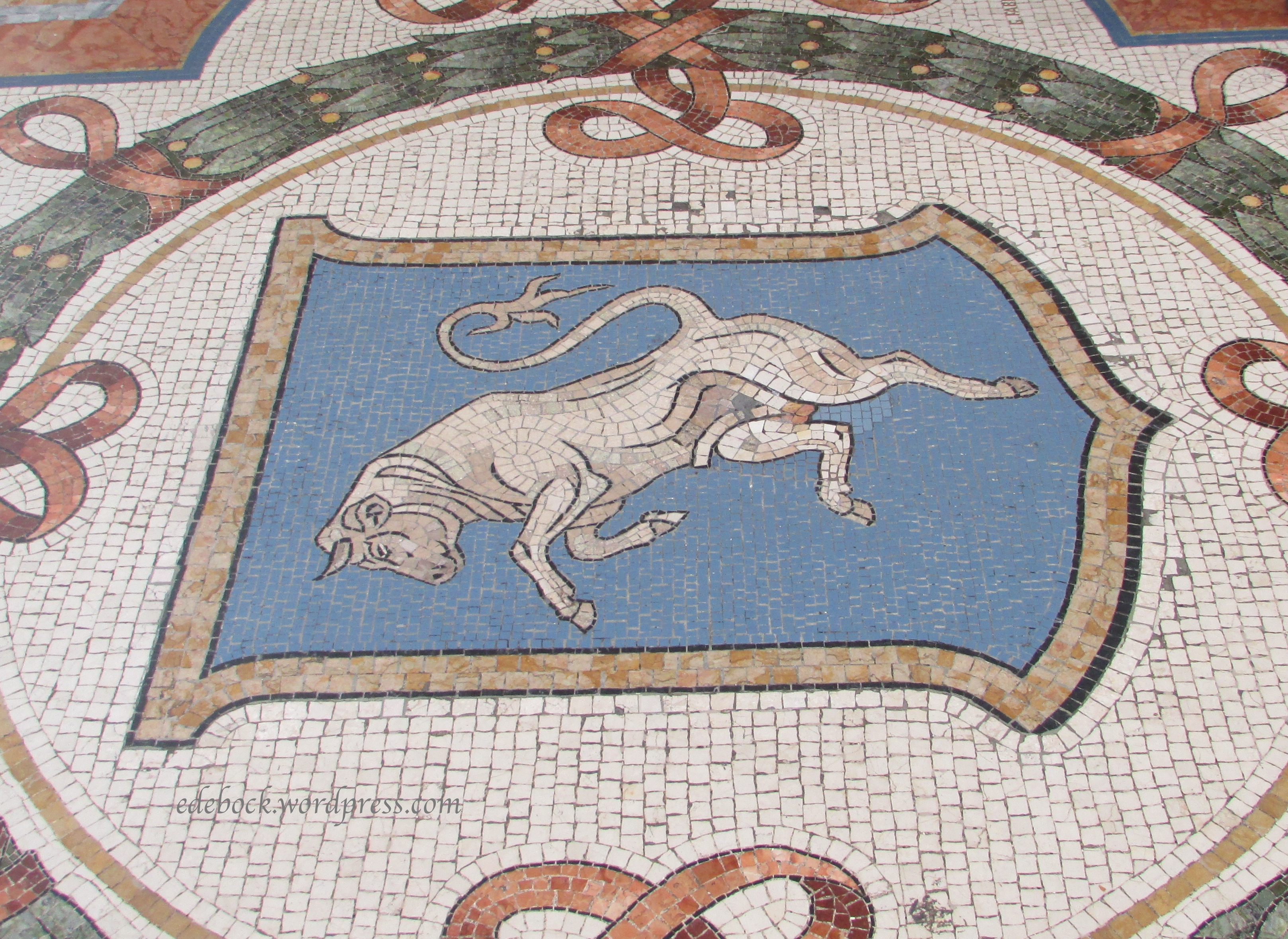
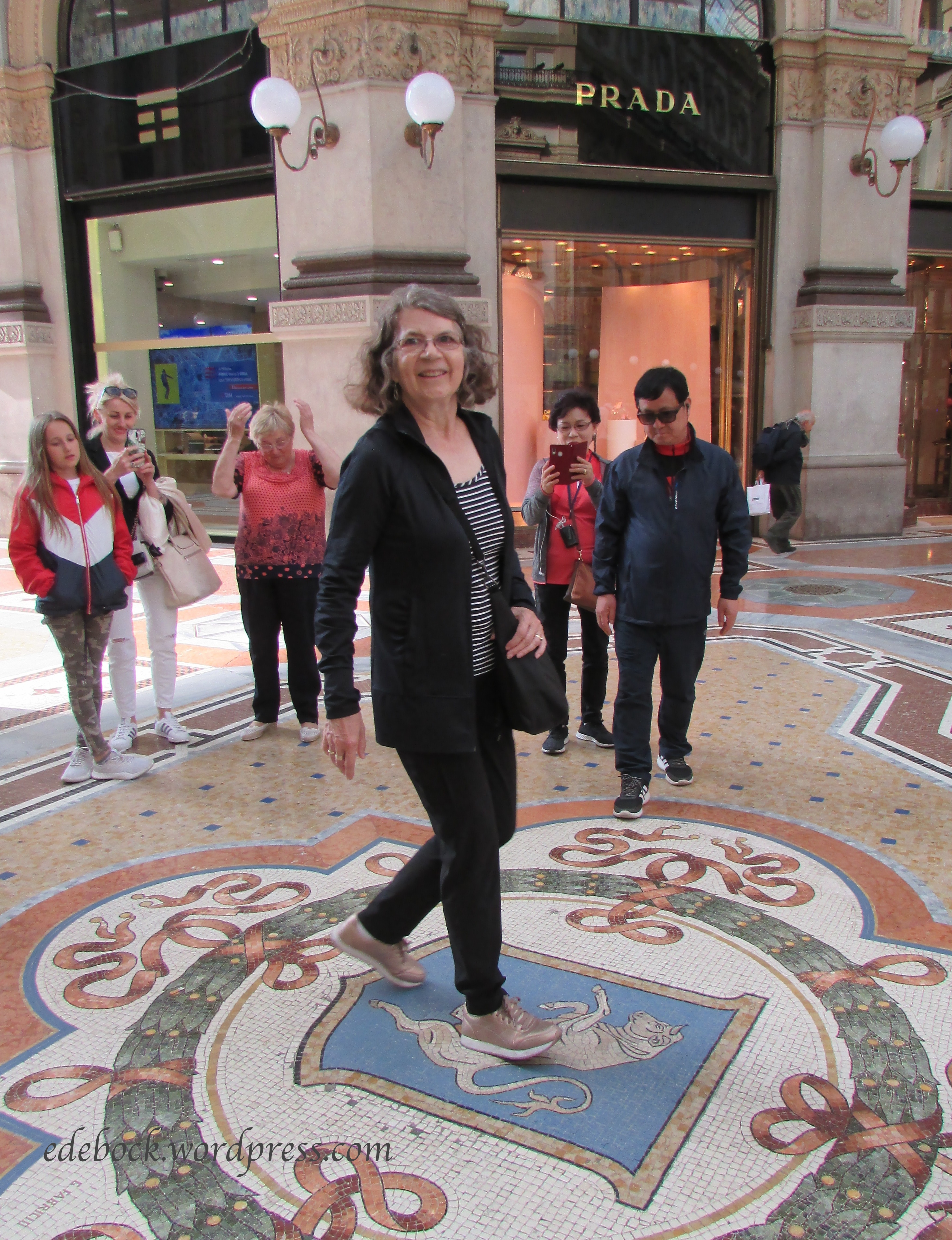
The entire floor of the gallery is mosaic and near the centre is the image of a bull. Tradition has it that good luck will come to anyone who places their heel on the bull’s testicles and spins in a circle three times. Of course, I had to place my heel in the indentation that has been worn into the floor in that spot and spin myself around!

IMG_8316

IMG_8315

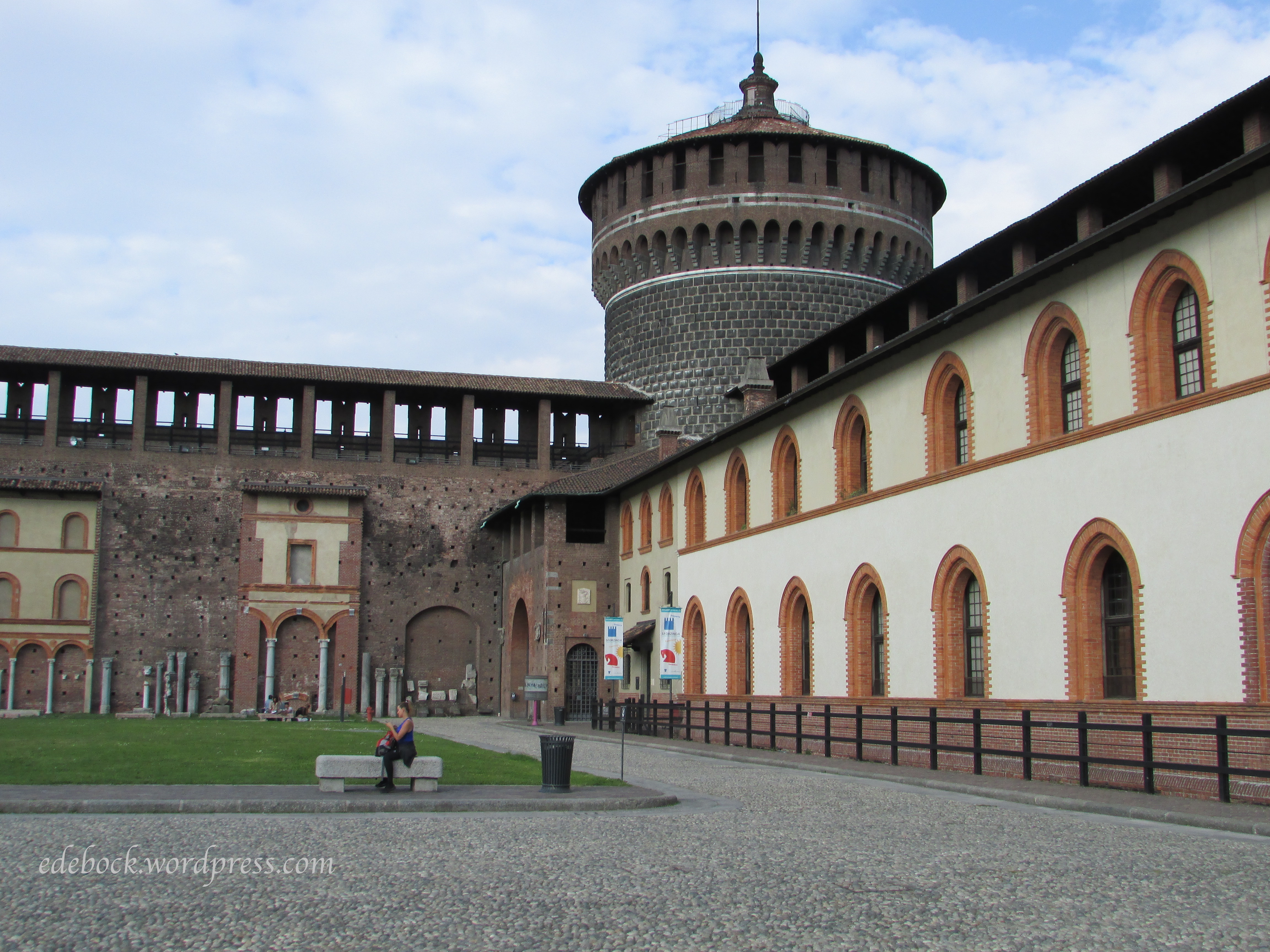
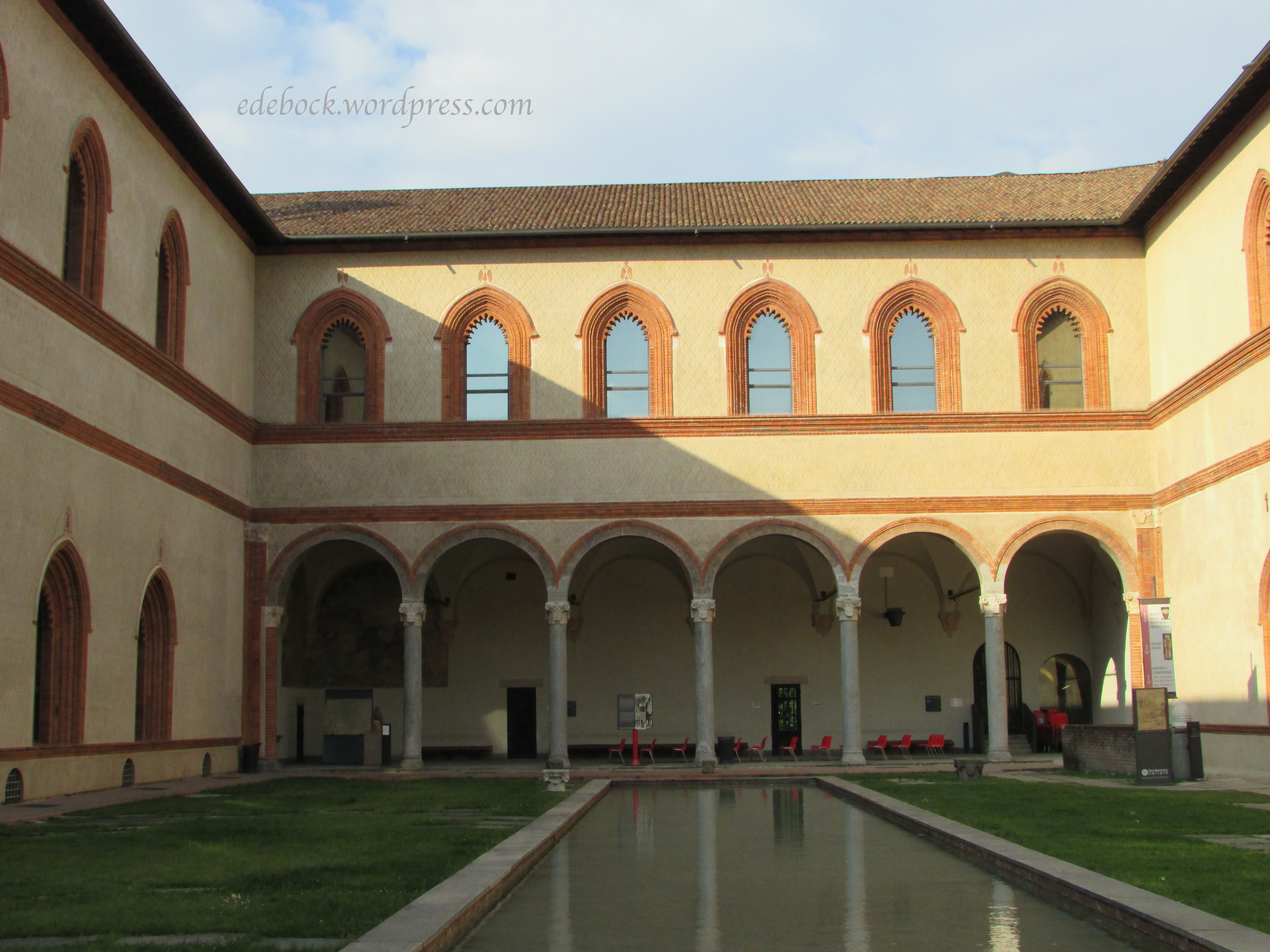
Our final stop in Milan was Castello Sforzesco, a medieval castle in the middle of a mostly modern city. Built first as a fortress in 1368 and later transformed into a magnificent palace, it now houses many museums. We didn’t have time to enter any of those, but we enjoyed a quick exploration of the grounds.

IMG_8328

IMG_8338

The next morning, we were back on the train on our way to Paris but very glad that we’d had to stop in Milan!