We’re living in a very angry world, or so it seems to me. Everywhere we look, whether in person or on social media, people seem to be protesting or venting their anger. First it was the shutdowns, then masks, and now the prospect of a vaccine that isn’t even available yet.

Calgary, November 28, 2020 – Global
What is really behind all this anger? It’s clearly a response to what’s going on in the world around us, but why so much anger? Why are so many people lashing out at one another and at those in positions of authority? I think it’s much more than being asked to wear a little piece of fabric over their mouth and nose or the thought of having to have an injection.
There are many different emotions that might result in anger, but anxiety, sadness, fear, frustration, disappointment, and worry are some of the most common triggers and who amongst us hasn’t experienced some of those feelings in recent months? Add to that the fact that we feel like we’ve lost control of our lives. Things that we’ve always taken for granted, like spending time with family, have been taken away. For many, the things that they’ve trusted in, things that have given them a sense of security, have also been swept away. Some have lost jobs, others have had to close businesses. Some are still working, but feeling isolated at home. In addition to all of this, with the incredible amount of false information and fear mongering being spread by irresponsible “news” sources and keyboard warriors, it should be no surprise that undiscerning people are being sucked into the swirling maelstrom of fear and anger that surrounds us. The virus is everywhere. There isn’t even anywhere we can go to escape!
Unfortunately, anger is one of the most divisive and destructive forces on the planet. It’s a poison that spreads with astonishing speed; faster perhaps than Covid itself. It turns crowds into mobs, inflicts deep wounds, and crushes the human spirit. Plus, it does absolutely nothing to alleviate the crisis that we all find ourselves in.
Anger itself isn’t the problem; it’s what you do with it. First of all, let’s look at what NOT to do.
Don’t be a spreader! Don’t spread the virus, don’t spread misinformation, and don’t spread anger.
Don’t spread the virus. Whether or not you fully agree with the measures that have been recommended or mandated in your area, suck it up and cooperate. Wear the mask, stay 6 feet (2 metres) from other people, and whenever possible, stay home. We’re all in this together. The sooner we really start working together to limit its spread, the sooner we’ll have any hope of reclaiming some of the things that we’ve lost.
Don’t spread false information. The internet is awash with misinformation, much of it deliberately intended to mislead and to stir up fear and anger. Don’t add to the noise! Check your facts before passing something on. Chances are that your neighbour down the street or your friend from high school doesn’t know as much about epidemiology as the experts do. The lack of respect and support for doctors, scientists, and other health professionals during this pandemic is nothing short of astonishing. There is plenty of evidence to show that masks do make a difference and no, they aren’t harmful to your health. There are very, very few people who have legitimate reasons for not being able to wear one and those people should be staying home because they clearly have other issues that put them at high risk. Yes, the vaccines have been fast tracked, but that doesn’t necessarily mean that they’re dangerous. They’ve been through the same rigorous testing as any other vaccines, but because of the urgency of the present situation, they weren’t allowed to bog down in bureaucratic red tape the way things usually do.
Don’t spread your anger. Denying that you’re angry or keeping it bottled up inside isn’t healthy, but taking it out on an unsuspecting cashier who’s simply attempting to do her job in trying circumstances doesn’t make the situation better. Neither does waving a protest sign or ranting on social media.
So what CAN we do with our anger? What SHOULD we do?
- Think before you speak, post or repost.
- Find constructive ways to express your concerns clearly and directly to the right people without trying to hurt or control anyone. This might include asking questions in an attempt to seek out the truth and understand the reasons behind measures that are being recommended or mandated.
- Take a break. That might mean taking a self-imposed time out from social media or getting outside for some fresh air and exercise.
- Practice relaxation. Listen to music, write in a journal, do a few yoga poses or some deep breathing exercises… whatever works for you.
- Pray. Pray for wisdom, understanding, and grace. Pray for those in positions of authority who are daily faced with making incredibly difficult decisions.
- Do something positive for someone else. Instead of writing that Facebook rant, why not write a note of encouragement to someone? Instead of attending a protest rally, look for an opportunity to volunteer in your community.
- Know when to seek help. If your anger feels out of control, reach out to a mental health professional.
I’m as eager as the next person to see this pandemic come to an end, but I’m equally anxious to see us pull together and rise above the overwhelming flood of anger that threatens to crush us all.
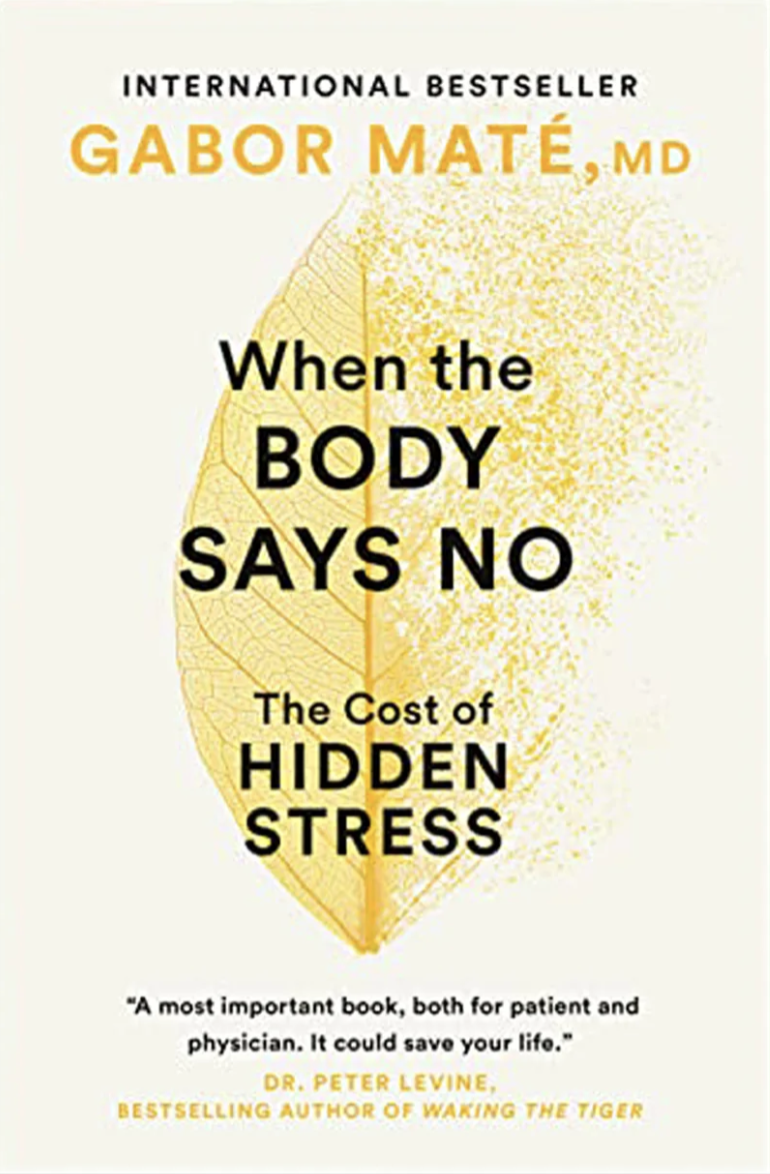 In this international bestseller, renowned mental health expert and speaker, Dr. Gabor Maté, provides insight into the critical role that stress and emotions play in the development of many common diseases.
 Following Augustine