Beaver watching at Miquelon Lake Provincial Park

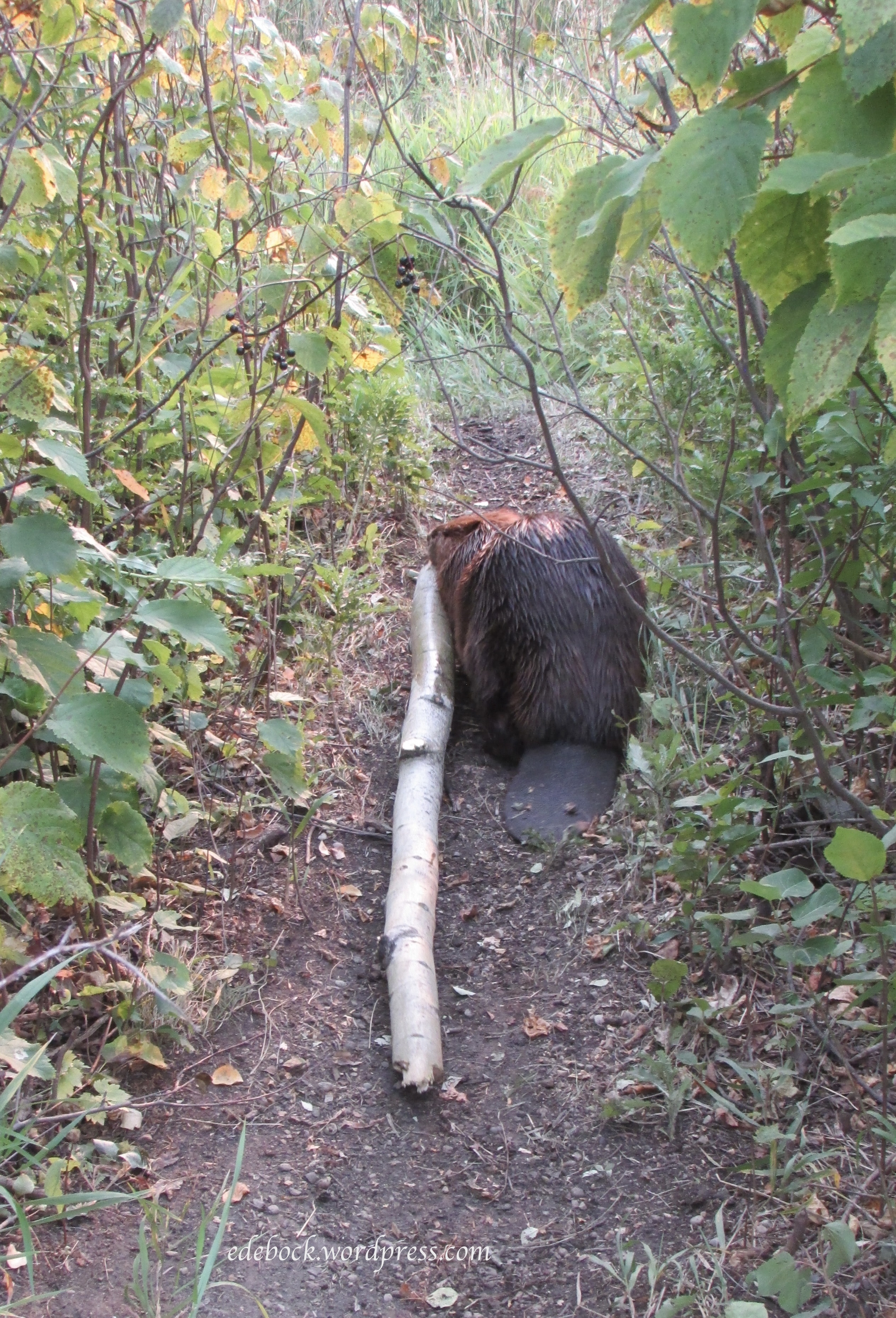
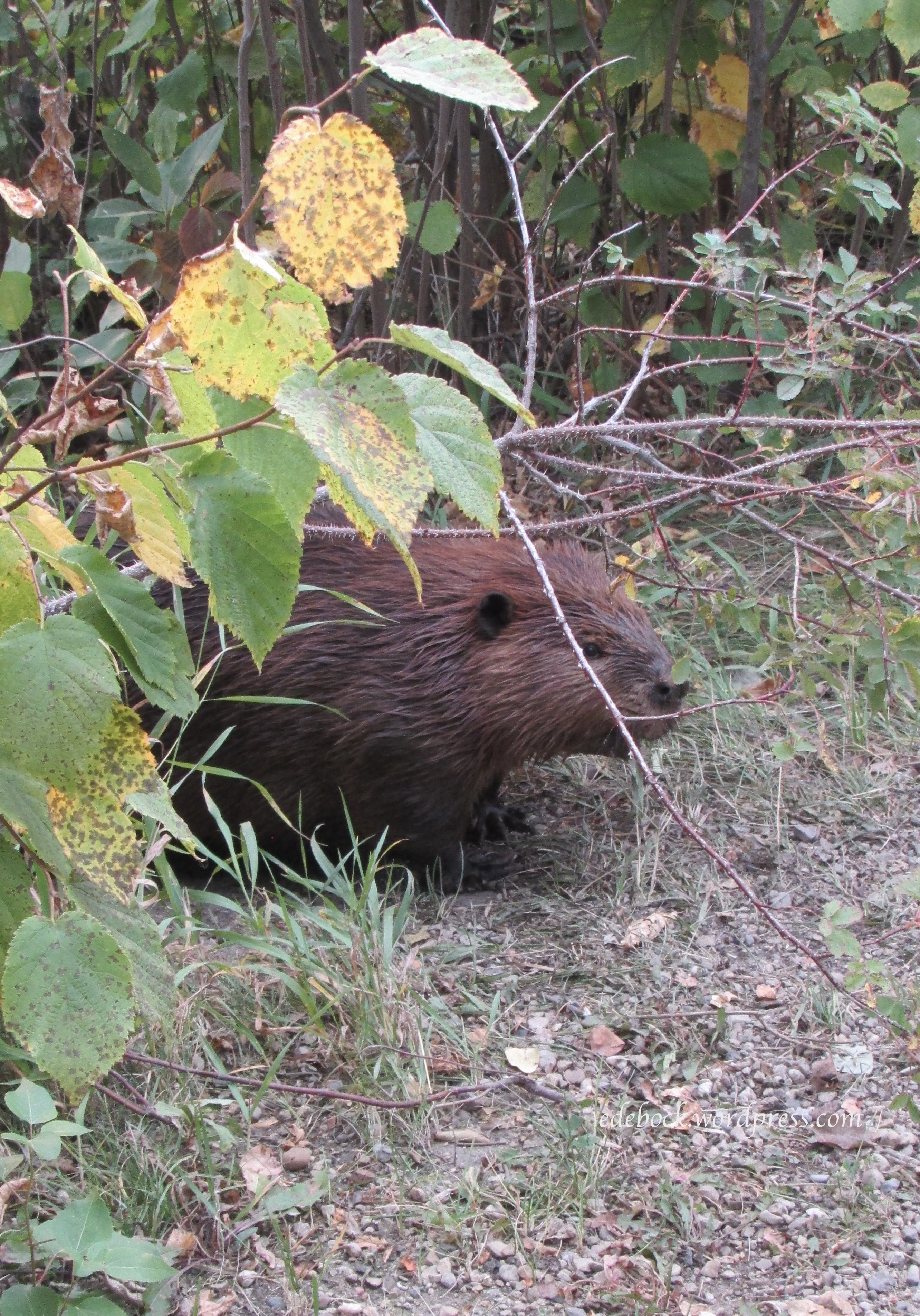
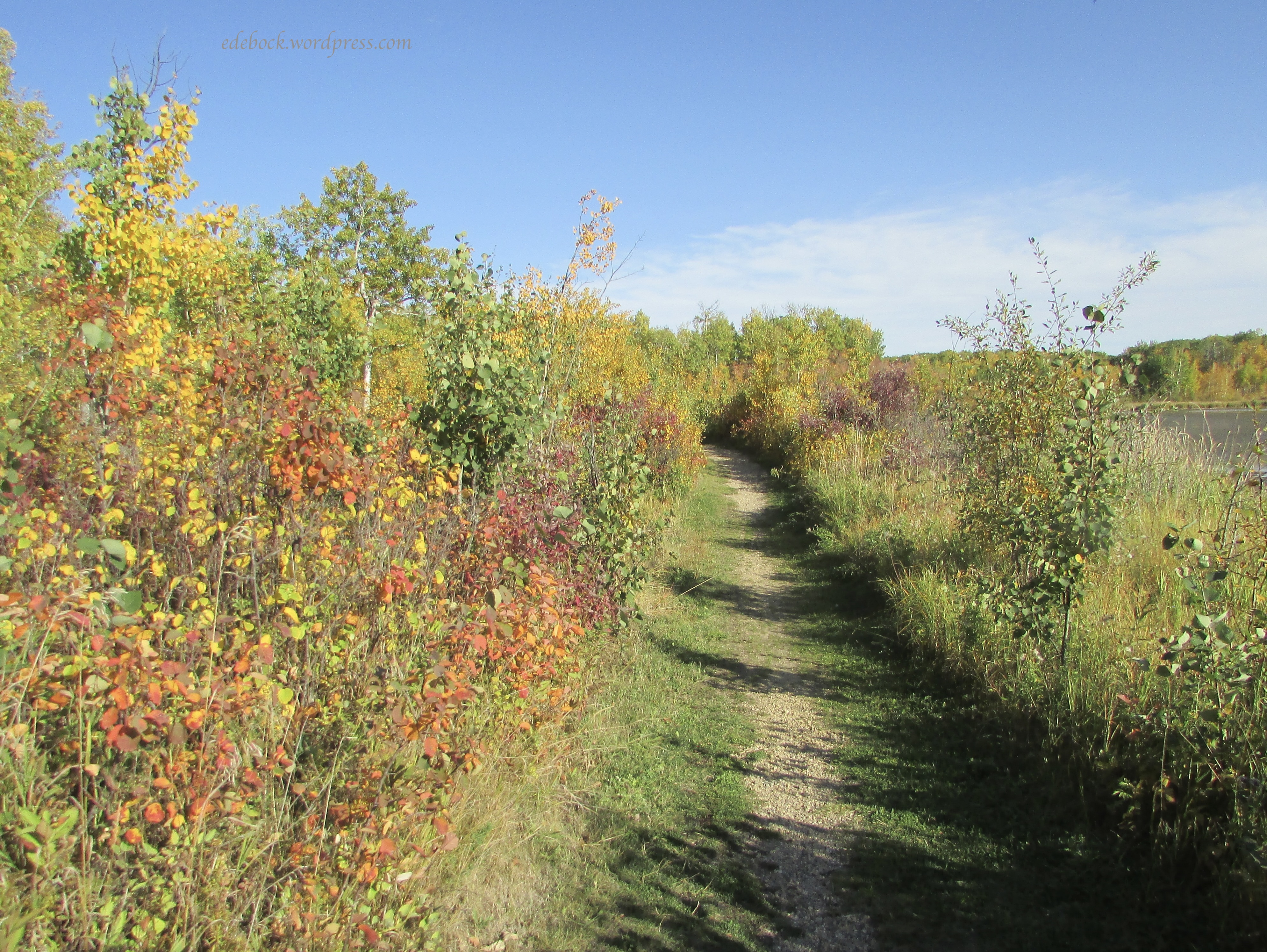
Earlier this week, we spent three days camping at Miquelon Lake Provincial Park. We hiked a little over 9 km (5.6 miles) one day and about half of that the following day, but by far the most fun we had was an hour spent watching a family of beavers hard at work. We came upon them quite by accident while enjoying an evening stroll alongside the Grebe Pond and stayed until my camera battery died! Of the many photos that I took, this one is my favourite.

The North American beaver, officially Canada’s national animal, is this continent’s largest rodent. The saying “busy as a beaver” is very apt. As we watched, the industrious critters constantly crossed the path in front of us on a well-worn trail from the water’s edge to the hillside above us. There we could hear them using their long orange incisors to busily cut branches from the trees that they felled before dragging them down to the shoreline.

Look at the size of the load that this one was hauling!

We’ve encountered a beaver in the water several times when we’ve been kayaking. If we get too close for comfort, it slaps its tail on the water with a thunderous splash and dives beneath the surface. At first, these ones were clearly surprised to see us watching them from just a few feet away, but they didn’t seem too bothered by our quiet presence. The young ones were the most cautious, first sitting still in the edge of the brush and peeking out before quickly scooting across in front of us.

With its big, webbed hind feet and its rudder-like tail, it’s no wonder that the beaver is such a good swimmer. Not only did they drag the branches down to the water’s edge, but then they swam across the pond with them to add them to their lodges on the other side.

We had thought that this would be our last camping adventure of the year, but we had such a good time that we’re thinking of trying to squeeze in one more. As I mentioned in my last post, I’m never quite ready to let go of summer!

Crossing the finish line

On Wednesday, while hiking the Holdsworth Trail in Miquelon Lake Provincial Park, I crossed the finish line of my self-imposed 300 km in 150 days walking challenge 10 days before the deadline! 

IMG_7436

I recently read a quote by French philosopher and author, Albert Camus that resonated with me. It describes perfectly why we love to camp and hike at Miquelon in the fall. 

“Autumn is a second spring when every leaf is a flower.” 

IMG_7450

In fact, after completing the Holdsworth Trail on Wednesday, we hiked another 8.9 km on the park’s beautiful and very colourful backcountry trails the following day. 

IMG_7438

Although I’ve now accomplished my walking/hiking goal for this season, I’ll continue keeping track of my distance at least until my 72nd birthday on the 5th of October which was the deadline that I’d set for myself and then I’ll keep on walking and hiking until the snow flies, hopefully sometime in the distant future! 

Exploring the University of Alberta Botanic Garden

IMG_7305

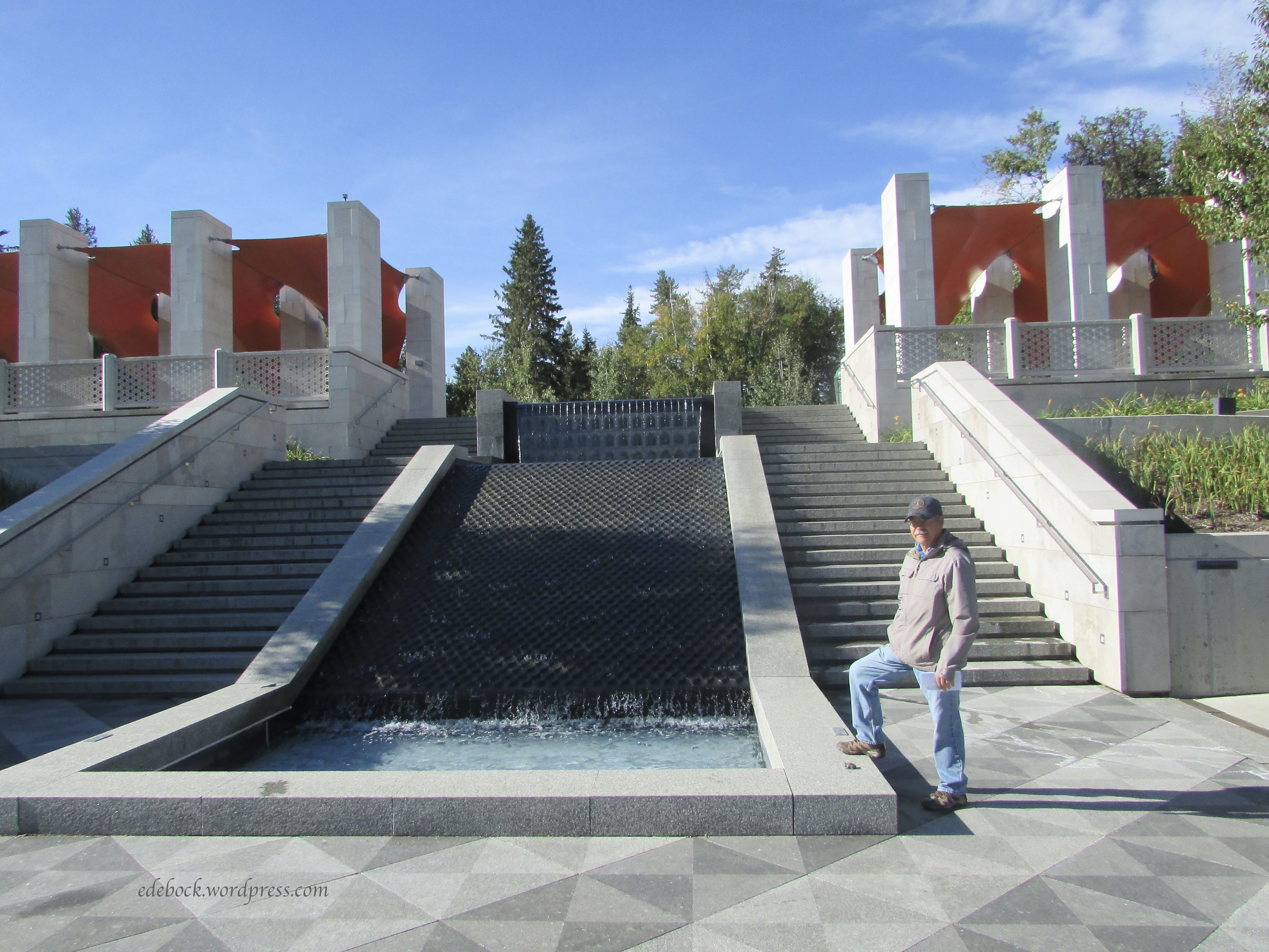
As part of his 50th year university grad celebration, hubby received complementary tickets to the University of Alberta Botanic Garden (formerly called the Devonian Gardens) just outside Edmonton. It was a beautiful fall day; perfect for a peaceful stroll through the 80 acres of themed gardens and winding nature trails.

While the garden wasn’t the riot of colour that it might have been earlier in the season, there were still many beautiful flowers to be seen.

IMG_7282

IMG_7290

IMG_7313

With its geometric granite and limestone terraces, still reflective pools, and the soothing sound of moving water, the expansive Aga Khan Garden, a contemporary interpretation of Islamic landscape architecture, was a very peaceful place to stroll. The central focus is a waterfall tumbling over textured stone.

IMG_7284

IMG_7285 Recently renovated, Connie’s Secret Garden at the north end of the Alpine Garden is home to a more natural looking waterfall.

IMG_7298

Indoor showhouses feature plants from three very diverse climatic zones… tropical, temperate, and arid. Everywhere we went, we were surrounded by an abundance of plants of every description. Some of the most unique ones were the cacti in the Arid Showhouse. Just look at that amazing flower.

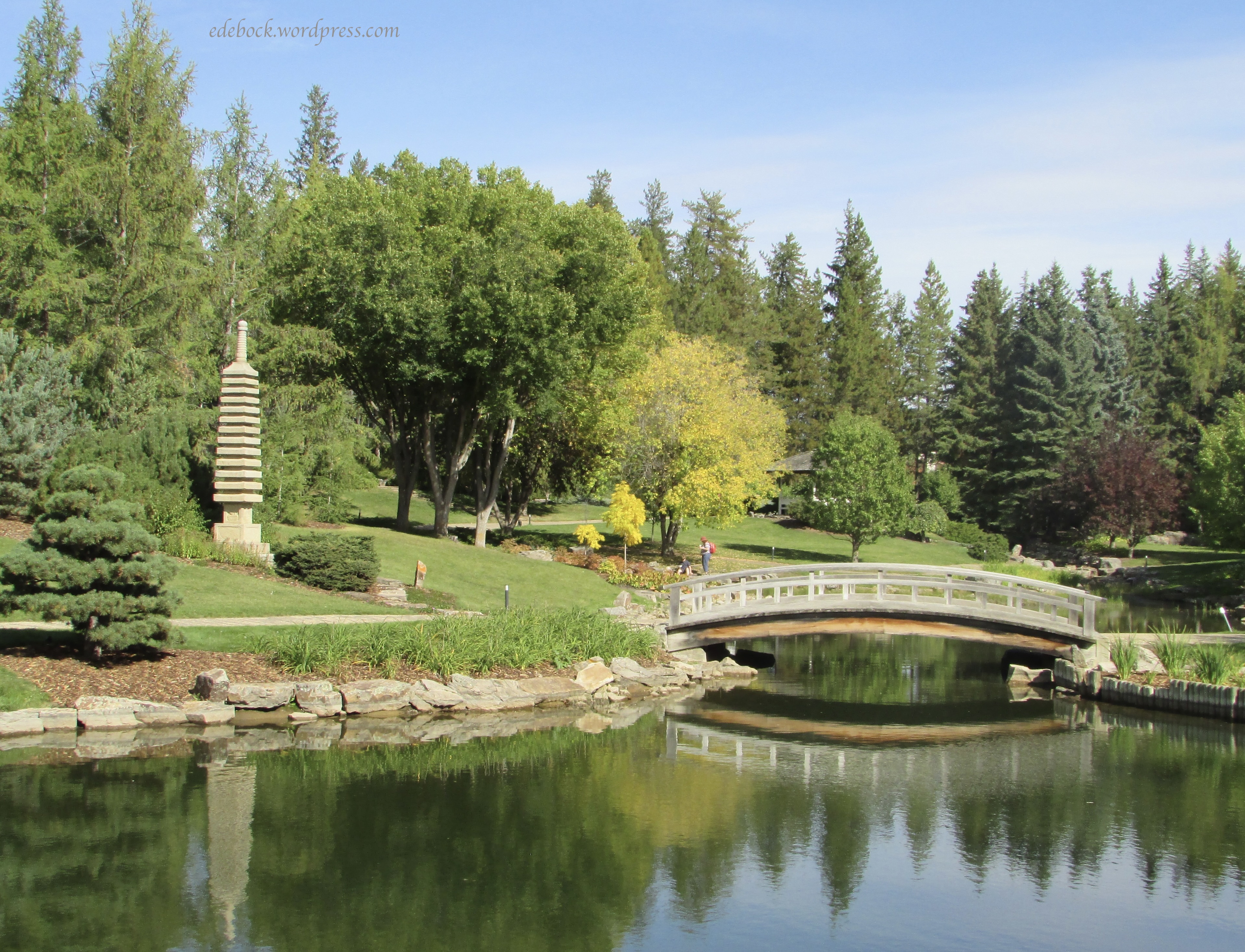
During the year that we lived in Japan, I fell in love with the beautiful strolling gardens, so we purposely saved the Kurimoto Japanese Garden for last today knowing that it would be my favourite part. With it’s lanterns, arched bridge, and pagoda, the design is authentically Japanese, but the garden utilizes plants that are hardy enough to survive our northern climate.

IMG_7327

IMG_7328

IMG_7331

IMG_7317

This is really just a sampling of what the Botanic Garden has to offer. We walked every pathway, some of them twice, covering a total of 6.21 km (3.86 miles) leaving me less than 10 km to go to complete my 300 km in 150 days goal!

The Trans Canada Trail

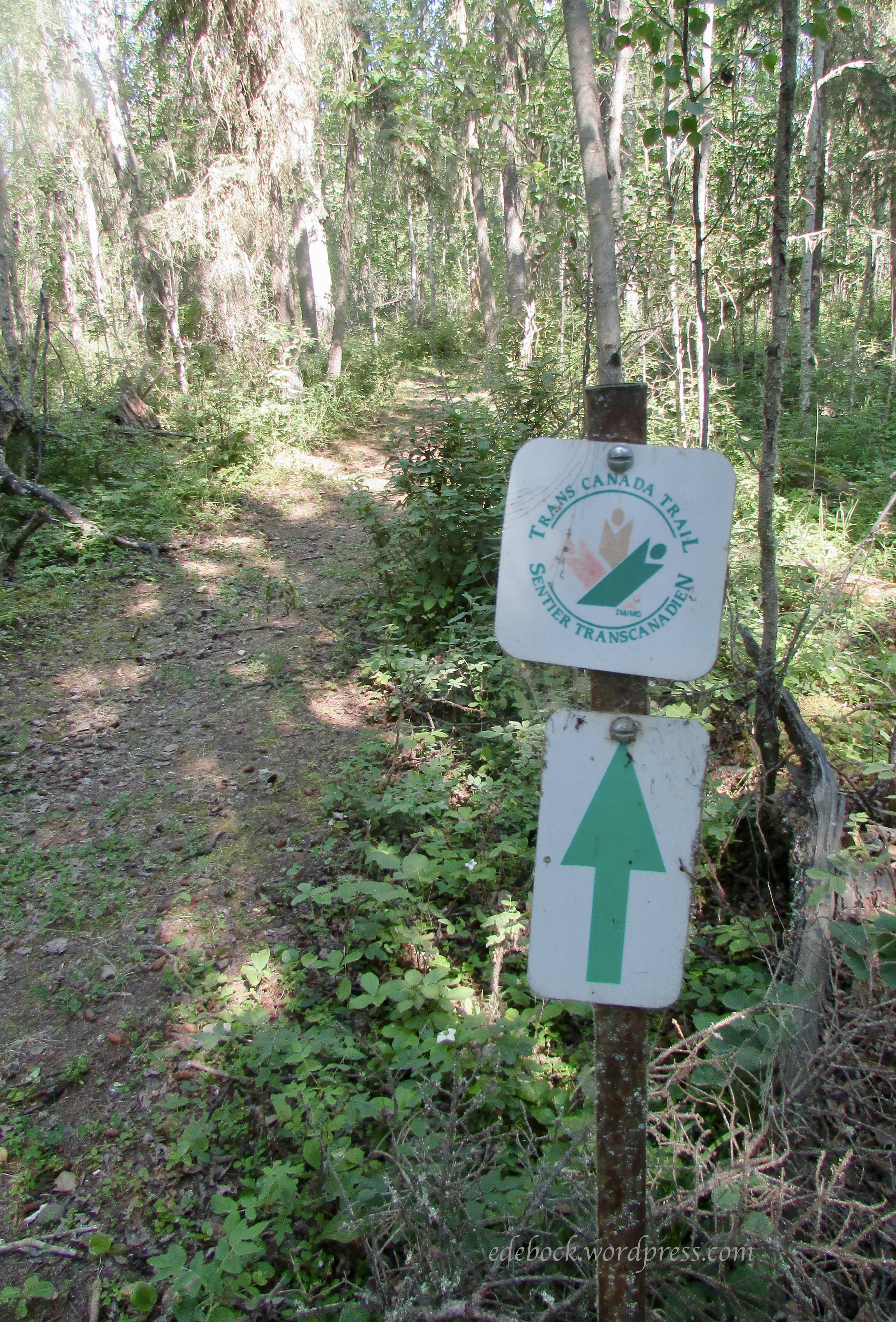
The Trans Canada Trail isn’t a single trail. It’s the world’s longest multi-use trail network consisting of greenways, waterways, and roadways stretching across Canada from the Pacific to the Arctic and the Atlantic oceans. It crosses every province and territory and connects more that 15 000 communities.
Screenshot 2024-07-12 at 6.26.00 PM

Last week, while camping at Hilliard’s Bay Provincial Park on Alberta’s Lesser Slave Lake, we had the opportunity to hike a couple of short portions of the trail that follows the north shore of the lake.

IMG_7100

IMG_7103

It was while we were hiking there that I reached the 150 km point on my 150 day walking challenge. I’m halfway to my goal well ahead of schedule!

In the summer of 2021 , award-winning Canadian filmmaker, photographer, author and multimedia artist Dianne Whelan, became the first person to complete the entire Trans Canada Trail. Over a six year period, she travelled by foot, bike, and canoe chronicling her remarkable journey in her film, 500 Days in the Wild.

While I can’t even imagine attempting such a daunting venture, it did occur to me while we were hiking that if I were younger, I would plan to visit all 13 Canadian provinces and territories and hike a section of the trail in each one!

IMG_7117

Now that we’re home and getting back into routine, I just need to ensure that I keep on walking. I still have 147.3 km (91.5 miles) to go before October 5th!

Lost in the wild!

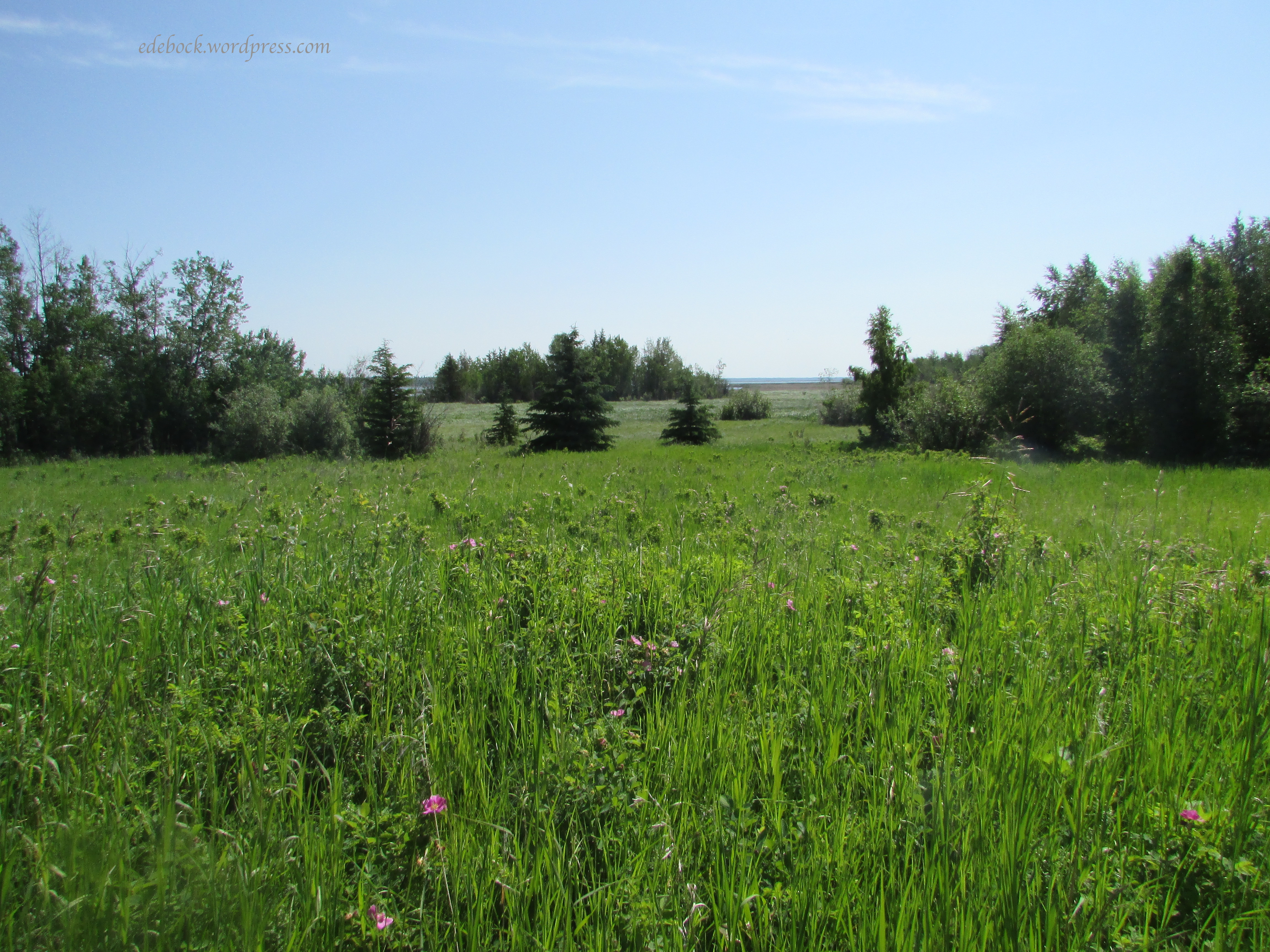
While camping at Winagami Lake Provincial Park near High Prairie, Alberta last week, we decided to explore the hiking trails in the nearby O’Mahony Conservation Area. The area was named in honour of John O’Mahony, a teacher and conservationist who envisioned a natural area where students and the public could learn about and enjoy nature. By 1994, he had developed over 10 km of trails winding through the boreal forest and meadows bordering Winagami Lake.

Screenshot 2024-07-11 at 7.47.13 PM

With bug spray, bear spray, and lunch in our daypack, we set off.

We soon discovered that the Savanah Swath and Hawk Haven trails shown on the map no longer exist, but we continued on determined to enjoy the others. All went well until we also discovered that the Eagle Trail hasn’t been maintained beyond the Beaver Browse loop. It was badly overgrown, but we made the decision to venture onward anyway. Perhaps not a good idea as it turned out!

IMG_7090

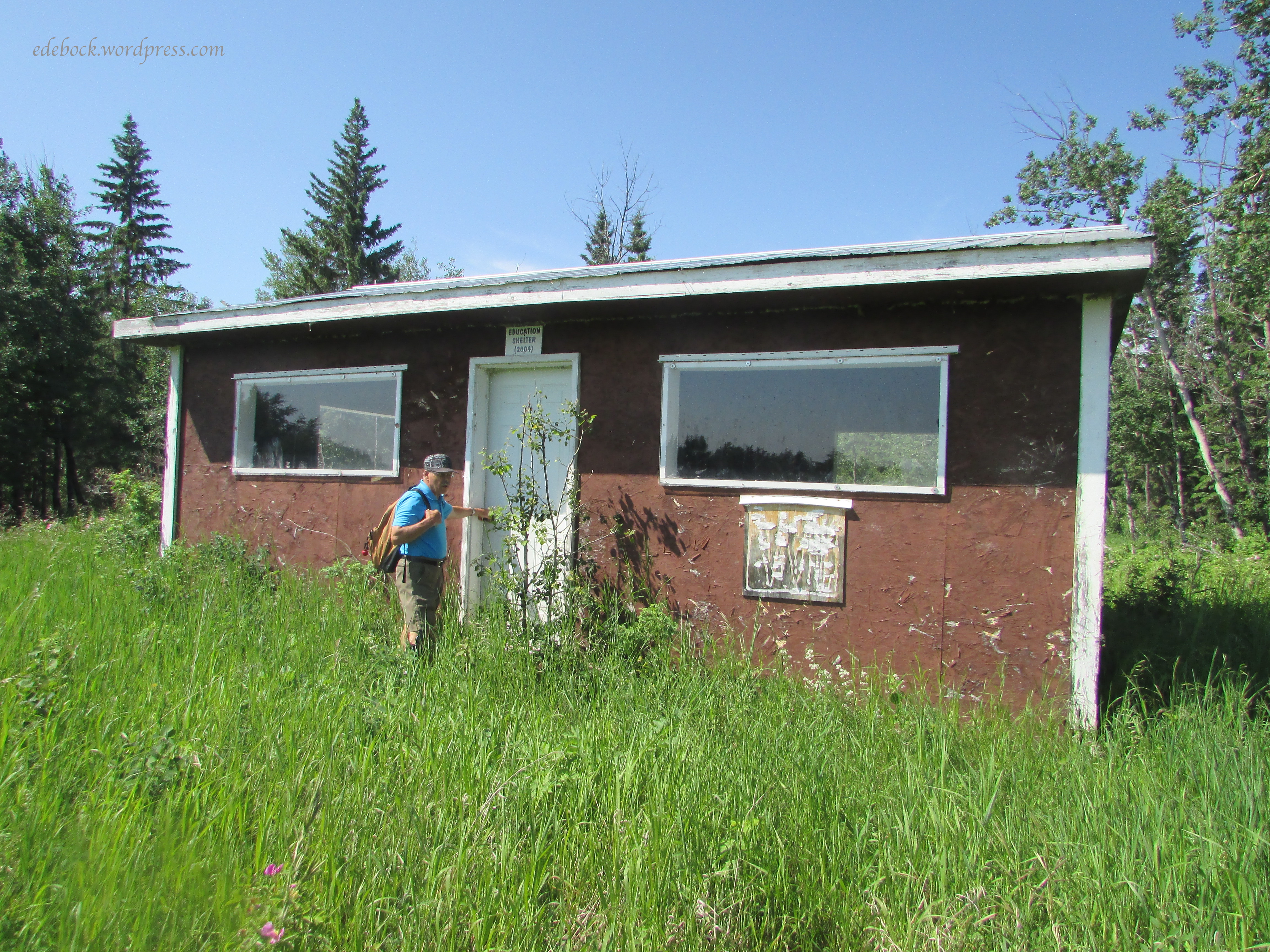
We were just about to turn around when I spotted a building through the trees ahead. It wasn’t shown on the map, so of course we had to check it out!

IMG_7080

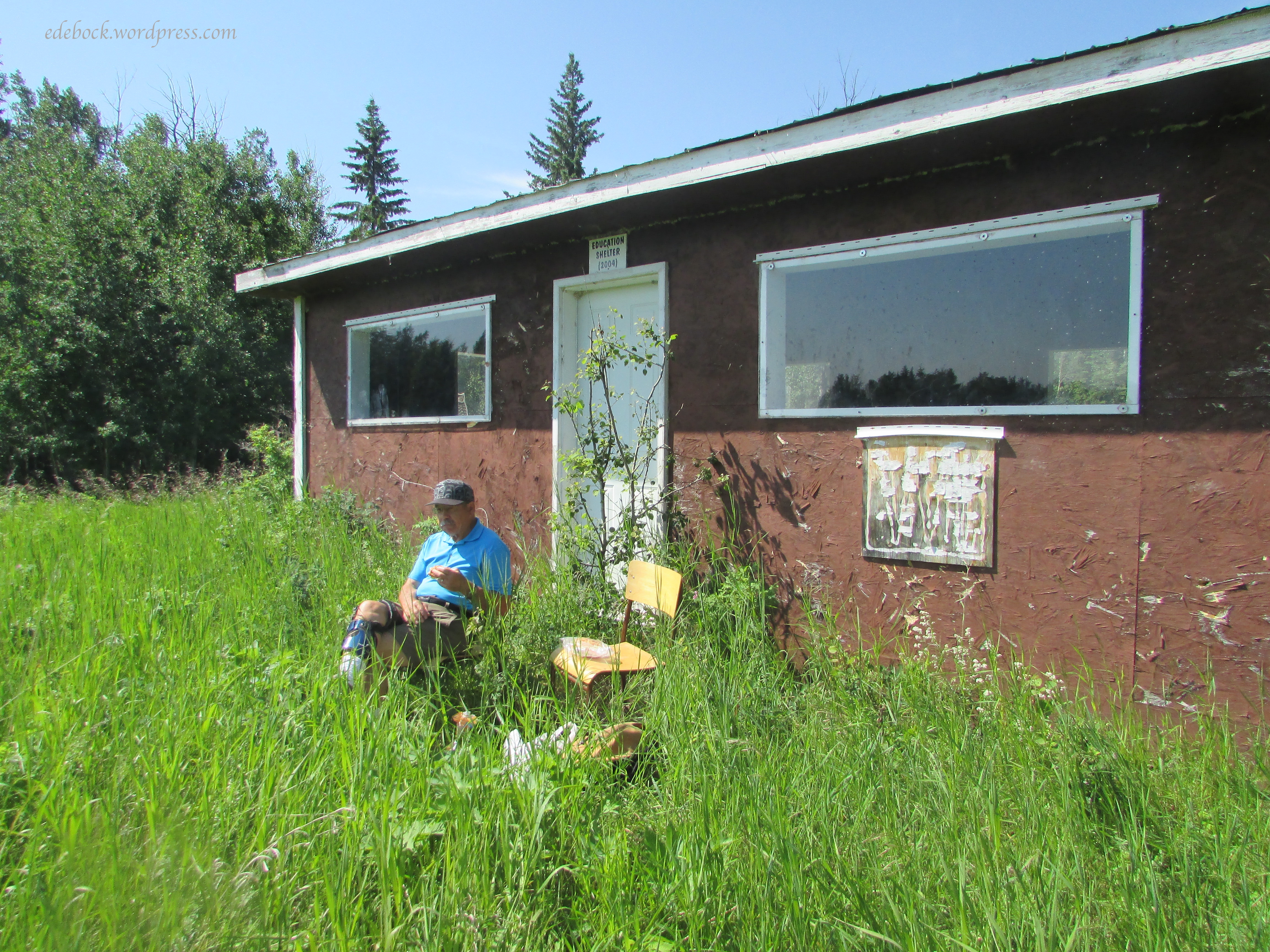
The sign over the door says it’s an Education Shelter that was constructed in 2004 and another on the side told us that it was built by a group of Junior Forest Rangers. The door was unlocked and there was a table and some chairs inside. We brought a couple of chairs out front and enjoyed our lunch with a lovely view. I even saw a deer bound into the bushes some distance away.

IMG_7082

IMG_7081

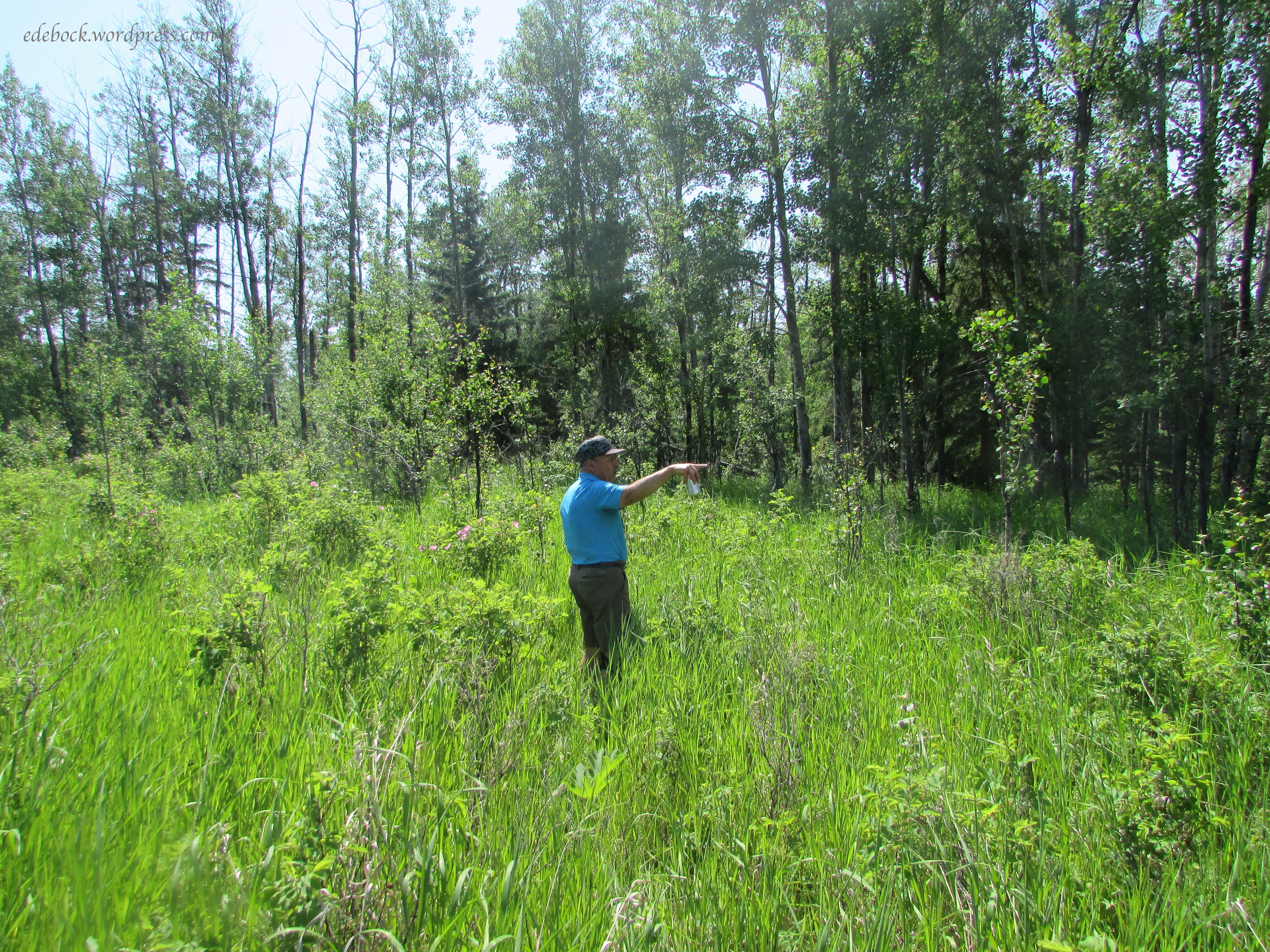
Since there was absolutely no sign of a trail going any further, we decided that it was time to retrace our steps. We didn’t expect that to be a problem, but before we knew it, we were lost! We couldn’t find the spot where we had come out of the trees. We spent the next half hour bushwhacking and scrambling about in search of our trail. The mosquitos were horrendous and I could easily see how they could drive a person mad if one was lost in the wild for very long. We were thoroughly scraped and scratched and definitely getting worried when hubby finally realized where we’d gone wrong.

IMG_7087

Soon we were back on the trail and all ended well, but I might be a bit more hesitant to wander off into untended territory in the future! I’ve also decided that from now there will be a lighter and some fire starter in our backpack. Without the wherewithal to build a fire, a night in the wild could be a very cold and scary one!

A quick walking update

Yesterday, I turned my computer on for the first time in over a week. I’ve been camping, spending time with family, reading, relaxing, kayaking, hiking and walking. On May 8th, I wrote about my 150 day walking goal and challenged some of you to join me. I planned to walk or hike 300 km (186.4 miles) before my 72nd birthday on October 5th.

Today’s post is just a quick update to let you know how it’s going. I’ve been caught in the rain a couple of times and in an extreme windstorm once, but mostly I’ve enjoyed being outdoors putting one foot in front of the other on sidewalks, walking paths, and hiking trails. With the first 55 days behind me, I’ve covered 120.82 km (75 miles), so I’m on track to complete my challenge on time.

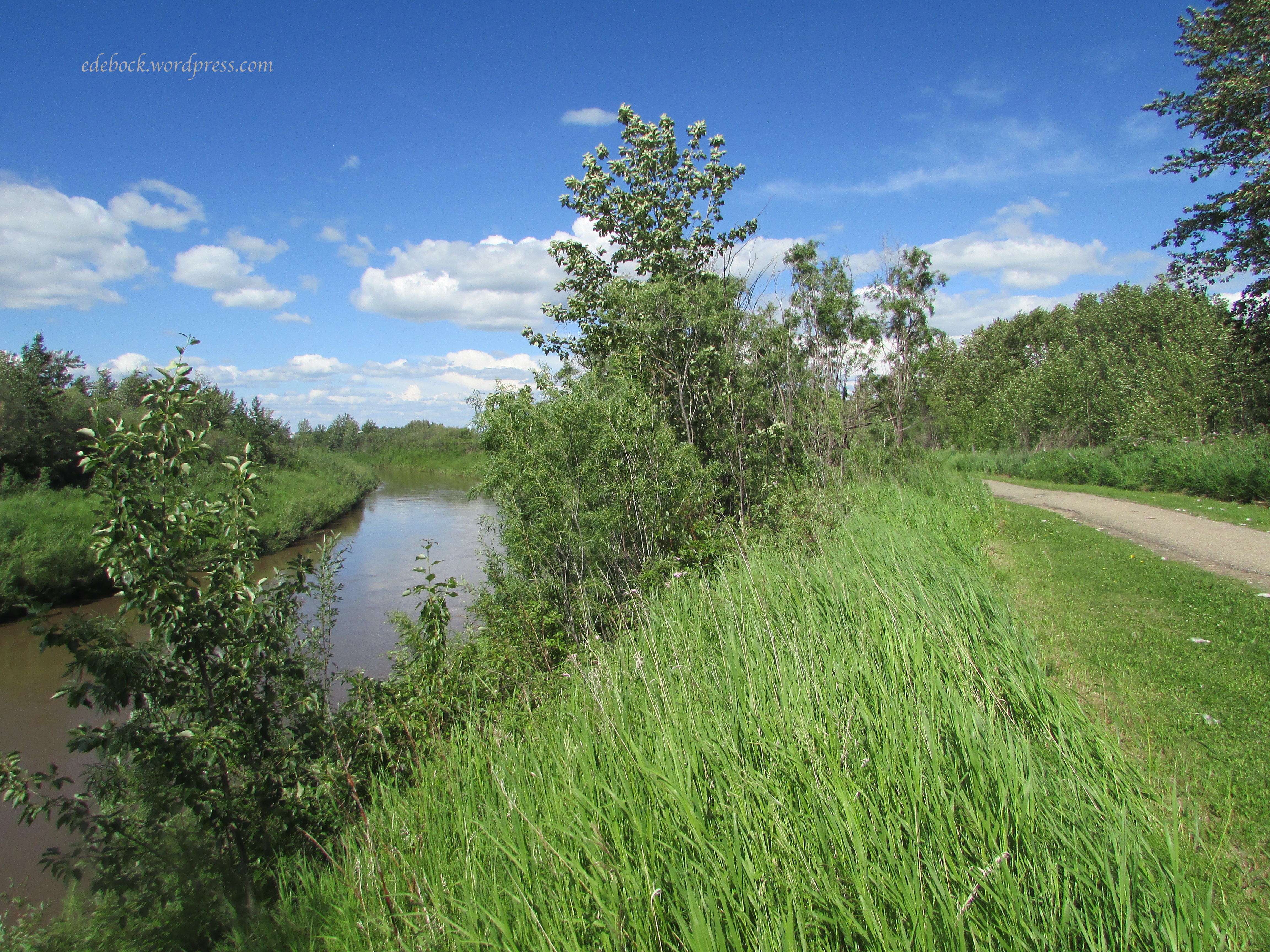
Earlier this year, my younger brother and his wife moved north to the small town of High Prairie, Alberta. She’s the new pastor of the Church of the Nazarene there and they live in the parsonage next door to the church. When we visited, I was delighted to find that the Rianna Otto Memorial Walking Trails start just the other side of the church. Each day while visiting, we walked the paved pathways alongside the West Prairie River.

IMG_7069

I was delighted when two readers, a friend of mine and one of my sisters-in-law, decided to join me for this challenge, each choosing a walking goal that she thought was reasonable for herself. I know that one of them is on a cross Canada trip right now, so I hope she’s also been walking some interesting trails!

Baby, it’s cold outside!

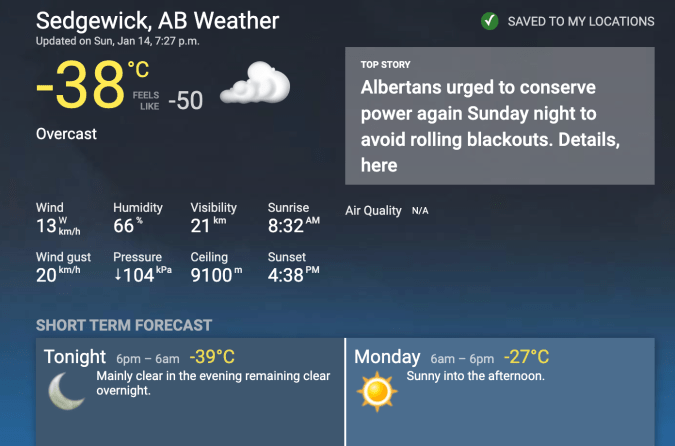
Screenshot 2024-01-14 at 7.40.50 PM

That’s the weather report as I write and it’s 8ºC warmer than it was when we got up this morning! (-46ºC is equal to -50.8ºF) I’ve seen many comments on social media today asking how we live at these temperatures, so for those of you who can’t imagine surviving such extreme cold, here’s how we do it.

First of all, we stay indoors as much as possible. Many businesses closed this weekend and many churches cancelled their services. Though schools usually remain open, school buses, especially in rural areas, often don’t run. Central heating systems (forced air furnaces), often fuelled by natural gas, keep our houses warm regardless of what’s happening outside.

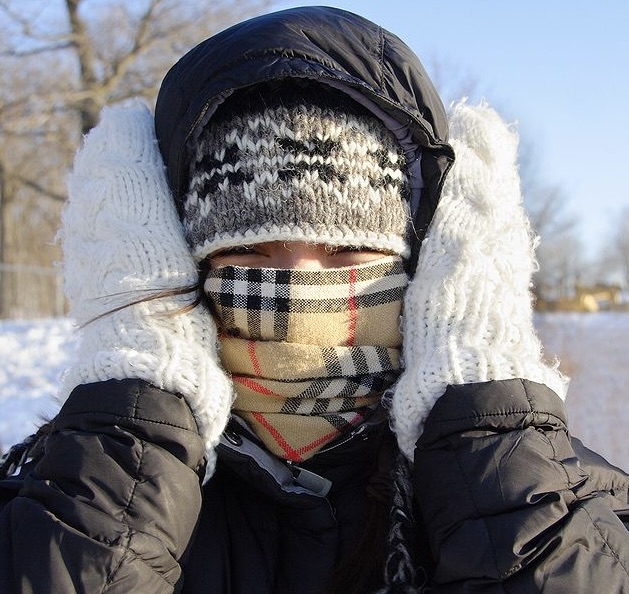
When we have to spend any time outdoors, we dress for the cold in layers that trap body heat and help keep us warm. In extreme cold, exposed skin will develop frostbite in a matter of minutes, so if we’re going to be outside for very long, we cover all but our eyes.

extreme-cold 2

Image: kawarthaNOW.com

Vehicles in this climate are equipped with block heaters. Most will start down to about -15ºC (5ºF), but below that, unless the vehicle is kept in a heated garage, the block heater needs to be plugged into a regular 110-volt outlet to warm the engine block and internal fluids like the oil and coolant. Wise drivers ensure that their vehicles are equipped with well-stocked emergency kits, extra clothes, blankets, and candles in case they’re stranded on the side of the road and have to wait for help.

This present cold snap seems especially harsh because, until now, thanks to El Niño, we’ve been enjoying an unusually mild winter. When I hear people saying that they’ve never experienced cold like this before, I’m reminded how old I am. While we haven’t seen daytime temperatures like these for 20 years, I distinctly remember waking up to -50ºC (-58ºF) one morning in late 1976 or early 1977. Hubby and I, both school teachers at the time, had only been married a for few months. After warming up the car, we attempted to leave for school. As soon as the vehicle moved, one of the tires, frozen solid, separated from the rim. We bundled up and walked to school! Thankfully, it was less than a kilometre away (about half a mile)!

One last thing that Albertans love to do to make winter more bearable is to get away to somewhere warm for a mid winter break. Hubby and I will be doing that soon, so more about that in future posts!

Not exactly a fashion post

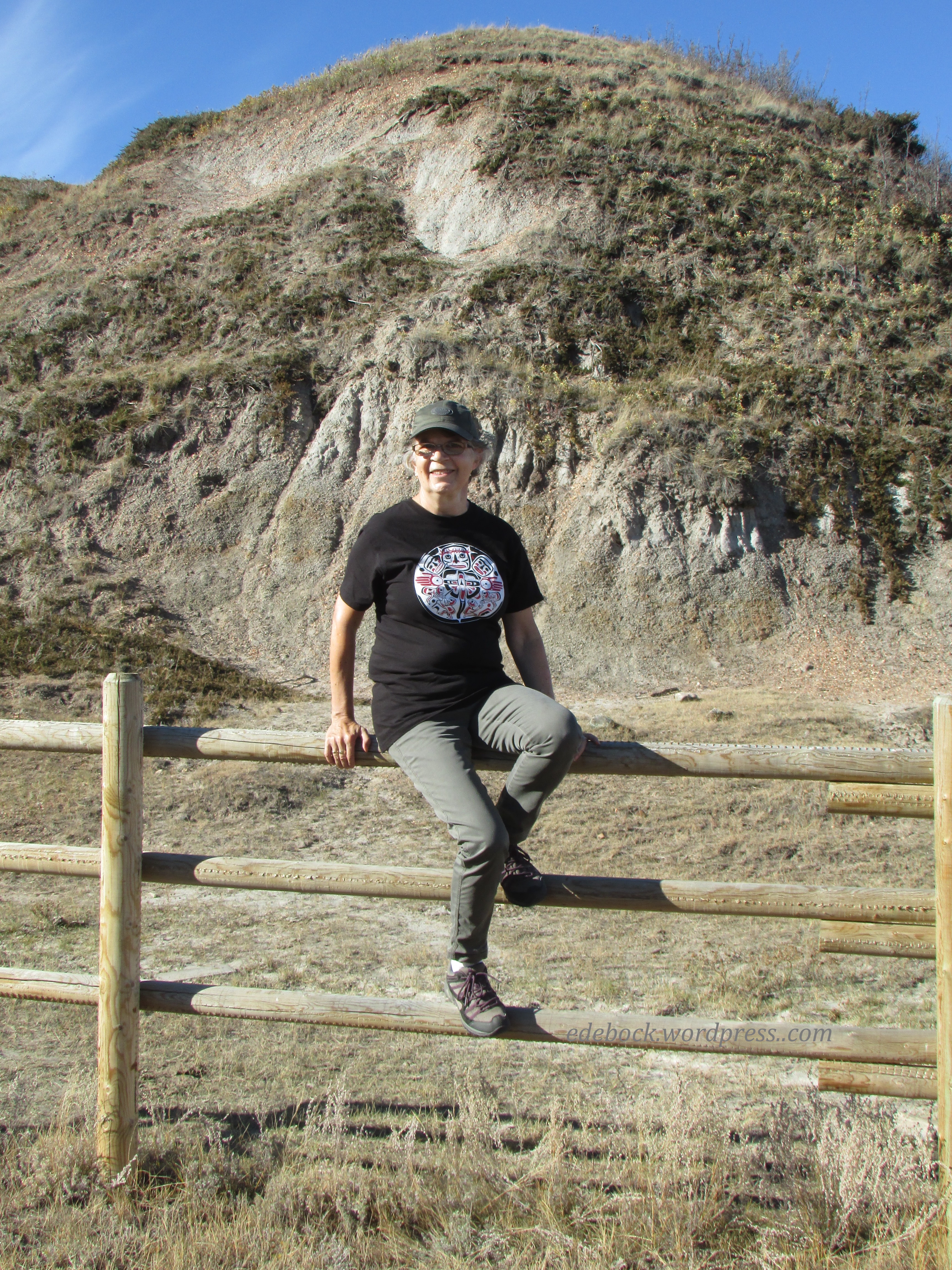
Life has been a bit crazy lately between our usual fall/winter activities starting up again and numerous medical appointments for both hubby and I. More about that in the future when we have a better idea what’s going on, but for now, suffice to say that it’s been a bit difficult to focus on something as comparatively trivial as fashion. I will, however, share what I wore yesterday for what was probably our final hike of the year.

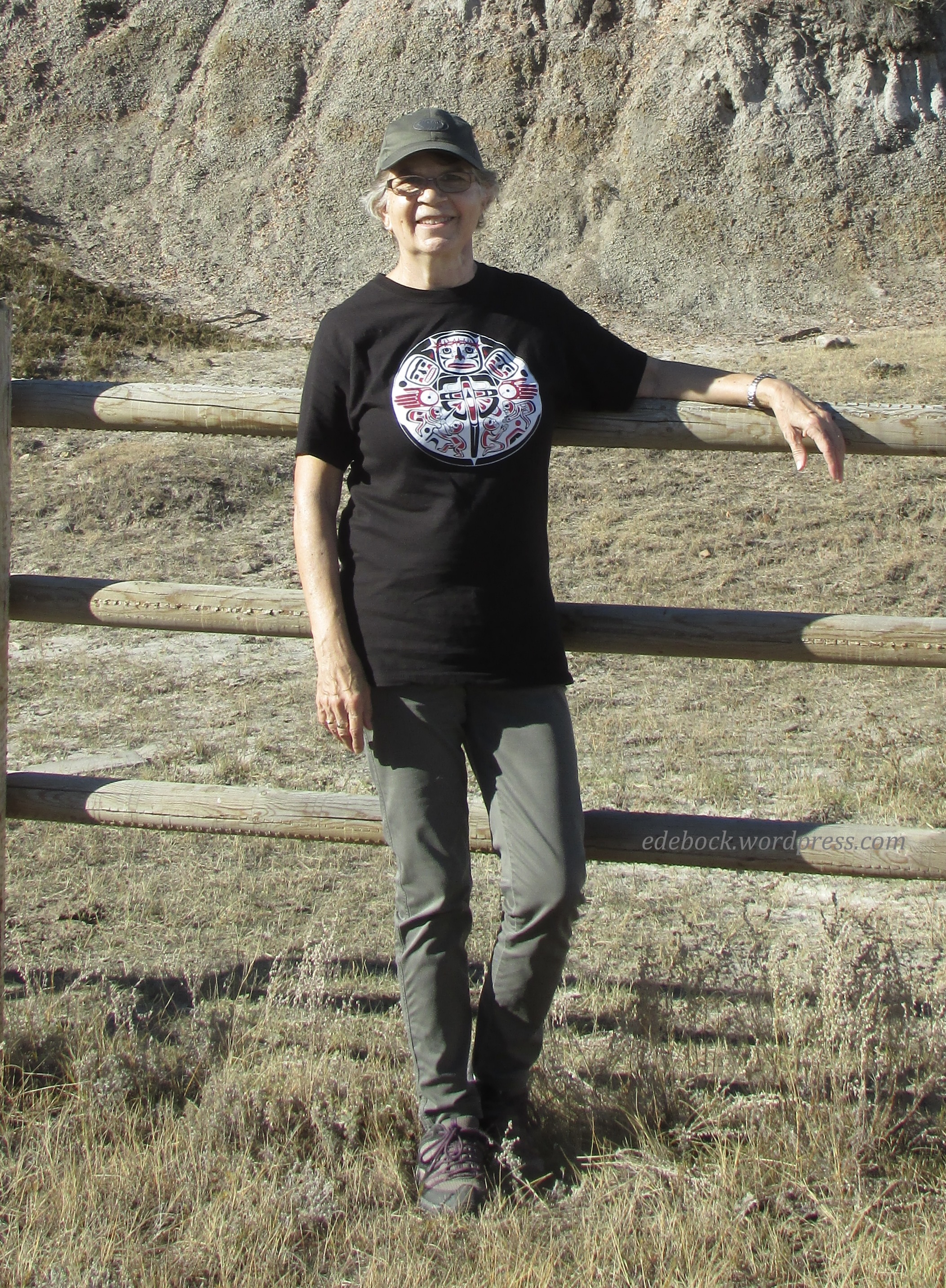
IMG_6211

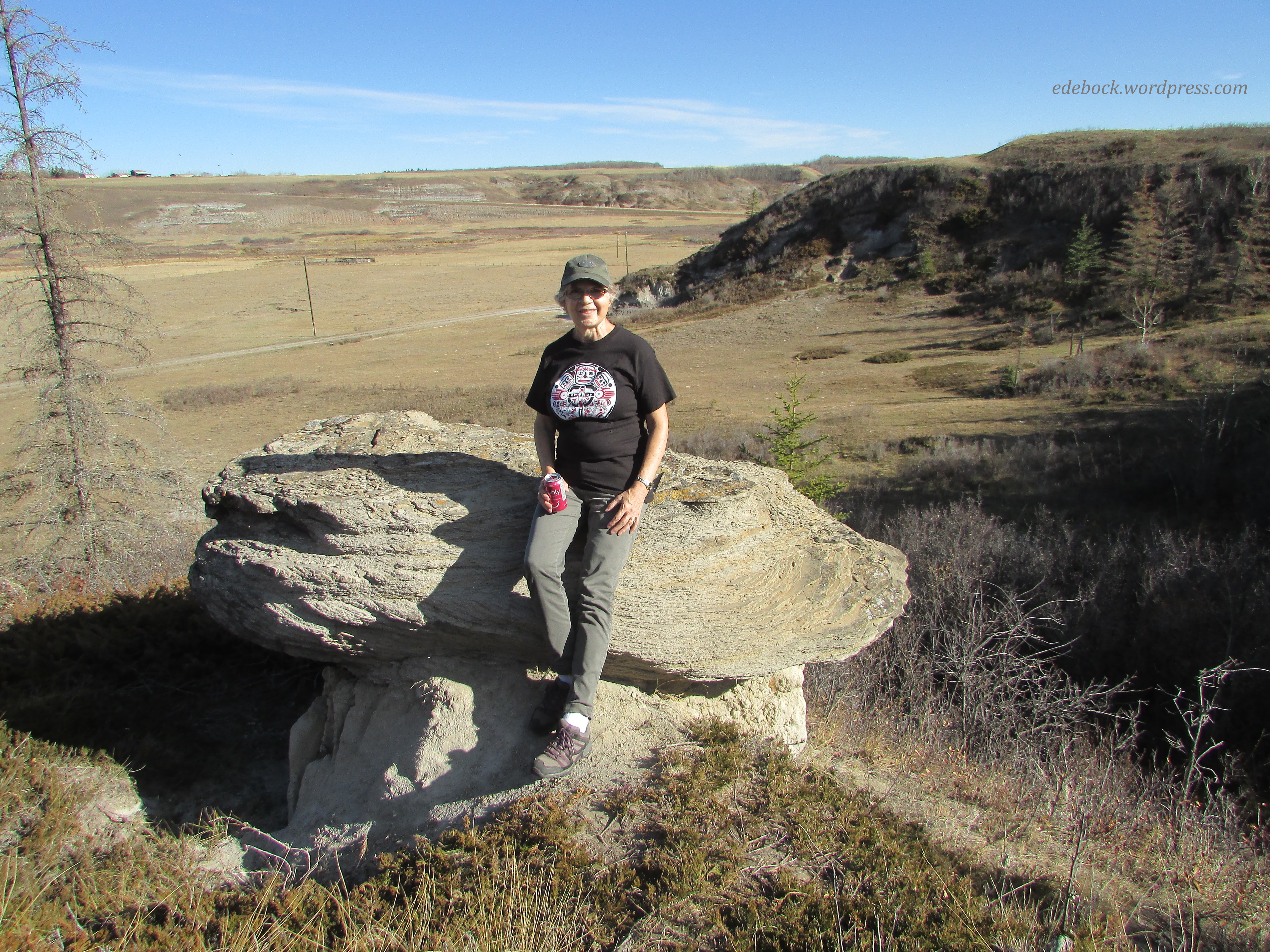
I don’t usually wear graphic t-shirts nor do I often wear black close to my face, but this particular tee has significant meaning to me and I really wasn’t worried about what I looked like out on the trail! 

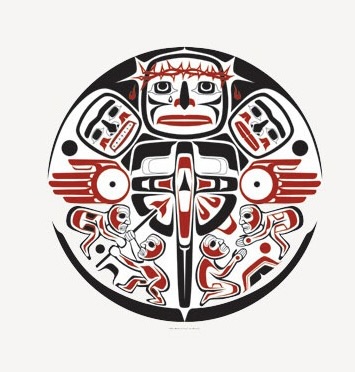
CP-Print 2

The logo, known as The Creator’s Path, was created by Indigenous artist, Don Monkman, for Indian Life Ministries, an organization that I do volunteer work for that seeks to reach Native people across Canada and the United States with the good news of the gospel. If you look closely, you’ll see the cross surrounded by Christ wearing the crown of thorns, the two thieves on either side of Him, His nail pierced hands, the people who rejected Him piercing His side, and those who accepted His sacrifice kneeling in prayer. All of this is held within a circle representing creation. 

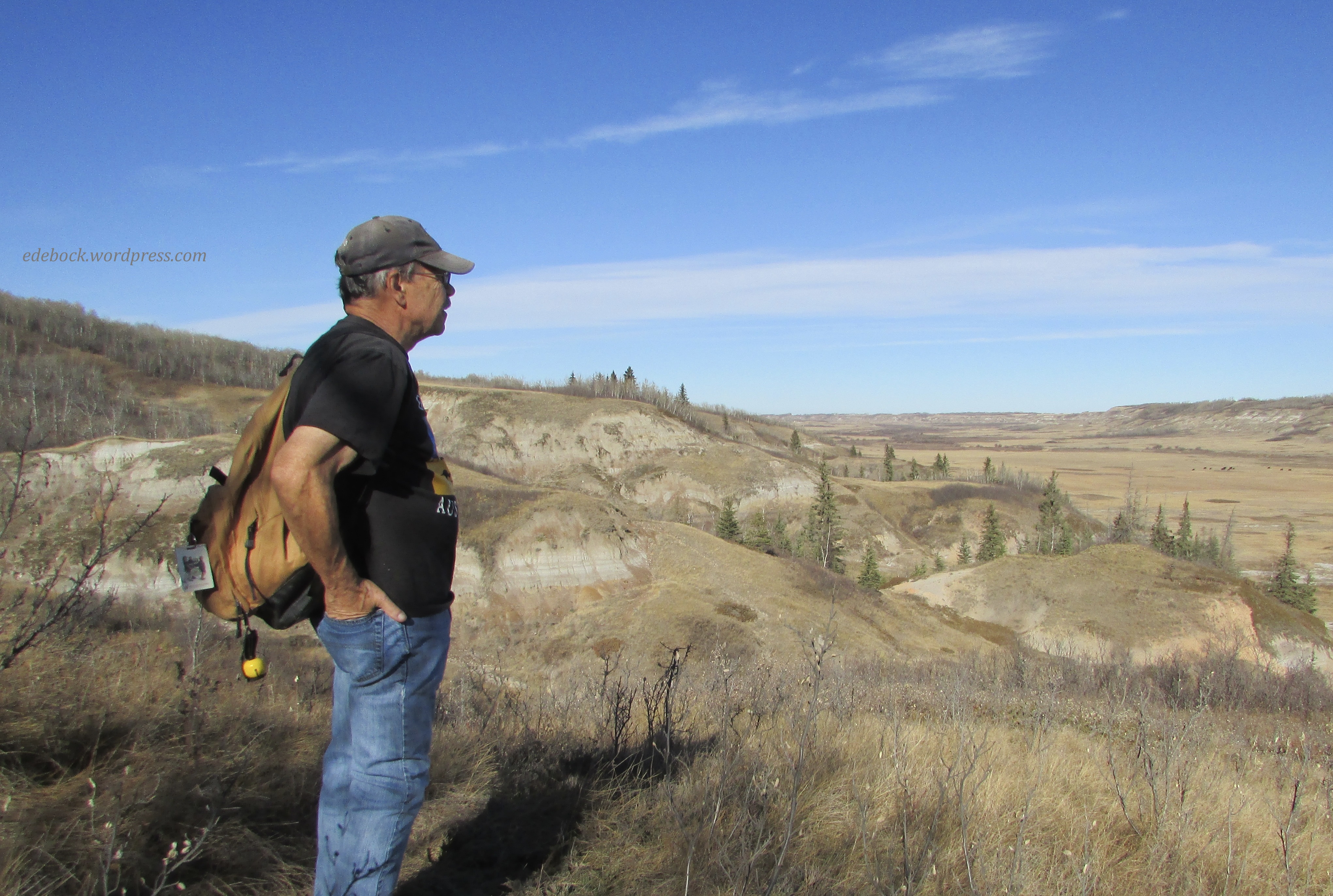
Anyway, back to our hike. It was an absolutely beautiful day, one of the last few in the forecast before winter is expected to hit early next week. We spent a couple of hours exploring one of our favourite hiking areas, Willow Creek Coulee, located near the village of Donalda, Alberta. With beautiful sunshine and a temperature of 23ºC (73ºF), it was hard to believe that snow and sub-zero temperatures might be just around the corner! 

IMG_6205

IMG_6214

In addition to the t-shirt described above, I wore an older pair of chinos, my trusty Merrell hiking shoes, and a hat to shade my eyes from the sun. There are few things that I love more than the peace and quiet of nature. For awhile, I even forgot all about the headache that I’ve had for the past two weeks! 

IMG_6217

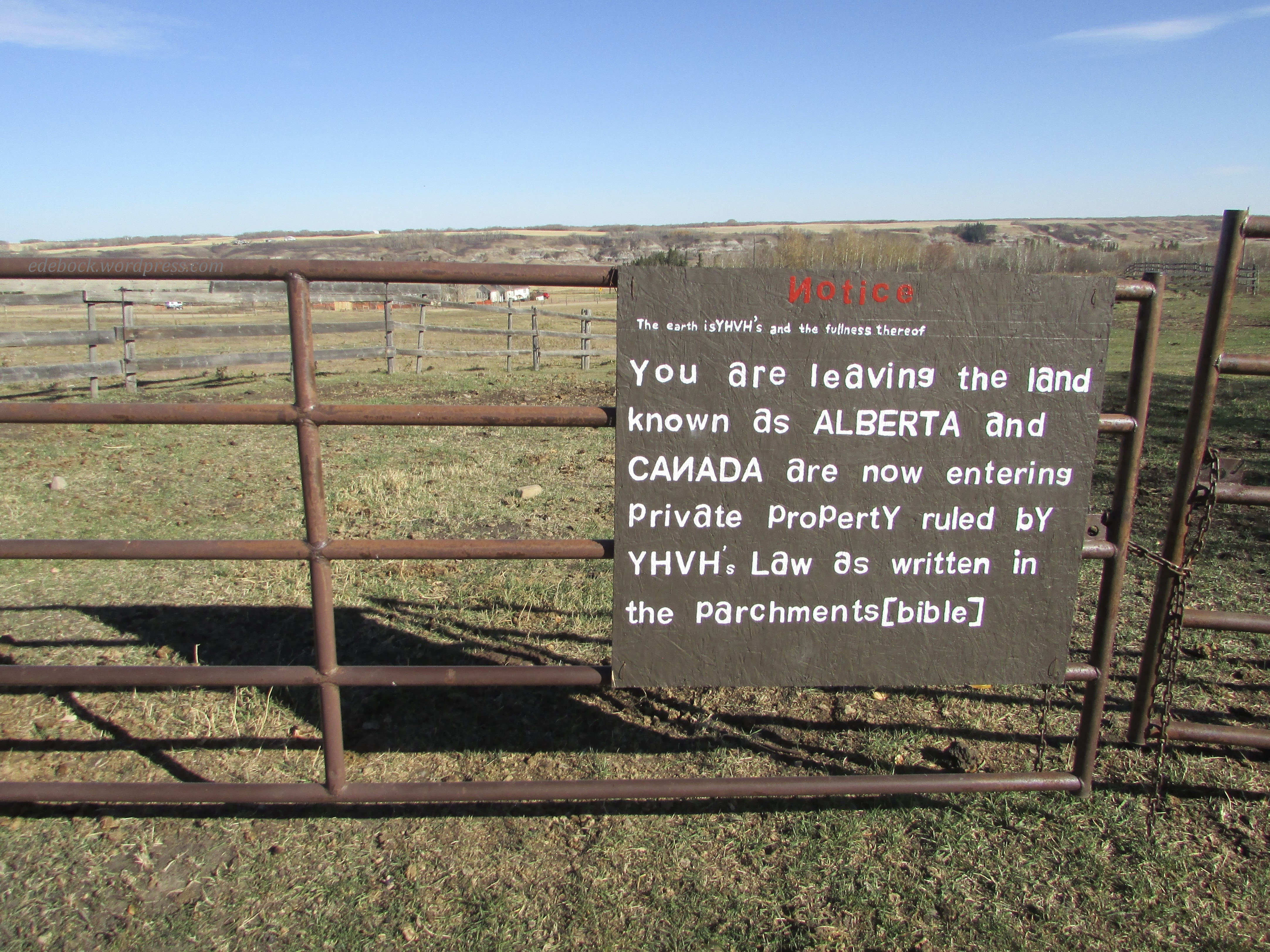
On the way back to the vehicle, we almost decided to do a bit of international travel, but we didn’t have our passports with us.

IMG_6223

Just kidding! 😂 That’s actually a new sign that has appeared on the fence of a property near the trailhead since the last time we hiked the coulee. The land is held by a member of a movement known as  Freemen on the Land, a group who believe that they can declare themselves independent of the government and any laws to which they have not consented. It takes all kinds, I guess! 

Not promising, but I’ll try to have a more conventional fashion post for you next week! 

Logo by Sam


Rowley, an Alberta ghost town

We spent several days camping this week and as a result, I don’t have a Fashion Friday post ready for you today. Instead, I’ll share one of the highlights of our short time away from home. After a horrendous storm Monday night, we woke to sunshine on Tuesday morning, but the wind was still much too strong to go golfing or kayaking and we’d already hiked the 6.5 km nature trail around a nearby lake. We didn’t want to spend the day sitting in the trailer though, so what should we do?

Hubby suggested a road trip to Rowley. In its heyday, Rowley, Alberta was an agricultural town of approximately 500 people, but at last count the population was 9. Yes, that’s right, 9 people and perhaps a few stray cats! Apparently, some of the residents don’t really like their hometown being referred to as a ghost town though that’s what it’s usually called. They take pride in the place and have worked hard to preserve the few remaining buildings and to turn it into a tourist destination. Once a month, the community association, made up of residents and people from the surrounding area, host a well-attended pizza and pub night to raise funds to help with the cost of maintenance.

As the ROWLEYWOOD sign at the turnoff on nearby Highway 56 suggests, the movies Legends of the Fall, The Magic of Ordinary Days, and Bye Bye Blues were filmed in the hamlet.

So, come walk with me and I’ll show you around Rowley, Alberta.

The Lion’s Oil Garage, complete with its old style gas pump, is a reconstruction of the building that originally stood on this site.

IMG_5901

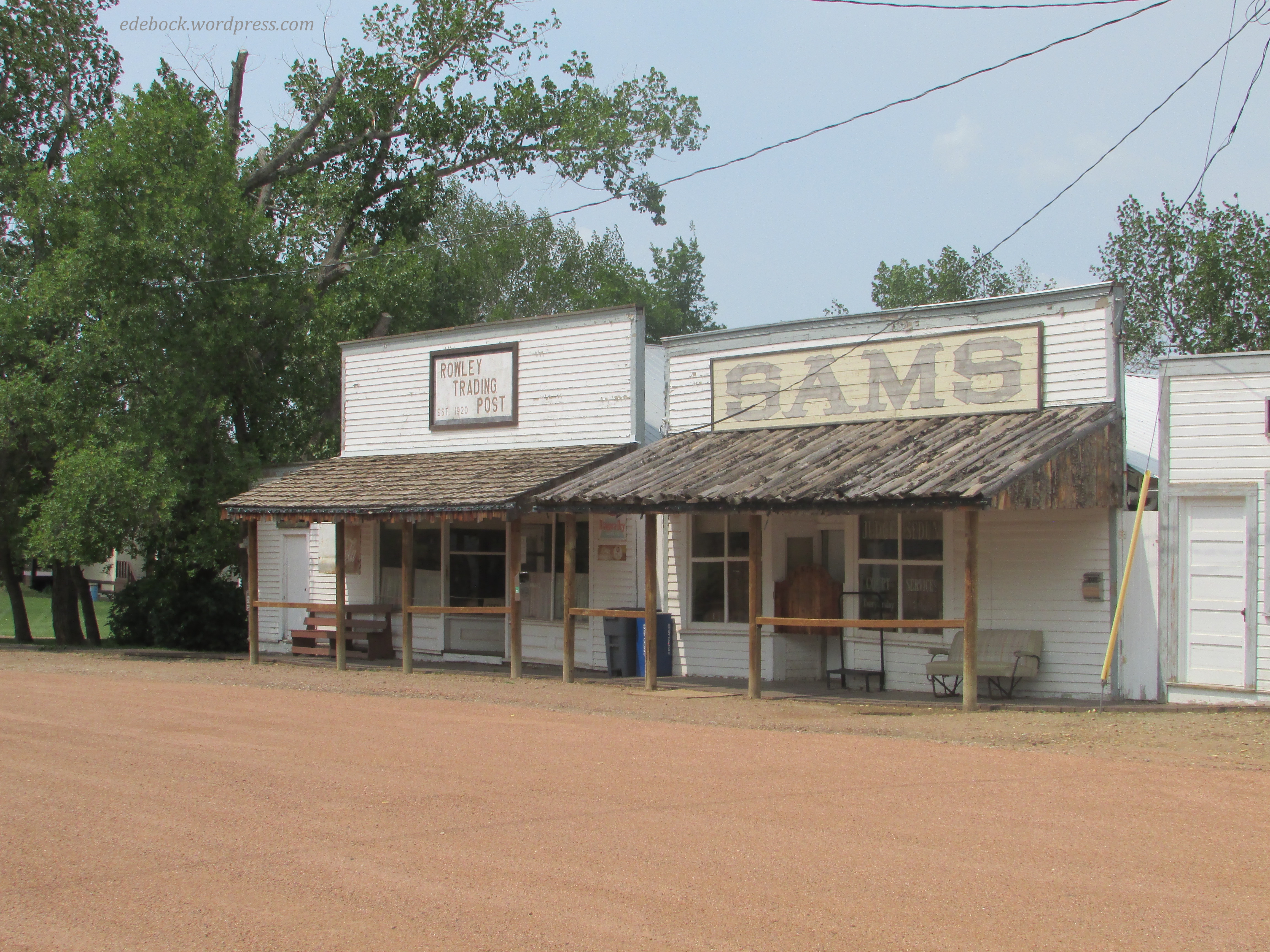
Walking down Main Street past Sams Saloon and the Rowley Trading Post, it’s easy to imagine ourselves transported back in time to the wild west. I could easily picture a couple of horses hitched to the rails and women strolling the boardwalk in old fashioned dresses. Built in 1920, the trading post was where Rowley residents purchased their dry goods and groceries until 1973 when it was the last business in town to close its doors.

IMG_5875

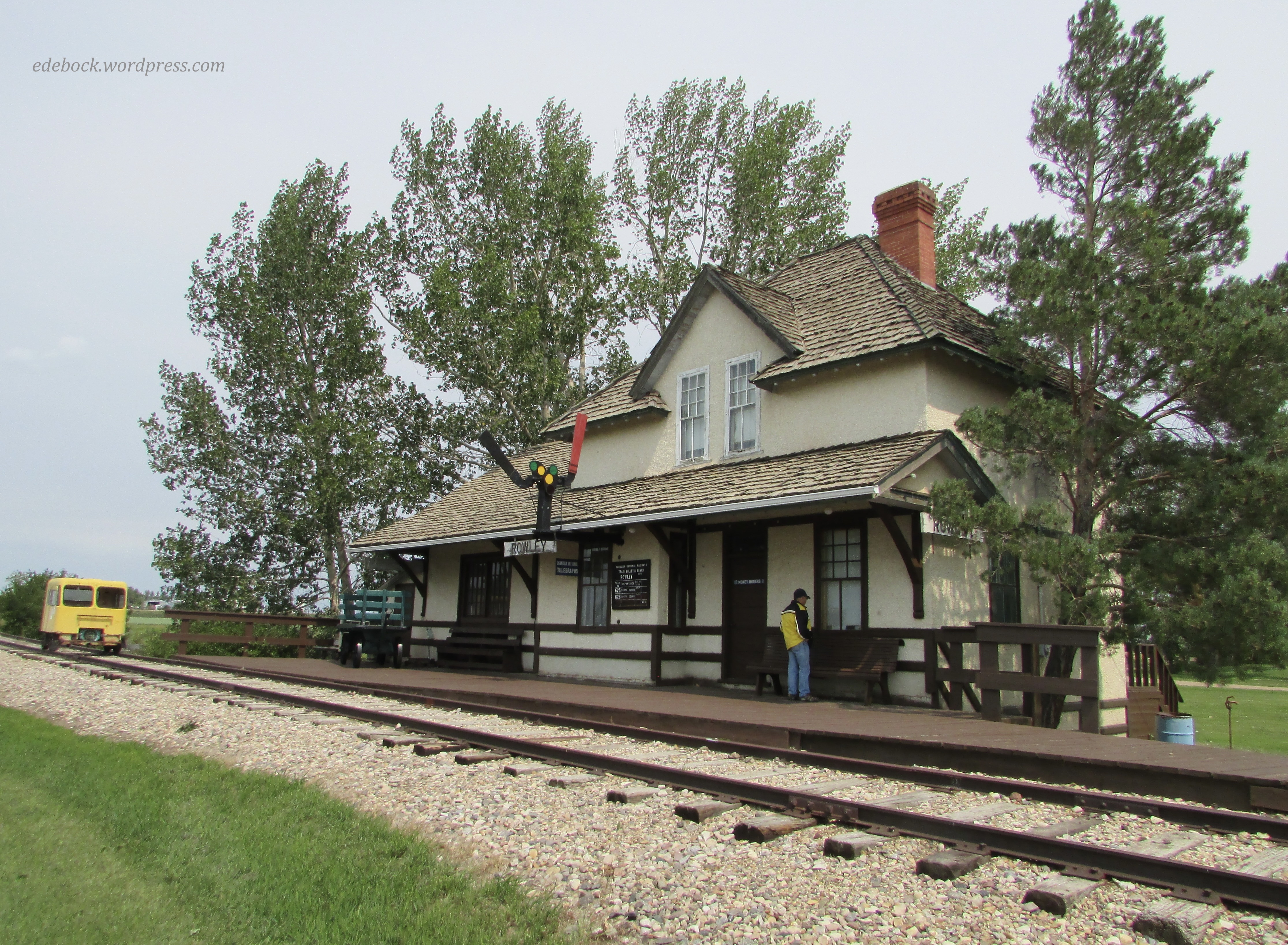
At the end of the street stands the beautifully preserved CNR train station. The station master and his family likely lived upstairs.

IMG_5878

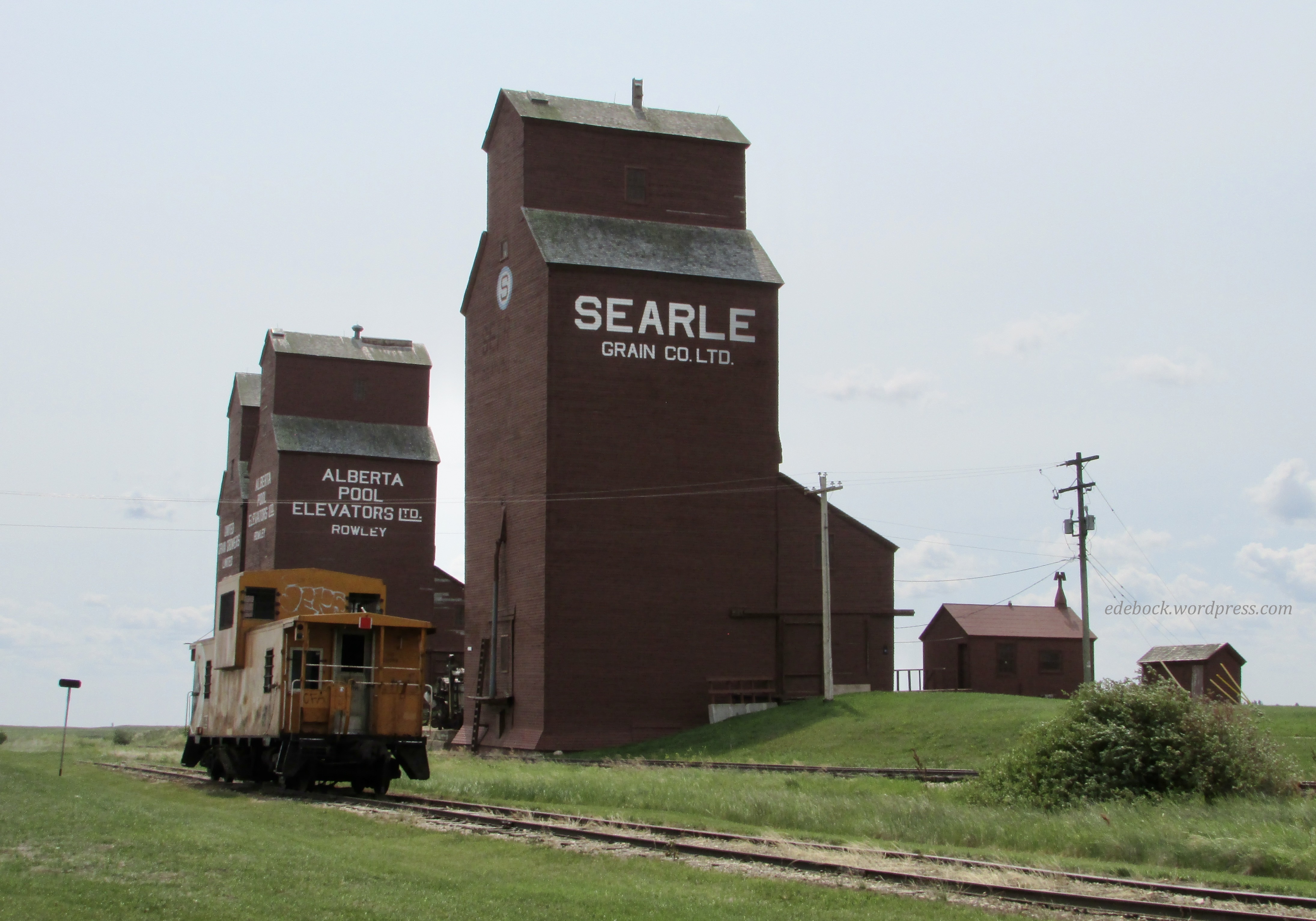
At one time, every little town on the Canadian prairie had its wooden grain elevators, but very few of these stately sentinels remain today.

IMG_5885

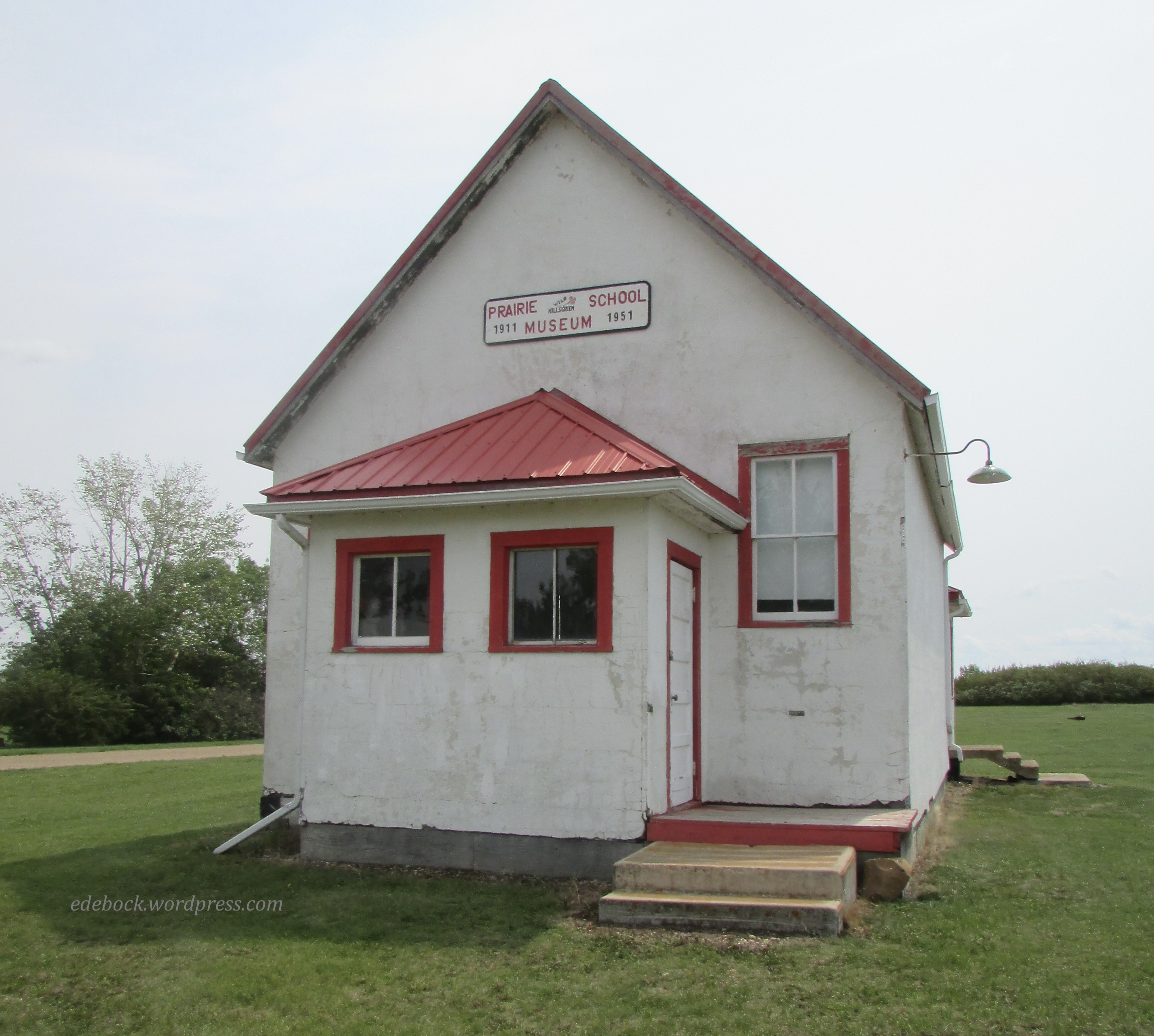
The Prairie School Museum is typical of the one room schoolhouses that dotted the prairie in days gone by. 

IMG_5891

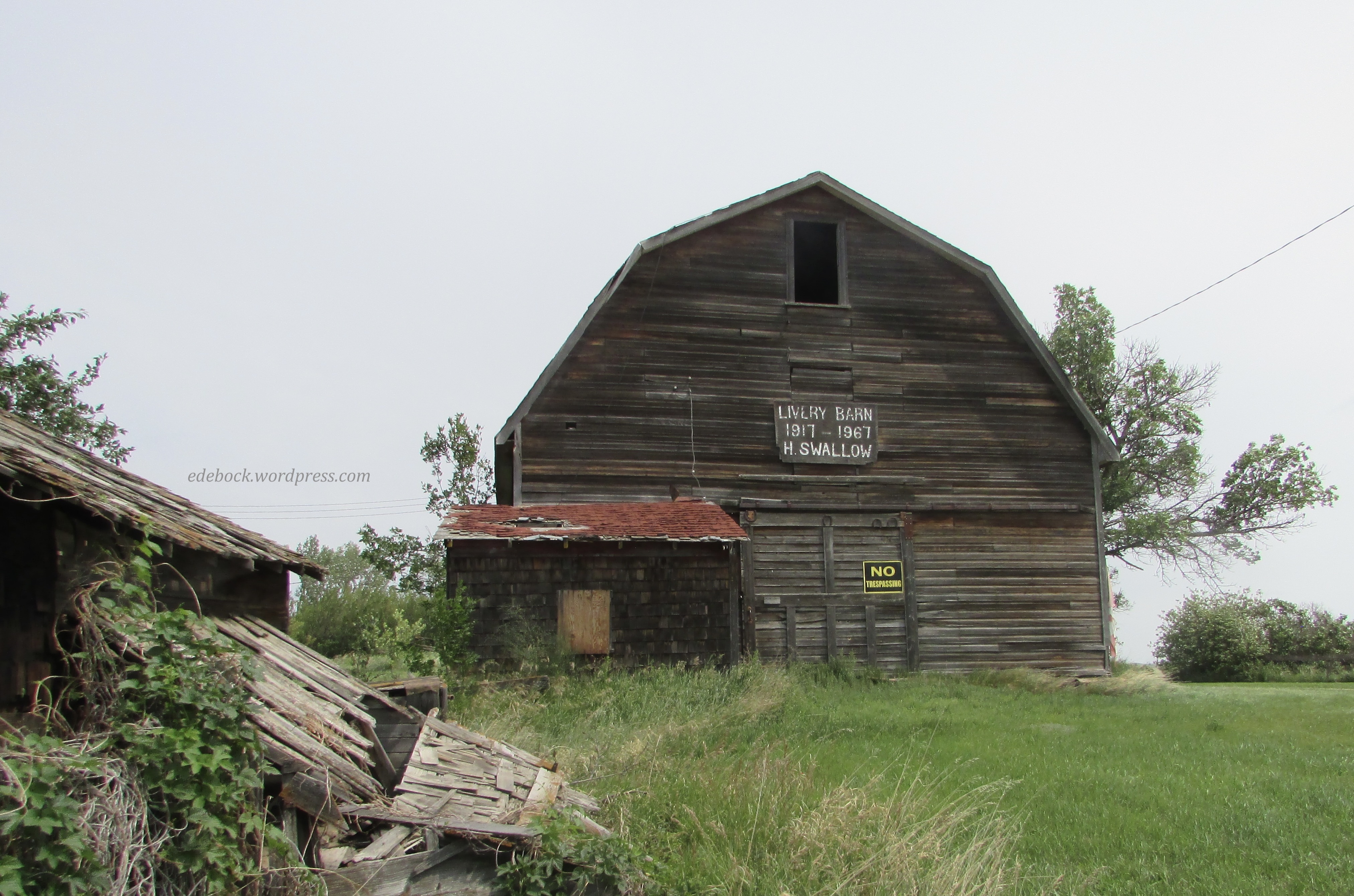
If you came to visit Rowley in the early days, you might have boarded your horse at H. Swallow’s livery barn. While some of the smaller structures around it are falling down, the barn still looks pretty sturdy.

IMG_5894

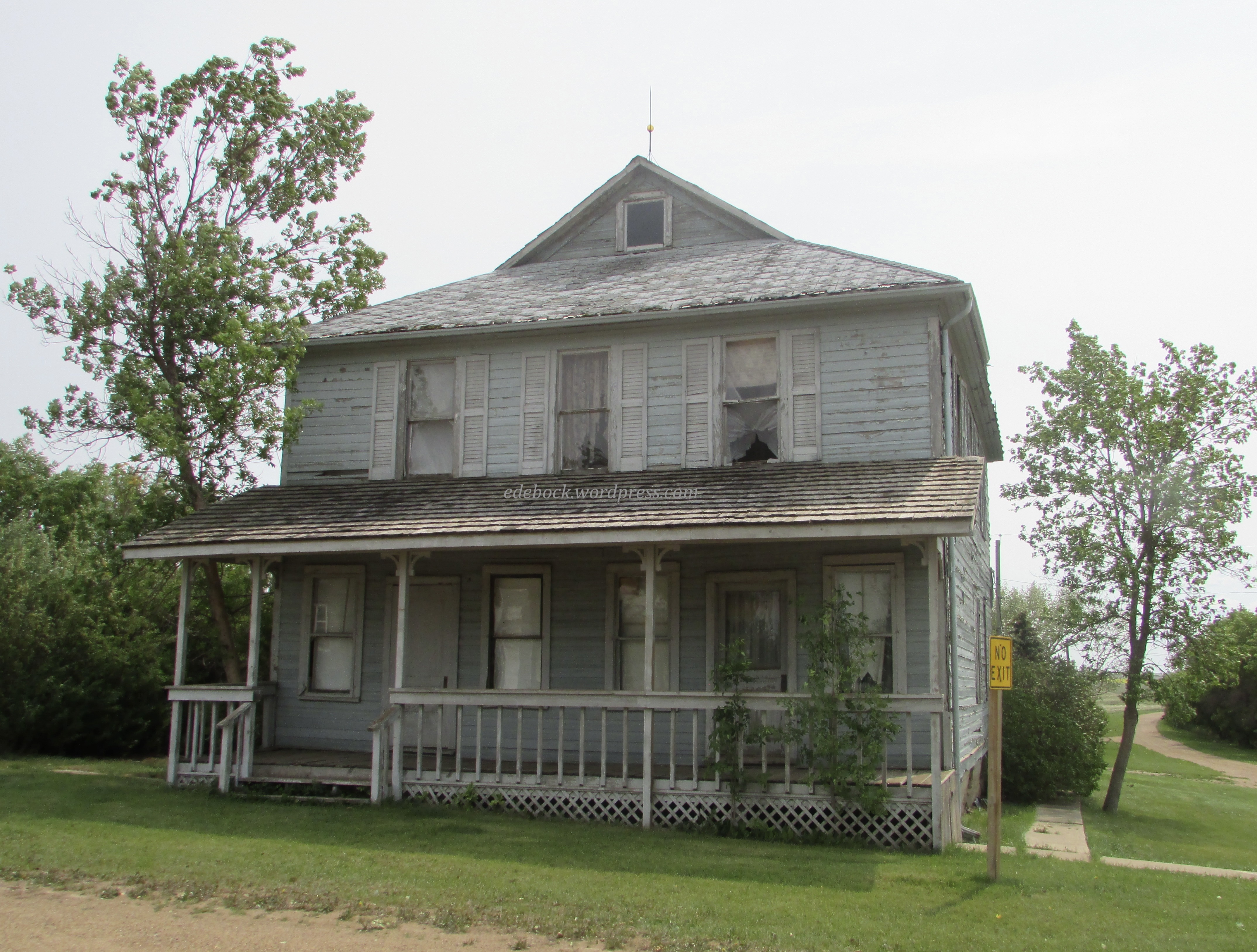
Circling back to the upper end of Main Street, we find this stately old house, weathered by time but still beautiful. Hubby and I thought that perhaps it had once been the town’s hotel, but after doing a bit of research I discovered that it was originally used as a hospital.

IMG_5897

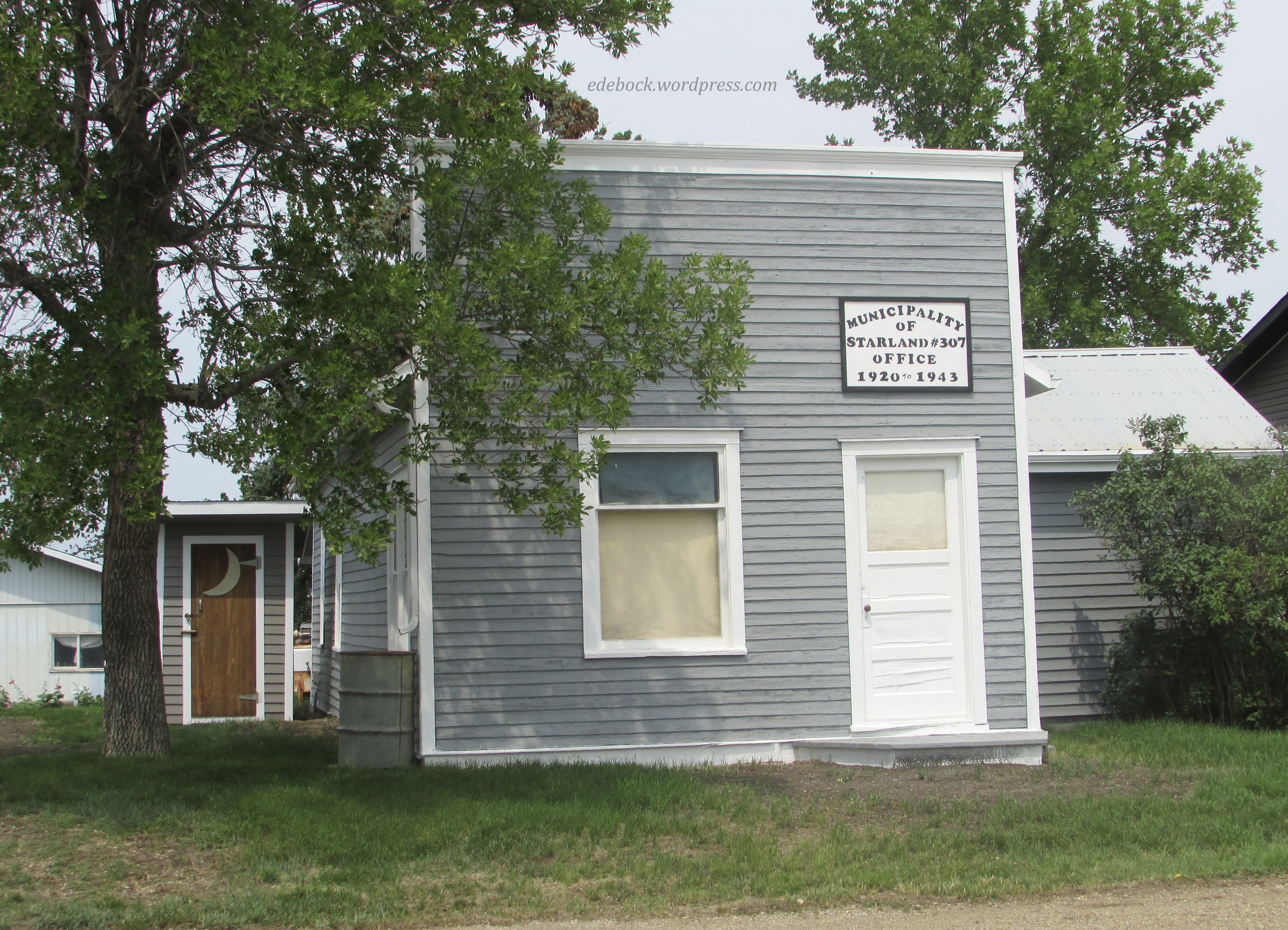
Across the street, the old municipal building has obviously undergone some fairly recent renovation. Though I’m happy to live in the day of indoor plumbing, we thought the backyard biffy was cute.

IMG_5898

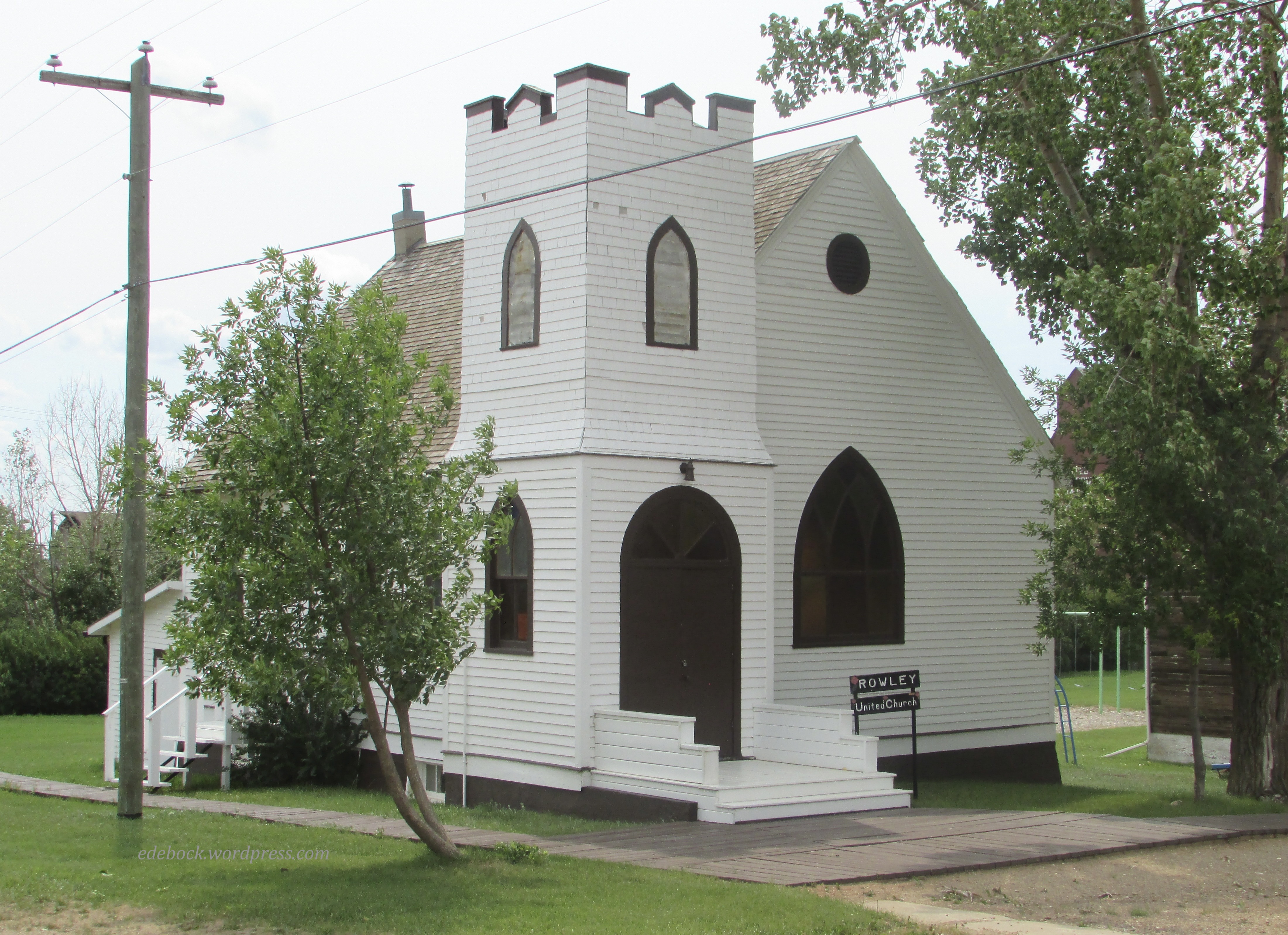
The Rowley United Church remained active until 1969 and continues to be used for the occasional wedding. 

IMG_5899

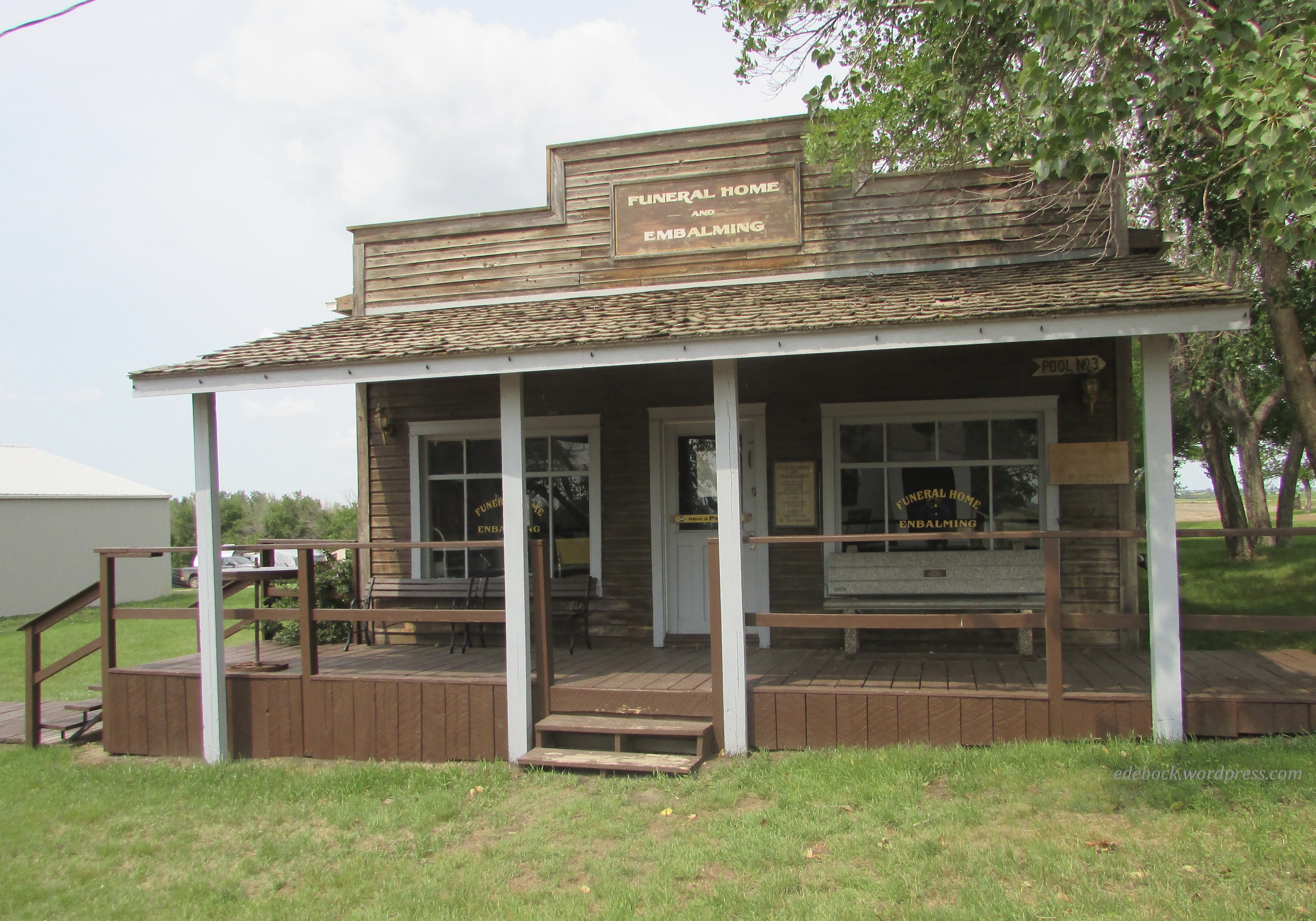
Like at least one other building in Rowley, not shown here, the funeral home across the street from the church was constructed specifically for the filming of the movie, Bye Bye Blues. Afterwards, the residents decided to turn it into a pool hall for their own enjoyment, but kept the front and signage intact. 

When we were there, we had Rowley almost entirely to ourselves and were content to peer through the windows at the artifacts housed inside the buildings, but should you wish to take a closer look, the Rowley community association hires local summer students to give free guided tours inside the buildings Thursday to Monday during July and August. 

Museum of Aboriginal Peoples’ Art & Artifacts

We spent a few days this week camping, hiking, and kayaking in Sir Winston Churchill Provincial Park near the small town of Lac la Biche, about two and a half hours northeast of Edmonton, Alberta. When I read that the Portage College campus in Lac la Biche is home to the Museum of Aboriginal Peoples’ Art & Artifacts, I knew that we had to go into town to see it. I recognized the names of well-known artists like Bill Reid, Alex Janvier, and Norval Morrisseau and was eager to see their work.

Arriving at the college, I expected to find a gallery showcasing the works of these and other Indigenous artists. Instead, the extensive collection of traditional and contemporary works lines the hallways of the school and we were free to wander and enjoy them. With only one class in session while we were there, it was as quiet and serene as any traditional gallery would have been.

IMG_5793

Little Mothers – Daphne Odjig

The Portage College museum features the world’s only permanent collection of works by the Professional Native Indian Artists Inc., also informally known as the Indian Group of Seven. The group was formed in 1972 after a series of gatherings in Daphne Odjig’s craft store and gallery in Manitoba and later incorporated as an attempt to be taken seriously as professional artists and to advocate for Indigenous art to viewed as fine art and to be included in galleries across the nation. The museum on the Portage College campus began in 1978 as a teaching collection for the college’s Native Arts and Culture programs and grew from there.

IMG_5783

While I was impressed by most of what we saw, amongst the Group of Seven it was the work of Eddy Cobiness (1933-1996) that really stood out to me. Cobiness, of Ojibway descent, was born in Minnesota and raised on a reserve in Manitoba. Though I had not heard of him before, his art is held in many prominent private and public collections.

IMG_5777

Hoop Dancers – Eddy Cobiness

IMG_5805

Feeding Herons – Eddy Cobiness

IMG_5795

Mother Muskrat – Eddy Cobiness

IMG_5797

Untitled – Eddy Cobiness

These three colourful designs by Jackson Beardy also caught my attention, probably because their style is somewhat similar to that of the Indigenous artists of the Northwest Coast that I love so much.

IMG_5788

Thunder Dancer / Metamorphosis / Thunderbird – Jackson Beardy

In addition to showcasing the work of the Professional Native Indian Artists Inc., the museum also features Northwest Coast and Inuit art. Bill Reid (1920-1998), was a prolific Haida artist, perhaps best known by many for his giant sculpture “Spirit of Haida Gwaii” on display in the international departures area of the Vancouver airport.

IMG_5821

Haida Killer Whale – Bill Reid

IMG_5819

Haida Bear – Bill Reid

Other coastal artists whose work is on display in Lac la Biche include Tony Hunt Sr. (1942-2017) who was the hereditary chief of the Kwa-Gluth people and Robert Davidson who is of Haida and Tlingit descent.

IMG_5830

Southern Kwa-Gulth Moon – Tony Hunt Sr

IMG_5824

I am You, You are Me – Robert Davidson

I thought this piece by Richard Shorty of the Tuchone Kwanlin Dun First Nation in the Yukon was absolutely exquisite. According to Northwest Coast tradition, the hummingbird represents love and beauty.

IMG_5833

Lily of the Valley / Song of Solomon – Richard Shorty

In addition to the framed work lining the corridors of Portage College, there are numerous glass cases containing carvings, baskets, beadwork, ceremonial clothing, moccasins and mukluks, headdresses, masks and more. Due to the reflective quality of the glass, it was difficult to get good photos, but I did manage to get one of this perfectly preserved Mi’kmaq porcupine quilled basket from the late 1700s or early 1800s.

IMG_5813

While I was thrilled to be able to spend a couple of hours enjoying this amazing collection of Indigenous art and artifacts, it saddens me that it’s hidden away in a remote location where few Canadians or visitors to our country will ever have the opportunity to see it.