 My mother was 17 when WWII broke out on September 1, 1939 and 23 when it ended six years later. I remember her telling me about how fashions changed during the war. Shortages and efforts to conserve precious materials for the war effort brought about shorter hemlines and more streamlined silhouettes in women’s suits and dresses. Decorative elements disappeared, resulting in a more classic style. For men, single-breasted suits replaced double-breasted, lapels narrowed, and trousers were no longer made with cuffs. There were even restrictions on the number of pockets a garment could have.
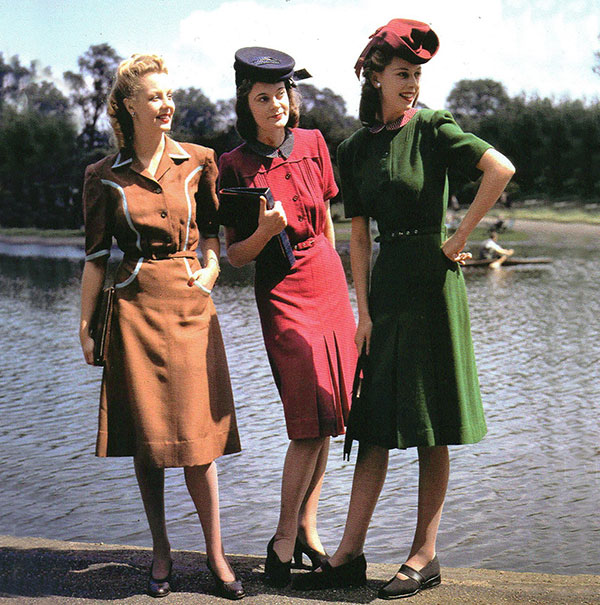
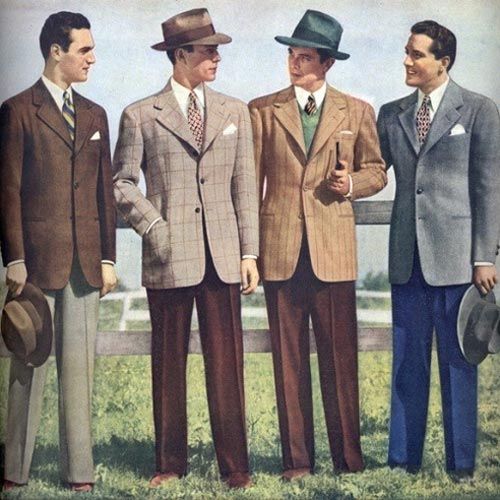
With many of the men away at war, women were called upon to replace them in the work force. My mother left school and went to work in a paper mill. Pants became a staple of women working in factories. Once they discovered the comfort and convenience of wearing pants, they were reluctant to give them up when the war ended. This resulted in a permanent change in fashion. I don’t remember my grandmother ever wearing pants, even to work in the garden, but pants were very definitely part of my Mom’s wardrobe for the rest of her life.
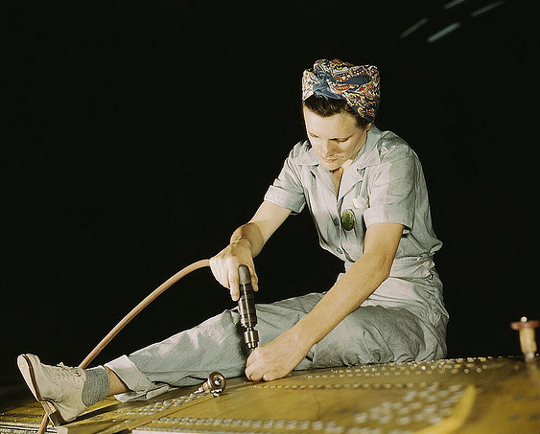

Mom dressed for the mill
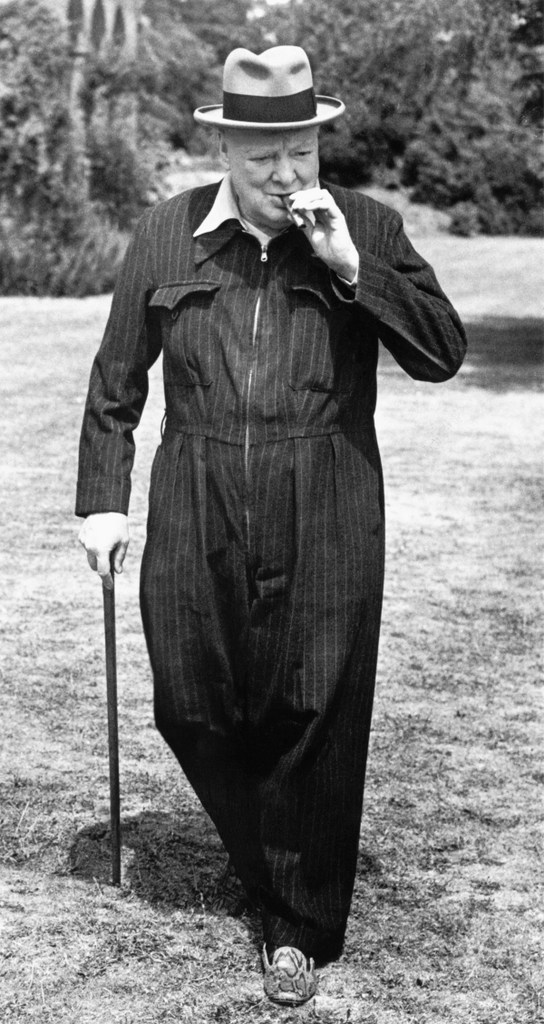
Until I started doing research for this post, I didn’t realize that jumpsuits (or boilersuits as they’re called in the UK) which seem to come and go as ladies fashion to this day, had their roots in a very practical item that originated during WWII. Known at that time as a “siren suit”, this one piece garment could be hastily pulled on over pyjamas or a nightgown when the siren blew and the wearer had to escape to an air raid shelter.
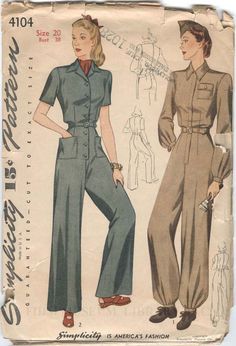
Even Winston Churchill had a siren suit!
We aren’t living in wartime, nor do we face the deprivation that our parents and grandparents faced during those difficult days, but the past fourteen months have been a time of unprecedented upheaval and whether we like it or not, Covid will result in cultural change. Fashion is a potent reflection of a period in time and it’s interesting to think about how our current situation is changing how we dress.
I have one friend who has already been informed that she will continue to work from home even after the pandemic is over and I know of several others who are expecting the same thing. Brands and retailers have seen a huge shift in the kind of clothing that people are purchasing. While many of us simply aren’t shopping at all except for essentials, sales of comfort-wear items, such as sweatpants and leggings, have increased. The question now is whether this turn toward casual, easy-to-wear clothing will persist once life returns to something closer to normal.
Has Covid changed the way you dress? If so, do you think this will be a permanent change? Is there something you look forward to buying and wearing once the pandemic is over?






 Like the parent game, 7 Wonders, this is a civilization building game where players collect cards that represent economic, cultural, scientific, and military achievements. While easy to learn, it presents plenty of interesting challenges and with three possible ways to win, it definitely keeps you on your toes. The game typically takes no more than half an hour to play, so we usually play twice in one sitting. While there are expansions available, we’ve probably played the original 100 times or more without getting tired of it, so we’ve never felt the need to purchase them. For us, another advantage to this game is it’s compact size. It’s easy to pack into the trailer or even a suitcase.
 In this Renaissance inspired game for 2 to 4 players, each player increases their wealth by collecting chips (gems) and using them to purchase cards. The cards, some of which are worth points, give you permanent gems and can be used to make future purchases. In addition, they help you acquire nobles which are also worth points. The game is easy to learn and takes about half an hour to play. The Cities of Splendor Expansion includes four different expansions in one package each offering a unique playing experience. While we don’t have it yet, I can see where we might want to add it at some point in the future.
 Alhambra was the palace and fortress of the Moorish monarchs of Granada, Spain. The object of the game bearing its name is to purchase building tiles of different kinds and place them strategically to build your own Alhambra. In 3 scoring rounds, points are awarded based on who has the most buildings of each kind. Each player also receives additional points for the longest portion of wall that they’ve managed to build around their Alhambra. The game is designed for 2 to 6 players. In a 2 player game there’s an imaginary third player. At first, we thought that that might be a bit weird, but the third player doesn’t actually enter into the action and his tiles are placed in full view of both players. The game is easy to learn and takes about 45 minutes to play. While there are expansions available, my understanding is that they are better suited to playing with 3 or more players.
 Rivals for Catan, an adaptation of the original Settlers of Catan, is an updated version of the Catan Card Game. Rivals is a 2 player strategy game that is actually 5 games in one. Each player starts with a small principality and by harvesting and spending resources, builds roads, settlements, buildings, trade ships, and cities and hires heroes. The Introductory Game is a good starting point as there’s lots to learn in this game. It takes about 30 minutes to play. Once you’ve mastered the Introductory Game, new challenges await in The Era of Gold, The Era of Turmoil, and The Era of Progress. Each of these takes about an hour to play. Once you’ve played all three a few times and become familiar with each one, you’re ready for the Duel of the Princes which combines elements of all three and is by far the ultimate Rivals experience. It, too, takes about an hour to play. We have the Deluxe version which includes trays to keep the piles of cards organized as well as a few extra cards which you may or may not choose to incorporate into your playing experience.
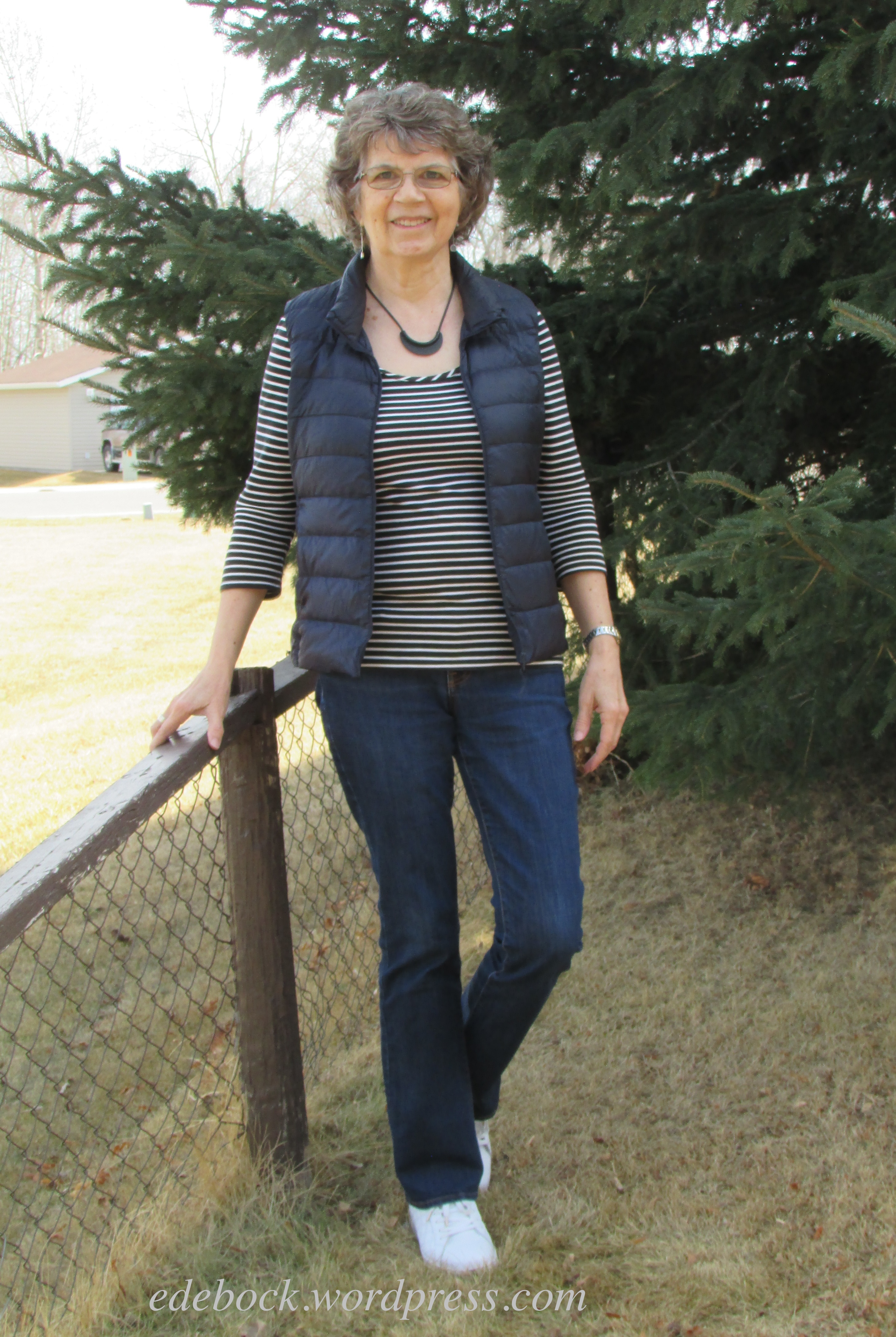
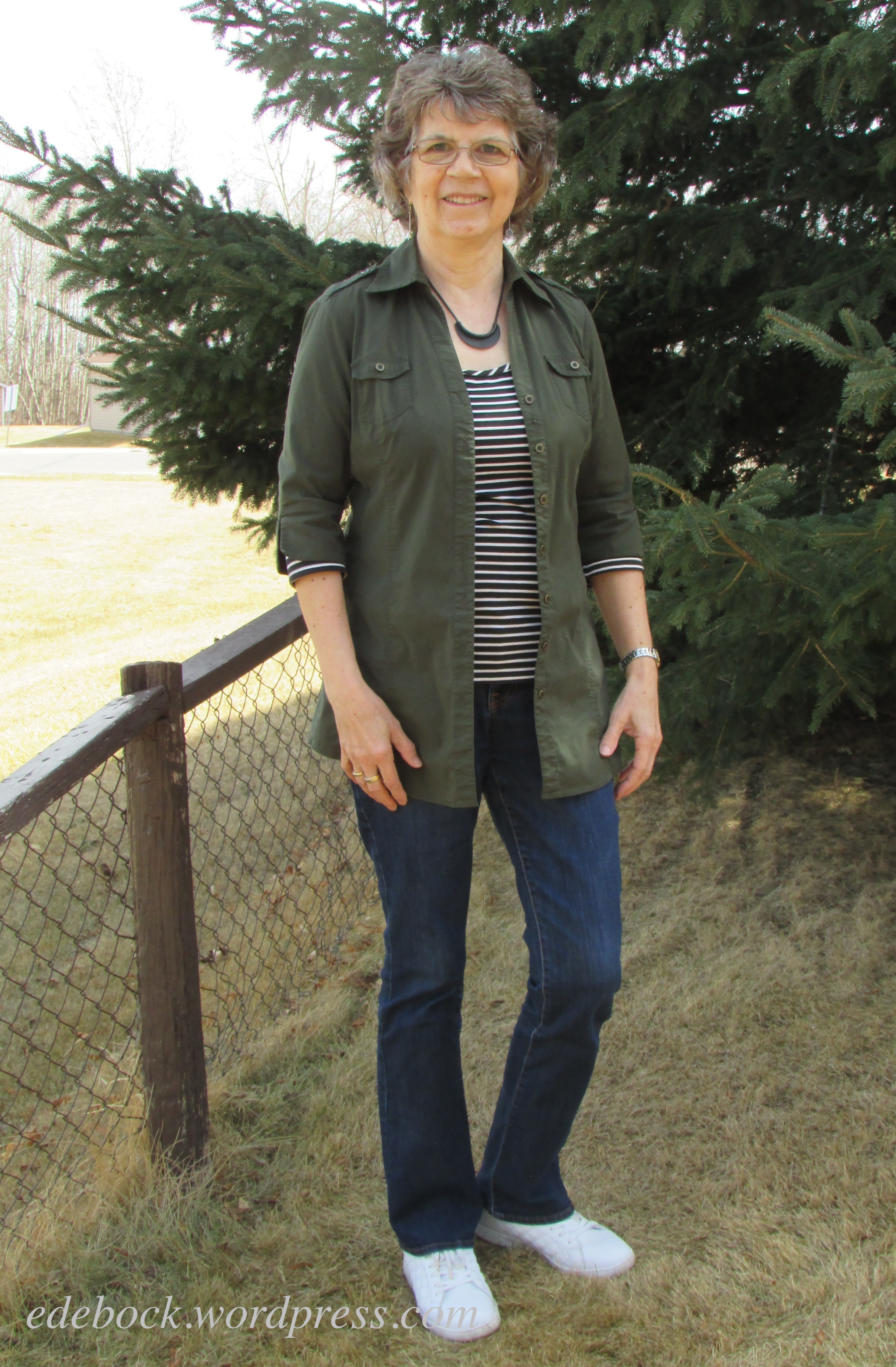
 Tomorrow is the 8th anniversary of the collapse of the eight-storey Rana Plaza building in Dhaka, Bangladesh that housed five garment factories. More than 1,100 workers lost their lives that day and thousands more were injured. It was, to date, the worst industrial incident to hit the garment industry. The disaster drew attention to the human cost behind the clothes we wear and also inspired more people to start thinking about the broader topic of sustainability in the fashion industry.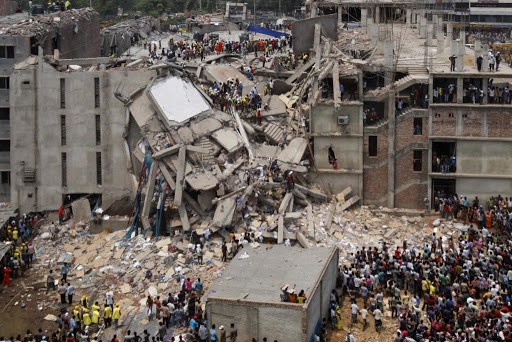




 Following Augustine