Debunking common cancer myths

Penn Medicine

Image: Penn Medicine

The post that I recently wrote about what not to say to someone with cancer clearly resonated with a lot of people. In fact, it rapidly became one of my most read posts of the past year.

As I thought about the things that people say and particularly the advice that is often given, I realized that much of it is the result of common myths and misconceptions that people have accepted as truth. As a result, I decided to write a companion piece to try to debunk some of those popular cancer myths.

The internet, and social media in particular, have been responsible for spreading vast amounts of dubious or misleading information as well as much that is entirely false, but cancer myths existed long before the advent of the internet. In the early 1980s, when our daughter was dying of leukemia, I was told by a well-intentioned gentleman that I simply needed to boil up some spruce needles and give her the resulting tea to drink and she would be fine! That may not be one of the more common myths, but it is the kind of miracle cure that cancer patients are routinely advised to try. According to this study from a few years ago, almost 40% of Americans believe cancer can be cured solely through alternative therapies.

So, without further ado, here are 12 popular beliefs about cancer that are not true.

Sugar feeds cancer and makes it grow faster.

All cells in the body, both healthy and cancerous, depend on glucose, a type of sugar, to function. There is, however, absolutely no scientific evidence showing that eating sugar will make cancer grow or spread more quickly or that cutting out sugar will slow its growth or prevent the disease. This is not to say that there is no connection between sugar and cancer. Consuming too much sugar causes weight gain and obesity does increase the risk of developing certain cancers.

Artificial sweeteners cause cancer. 

According to the National Cancer Institute, questions about artificial sweeteners and cancer arose when early studies showed that cyclamate in combination with saccharin caused bladder cancer in laboratory animals. Further studies, however, including one with more than half a million participants, found no evidence that artificial sweeteners increased the risk of cancer or posed any other threat to human health.

An acidic diet causes cancer and an alkaline diet cures cancer.

Although it’s true that cancer cells can’t live in a very alkaline environment, neither can any other cells in our body. While our blood may become slightly more acidic or alkaline after eating certain foods, it will not remain that way for any meaningful amount of time. Our kidneys ensure that our blood stays in its healthy, slightly alkaline range. If or when our blood becomes too acidic or too alkaline, our body automatically eliminates the excess through our urine. A healthy balanced diet, with lots of fruits and vegetables, plenty of whole grains, and healthy sources of protein, can help maintain a healthy body weight and reduce the risk of cancer, but there is no evidence to show that diet can significantly change our body’s pH, or that a diet of a certain pH has any impact on cancer.  

Cancer is a fungus and can be cured with baking soda. 

No, cancer is not a fungus! Scientists have proven that cancer begins when mutations within our own cells cause them to grow in an uncontrolled way. Oddly though, even if cancer were a fungal infection, baking soda (sodium bicarbonate) wouldn’t be an appropriate or recommended treatment. In fact, high doses of sodium bicarbonate are poisonous and can lead to very serious consequences.

Herbal medicines can cure cancer.

There is no evidence that herbal medicines can effectively treat or cure cancer, but certain complementary and alternative therapies, such as acupuncture, meditation, and yoga, are known to help with the psychological stress associated with cancer and some of the side effects of its treatment.

Plastic bottles and containers cause cancer. 

Reducing the use of plastics definitely has environmental benefits, but it will not affect your cancer risk. Drinking from plastic bottles (including those that contain BPA) and using plastic containers and bags to store food have not been proven to cause cancer. Although studies have shown that certain chemicals in plastics may end up in the things we consume, the levels are very low and within a range considered safe for humans. This is even true in experiments where plastics are heated for many hours at a time.

5G, wifi, cell phones and power lines cause cancer. 

Behind these myths, which I’ve lumped into one, is the misunderstanding that these emit radiation that can damage DNA and cause cancer. High energy radiation (often called ionising radiation), such as UV rays from the sun, do indeed release enough energy to damage DNA, but these technologies transmit radio frequency radiation (non-ionising), which is very weak in comparison. It doesn’t have enough energy to damage DNA or cause cancer. 5G, wifi, and mobile phones are still relatively new technologies so long term effects can’t be completely ruled out and research is still ongoing. At this point, however, several large-scale studies in people have been conducted and have found no clear evidence that these technologies cause cancer. Cell phone use has risen dramatically over the last few decades, with billions of people now using them around the world, and yet no significant rise in the rates of conditions such as brain, thyroid or salivary cancers has been observed.  

Microwaves cause cancer. 

Just like cell phones, microwaves emit non-ionising radiation that is too weak to damage DNA and cause cancer. Despite some common misconceptions, microwaves do not make your food radioactive and it’s safe to stand in front of the microwave oven while your food is heating.

Deodorants cause breast cancer.

This popular myth probably grew out of the fact that women are asked not to wear deodorants or antiperspirants when they go for mammograms. That’s because deodorants and antiperspirants contain aluminum which can mimic calcium on an X-ray or mammogram and interfere with the test results. Studies so far have found no evidence linking the chemicals typically found in antiperspirants and deodorants with changes in breast tissue or an increased risk of breast cancer.

Attitude affects cancer outcome. 

There is no scientific proof that a positive attitude gives you an advantage in cancer treatment or improves your chance of survival. It does, however, improve your quality of life during cancer treatment and beyond. People with a positive attitude are more likely to stay active and maintain social connections that provide the emotional support they need to cope with their cancer.

Cancer spreads when exposed to air during surgery or biopsy. 

There is absolutely no evidence that exposing a tumour to air causes it to grow more rapidly or to spread to other parts of the body. The chance of surgery causing cancer to spread is extremely remote and surgeons take many precautions to prevent this from happening. The reality is that many cancers are aggressive and will spread. This is because of the biology of the cancer, not because of a biopsy or surgery.

The cure for cancer already exists, but the pharmaceutical companies are keeping it secret.

First of all, cancer is really more than 200 different diseases. There is not, nor will there ever be, a one size fits all cure. In spite of this fact, the claim that a cure for cancer has actually been found and is being suppressed by pharmaceutical companies who make money off the disease is a popular one. Logic would say, however, that it would be in the best interest of those pharmaceutical companies to reveal such a cure if it actually existed because huge sales of the antidote would be sure to follow. It’s also important to remember that doctors, medical researchers, and the people who work for pharmaceutical companies also get cancer. Their loved ones get cancer. The idea that they would intentionally withhold a cure from their own loved ones is rather difficult to believe. Surely someone who is part of that nefarious plot would break and the secret would be out of the bag!

This is by no means an exhaustive list of all the cancer myths that are out there, but I’ve tried to address the most common ones. You many not agree with everything I’ve said, but please know that if you disagree, you will also be disagreeing with many of the primary cancer organizations around the world and the researchers that they support.

Why volunteer?

April 14-20, 2024 is National Volunteer Week in Canada, a time to recognize and celebrate the impact of the country’s 24 million volunteers who share their time, skills, empathy, and creativity for the well-being of others.
But why volunteer? What are the benefits of giving of your time and energy for the sake of others?

One positive result of volunteering is an increased sense of purpose and satisfaction. Studies actually show that volunteering triggers the mesolimbic system, the portion of the brain responsible for feelings of reward. The brain releases feel-good chemicals like dopamine, spurring a person on to perform more acts of kindness. Psychologists call this “helper’s high.”

For those of us who are retired, this aspect of volunteering can be especially beneficial. “A strong sense of purpose is always in my top five secrets of healthy aging,” says Scott Kaiser, MD, a board-certified geriatrician and director of geriatric cognitive health for the Pacific Neuroscience Institute. “Having a reason to get up in the morning is extremely powerful.”

Research presented at last year’s Alzheimer’s Association International Conference also found that volunteering later in life may protect the brain against cognitive decline and dementia. Those who volunteered demonstrated better memory and executive function. Volunteering can also be a social activity; an opportunity to build connections with other people who have similar interests.

In his later years, my father always said that there are no end of things to do as long as you don’t have to be paid for doing them and I have found that to be very true. My only problem is ensuring that I don’t overextend myself and take on more than I can reasonably handle.

But what if you haven’t volunteered before? How do you get started? First, think about your skills, abilities, and passions. What are you good at? What excites you? Next, look for opportunities that align with these things. These might be found in your church, in community organizations, or ever further afield. Sometimes it’s just a matter of taking that first step!

For example, teaching and writing are my gifts. These are the things that energize me. In the past, children’s ministries were an obvious area where my abilities could be put to good use. I taught Sunday School, counselled at summer camps, and assisted with after school programs and Vacation Bible Schools. While I still love kids, I don’t have the energy level that I once had, so working with adults has become a better fit. I lead a ladies Bible and also volunteer as a tutor with a local literacy program. As I’ve mentioned on the blog before, I’m also a volunteer editor for Kiva, an online lending program that crowdfunds loans to borrowers around the world who don’t have access to traditional financing. This has the advantage of being done online and while I’m committed to editing a minimum of 40 loan descriptions a month, I can do it whenever I choose.

Still not sure? Don’t be afraid to step outside your comfort zone and try something new. Several months ago, I volunteered to be part of a CNETS (Canadian Neuroendocrine Tumours Society) Advocacy Advisory Board, hence my recent trip to Montreal. We’re still in the learning and planning stages, so I don’t know exactly how my skills will be put to use, but as a NETS patient this is something that I’m passionate about, so I took a leap.

As my father said, there are no end of opportunities. Hospitals need volunteers to assist patients, their families, and staff. Food banks need volunteers to prepare and distribute food hampers. Drivers are needed to deliver meals to shut ins. Schools often welcome volunteers to help in a variety of ways. A volunteer even gave me directions at the airport last week!

NVWDigital Banner

What I packed for the conference

Logo by SamLast weekend, I had the privilege of attending and participating in a three day Canadian Neuroendocrine Tumour Society (CNETS) conference in Montreal. Prior to going, I thought a lot about what to pack. Retired for more than a decade, I no longer have a professional wardrobe and I certainly wasn’t going to go shopping for clothes that I likely wouldn’t use again. Since most of my wardrobe is what I would categorize as classy casual, I shopped my closet and carefully chose outfits for each day. Most, if not all of the clothes have appeared on the blog before.

1

I left my photographer at home, so I had to resort to taking selfies using the full length mirror that was tucked into the corner of my lovely room in the Fairmont Queen Elizabeth hotel in downtown Montreal. I clearly should have taken all the photos after dark when the lighting worked better for photography, but I’ve done my best to manipulate the remaining photos so that you can see what I wore.

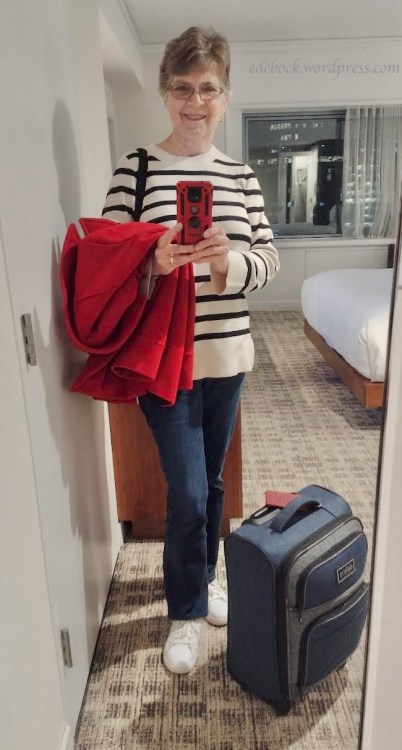
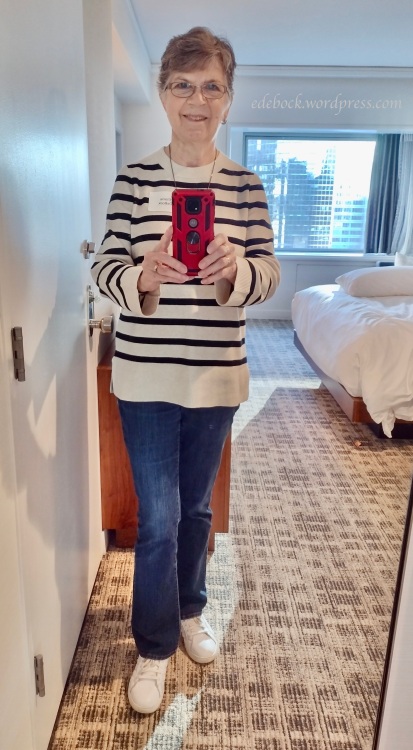
For traveling, I like to be warm and comfy, so I chose my new striped sweater, jeans, and a very comfortable pair of white sneakers. My plane was delayed for four hours by a nasty snowstorm, so it was cold, wet, and very blustery when I finally arrived in Montreal. My bright red Calvin Klein jacket served me well and while you can’t see it hidden behind my coat, I carried my favourite travel purse which is very lightweight and large enough to carry any extras that I might need while traveling or exploring.

IMG_20240405_170913854

Day 1 was a learning and working day for a small group of us from across the country who are part of a newly formed CNETS Advocacy Advisory Board. While we had already met online several times, this was our first face to face get together.

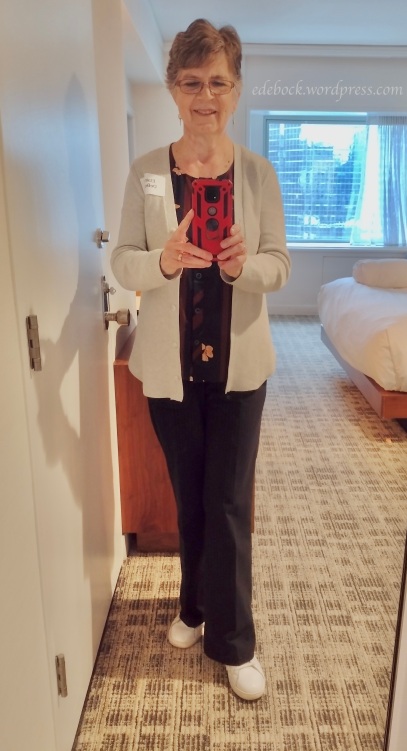
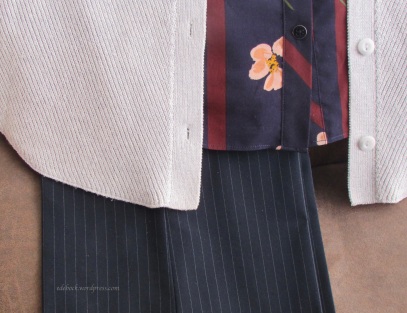
The colours in the photo above are particularly bad, so I recreated my outfit below to give you a better look. I wore a semi dressy pair of navy pinstriped pants, one of the few items in my wardrobe that are left over from my teaching days. Now that wide legs are on trend again, they’re back in style! A sleeveless cabi top and a cardigan, also from cabi, completed the outfit. I was especially glad that I’d chosen to wear the cardigan, a workhorse in my wardrobe, as our meeting room was quite chilly, especially first thing in the morning. I’m also glad that sneakers go with anything these days!

IMG_6805

Day 2 was a medical and scientific meeting. With the exception of those of us on the advocacy board who were asked to attend, this was a day for medical professionals who care for neuroendocrine patients. It took place last Saturday, so I wondered if the participants would dress professionally or, since it was a day off for them, would they dress more casually? Not having an answer to this question in advance, I wondered how I should dress.

IMG_20240406_080610918

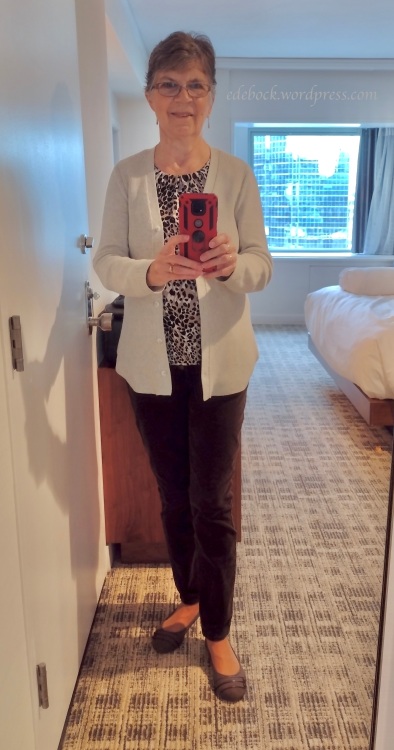
Again, limited by what’s in my closet as well as my desire to be comfortable while sitting for many hours trying to absorb the information that was being presented, I chose carefully. I wore dark brown corduroy pants, the sleeveless animal print top that I recently featured here, and the same cardigan as the day before. As you can see, I did fit a second pair of shoes into my tiny suitcase. While most of the participants were dressed quite professionally, I didn’t feel out of place in this outfit.

Day 3 was a national patient conference available both in-person and online. For that day, I simply added a necklace to my travel outfit. It’s mostly hidden behind my phone in the photo!

IMG_20240407_075640862_HDR 2

In addition to what I’ve shown you here, another important item in my suitcase was my swimsuit. I seldom travel without one. After long days soaking up information about everything from how treatments and medications are approved and why it takes so long for them to go from being developed to becoming accessible to patients to disparities in cancer care to new developments in research to NET cancer pathology and treatment, my brain was on overload and I much appreciated the opportunity to unwind in the hotel hot tub and sauna on two of the evenings while I was there.

I would definitely give myself a high mark for packing on this trip. Everything I needed fit easily into my teeny tiny carry-on and I felt completely at ease in everything I wore. Definitely a win!

Old Montreal and the solar eclipse

The conference that I attended in Montreal last weekend ended late Sunday afternoon. Realizing that making it to the airport in time for a return flight to Edmonton that evening would be tight, another Alberta patient and I arranged to stay over and fly home the following evening. That gave us most of Monday to do some sightseeing.

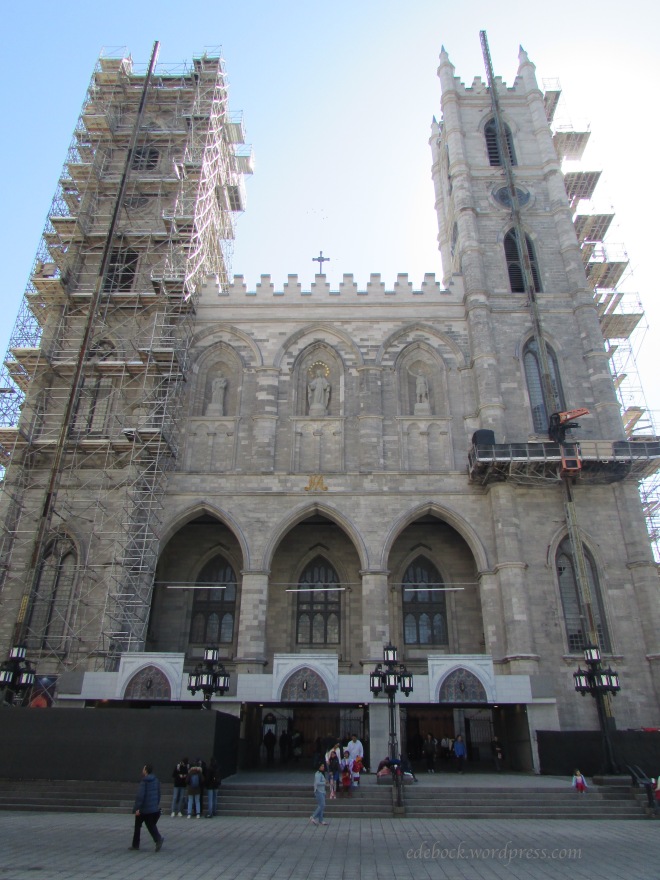
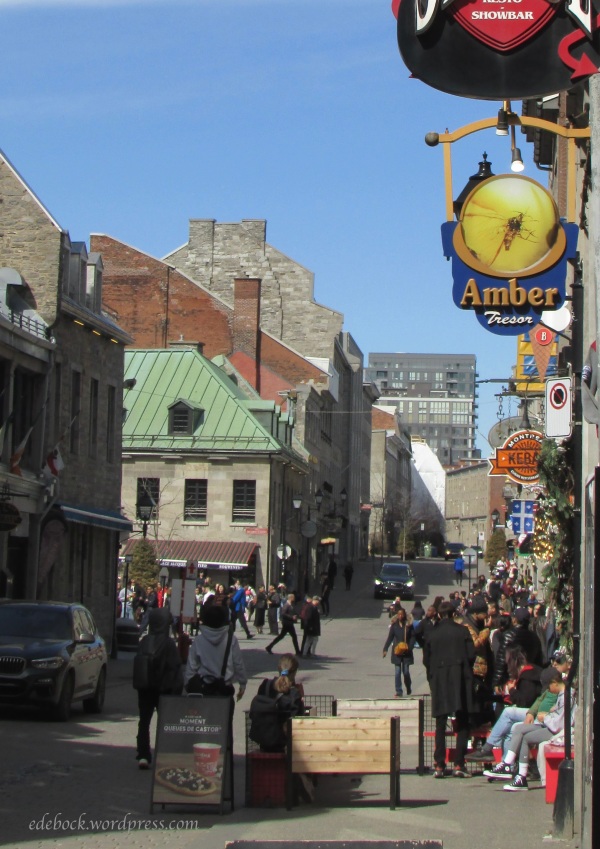
The last time I was in Montreal was over 20 years ago, but Amber had never been and I knew right away that I wanted to show her Old Montreal. Our first stop would be the majestic Notre-Dame Basilica which was built between 1824 and 1829. Since it was located just 1.5 km from our hotel and the weather was gorgeous, we set off on foot. 

IMG_6755

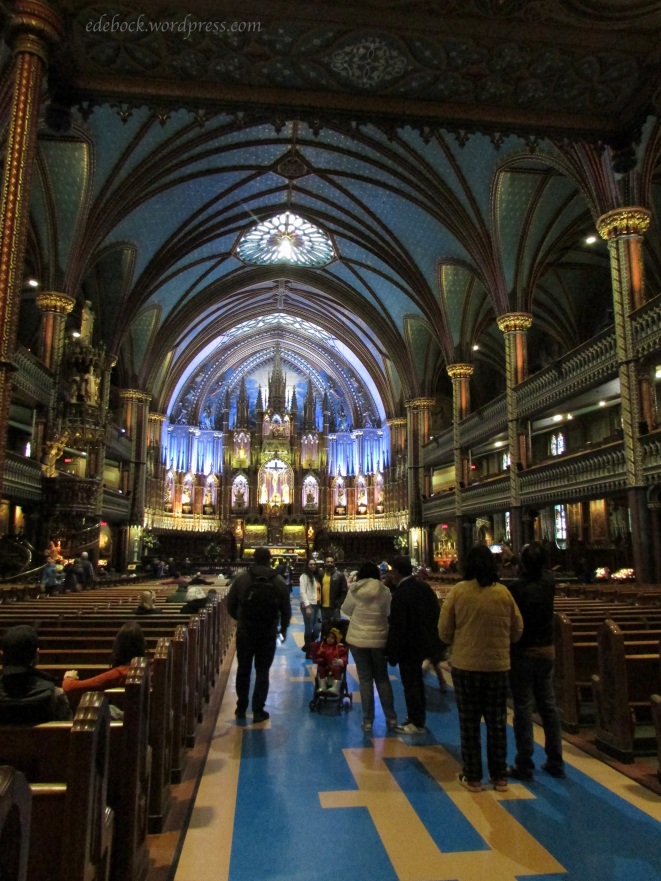
The exterior of the church is undergoing major restoration that isn’t expected to be finished until approximately 2040, but the interior is truly a sight to behold. I think a person could take 100 photos and not even begin to capture every detail! Here is just a taste of what we saw. 

IMG_6759

IMG_6763

IMG_6764

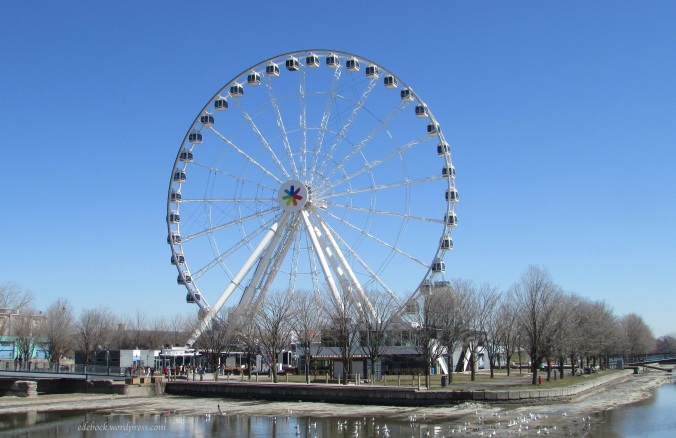
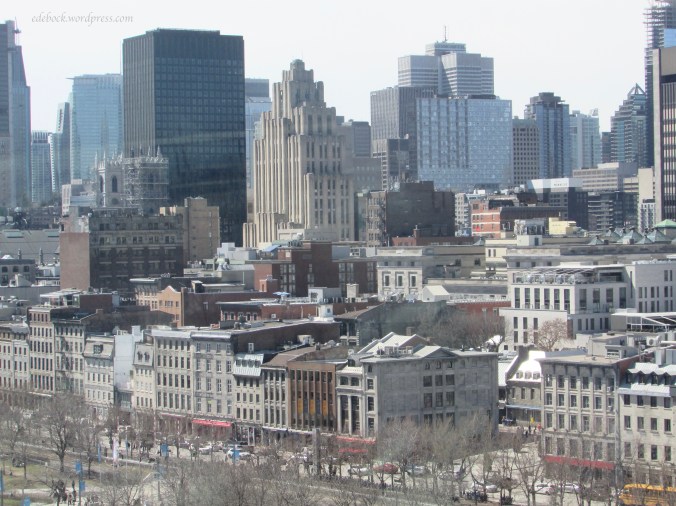
Our next destination was the Old Port and La Grande Roue de Montreal, a 60 metre high ferris wheel, the tallest of its kind in Canada. We knew that the sky was going to darken later in the day due to the highly anticipated solar eclipse, so we wanted to ride the ferris wheel early and enjoy the views of Old Montreal and beyond in full daylight.  

IMG_6771

IMG_6776

IMG_6778

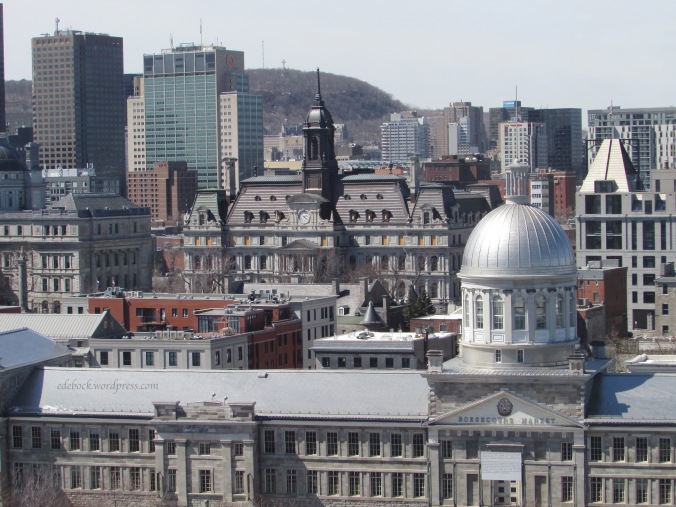
In the next photo, you can see Bonsecours Market in the foreground and Mont Royal with its 33 metre high cross overlooking the city in the background. After our ride, we wandered through the many boutiques in Bonsecours Market. 

IMG_6777

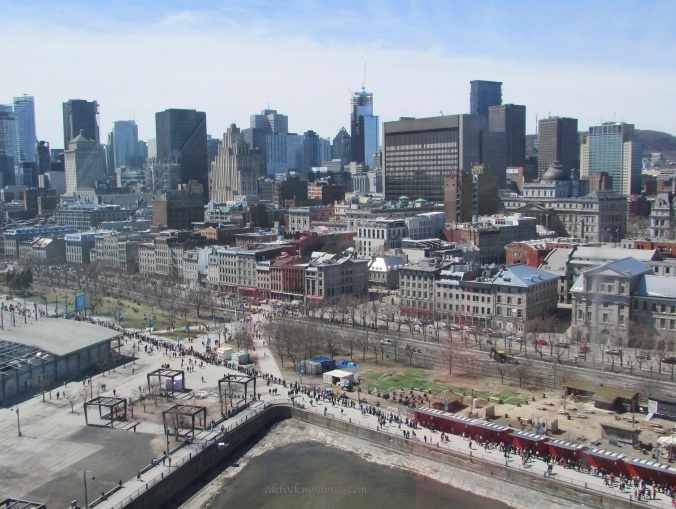
If you look closely at the following photo, you will see a long lineup of people stretching the entire width of the photo. That’s just a fraction of the crowd who were lined up to get solar eclipse glasses that were being given away free! Thankfully, there was no line up waiting to ride the ferris wheel. Each gondola can carry up to 8 people, but we had one to ourselves!  

IMG_6774

Before going to Montreal, even though I knew that the city was in the path of the total eclipse, I had little interest in actually seeing it. In fact, I had thought that we might just sit it out in a coffee shop somewhere, but Amber was having no part of that! She was determined that we see it and, in retrospect, I’m so glad she was. There was, however, no way that we were going to waste our limited time in Montreal standing in that endless line to get the necessary glasses. On our way to the ferris wheel we had stopped into a couple of shops to see if we could buy some, but those that had had them were completely sold out. Then, just as we approached the area where people were lining up to get the free glasses, we encountered a young man selling them for $5 apiece! Perfect!

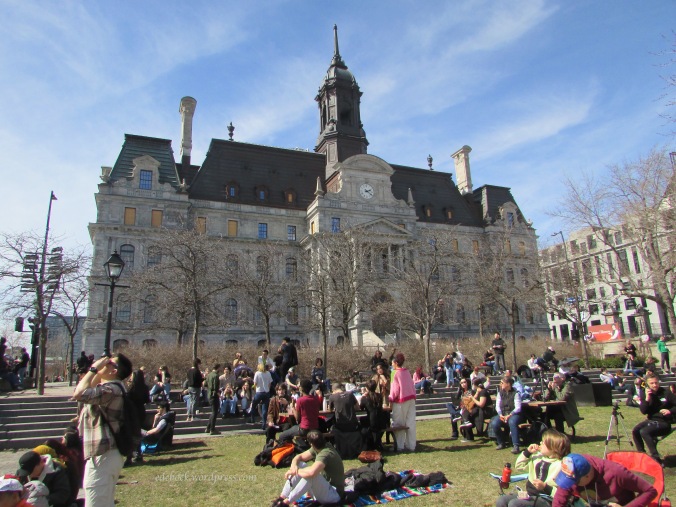
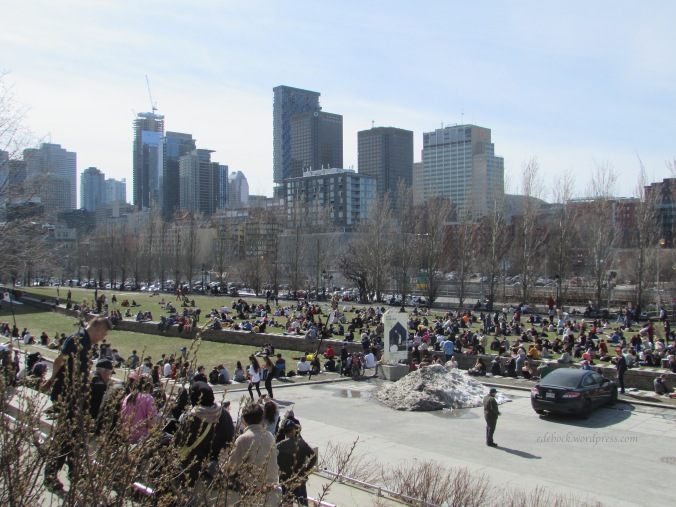
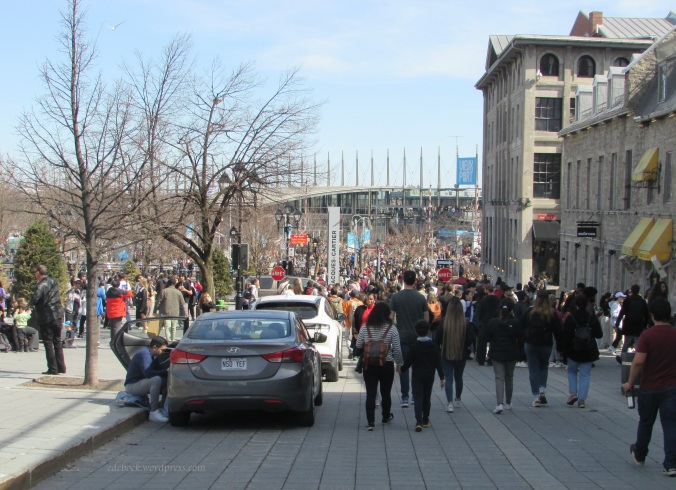
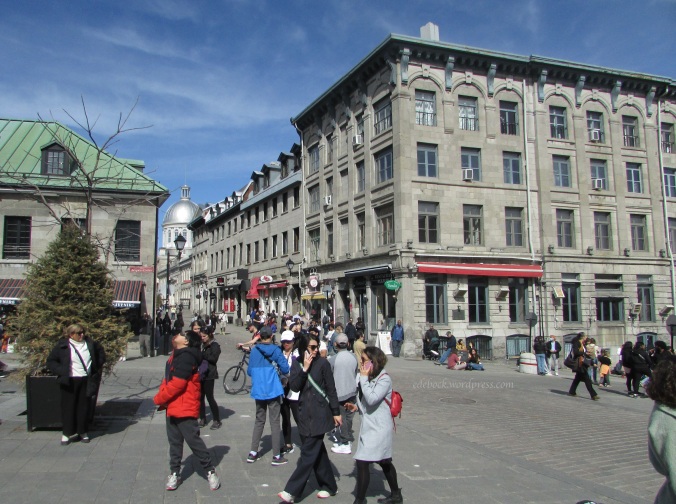
After stopping for lunch in a lovely little Italian restaurant housed in a building where Charles Dickens apparently wrote notes for A Tale of Two Cities while visiting Montreal in 1842, we wandered the streets of Old Montreal and began taking glimpses through our eclipse glasses as the moon began to block the sun and the light started to fade. Crowds of people were gathering everywhere! 

IMG_6783

IMG_6786

IMG_6792

IMG_6793

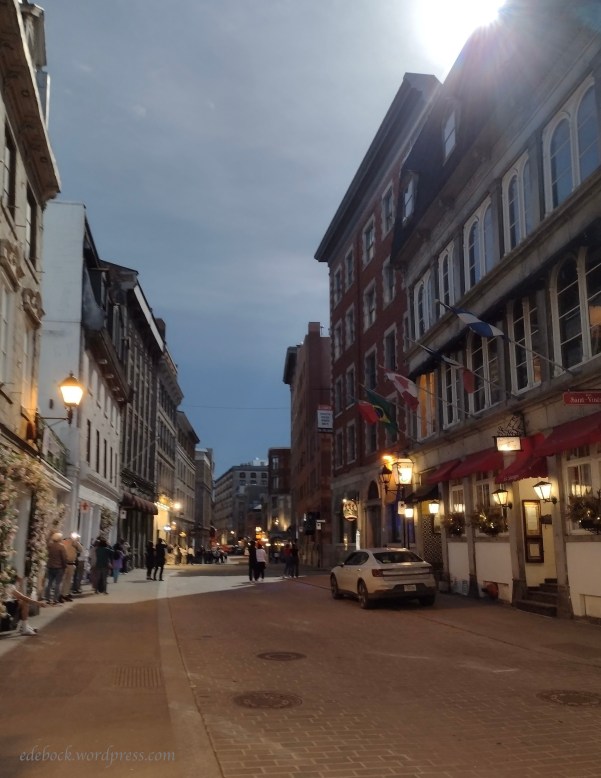
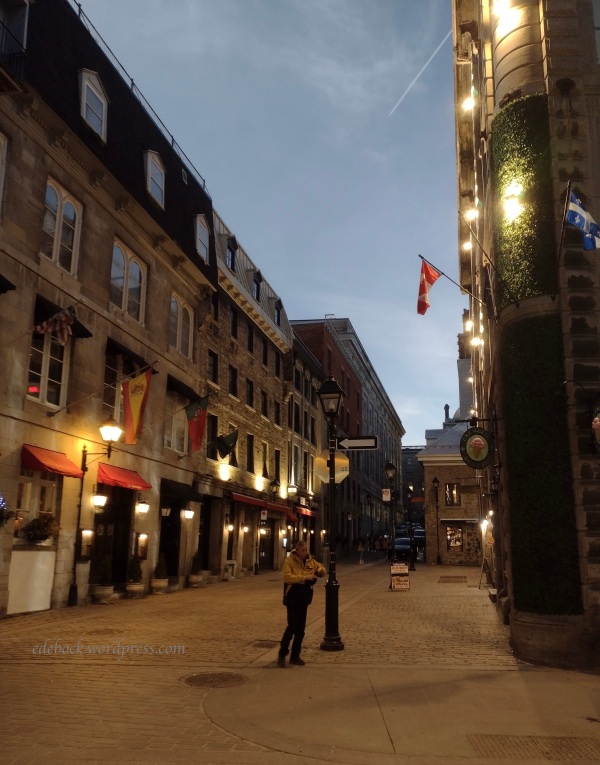
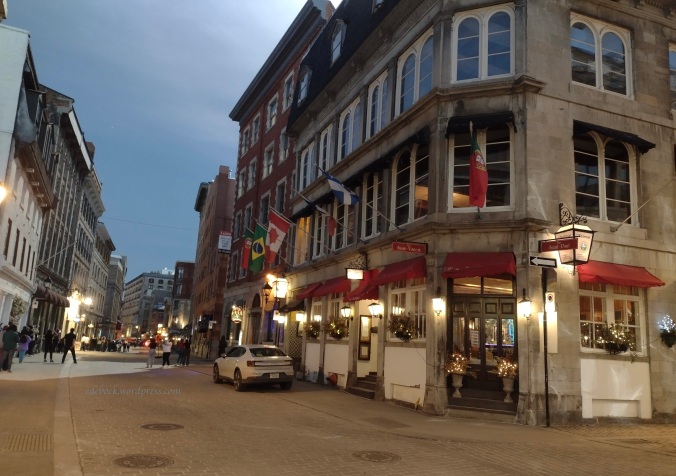
We were on cobblestoned Rue Saint-Paul, the oldest street in Montreal, as the clock approached 3:26 pm, the time of the total eclipse. 

IMG_6797

Though the light was odd, with less than 10 minutes to go, it really didn’t look like it was going to get completely dark. Then, within minutes, the sky darkened and the streetlights came on! 

IMG_20240408_152604659

IMG_20240408_152610679

IMG_20240408_152617034

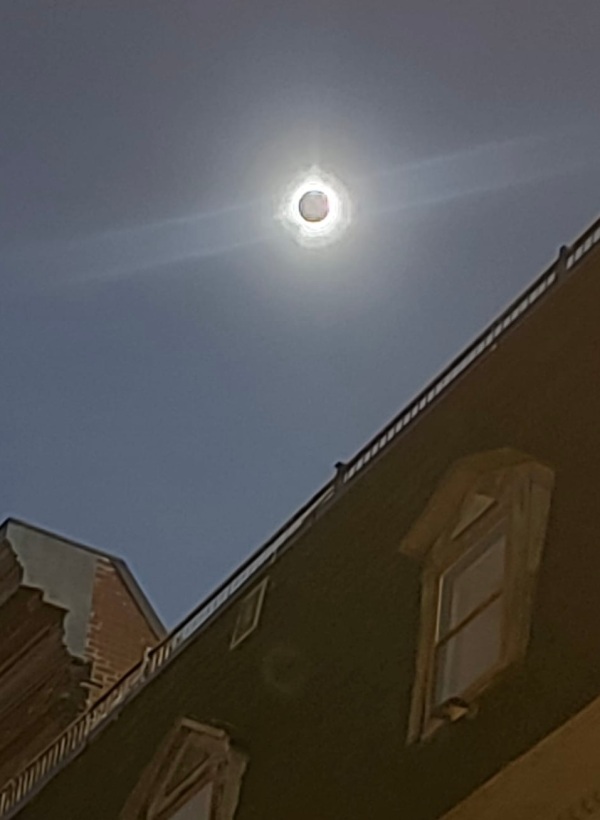
When the moment arrived, the moon covered the sun completely and for a very short time, we could look at the halo with the naked eye. A cheer erupted from the many thousands of people gathered throughout the area! We tried to get pictures, but the best we could do was this one that Amber took on her phone. 

WhatsApp Image 2024-04-08 at 16.44.00

In less than two minutes, the excitement was over. The sun began to emerge again and the sky became light very quickly. Amber and I made our way back toward our hotel where we picked up our luggage and caught a taxi to the airport. We had walked 8 km, had a once in a lifetime experience, and made some amazing memories! 

Downtown Montreal

I’m back from a whirlwind trip to Montreal where I attended a three day Canadian Neuroendocrine Tumour Society (CNETS) conference. More about that in Friday’s post, but today I want to share a bit of that beautiful city with you. 

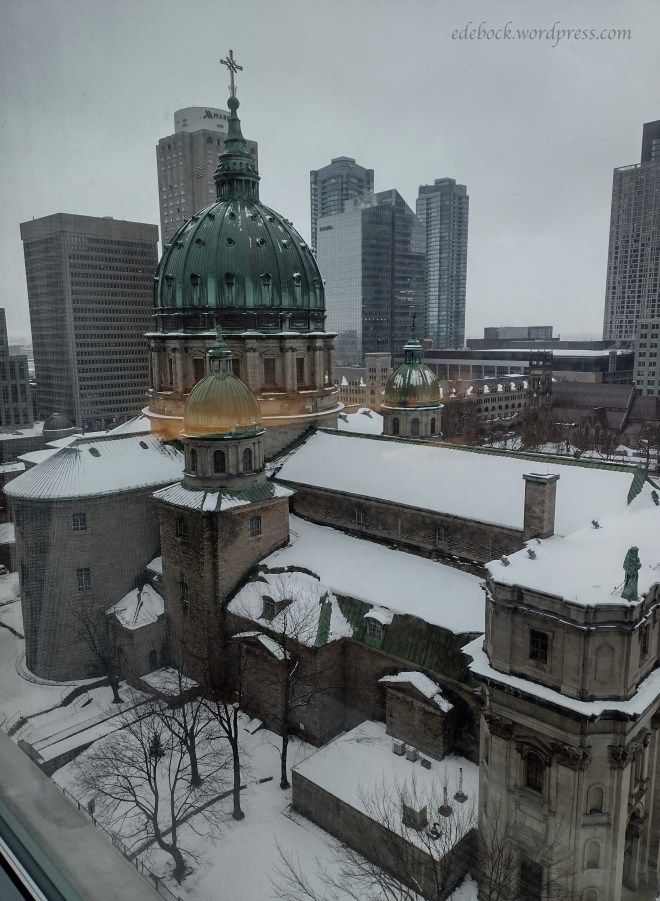
After my plane was delayed for four hours by a major snowstorm, I finally arrived late in the evening and checked into the downtown Fairmont Queen Elizabeth Hotel where the conference was being held. Entering my hotel room, I was awestruck by the view from my window overlooking the ornate Basilique Marie-Reine-du-Monde (Mary Queen of the World Basilica), a smaller replica of St. Peter’s Basilica in Vatican City. 

IMG_20240405_073719691_HDR

The following pictures of the basilica were taken on one of my walks after the weather cleared. 

IMG_6721 2

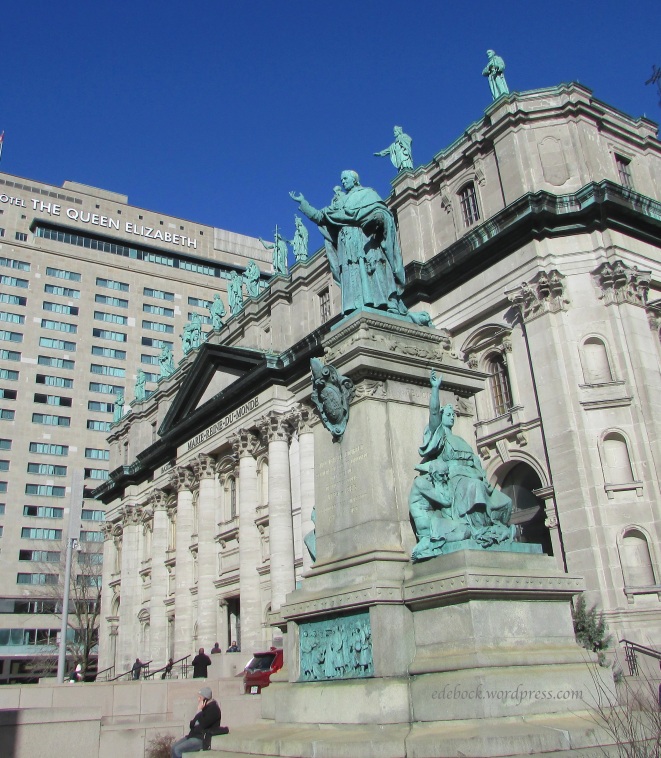
While the statues on the facade of St. Peter’s depict the twelve apostles, at Mary Queen of the World thirteen statues represent the patron saints of the parishes that form the diocese of Montreal.  Carved of wood and clad with copper, each statue is 9 feet tall. They were completed between October 1892 and October 1900 by Quebec native, Joseph Olindo-Gratton.

I was thankful to able to slip inside the basilica for a quick photo of the interior. 

IMG_6723

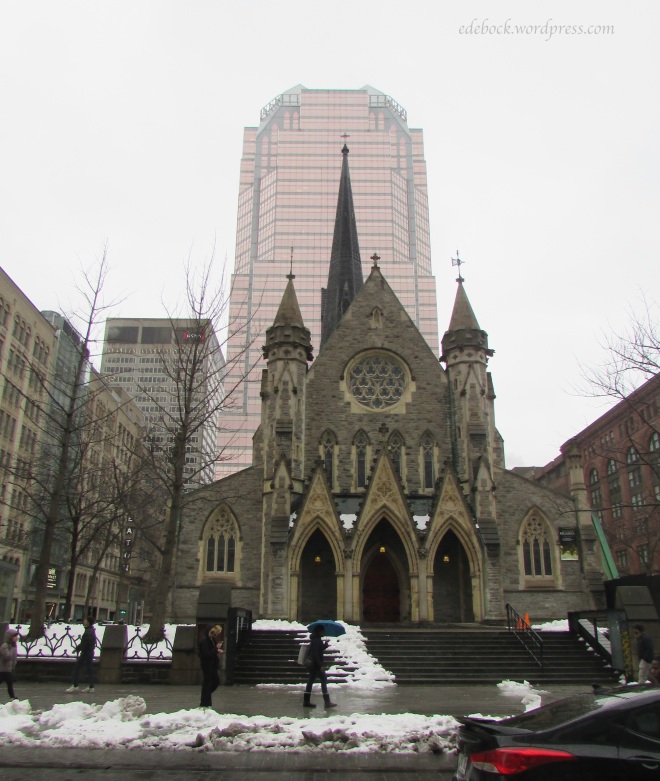
Downtown Montreal is home to many old stone churches. This one is Christ Church Cathedral and has been designated a National Historic Site of Canada.

IMG_6697

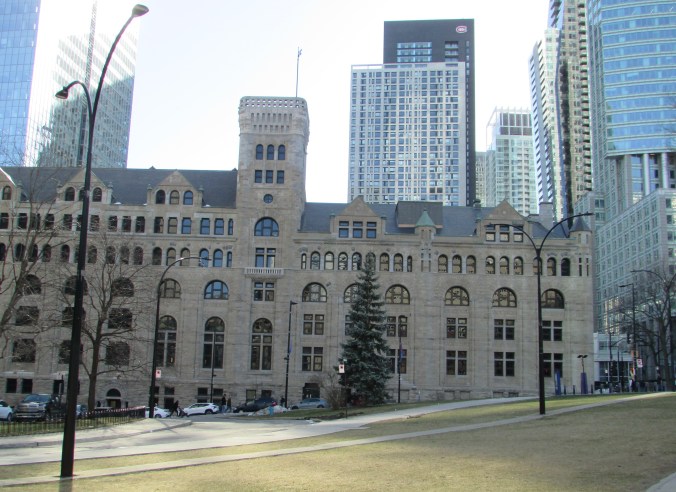
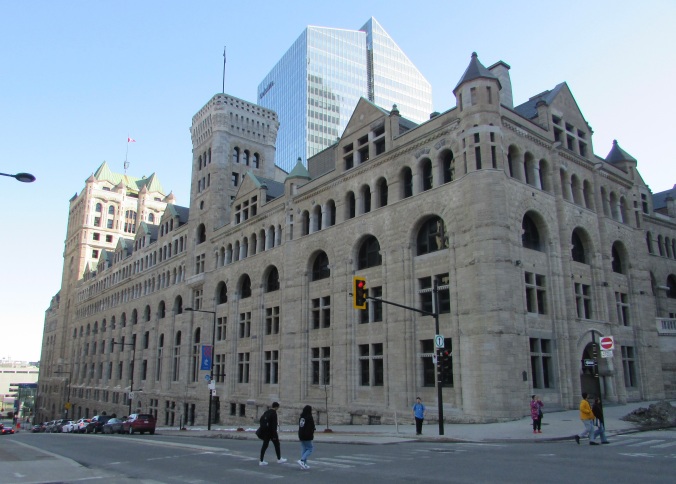
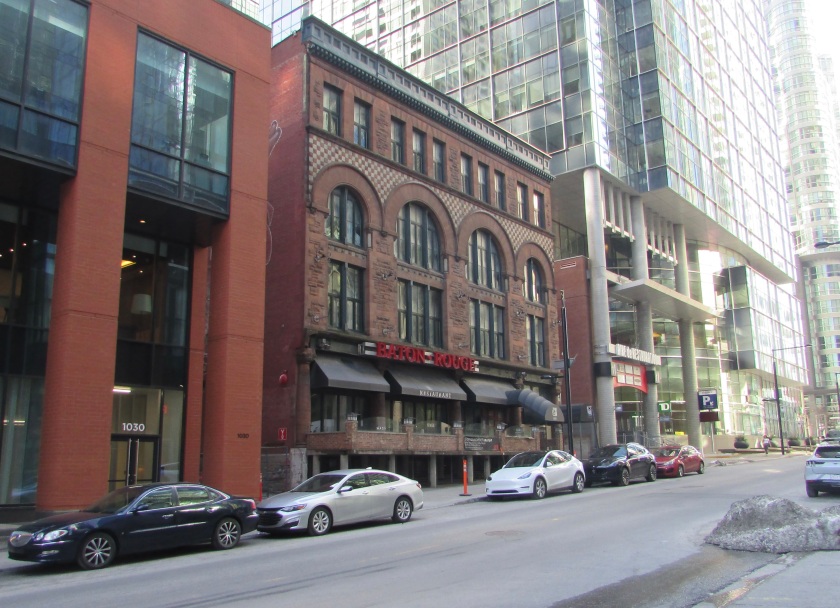
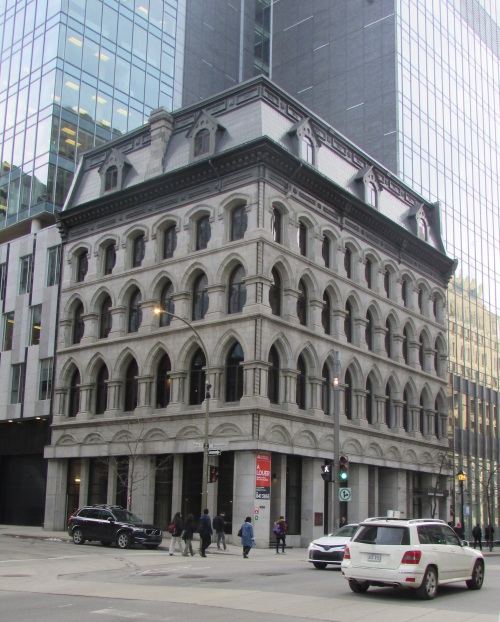
As always, I love the juxtaposition of old architecture and new. Here are a few other structures that caught my eye as I walked. The first is Windsor Station. Formerly the city’s Canadian Pacific Railway station and headquarters of the CPR from 1889 to 1996, it has been redeveloped into an office complex that also houses some restaurants and cafés. I can’t tell you anything about the others. 

IMG_6714

IMG_6708

IMG_6712

IMG_6716

IMG_6804

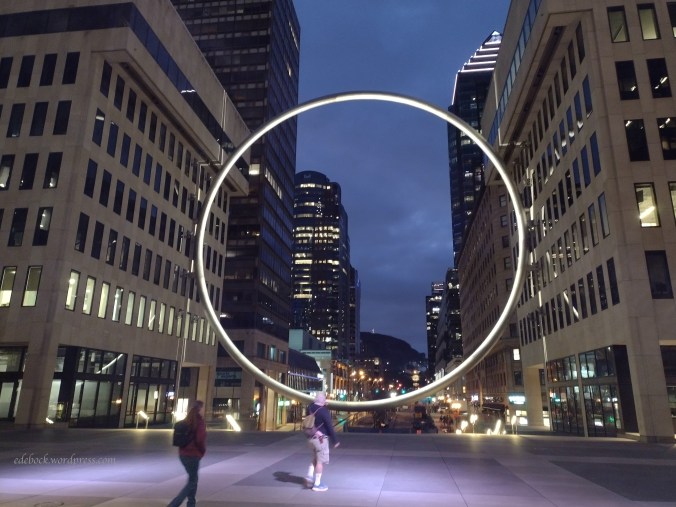
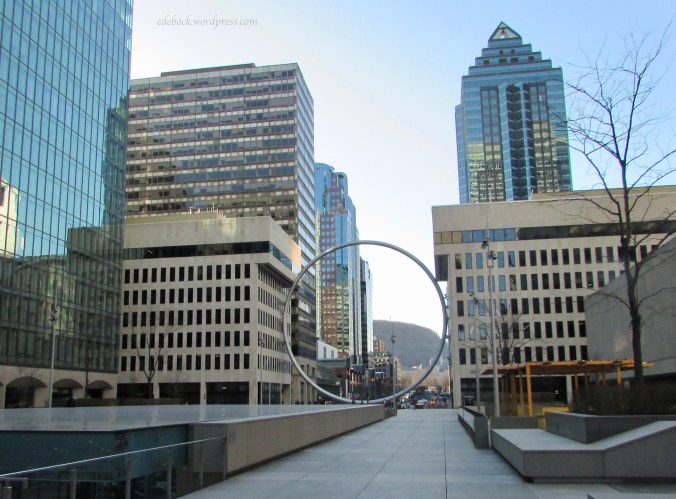
Though there is no end of old architecture to enjoy in Montreal’s downtown area, there’s also something new to see. Suspended between two buildings, 30 metres in diameter and weighing some 23,000 kilograms, The Ring hovers over the staircase of Place Ville Marie’s Esplanade directly across Rene Levesque Boulevard from the Queen Elizabeth Hotel. Installed in June 2022, The Ring serves as a window to more than 200 years of history, establishing a direct line of view from the hotel and Place Ville Marie to McGill University, the former Royal Victoria Hospital, and the illuminated cross on Mount Royal.

IMG_6744

IMG_20240406_195749629

More stripes for spring

Logo by SamWhen I was young, we were told that wearing horizontal stripes would make us look fat, while vertical stripes would make us look taller and thinner. It turns out that that fashion advice was totally wrong. According the the Helmholtz illusion, horizontal stripes won’t make you look fatter. In fact, they may even make you look thinner!

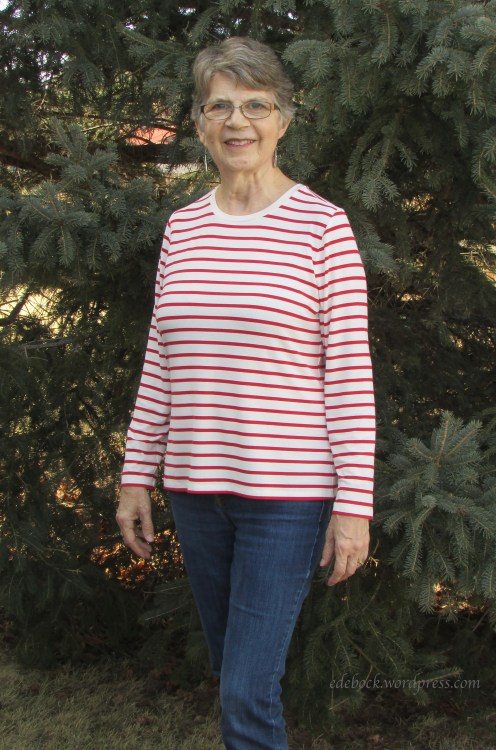
Regardless of whether they make me look fatter or thinner, I have always liked horizontal stripes. While I specifically went into Reitmans looking for the sweater that I showed you last week, this top was on sale and I decided to buy it too.

IMG_6683

I was intrigued by the stretchy ribbed knit fabric. Very soft and lightweight, it’s made of “EcoCozy” biodegradable fibres which are apparently made from certified sustainable wood pulp from sustainably-managed and renewable plantations. I think it will be especially good for this transition season. Our days are not truly warm yet, but no longer freezing cold. I probably could have gone down one size, but I wanted it to be body skimming as opposed to clingy.

IMG_6664

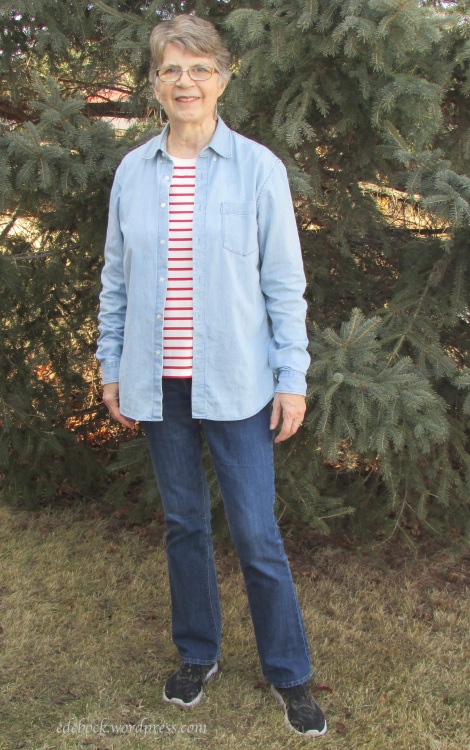
The pop of red is a nice addition to my wardrobe and the very light cream looks much better on me than pure white would. The top can easily be dressed up or down depending on what I choose as a third piece. Here I’m wearing it under my faded denim shirt from Uniqlo, but it could also be worn with a jean jacket, a dressier sweater or a blazer. 

It sure was nice to be able to take this week’s photos outdoors even if there were still patches of snow lying around!

What not to say to someone with cancer

freepik dot com

Image: freepik.com

While most people mean well, knowing what to say to a cancer patient can be challenging and as a result, many people say things that are are far from helpful. As you know, I have chosen to be very transparent about my experience and how I’m doing. For the most part, people have been supportive and I appreciate that greatly, but I’ve also been taken aback by some of the things that have been said. So, from the perspective of someone who has been dealing with the disease for over a decade, here are 12 things not to say to someone with cancer. 

I know how you feel. 

No you don’t! Even if you have or have had cancer yourself, everyone experiences the journey uniquely. As similar as your story might be, how you felt might be completely different from how the person you’re speaking with feels. 

My aunt / grandmother / next door neighbour’s cousin had cancer and they… 

There are more than 200 different kinds of cancer and even two people with the same kind may experience it and its treatment entirely differently. 

My friend / family member died of cancer. 

It is never a good idea to remind someone who is battling cancer that people die of the disease. We already know that! We all know someone who died of cancer. We don’t need to be reminded of our mortality. 

Do they know what caused it?

Saying this seems to imply that the person might have an underlying genetic flaw or worse, that unhealthy lifestyle choices might have led to their diagnosis. Many of us have no known risk factors or family history that would explain our cancers and introducing feelings of doubt or guilt are not helpful! 

You should try [insert an alternative therapy here]. 

This is one of my pet peeves! It is never okay to suggest that a patient might not be getting the best care possible or that you, an armchair expert, know better than the professionals in the field of cancer care. The rule of thumb here should be, don’t give any advice unless you’re asked for it. 

You should eat more / stop eating …

This is another one that really irks me. I’ve been given so much, and sometimes even conflicting, dietary advice by well-meaning people that I could probably write an entire blog post about it, but I won’t. Good nutrition is important during cancer treatment, but there is absolutely no scientific evidence that certain foods or specific diets can cure cancer. 

Big pharma is blocking or withholding new cancer treatments.

This is one of many common myths or misconceptions about cancer treatment that should be stopped in its tracks. Unfortunately, scientific studies and clinical trials to determine the safety and effectiveness of new cancer treatments take time. That may create the appearance or lead to reports that effective new treatments are being blocked, but that simply isn’t the case. No one is hiding the cure to cancer or withholding help from those who need it. 

A positive attitude is all you need to beat cancer.

There is absolutely no scientific proof that a positive attitude gives you an advantage in cancer treatment or improves your chance of survival. It does, however, improve your quality of life during cancer treatment and beyond. I can definitely attest to that, but it’s also a reality that no one can stay positive all the time. Everyone will have down days.  

You don’t look sick. It must not be that bad.  or  You don’t look like you have cancer.  

Outward appearance isn’t always indicative of how serious a person’s cancer is. I may look good on the outside, but you can’t see the mess that my insides are in! 

You’re so brave.

No, I’m not! Courage is choosing to willingly confront agony, pain, danger, uncertainty, or intimidation. Those of us with cancer didn’t have any choice in this. We are simply dealing with what was dealt us and trying to make the best of a bad situation. 

God won’t give you more than you can handle.

Oh, yes he will! Nowhere in scripture does it say that God won’t give us more than we can handle. In fact, it says that there will always be suffering, trials, temptations, pain, and situations that we won’t be able to handle on our own. It also promises that He will be with us through those times. We aren’t meant to handle them on our own; we’re meant to depend on Him. 

Let me know if there’s anything I can do. 

While this sounds great, it’s too vague. Instead, offer something more specific. Ask if they need a ride to appointments or if some freezer meals would be helpful after a treatment or surgery. If they have children, offer to provide childcare while they receive medical care or just take a much needed break. When you make a specific offer, the person can say yes or no, and they are also more likely to ask for help when they actually need it. 

Several of these tips would also apply to other serious illnesses as well as to loss. Sometimes it’s better not to say anything at all than it is to say the wrong thing. In fact, your presence is often what’s needed most. Simply be there; be willing to listen if the person wants to talk, but understand if they don’t. Even those of us who are very open about what we’re going through want to be seen as more than just a person with cancer, so talk to us about the same things you’d talk to anyone else about. 

Book of the month – March 2024

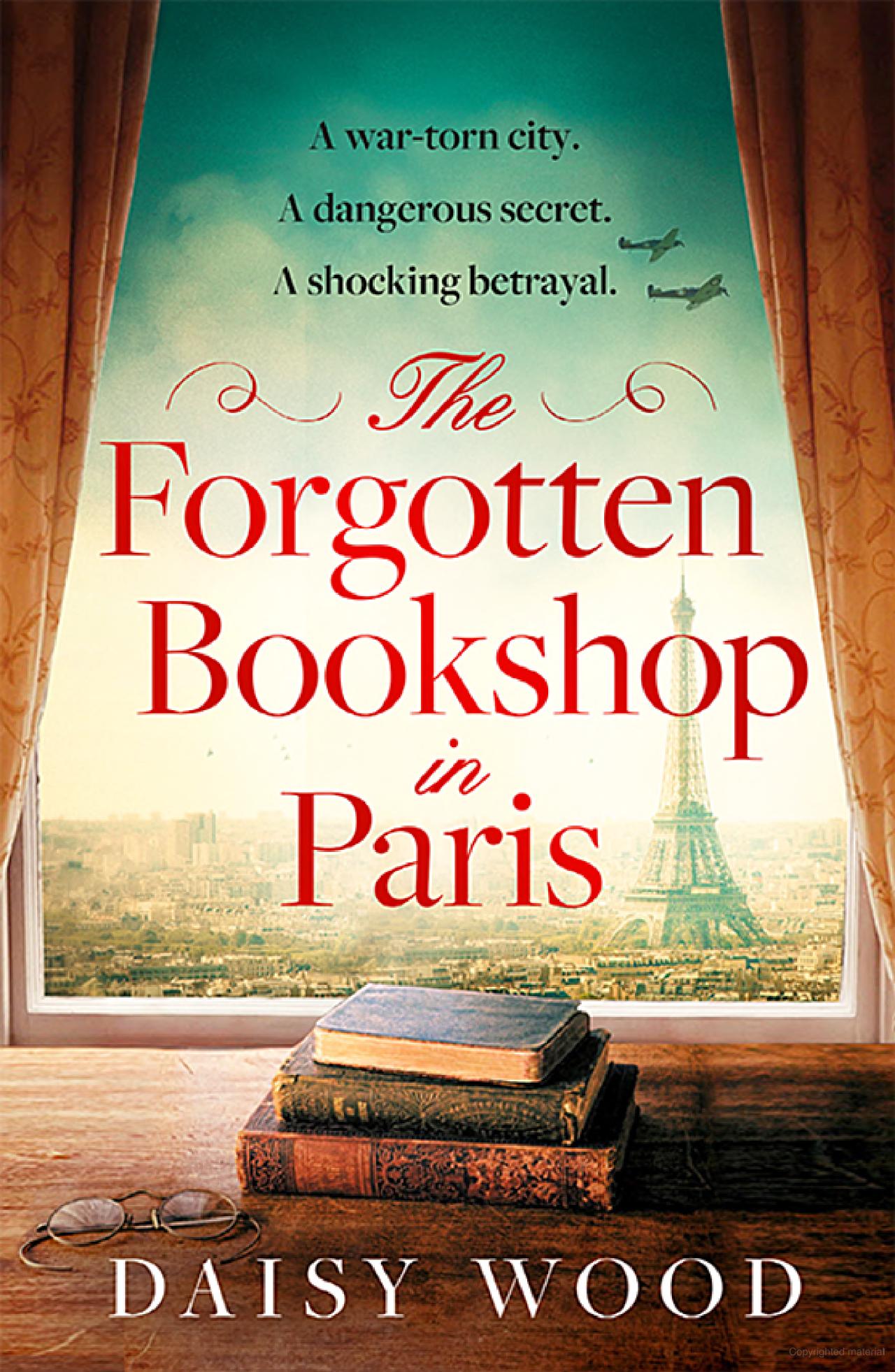
The Forgotten Bookshop in Paris

Daisy Wood

contentUntil the end, when the two finally come together, this is really two completely different storylines connected only by a specific location.

In 1940, war is closing in on the city of Paris. When the Germans take over the city, Jacques and Mathilde have only been married for a short time. Itching to resist in whatever way she can, Mathilde soon puts herself at risk and must flee to safety in the south of France while Jacques stays behind and continues to operate his beloved bookstore, La Page Cachée. Hiding first banned books, and then people seeking refuge and a way to escape the city, in a hidden storeroom in his shop, Jacques too becomes involved in the resistance.

In 2022, Juliette, whose deceased grandmother was born in Paris, and her husband, Kevin, take a long awaited trip to the city of love. Armed only with a photograph of a painting that used to hang in her grandmother’s house in America, Juliette searches for and locates the small city square depicted in the painting. Discovering that her husband has been having an affair, she decides to stay behind in Paris and forge a new life for herself. There she finds passion and purpose in purchasing a small abandoned bookstore on the square that appeared in her grandmother’s painting, renovating it, and opening The Forgotten Bookshop.

I loved this book! Partially, perhaps, because I’ve always thought that if I was ever to open a business, it would be a bookstore, but also because I became completely engrossed in both storylines. Each time the book switched from past to present or vice versa, I was almost disappointed because I was so captivated by whichever story I was reading at the moment! Both heartwarming and heartbreaking, the well-researched wartime story with its very believable characters could easily stand alone. The modern story was a little more cliched, but until the very end, it kept me wondering how the two storylines would come together.

Daisy Wood has written several works of historical fiction for children and this is her second adult novel. As soon as I finished it, I ordered her first, The Clockmaker’s Wife, from the library. While The Forgotten Bookshop in Paris is my favourite of the two, I enjoyed that one too.

Stripes for spring

First of all, a very big thank you for all your kind responses to last Friday’s post on here, on Facebook, and on Pam Lutrell’s blog, Over 50 Feeling 40. I especially appreciate those who promised to pray for me! The medical oncology team discussed my case earlier this week and I now have an appointment on April 17 with a doctor that I haven’t met before to discuss their recommendations and make decisions about further treatment. I will keep you posted.

And now, on to fashion!

LogoStripes are a forever classic that never really go out of style, but they’re everywhere this season. Horizontal, vertical, pin stripe; on shirts, dresses, sweaters, pants, and even accessories, stripes are the print of the season. Bold, high-visibility stripes, often in eye-catching colours, are especially on trend.

IMG_6653 2

Ads for this long-sleeve crew-neck sweater from Reitmans kept popping up on my Facebook feed, but I seldom shop for clothes online. I prefer to see things in person, feel the fabric, and try things on. I also like to support brick and mortar stores that provide employment and I detest the fact that more than 25% of all returns end up in the garbage! The ads caught my attention though and I was tempted, but I waited until we went into the city for my recent treatment and shopped in person instead. I’m glad I did as the sweater fits a bit large and I probably would have ordered the wrong size.

(Please ignore my hair in the photos! I’m way overdue for a cut, but my hairdresser has been sick.)

IMG_6656

I love the relaxed fit, the length, and the soft, cozy knit. While the sweater is also available in a true white, Reitmans calls the light oatmeal colour of mine Heather Latte, an off-white that works well with my complexion. Here, I’m wearing the sweater with jeans, but it would pair well with leggings and I’ve also worn it with black pants for a dressier look.

I also came home with a second striped top, but I’ll save that one for another post, maybe next week.

Clothe me in peace, hope, and inner strength

This will not be a fashion post in the traditional sense. I won’t be showing you an outfit today or giving any style advice. I’ve held off on writing an update about my health since undergoing the TheraSphere treatment on my liver on March 11 because I needed time to wrestle with what’s been happening. Time to figure out how to “wear” the latest news.

The treatment itself went very well. I was in and out of the hospital in approximately eight hours and walked away feeling pretty good. A CT scan following the treatment showed that the vast majority of the radioactive microspheres that were injected during the treatment had been deposited on target at the site of the largest tumour on my liver while a minimal amount had reached a second smaller tumour and surrounding tissue. This was exactly what was hoped for. 

Had that been all that the scan showed, I would have weathered the post treatment fatigue and mild nausea with ease, but unfortunately, it also showed a nodule elsewhere in my abdomen that has grown significantly since a previous scan five months ago. That raises concerns that the cancer has spread. Knowing the importance of being proactive and advocating for myself, I contacted my specialist’s office as soon as I read the scan report and was able to have a phone consult with her earlier this week. She is going to refer my case to the medical oncology team asking them to review my file and make recommendations. 

So how do I deal with all of this? 

I feel a bit like I did at the beginning of this journey over 10 years ago. Once again, I’m facing a huge unknown. At that time, I prayed for strength to walk this pathway with grace and I continue to ask for that. In my morning prayer time this week, I’ve been meditating on a snippet of scripture from 2 Peter 2:19. “… a man is slave to whatever has mastered him.” Whatever happens, I do not want to become a slave to fear! 

428687383_10168379011675307_73446089108254976_n

You may remember that my one word for 2024 is hope. This beautiful graphic, which I found on Rare Disease Day, perfectly combines my word with the zebra ribbon representing rare diseases and more specifically, neuroendocrine cancer (NETS) which, though no longer considered rare, is definitely not well-known. Though the pathway may become rough, I am not giving up hope!  

Clothe me in peace, hope, and inner strength.

Let that be my style!