Yokohama

Since the port of Yokohama opened in 1859, it has grown from a small village of 600 people to Japan’s second largest city with a population of over 3.5 million! From its early days of exporting Japanese silk and tea, it has become a vibrant metropolis and a major international trading port.

We spent today exploring the area surrounding Yokohama’s harbour, an easy day trip from here. I was disappointed to discover that the world’s largest ferris wheel doesn’t operate on Thursdays at this time of year but a ride in the world’s fastest elevator to the observatory on the 69th floor of the Landmark Tower, Japan’s tallest building, afforded us excellent views of the surrounding area. In addition to its role as a modern seaport, Yokohama has also become an industrial centre and since it hasn’t rained for the past few days, the air was pretty hazy. We couldn’t see very far into the distance.

img_2995 img_2991

While much of the harbour area is very modern, including a moving sidewalk that carried us from the train station to the Landmark Tower five minutes away, there are also a number of very historic buildings that are still in use. We spent a while poking through some of the interesting little shops that are img_2999now housed in one of the old brick shipping warehouses. Since coming to Japan, we’ve both read James Clavell’s novel, Gaijin, which was set in Yokohama during its very early trading days so it was easy for us to imagine what the area might have been like in those days.

We also enjoyed strolling the seafront promenade in Yamashita Park and visited the nearby Silk Museum which was very interesting.

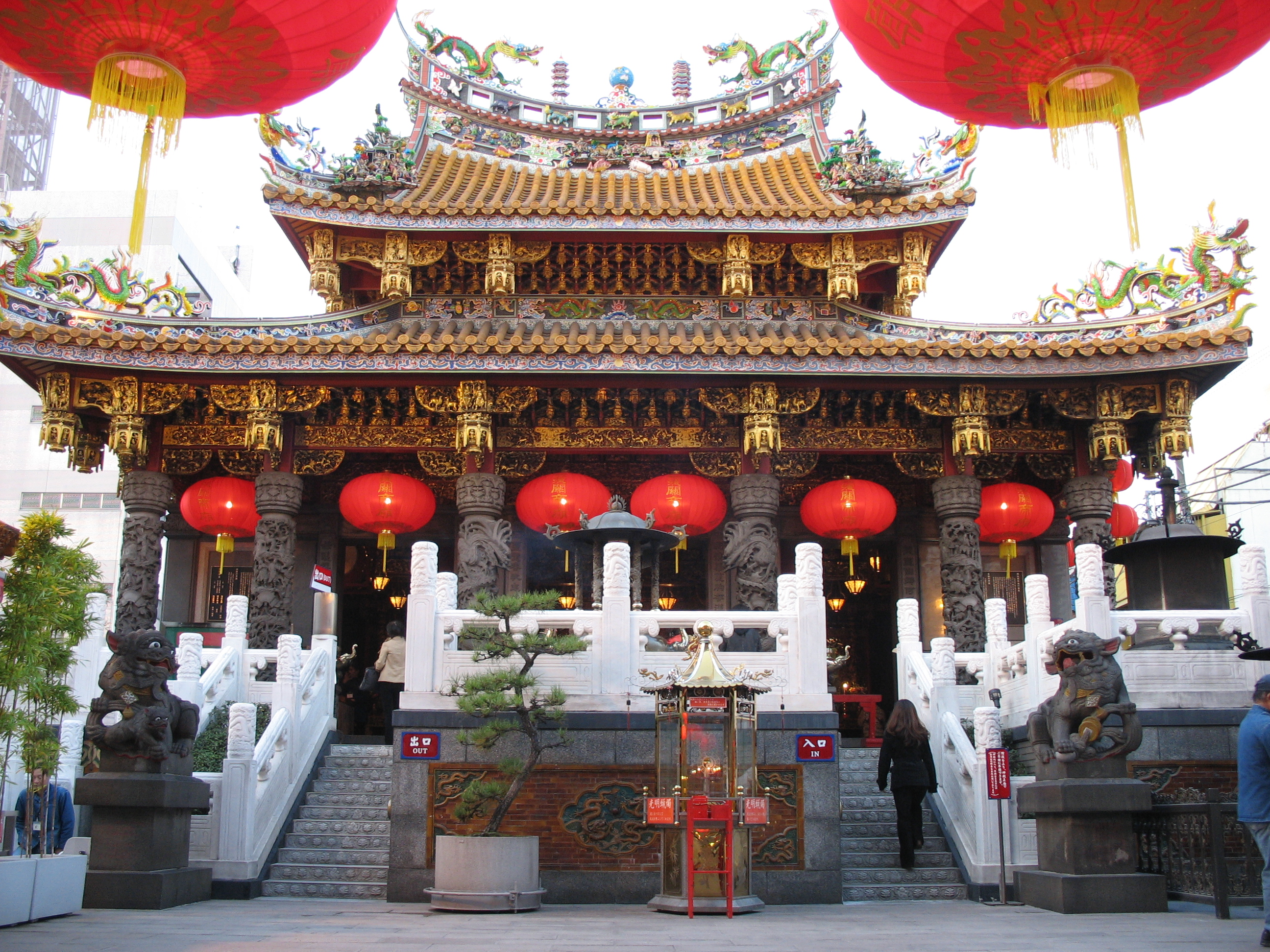
Not far from the harbour is Chinatown, one of Yokohama’s most popular tourist attractions. With its colourful facades and abundance of eating establishments, it struck us as much less genuine than Vancouver’s Chinatown or even Edmonton’s. Apart from the many restaurants, there were lots of tiny souvenir shops where practically everything seemed to have a panda motif. Kantei-byo, the very elaborate Chinese temple at the heart of the district was interesting to see, however.

img_3007

Nomi no fufu

Did you know that a female flea is always bigger than a male flea? I didn’t until this past weekend.

Compared to most Japanese women and even many of the men, I’m very tall. They’re often amazed by my size and comment on it quite openly. Fortunately, they also tell me that I’m beautiful or I might feel somewhat insulted! This weekend was no exception. Rie’s family was not only surprised by my height but by the fact that I’m taller than Richard. It was her husband, Keiji, who introduced us to the Japanese term used to describe a couple like us. Nomi no fufu literally means ‘flea couple’ and is used because of the scientific fact that female fleas are bigger than males! I suspect that I’ll be hearing it for a long time. Richard clearly loves the saying and will probably remember it long after he forgets the other Japanese words that he’s learned. Oh well, it’s better than saying that I suffer from ‘gigantism’, which is what he’s been saying for the past several months! Maybe I should start calling him Little Flea!

Onjuku adventure

We’re just back from our weekend trip to my student’s second home in Onjuku and what an adventure it was! It rained very heavily Thursday night and we woke to a wet dreary looking world on Friday morning. The forecast was for good weather over the weekend though so we hoped for the best. Sure enough, early in the afternoon shortly after we met Rie and set out the sky cleared and the sun began to shine.

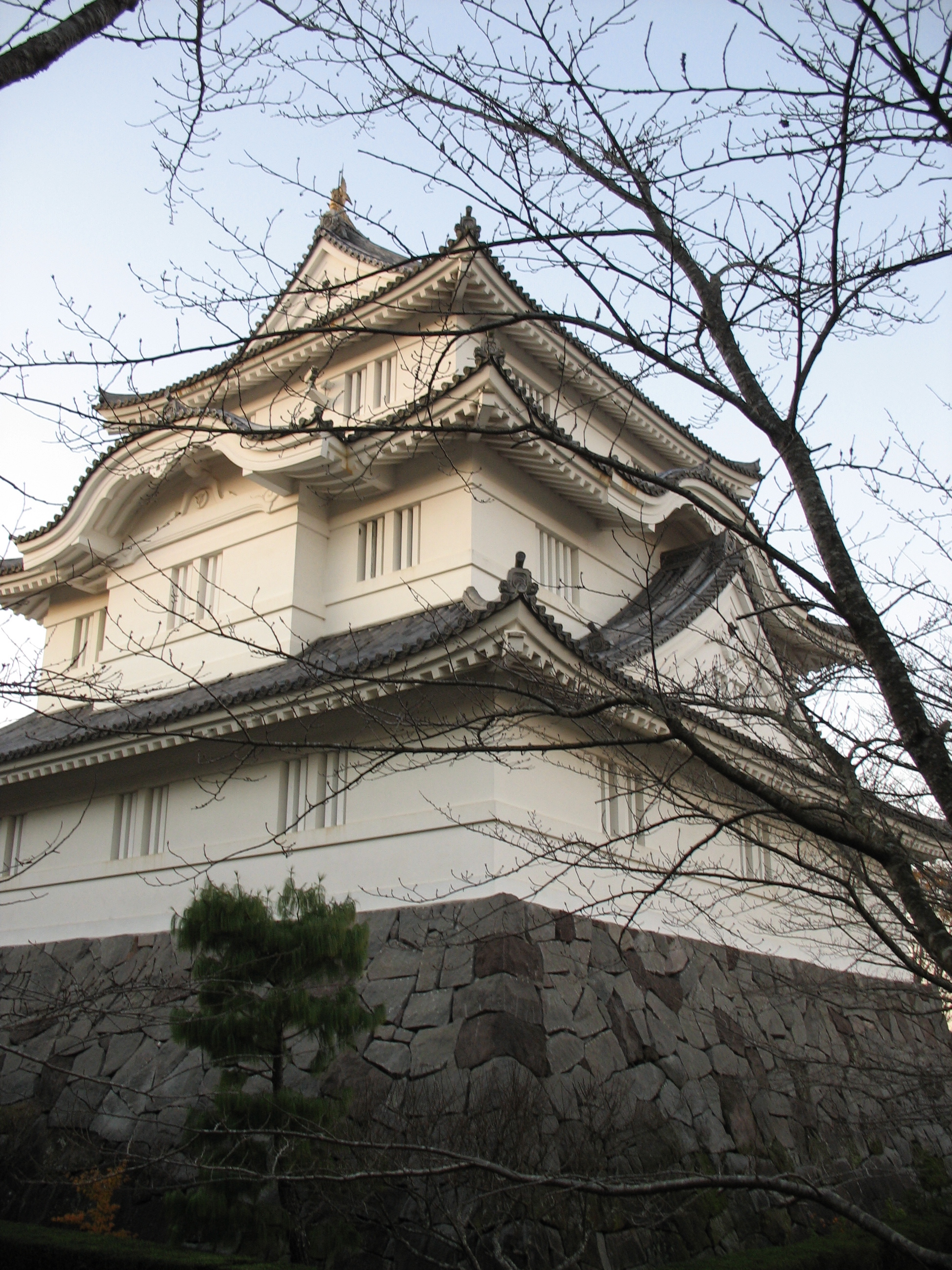
It took us four hours to travel the approximately 120 km across the Boso Peninsula to Onjuku. We explored back roads that we would never have seen from train or bus and made several stops along the way to enjoy the sights. img_2892One of our stops was at Otaki Castle which, though much smaller, is built in the same style as the castles we visited at Osaka and Himeji on our first trip to Japan. We would also have done some hiking but the riverside trail was impassible because of the heavy rainfall.

Rie’s husband, Keiji, who took the train out to Onjuku after he finished work for the day, joined us a couple of hours after our arrival and then began the first of the amazing meals that Rie prepared! Served in traditional Japanese style, dinner both days stretched out over a couple of hours and consisted of a wide variety of foods served in several small courses. Presentation is an important part of the Japanese dining experience and Rie is a very artistic person so everything came to the table looking beautiful. Dinner both days began with sashimi, slices of raw fish which Richard and I have both come to enjoy very much.

Neither of us had met Keiji before but it didn’t take us long to decide that he and Richard are two of a kind. In spite of his very limited broken English, Keiji’s sense of humour shone through and we enjoyed him thoroughly. Though he didn’t join us for most of the weekend’s activities, he was a wonderful host whenever we were at the house.

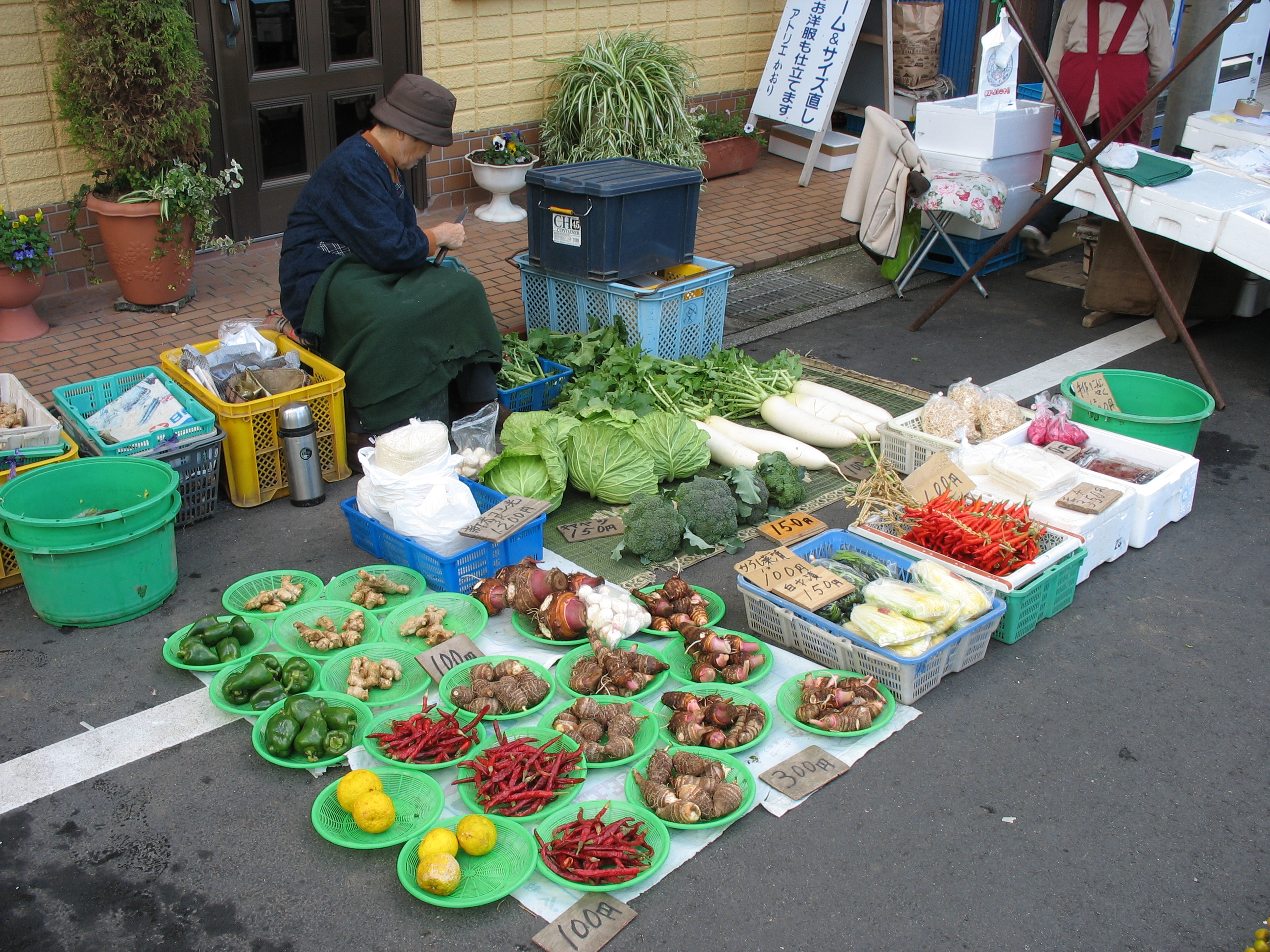
Yesterday began early with a visit to the Saturday morning market in nearby Katsuura. The street was lined with vendors selling a wide variety of seafood, produce and even flowers. It was amazing to us to see all of this happening outdoors at the end of November!

img_2894 img_2901 img_2905

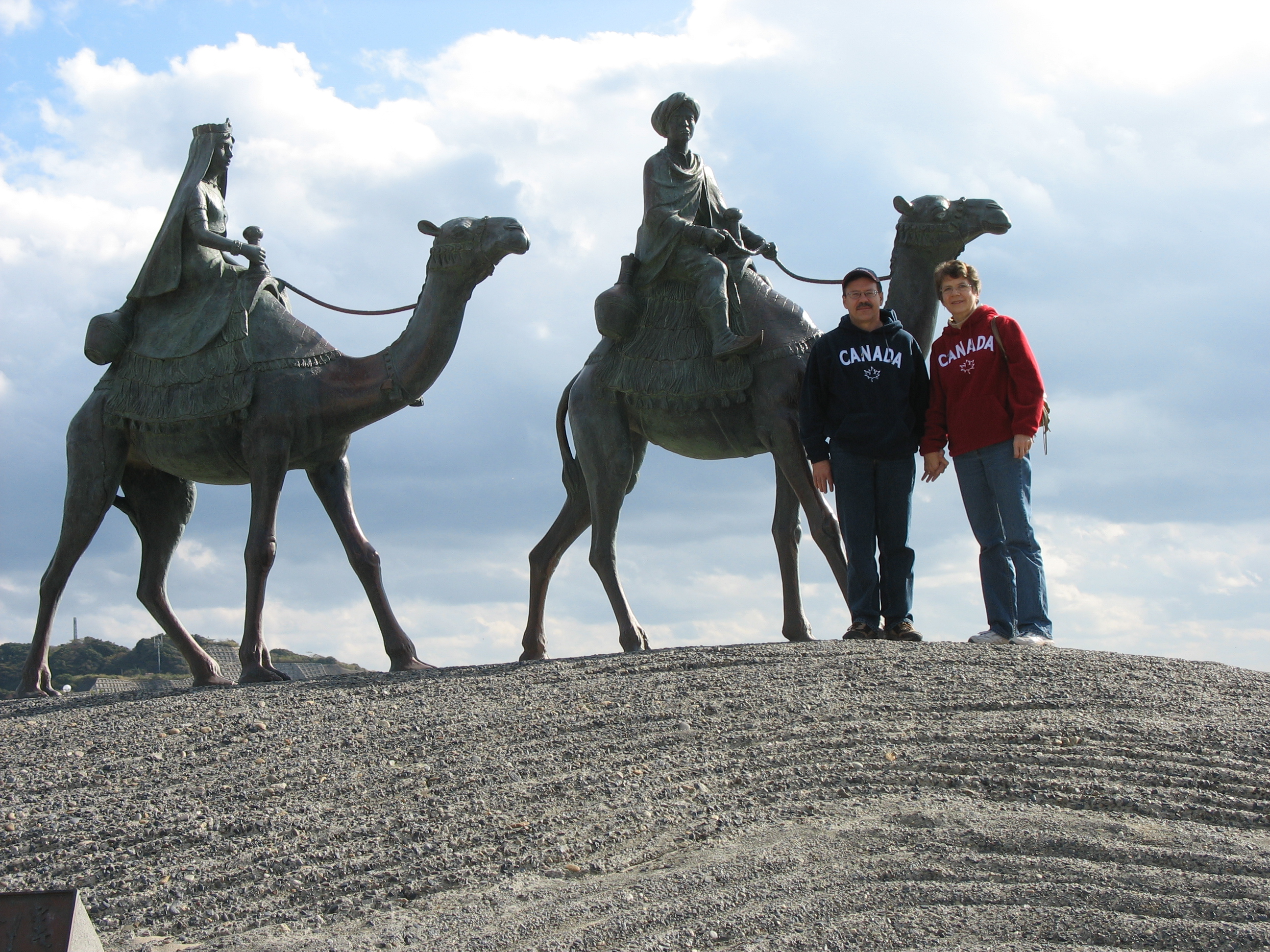
After the market, we headed back to the house for breakfast then went toimg_29091 Onjuku beach, a 2 km stretch of white sand, to see the famous statue of a prince and princess in Arabian garb riding on camels. The landmark was erected in 1969 to commemorate Tsukino-Sabaku (Moonlit Desert), a 1923 song inspired by this beautiful beach. Like many spots along the coastline this weekend, Onjuku beach was dotted with surfers.
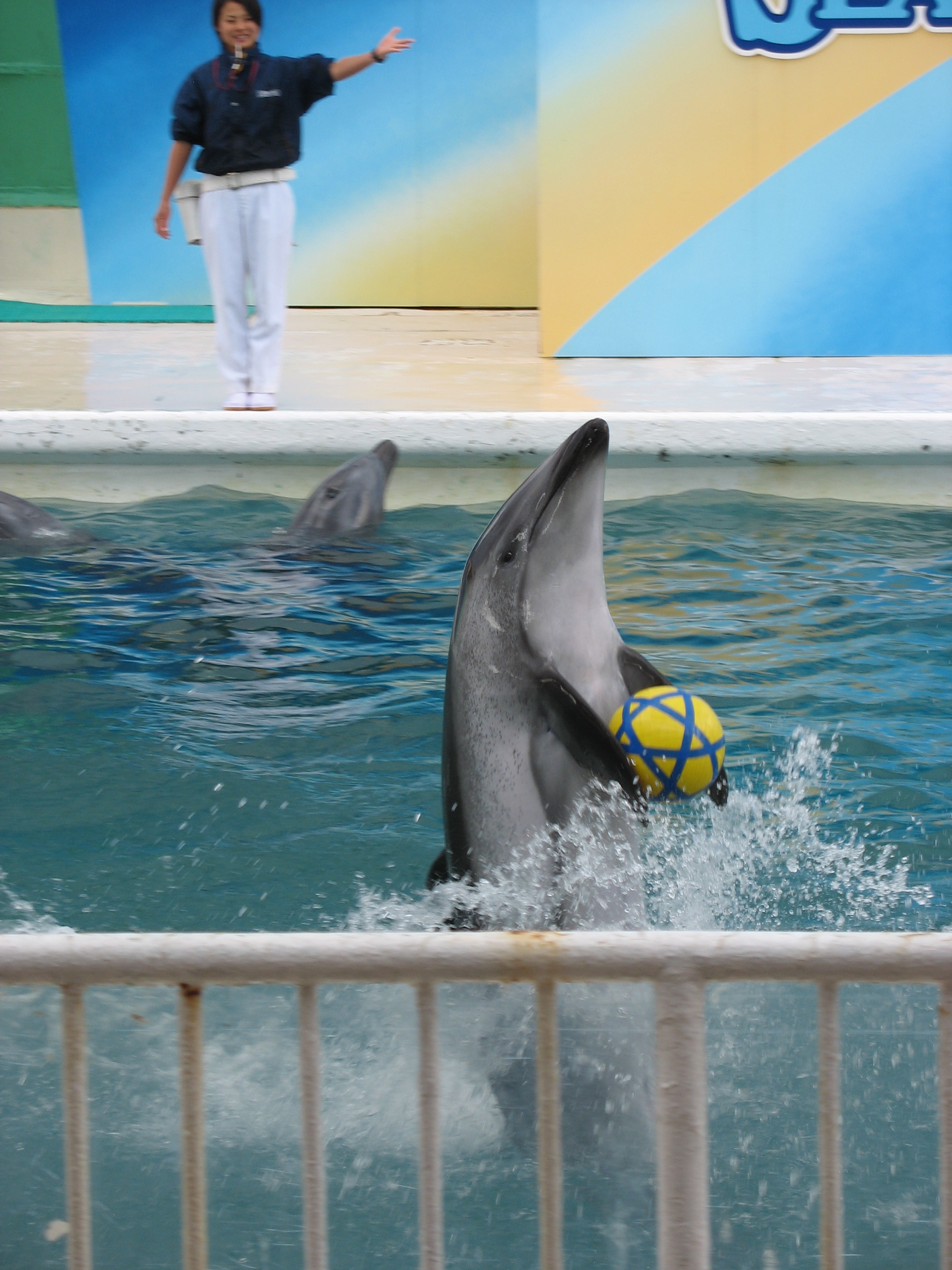
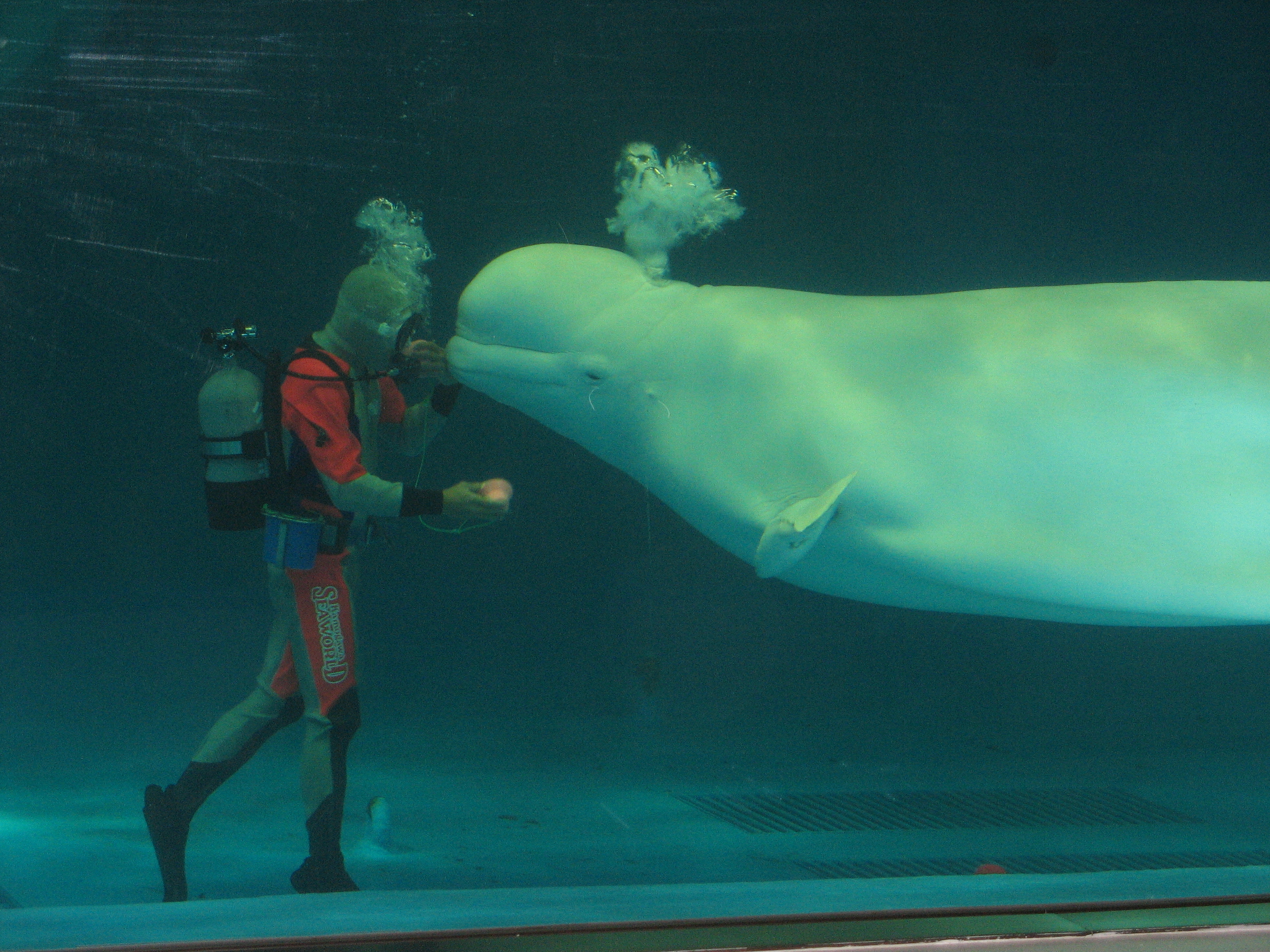
Next on the agenda was a trip to Kamogawa Sea World, one of the world’s largest facilities of it’s kind. We observed a wide variety of fish and other sea life in the aquarium and took in the dolphin, killer whale, sea lion and beluga whale performances. While we have attended similar shows in other places, we’ve never seen anything quite like the killer whale show before. The trainers entered the water with the whales and the interaction between them and the enormous animals was absolutely amazing.


img_2921 img_2941 img_2955

A stop at Tanjo-ji temple finished the day’s sightseeing. Back at the house, we were joined by the rest of Rie and Keiji’s family, their two daughters, son-in-law and three grandchildren who all stayed the night. We thoroughly enjoyed being surrounded by a family and realized that, except at church, we don’t have that experience here in Japan.

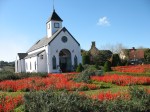
When Keiji, who has been teaching school for 38 years, retires next year, he and Rie will move to the lovely Onjuku house that they built three years ago but for now it’s their weekend getaway. After a relaxing breakfast this morning, everyone packed up and went their separate ways. Miwa, the elder unmarried daughter, joined Richard, Rie and I while Keiji took her car and headed for home. The four of us spent the day taking the scenic seaside route around the southern end of the peninsula and back up the Tokyo Bay side. It was a day of surprises. Our first stop was at Rosemary Park, a quaintimg_2974 bit of Victorian England complete with gardens and gazebos, a little church and even a replica of William Shakespeare’s birthplace! As we strolled amongst the flowers and enjoyed soft ice cream in the sunshine, we had to once again remind ourselves what time of year it is. The day was so warm that we didn’t even need jackets.
Before we left for the weekend, Rie drew me a map of the places that we’d visit and the routes we’d take. It showed us driving around the peninsula but not all the way to Nojimazaki at the very end. If there was one place that we’ve visited in Japan that I’d have chosen to return to above all others, it would have been Nojimazaki. It is such a beautiful spot and we enjoyed our stay there so very much. Imagine my surprise when we rounded a curve today and I spotted the Nojimazaki lighthouse in the distance! My amazement grew as we continued toward it and by the time the car stopped almost across the street from the hotel that we stayed in back in early July, I was pretty much in tears. Never in my life did I expect to see that spot again or to climb the 77 stairs and 14 ladder steps up the inside of that wonderful lighthouse! The icing on the cake was yet another amazing meal in a restaurant looking out over almost the same view that we had enjoyed from our hotel room.

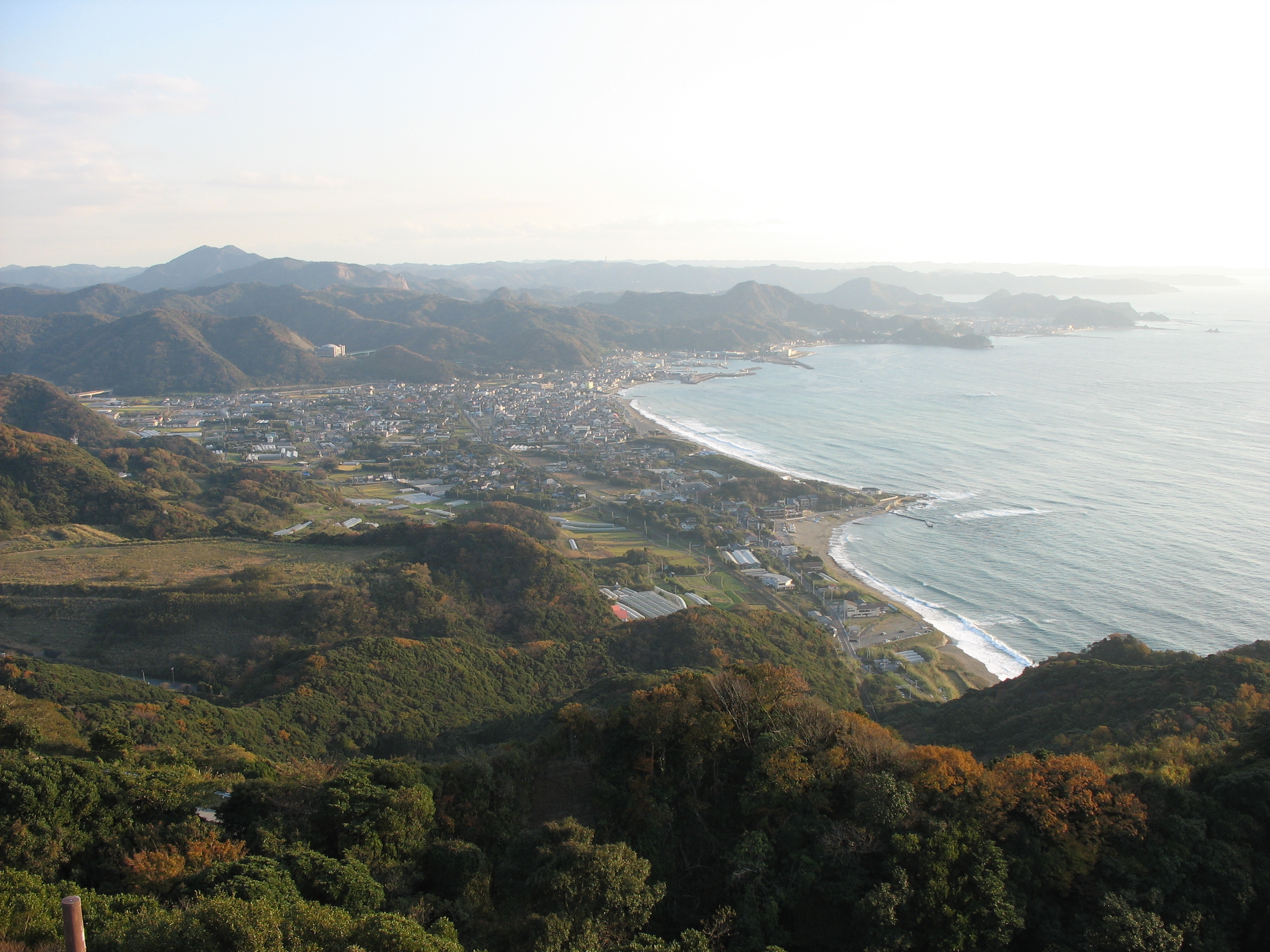
We made one more stop along the way, riding a cable car up a mountainside. Rie and Miwa, who had never been up before, had hoped to show us a giant Buddha carved into a rock face but we discovered that it was quite a hike from the top of the cable car and it was too late in the day for such a jaunt. The views from the top of the cable car were spectacular, however.

img_2988

Rie is a tremendously giving person. Not only did she refuse to let us pay for anything this weekend except the ice cream at Rosemary Park, but we learned on the way up the mountainside that she hates cable cars and was only making the trip for our sake!

We feel so very privileged to have had the opportunity to share this weekend with such special people. I think we all stepped a long way outside our comfort zones and hopefully came away better because of it. I know we most certainly did.

An amazing view

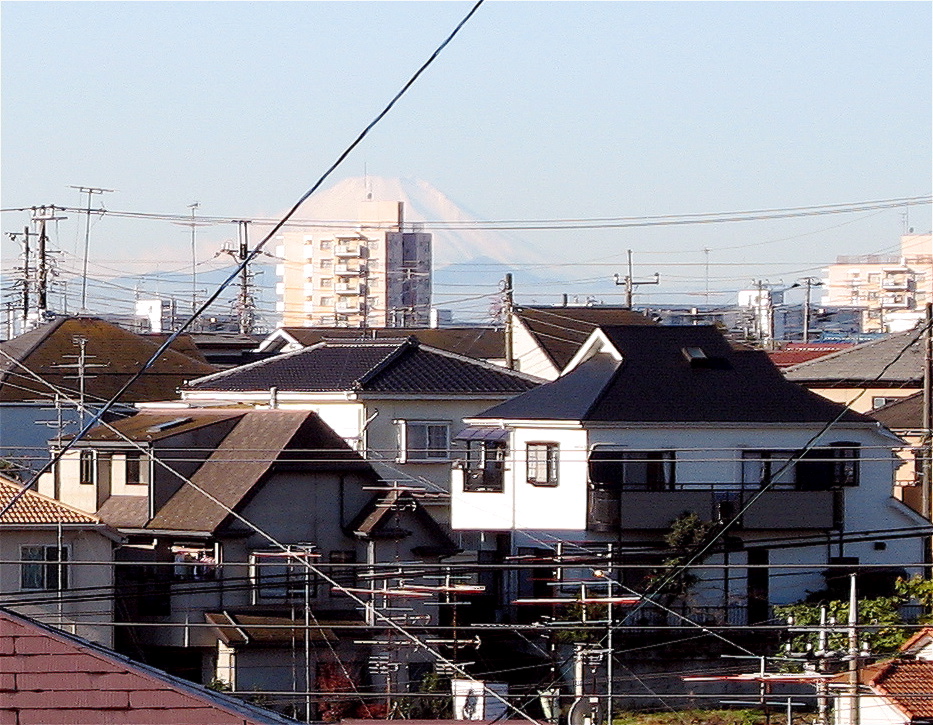
Mt. Fuji is a highly revered Japanese icon. People travel long distances to try to catch glimpses of it. Unfortunately it spends a lot of time shrouded in cloud.

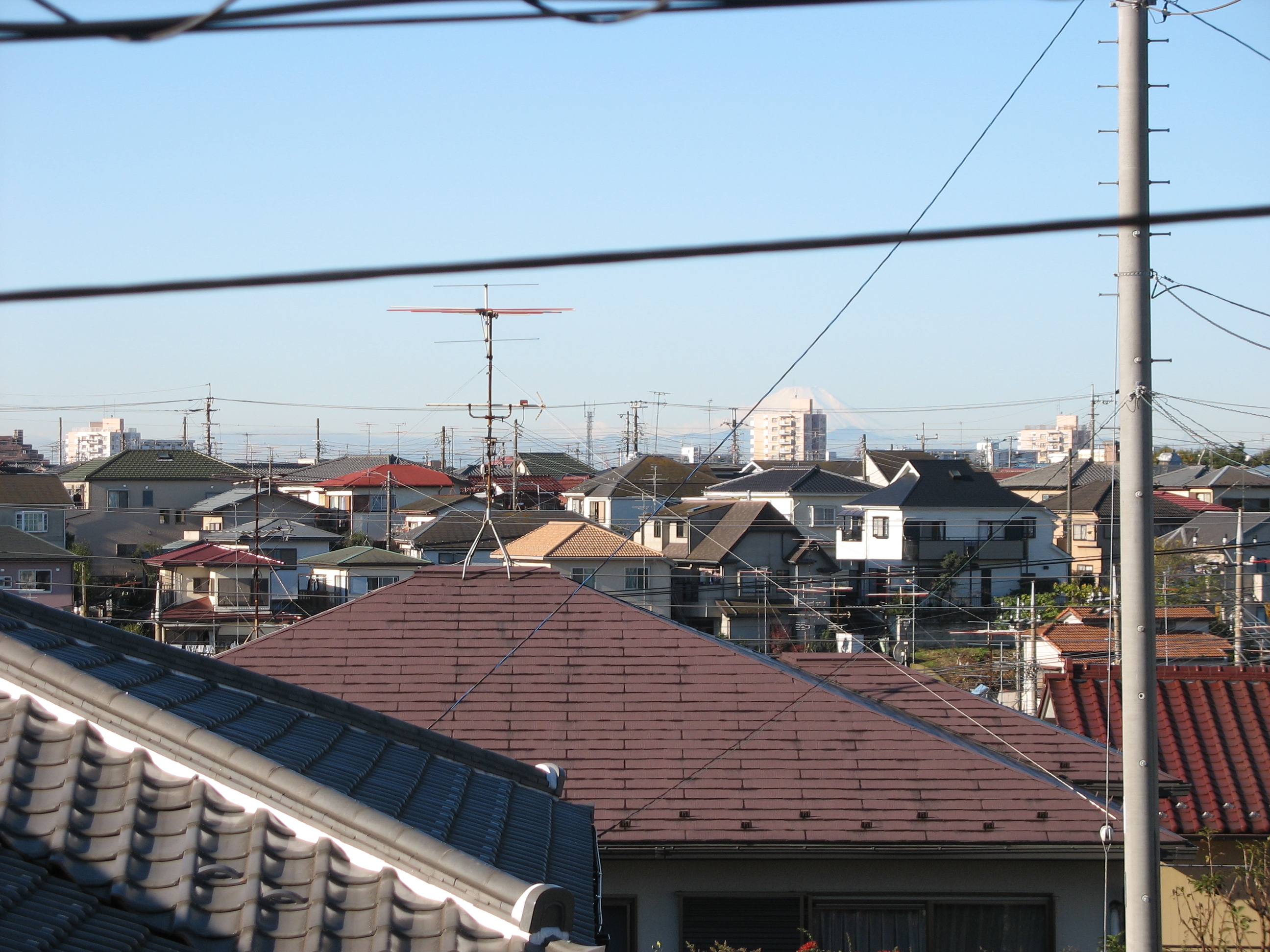
Because we live on the upper floor of a hilltop apartment building that faces in just the right direction, we sometimes have the awesome privilege of seeing the mountain from our very own window. It’s about 120 km away and the city of Tokyo lies between us. Our view of the mountain is almost obscured by buildings and power lines so it’s pretty amazing that we can see it at all.

The very first morning that we awoke in Japan was a bright and sunny one and there stood the mountain in all it’s majesty! Little did we realize how rare that sight would be. Once the humidity of summer arrived, it wasn’t seen at all. Lately, however, as the cool crisp air of autumn arrived, the mountain started showing itself again. We have seen it five of the last six mornings!

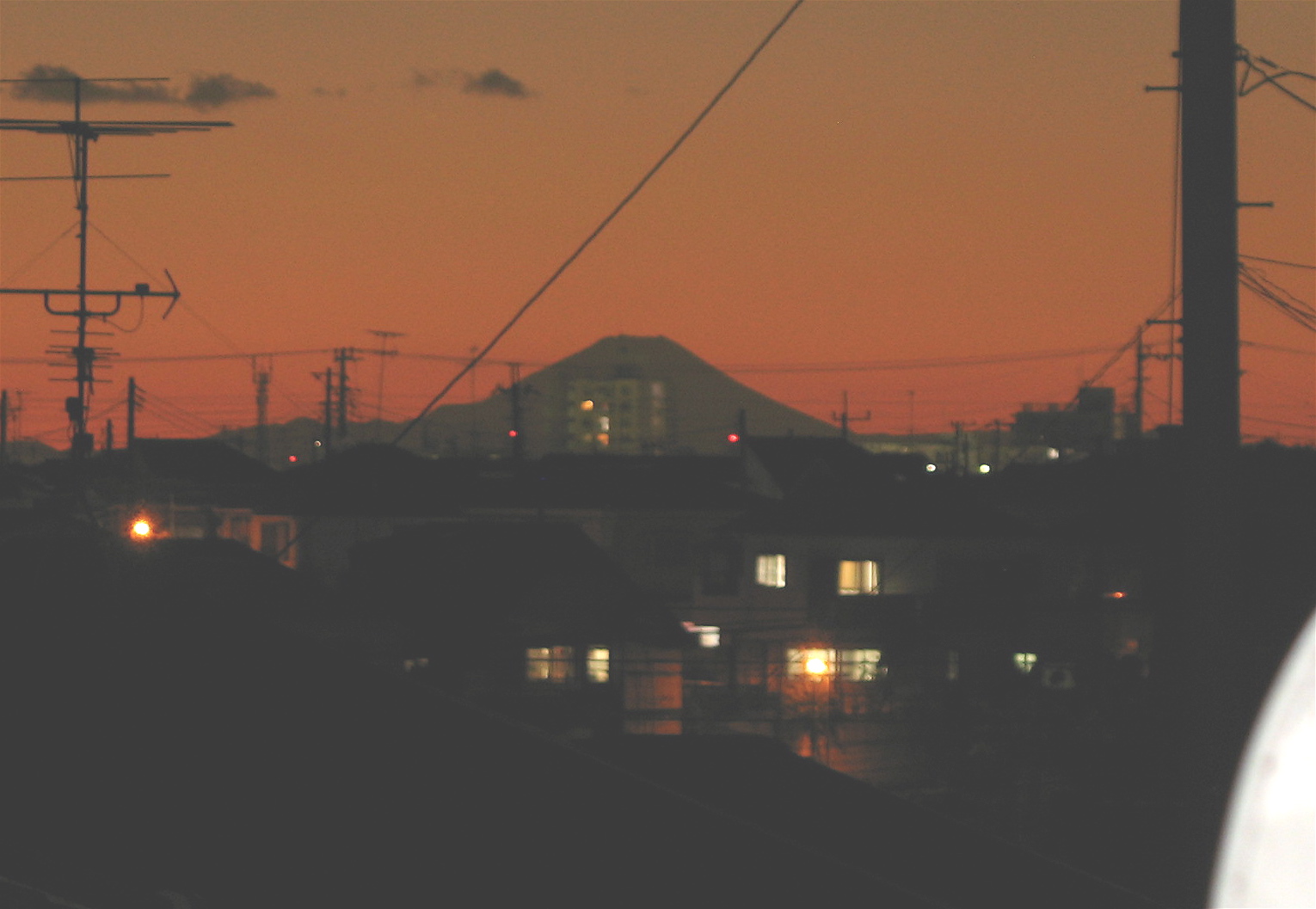
Because of our work schedule, we’re seldom home when the sun sets but this week, on days off, we’ve seen Fuji’s silhouette against a spectacular sunset twice! Many people who have spent their entire lives in this country have never been so fortunate.

I’m not sure how well the mountain will show up in these pictures but I hope you can catch a glimpse of what we’re so privileged to see.

img_2881

img_2881_1

img_2877_1_1

Kinro Kanshi No Hi

Japan has 13 national holidays throughout the year. Most retail stores remain open but schools, companies, government offices, banks and bank machines are closed.

November 23 is Kinro Kanshi No Hi or Labour Thanksgiving Day. Because the 23rd fell on a Sunday this year, today is a day off in lieu. Established in 1948, this holiday is an occasion for honouring labour, celebrating production and giving one another thanks. While the Japanese don’t have a holiday comparable to Canadian or American Thanksgiving, prior to 1948 November 23 was celebrated as a harvest festival known as Niiname-sai.

Unlike most schools, our private English school often remains open on national holidays and we are given other days off in lieu. It’s often easier for our students to come for lessons on days when they don’t work or go to school and it enables our school to set up a calendar that ensures that every class meets the same number of times over the course of a year. Today, however, we do have the day off which has given Richard and I a two day break. On occasions like this, we usually have big plans but today is a do nothing day for us. Rich has a bad cold and I’m nursing a sore back. Neither is serious but perhaps these are indications that we ought to take it easy and relax for a change. Of course, the fact that we have four days off later in the week and have made exciting plans for three of them, is motivation to rest up and get well.  One of my adult students has invited us to spend three days and two nights with her & her husband at their weekend home in Onjuku, a small seaside community on the other side of the peninsula that we live on!  Rie has a busy and exciting itinerary planned out for us.  This is an amazing opportunity and should be lots of fun!

Diamond anniversary

Today is my parents’ 60th wedding anniversary! What an amazing milestone. They’ve never been ones to make a big deal of anniversaries but somehow this one deserves recognition. There won’t be a big celebration as the family is scattered and unable to be with them. Instead we’ve tried to do the best we could to honour them from a distance. Mom doesn’t get out much anymore so I suspect that they’ll be celebrating quietly at home. I hope they enjoy looking back over their long history together. I know Mom still enjoys telling the story of how they met at a Halloween party and Dad still teases her about the fact that she took so long to answer his marriage proposal that he nearly threw the engagement ring off the wharf. Like any couple, they’ve had their share of heartaches but they’ve weathered them together. They’ve also had many wonderful adventures as they traveled the world together. What a wonderful example they’ve set for those of us who follow.

Don and Beatrice Stewart  Married Nov. 17, 1948

Don and Beatrice Stewart Married Nov. 17, 1948

Shichi-go-san

In Japan, November 15 is Shichi-go-san, a traditional rite of passage celebration honouring boys who are three and five years old and girls who are three and seven. Shichi-go-san literally translates seven-five-three. I’m uncertain why these particular ages are so significant but odd numbers are considered lucky by the Japanese.

Because November 15 is not a national holiday, families often hold their Shichi-go-san celebrations on the weekend preceding that date. In fact, even though today is a Saturday this year, the celebrations have been going on for the past couple of weekends and we even saw a few families at the temple in Narita on Thursday who were clearly there for that purpose.

Little girls are usually dressed in kimono, often for the first time. At three years of age, they usually wear a padded vest called a hifu with their kimono. At seven, an obi takes the place of the simple cord used to tie the kimono. Boys look like little samurai in their traditional outfits.

Shichi-go-san begins with a visit to a temple or shrine to pray for the child’s health and good fortune. It’s also a time when formal photographs are often taken and the family usually goes out for a special meal after the celebration.  The children are given chitose-ame, long thin red and white candies.  Chitose-ame means thousand-year candy and it’s meant to signify many years of life.

This little one was very shy but her family was delighted when I asked if I could take her picture.

img_2859

Autumn splendor

img_2809 img_2820 img_2824

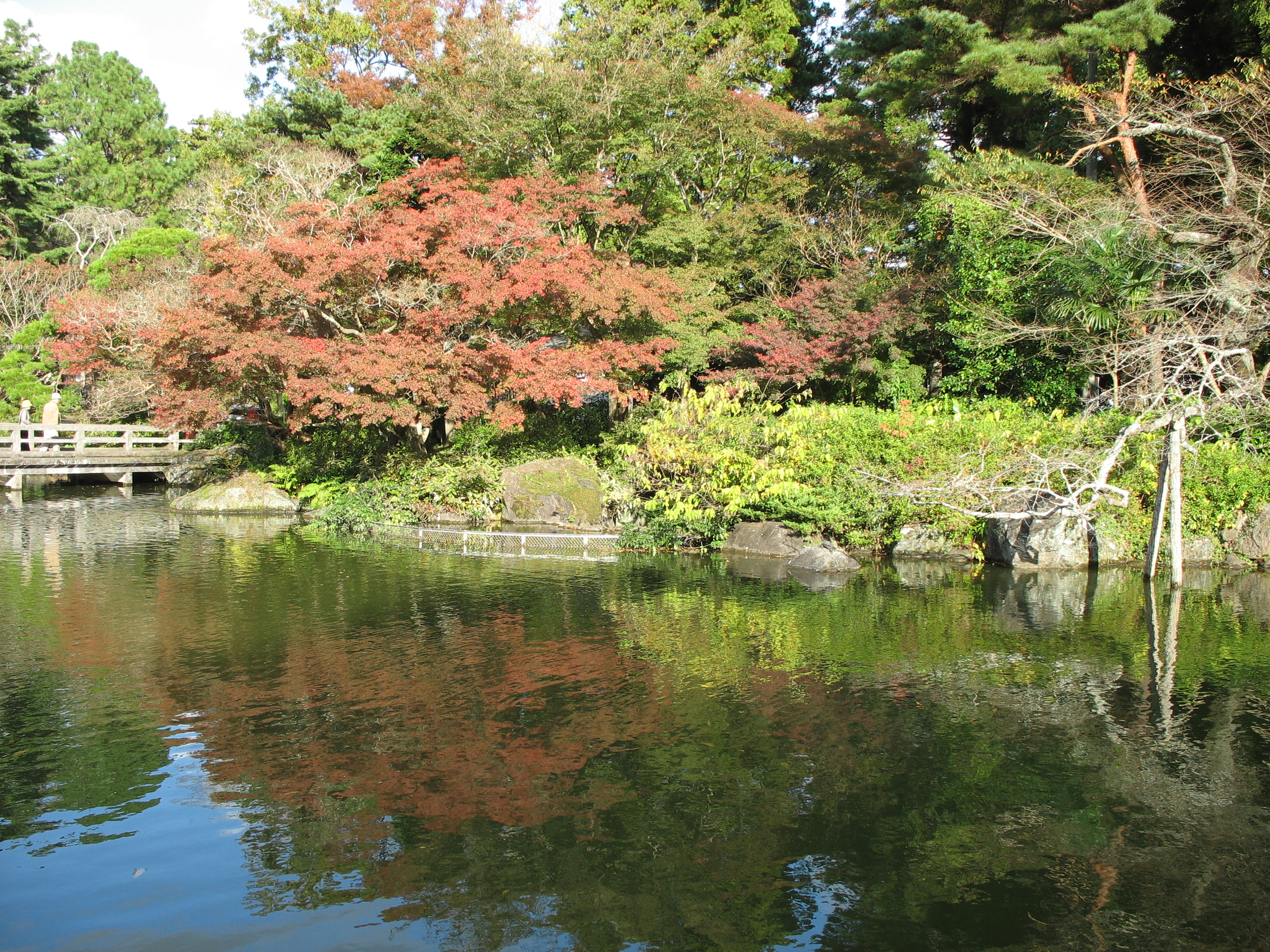
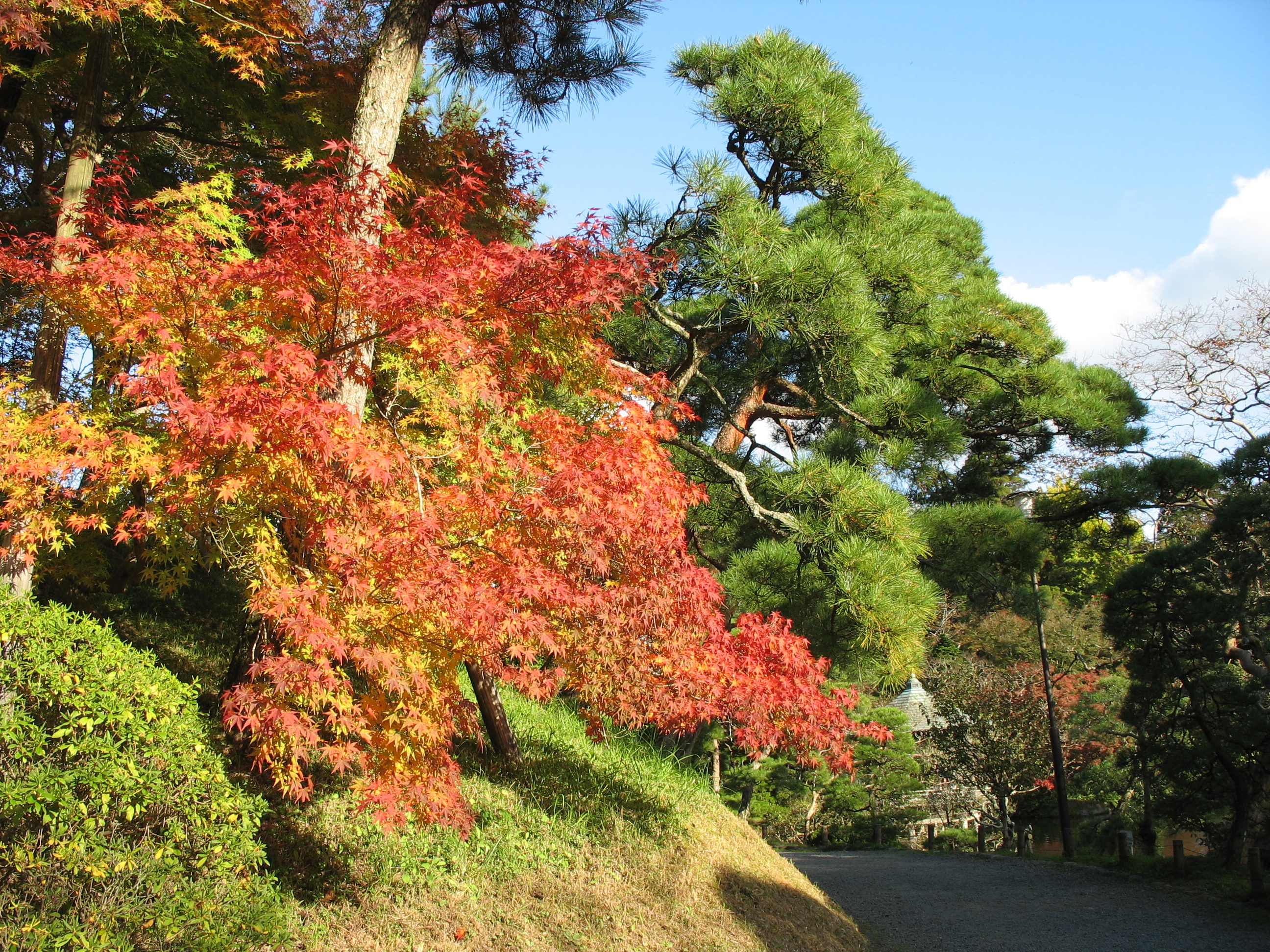
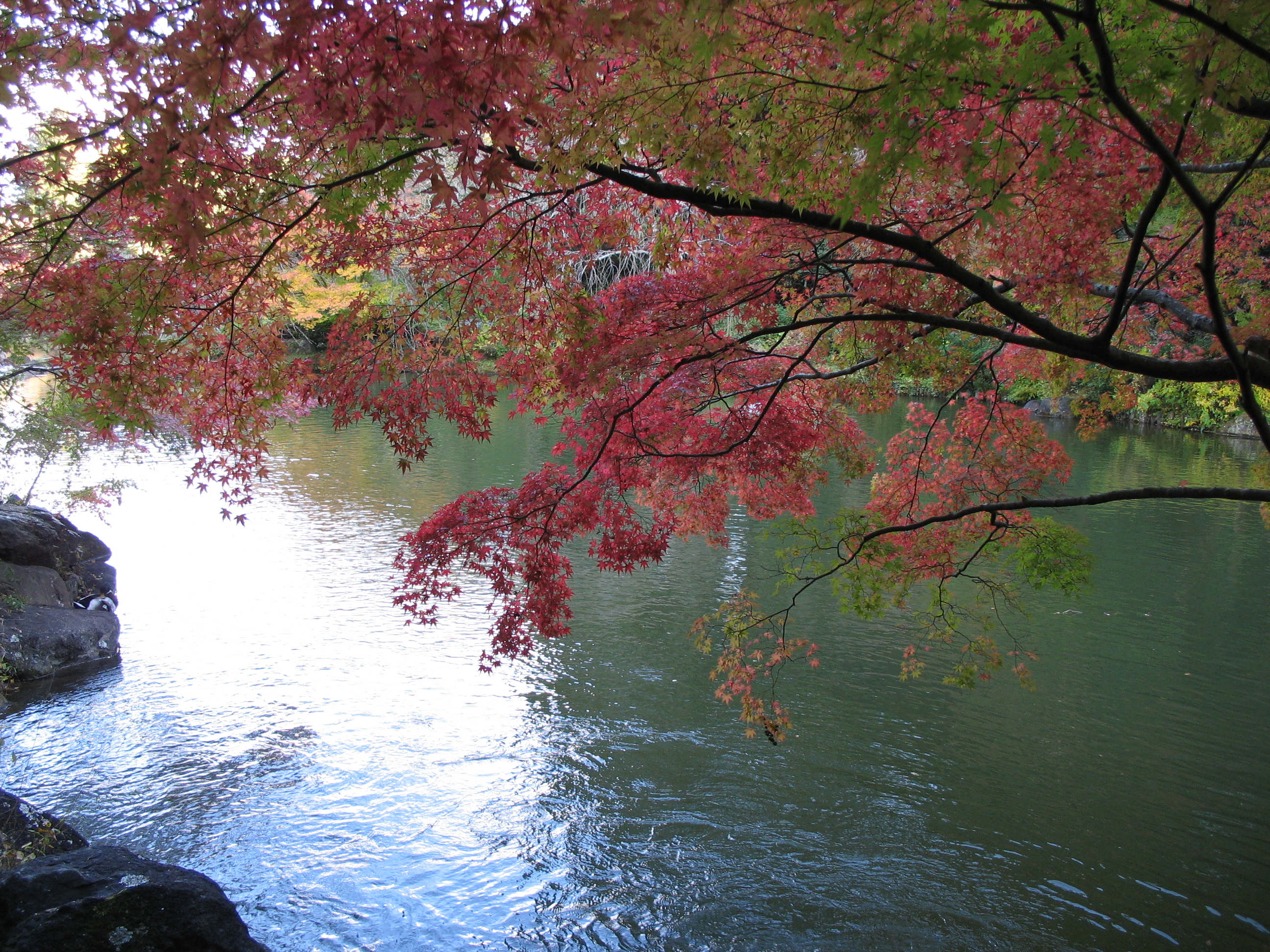
One of our earliest outings after arriving in Japan was an afternoon visit to Shinsho-Ji, the Buddhist temple at Narita. As we strolled the beautiful grounds, I decided that I wanted to return in the fall to see the trees in their autumn splendor. The last few days have been chilly and gray but today was warm and sunny; a perfect day to spend outdoors and the area was every bit as gorgeous as I thought it would be. We didn’t spend much time in and around the temple itself, preferring to spend our afternoon enjoying its peaceful surroundings.

img_2838 img_2850 img_2855

Omotesando, the narrow street that stretches between the train station and the temple area is an interesting stroll. Packed with little shops and good places to eat, it’s a popular spot for tourists. As we walked it today, we talked about the fact that, while we still have much in common with the tourists, we no longer feel like one of them. Imagine our surprise when, on the way back from the temple, we met one of our Japanese friends from church! We knew that she worked at the Narita airport but didn’t realize that she lived in town. Clearly that encounter confirmed our feeling that we aren’t simply tourists here.

We had another interesting encounter on the train on the way home. There are always many people on the train from Narita who are coming from the airport. Suitcases often fill the aisle and I’m always curious about where their owners have been. In Japan, it’s considered rude to speak to strangers and most of the time we don’t, but when I noticed a Remembrance Day poppy on the lapel of a fellow sitting nearby, I couldn’t help commenting. It turned out that he was returning to Japan after spending the past year studying French in Montreal. His English was also good and we enjoyed hearing about his experiences in Canada and his impressions of Canadian people. It sounds like he enjoyed our country every bit as much as we’re enjoying his.


Signs of winter

There are definite signs that winter is on the way.  Lots of people are wearing winter boots, scarves and toques but that’s hardly a good indication since these items are often worn with shorts and many have been dressing this way since the end of August!  Winter attire seems to be much more about fashion than function.

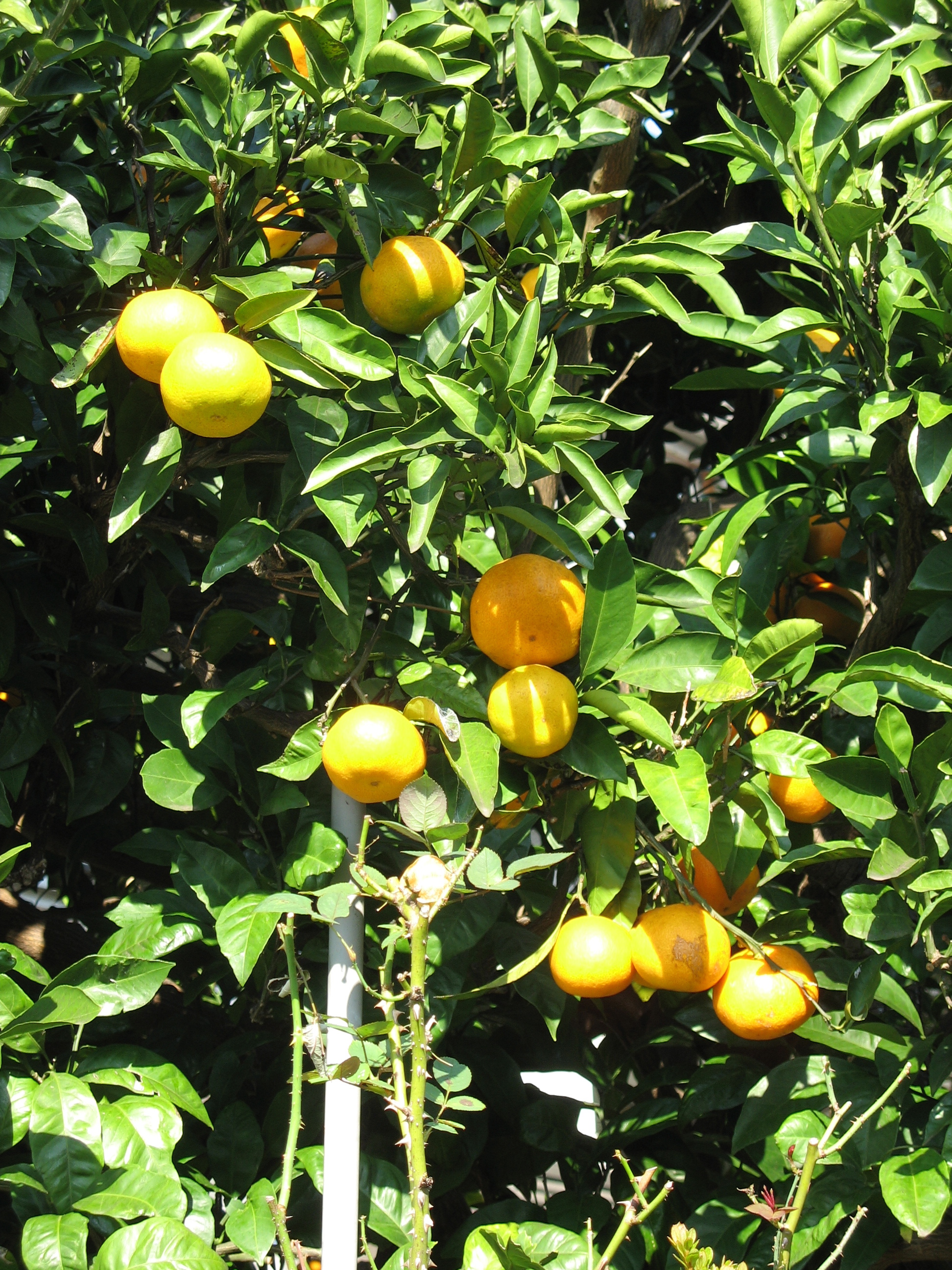
Though daytime temperatures are still very comfortable, it does cool off quite a bit at night now.  We put the fans away and brought out the heaters and some of our winter bedding recently.  This week the kerosene truck began making its rounds of the neighbourhood.  On the other hand, oranges are ripening on trees all around us, flowers are still blooming and new crops of vegetables are coming up in gardens and on vegetable farms so is it really winter?

One clear sign that the season is upon us is the fact that, even here in Japan, the stores have started decorating and gearing up for Christmas.  I found myself singing along to Rudolph the Red Nosed Reindeer while I grocery shopped today!

Winter will be very different for us this year.  We definitely won’t be experiencing the -20C to -30C temperatures that are the norm back home in Alberta.  The climate is much more humid than we’re accustomed to, however, so we may feel colder than we would at similar temperatures back home.  We may or may not see snow but if we do, it won’t be the dry powdery variety that we’re used to and it won’t stay around for very long.

While the outdoor conditions will be much milder than we’re used to, the same won’t be true indoors.  Like the majority of Japanese homes, ours has no insulation and no central heating.   We can’t just turn up the thermostat and stay warm.  We do have several sources of heat though.  Here in the dining/computer room a built in unit acts as air conditioner in the summer and heater in the winter.   We also have a portable kerosene heater which usually sits in the kitchen and an oscillating electric heater which warms up the tatami room where we sleep.  Right now, we only need to use these to take the chill off first thing in the morning and to provide a little extra warmth in the evening but I’m sure that the time will soon come when they’ll be running much more steadily.

img_2793

World’s busiest intersection

img_2767We spent a little while in Tokyo today exploring Shibuya, a bustling, youth oriented shopping district.

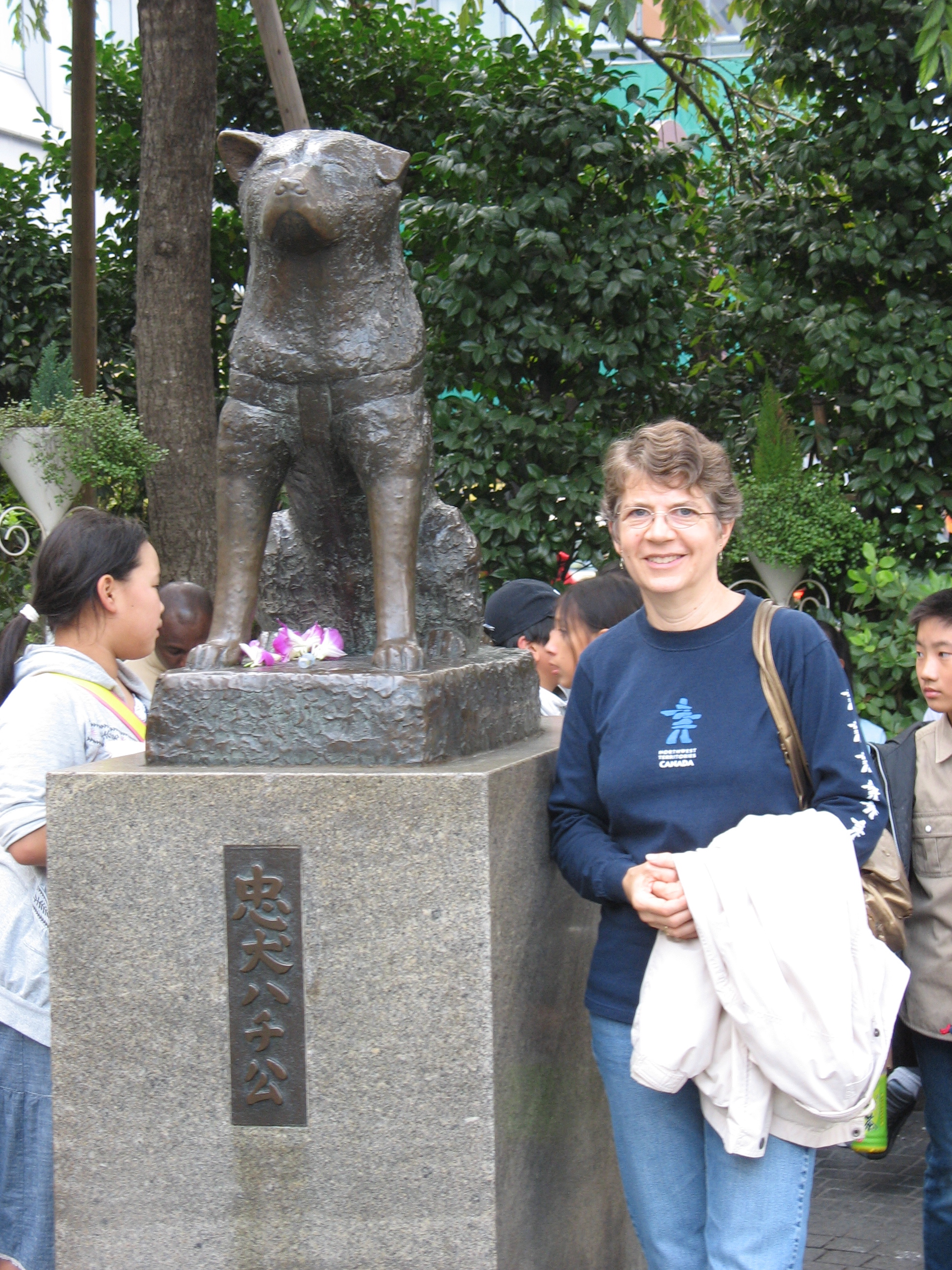
A popular meeting place in Shibuya is the statue of Hachiko, the faithful dog.  According to one of Japan’s best loved stories, a professor who lived near Shibuya station in the 1920s had an Akita dog that would accompany his master to the station every morning and await his return each night.  After his master died in 1925, Hachiko continued to come and wait at the station every day until his own death 11 years later.  The statue was later erected in memory of his faithfulness.

After visiting the statue, we crossed what is touted as the world’s busiest intersection, or at very least Japan’s busiest pedestrian crossing, and sat at the window of the second floor Starbucks that overlooks the intersection watching in amazement.  The walk light comes on every 2 minutes and 40 seconds and for about 40 seconds, a mass of humanity crosses in every direction.  By the time the light comes on the next time, that crowd has gone on it’s way and another has gathered.   Keep in mind that these pictures were taken at 2:15 on a Thursday afternoon!  What must it be like at rush hour?

img_2779

img_2785