Beaver watching at Miquelon Lake Provincial Park

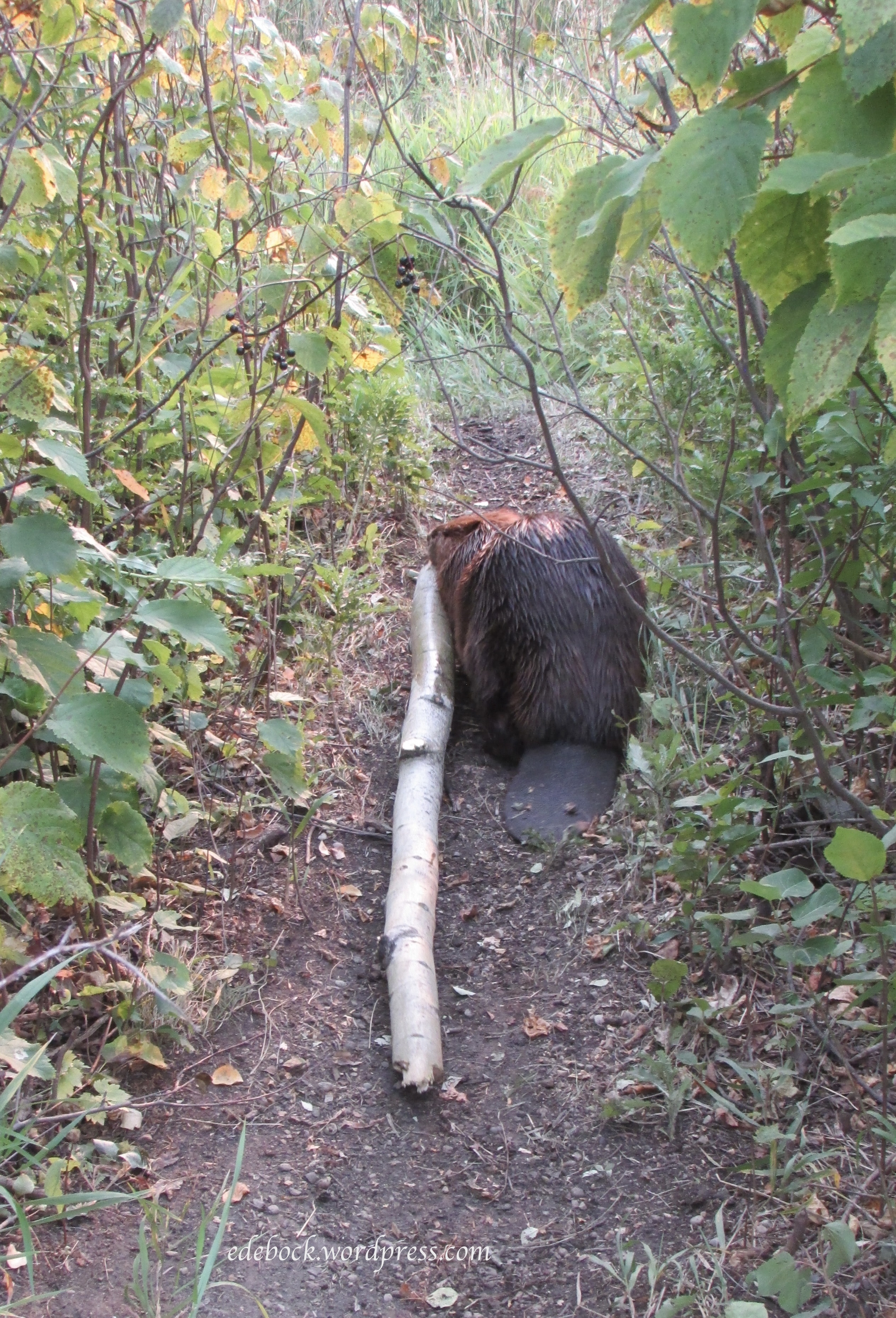
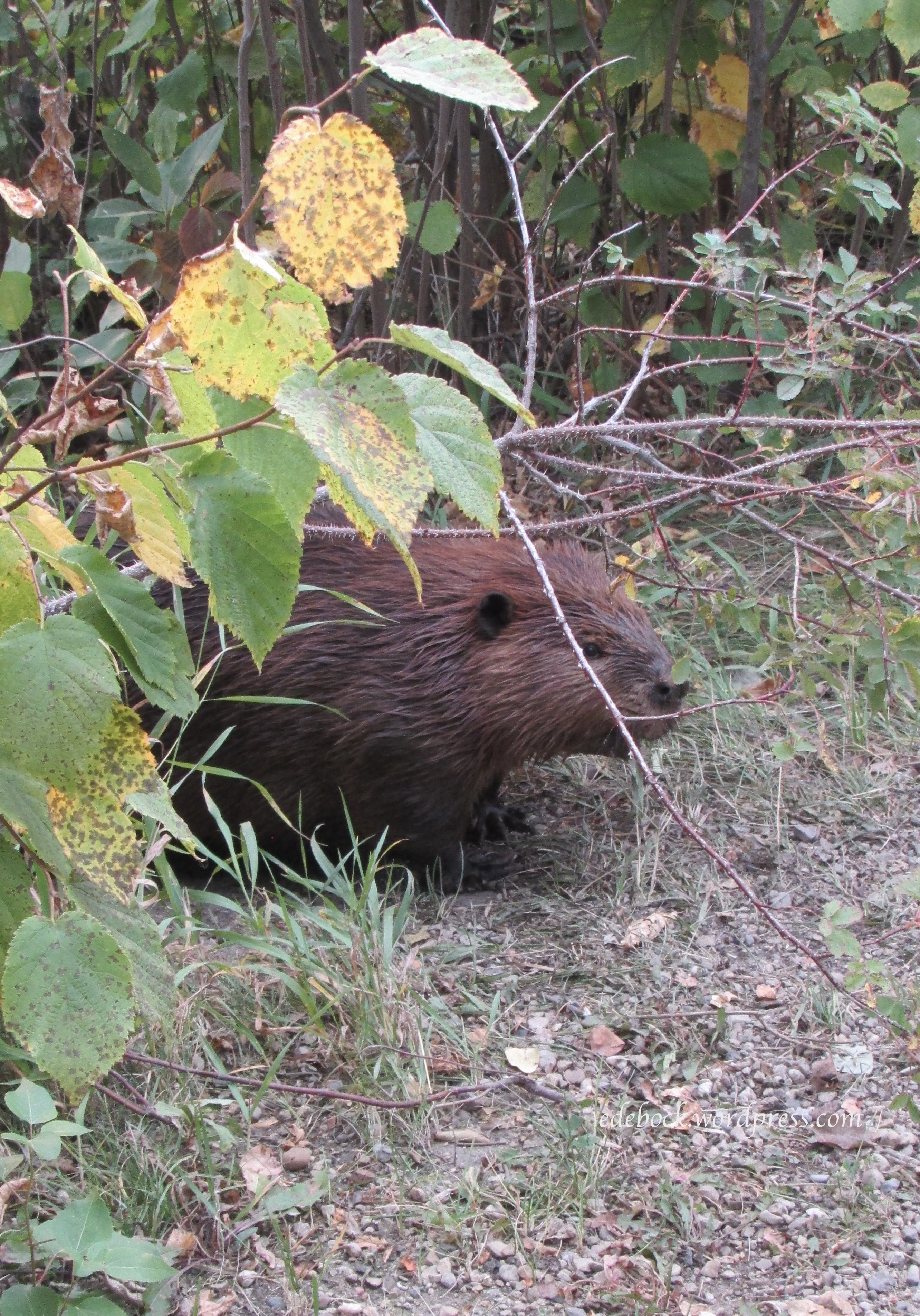
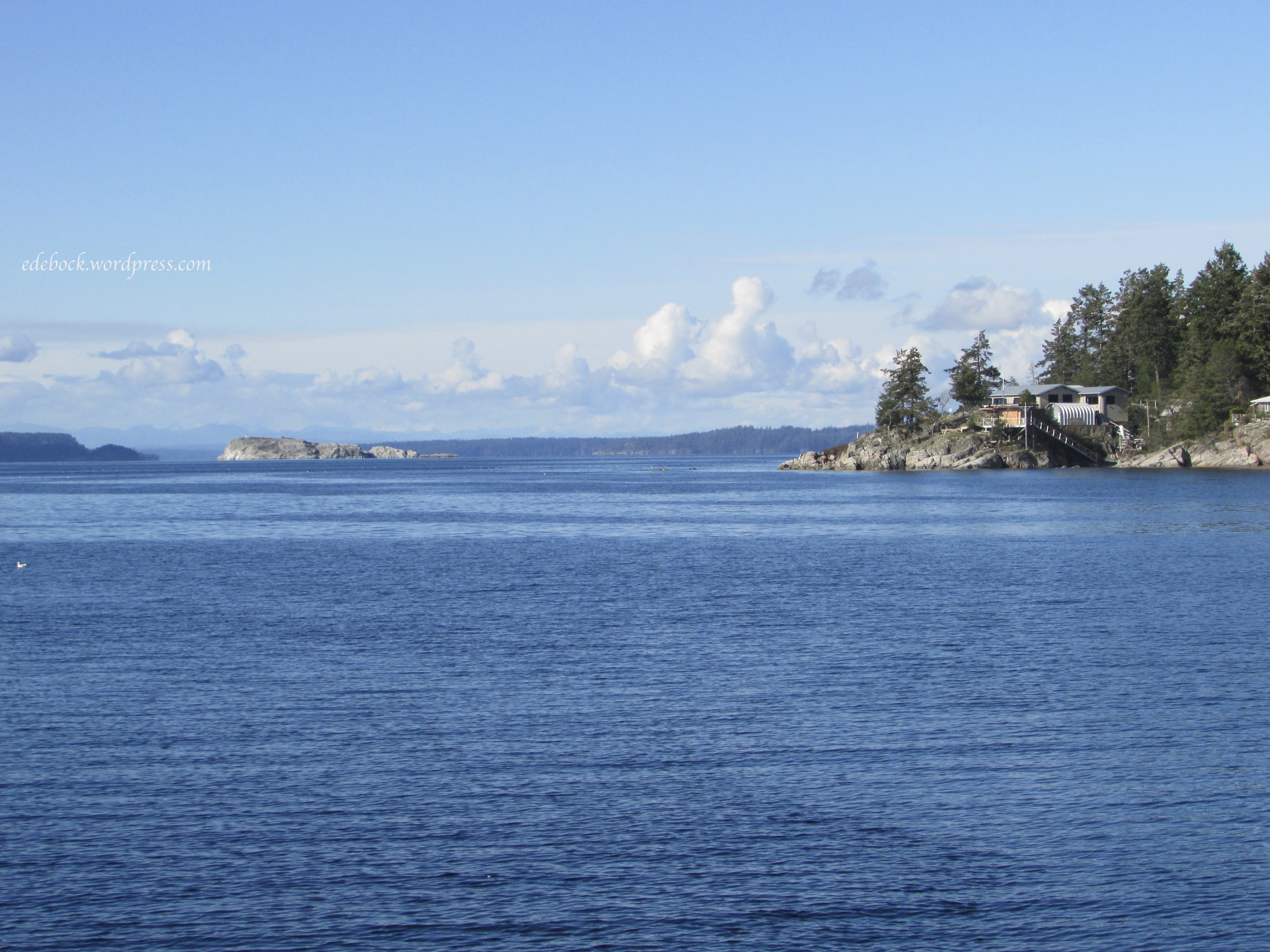
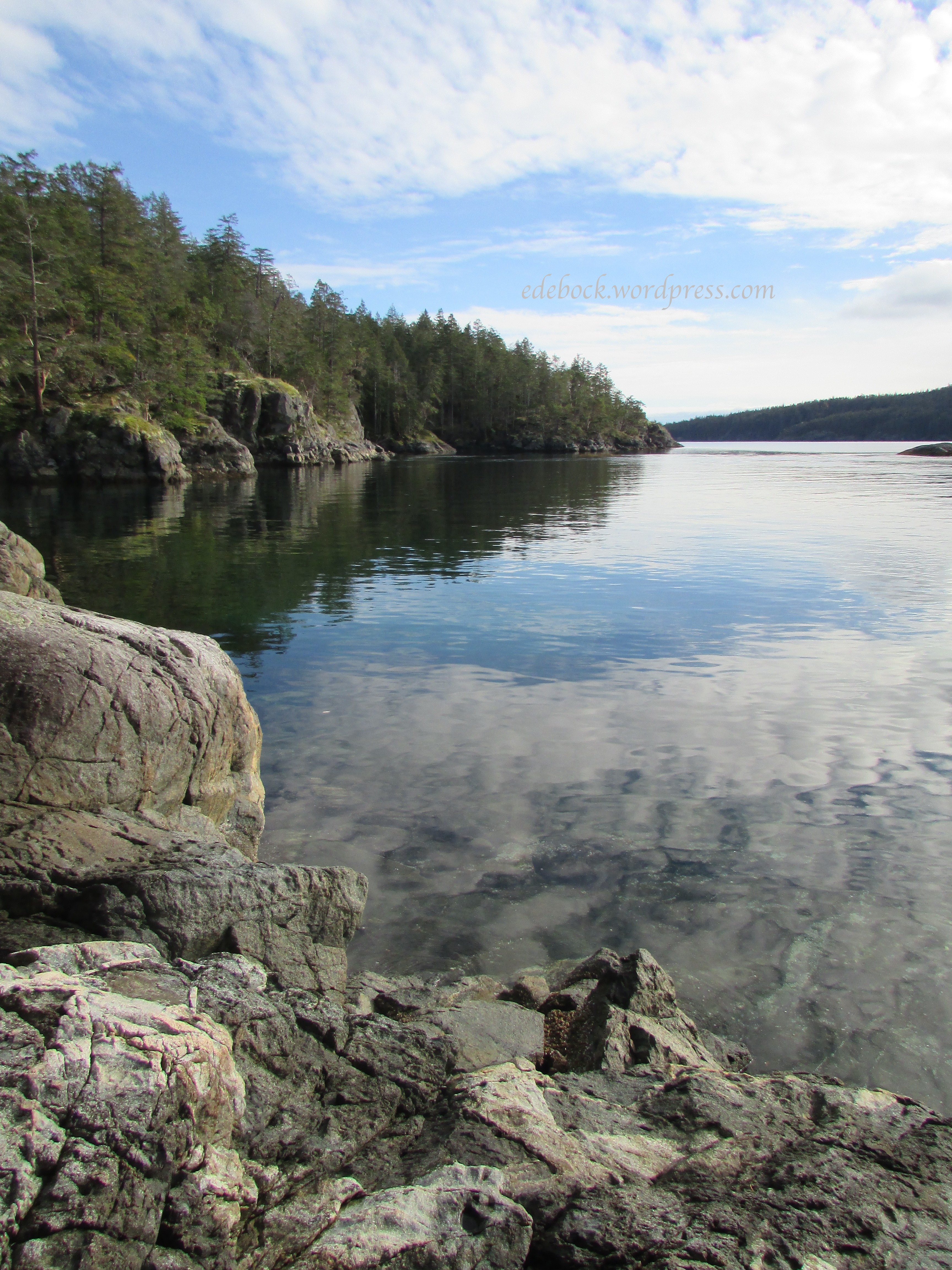
Earlier this week, we spent three days camping at Miquelon Lake Provincial Park. We hiked a little over 9 km (5.6 miles) one day and about half of that the following day, but by far the most fun we had was an hour spent watching a family of beavers hard at work. We came upon them quite by accident while enjoying an evening stroll alongside the Grebe Pond and stayed until my camera battery died! Of the many photos that I took, this one is my favourite.

The North American beaver, officially Canada’s national animal, is this continent’s largest rodent. The saying “busy as a beaver” is very apt. As we watched, the industrious critters constantly crossed the path in front of us on a well-worn trail from the water’s edge to the hillside above us. There we could hear them using their long orange incisors to busily cut branches from the trees that they felled before dragging them down to the shoreline.

Look at the size of the load that this one was hauling!

We’ve encountered a beaver in the water several times when we’ve been kayaking. If we get too close for comfort, it slaps its tail on the water with a thunderous splash and dives beneath the surface. At first, these ones were clearly surprised to see us watching them from just a few feet away, but they didn’t seem too bothered by our quiet presence. The young ones were the most cautious, first sitting still in the edge of the brush and peeking out before quickly scooting across in front of us.

With its big, webbed hind feet and its rudder-like tail, it’s no wonder that the beaver is such a good swimmer. Not only did they drag the branches down to the water’s edge, but then they swam across the pond with them to add them to their lodges on the other side.

We had thought that this would be our last camping adventure of the year, but we had such a good time that we’re thinking of trying to squeeze in one more. As I mentioned in my last post, I’m never quite ready to let go of summer!

Elbows up, Canada!

“Elbows up!” has become a rallying cry for Canadians as we face looming threats from south of our border, but what does it mean? Where did it come from? The phrase actually had its origin in hockey which seems entirely appropriate for a nation so obsessed with the sport.

Canadian-born Gordie Howe, also known as Mr. Hockey, actually had a second nickname: Mr. Elbows. Humble, generous and gentlemanly off the ice, he was known for wielding his elbows like weapons when he was battling for the puck. It’s such an enduring part of the Gordie Howe legend that a bronze statue outside Saskatoon’s SaskTel Centre portrays the hometown hero with his left elbow held high, as if fending off an invisible opponent.

In these days of punishing tariffs on Canadian exports and repeated gibes from the American president about becoming the 51st state, Gordie Howe would seem to be a good example of what it means to be Canadian. We are known worldwide for our unfailing politeness. We open doors for strangers and if you bump into us, we apologize, but clearly, when we’re threatened from outside, we respond with elbows up!

At protests across the country, Canadians have chanted the phrase and held their placards high. #ElbowsUp has been appearing all over social media, as both a call to stand against the threats and a warning to our neighbours that although Canadians might be polite, we’re not pushovers. We’re a bit like siblings on the playground. We might squabble amongst ourselves, but let an outsider threaten one of us and we come together in solidarity!

Now that we are facing a federal election, my fear is that our polarized views on who should lead the country in this current battle will divide us again. More than ever, during these unprecedented times, we need to remain unified. We need to stand together shoulder to shoulder with our elbows up. I pray that regardless of which party comes out on top and which leader is chosen, we will do exactly that.

Elbows up, Canada! 

Strong and free!

The Canadian shopping conundrum

For the most part, I try to avoid mentioning politics on the blog, but as a Canadian I can’t sit by and say nothing when our closest neighbour, ally, and trade partner decides to become a bully and starts threatening our sovereignty. There might not be a lot that I can do about the situation, but I can’t do nothing. There’s too much at stake!

If there’s one thing that the present crisis has done, it has drawn Canadians together. We are seeing a kind of collective nationalism that goes far beyond cheering for the right hockey team. Canada is not for sale! We are not interested in becoming the 51st state and thousands of us are saying so with every grocery item we buy. Since money seems to be what the individuals behind the bullying understand best, I have joined an informal movement of fellow Canadians in boycotting products made in the United States. It’s first and foremost a shop Canadian movement, but beyond that, it’s about buying anything except American.

It’s not easy. Grocery shopping takes a lot longer these days as we squint at the small print on labels and try to figure out where the products we’re used to buying come from. Sometimes, as in the case of Campbell’s soups and some Kellogg’s cereals, the label reads “Product of USA” and we put the item back on the shelf, but it’s not always that straightforward. There’s “Made in Canada” which means that at least 51% of the total cost of the product’s creation had to have occurred in Canada. “Product of Canada” indicates that at least 98% of the total cost was incurred in Canada. But then there’s “Made in Canada with imported ingredients” or “Made in Canada from domestic and imported ingredients” with no indication where those imported ingredients came from. There’s also “Imported for _______” but again, nothing to say where the item is imported from.

I tried to do a bit of “investigative journalism” in preparation for writing this post and to help with my personal shopping decisions, but I wasn’t very successful. I already knew from reading the labels that Green Giant frozen vegetables are grown and packaged in Canada, but that the packaging is printed in the United States. When I emailed the company to ask why the printing wasn’t done in Canada, I received a very generic sounding response telling me that Green Giant is a brand that originated in the United States and that it has facilities in both Canada and the US, but that didn’t answer my question. Probing a bit further, I received a second reply assuring me that the company is proud to source their vegetables from farmers in Alberta, Ontario, and Quebec, but still no answer to my original question.

The label on my Kraft Peanut Butter jar says nothing about where it was made, but the KraftHeinz website told me that it was “proudly prepared in Canada”. While there’s a limited amount of peanut farming in southern Ontario, I know that it doesn’t produce enough to provide thousands of Canadian households with peanut butter. When I emailed KraftHeinz to ask where the peanuts are imported from, I was told all about how peanut butter is prepared and packaged and assured that “all ingredients used in Kraft products comply with our rigorous food safety standards” but after inquiring more than once, I still wasn’t told where the peanuts come from. I finally wrote, “I can only assume that your reluctance to give me this information is due to the fact that they are American grown and you realize that I, like many Canadians, am refusing to buy American products due to the fact that our closest neighbour and trade partner is now threatening our sovereignty. If I am wrong about this, please let me know.” I received no response to that, so Kraft Peanut Butter will no longer be on my grocery list. I had a very similar experience with Mondelēz International when I tried to find out where Triscuit crackers are imported from. 

Finding fresh produce is especially problematic in a country with long winters and a very short growing season, but I’ve been able to buy Canadian grown potatoes and carrots as well as tomatoes, lettuce, cucumbers, peppers, and mushrooms. I’ve been enjoying bananas from Guatemala and blueberries from both Mexico and Peru, but the only nice looking oranges that I’ve been able to find were grown in California, so they stayed in the store.

Of course, boycotting American products goes far beyond the grocery store. My favourite toothpaste is made in Mexico, but it’s a product of Colgate-Palmolive, a huge U.S. corporation, so where do we draw the line? The flouride gel that I’ve had to use every day since I lost one of my parotid glands to cancer over ten years ago, is made in Canada, but my skin care products, shampoo, and conditioner are all imported from the States. Obviously, I’ll have to look for other brands to try. I’ve already found a replacement for the Tide laundry detergent that I’ve used for years. I’ll be trying Canadian-made Tru Earth laundry strips.

Shopping ethically is further complicated for me by the fact that I try to avoid buying products from China which is notorious for its human rights abuses. Given the present situation, however, if forced to choose, I would probably buy a Chinese product over an American one.

Before I close, I want to assure my American readers that I fully understand that many of you are as dismayed as I am about what is happening in your country and our hearts go out to you at this difficult time. We also know that the tariffs that your leader is threatening to impose will be as hard on you as consumers as they are on us.

Historic Powell River Townsite

My hometown of Powell River, BC, was established as a single-industry town in 1910. The mill, the first newsprint manufacturer in western Canada and, for a number of years, the world’s largest, was for many years the town’s primary employer. Built on the hill above the mill, the original Townsite was designated a National Historic District in 1995. It remains remarkably intact with over 400 original buildings still within the compact grid that was commonly used in early planned towns. The majority of those were employee houses. 

I lived in one of those houses for the first two and a half years of my life, but unfortunately, I don’t remember which one. Hubby and I might very well have walked right past it when we took a self-guided tour of the historic Townsite earlier this week. 

Our tour started and ended at the Dr. Henderson House. Saved from demolition and now fully restored, it houses the Townsite Heritage Society. It was the first actual home in the Townsite and was built in 1913 for Dr. Henderson and his family when he was hired as the Powell River Company’s first doctor. 

IMG_7671 Dr. Henderson agreed to come to Powell River on one condition. There had to be a hospital, so St. Luke’s Hospital was built next door to his home. While no longer a hospital, that building is still in use today. 

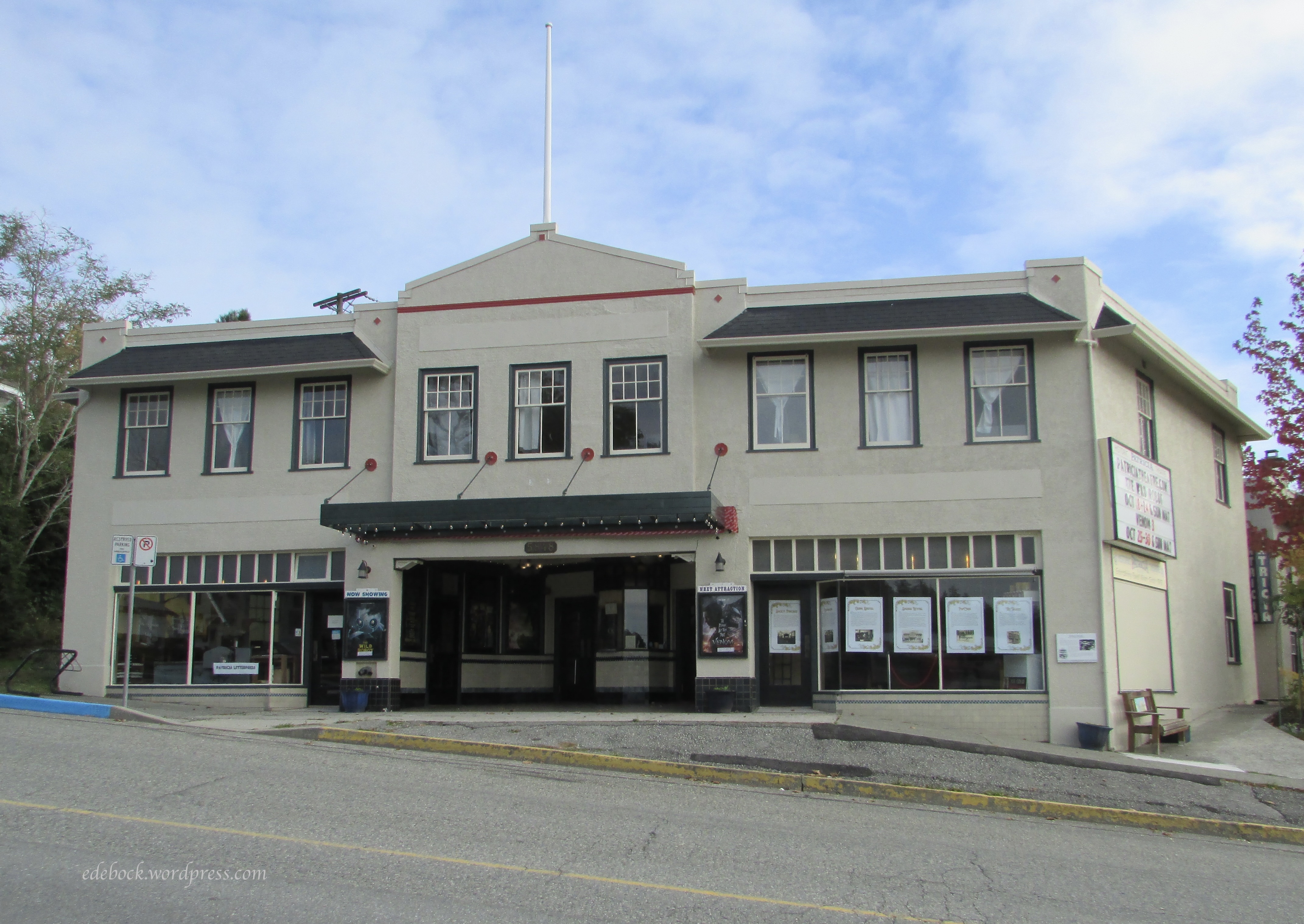
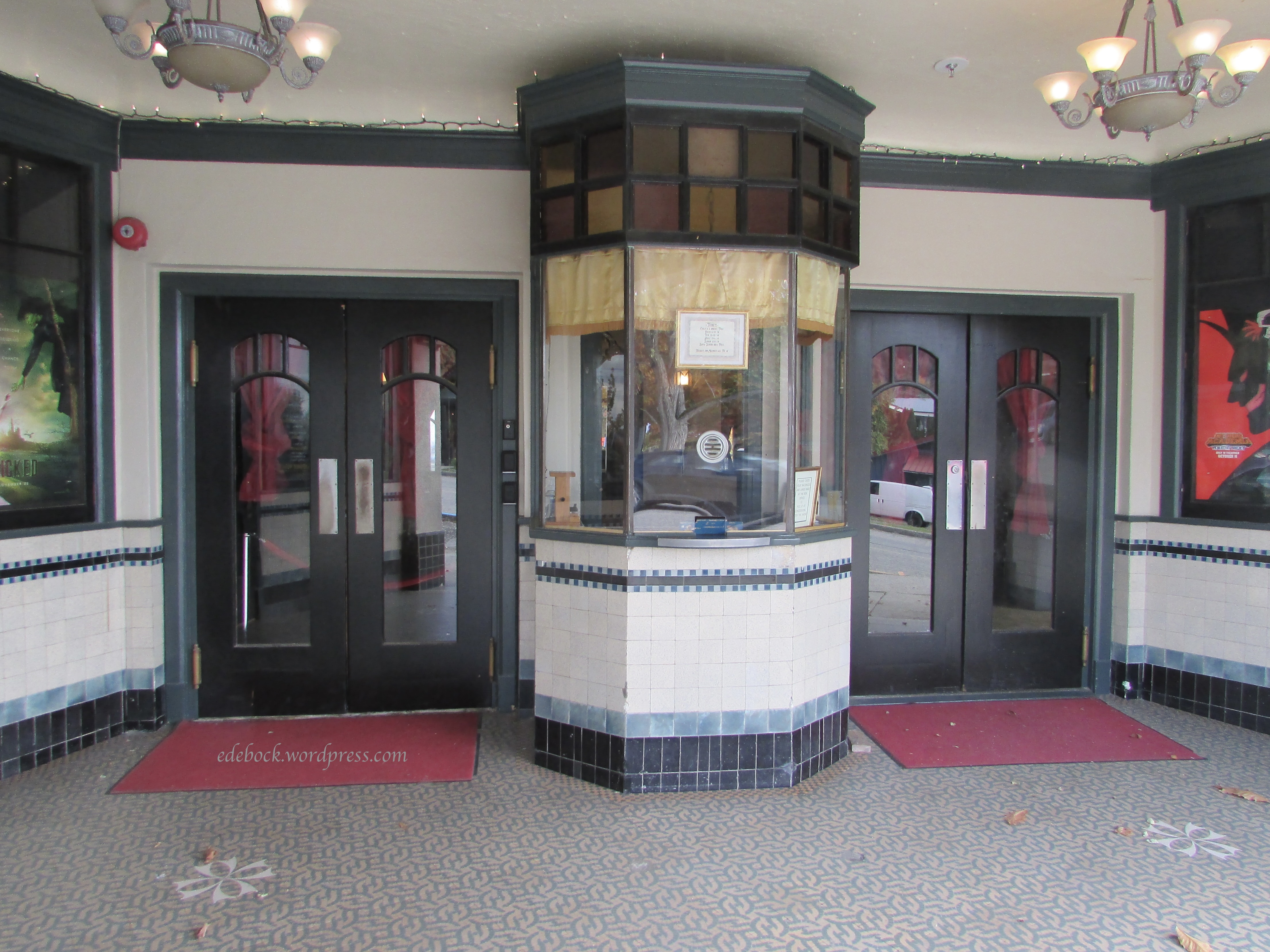
Our tour took us to 17 of the original buildings, but I won’t bore you with all of them. One that holds a special place in my memory is the Patricia Theatre, the oldest continuously operating movie theatre in Canada. First housed in a tent with a gramophone for music, the “theatre” literally blew down in a storm! The first theatre building was constructed in 1913, but the Patricia moved into the current building in 1928 and has now been operating there for almost 100 years. I attended my very first movie there when my mother took me to see Peter Pan on the big screen. I was about 5 years old. 

IMG_7682

IMG_7678

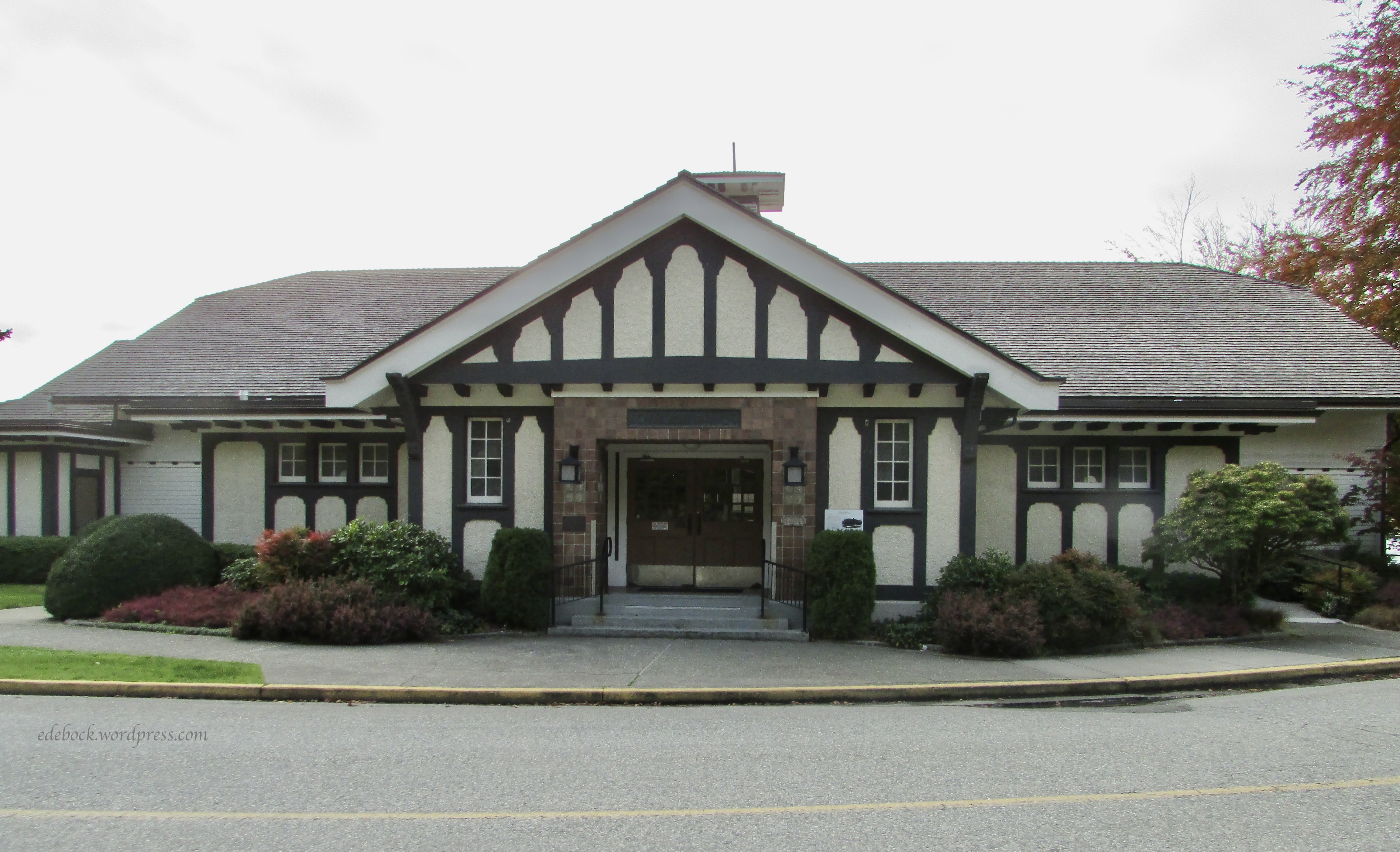
Another building that holds early memories for me is Dwight Hall. The Powell River Company built the “Grand Old Lady of Walnut Street” in 1927 and named it after Dr. Dwight Brooks, co-founder of the Company. In addition to performance and kitchen facilities, the hall boasted a dance floor that could accommodate 800 people! It’s as grand today as it was then and is still the centre of many community activities. I remember going to Dwight Hall to participate in music festivals with my class from school and on one occasion I stood all alone on the big stage to do a recitation. A couple of women from church had talked me into it and I was terrified. I think I still have the adjudicator’s notes someplace. 

IMG_7685

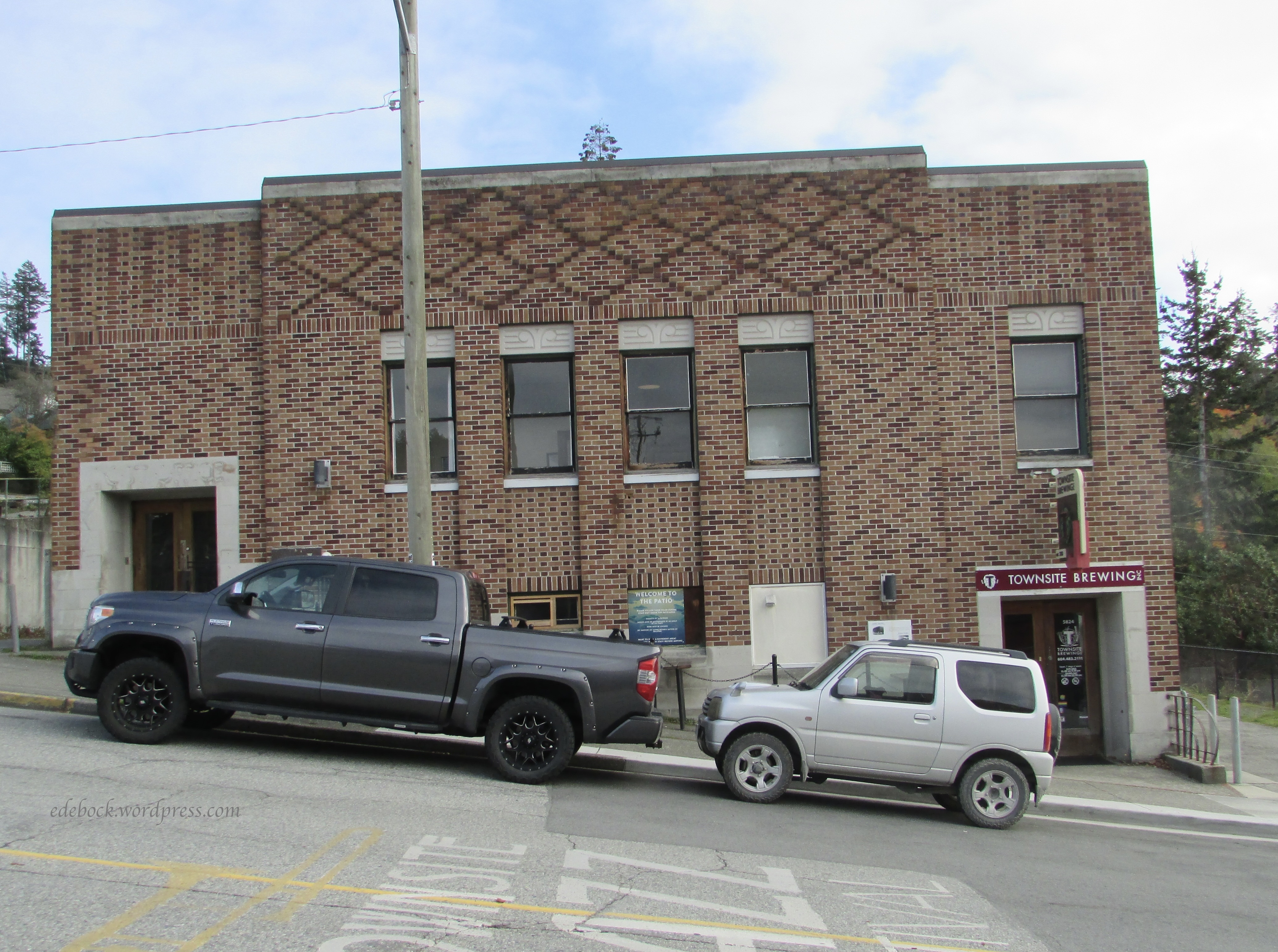
The fine brick building that currently houses Townsite Brewing was opened as the Federal Building in 1939. Built at a cost of $50 000, it housed the Post Office, Customs and Excise Office, and the Canadian Telegraph operations.

IMG_7683

And lastly, there’s the former Provincial Building, constructed in 1939 at a cost of $20 000. It was home to the BC Police, the courtroom, government agent, relief services, and the jail. Now it’s The Old Courthouse Inn. It boasts eight guest rooms with names like Judges Chambers, Sheriff’s Office, and Old Police Station. Each one is furnished with antiques and collectables.

IMG_7688

No, we didn’t stay there. We had a lovely airbnb suite with an ocean view in the part of Powell River called Westview, but I’m sure that the Townsite’s Old Courthouse Inn would also be a fine place to stay. Perhaps another time! 

The end of the road

When I was a child, my father loved to explore the most remote areas of our home province of British Columbia. Outings and vacations often involved driving to the end of the road, any road, and sometimes camping there. I guess I inherited a bit of his wanderlust! 

IMG_7645

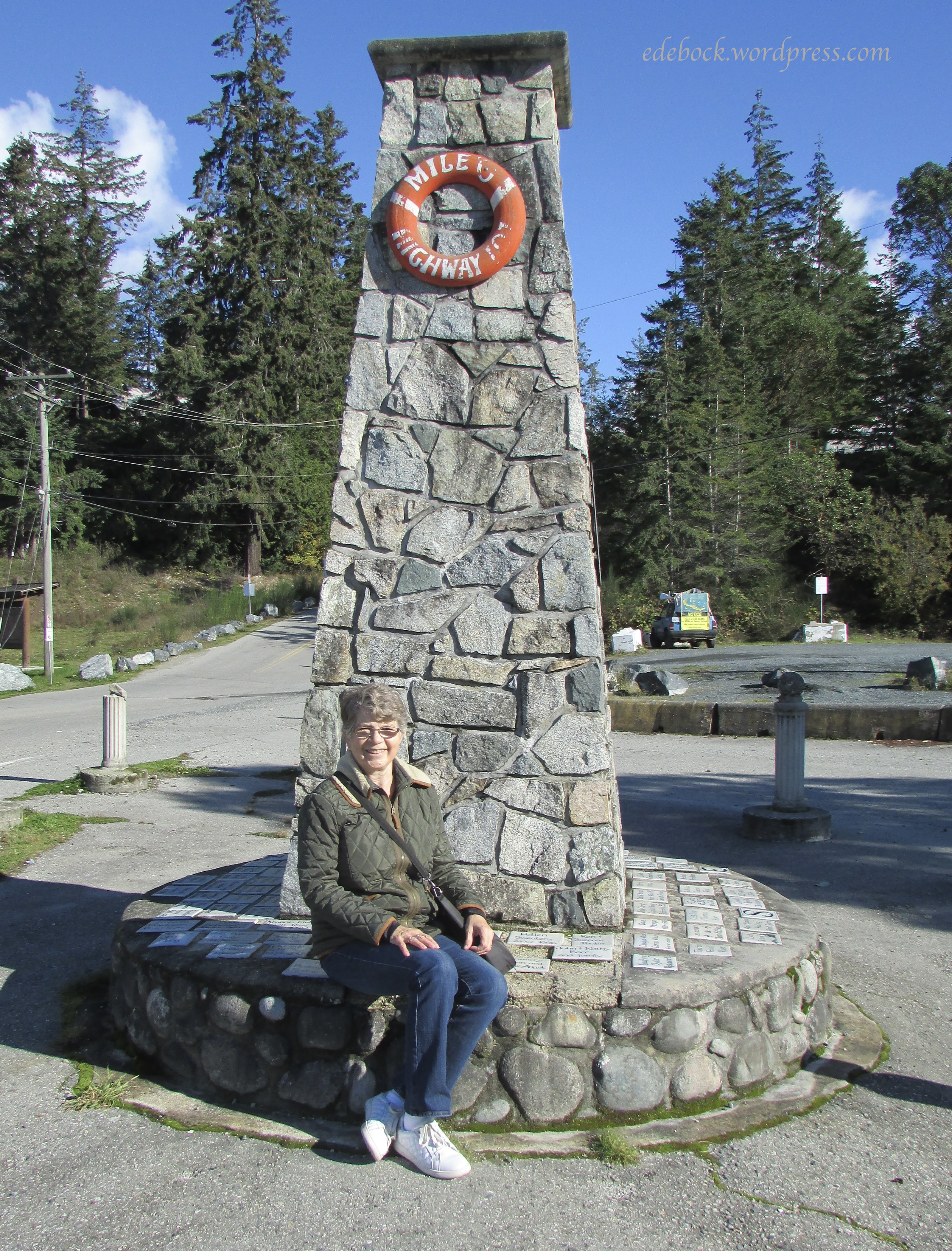
The tiny village of Lund, a 35 minute drive north of Powell River, BC, is literally either the beginning or the end of a very long road. Highway 101, the Pacific Coastal Highway, is one of the longest highways in the world. At the other end is Puerto Montt, Chile, approximately 15,202 km to the south.

IMG_7638

Best known today as the gateway to Desolation Sound and the Copeland Islands, Lund originated as a rugged and remote fishing village. When we spent part of an afternoon there earlier this week, the sun was shining and the ocean views were spectacular. 

IMG_7634

IMG_7635

IMG_7633

In addition to providing services for boaters, Lund is known around the area for the wonderful cinnamon buns at Nancy’s Bakery. While cinnamon buns are Nancy’s specialty, she serves a variety of other tasty treats and we enjoyed lunch at a little patio table out front of the bakery. While the food was delicious, the view was amazing. I really didn’t want to leave! 

IMG_7647 This is a very short post, but also the first one I’ve ever written while waiting in line for a ferry! We’re on our way back to Vancouver for another weekend with family before we head for home. 

Revisiting Powell River: a nostalgic journey

The past couple of days in Powell River, the BC coastal town where I was born and spent the first ten years of my life, have been a wonderful time of revisiting and reminiscing. One of my favourite things as a child was riding the ferries and after all these years, that hasn’t changed.

IMG_7608

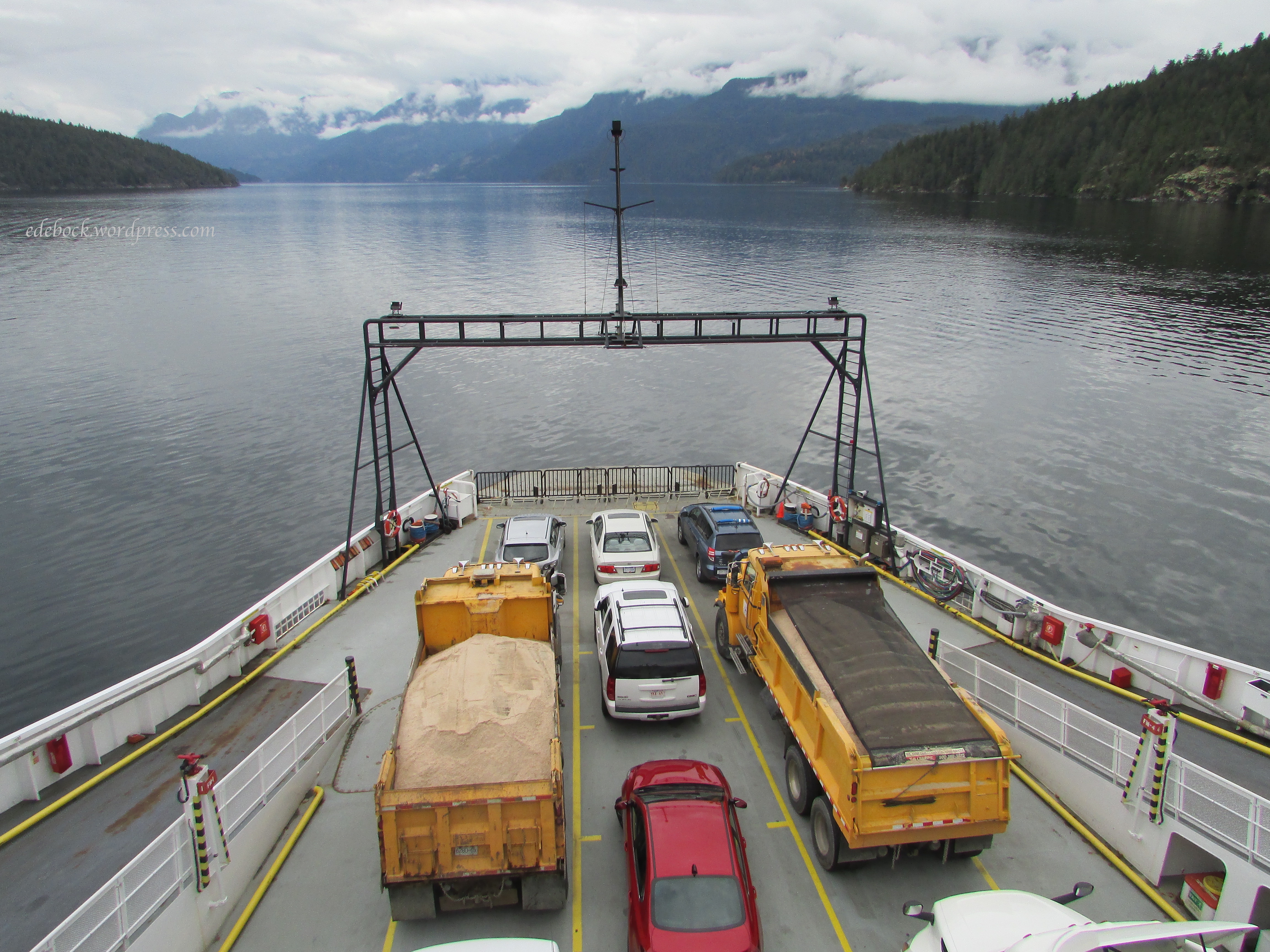
That’s the one that took us from Earl’s Cove to Saltery Bay on the last leg of our trip and there’s our white SUV sandwiched between two big trucks as we make the 50 minute crossing.
IMG_7609

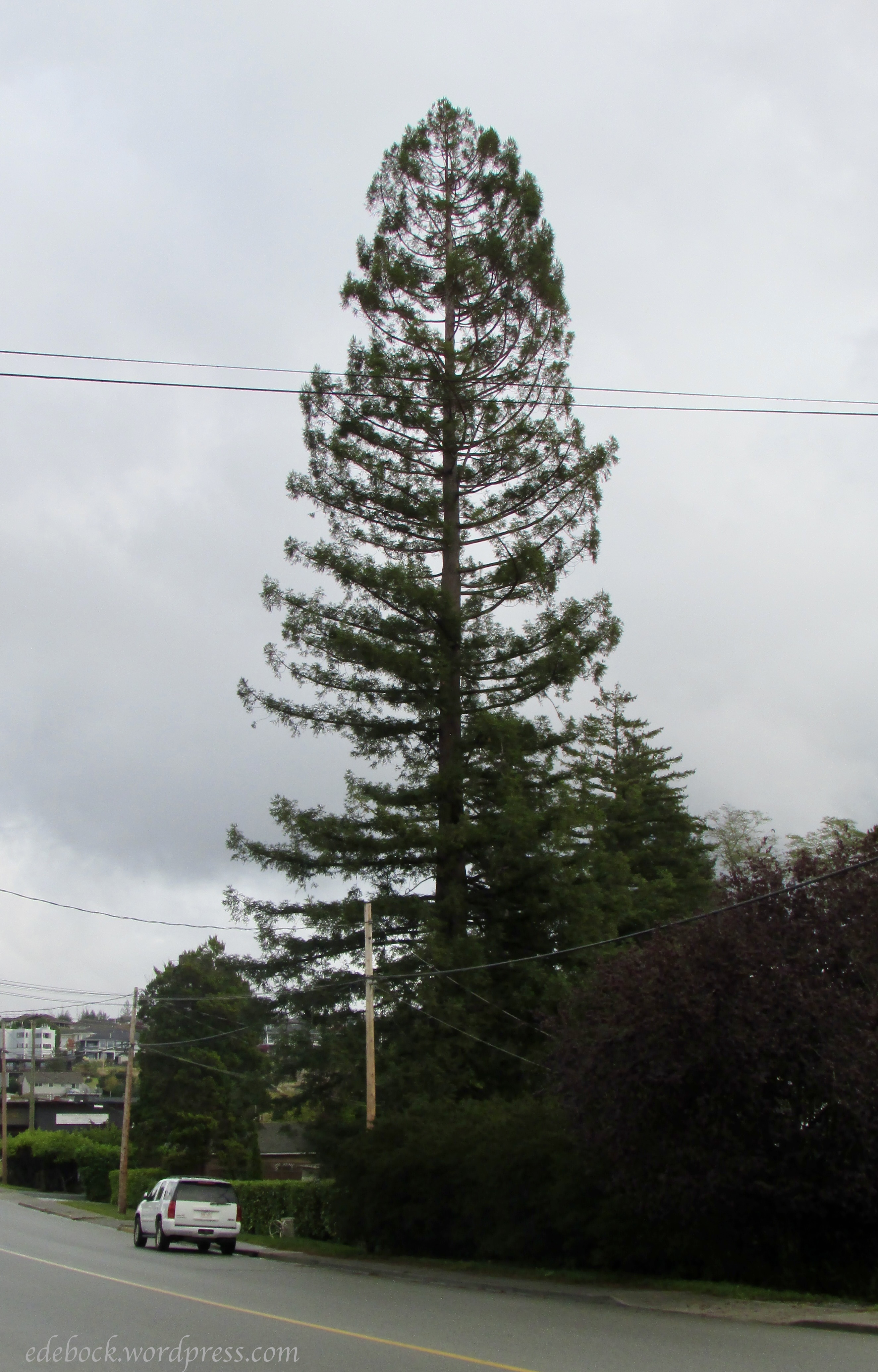
When we arrived in town, we immediately drove up the hill to check on the one remaining piece of family history in town, the giant California redwood that my grandmother planted from seed in the early 1940s. It stands in the corner of the yard that was hers and continues to thrive in its unusual location. Back in 2019, I contacted the Powell River weekly newspaper and they published this excellent article about it.
IMG_7615

There’s our vehicle again to give you an idea of how big the tree actually is!

The little house that my grandfather built in the 1930s is still standing, but I’m sure my grandmother, an avid gardener, would be as horrified as I was at the condition of the yard. She lived in that house until she passed away in late 1980 and I spent many, many happy hours there.

IMG_7689

My childhood home is still standing too, but it’s been completely transformed since we lived in it. When we moved in in 1955, it was a modest family home with two bedrooms and one bathroom, a completely unfinished upper storey, and a partially dirt basement. Later, as the family expanded, my father added two additional bedrooms and a half bath upstairs. Now for sale, it’s advertised as a “stunning 5 bed 4 bath character home” with a walk out basement and an attached bachelor suite and if you happen to have an extra $1.5 million to spend, it could by yours! While I wouldn’t even recognize it as the same house from the ocean side, this view from the street still looks very familiar.

IMG_7622

Living on the waterfront, I could hear the waves from my bedroom at night and the beach was my playground. On this visit, we walked the 2.7 km (out and back) Seawalk that is a new addition since our days in PR.

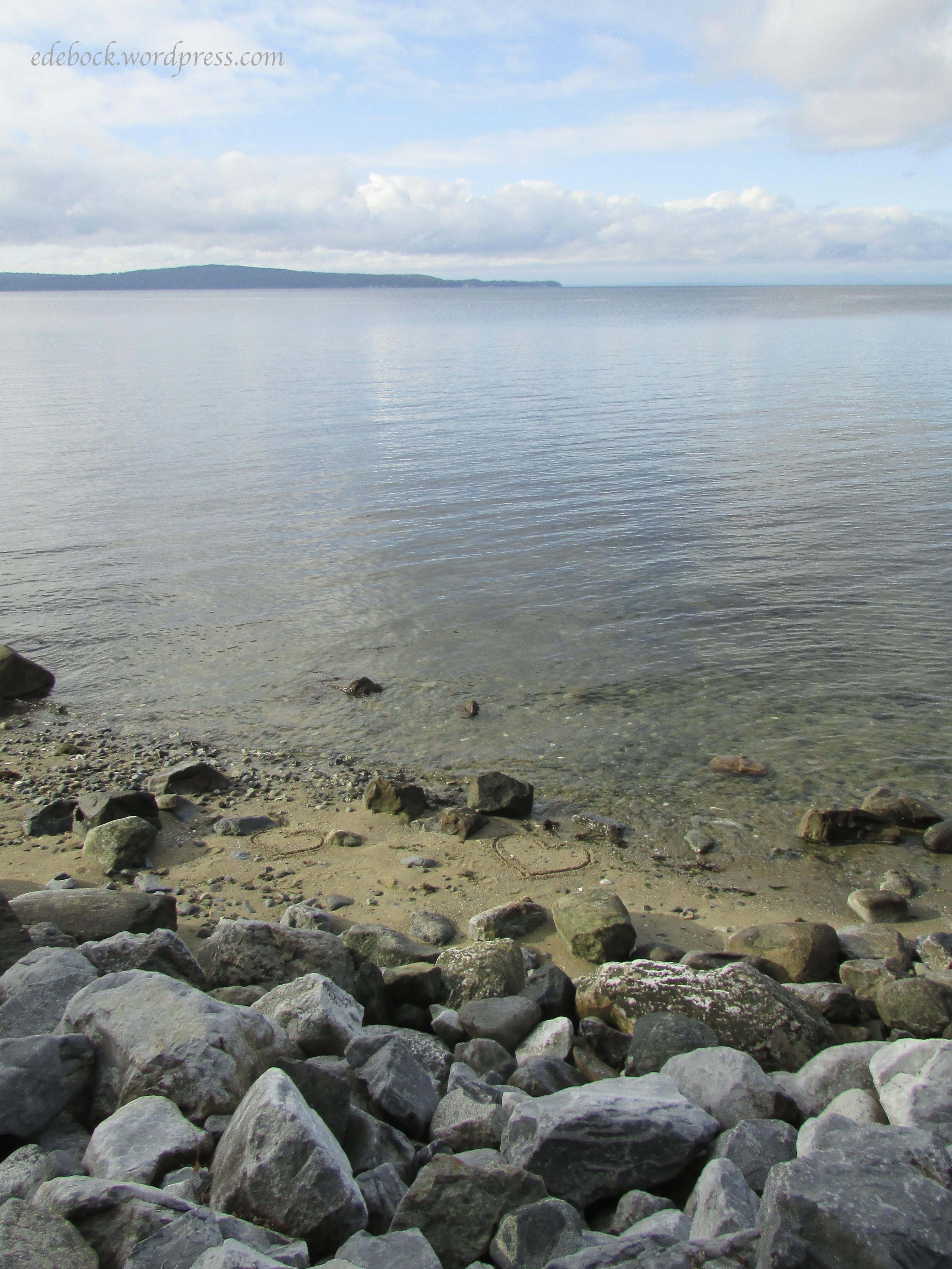
IMG_20241024_111755042_HDR 2

IMG_7666

I remember my father telling the tale of climbing Valentine Mountain with his two preschool children (my older brother and I) on Father’s Day 1955 and, in his words, when we got home his wife “felt like having a baby”. My sister was born later that day! I also remember that in his younger days, Dad, an avid mountaineer, would climb the mountain with a pack filled with 40 pounds of magazines on his back to stay in shape. With these family stories in mind, I decided that on this trip, hubby and I would climb Valentine Mountain. It’s actually a short, but steep hike up to a rocky bluff with a beautiful view. The final part of the climb is a made up of steep stone steps.
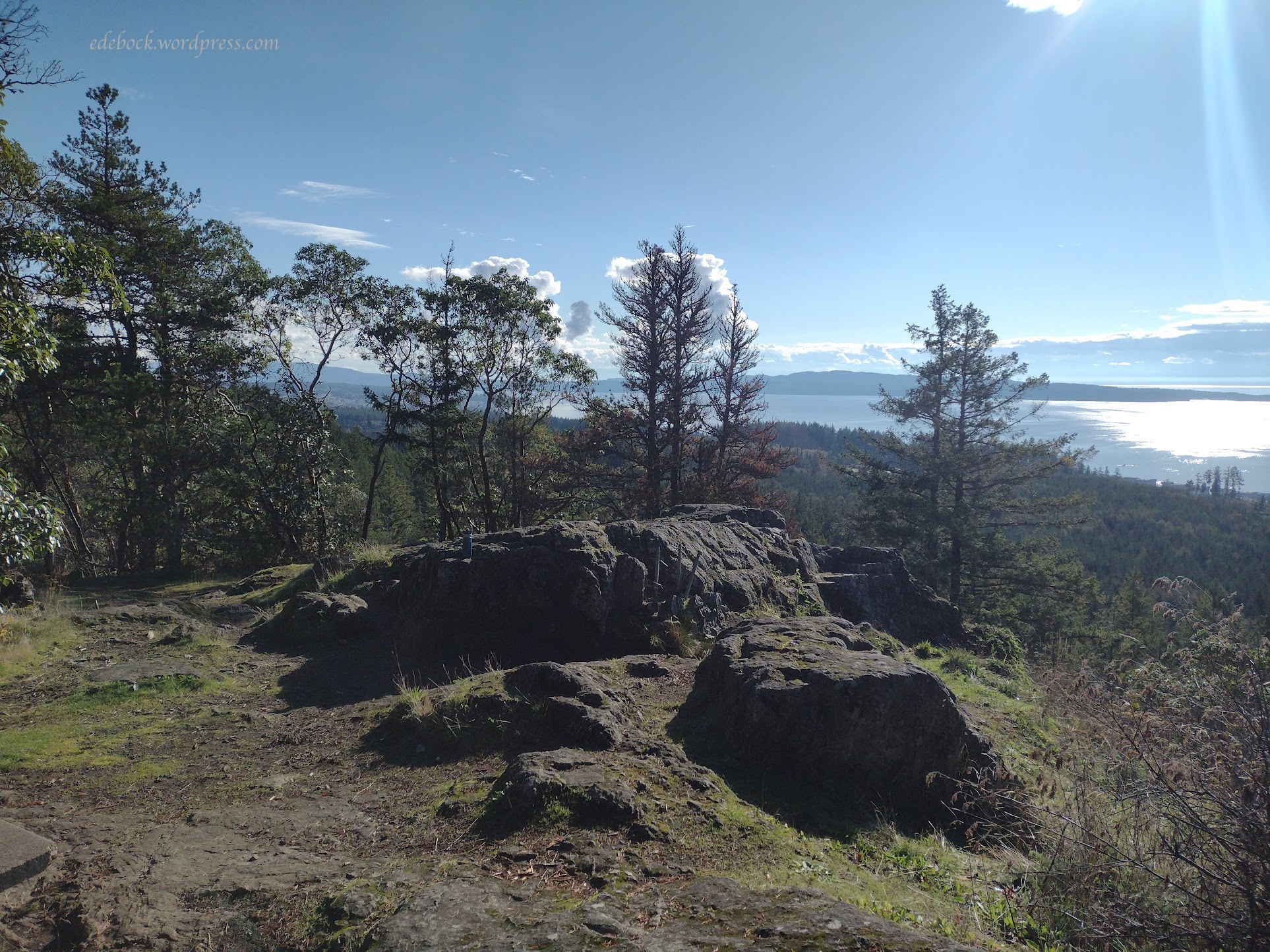
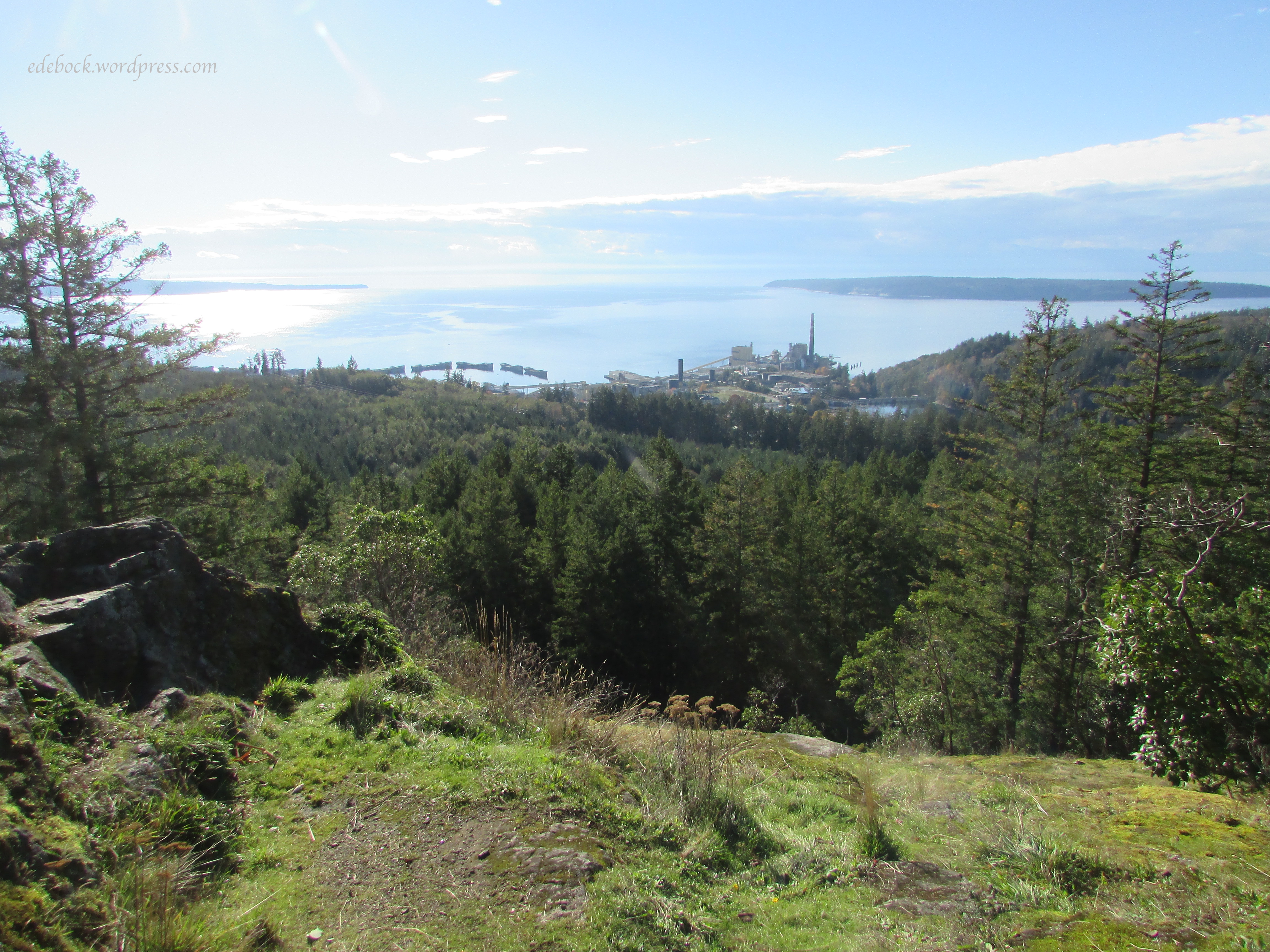
IMG_20241023_145158711_BURST000_COVER

IMG_7652

The panoramic view from the top includes the old pulp and paper mill which was originally Powell River’s sole reason for being as well as a breakwater made of WWII merchant marine vessels.

IMG_7653

The mill, now closed, played a very big role in our family history. The grandfather that I never knew because he died in his 30s worked in the mill and my beloved Grandpa, the man my grandmother married when I was 7, was a millwright there for his entire working life. During WWII, when women filled roles left vacant by men who’d gone to war, my mother also worked in the mill and later, my father was employed as an engineer by the company.

While in Powell River, we’ve been staying in a beautiful airbnb with an ocean view. Each evening, we’d watch the sun set and then go out for dinner.
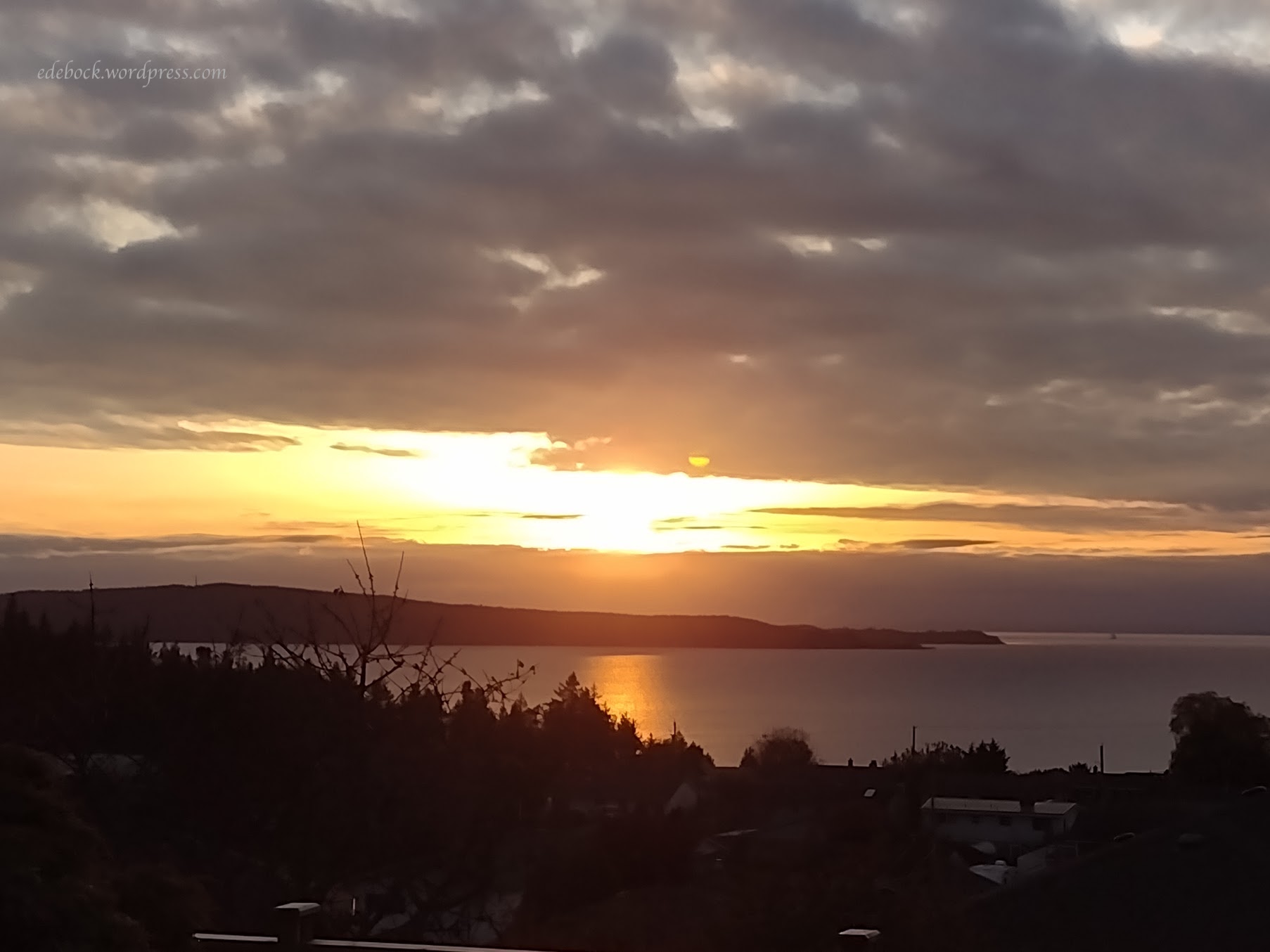
IMG_20241024_174930796

We were halfway through dinner the first evening when I realized that the restaurant we were eating in was probably originally the movie theatre where I’d seen the 1959 film, The Shaggy Dog, with a group of neighbourhood kids. The waitress confirmed my suspicion. Then this evening, we ate in a bistro that is housed in what was always called the beer parlour when I was a child. I remember that back then it had two separate entrances. The signs over the doors said “Men” and “Women and Escorts”. My grandmother spoke of it as if it was a terrible place. I’m sure the ambiance has changed significantly since then!

Tomorrow, we’ll say goodbye to Powell River and return to Vancouver. There won’t be a fashion post this week, but I do plan to write a couple more about our time here. In the meantime, I hope you’ve enjoyed this rambling bit of reminiscing.

IMG_7661

Hike to Smuggler Cove

While the actual distance from Vancouver to Powell River on BC’s Sunshine Coast is only about 125 km (78 miles), it’s a 4 to 5 hour trip by car because it involves two ferry crossings of 40 to 50 minutes each.

8803037511710

I was born in Powell River and spent the first ten years of my life there. We made the trip back and forth many times for everything from medical appointments to visiting family in the city. Later, after moving to Vancouver, we returned to Powell River to visit my grandparents who continued to live there. Never during all those years did we ever stop to explore the peninsula between the Langdale and Earls Cove ferry terminals. To me, the trip always seemed like a mad dash along the narrow, winding highway to get from one ferry to the next. More than once, we arrived just as the ferry pulled away and had to wait for the next one!

It’s been about 20 years since I last returned to PR and this time I decided to make it a more leisurely trip. Instead of rushing from one ferry to the next, we spent 24 hours exploring the peninsula and spent the night with a good friend at Sechelt. We also enjoyed a hike to Smuggler Cove.

After the completion of the Canadian Pacific Railway in 1885 ex-Royal Navy seaman, Larry Kelly, used the tranquil waters of Smuggler Cove to collect cargoes of unemployed Chinese labourers who each paid him $100 to smuggle them into the United States where they hoped to find work. Later, during Prohibition (1920-1933) rum-runners used Smuggler Cove as a safe haven.

The hike to Smuggler Cove is a fairly easy one. The first part is a well-maintained trail and includes sections of boardwalk that pass through a wetland area, largely the work of resident beavers.

IMG_7579

Further on, the trail becomes slightly more challenging but it’s still not difficult. Hiking through the coastal rainforest, life beneath the canopy is lush with numerous kinds of ferns and fungi.

Without question, though, the highlight of the hike is the cove itself. So beautiful and so serene! Hubby was curious about the building in the second photo that would only be accessible by water. 

IMG_7597

IMG_7598

At the end of the in and out hike, before beginning the trek back to our vehicle, we sat for awhile in this beautiful spot. After experiencing the destructive power of an “atmospheric river” that caused serious damage and claimed at least three lives just a few days earlier while we were staying in North Vancouver, these peaceful ocean waters were a boon to my soul!

IMG_7602

Exploring the University of Alberta Botanic Garden

IMG_7305

As part of his 50th year university grad celebration, hubby received complementary tickets to the University of Alberta Botanic Garden (formerly called the Devonian Gardens) just outside Edmonton. It was a beautiful fall day; perfect for a peaceful stroll through the 80 acres of themed gardens and winding nature trails.

While the garden wasn’t the riot of colour that it might have been earlier in the season, there were still many beautiful flowers to be seen.

IMG_7282

IMG_7290

IMG_7313

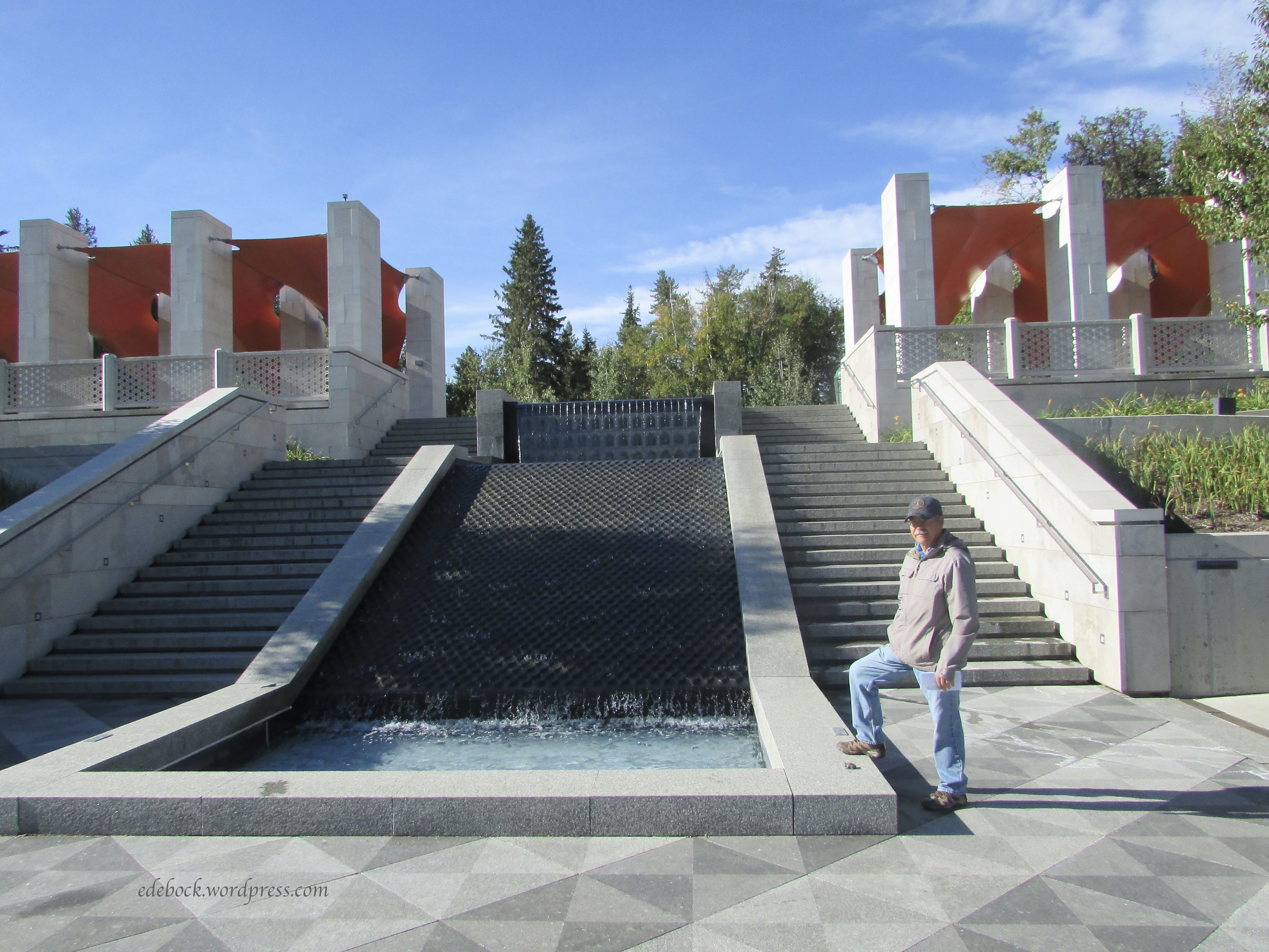
With its geometric granite and limestone terraces, still reflective pools, and the soothing sound of moving water, the expansive Aga Khan Garden, a contemporary interpretation of Islamic landscape architecture, was a very peaceful place to stroll. The central focus is a waterfall tumbling over textured stone.

IMG_7284

IMG_7285 Recently renovated, Connie’s Secret Garden at the north end of the Alpine Garden is home to a more natural looking waterfall.

IMG_7298

Indoor showhouses feature plants from three very diverse climatic zones… tropical, temperate, and arid. Everywhere we went, we were surrounded by an abundance of plants of every description. Some of the most unique ones were the cacti in the Arid Showhouse. Just look at that amazing flower.

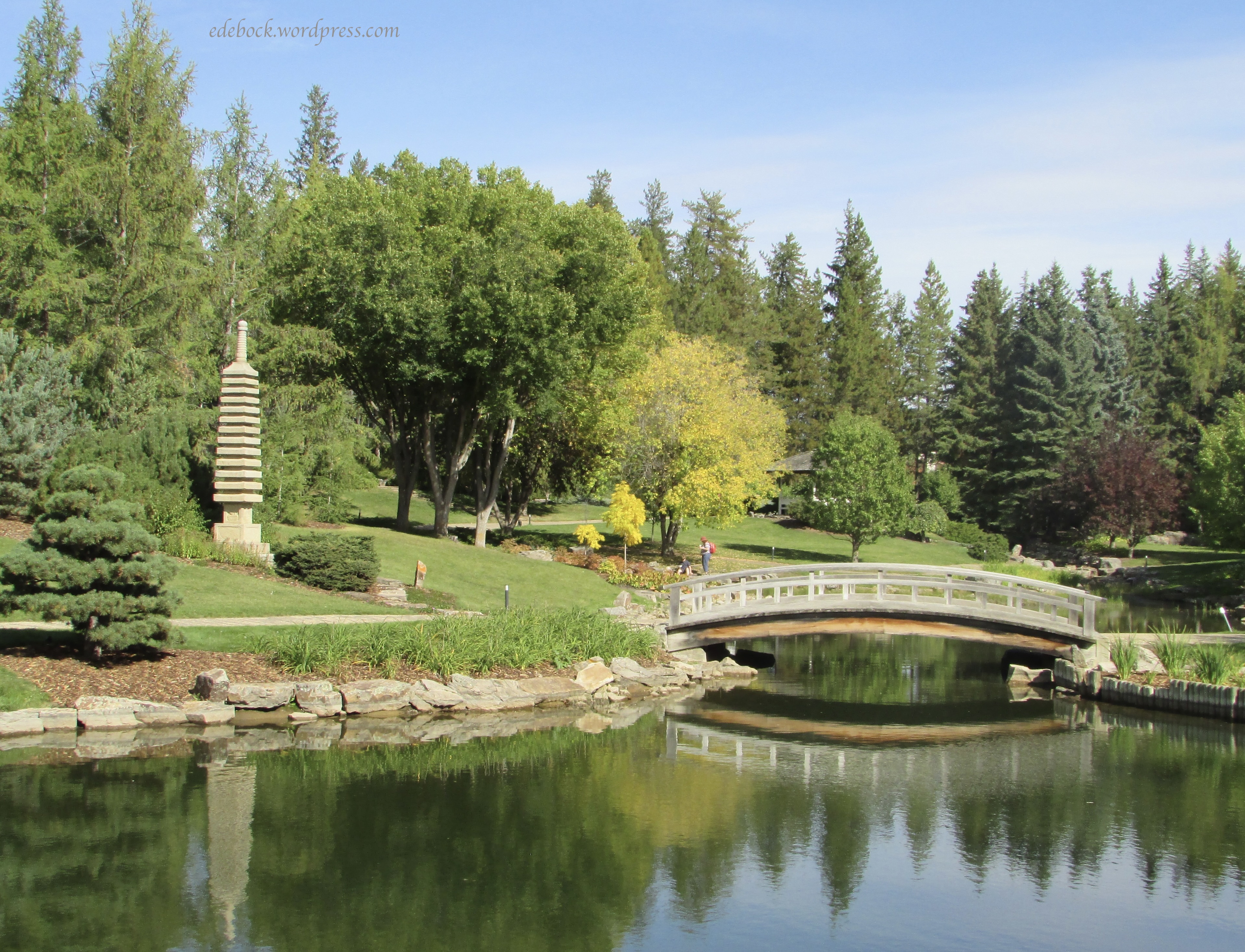
During the year that we lived in Japan, I fell in love with the beautiful strolling gardens, so we purposely saved the Kurimoto Japanese Garden for last today knowing that it would be my favourite part. With it’s lanterns, arched bridge, and pagoda, the design is authentically Japanese, but the garden utilizes plants that are hardy enough to survive our northern climate.

IMG_7327

IMG_7328

IMG_7331

IMG_7317

This is really just a sampling of what the Botanic Garden has to offer. We walked every pathway, some of them twice, covering a total of 6.21 km (3.86 miles) leaving me less than 10 km to go to complete my 300 km in 150 days goal!

The Trans Canada Trail

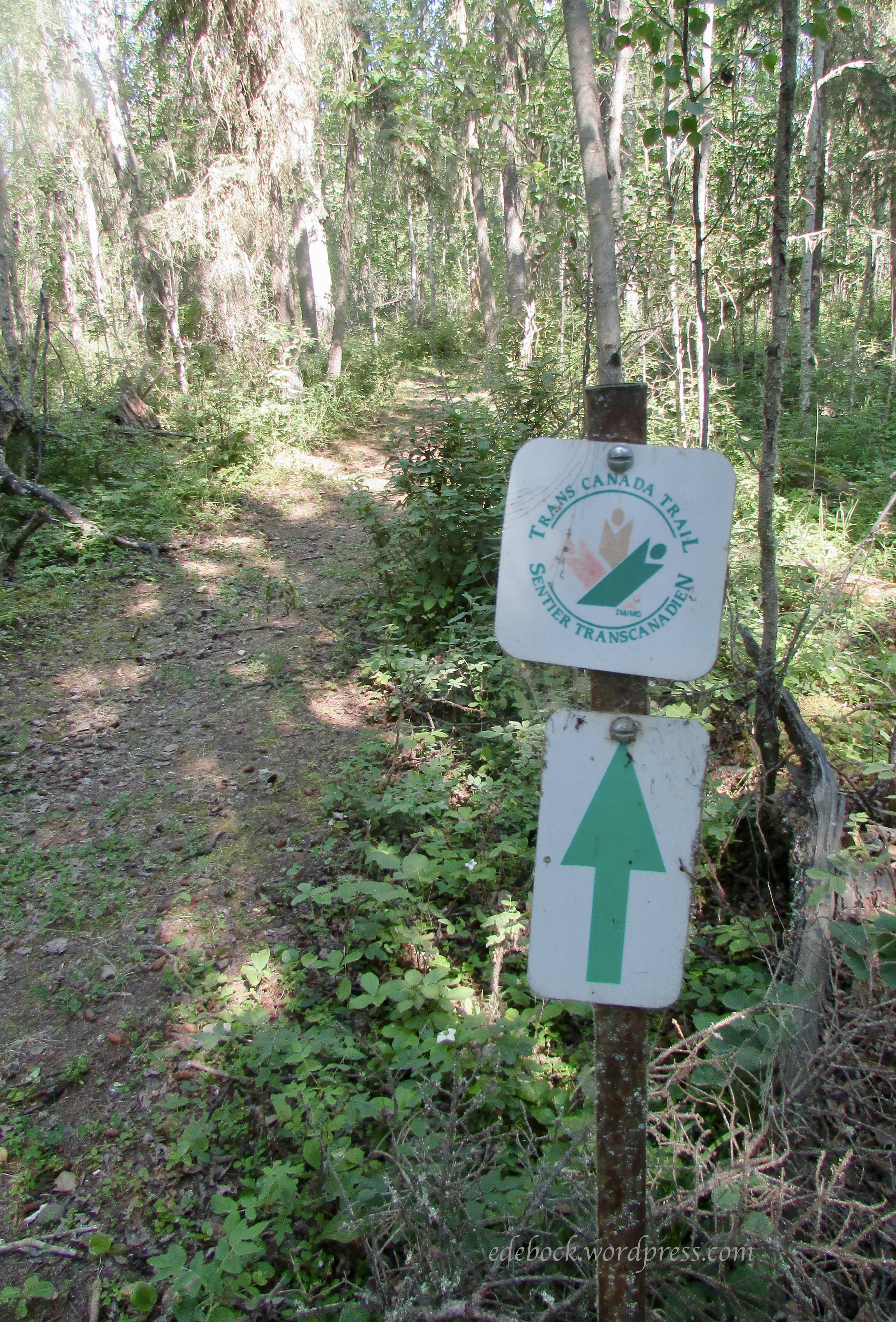
The Trans Canada Trail isn’t a single trail. It’s the world’s longest multi-use trail network consisting of greenways, waterways, and roadways stretching across Canada from the Pacific to the Arctic and the Atlantic oceans. It crosses every province and territory and connects more that 15 000 communities.

Screenshot 2024-07-12 at 6.26.00 PM

Last week, while camping at Hilliard’s Bay Provincial Park on Alberta’s Lesser Slave Lake, we had the opportunity to hike a couple of short portions of the trail that follows the north shore of the lake.

IMG_7100

IMG_7103

It was while we were hiking there that I reached the 150 km point on my 150 day walking challenge. I’m halfway to my goal well ahead of schedule!

In the summer of 2021 , award-winning Canadian filmmaker, photographer, author and multimedia artist Dianne Whelan, became the first person to complete the entire Trans Canada Trail. Over a six year period, she travelled by foot, bike, and canoe chronicling her remarkable journey in her film, 500 Days in the Wild.

While I can’t even imagine attempting such a daunting venture, it did occur to me while we were hiking that if I were younger, I would plan to visit all 13 Canadian provinces and territories and hike a section of the trail in each one!

IMG_7117

Now that we’re home and getting back into routine, I just need to ensure that I keep on walking. I still have 147.3 km (91.5 miles) to go before October 5th!

Old Montreal and the solar eclipse

The conference that I attended in Montreal last weekend ended late Sunday afternoon. Realizing that making it to the airport in time for a return flight to Edmonton that evening would be tight, another Alberta patient and I arranged to stay over and fly home the following evening. That gave us most of Monday to do some sightseeing.

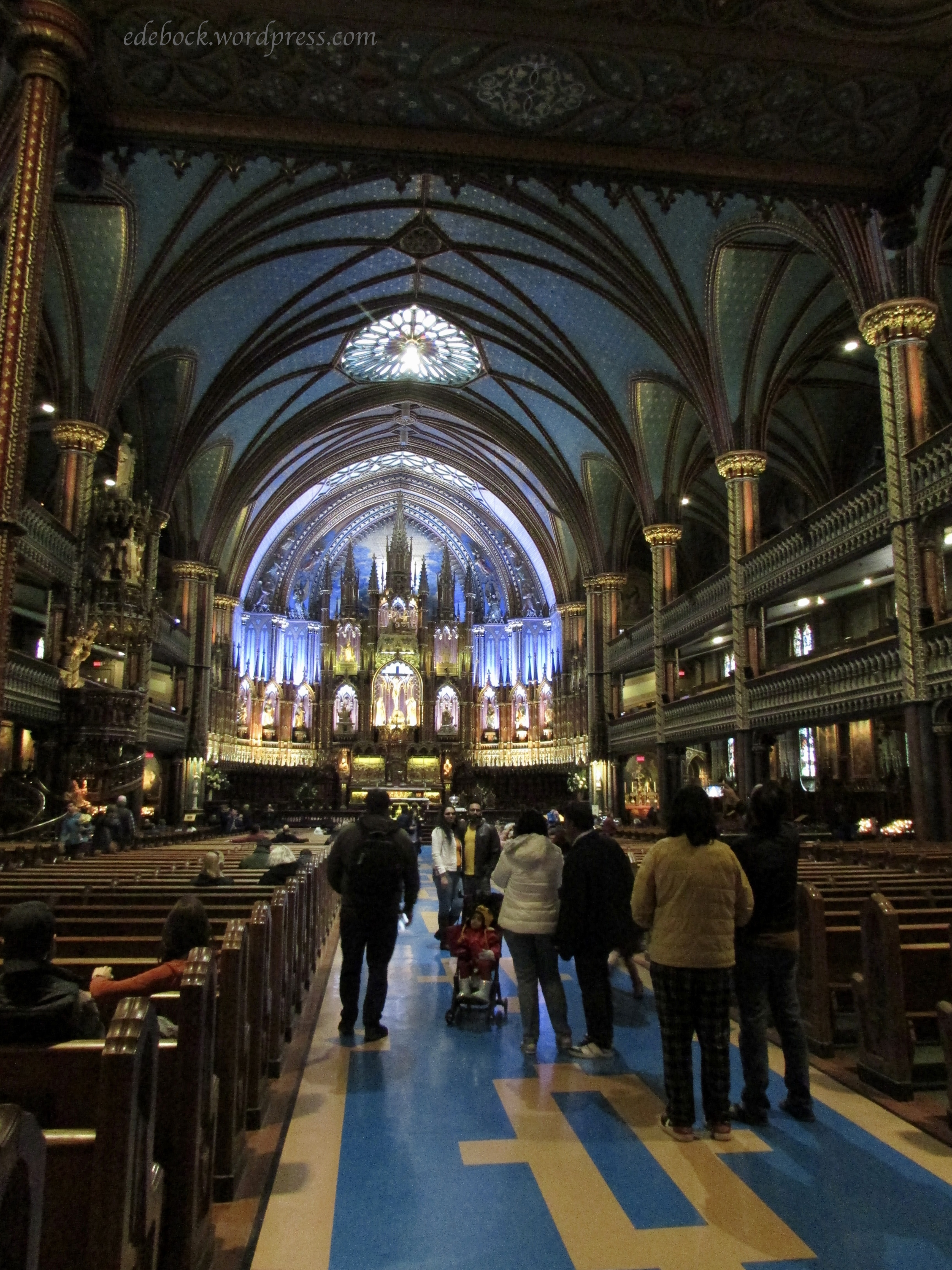
The last time I was in Montreal was over 20 years ago, but Amber had never been and I knew right away that I wanted to show her Old Montreal. Our first stop would be the majestic Notre-Dame Basilica which was built between 1824 and 1829. Since it was located just 1.5 km from our hotel and the weather was gorgeous, we set off on foot. 

IMG_6755

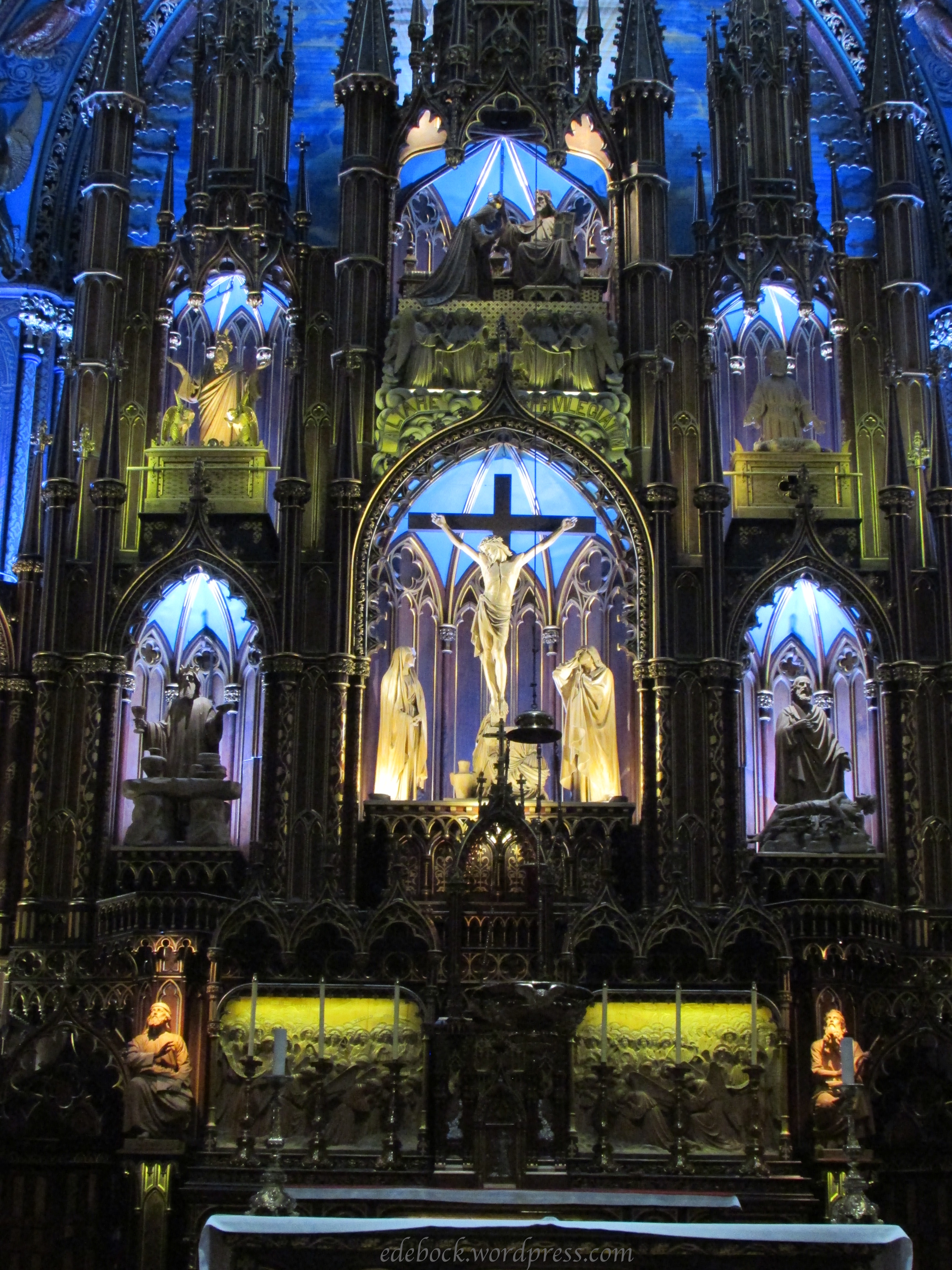
The exterior of the church is undergoing major restoration that isn’t expected to be finished until approximately 2040, but the interior is truly a sight to behold. I think a person could take 100 photos and not even begin to capture every detail! Here is just a taste of what we saw. 

IMG_6759

IMG_6763

IMG_6764

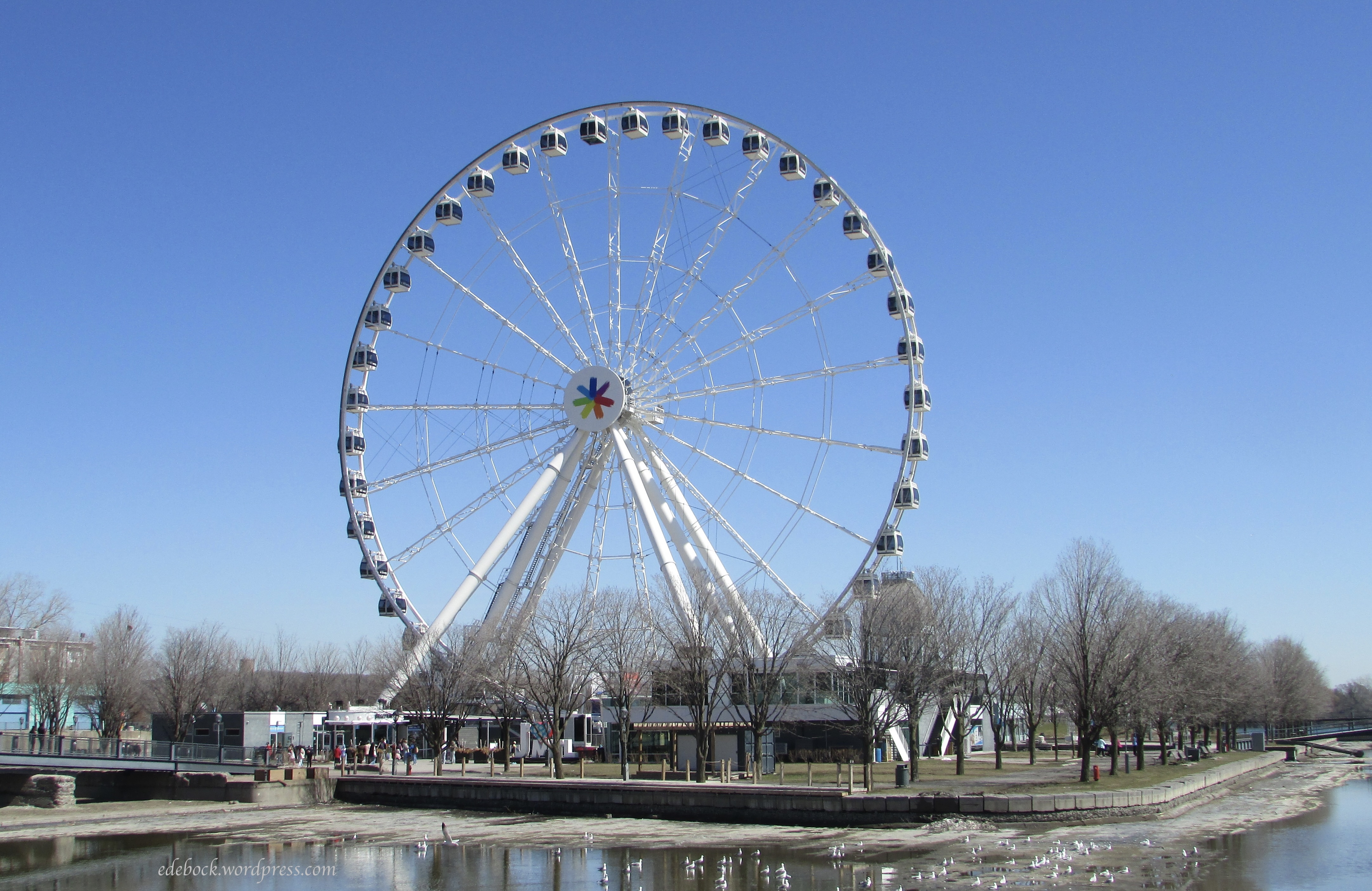
Our next destination was the Old Port and La Grande Roue de Montreal, a 60 metre high ferris wheel, the tallest of its kind in Canada. We knew that the sky was going to darken later in the day due to the highly anticipated solar eclipse, so we wanted to ride the ferris wheel early and enjoy the views of Old Montreal and beyond in full daylight.  

IMG_6771

IMG_6776

IMG_6778

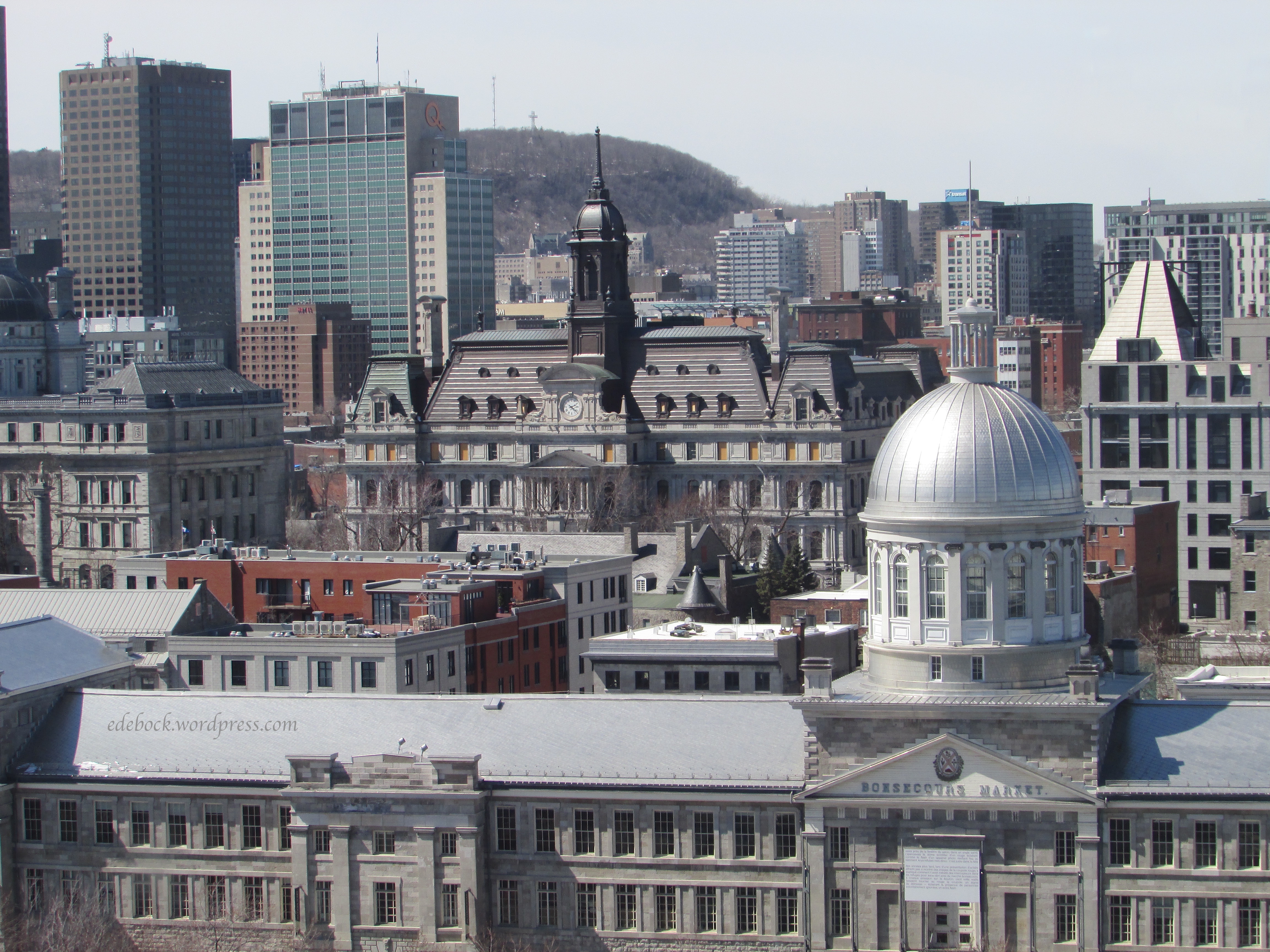
In the next photo, you can see Bonsecours Market in the foreground and Mont Royal with its 33 metre high cross overlooking the city in the background. After our ride, we wandered through the many boutiques in Bonsecours Market. 

IMG_6777

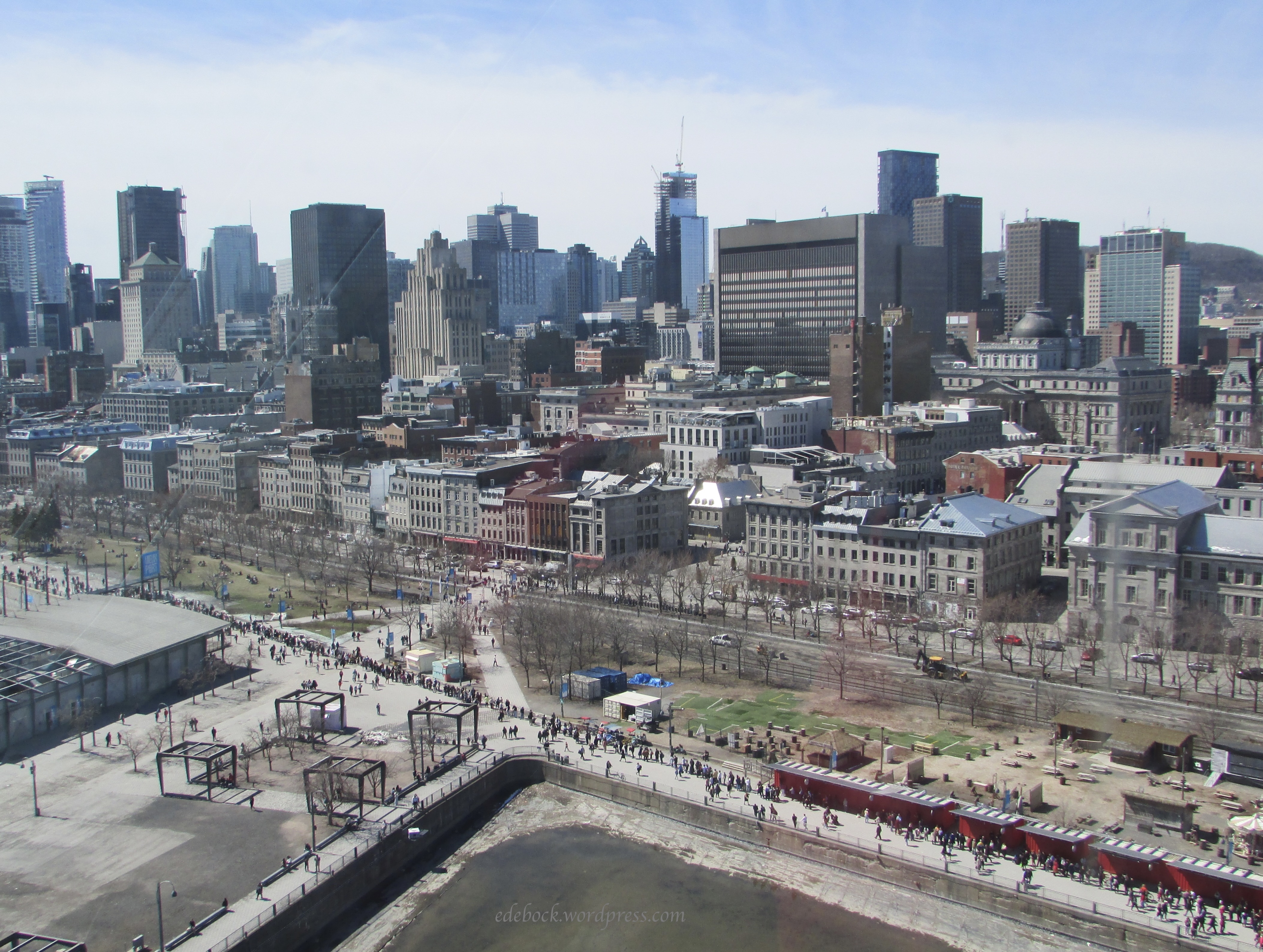
If you look closely at the following photo, you will see a long lineup of people stretching the entire width of the photo. That’s just a fraction of the crowd who were lined up to get solar eclipse glasses that were being given away free! Thankfully, there was no line up waiting to ride the ferris wheel. Each gondola can carry up to 8 people, but we had one to ourselves!  

IMG_6774

Before going to Montreal, even though I knew that the city was in the path of the total eclipse, I had little interest in actually seeing it. In fact, I had thought that we might just sit it out in a coffee shop somewhere, but Amber was having no part of that! She was determined that we see it and, in retrospect, I’m so glad she was. There was, however, no way that we were going to waste our limited time in Montreal standing in that endless line to get the necessary glasses. On our way to the ferris wheel we had stopped into a couple of shops to see if we could buy some, but those that had had them were completely sold out. Then, just as we approached the area where people were lining up to get the free glasses, we encountered a young man selling them for $5 apiece! Perfect!

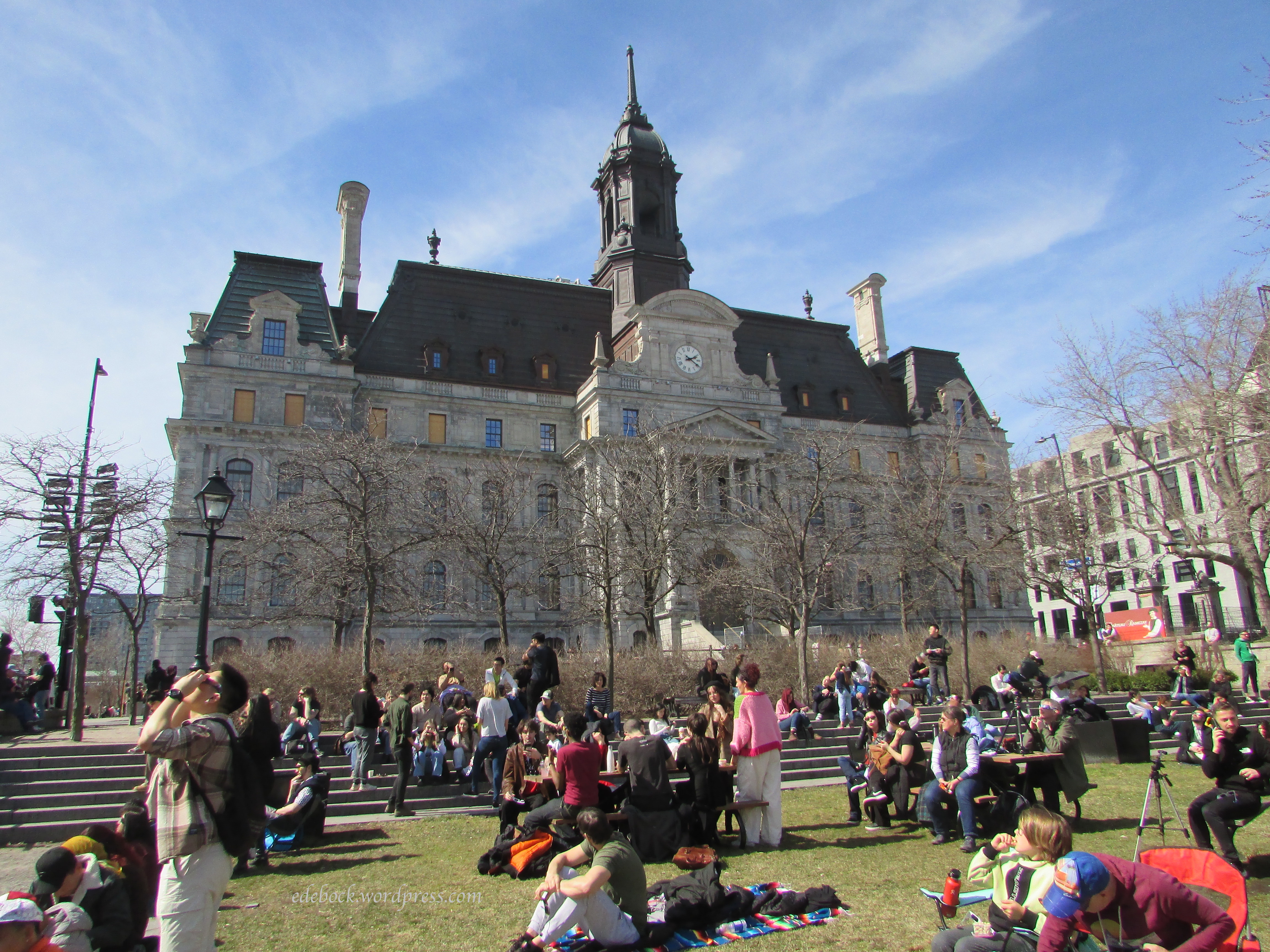
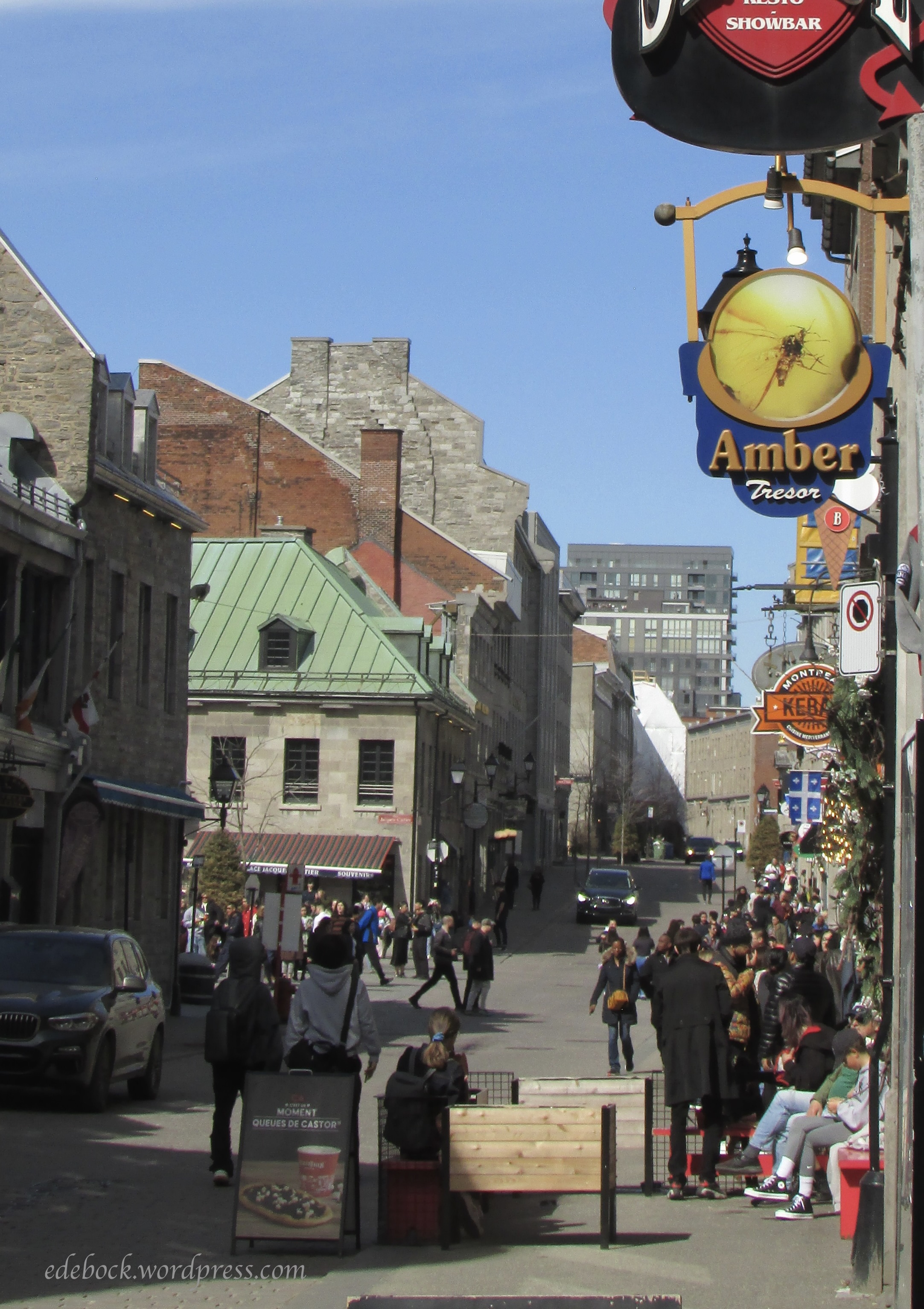
After stopping for lunch in a lovely little Italian restaurant housed in a building where Charles Dickens apparently wrote notes for A Tale of Two Cities while visiting Montreal in 1842, we wandered the streets of Old Montreal and began taking glimpses through our eclipse glasses as the moon began to block the sun and the light started to fade. Crowds of people were gathering everywhere! 

IMG_6783

IMG_6786

IMG_6792

IMG_6793

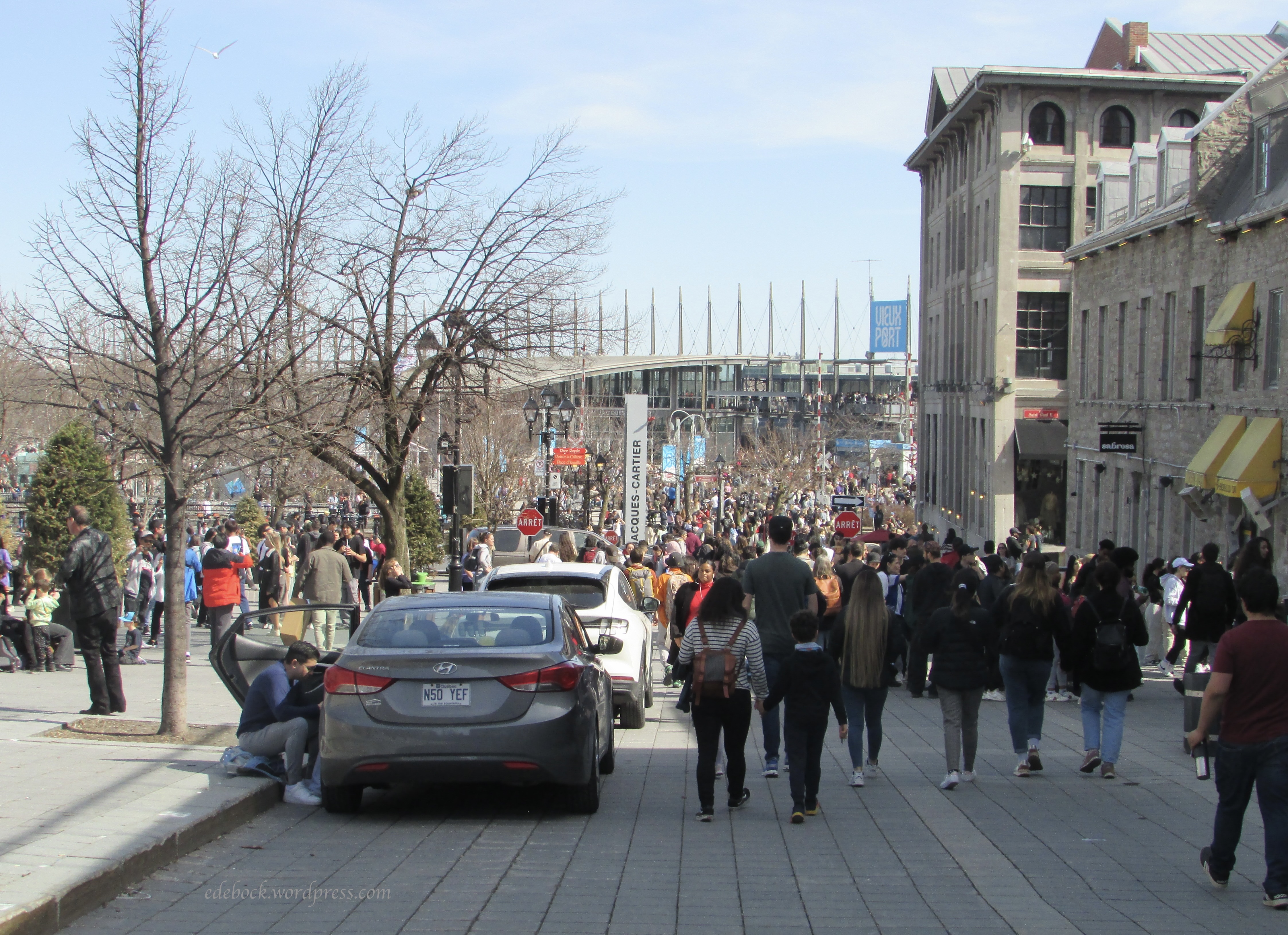
We were on cobblestoned Rue Saint-Paul, the oldest street in Montreal, as the clock approached 3:26 pm, the time of the total eclipse. 

IMG_6797

Though the light was odd, with less than 10 minutes to go, it really didn’t look like it was going to get completely dark. Then, within minutes, the sky darkened and the streetlights came on! 

IMG_20240408_152604659

IMG_20240408_152610679

IMG_20240408_152617034

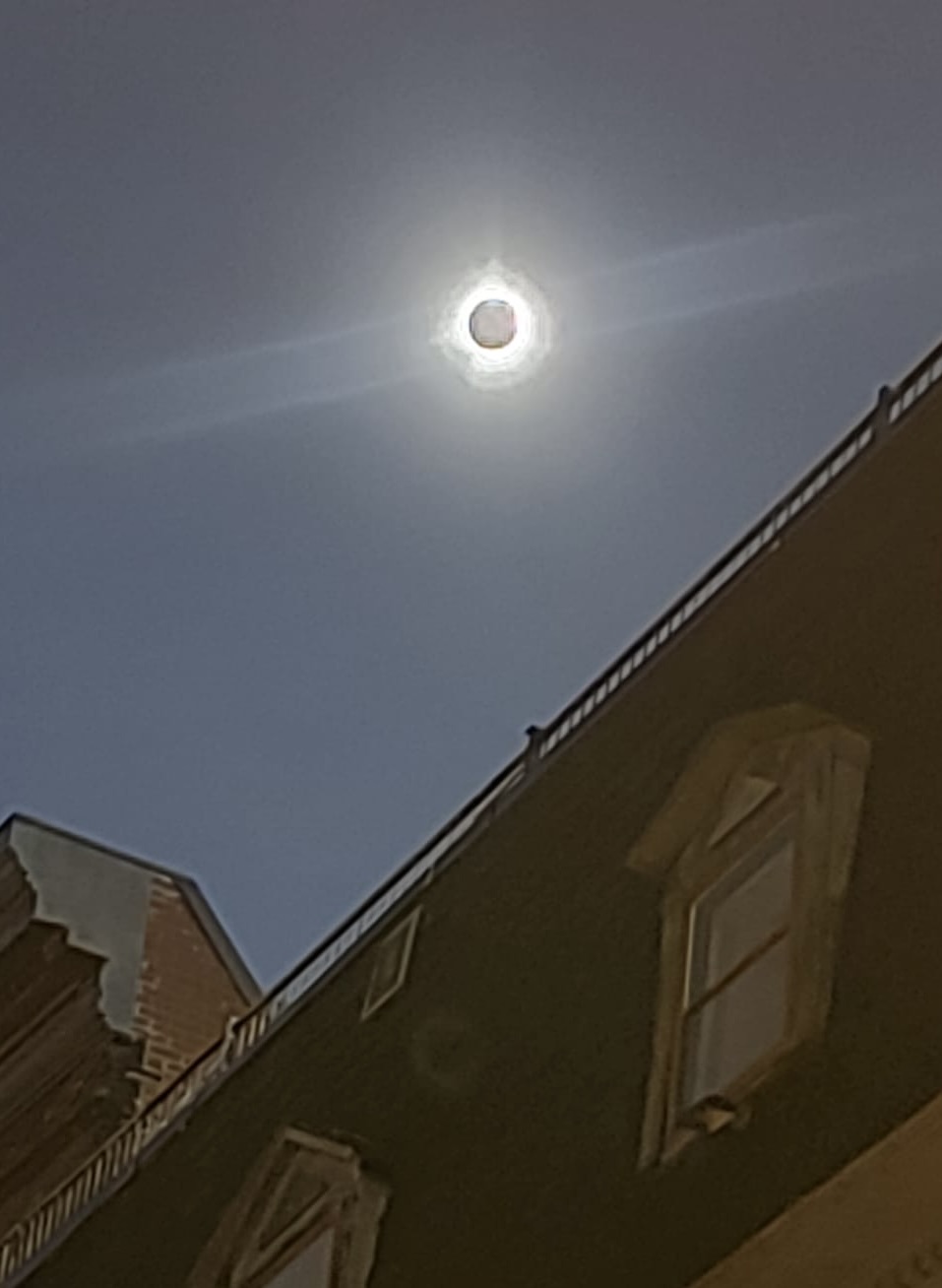
When the moment arrived, the moon covered the sun completely and for a very short time, we could look at the halo with the naked eye. A cheer erupted from the many thousands of people gathered throughout the area! We tried to get pictures, but the best we could do was this one that Amber took on her phone. 

WhatsApp Image 2024-04-08 at 16.44.00

In less than two minutes, the excitement was over. The sun began to emerge again and the sky became light very quickly. Amber and I made our way back toward our hotel where we picked up our luggage and caught a taxi to the airport. We had walked 8 km, had a once in a lifetime experience, and made some amazing memories!