Memories remade

I don’t think many tourists go to Anahim Lake, BC. I’m sure that even fewer go a second time. There’s not much about the remote community of 360, located 316 km (198 miles) west of Williams Lake, to attract visitors. With its scattered homes and rough unpaved roads, it’s really quite sad looking.

Someone taking the BC Ferries Discovery Coast Passage between Port Hardy on Vancouver Island and Bella Coola on the mainland, might stop there for gas (142.9/litre when we were there). Others might come for the year-round outdoor adventure opportunities in nearby Tweedsmuir Provincial Park and the surrounding area; activities including fishing, canoeing, hiking, horseback riding, and bird watching in the summer or cross-country skiing and snowmobiling in the winter but they wouldn’t find meals or accommodation available at Anahim Lake.

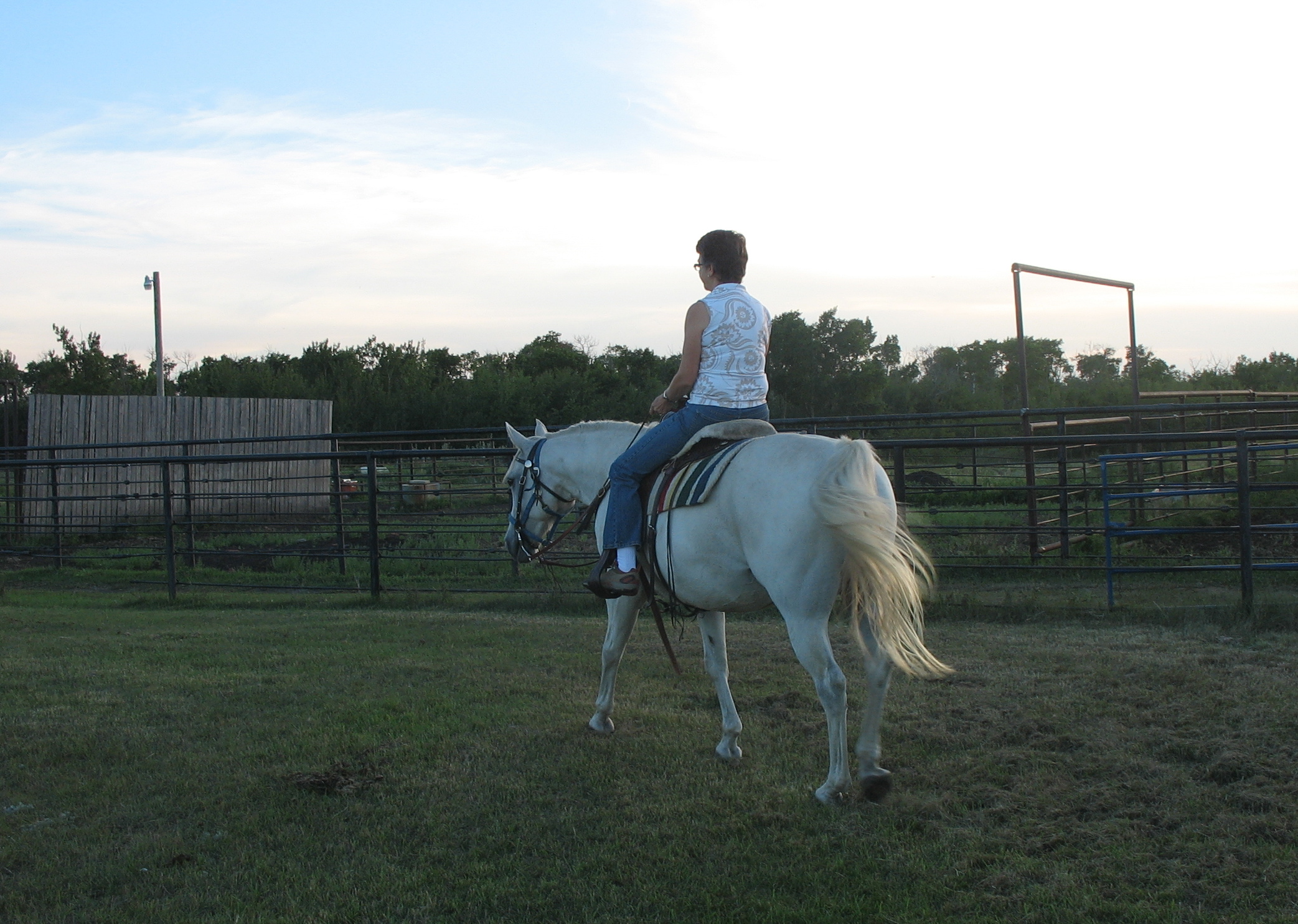
When we decided to leave the trailer in Williams Lake and take a day trip to the west, we didn’t know how far we’d go but as the day progressed Anahim Lake became our destination, our turn around point. I remembered nothing of the community itself from my first visit on a family vacation in the mid 1960s. What I did remember was attending the Anahim Lake rodeo, still an annual event. For a horse mad city girl, a genuine small town rodeo was big excitement! Huge!

Ever since my mother’s diagnosis with Alzheimer’s disease, memory and how it works has fascinated me. Over the years as I’ve thought back on childhood trips through central BC, I remembered the wide open rolling ranchland of the Chilcotin region. As we drove out to Anahim Lake this summer, I was surprised to see much less of that than I expected to. Much of our time was spent driving through forest. Logging trucks with heavy loads lumbered past us all day long but I remembered nothing of that. I suspect that that’s because I was growing up at the coast surrounded by forest and forestry. It wasn’t unusual. It didn’t stand out. Ranching, however, was something brand new and interesting. At that point in my life, I’d never been to the prairies and had never seen vast expanses of wide open land.

I did remember bumping over cattle guards and sharing the road with cows and horses. That hasn’t changed. You definitely know you’re in ranching country when open range livestock have the right of way and you stop beside the highway to wait while a lone cowgirl drives a herd of cattle down the road!

I loved the rustic fences that are still in use throughout the area.

Hell’s Gate

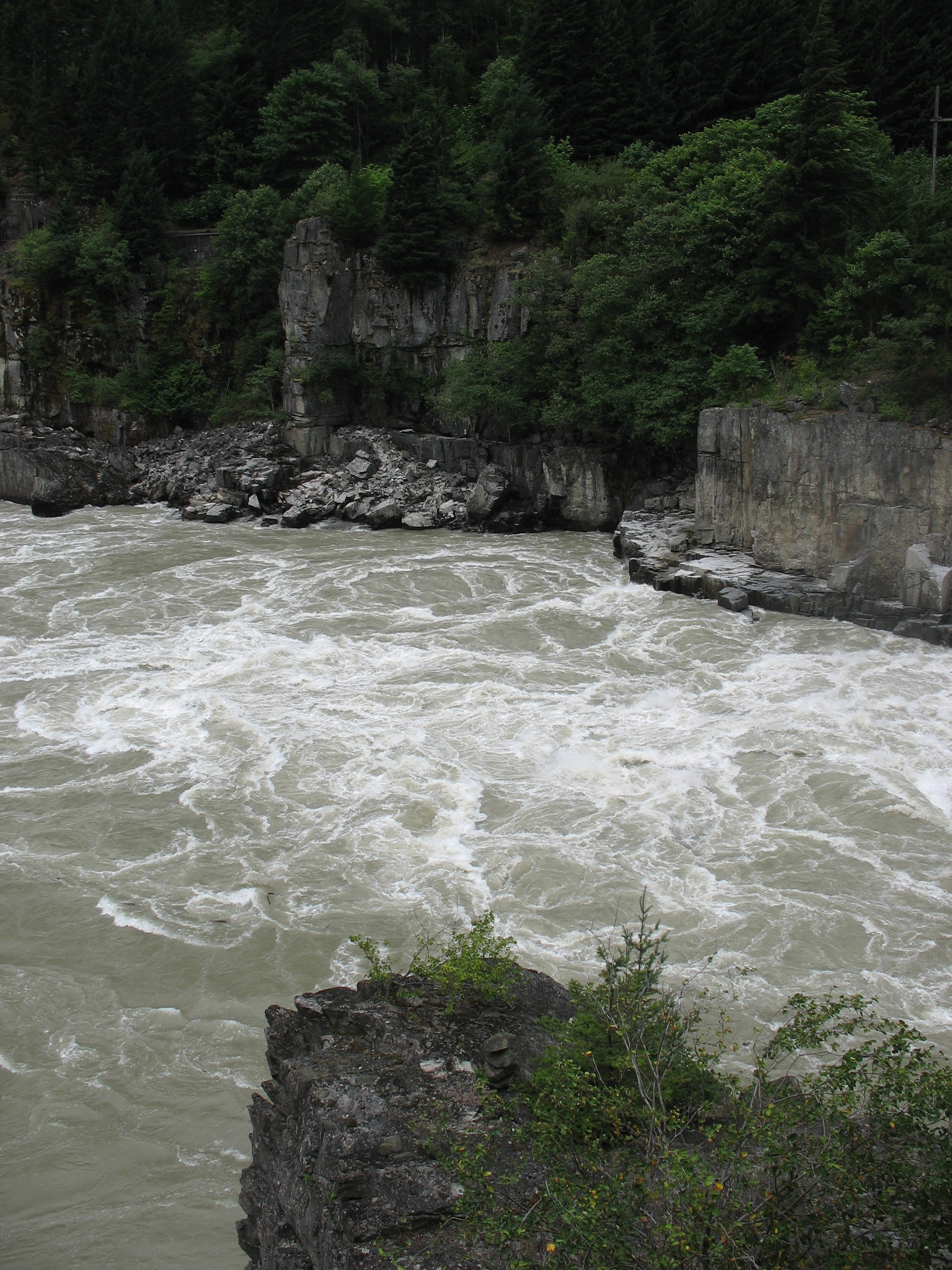
Travelling the gold rush trail included a stop at Hell’s Gate, one of British Columbia’s prime tourist spots. Here, at the narrowest and deepest spot on the Fraser River, towering rock walls plunge toward each other forcing the water through a gorge that’s only 35 metres (110 feet wide).

“We had to travel where no human being should venture for surely we have encountered the gates of hell.”

Today, the river is even narrower at Hell’s Gate than it was in 1808 when the explorer, Simon Fraser, penned those words. During the construction of the Canadian National Railway through the canyon in 1913, blasting triggered a rock slide that partially blocked the river’s path.

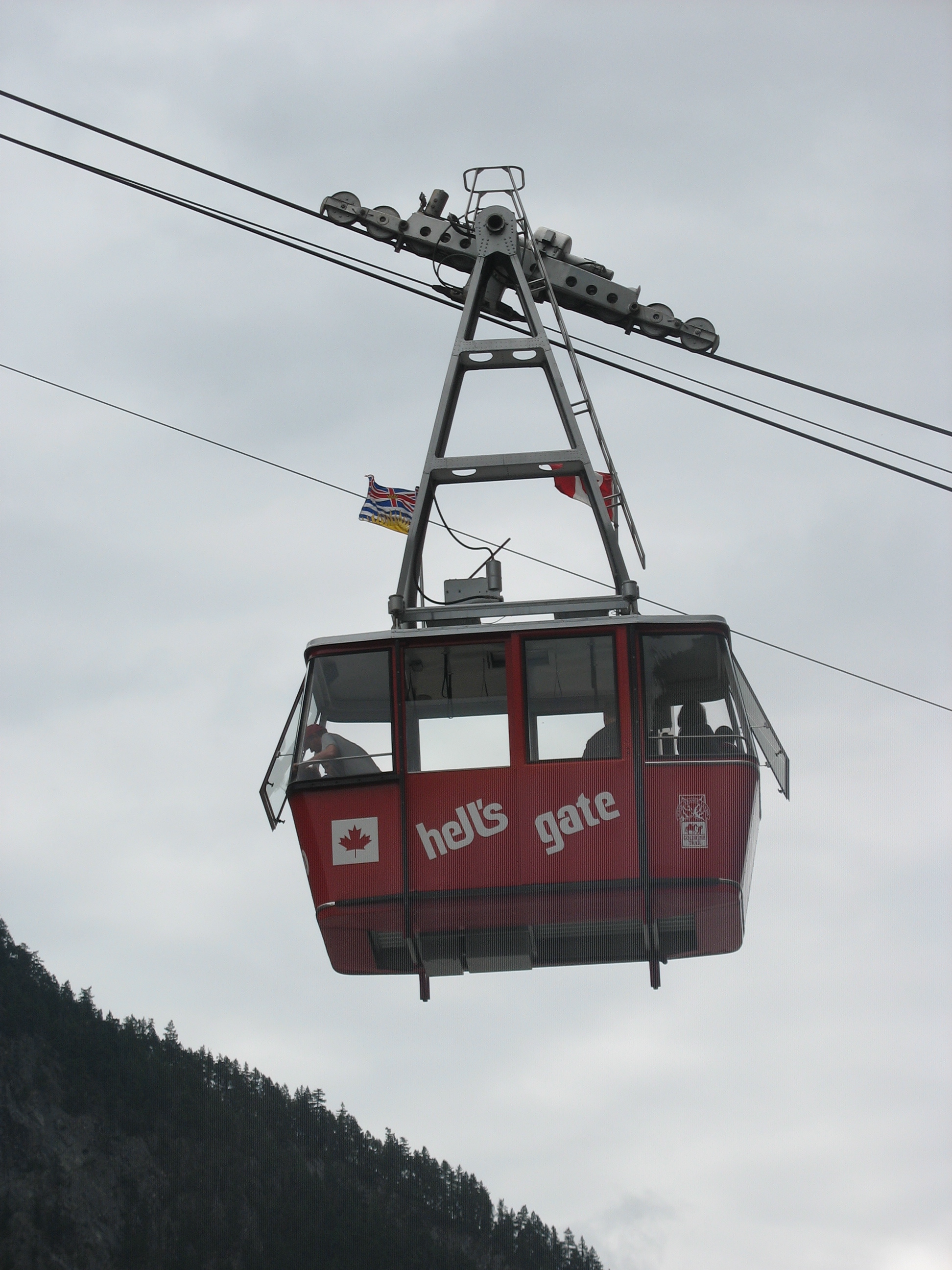
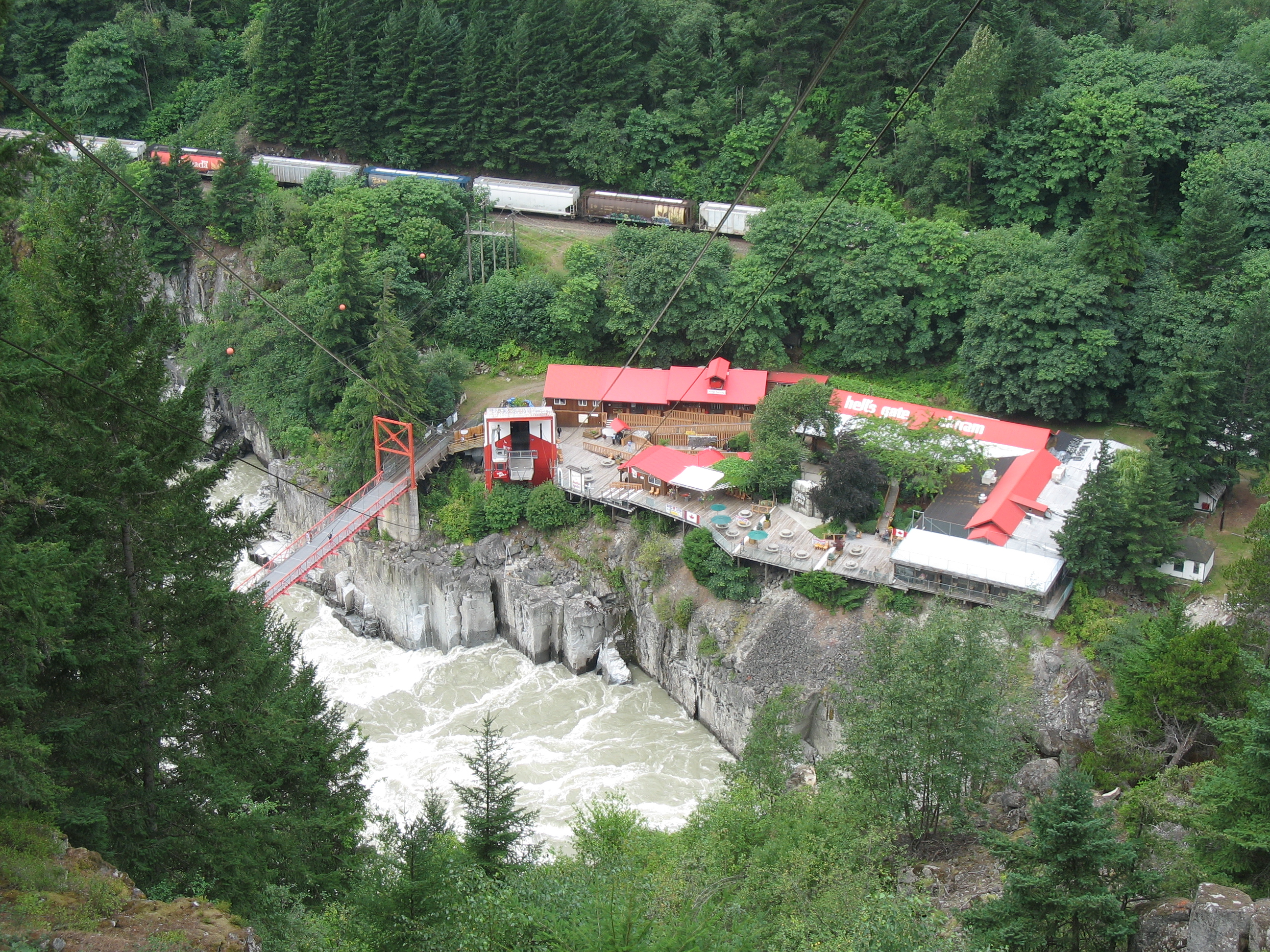
We enjoyed breathtaking views as we descended 153 metres (502 feet) into the canyon on the 25-passenger airtram that crosses the river at its narrowest point. Had I not overcome my fear of heights in recent years, I don’t know if I could have done it.

our destination

Though it’s very stable and the side rails are high, I certainly couldn’t have walked across the suspension bridge with it’s open grate floor in my younger days but that’s my shoe, proof that I really did it!


Hell’s Gate is more than just a tourist attraction. The 1913 rock slide resulted in a dramatic drop in the salmon run up the river at spawning time. It took 30 years of work by dedicated scientists and several years of construction to repair the damage. Now, Hell’s Gate fishways, built by a joint Canadian – United States Commission stands as monument to man’s dedication and ingenuity and once again allows the salmon to migrate upstream to their spawning grounds.

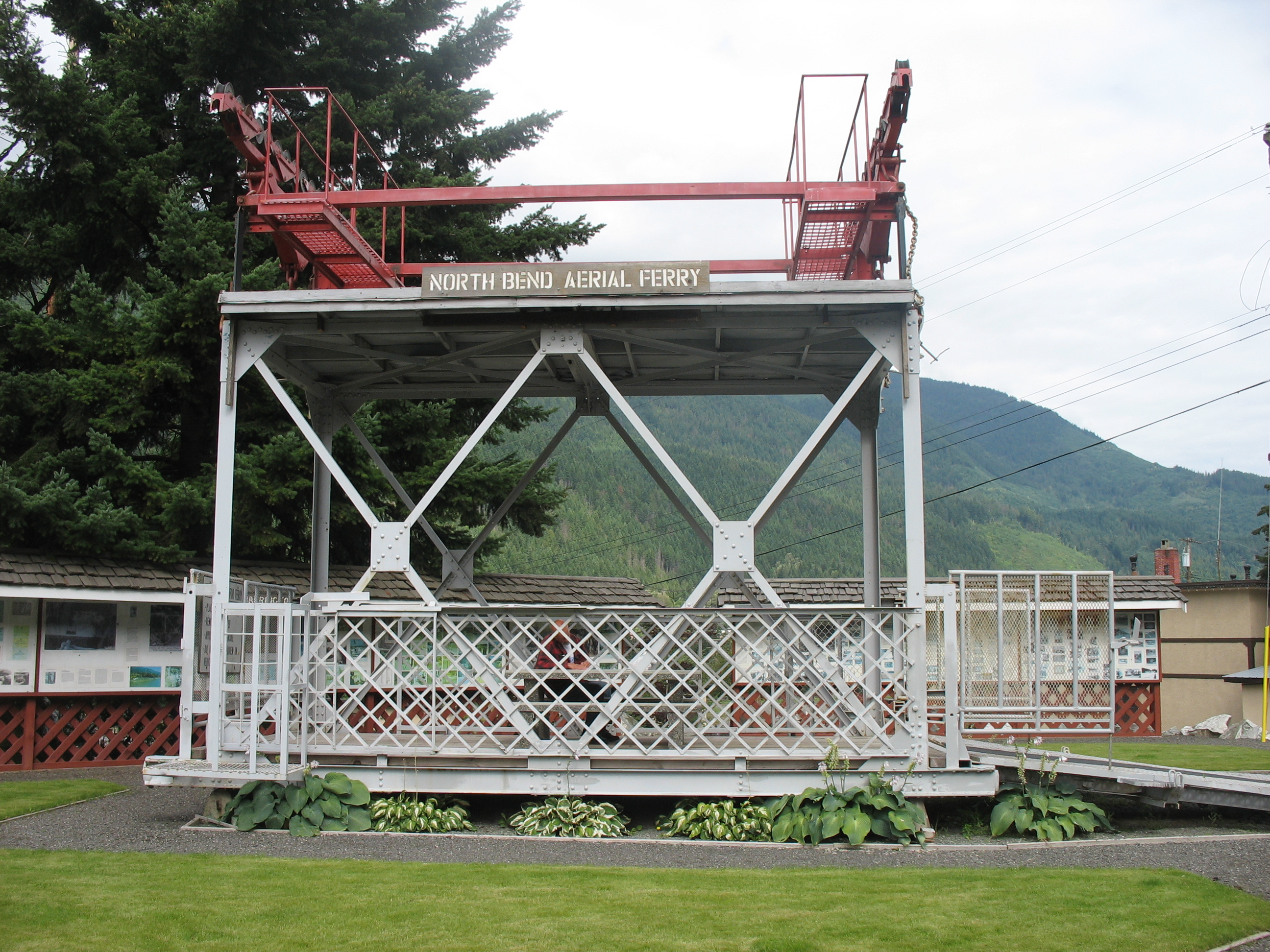
Just upriver from Hell’s Gate, we stopped at the small community of Boston Bar to photograph a different sort of aerial tram. Dangling high above the mighty Fraser River on cables that were 366 metres (1200 feet) long, the North Bend Aerial Ferry transported passengers and vehicles across the river for 45 years. I remember watching my family cross on this contraption in the mid 1960s. I thought they were crazy and refused to go with them. I still remember standing on solid ground convinced that I was about to become an orphan! Fortunately, my family lived to tell the tale and the aerial ferry continued to operate without incident until a bridge was built in 1985.

Gold rush glimpses

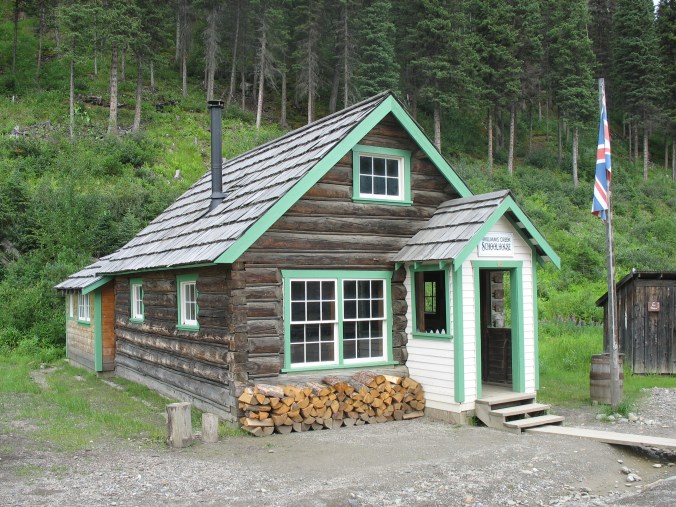
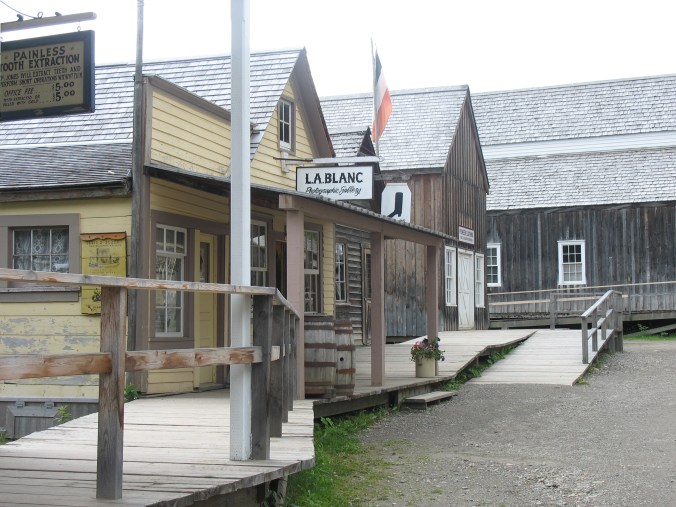
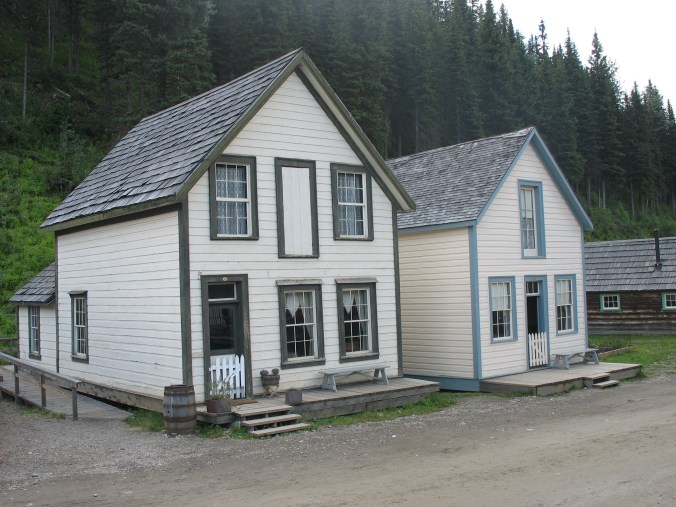
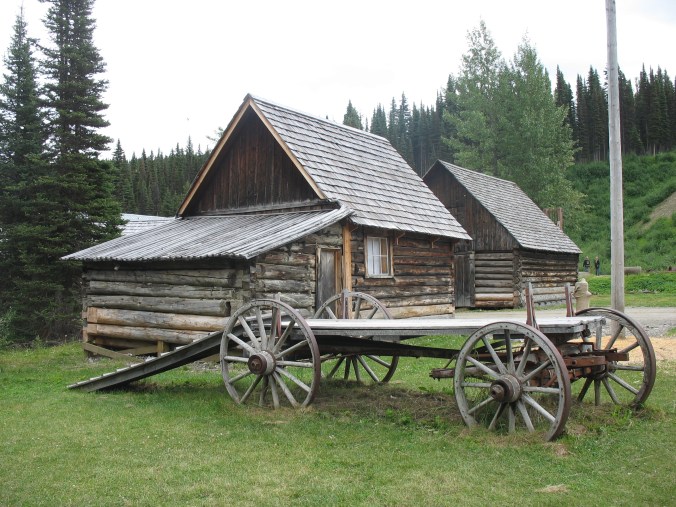
From Vancouver to Barkerville, BC is about 750 km (466 miles), a distance that we’d often travel in a day but this summer it took us more than a week! No, we didn’t have car trouble or any other misadventures; we simply took our time and enjoyed the sights. Rather than taking the most direct route home from Vancouver the way we usually do, we decided to follow BC’s historic gold rush trail and we were in no hurry. What a great way to travel!

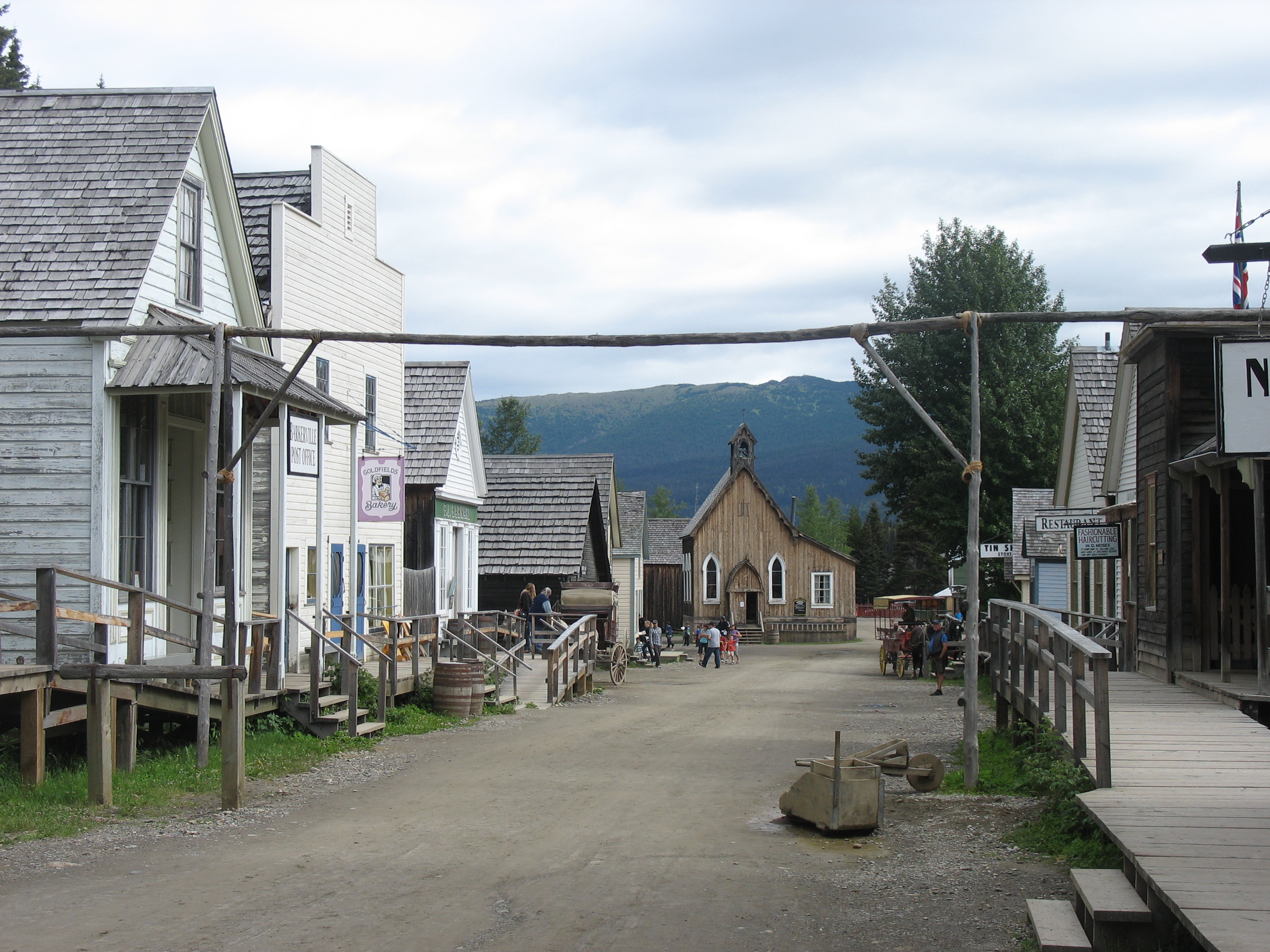
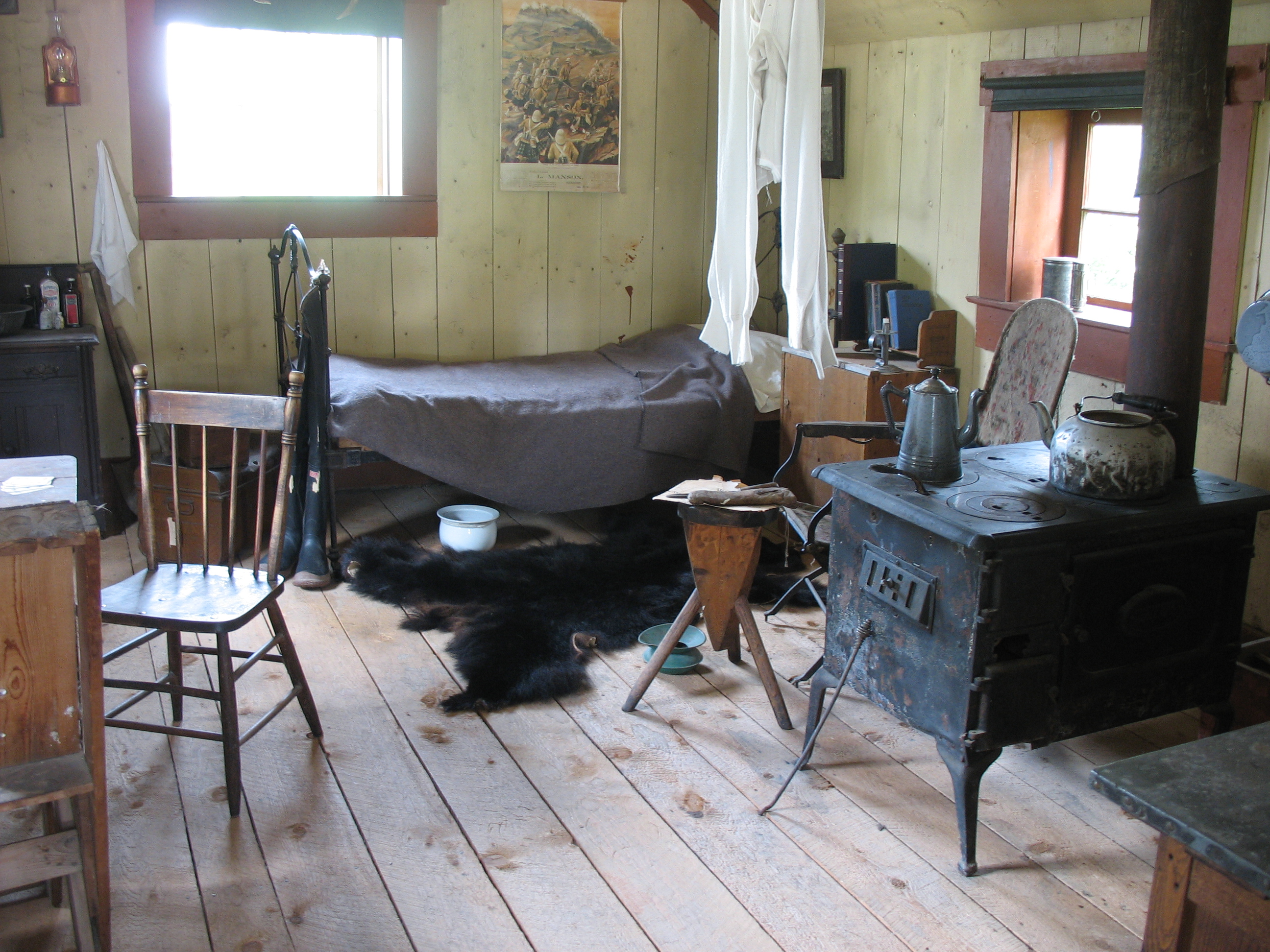
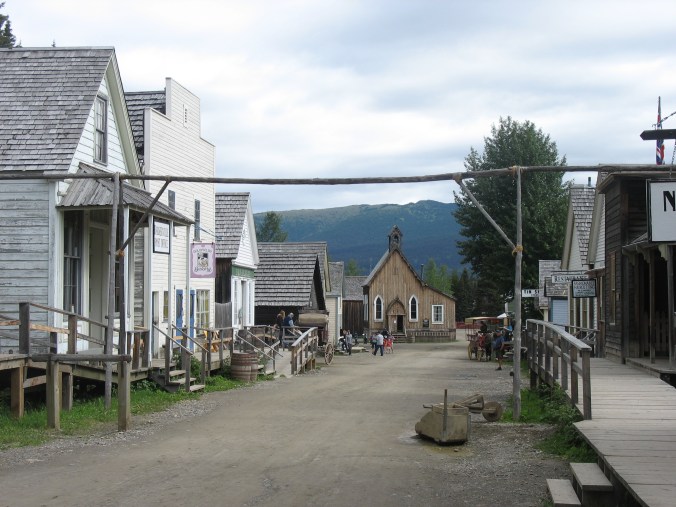
Billy Barker’s discovery of gold on Williams Creek in 1862 triggered a stampede of thousands of miners to the area. Travelling the Cariboo Waggon Road, their trip through steep canyons,  raging rivers and high mountain passes was a long and arduous one. Many of today’s highways follow that trail and along the way many remnants of their journey remain for today’s traveller to explore.

   credit

Searching for geocaches led us to many sites that we might otherwise have missed… Cemeteries like this one just outside the historic community of Yale where graves date back to the 1860s, some 40 years before the part of Canada that we call home was settled.

And churches like St. John the Divine Anglican, also in Yale, which was built in 1863 and is the oldest church in BC that still stands on its original foundation.

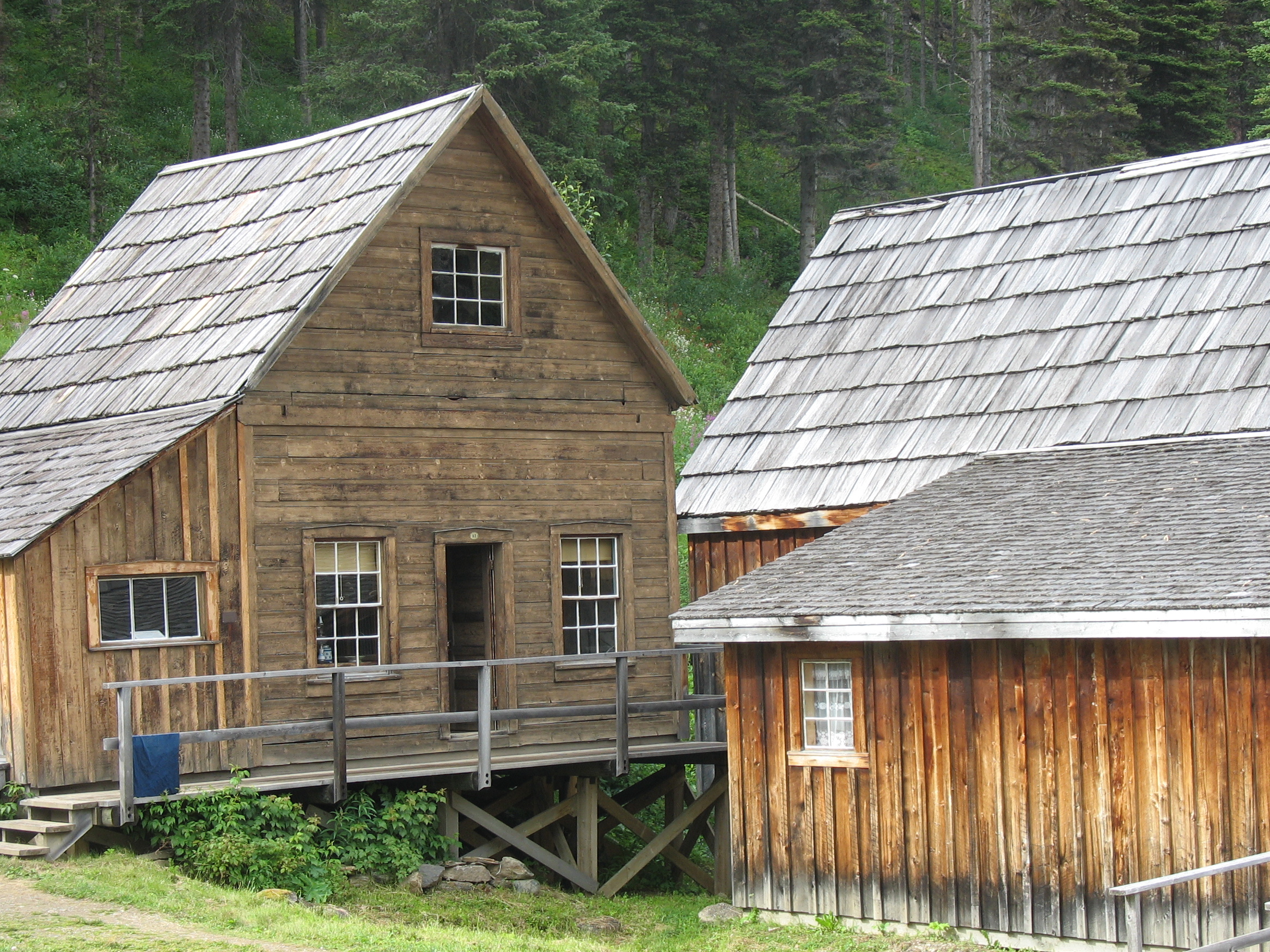
The early 1860s saw the construction of a series of roadhouses along the banks of the Fraser and Thompson rivers. Usually within a day’s ride of each other, these were places where weary travellers on their way to the gold fields further north could rest for the night, have a meal, and water and feed their horses. At historic Hat Creek Ranch between Cache Creek and Clinton, the location of one of these roadhouses, the buildings stand as they did in 1901 but some were built as early as 1860. We spent an afternoon there exploring the exhibits and even riding an old time stagecoach!

Next to Hat Creek Ranch is the very interesting Stucwtewsemc (Sluck-TOW-uhsen) Native Interpretation Site where we were able to see how the original occupants of the area lived. I have studied both the coastal and the plains natives quite extensively but I knew virtually nothing about these people who lived between the two. I found the kekuli lodge, or pithouse, particularly interesting. Built half underground and half above, a typical kekuli housed between 25 and 30 family members, from grandparents down to grandchildren, throughout the winter months.

With so much to see and do along the way, some days we didn’t travel very far at all. When we left a campground in the morning, we often had no idea what that day would hold or where we’d sleep that night. For example, one day we travelled only 112 km (70 miles) from Clinton to Lac La Hache Provincial Park but along the way we found six geocaches, hiked to the Mount Begbie fire lookout tower named after the swashbuckling chief justice who established law and order on the BC frontier during gold rush days, and played 18 holes of golf on the beautiful 108 Mile Resort course. I’d call that a productive day, wouldn’t you?

Now that we’re home and have internet access again, there’s much more to share including our visit to Barkerville itself but I’ll save that for future posts.

Summer memories

We’ve made a lot of good memories this summer, many of them with our grandchildren. We had a great time visiting Drew and Jami-Lee in Calgary in June and Sam and Nate in Vancouver in July. Many hours were spent reading stories, playing with toys, visiting playgrounds and going on adventures.

We spent a couple of glorious days camping with Drew and Jami-Lee (and their Mommy) and had hoped to camp with Sam and Nate too. When that didn’t work out, two-year-old Sam had a sleepover in the trailer with us in his very own driveway!

What would summer be without the beach, whether it be a prairie lake or a rocky ocean shore? Here’s a gallery of some of my favourite memories from this summer:

Jami-Lee and Drew at Gull Lake near Lacombe, AB


Sam and Nate at Cates Park in North Vancouver, BC

I was amazed at how sure-footed 17-month-old Nate was on the wet, barnacled rocks!


Is it any wonder that we feel so blessed?

Who’s the parent?

As my mother’s Alzheimer’s progresses and caring for her becomes a greater challenge for my father, our relationship is changing. I’m beginning to feel more like parent than child. No longer is a visit a time to kick back and relax. Instead, it’s a time when I do whatever I can to make their lives a little bit easier.

For the past several years, we’ve been in the habit of giving the apartment a thorough cleaning whenever we visited; doing the things that Dad didn’t have the time or energy for or that his failing eyesight kept him from noticing. Now there’s Victoria, the bubbly Filipina housekeeper/caregiver who comes in twice a week. What a blessing she has been! This time we didn’t have to do any housework but there were many other ways that we were able to help out.

Until this visit, my proud and independent father had never asked me for help. In fact, in the past, much of what we did around the apartment we did when he was out because he wouldn’t have wanted us to do it. Now, however, all that has changed. For the first time ever, my father actually asked me for help! Together we took care of paperwork that he would have needed a magnifying glass to struggle through on his own. I also accompanied them to the geriatric clinic, took care of Mom while Dad went to the dentist and shopped for things for Mom and for the apartment.

It would be so much easier if we lived closer and I could drop in for a few hours once or twice a week instead of visiting only three or four times a year but I can’t beat myself up over that. I couldn’t afford to live in Vancouver even if I wanted to. The cost of housing is astronomical. When I start feeling guilty about not being there often enough, I simply remind myself that it was my parents who moved me far away from there in the first place. They chose to return long after I’d grown up and made a life for myself somewhere else.

Each time we visit, I go away happy if I feel that we’ve won a few victories; accomplished a few things that make life better for them. This time that included Richard taking Dad out to shop for some much needed clothing for himself.

I don’t think I’ll ever be completely comfortable with the need to cut my mother’s meat for her and help her dress, the things that she once did for me, but I’m glad to be able to do them once in awhile. I was especially delighted to be able to take her out for a long walk in the sunshine. Though she enjoyed it thoroughly and some of the flowers in Central Park were bright enough for her to actually be able to see, she seldom agrees to leave the apartment except to go to medical appointments.

Cathedral Grove

Our recent drive to Port Alberni to spend a few days with Richard’s aunt and uncle involved passing through Cathedral Grove in Vancouver Island’s MacMillan Provincial Park. Though we’ve been there many times before, the towering stands of Douglas fir and Western red cedar never cease to amaze us. Trails on both sides of the highway allow visitors to stand in awe beneath these majestic giants, some more than 800 years old.

The park has changed since I walked its pathways as a child and since we wandered there with our own children some years back. On New Year’s Day 1997, a severe windstorm changed its look forever. Hundreds of huge trees were toppled and now lie amongst the undergrowth and some sections of the trail system were obliterated. Repairs to the trail system began immediately but fallen trees are part of nature. They open the canopy to provide light, space, shelter and nutrients for new growth. As gorgeous as the giant trees are, the lush growth on the forest floor is equally fascinating.

This year, geocaching added a new element to our visit to the park. Though there are several of them there, we decided to look for just two caches; one on each side of the highway. The dense canopy made it difficult for the GPS, which depends on satellite signals from high overhead, to give us accurate readings but hints given on the geocaching website helped us locate them. We had to be stealthy so as not to give away their locations to the many “muggles” (non geocachers) who were also enjoying the park.


I still love riding the ferries

The BC ferries were as much a part of my childhood as trick-or-treating at Halloween or opening gifts at Christmas. My birthplace, Powell River, wasn’t accessible by road until I was almost five. As the crow flies it’s less than 150 km north of Vancouver, but even today the trip takes about four and a half hours and involves two ferry rides. In the early days, the road across the peninsula between Earl’s Cove and Langdale was a narrow, winding one. Riding the ferries was a welcome break from carsickness and boredom brought on by the long drive.

Perhaps if I’d spent my entire life at the coast and continued to ride the ferries regularly, I might be as ho hum about it as many passengers are but for me, the ferry is still a thrill. I can’t simply hunker down with a book or my laptop as many passengers do. Regardless of the weather, I have to walk the outer decks and stand at the bow with the wind whipping through my hair. There are usually a few others who join me there.

It’s been several years since we last made the trip to Powell River but our time at the coast this summer did include riding ferries. I don’t think I’ve ever seen the ocean as calm as it was the day that we crossed over to Vancouver Island to spend a few days visiting relatives of Richard’s at Port Alberni and Nanaimo. Though Richard was one of the many who sat inside the entire way across, after we’d eaten lunch in the onboard restaurant on the return trip I did manage to get him to join me outside where he took a few photos of me reliving childhood memories and enjoying one of my favourite modes of travel.


Knouff Lake, British Columbia

When Richard’s sisters and brothers gathered for our niece’s wedding at Sun Peaks, several of us camped together at beautiful Knouff Lake Resort. Towing our trailers up the long steep climb to the crystal clear lake nestled between the mountains about 3800 feet above sea level was well worth the effort. Established in 1904, this 4-season resort is advertised as one of the oldest fishing camps in B.C. but it is much more. Surrounded by the beauty of nature, it provides a tranquil getaway from the hustle of day to day life. Owners, Don and Gloria Lamberton, went out of their way to make our stay a comfortable and memorable one. They even provided us with a key to the gate so that family could come and go after the usual 10:00 p.m. closing time.

That’s our trailer on the right.

Our sister-in-law, Brenda, is an avid geocacher like us. When I mentioned that I’d seen on the geocaching.com website that there was a cache hidden on one of Knouff Lake’s tiny islands, she was determined that we should find it. Richard’s sister, Sue, was intrigued when she heard us talking about searching for these hidden treasures so the morning after the wedding, she joined us and the three of us set off on an adventure. The husbands, thinking us a bit crazy, stayed in camp.

Though I much prefer the quietness of a canoe, the Lambertons were reluctant to rent one to three prairie chicks so we set out in a big, flat-bottomed rowboat instead. Since I was born a coastal girl and learned to row at the age of 6 or 7, I took the oars and off we went. Sue was a little nervous but I assured her that we’d have to try very hard to capsize that thing on such calm waters. By the time we returned to camp, she’d taken a turn at the oars and what fun we’d had!

As we pulled ashore on Beaver Island, we three women in our 50s and 60s felt like kids on a Tom Sawyeresque adventure. With GPS units in hand, we clambered through the undergrowth and soon found the cache exactly where it was supposed to be.

My sis-in-laws, Sue & Brenda

We’d also been told about a memorial on one of the other islands, placed there in memory of an avid fisherman and outdoorsman who hosted an annual fishing derby at the lake each summer until his untimely death in 2009. Before returning to camp we rowed over to check that out and also discovered the skeleton of a teepee standing nearby.

Until Stacey began planning her wedding we were completely unaware that Knouff Lake (also known as Sullivan Lake) even existed but now that we’ve found this hidden gem, we’ll likely be back again. It’s only a short distance off our usual route between home and Vancouver, a trek that we make two or three times a year to visit grandchildren and elderly parents. We don’t often have the trailer with us though so perhaps next time we’ll rent one of the rustic log cabins overlooking the lake.

Here comes the bride!

On a misty summer morning ten years ago my cousin was married in the First Nations feasthouse on the top of Grouse Mountain overlooking Vancouver, BC. Though he arrived via the Grouse Grind, a challenging 2.9 km hiking trail that climbs 2800 feet up the face of the mountain, his bride and most of the guests took the easier way up the mountain arriving via the Skyride, North America’s largest aerial tramway.

On Friday, we attended another mountain wedding. Our niece , Stacey, was married high above Sun Peaks Resort near Kamloops, BC. This time the bridal party and their guests, including Stacey’s 88-year-old grandmother, arrived via chairlift!

It was a beautiful sunny day and the setting was spectacular.

The ceremony was simple and meaningful. It was truly a family celebration with Stacey’s brother, Martin, as her “man of honour” and Gerhard’s father and older brother as his two groomsmen. Even Odin, their beloved canine was present! Richard was honoured to be asked to bring a blessing.

Congratulations, Stacey and Gerhard! May all your days be blessed and may your life together be as beautiful as the day on the mountain!

A life of its own

I’m a Site Stats junkie. When I’m at home, I check WordPress several times a day to see how many people have viewed my blog. I guess that sounds a little narcissistic but I love knowing that someone has read what I’ve written and I’m always fascinated to see where they’re from and what search terms have led them here.

We were home for less than a week in June. Most of the month I was either camping without internet access or so busy that I didn’t have time to spend online. Consequently, I only posted three times and I rarely checked my stats. When I finally did, it was with a bit of trepidation. Had Following Augustine died of neglect? Would my stats page show nothing but a flat line like a heart monitor on a patient with no pulse?

No! It appears that the blog has taken on a life of its own.

Even when I’m not here, when I’m off gallivanting instead of writing and I’m not even checking my stats, you, my faithful readers are still here!

It thrills me to know that because the trailer is packed and we’re leaving again tomorrow morning! There will probably be much to blog about over the next few weeks but once again, we won’t always have access to the internet and when we do I’ll sometimes be too busy. There’s a family wedding to attend near Kamloops, BC and grandchildren and aging parents to visit in Vancouver. We’ll also cross by ferry to Vancouver Island and spend a few days with some of Richard’s relatives at Port Alberni. When our time with family is over, rather than coming straight home, we’re going to follow BC’s gold rush trail through the mighty Fraser River canyon to Cache Creek then on northward through Cariboo country. With a side trip to historic Barkerville, we’ll continue at least as far north as Prince George before circling back into Alberta. Along the way there will be geocaches to find and perhaps a few golf course to play as well as lots of history to explore.

Yes, there will be much to blog about and I will update as often as possible. In the meantime though, I’m happy to know that the blog will survive without me!