If you came to the blog last Friday looking for a new post and didn’t find one, I apologize. If you could have looked through your screen all the way to our house, you would have seen me curled up on the couch under a soft, cozy blanket that our granddaughter gave me for Christmas a few years ago. Listening carefully, you might have heard hubby in the kitchen trying to rustle up a meal for us even though cooking is not his forté. On Monday of that week, I’d had an ablation to destroy a neuroendocrine tumour on my liver and it took far more out of me than I expected.
In her follow-up report, the specialist described the procedure as a “technically challenging CT guided ablation” and challenging it was! Instead of the 3 hours that I was originally told I’d be at the hospital, I was there for over 15! As often happens with these tightly scheduled appointments, there was a delay in getting started, but it was the location of my tumour that made the procedure such a challenge. It took a very long time for her to place the probe in exactly the right location to fry the tumour. So long, in fact, that I was beginning to think that it wasn’t going to happen.
Yes, you heard that right! Although some sedation was provided to help me relax, I was awake and aware of what was going on throughout the entire procedure. Definitely not fun, but necessary so that I could inhale, exhale, and hold my breath at the right moments to help with the precise placement of the probe.
After it was finally over, we ended up having to stay at the hospital much longer than anticipated because my oxygen level dropped, possibly a reaction to pain medication. Two extremely caring nurses stayed well beyond the end of their shift to monitor and care for me, but late in the evening I was transferred to emergency. It was after midnight by the time my oxygen level was finally back to normal and we were allowed to leave. Thankfully, we were only driving across the city to our son’s place and coming home the following day!
The first few days at home are a bit of a blur. I wasn’t in much pain, but there was brain fog, loss of appetite, and absolute exhaustion. Although hubby did his best in the kitchen and I tried to force myself to eat, I lost seven pounds in less than a week. Once things began to turn around, I started to worry about how we’d possibly be ready to celebrate Christmas in just a month’s time and to beat myself up for not being better prepared in advance.
That’s what today’s post was actually meant to be about… keeping Christmas simple! Somehow, over the years, celebrating the season came to mean trying to do too much too perfectly, but lying on the couch, I had a lot of time to think about what Christmas means to me and which of our traditions matter most. At one point, I turned to hubby and asked if he’d mind very much if we didn’t bother putting up the tree this year. He said he was fine with that, so unless I get a sudden burst of energy and change my mind, it’s going remain in storage. I do plan to do some simple decorating this weekend, beginning with our nativity sets as they represent what this season is really all about. I’ll miss the lights on the tree, but some soft candlelight and a string of tiny twinkling lights will do.
Christmas wouldn’t be Christmas without my mother’s shortbread and the nuts and bolts that have been a family favourite since I was a child so I’ll be making those, but if I decide that we need more baking than that, I’ll be buying it this year.
We already simplified Christmas shopping last year by transitioning from purchasing individual gifts for each of our grown children, their spouses, and all eight grandchildren to giving family gifts instead. That’s a new tradition that we plan to continue and I’ve already informed the kids that this year’s gifts might be monetary. Without the pressure of trying to find the perfect gift for each person on our list, we’re enjoying shopping for small stocking stuffers for the son and family who will be hosting us for Christmas this year.
As I contemplated what I love most about Christmas, I realized that connecting with people is top of the list. In addition to spending a few days with our son’s family over Christmas, we’re planning a mid December visit with our daughter and hers. While my energy level hasn’t returned to normal yet and I’m going to have to be careful not to overdo, I’m also looking forward to a few select events with friends. The first, this evening, will be a ladies Christmas banquet and fashion show in a nearby community.
While I was lying on the couch last week, my Christmas cactus bloomed. It often produces profusely at this time of year, but this time there was just one blossom! It too, seemed to be saying, “let’s keep things simple this year!” In keeping with that thought, I’m going to be intentional about carving out more time on the couch with my cozy blanket, a hot drink (or maybe a glass of wine), a candle burning, and a Hallmark movie on TV or a book in my lap.

Image: ChatGPT
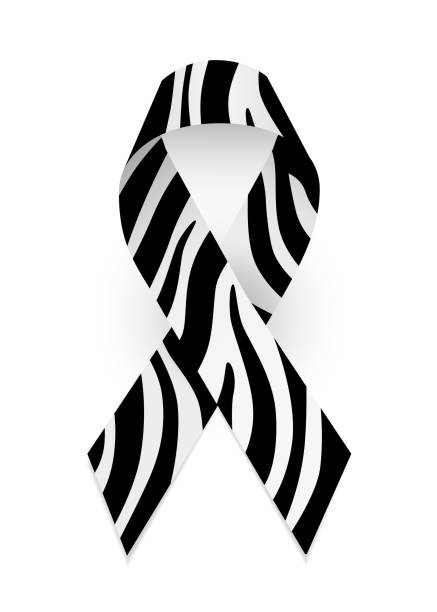 There’s a great debate in neuroendocrine cancer circles over the use of the zebra as our symbol. At one extreme are patients, usually women, who show up at meetings and conferences decked out from head to toe in zebra stripes and who refer to one another as fellow zebras. On the other side of the debate, the world’s best known and most highly revered patient advocate is so opposed to the idea that he doesn’t allow anything zebra on his social media sites. He thinks that it’s an infantile gimmick that trivializes the grave nature of our disease and that it’s actually detrimental as an awareness tool.
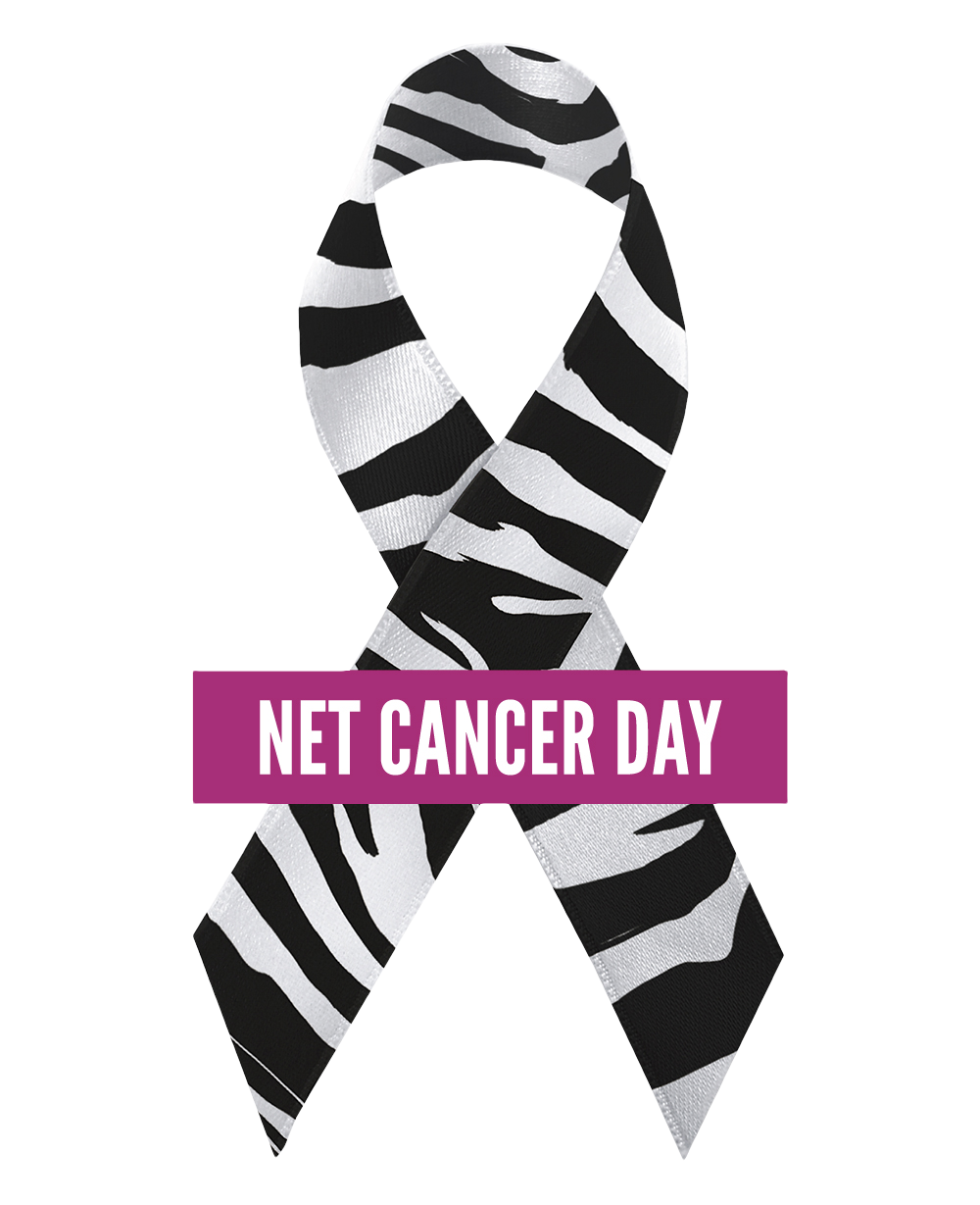 Once again, today is NET Cancer Day. November 10th is a day set aside to increase awareness of neuroendocrine cancer and to promote improved diagnostics, treatments, care, and research, but for those of us who live with the disease, every day is NET Cancer Day.
 Winter’s arrival is later than usual this year. We haven’t seen a snowflake yet which is highly unusual, but the weather forecast tells us they’re coming soon. I’m definitely not a fan of the season as it’s always way too long and too cold here on the Canadian prairie, but one thing that I do look forward to every year is wearing boots.
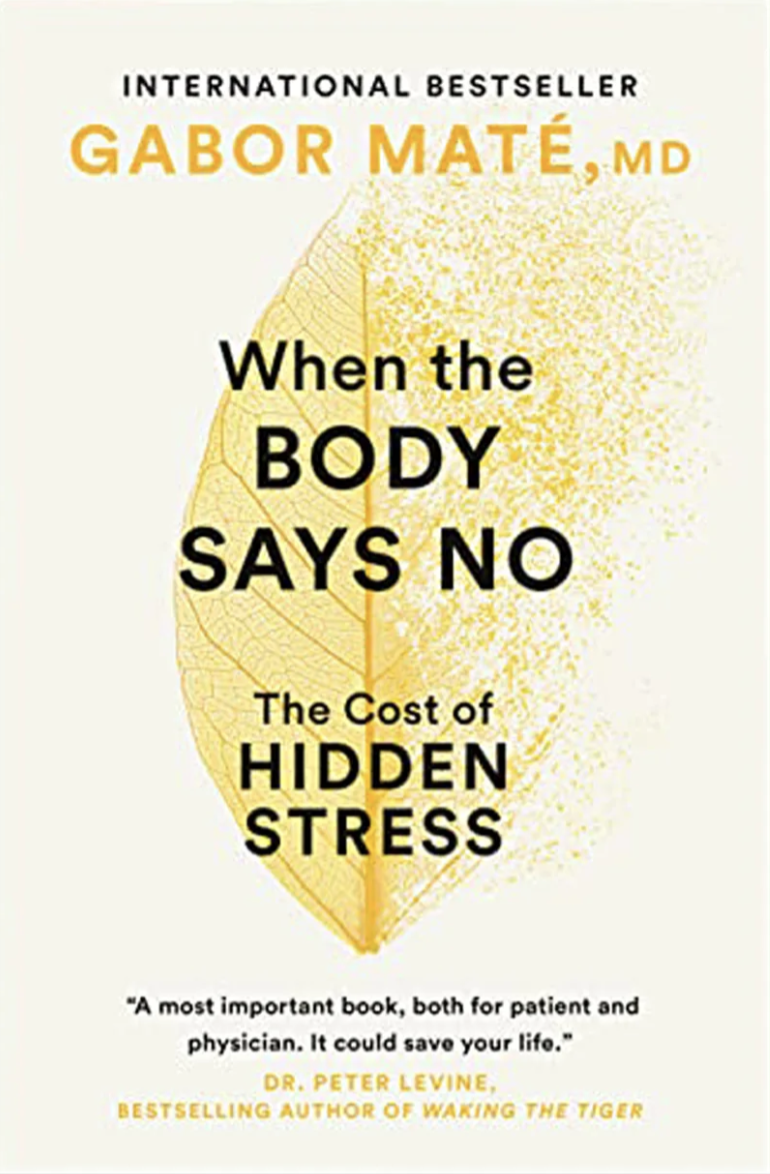 In this international bestseller, renowned mental health expert and speaker, Dr. Gabor Maté, provides insight into the critical role that stress and emotions play in the development of many common diseases.
 Following Augustine