My 12 year cancerversary!

Yesterday was my 12th cancerversary. Twelve years have passed since I heard those dreadful words, “It’s cancer and it has already spread.” At the time, that sounded like a death sentence, but two weeks later we learned that I have neuroendocrine cancer (NETS) which, while not curable, can be treated and usually grows more slowly than most other cancers.

One of the things that I learned early on was how important it is for patients to advocate for themselves. Last Friday proved that point. When I saw my oncologist in mid July to discuss the results of my latest CT scan which showed that a small tumour on my liver had started to grow, he referred me back to the interventional radiology specialist who did my radioembolization in March of last year. He expected that I would hear something within a couple of weeks, but when we returned from our recent trip, more than a month had passed and I’d heard nothing. On Friday morning, I called and left a message asking for confirmation that the referral had been received and, if possible, an update on what was happening. In less than half an hour, I had an appointment to see the doctor during her noon hour on Monday! I can’t help wondering how long I would have had to wait if I hadn’t called.

We actually had to wait quite awhile to see the doctor on Monday because she was tied up in a procedure that took much longer than expected. When we finally got in, she did an ultrasound and wasn’t able to find the tumour. Unfortunately, that doesn’t mean that it isn’t there. It simply means that it’s in a location that isn’t easy to see. After discussing the fact that the tumour is quite small and that I don’t have any symptoms, we decided on a tentative treatment plan, but we aren’t actually going to do anything until after my next CT scan on September 26. This battle is really a balancing act. We don’t want to treat too soon because that can limit what we might be able to do in the future, but we also don’t want to wait too long and let the tumour get too large.

After twelve years of living with this, I’ve become much more comfortable with waiting. Rather than worrying about what might or might not be happening inside me or about what the future might hold, I’m simply going to go on living my best life right now!

Image: Surya Ali Zaidan

If you would like to help, I’m still fundraising for neuroendocrine cancer research. Click here to visit my fundraising page. Although I’m nearing my $1200 goal ($100 for each of the 12 years that I’ve been fighting this disease) the campaign is still far short of what we need to fund research grants for the coming year. We could really use your help!

A Scenic Journey on the White Pass & Yukon Route

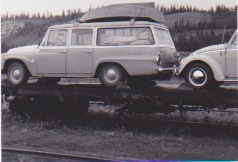
I first rode the narrow gauge White Pass & Yukon Route railway on a family holiday in the summer of 1967. I was 14 at the time. In those days, there was no road between Whitehorse in the Yukon and Skagway in southeast Alaska. We drove to Haines, Alaska, took a ferry to Skagway, and then, with our vehicle loaded on a flat car, rode the train to Whitehorse.


The White Pass & Yukon Route has a fascinating history. When gold was found in the Yukon in 1897, the news spread like wildfire and tens of thousands of fortune seekers steamed up the Inside Passage waterway to Skagway and Dyea to begin the treacherous overland trek to the Klondike. Each person was required to carry a ton of supplies. Some chose the shorter, but steeper Chilkoot Trail that started at Dyea while others chose the longer, less steep White Pass Trail from Skagway. Both led to the interior lake country where the stampeders could begin a 550 mile (885 km) journey through the lake systems to the Yukon River and the gold fields. 

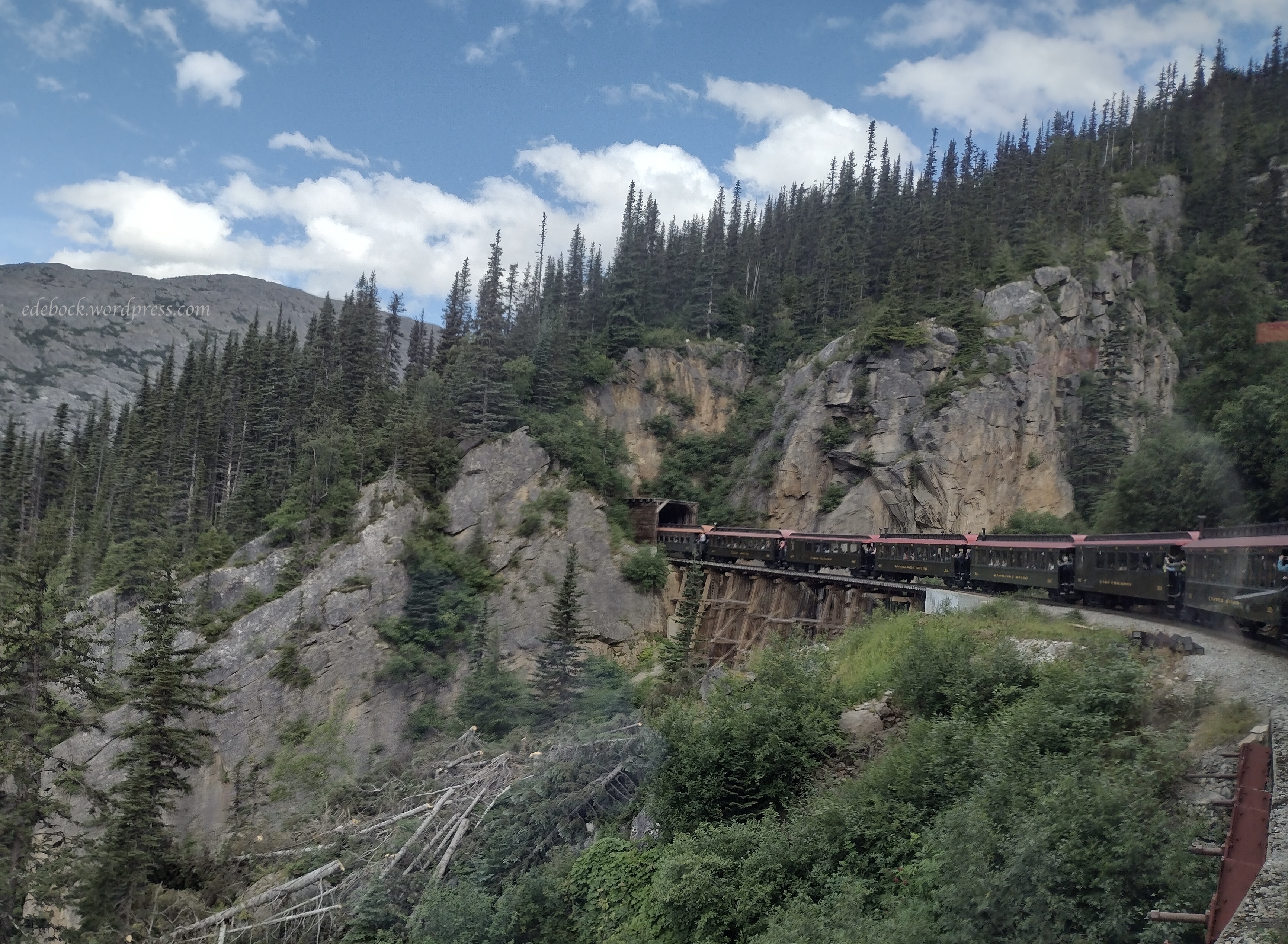
On May 28, 1898 construction began on a railway over the coastal mountains from Skagway to Whitehorse. Thirty-five thousand men worked on the $10 million dollar project.  In just 20 miles, the track climbs from sea level at Skagway to almost 3000 feet (914 metres) at the summit! It features steep grades of almost 3.9%. Tight cliff-hanging curves required a narrow gauge railroad with tracks just 3 feet apart as well as the construction of two tunnels and numerous bridges and trestles. Against all odds, working through the dead of a northern winter, the 110 mile (177 km) project was completed in just 14 months. 

For decades following the gold rush, the White Pass & Yukon Route carried significant amounts of ore and concentrates to tidewater to be loaded onto ships, but with the opening of the Klondike Highway from Whitehorse to Skagway in 1978 followed by plummeting world metal prices, the railroad suspended operations in 1982. Six years later, it reinvented itself as a tourist attraction. 

When we looked at possible shore excursions to add to our recent Alaska cruise, the scenic railway was the one that caught our attention and I looked forward to riding the train again! For the most part, the photos will speak for themselves, but I’ll add a few details as you ride along with us. 

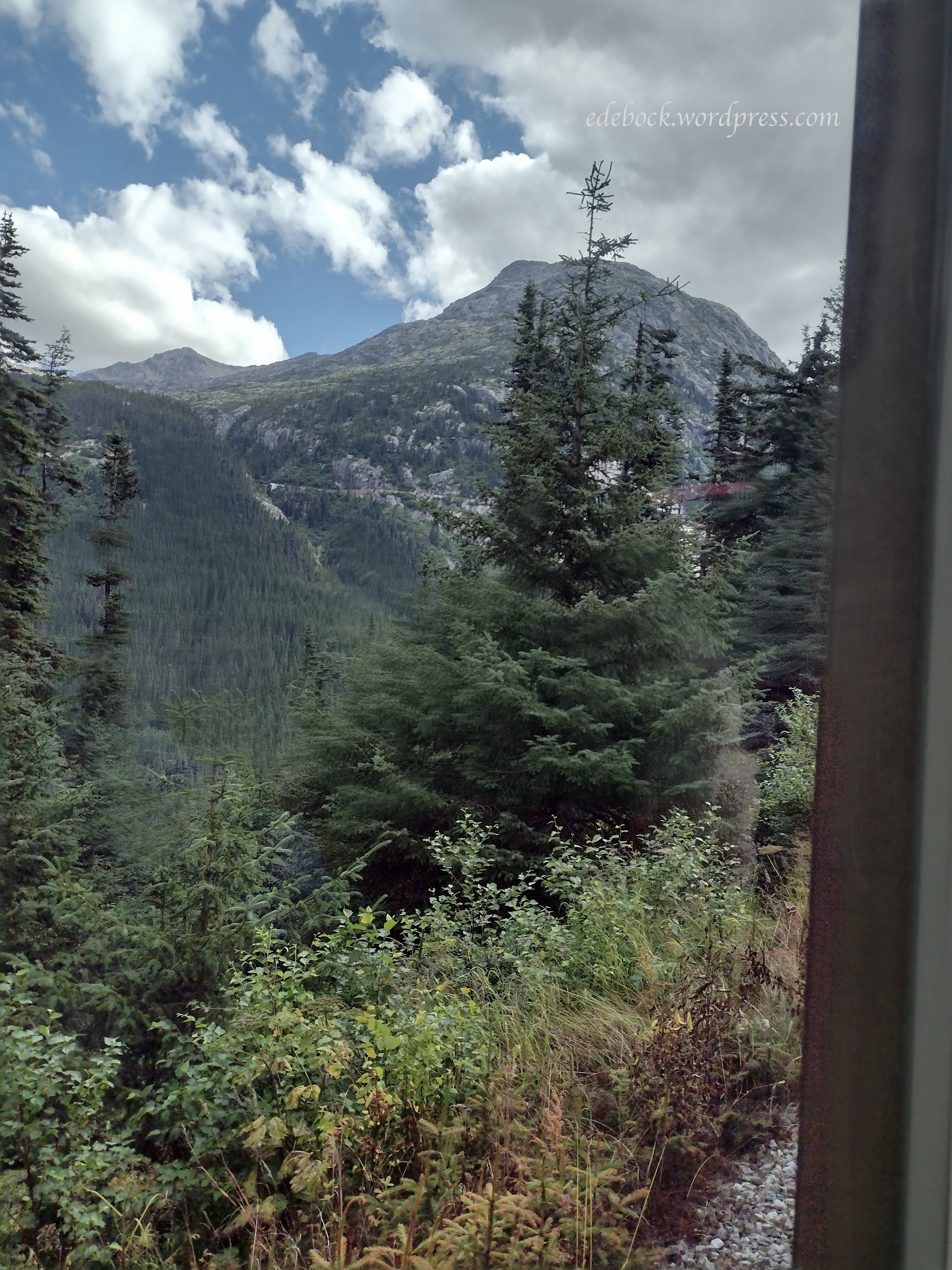
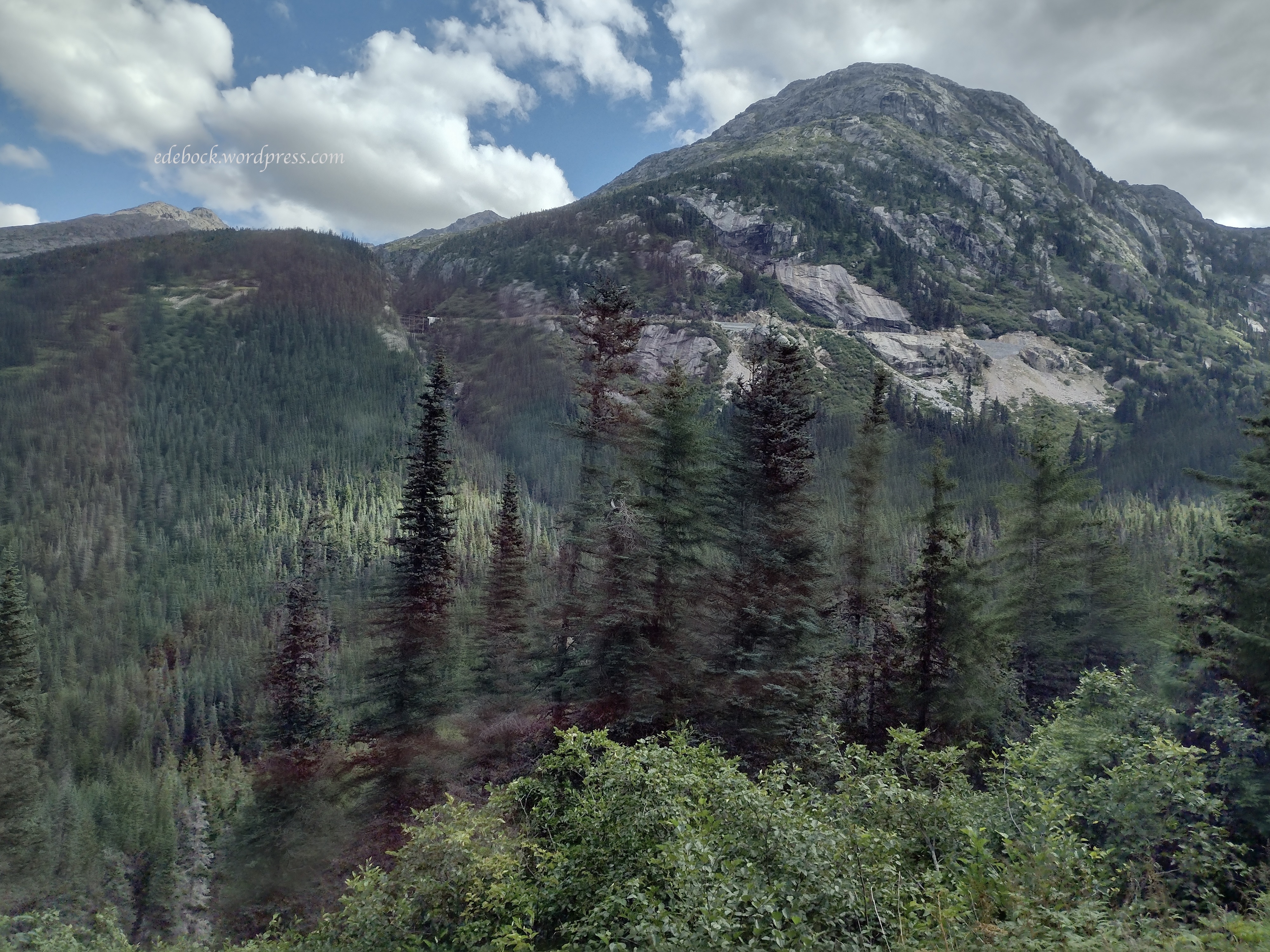
In the next photo, the line across the hillside on the far side of the gully is the Klondike Highway. 

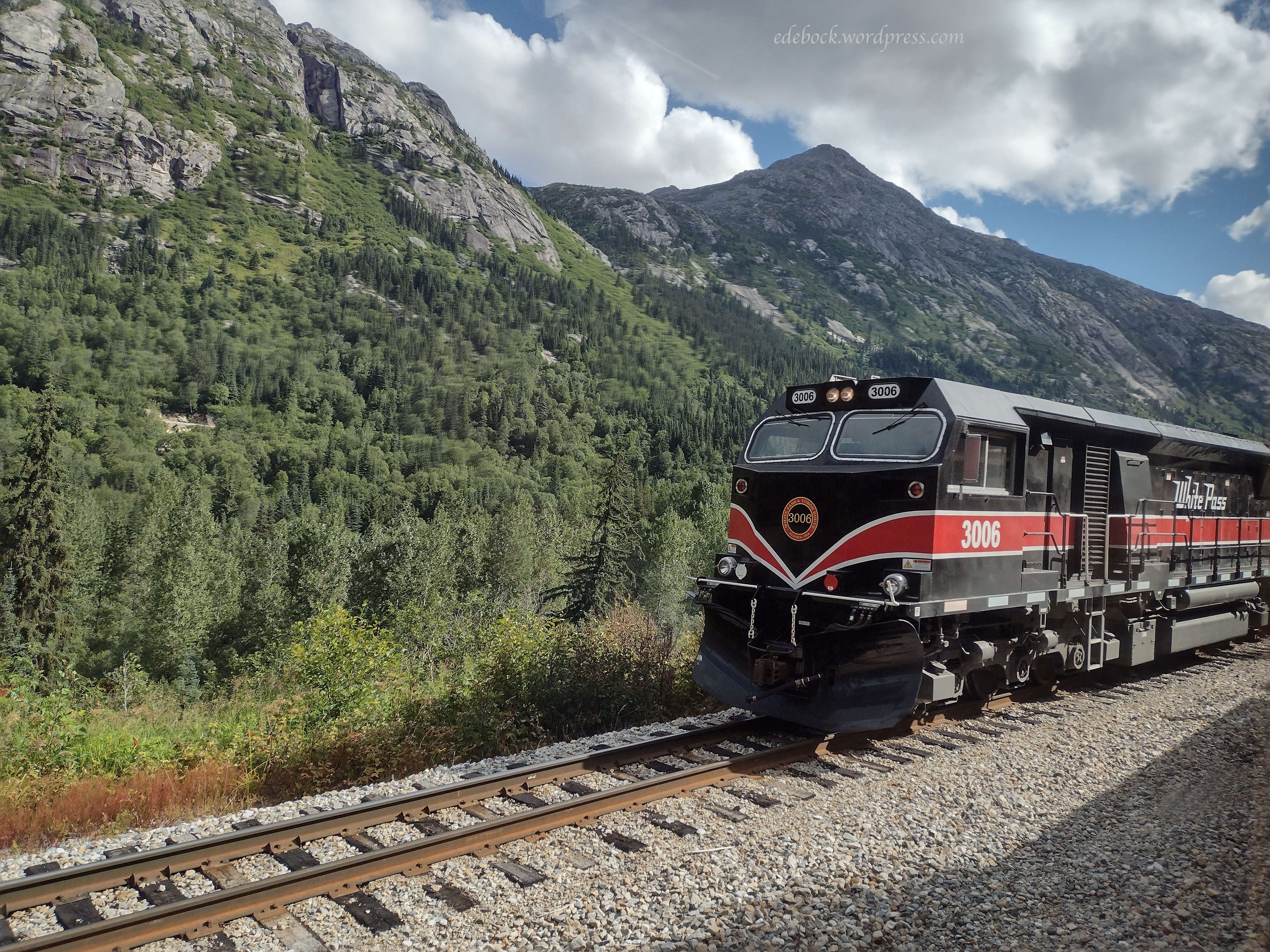
In the early days and when I rode the train in 1967, it was pulled by a steam locomotive. While the railroad still has two of those vintage engines in their fleet, most of the excursions now use diesel engines like this one that passed us going down as we were still climbing. 

That’s the shadow of our train crossing a bridge at the bottom of the next picture. 

If you look very closely at the next photo, you’ll see a tiny slice of blue in front of the distant mountains and in the V between the hillsides. That’s the Skagway harbour far below. 

As the train approaches this broken trestle, it looks like it’s going to cross it, but it hasn’t actually been in use since 1969 and began to fall apart many years after that. It was a bit strange to look across at it and realize that I crossed it back in 1967. 

If you look very closely at this final photo taken near the summit, you can see one of the few remaining bits of the White Pass Trail that was traversed by thousands of gold seekers before the construction of the railway. 

If an Alaska cruise is in your future, I highly recommend the White Pass & Yukon Route shore excursion. You won’t be disappointed! 


Alaska cruise: Exploring Juneau, Skagway, and Ketchikan

As I mentioned in my last post, our 7-Day round trip Alaska cruise from Vancouver stopped at Juneau, Skagway, and Ketchikan and also included a side trip up Endicott Arm to see Dawe’s Glacier.
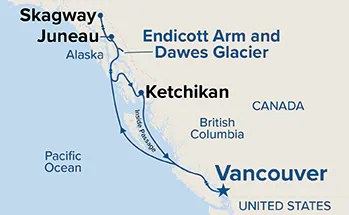
There were a vast number of possible shore excursions to choose from at each location, but we chose only one, the White Pass Scenic Railway at Skagway. Rather than purchasing other shore excursions, I did what I usually do when we travel. I researched each location and planned our own self-guided tour.

Juneau, Skagway, and Ketchikan all depend heavily on tourism in the summer and each has what my sister-in-law refers to as “trinket alley”, a street close to the cruise ship wharf that’s lined with shops selling souvenirs. We wanted to go beyond those areas to see more of each community.

Juneau  
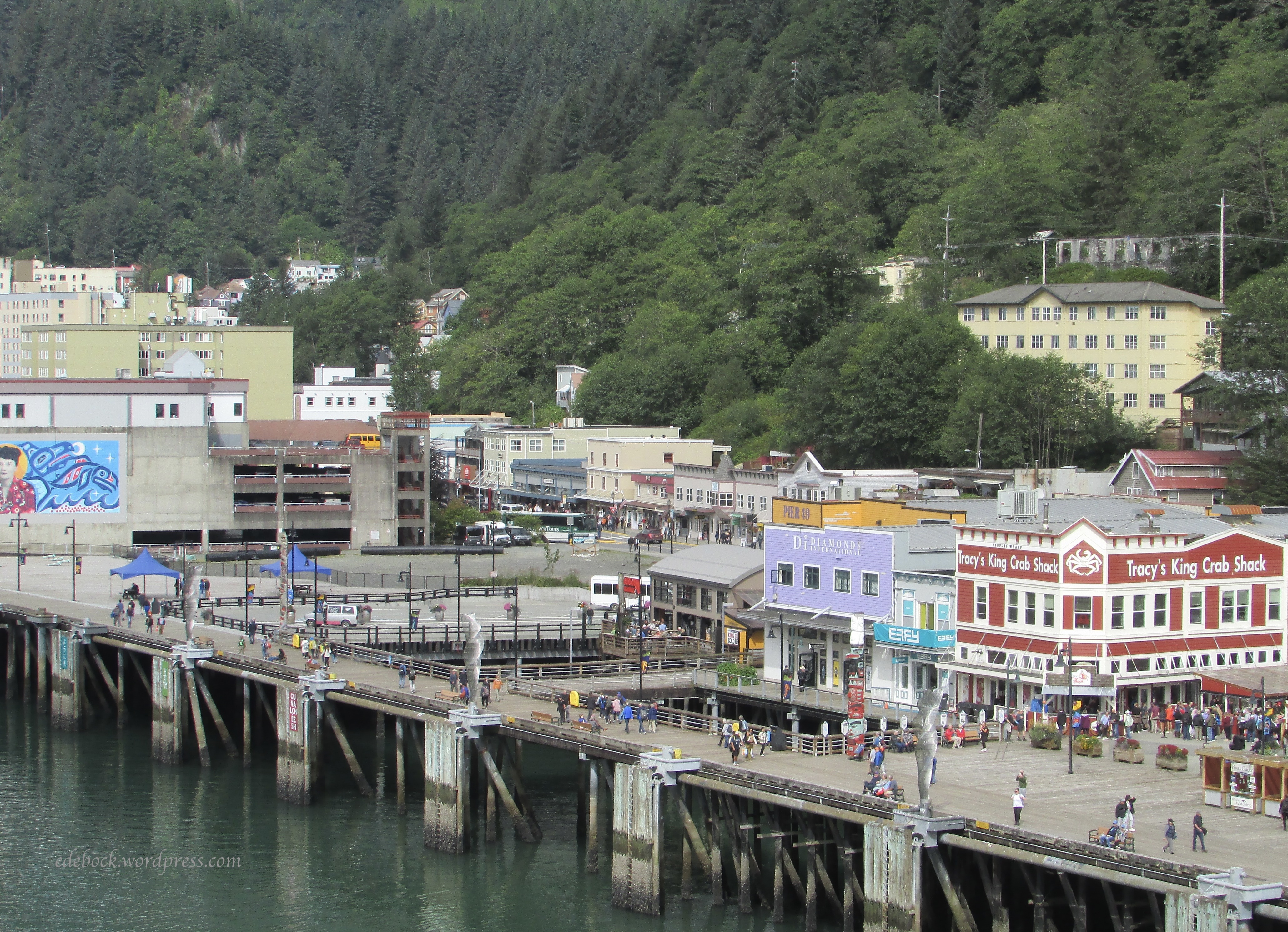
After 48 hours at sea, we docked at Juneau, the capital city of Alaska. As soon as we disembarked, we headed for the Goldbelt Tram, just steps from the cruise ship dock and took a six minute ride up Mount Roberts to a height of about 550 metres (1800 feet).

There we did a short hike and enjoyed the spectacular views. That’s our cruise ship, the Grand Princess, in the bottom left corner of the first photo. She didn’t look as big from up there!

Before descending and beginning to explore the town, we watched Seeing Daylight, an 18-minute award-winning film on Tlingit history and culture, in the Chilkat theatre. The Tlingit are one of three Indigenous people groups living in Southeast Alaska. The other two are the Tsimshian and the Haida. I was particularly interested in the fact that these groups are matrilineal societies. 

In the heart of downtown Juneau, we visited the Sealaska Heritage Institute. Dedicated to perpetuating and showcasing the Tlingit, Tsimshian, and Haida cultures, it houses a cedar clan house and an exhibit gallery. I love Northwest Coast Indigenous art and was amazed by the stunning glass screen at the front of the clan house. Made by Tlingit glass artist Preston Singletary, it is apparently the largest glass screen in the world. 

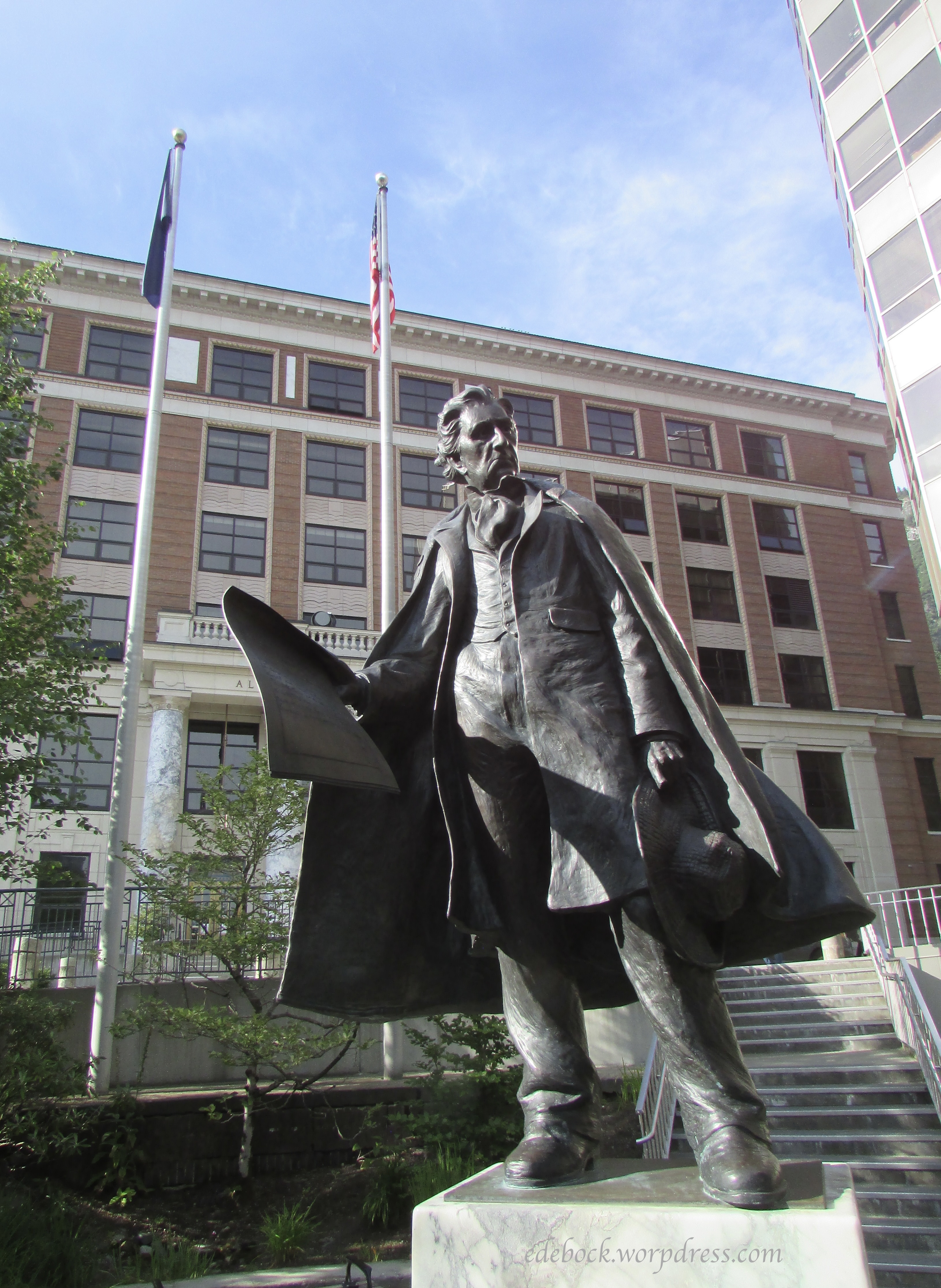
Like most coastal towns, Juneau is built on a hillside. We walked up a few steep blocks to see the Alaska State Capital building and the nearby statue of U.S. Secretary of State William Henry Seward who orchestrated the purchase of Alaska from Russia in 1867.

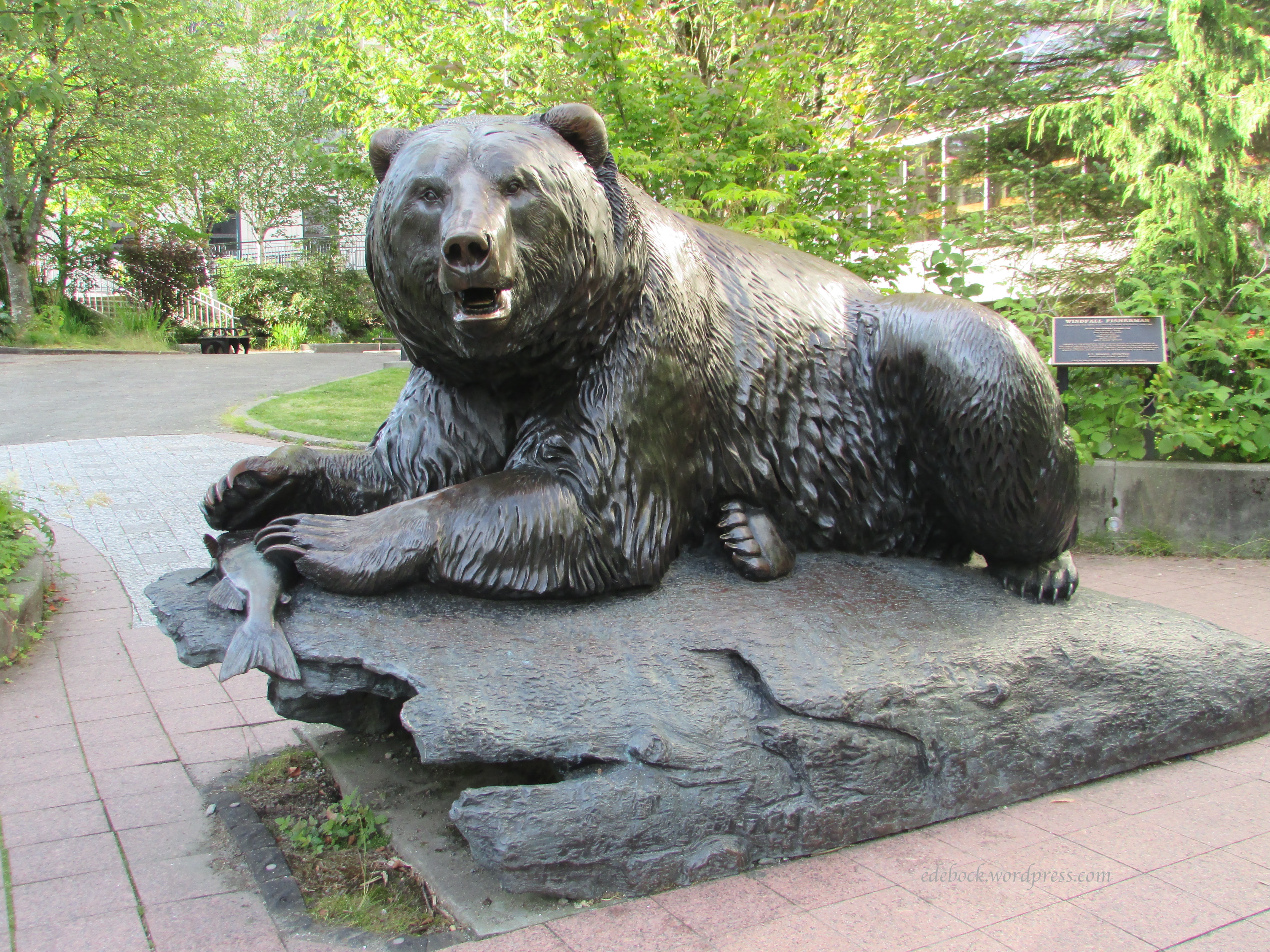
Close by was another bronze statue called Windfall Fisherman, a life-sized and very realistic brown bear by artist R.T. Wallen. 
Hubby’s feet were getting sore by this point, so we headed back downhill toward the waterfront and the seawalk where many of the city’s totem poles are found. Here’s just one example, the Ishkahittaan pole by Tlingit carver, Jon Rowan. At the top is Raven with the Box of Daylight. According to oral tradition, Raven opened the box and released the sun, bringing daylight to the world. Below Raven, you can see Frog and Sea Lion. 

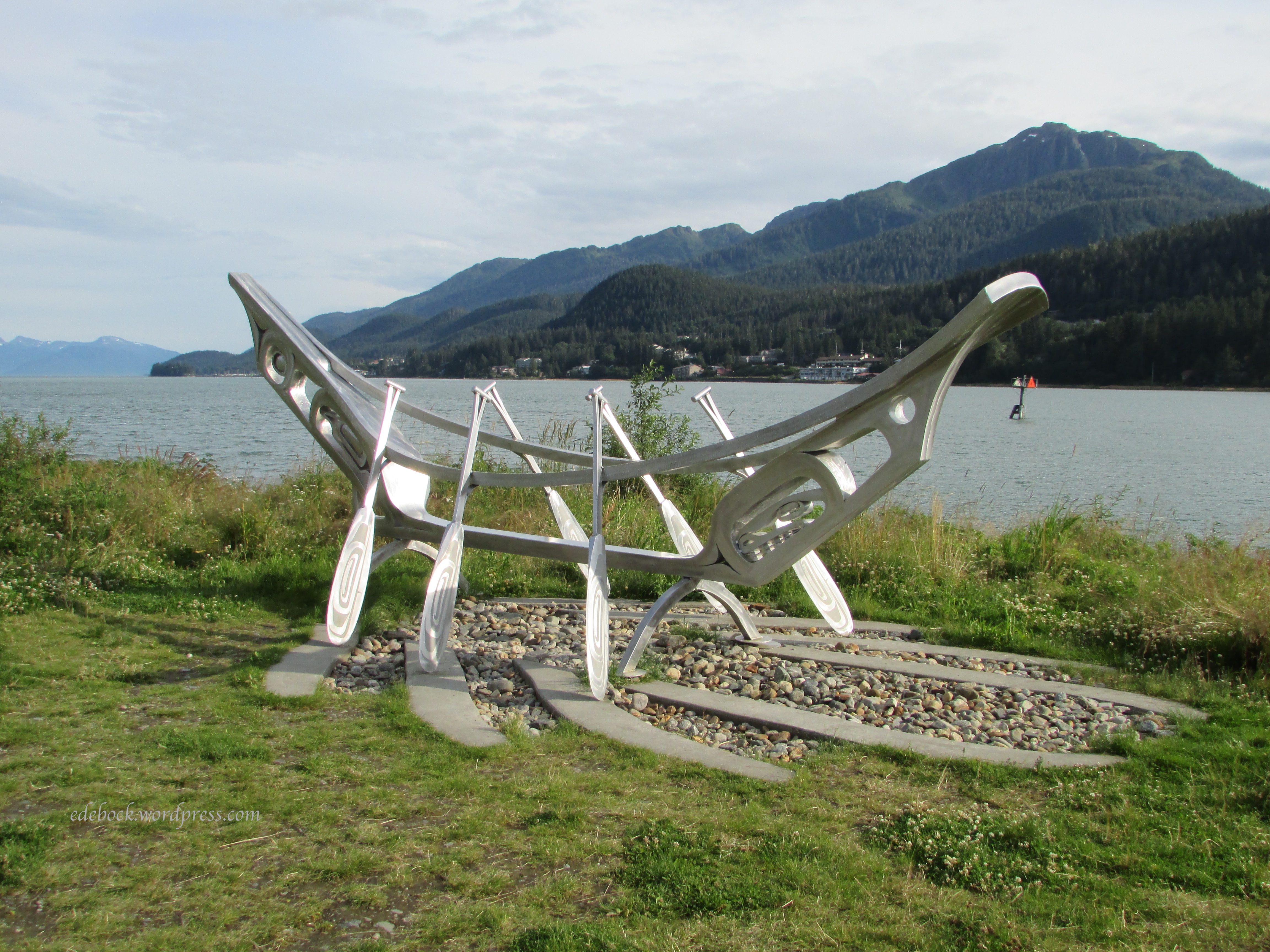
I loved the aluminum sculpture of a 20-foot 9-inch canoe, Yaadachoon, by native artist Robert Mills. The name means “straight ahead” in the language of the Tlingit. 
Although we didn’t see any whales close up while on our cruise, we did see Tahku, the life-sized bronze sculpture depicting a breaching humpback whale, also by artist R.T. Wallen, at the end of the seawalk. 

Skagway

I awoke very early the next morning to the haunting sound of the ship’s horn warning others of our presence. Standing on our stateroom balcony breathing in the heavy fog that surrounded us, I was transported back to my childhood on the waterfront. Crawling back into bed I fell back to sleep to the familiar sound of the foghorn. Later, when I woke again, the sky had cleared, the sun was shining, and we were docking at Skagway. 

Skagway is rich in Klondike Gold Rush history. 1897 and early 1898 saw tens of thousands of fortune-seekers pile off steamships, eager to head overland to the Yukon gold fields via the White Pass Trail from Skagway or the Chilkoot Trail from nearby Dyea.

It was from Skagway that we took the scenic White Pass rail excursion, a 40 mile, 2 hour and 45 minute round trip to the White Pass summit. Considering how long this post is becoming and how much I still have to share, I’m going to save that for a separate post. 

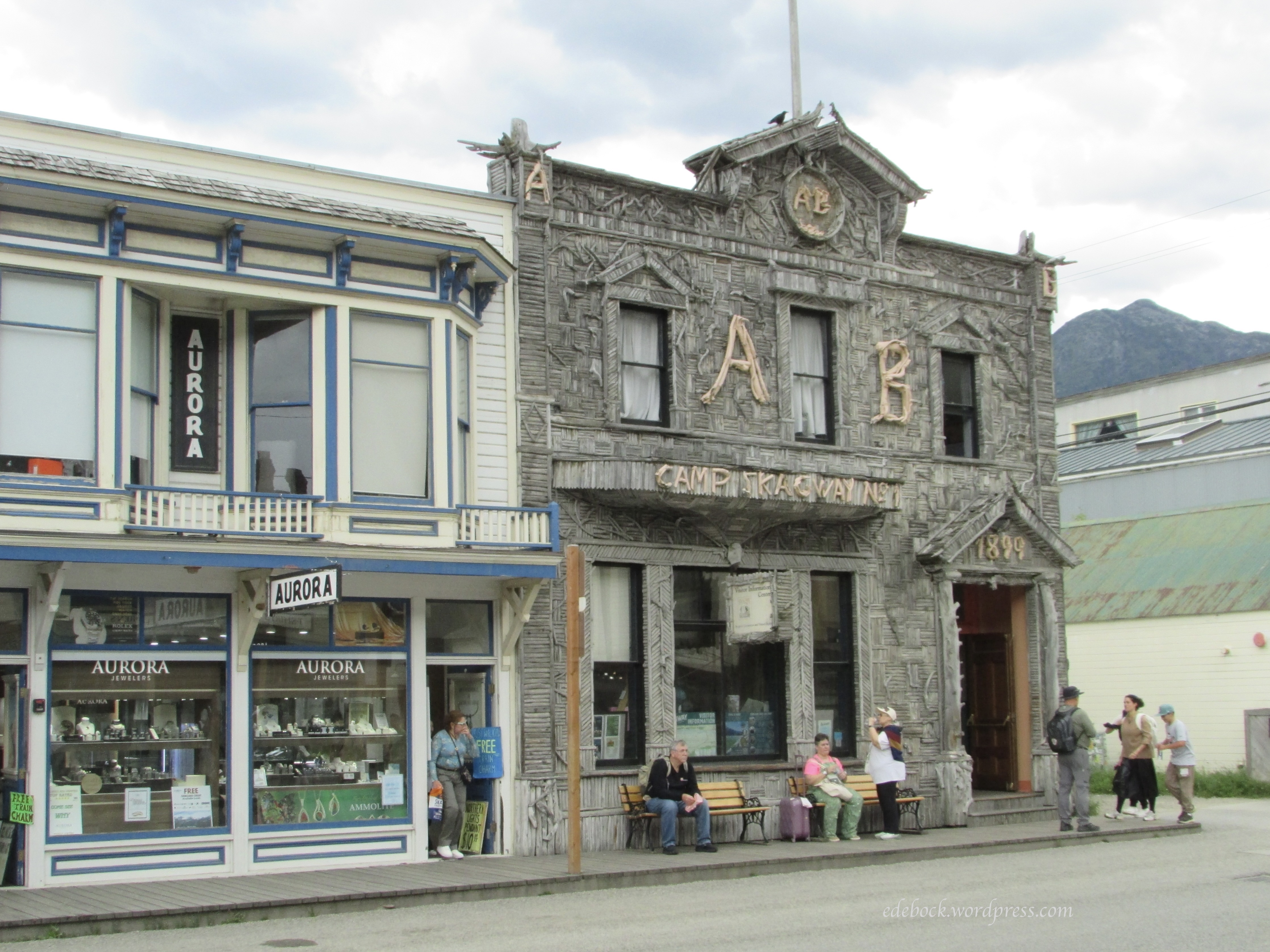
When we disembarked from the train, we were met by hubby’s sister and her husband who live across the Canadian border near Whitehorse in the Yukon. They drove about two hours each way to spend the afternoon with us. They took us to their favourite fish and chips restaurant for lunch and then we just walked around town while we visited. Hubby and I had been to Skagway by road many years ago and were well versed in gold rush history from our previous visits to the Yukon, so I didn’t take very many photos. Here are just a few to show you what the town, which has a year round population of about 1200, looks like. Most of the shops that cater to tourists are closed during the winter months. 
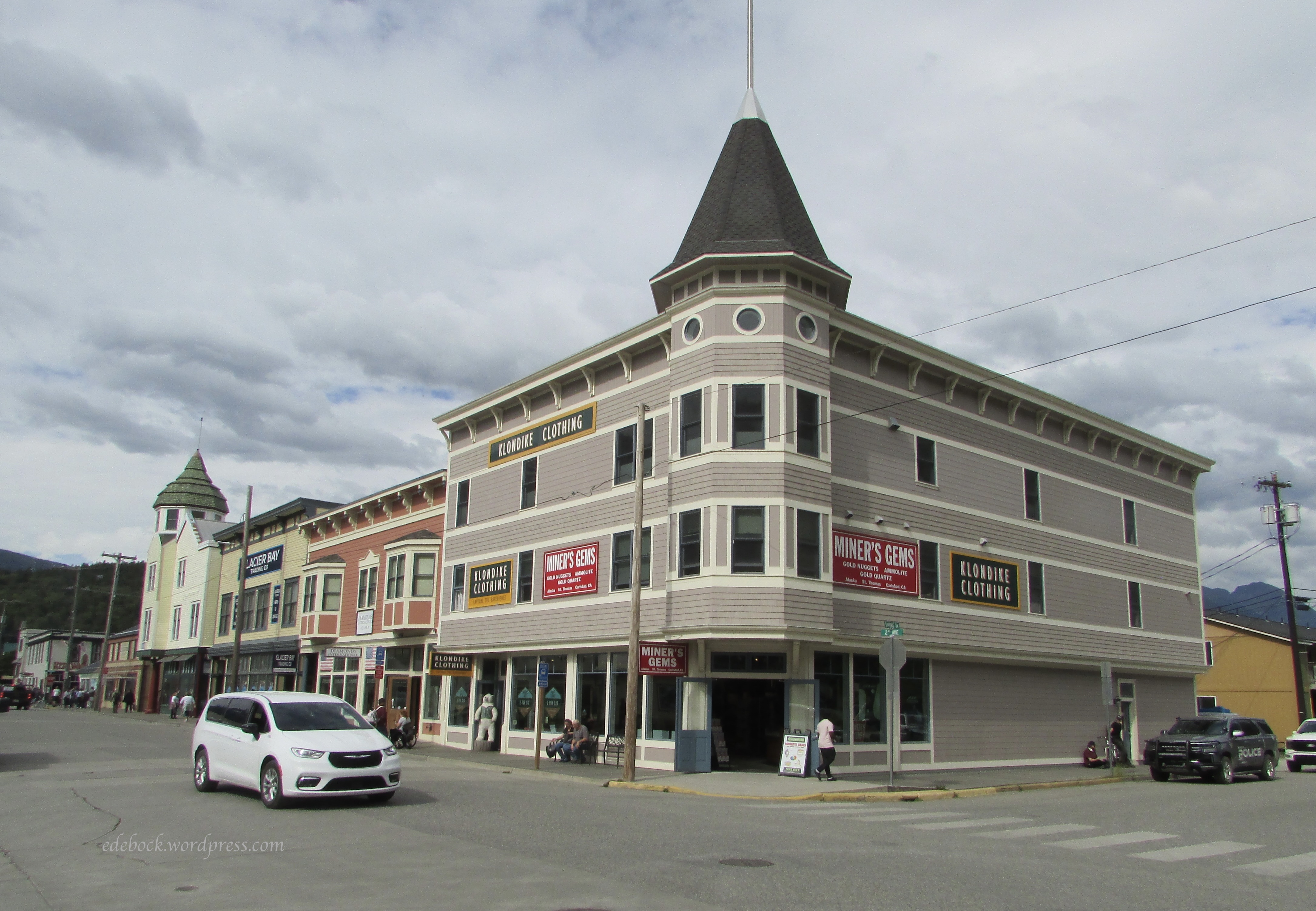
Here’s hubby hanging out with an exhausted gold seeker and his dog. 
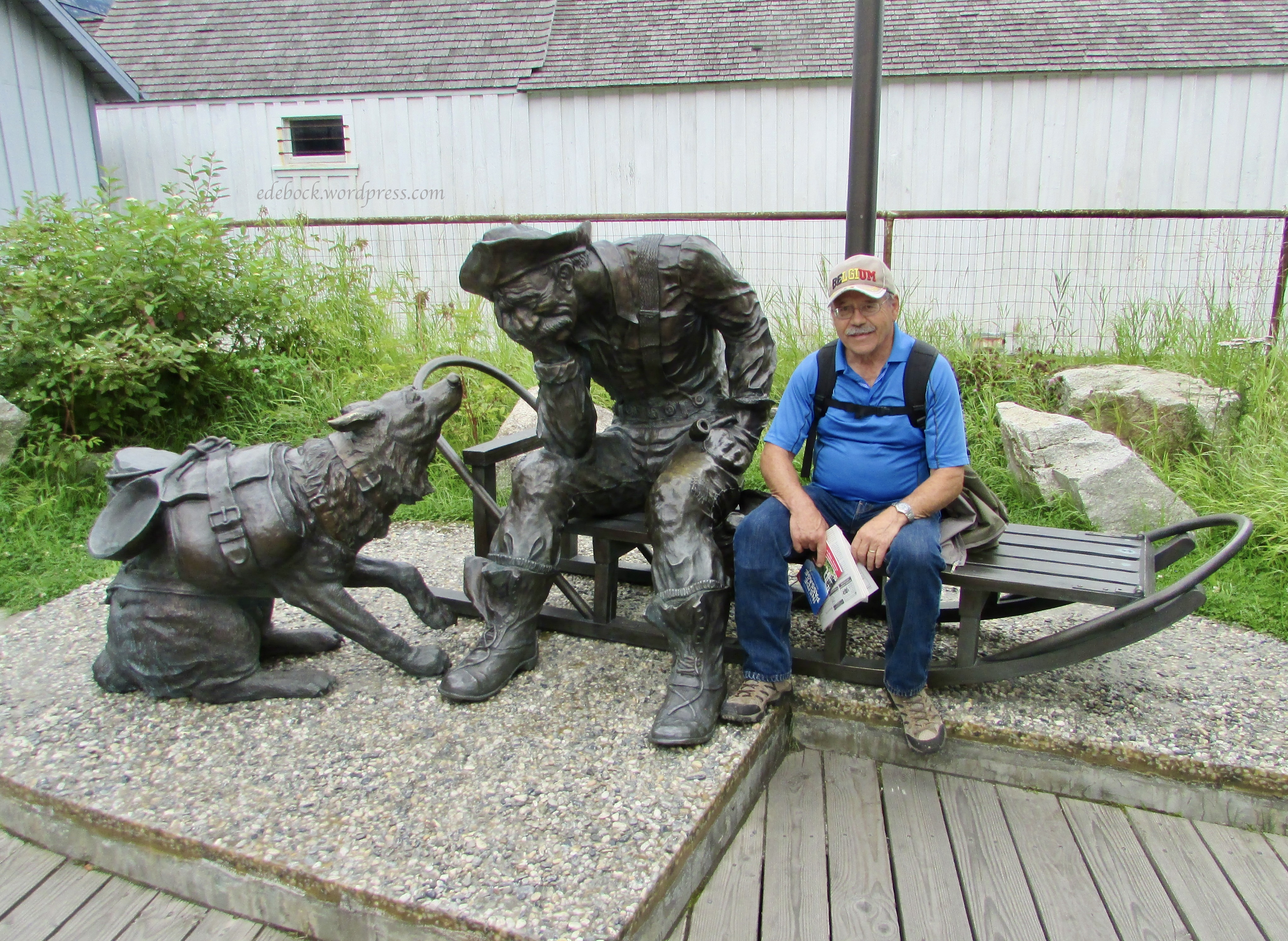
And perhaps you can spot him in this photo too. This is the Skagway Centennial Statue erected in 1997 in a park close to the train station.  
Endicott Arm and Dawes Glacier

Next on our itinerary was a scenic cruise up Endicott Arm to view the Dawes Glacier. The further up the beautiful Arm we cruised, the more and bigger chunks of ice we began to see in the water. 

There were other glaciers like this one along the way, but they were high in the mountains and far from the shore. 
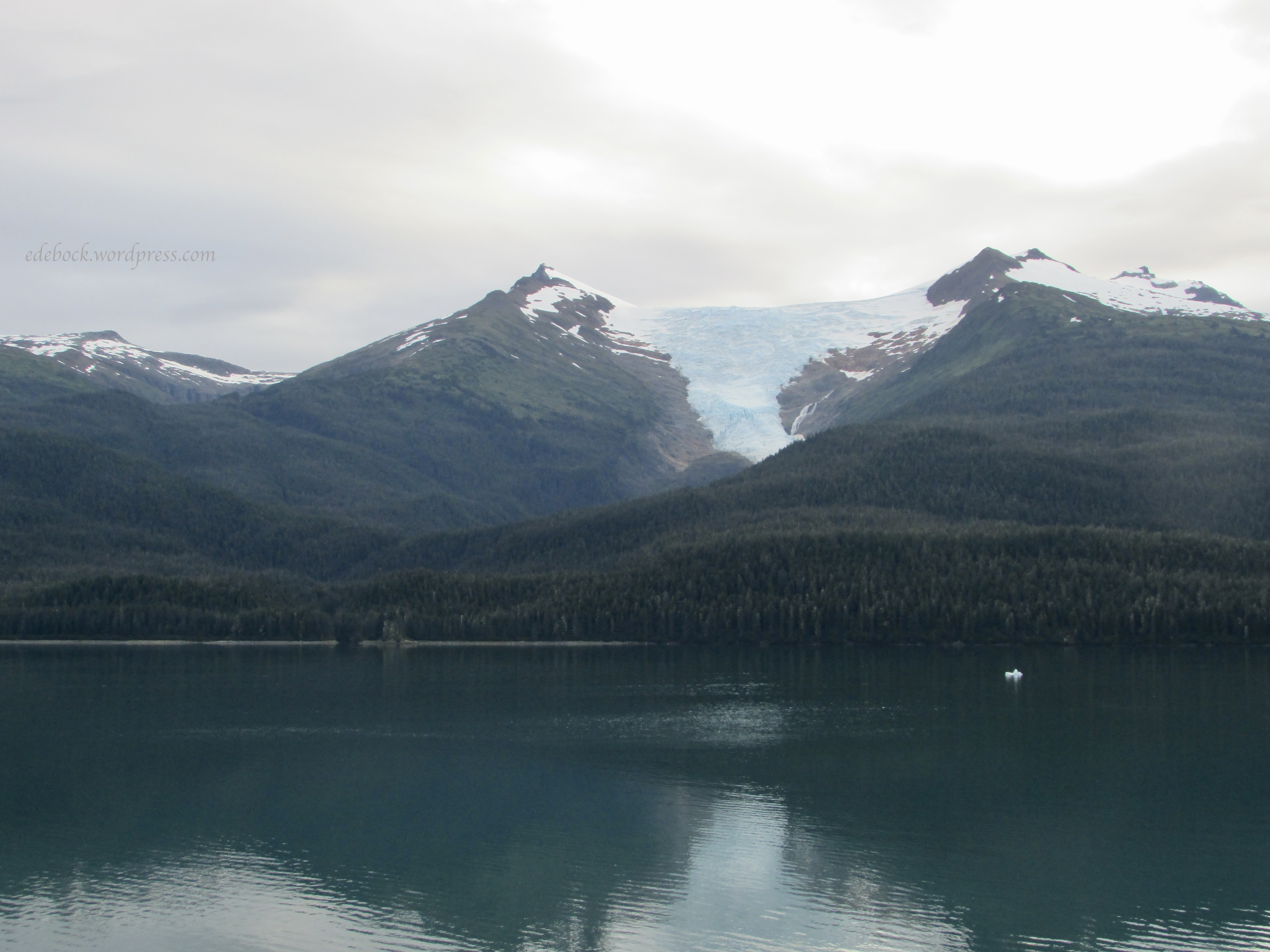
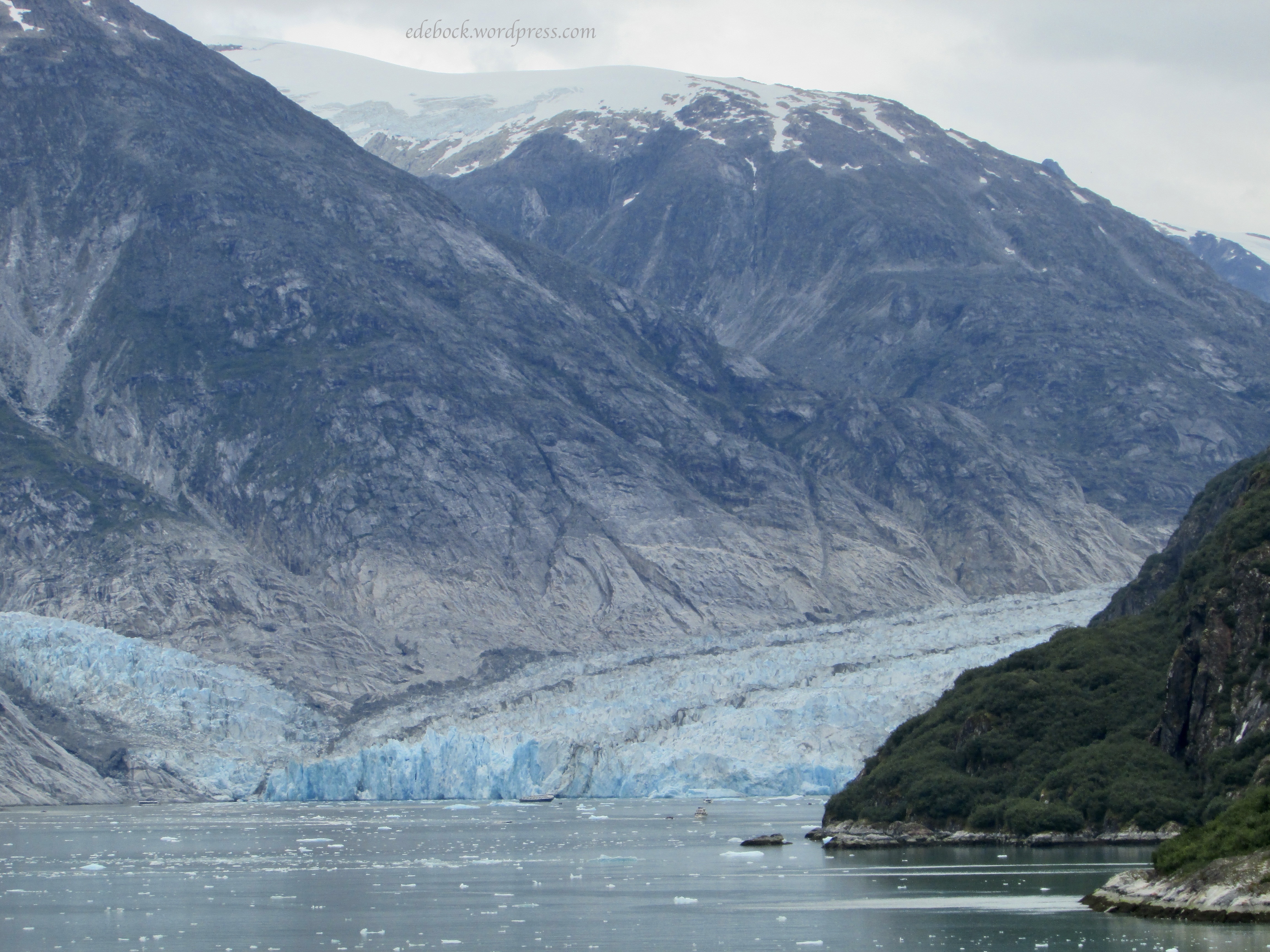
Eventually Dawes came into view. 

Because of the enormous size of our ship, we couldn’t get as close to the glacier as smaller ones could, so this was one of the times that we were very happy to have binoculars with us. The captain turned the ship in a complete slow circle so that everyone on either side could get a good view and lots of photos. 
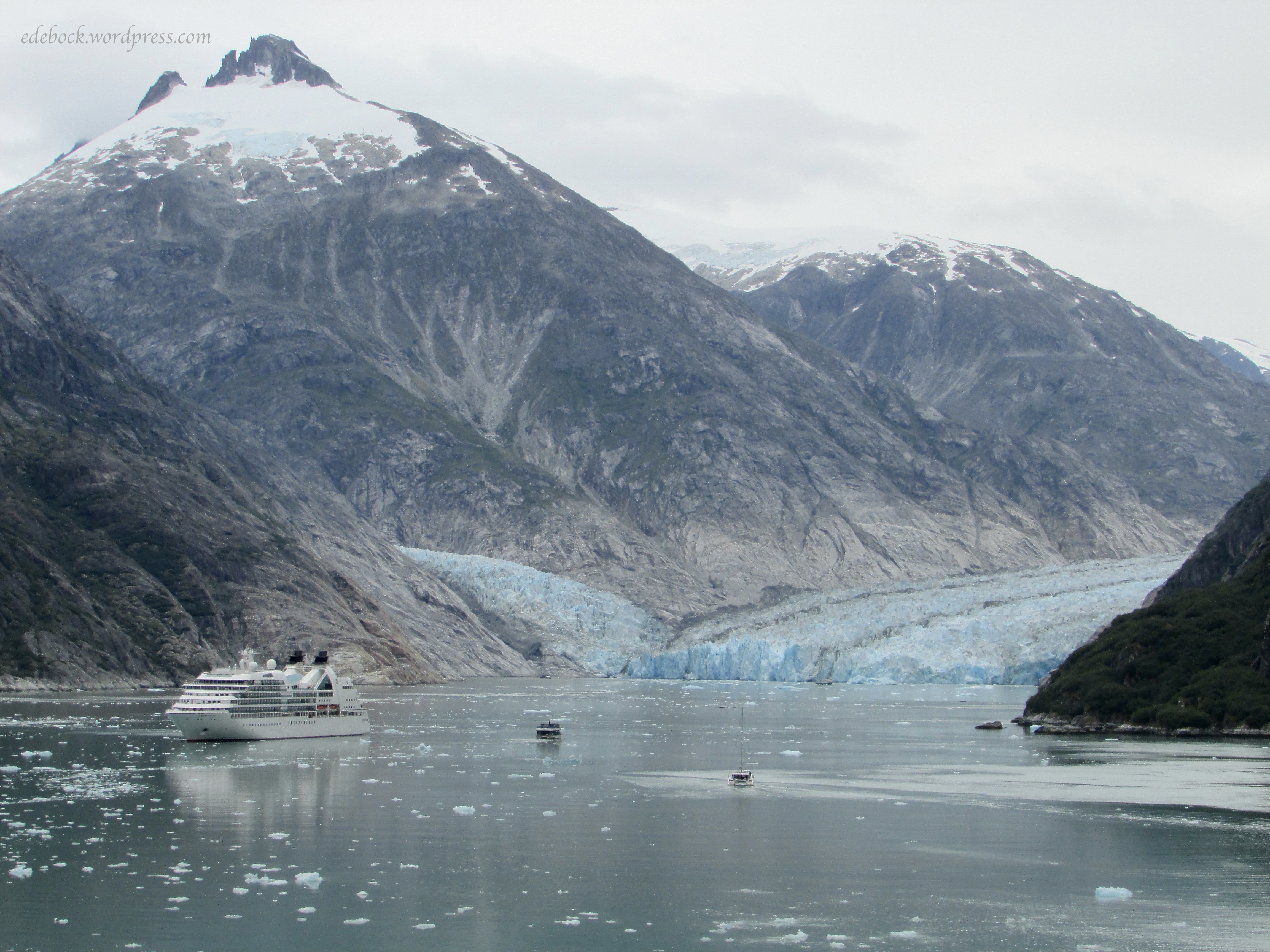
Why is the glacier blue, you ask? The naturalist on board explained that that’s because the ice is incredibly dense, having lost almost all of its air over time due to the immense weight of snow that compacted it. This dense ice absorbs most of the long-wavelength colours of white light, such as red and green, while allowing the short-wavelength blue light to pass through or scatter, which is what we see.

Ketchikan
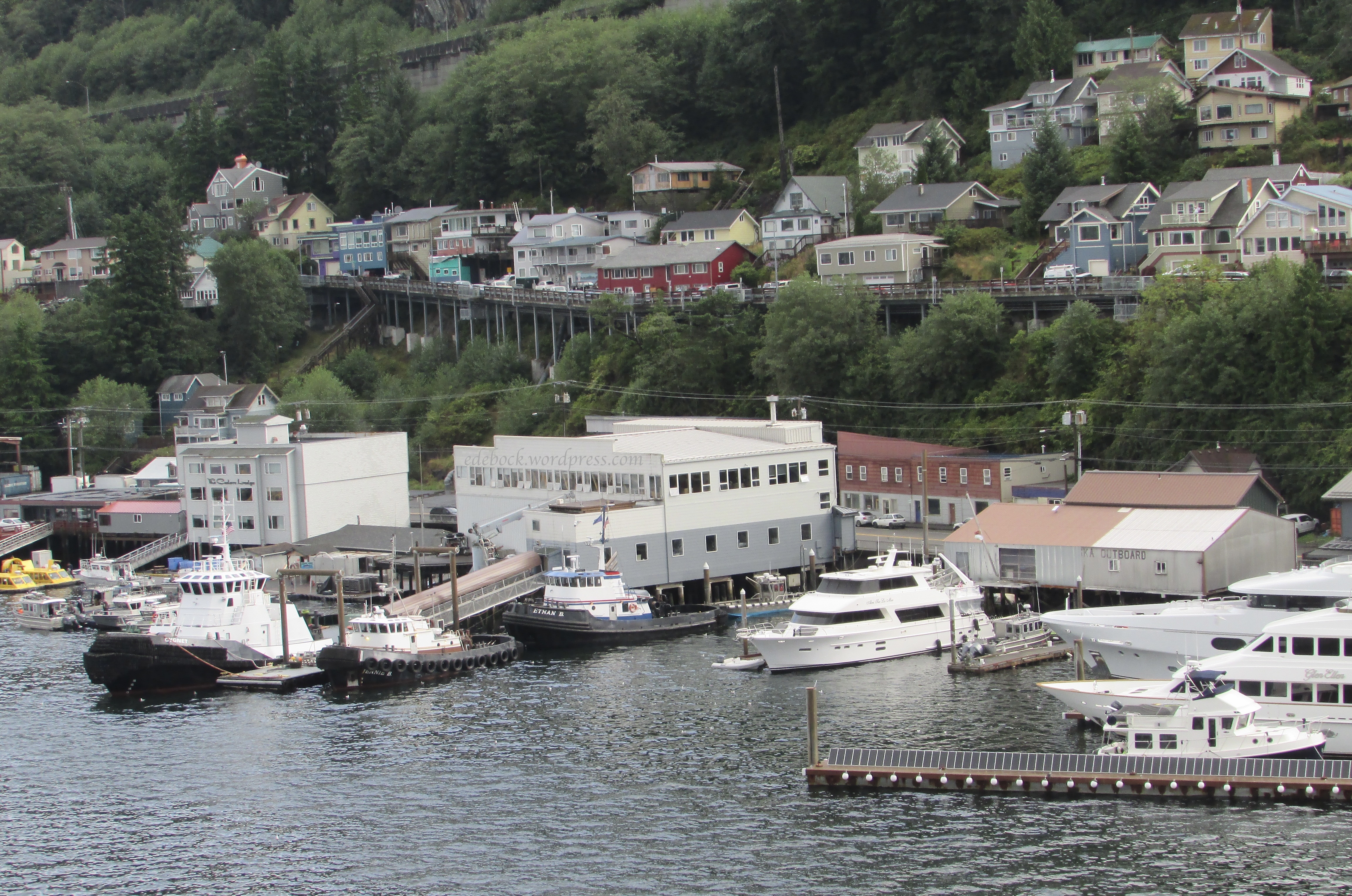
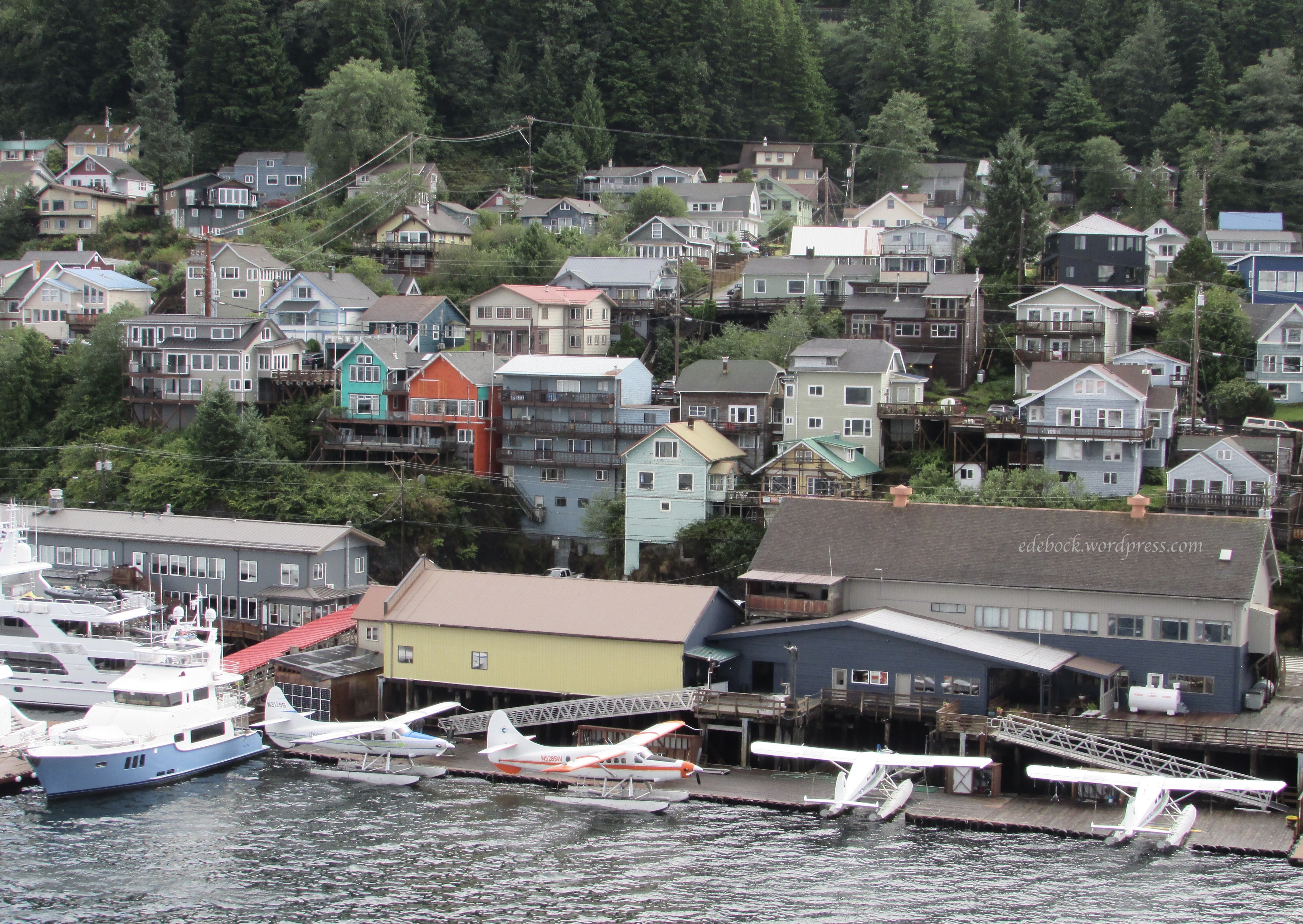
Ketchikan, with a permanent population of about 8000, was our last port of call. Like Juneau, it is inaccessible by road. It receives an average of approximately 150 inches of rainfall a year. Some of that fell while we were there, but we didn’t let that put a damper (pun intended) on our once in a lifetime opportunity to be there and see the sights.

We started by walking the 1.5 mile (2.4 km) Salmon Walk which is dedicated to the importance of salmon to the area and to encouraging good stewardship of the fish and their habitat. The walk upstream along Ketchikan Creek  in the direction that the salmon swim took us past a fish ladder and a hatchery, then along a forest trail before continuing back into the downtown area. 
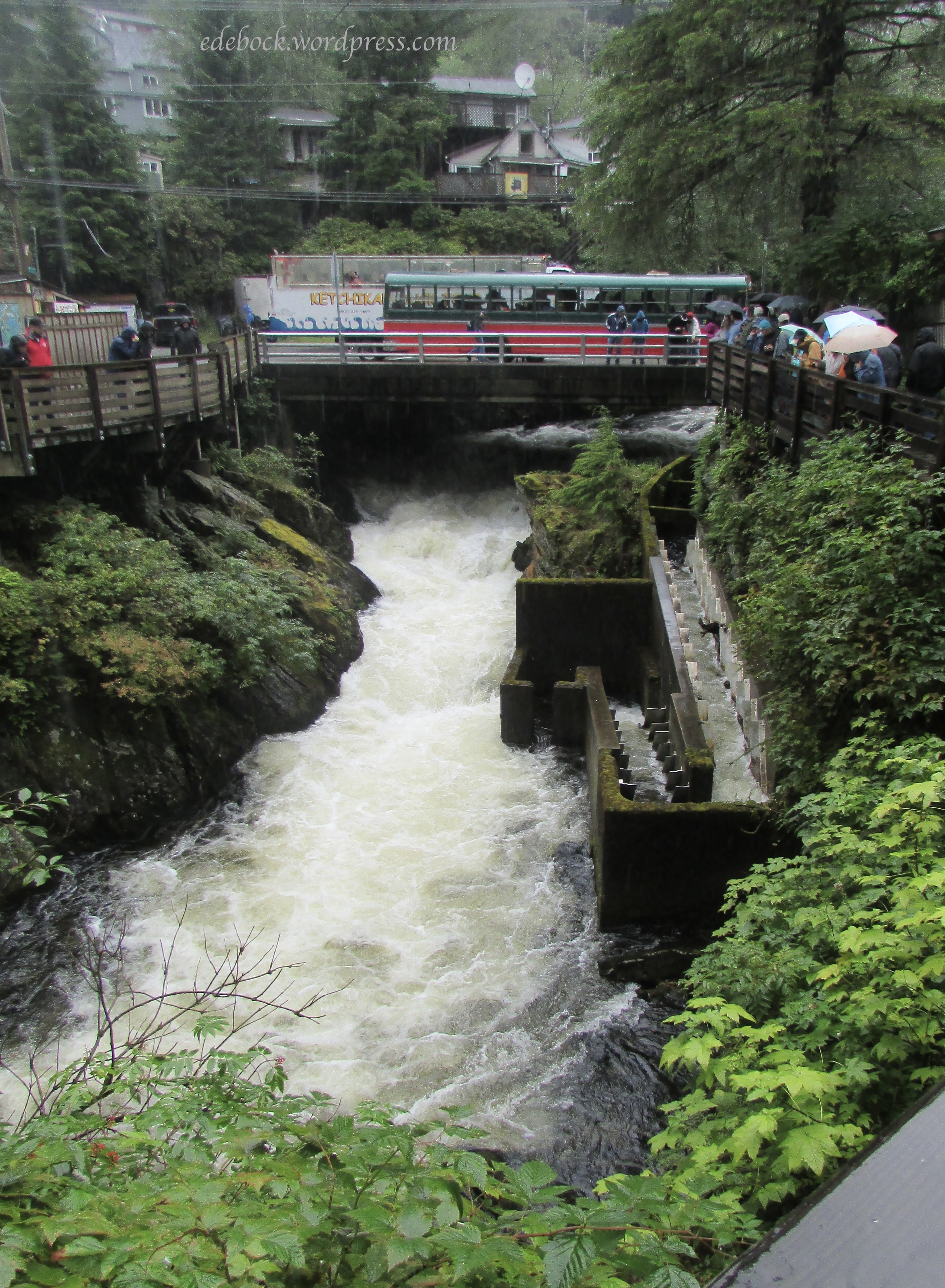
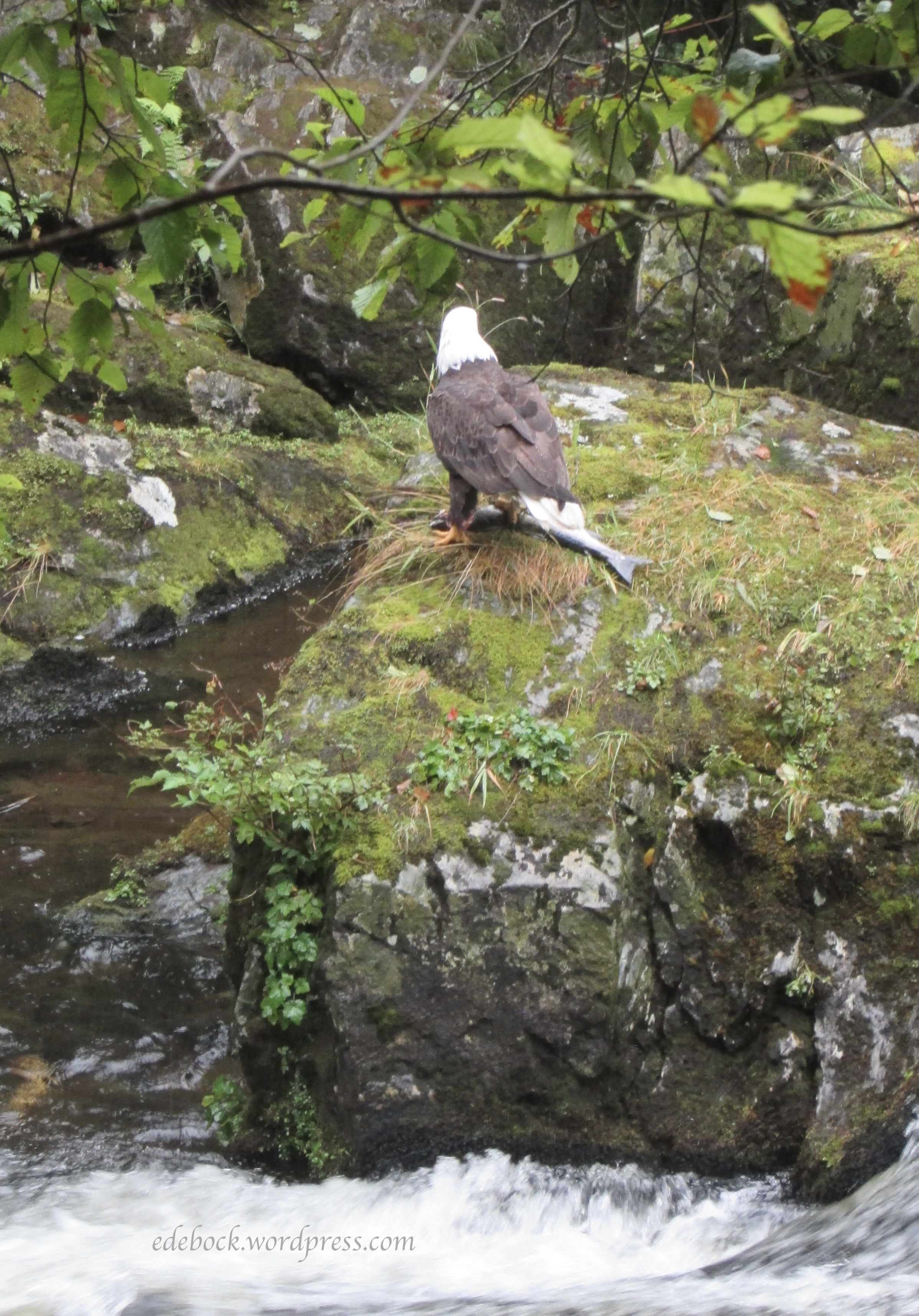
Along the way, we stopped to watch a bald eagle eating a freshly caught salmon. Unfortunately, it wouldn’t turn around and pose for me!
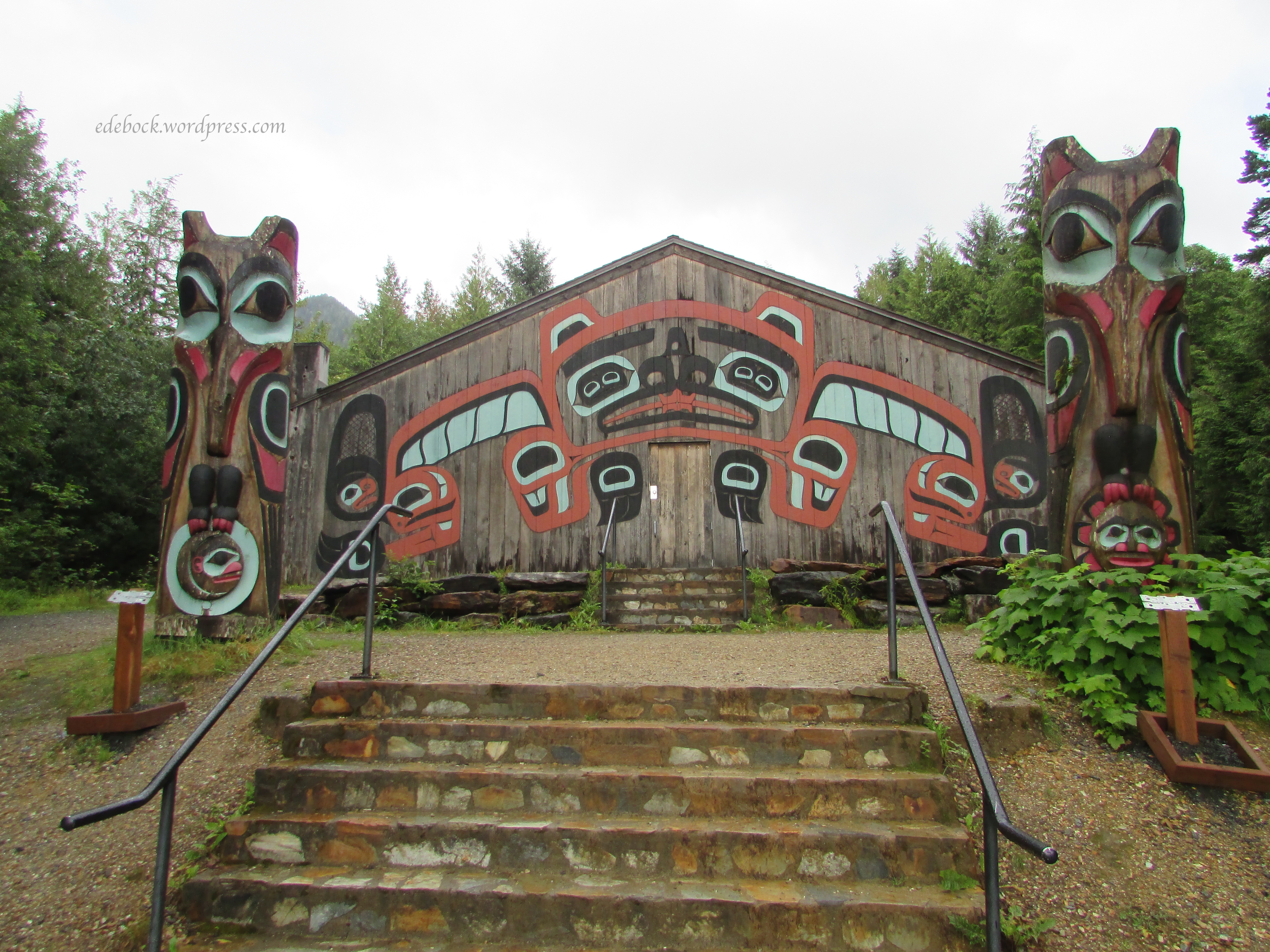
Halfway through the walk, we stopped at the Totem Heritage Center which houses an invaluable collection of 19th century poles retrieved in the 1970s from some of the nearby islands. It was a good place to escape the rain for a little while! 

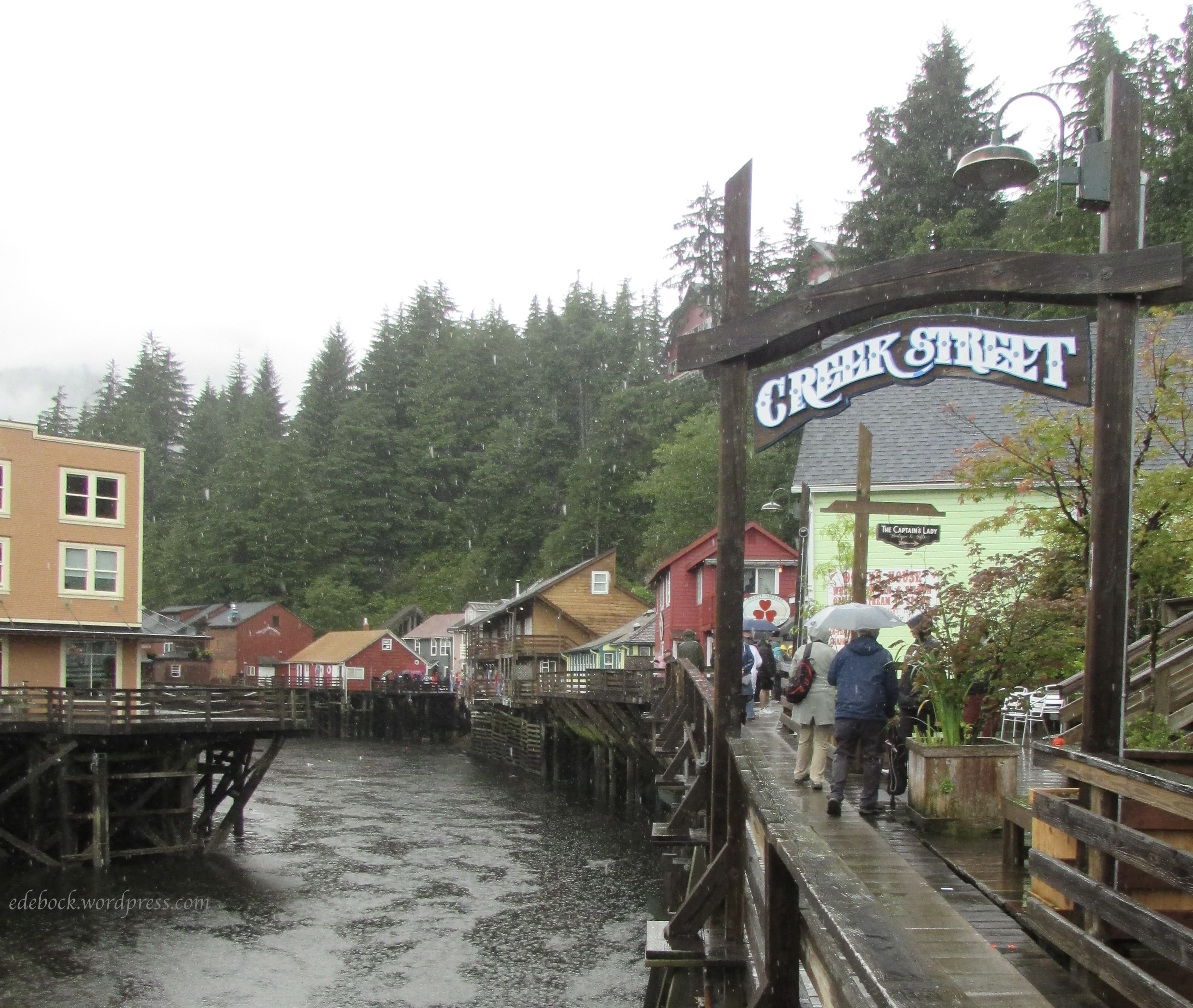
Our walk ended with a stroll along Creek Street, once the town’s red light district, but now a charming historic area known for it’s picturesque boardwalk built over the creek. We watched a couple of seals cavorting in the water there. 
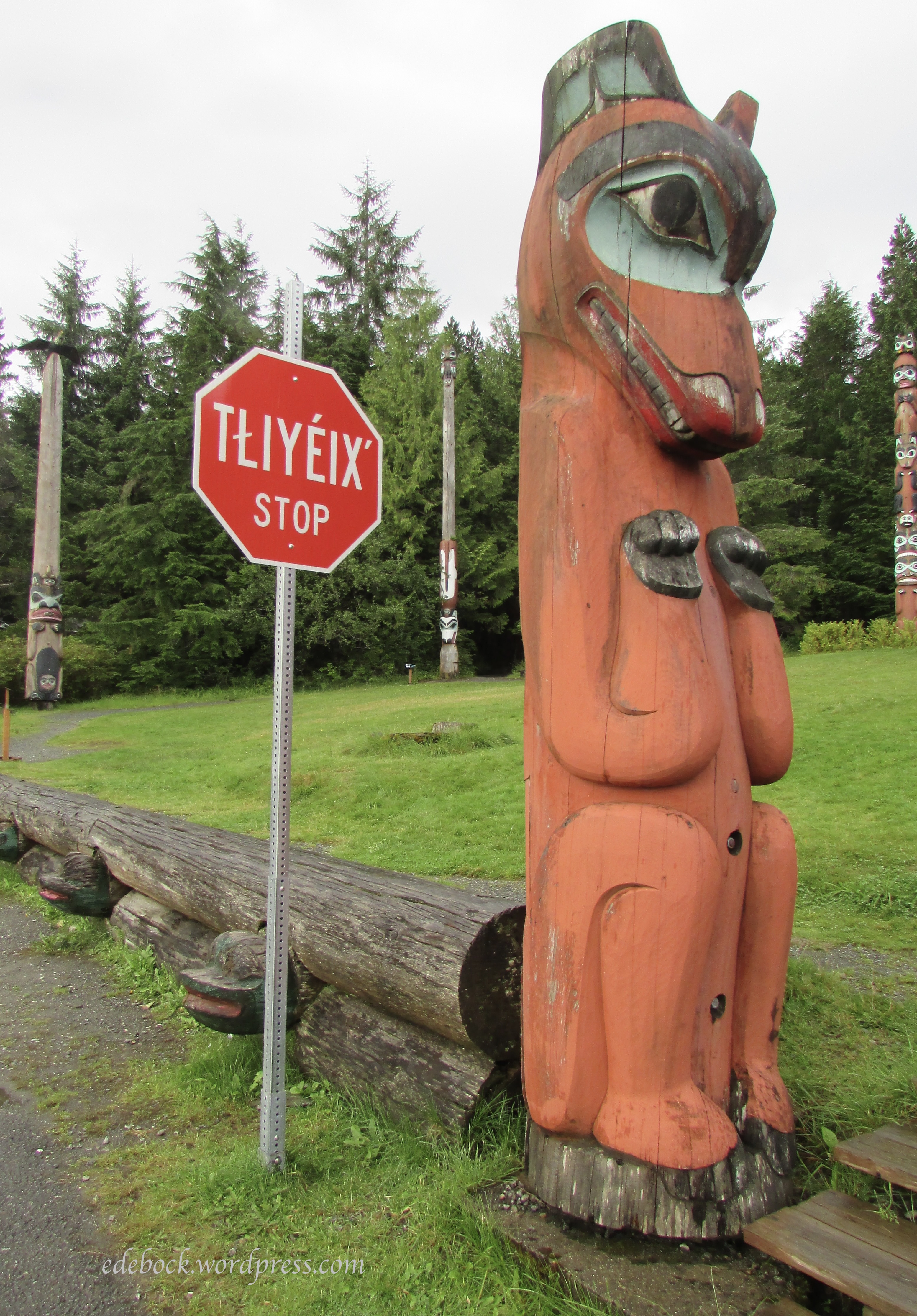
After returning to the ship for lunch, we took a taxi to Saxman Totem Park about 2.5 miles (4 km) south of Ketchikan because we didn’t want to walk that far in the rain and the city bus only goes once an hour. Of all the things we saw and did on this this trip, Saxman was the only one that we considered to be a bit of a rip off. We were charged $8 USD apiece to walk around and look at the collection of totem poles, authentic replicas of original poles that were left in abandoned villages in the past. There was no map available to guide us and most of the descriptive signs were missing. The traditional clan house and the carving centre were closed and all that was open was the gift shop!  We did manage to tag along with a tour group that made a very quick stop there and heard the stories of a few of the poles from their guide. 
And that brings this very long post to a full STOP. If you’ve stuck with it and read this far, you are to be commended! 
 

North to Alaska!

I love trip planning and we tend to be independent travellers, so we don’t have much experience with organized tours and luxury cruises. In fact, with the exception of a three day river cruise in China in 2013, our recent Alaska cruise was our first.

I grew up on the BC coast and the ocean has always been my happy place, so in spite of the fact that it was very different from our usual kind of travel, this trip was something that had been on my unwritten bucket list for a long time. We chose Princess Cruises for two reasons. First, it’s reputed to be one of the more relaxed, laid-back cruise lines and secondly, they offered exactly what we wanted, a 7 day Inside Passage cruise departing from Vancouver on August 12, fitting perfectly with our other reasons for being in Vancouver. 

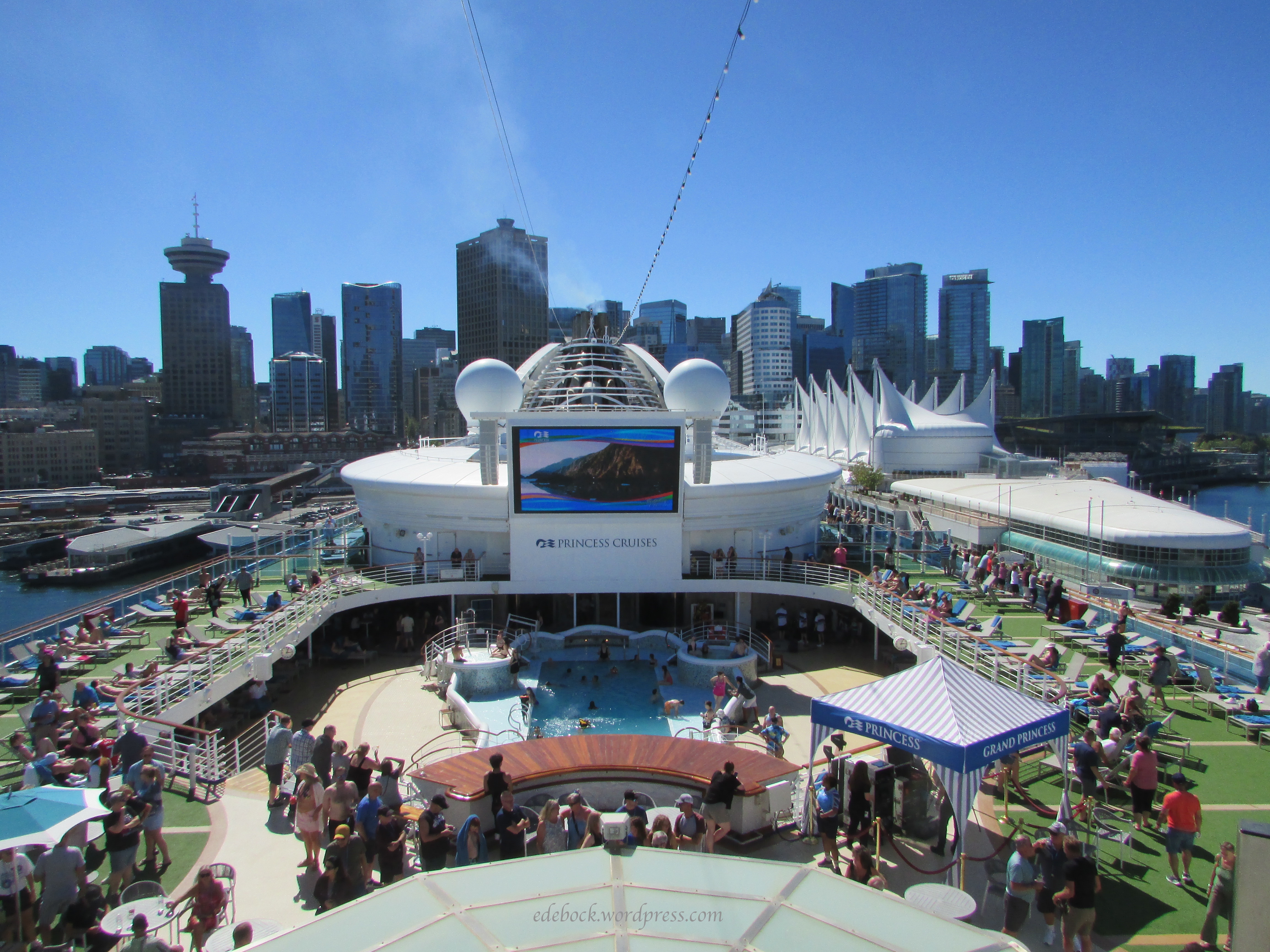
With 3500+ people on board (passengers and crew), swimming pools, theatres, multiple restaurants and bars, a spa, and a casino, the Grand Princess was really a floating resort.

We sailed under the Lions Gate Bridge and out of the Vancouver harbour on a stunningly beautiful afternoon.

Mount Baker, approximately 140 km (87 miles) to the south in the state of Washington, was clearly visible looming over the city skyline.

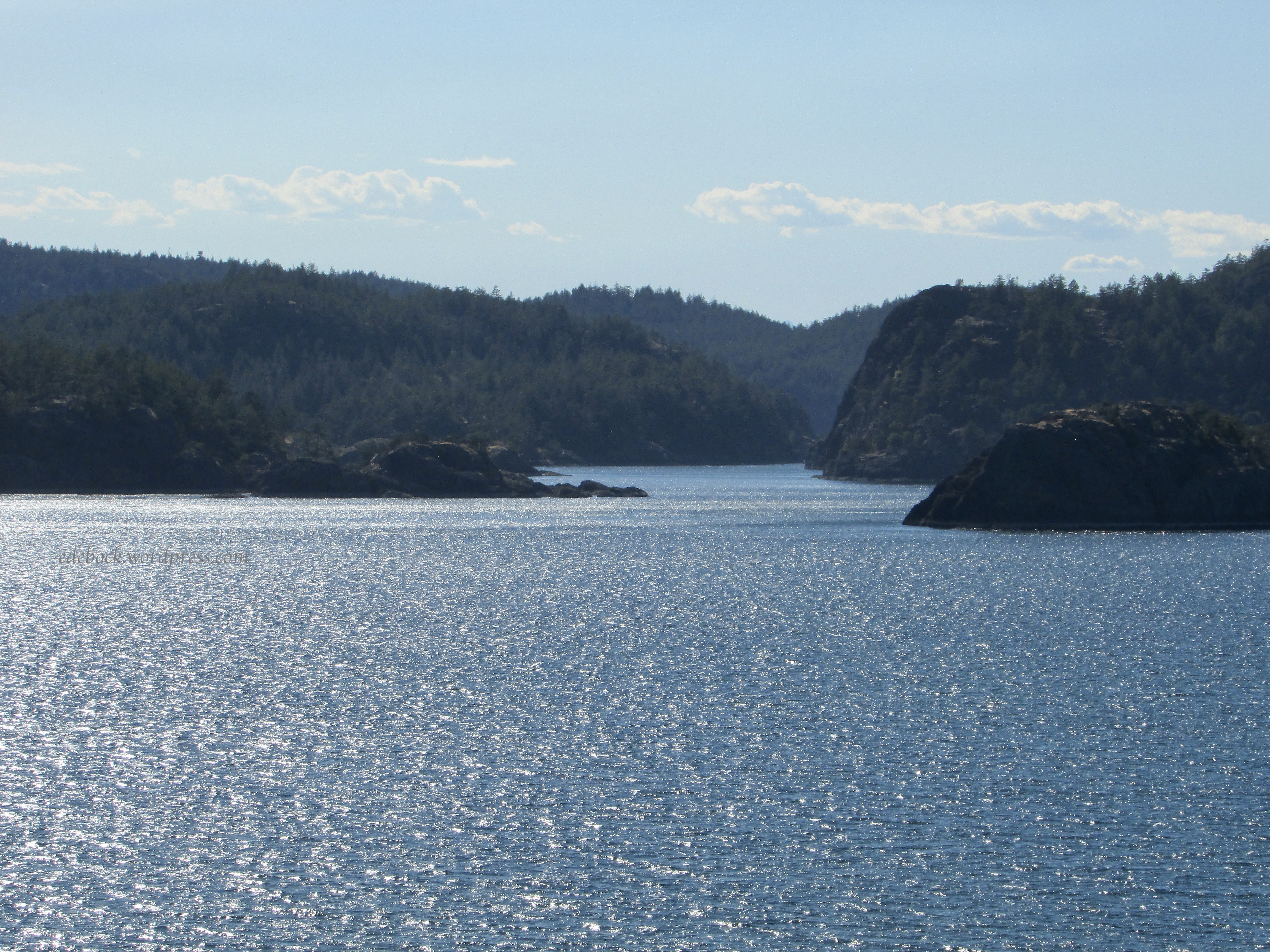
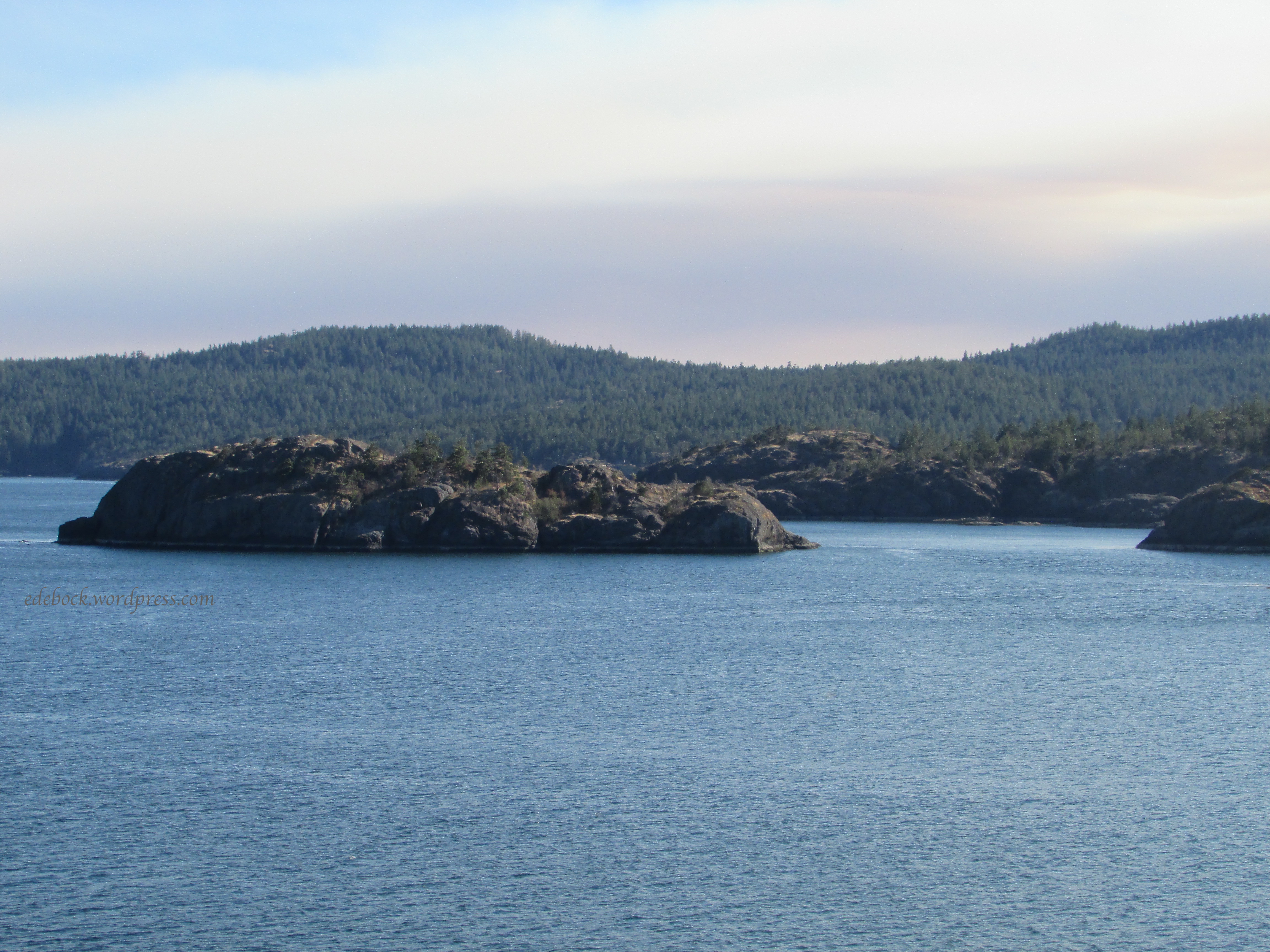
It was the beautiful coastal views, enjoyed from the solitude of our stateroom balcony, that thrilled my heart the most though.

There’s a vast array of activities to take part in on board a cruise ship. We enjoyed attending sessions with award-winning author and photographer, Nick Jans, and retired Alaska forest ranger, Pete Griffin. Although we tried our luck at the cheapest slot machines in the casino, we didn’t spend much time there and didn’t come away any wealthier! The evening shows in the Princess Theatre were superb and rather than spending time in the bars, we chose to sip wine on our balcony while enjoying the scenery.

The food was excellent and, of course, I loved the fact that I didn’t have to cook for the whole week! We chose to eat breakfast and lunch at the ship’s buffet and dinner in the dining rooms where we ordered from excellent and varied menus. While there were many other options, I love seafood and what better place to enjoy it than on the ocean? I even tried a couple of kinds of fish that I hadn’t tasted before. As a diabetic, my favourite part was the fact that there were sugar-free desserts available at every meal! I definitely indulged and the bathroom scale tells me that I gained five pounds. I’m hoping that all the walking that I’m doing as part of my Hoofing It fundraiser for neuroendocrine cancer research will wear it off.

Typically, a 7 day cruise includes two formal nights when passengers are encouraged to dress up. I wasn’t sure how we’d deal with those. I’d seen packing lists that included tuxedos and evening gowns, but we don’t own such things and considering how challenging it was to pack for this three part trip, I had no intention of hauling hubby’s suit along with us. I did pack a couple of simple dresses for myself and dress pants, a dress shirt, and a tie for him. As it turns out, we had nothing to worry about. While a few people did dress more formally, even in the dining rooms most weren’t dressed any fancier than we were.

August is one of Alaska’s rainiest months and the weather can be quite chilly, so packing lists also included warm sweaters, insulated jackets, and rain gear. While we were happy to have warm clothing to bundle up in while viewing a tidewater glacier and looking for whales (we only caught glimpses at a distance) and we did have rain at one of our ports of call, we mostly enjoyed good weather.

Our cruise included stops at Juneau, Skagway, and Ketchikan, and a side trip up Endicott Arm to see Dawes Glacier, but I’ll write about those in a separate post.

Traveling again: family time

Prior to yesterday’s post, the blog had been silent for three weeks. That’s because I was traveling again! For much of that time, I didn’t have internet access and when I did, I was too busy to write about what I was doing. Now that I’m home again, I’m looking forward to reliving some of those experiences as I share them with you.

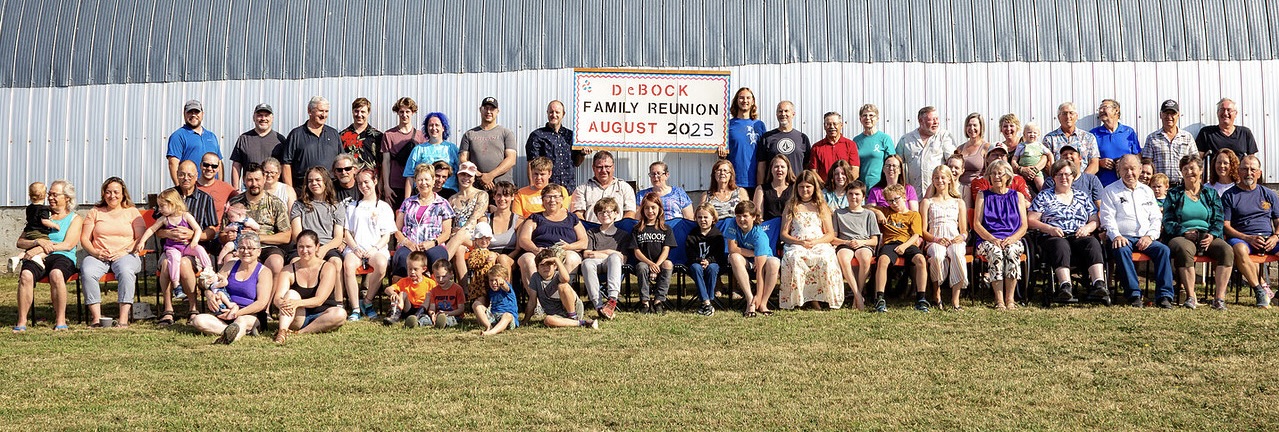
Our most recent trip was really three in one and, as such, was definitely the most difficult one I’ve ever had to pack for. It started with a family reunion at the beginning of August. Over 70 of hubby’s relatives gathered at his youngest brother’s farm for a fun-filled long weekend.

It was a time of visiting, catching up, food, games, campfires, and even some shenanigans!

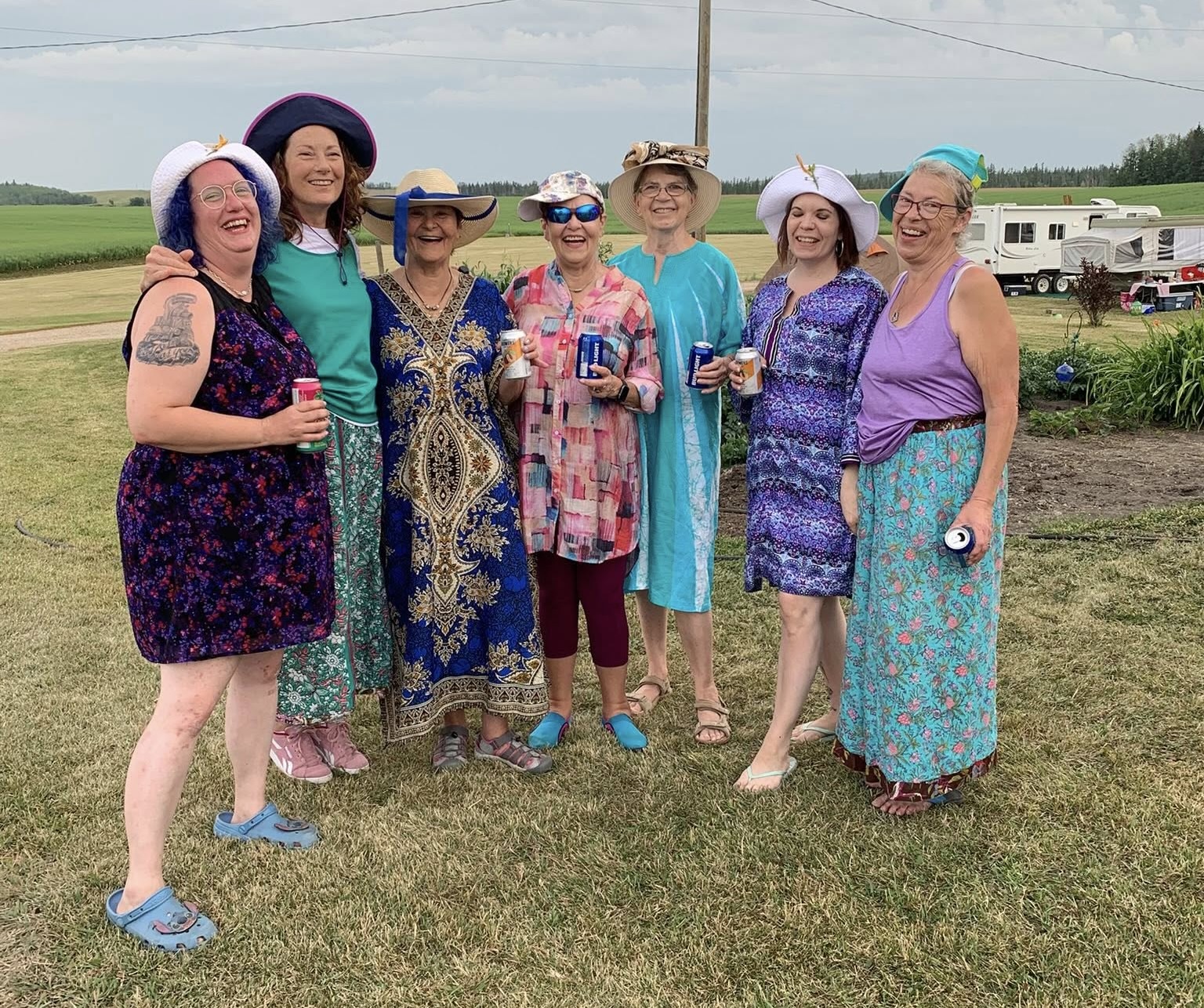
When one of the brothers went a little overboard teasing his younger sister about the bright caftans and wide brimmed hat that she wore to protect herself from the sun, a bunch of us gals decided to join her! In spite of our wacky outfits, I love this selfie of my daughter and I.

It was especially fun to watch the children. Second and third cousins, many who’d never met before, quickly became fast friends. Within minutes of arriving, our 11-year-old autistic grandson was part of a “cult” with creative code names like “Walmart Shopping Bag” and “Ikea Dining Table”! On a hot afternoon, a rousing game of Human Battleship with water balloons morphed into a giant water fight. A visit to the nearby cemetery to place refurbished headstones on old family graves was a more sombre moment and I was very moved by the response to a silent auction to raise funds for neuroendocrine cancer and Parkinson’s disease research. Half the proceeds put me within $100 of my Hoofing It fundraiser goal.

Like most of the crowd, we stayed in our trailer during the reunion, but then we left it at the farm and picked it up again after the second and third parts of our vacation which included a road trip to Vancouver and an Alaskan cruise. That’s why packing was such a conundrum! I could easily pack for any one of the three, but making the transition from trailer to road trip to cruise was a challenge even for someone with as much packing experience as I have!

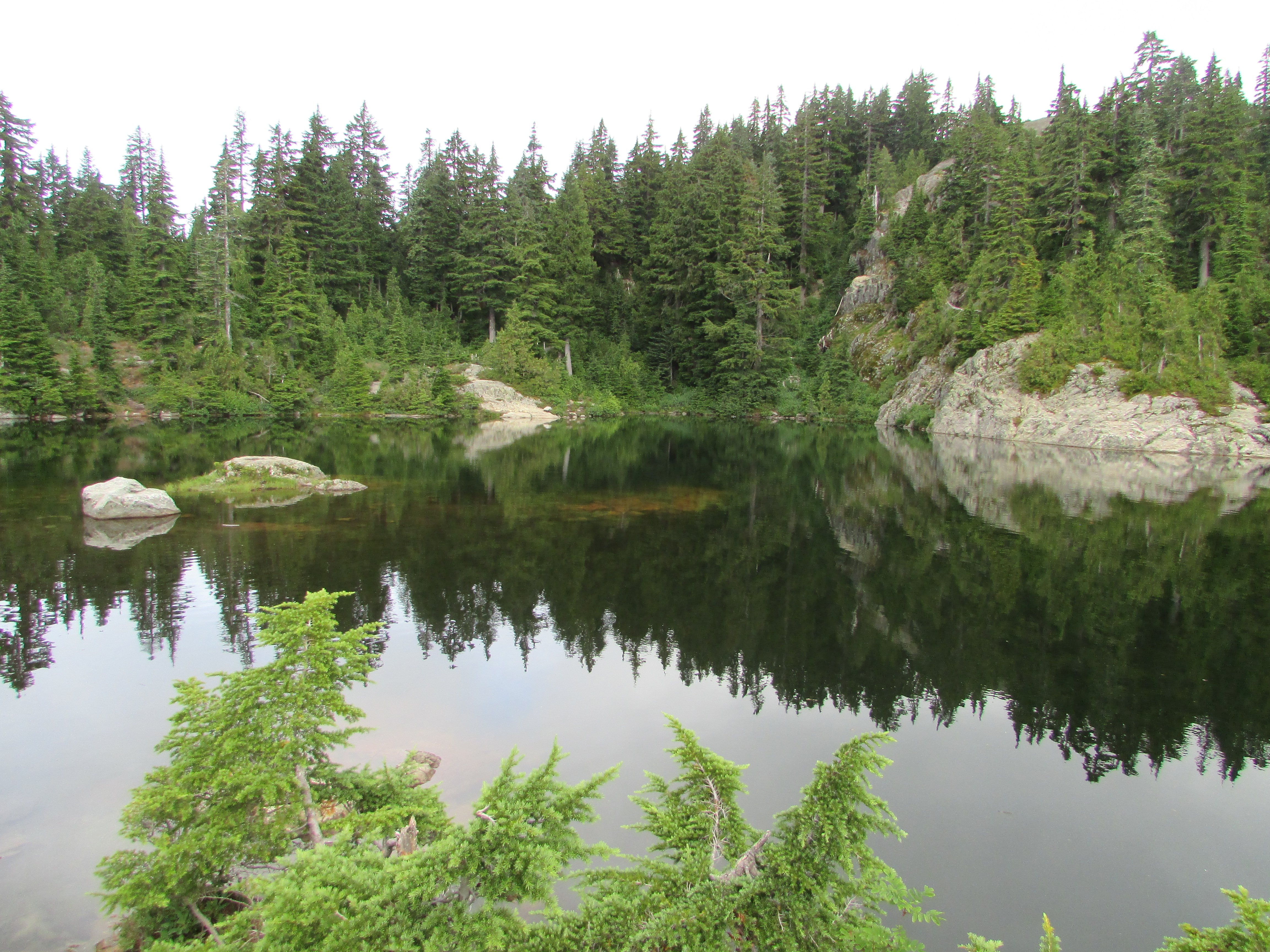
The trip to Vancouver was also about family. It was the first time since our father passed away at the beginning of March 2020, less than a week before the Covid pandemic shut the world down, that all three of my siblings and I were able to be in Vancouver at the same time. In his younger years, Dad was an avid mountaineer and mountains were his passion, so it only seemed fitting that his final resting place be on one of the mountains overlooking the city where he was born and spent much of his life. On the morning of August 9, nine family members hiked the short, but fairly steep trail to beautiful Mystery Lake and selected a secluded spot nearby to finally lay his ashes to rest. 

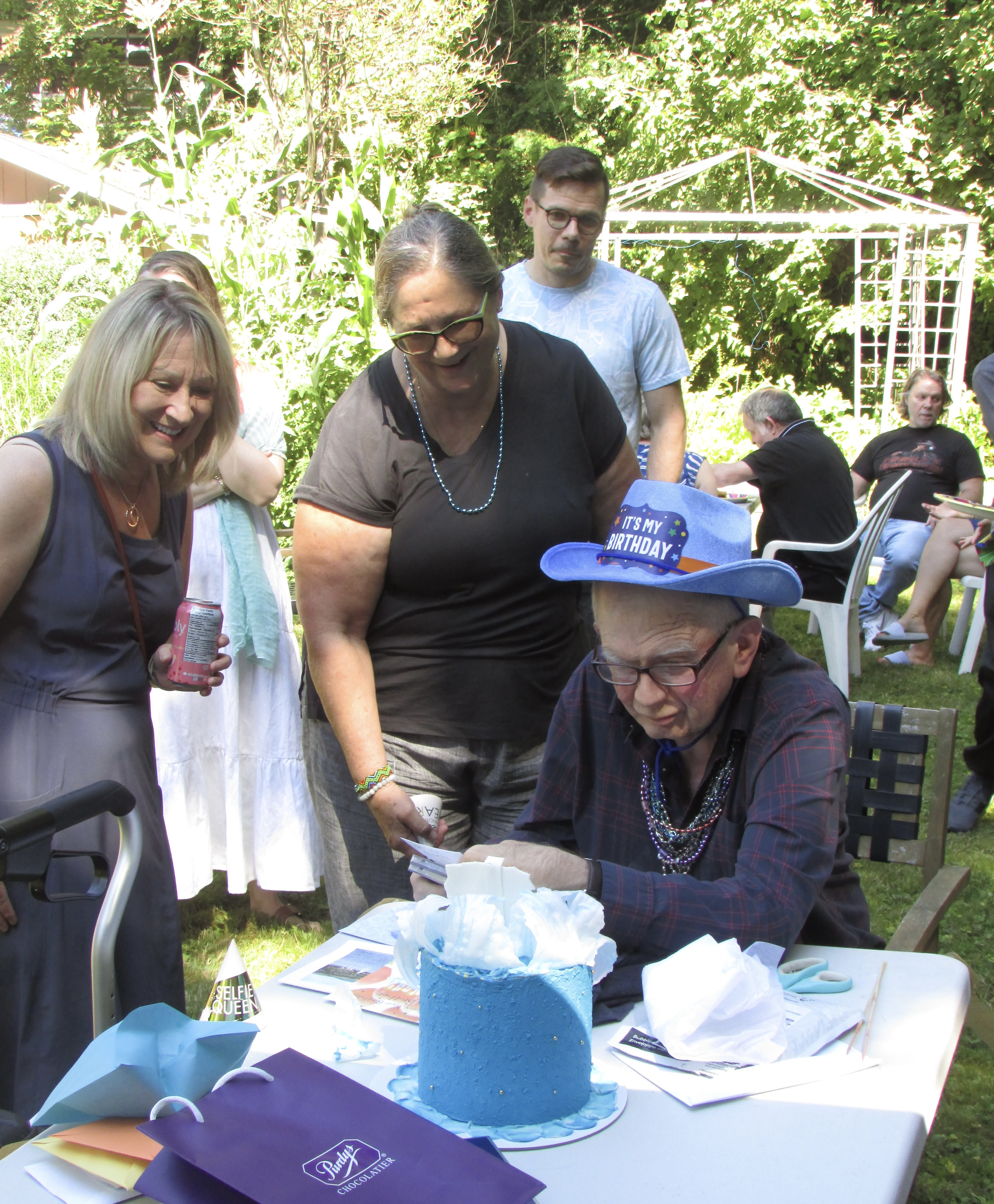
The following day we celebrated my beloved older brother’s 75th birthday. Surrounded by family, friends, and caregivers, Donald was the man of the hour! 

To read Donald’s story, visit this post that I wrote more than a decade ago. It was later published in the Community Living Society’s quarterly publication, The Communicator. 

Part three of our trip was the Alaska cruise. In order to keep this post from becoming too long and because I’m still sorting through the 300+ photos that I took on that portion of the trip, I’ll share it in a separate post (or maybe even more than one) within the next few days. 

50 years!

50 years ago today I arrived in Sedgewick to begin my teaching career thinking that I’d probably stay for a year or two. Half a century later, I’m still here!

I’ll never forget that day. That morning, I boarded a Greyhound bus heading for a little town of less than 1000 people. I’d accepted the job over the phone and couldn’t even visualize a town that small. My high school in Vancouver had had more students than that! The bus stopped in numerous little towns on it’s way across the prairie. Some looked promising and others, with boarded up buildings, looked downright dismal. What would Sedgewick be like and what would I do when I got there? Most of my household goods had been shipped out in advance and I knew that they were waiting for me in a furnished apartment across the street from the school, but I had no idea where that was or how I’d get there with more luggage than I could carry on my own. That was, of course, before suitcases had wheels. When the bus finally pulled into Sedgewick I was the only passenger who stood up to get off, but there was a man waiting at the stop. I remember feeling sorry for him because I thought his wife must have missed the bus. Imagine my surprise when I disembarked and he greeted me by name! He was the school principal. Not only did he know where my apartment was, but he also knew who the landlord was and where he lived! After stopping to pick up the key, he dropped me at my apartment and told me he’d be back to pick me up in an hour because his wife was making dinner for us! That was my introduction to small town living.

But what in the world kept me here for 50 years? A man, of course! Eleven days after I stepped off that bus, I met him at the first staff meeting of the school year and thirteen months later we were married!

2025 has been full of 50 year milestones. 50 years have passed since I graduated from university. It’s been 50 years since I moved to Sedgewick, 50 years since I met my husband, and 50 years since I started my teaching career, but there’s still one more 50 year milestone to come. In October it will be 50 years since I made the life-changing decision to follow Christ.

It’s been a half century of ups and downs, joys and sorrows. I’ve raised a family and welcomed 8 grandchildren. While I envy those who have their families close, we knew that there was nothing to hold our children here, so we gave them wings and watched them fly. We fly away from time to time too, but even after 50 years, Sedgewick still seems like a good place to come home to!

Then and now…

Book of the month – July 2025

I haven’t been reading as much as usual this summer. In fact, I only completed one book in the entire month of June! That would help explain why I haven’t written a book of the month post for awhile, but it’s time for that to change. Maybe I need to add reading to my daily to-do list!

The Indigo Girl

Natasha Boyd

If I didn’t know that this novel was was a well-researched, but fictionalized retelling of a true story I would have thought it a bit far-fetched. A father giving his 16-year-old daughter control of three family plantations in South Carolina while he leaves the country to secure his political position on the Caribbean island of Antigua would be remarkable at any time, but this was 1738! At a time when the role of women was purely domestic, intelligent and headstrong Eliza Lucas was determined to find a cash crop to pull the plantations out of debt, pay for their upkeep, and support her family.

Upon learning how much the French were willing to pay for indigo dye, Eliza was convinced that it could be the key to resolving the family’s financial woes. Thwarted at every turn, even by her own mother, she refuses to give up. After three years of persistence and many failed attempts, she proves that indigo could indeed be successfully grown and processed in South Carolina.

A woman before her time, Eliza Lucas dares to choose her own path, to choose whether or not to marry, and to prove herself as competent as the men who try to intimidate her. Although she couldn’t have accomplished what she did without the help of the plantation slaves, she struggles with the concept of owning people and unlike many slave owners of her time, she seeks to treat her people well. She has improvements made to their living quarters and, with the help of a lawyer friend, cleverly circumvents the law forbidding masters to teach their slaves to write. She sets up a small school to teach the children to read and also teaches one of the men who has been with her family for many years.

This is a story of friendship, intrigue, ambition, sacrifice, betrayal, and for those who like romance, there’s some of that too. Excerpts of actual letters written by Eliza Lucas are interspersed throughout the book.