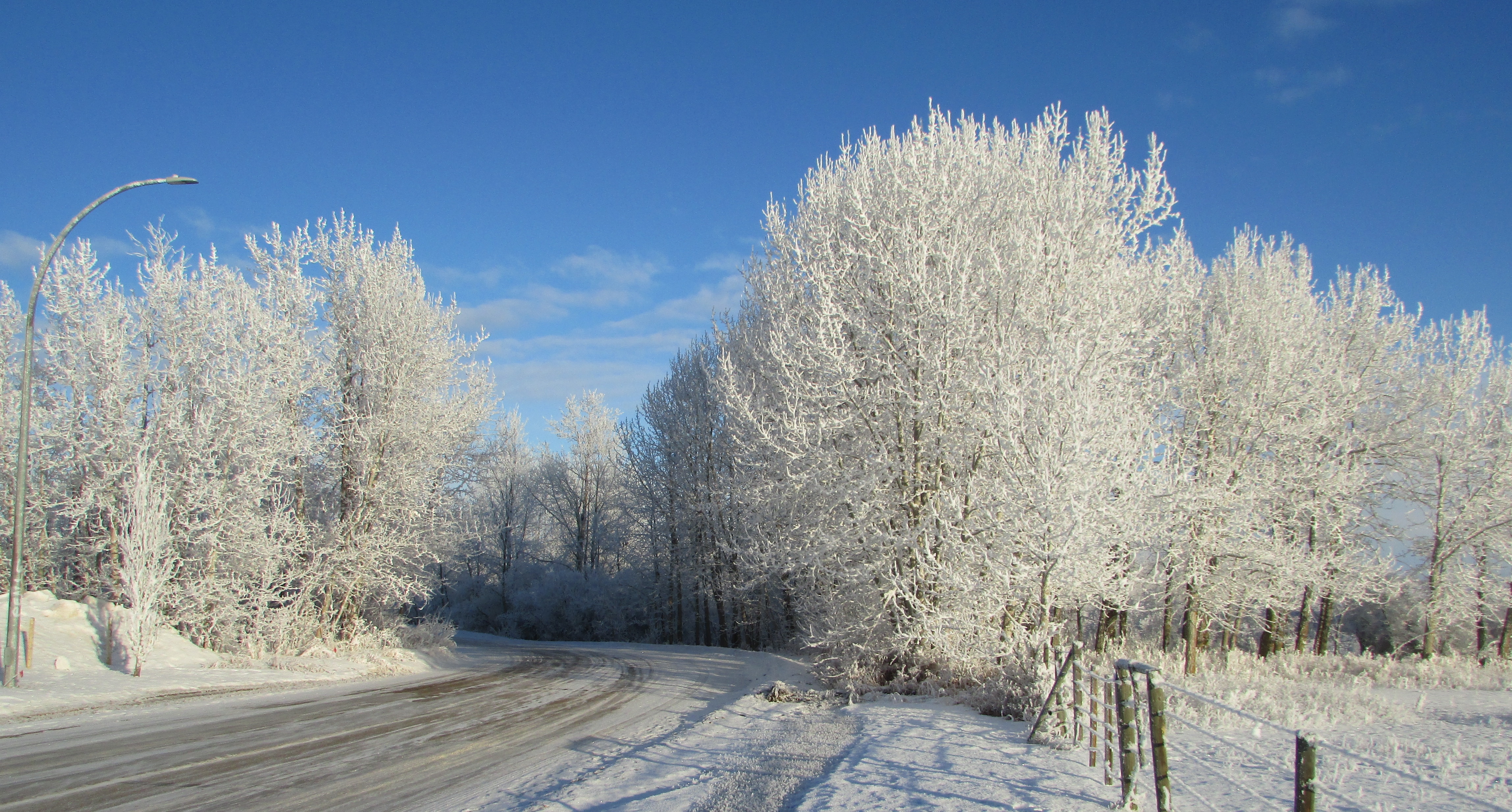
I’m not a big fan of winter, but without it we’d never see one of nature’s most amazing phenomenons. This post is especially for those of you who live where hoarfrost never forms.
Unlike regular frost which is essentially frozen dew coating surfaces like rooftops and grass with a thin layer of white, hoarfrost looks like feathers growing on a variety of surfaces. Conditions have to be just right for it to form. One or more days in a row of fog with air temperatures below the freezing point is a perfect scenario. We had such a day yesterday and woke up to a beautiful display of nature’s lace this morning. A quick walk around the yard before the sun rose over the rooftops yielded some very interesting photos.


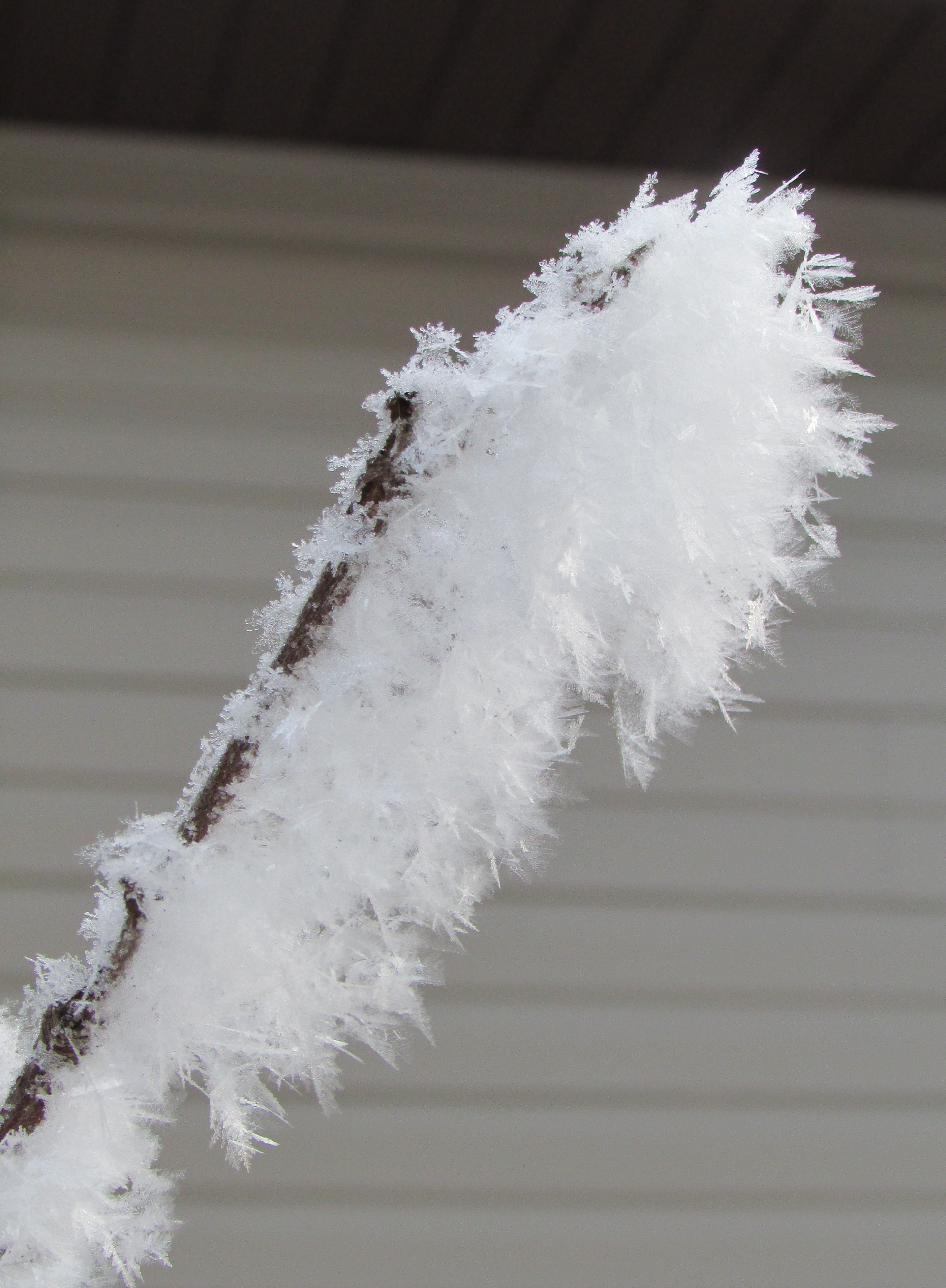
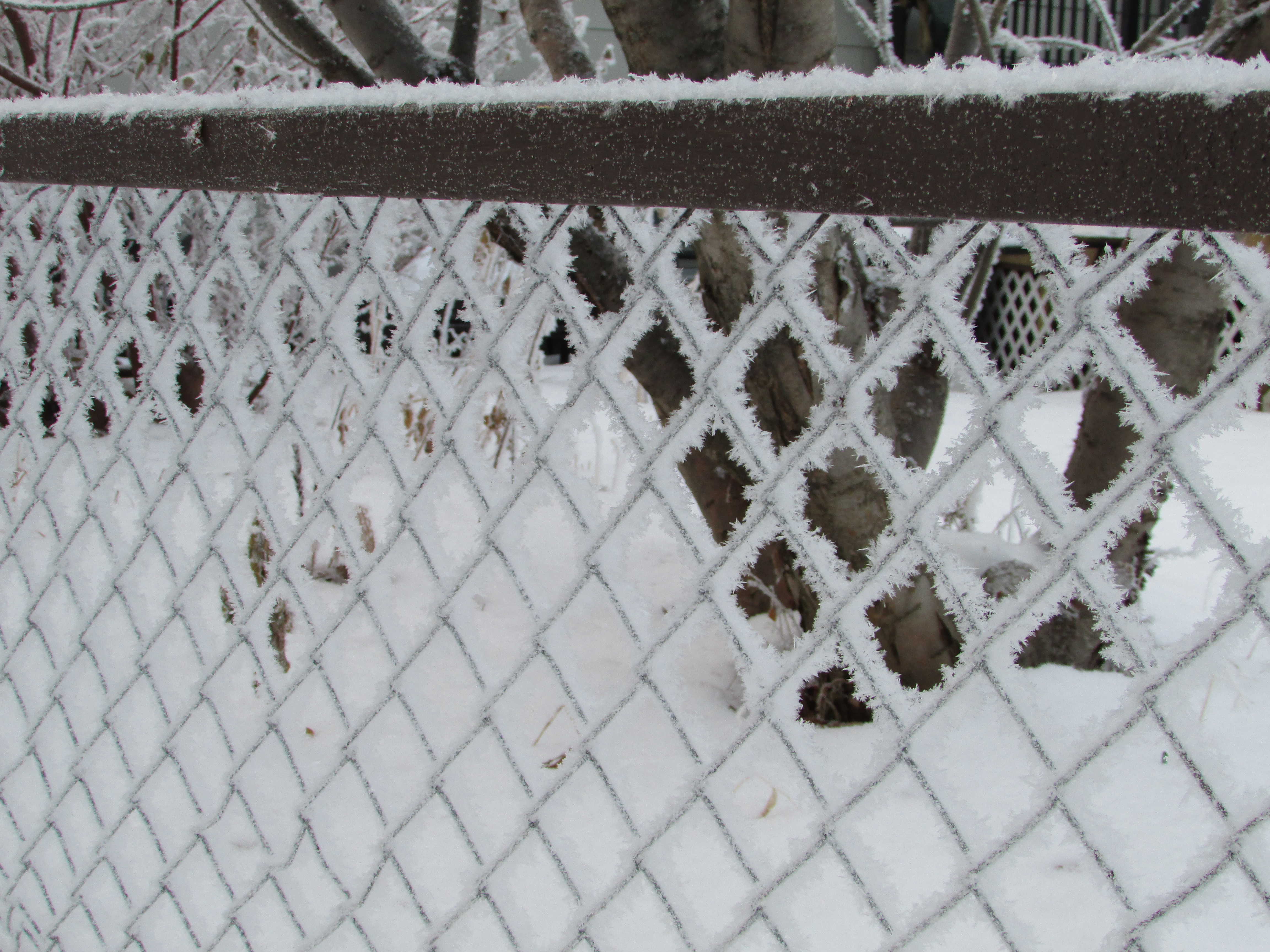
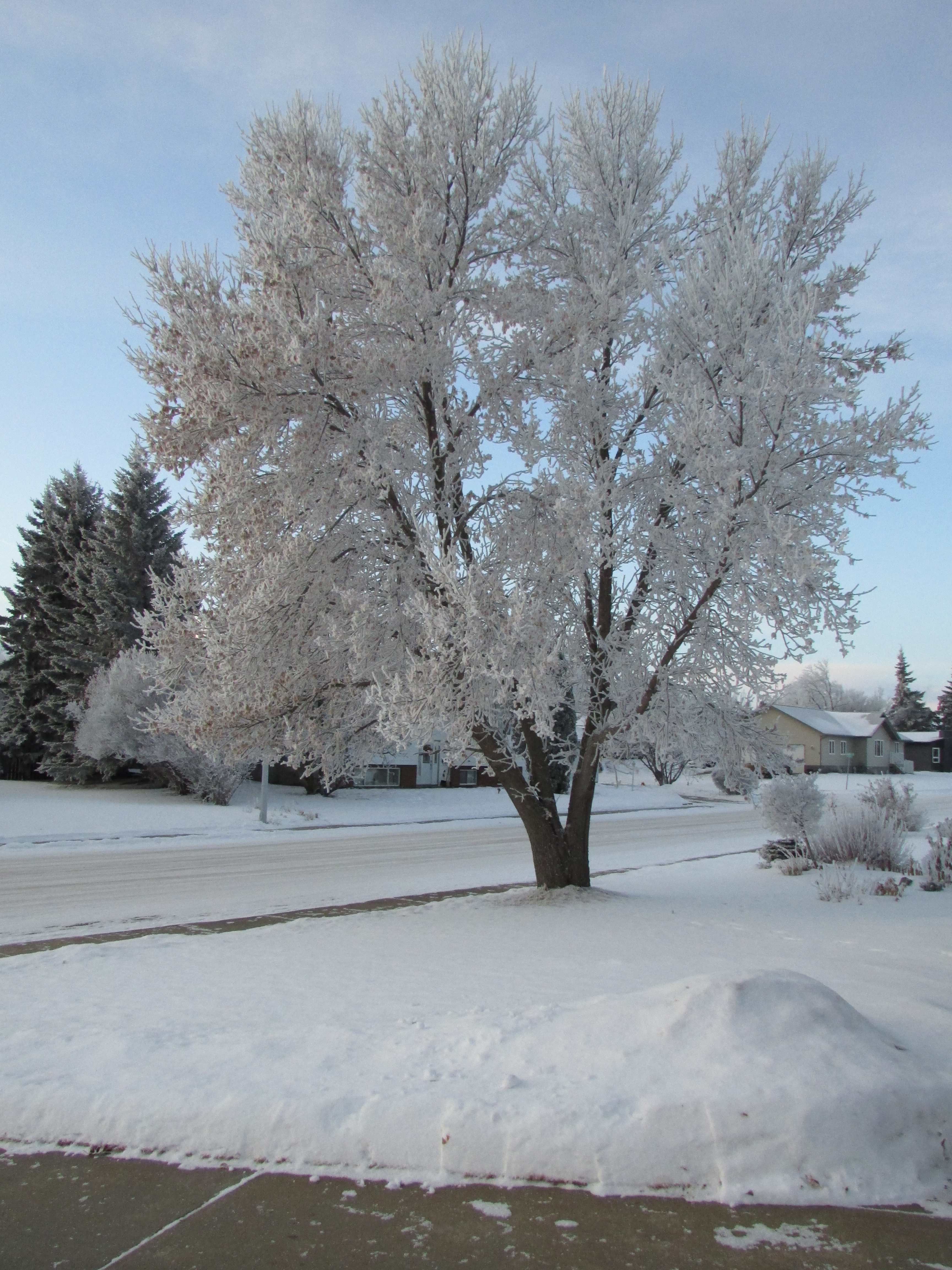
Hoarfrost forms when water vapour in the air comes in contact with solid surfaces that are below the freezing point and instantly crystallizes. The more moisture in the air, the more ice crystals form. Interlocking crystal patterns become more and more intricate as they build upon one another forming amazing feathery patterns on tree branches, leaves, and other surfaces. When sunlight hits them, the sight is spectacular!
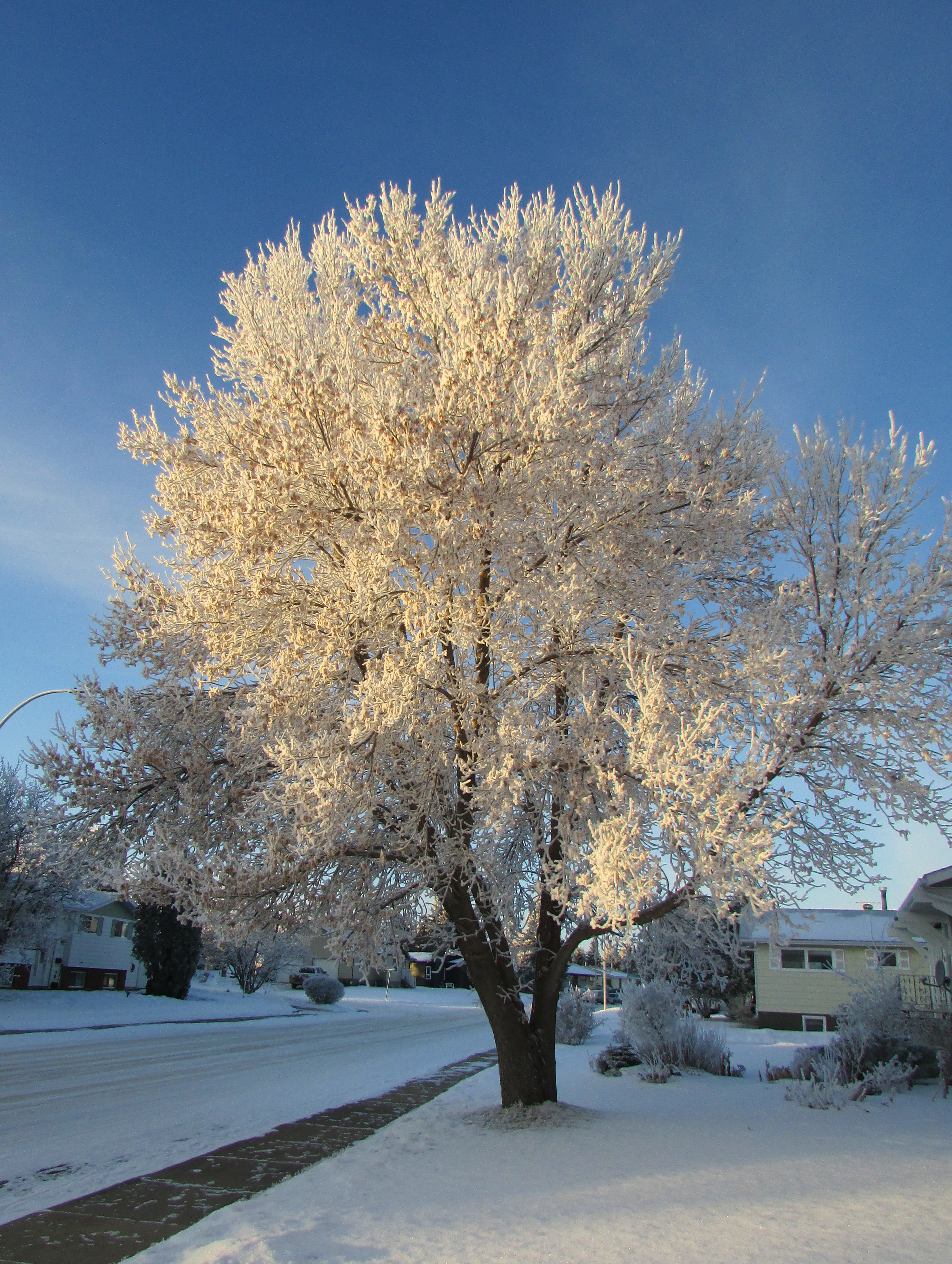


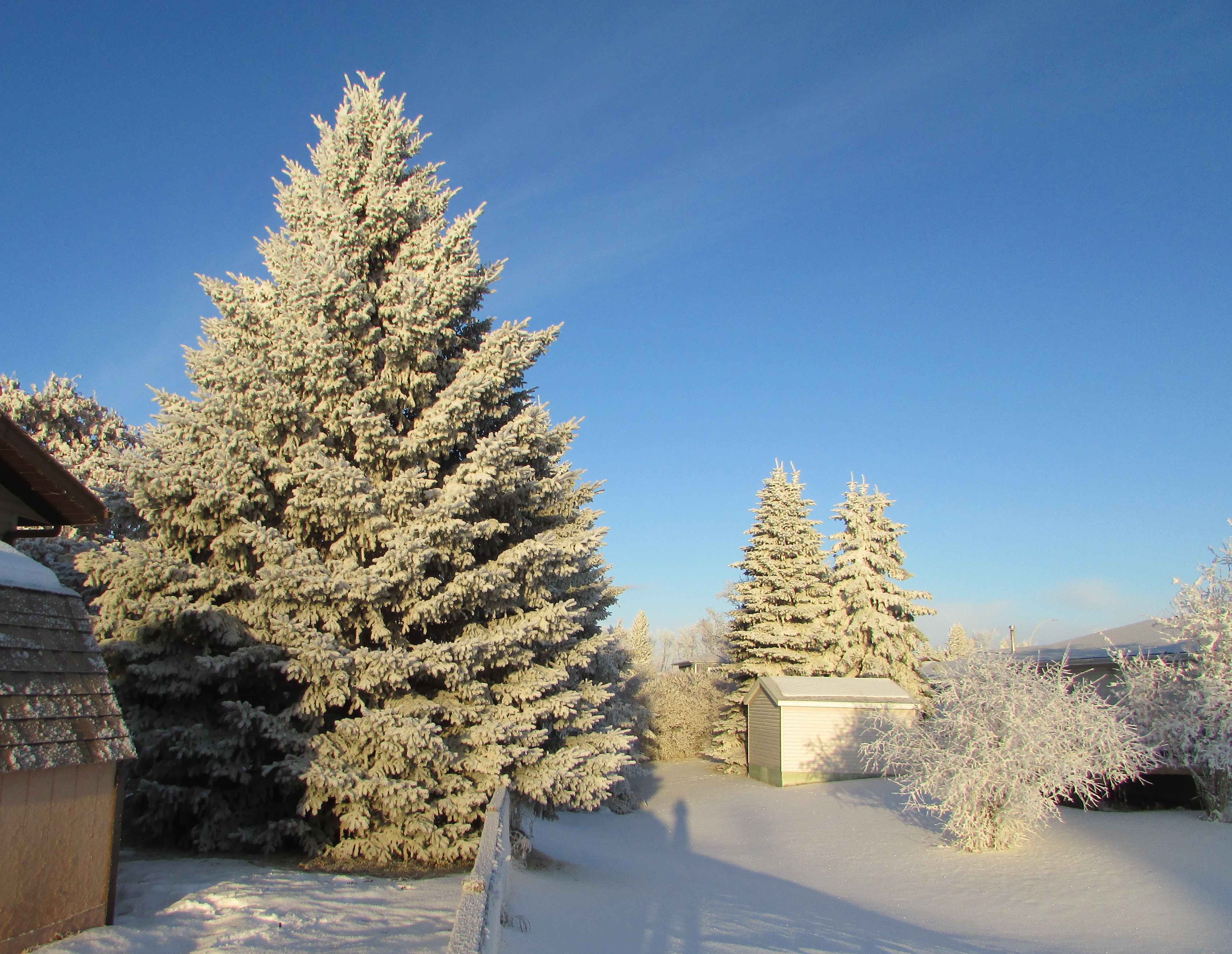
After my second walk around the yard taking pictures this morning, hubby suggested that we go for a drive. I’m glad he did! Hoarfrost doesn’t usually last very long. The slightest breeze will send the crystals cascading to the ground and once the sun has been on them for very long they also begin to fall.
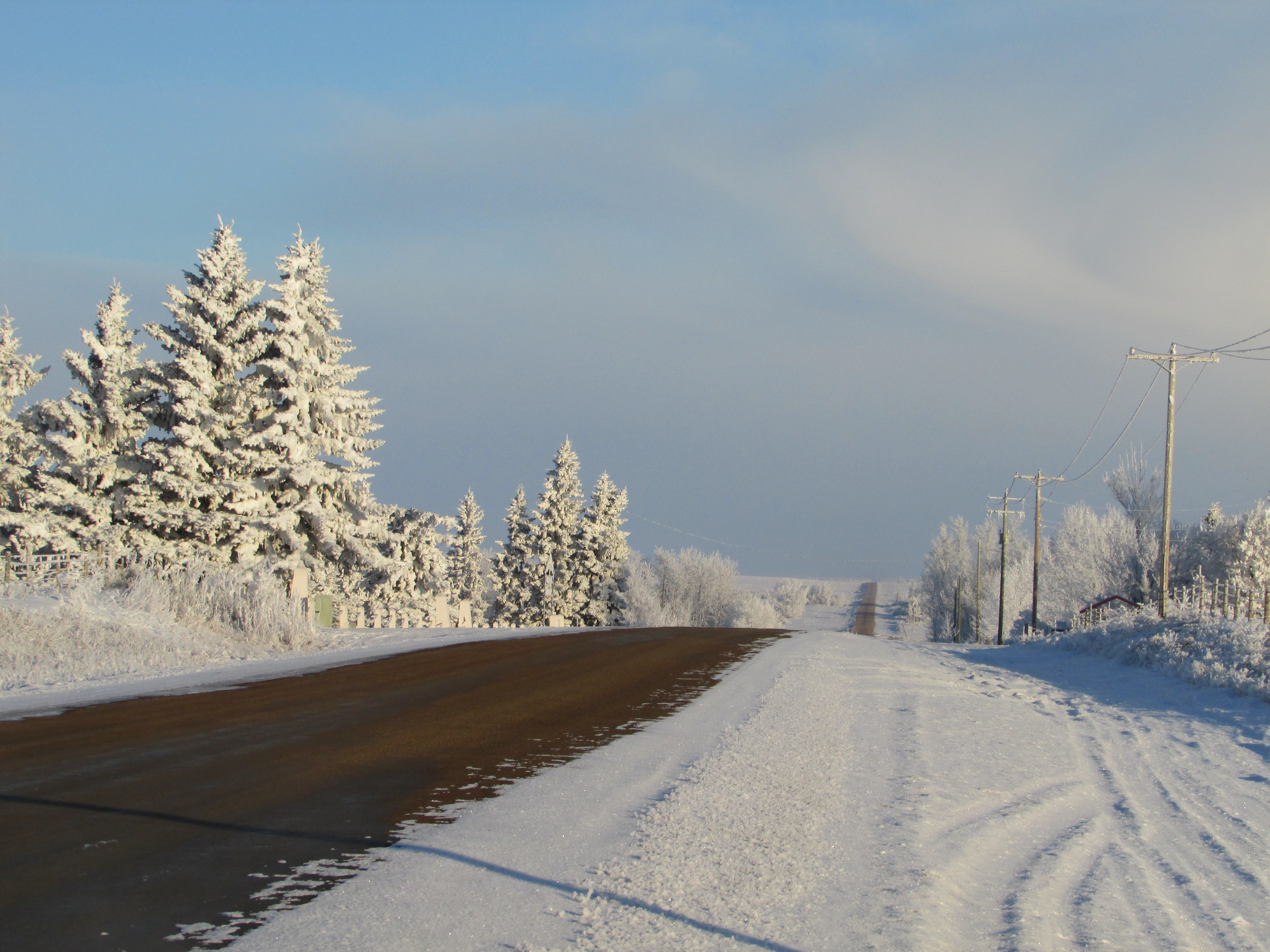
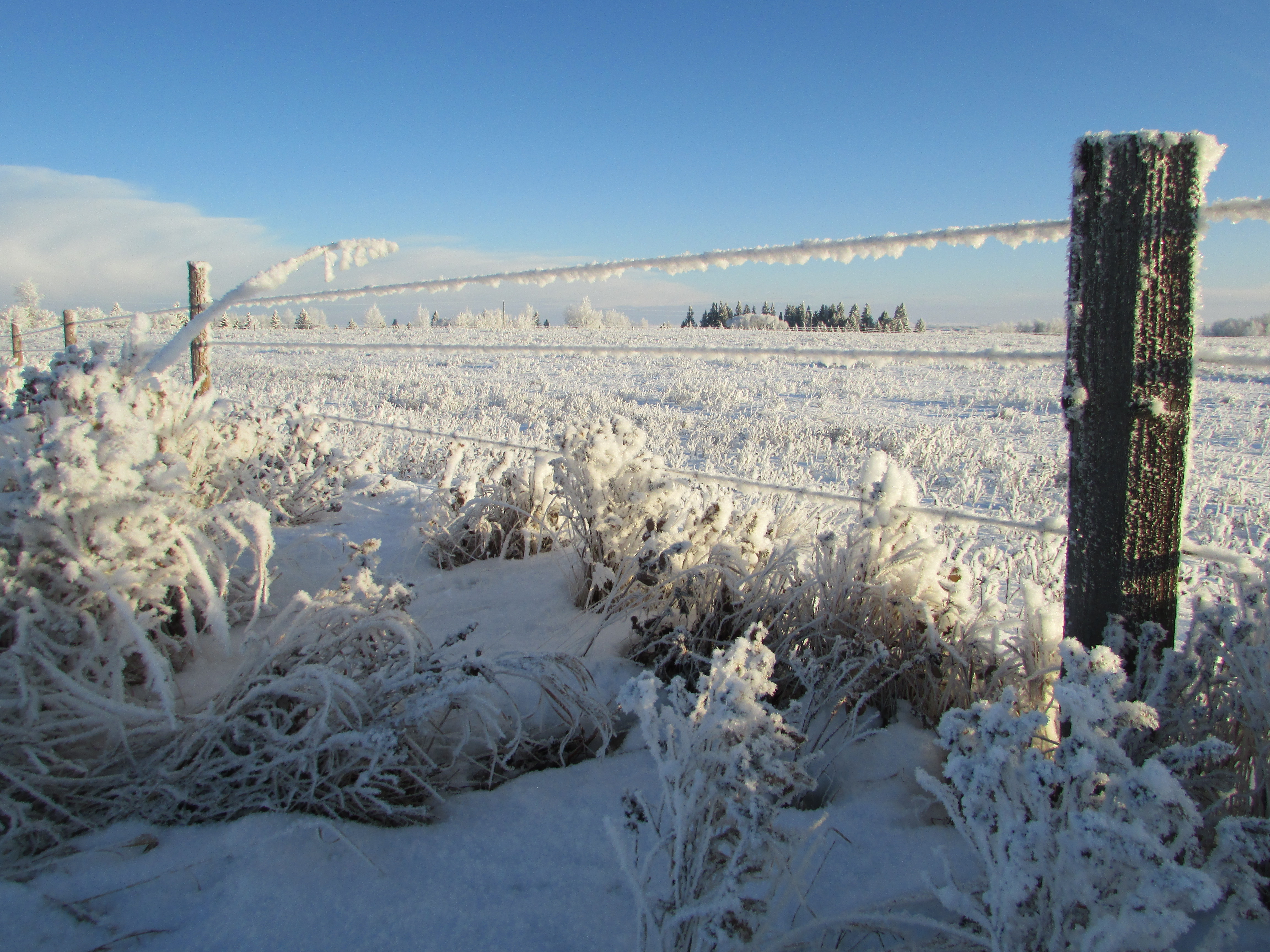
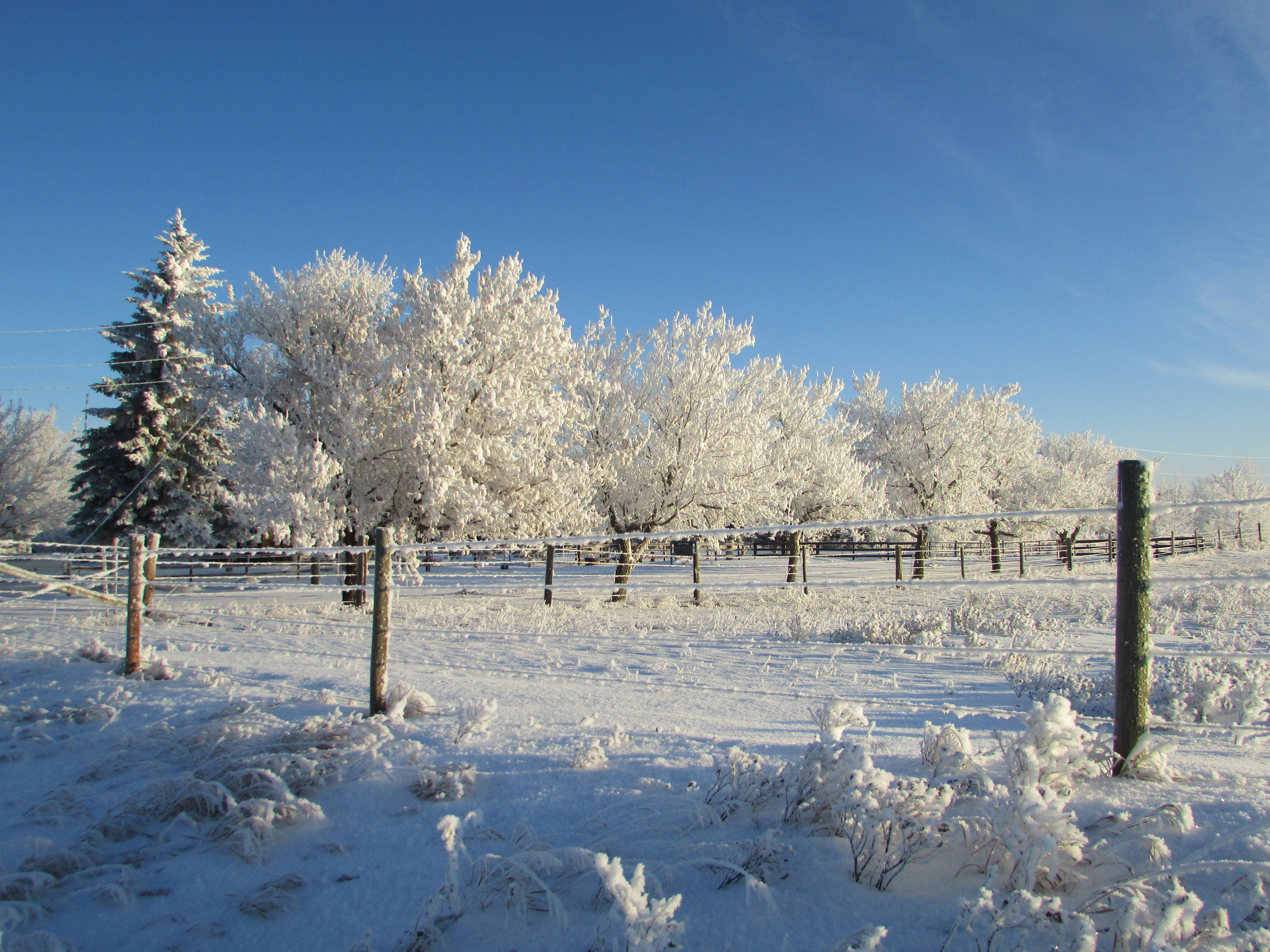
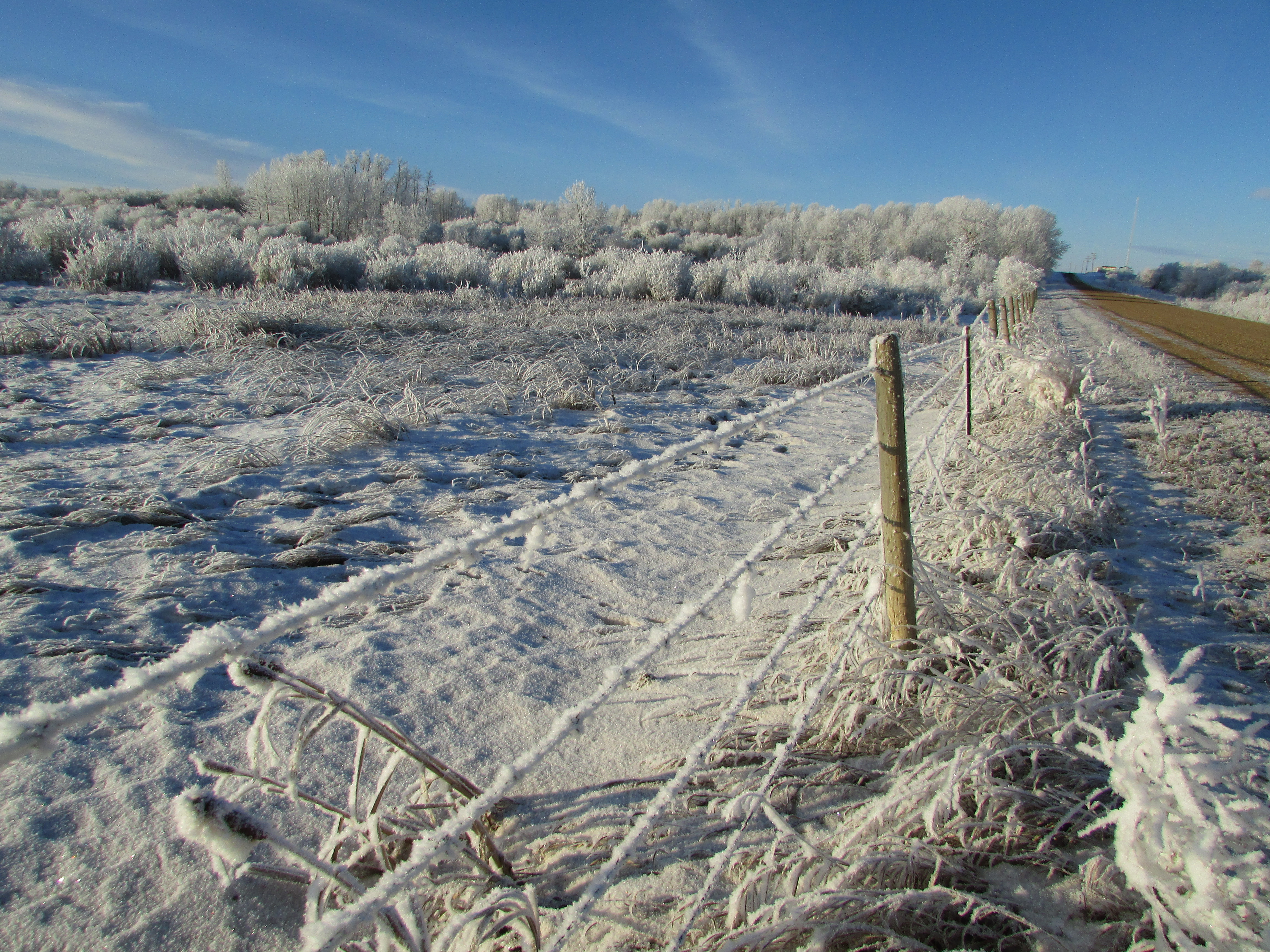
Mundane things like fences and power lines are transformed and look at the backstop on the school ground, a solid curtain of white!


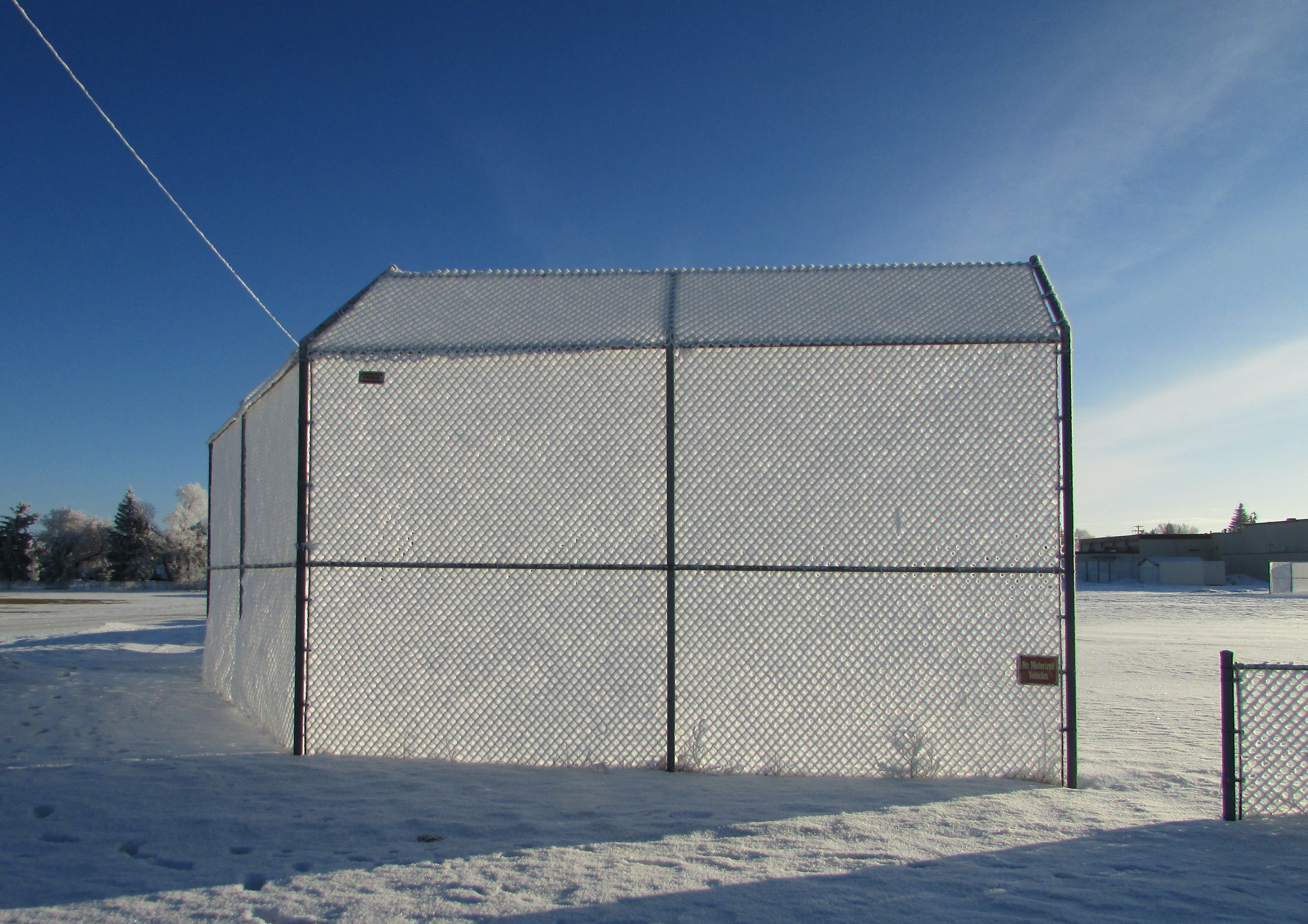
It’s beautiful mornings like this one that add joy even to winter and we’ve been fortunate to have two of them this month!


 Following Augustine