Wearable milk?

LogoI learn so much from my readers! The idea for today’s post came from one of my most recent followers, new blogger, Dhwani Ghandi, of Style Green With Dee

The fashion industry is known to be one of the world’s worst polluters. According to the United Nations, it is responsible for producing 20% of global waste-water and 10% of carbon emissions, more than that of international flights and maritime shipping combined. Clearly, there is an urgent need for more sustainable, eco-friendly alternatives. Could milk protein (casein) be one of them? 

The idea isn’t a new one. In fact, fabric made from sour milk was developed as a substitute for wool in resource-starved Italy in the 1930s and was used in many clothing and household items in America and Europe during the ’30s and ’40s. It was far from perfect, however. Chemicals such as formaldehyde were used to strength the fabric and it wasn’t as soft or durable as wool. As a result, it fell into obscurity when less expensive, more resistant synthetic options such as nylon became available. 

Today, milk fibre is once again gaining interest as manufacturers and consumers look for alternatives to synthetic fabrics. Most milk fibres today are blended with the chemical binder acrylonitrile, which is also used to make acrylic, but there are some small producers in Europe who claim that their fabrics are 100% chemical-free. At this point, they have a limited market due to cost. Milk fibre is much more expensive than polyester to produce, but cheaper than other luxury fibres like silk. 

So what is casein or milk fibre fabric like? Apparently, it is glossy and luxurious in appearance, feels much like silk, absorbs moisture well, and is antibacterial and antifungal. It blends well with other fabrics such as cotton, bamboo, and modal. What’s not to like? 

I have to wonder though, if solving one problem would cause or contribute to another. Apparently, the dairy industry worldwide dumps millions of tons of milk every year. It would be wonderful to see that go to good use in fabric production. Would it be enough, however, or would dairy herds have to be increased in order to meet the demand? It takes approximately 15 kg (33 lb) of milk to produce 1 kg (2.2 lb) of milk fibre. The amount of land and water required to raise additional cows, the unethical treatment of factory-farmed animals, and pollution caused by manure entering waterways are all factors that would have to be taken into consideration. And then there are those cow farts putting methane gas into the atmosphere! 

Who knows though? It may be a novel idea now, but maybe someday we’ll all be wearing sour milk! 


My final goal

Just a quick HOOFING IT Across Canada post today as I have grandchildren here and don’t intend to spend much time sitting at the computer! With just two weeks left in the fundraising campaign for neuroendocrine (NET) cancer research, I have walked 136.56 km and raised $1595 in donations. If you’ve been following my progress, you know that I originally set 100 km as my walking/hiking goal. When I accomplished that before the middle of this month, I decided to add another 50 km to my distance. Now, with that goal in sight, I’ve decided to push myself a little bit further.

The distance by road from my front door to the Cross Cancer Institute in Edmonton, Alberta is 177 km. That’s where I receive all my NET cancer care, so 177 km seems like a very meaningful goal to pursue. It might be a bit of a stretch, but I CAN DO IT!

I also passed my fundraising goal of $1500 in early August. It hasn’t grown a lot since then, but I would dearly love to see a few more donations come in. I’m still in the top ten fundraisers and would love to hold onto that position, but much more important is the need for funds to continue research into this unusual cancer. It will be 7 years tomorrow since I started this journey and while there’s been progress made, we still know nothing about what causes NET cancer and have a very long way to go to find better treatments and ultimately a cure.

The overall goal for the HOOFING IT Across Canada campaign is $100,000. This afternoon we’re sitting at just under $54,000, so we still have a long way to go! You can help by visiting my fundraising page and adding to my total. Thank you so much for being with me on this journey!

287226b0-bda3-11ea-a9f0-2d2856e5b296

Busting the LBD myth

LogoEvery woman needs a little black dress or so we’re told, but is it true? What about those of us who look completely washed out in black?  

The idea behind this so-called “essential”depositphotos_79714730-stock-illustration-fashion-little-black-dress-template is excellent. The LBD should be simple and elegant, something that can be dressed up or down depending on the occasion. It can be worn to work, to dinner, on a date, to a professional event, to a funeral, to church, to a party – the list is endless. It’s a classic piece that can be quickly and easily accessorized making it a simple choice when something unexpected comes up. It stands the test of time and never goes out of fashion.
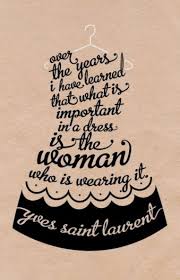

But, does it have to be black? Absolutely not!  

For those of us with warm skin tones who don’t look good in black, navy is an excellent alternative, but your LBD that isn’t black could be another neutral colour or even bright red.

So, whether your LBD is black, navy blue, chocolate brown, charcoal, camel, or red, how do you choose the right one? First of all, make sure that the fit is perfect and choose a simple style that flatters your body shape. When you slip into it, you should feel glamorous. Length is optional. You can go as short as above the knee, choose a longer maxi style, or go for something in between. Avoid trendy hemlines as you want to wear it for many, many seasons.  Though the LBD is most often sleeveless, this is also a matter of choice. If you aren’t keen on your upper arms being seen, you can certainly opt for one with sleeves. If you travel a lot, choose a fabric that doesn’t come out of the suitcase looking like a wrinkled mess, ideally one that you can wash in a hotel sink and hang to dry.  

The power and versatility of the LBD of any colour is in the accessories. You can wear it with shiny jewelry and heels for a fancy party or pair it with ballet flats and a cardigan for a casual night out. Play around with scarves, wraps, necklaces, belts, and other accessories. Wear it with a blazer, a jean jacket, or a sparkly sweater. With one simple dress and the things you already have in your closet, you’ll create a multitude of different looks. 

So ladies, if you don’t already have a dress like this in your wardrobe, what are you waiting for? Just remember, it doesn’t have to be black!  

download (1)


HOOFED IT 100 km!

dancing-netty-zebra-net-cancer-dayThere’s no doubt that the HOOFING IT Across Canada fundraising campaign has helped give purpose to my summer; this very weird summer when a family reunion, special birthday celebration, travel, and even scattering my father’s ashes in his beloved mountains all went out the window with Covid-19.

Prior to the campaign, I set two goals for myself. Between July 1st and September 7th, I would walk or hike 100 km and raise a minimum of $1500 in donations for neuroendocrine cancer (NETS) research. I knew that I’d have no problem HOOFING IT 100 km, but I originally thought that $1000 was perhaps a more reasonable fundraising goal. My husband had other ideas. “Go big!” he urged me, so $1500 it was. This week, I accomplished both these goals! In fact, the $1500 was in the bag before I HOOFED my final kilometres today!

With a little over three weeks left in the campaign, I’m not going to quit now. Instead, I’m going to push myself to walk another 50 km and increase my fundraising goal to $2000. My total presently sits at $1570, so I’m going to need some help!

Perhaps this is a good time to explain a bit about this cancer that killed Steve Jobs, Aretha Franklin, and more recently, actor Irrfan Khan, and why research funds are so badly needed. NETS is currently being diagnosed more frequently than ever before, but no one knows why or what causes it. Despite vast improvements in diagnostic techniques, it continues to be difficult to diagnose because symptoms are often vague and are also typical of hundreds of other more common diseases. As with any cancer, early diagnosis is the first step toward successful treatment and better outcomes, but patients commonly make many visits to the doctor over several years before an actual diagnosis is made. I probably had NETS for 7 to 10 years before it was detected and, of course, by that time it had spread. This is pretty typical. Thankfully neuroendocrine tumours tend to grow slowly and a person can live a long time even with advanced disease. Time equals hope; hope that new and better treatments will be found. That requires research and research requires dollars!

That’s why the Canadian neuroendocrine cancer community has collectively walked, run, hiked, biked, kayaked, canoed, and even stand-up paddleboarded over 17,000 km this summer and raised over $45,000. That falls a long way short of our $100,000 goal though.

I greatly appreciate those who have already made donations. If you haven’t and you’re able to, please visit my fundraising page here. No amount is too small!

How to stay cool while wearing a mask

LogoWhether we think they’re necessary, absolute foolishness, or an infringement on our rights and freedoms, it appears that face masks are here to stay at least for the foreseeable future. More and more municipalities and establishments are making them mandatory. Since that’s the case, the next question to ask might be how can we wear them most comfortably, especially in the heat of summer. Here are a few tips that might help.

  1. Choose the right mask. Tightly woven, but breathable fabrics such as cotton or bamboo are the best choice for comfort in hot weather. The thin, usually blue, disposable masks that many people wear aren’t as breathable so they tend to be hotter. The downside to cotton masks is that they absorb more moisture and may become damp, so it’s a good idea to have more than one with you on a hot day. A damp mask isn’t only uncomfortable, it’s less effective at blocking the virus. If you’re going to be wearing a mask outdoors, also consider colour. A lighter colour will be cooler than a dark one.
  2. Make sure it fits properly. A mask should fit securely, but be roomy enough that it doesn’t interfere with breathing.  
  3. Avoid the hottest part of the day. When possible, run errands first thing in the morning or in the evening.
  4. Go makeup free. Dermatologists recommend wearing masks over clean, lightly moisturized skin. Sweat won’t evaporate under a mask. Mixed with makeup or oily skin care products, it collects and clogs pores leading to what has been dubbed “maskne” (mask + acne). If you’re going to be wearing a mask outdoors for an extended period of time, do use a lightweight sunscreen or a moisturizer with SPF.
  5. Stay hydrated. Drinking plenty of water is always important in hot weather, but even more so when wearing a mask. It’s fine to remove your mask to take a drink, but do it when you’re a safe distance from other people and only handle it by the elastic loops or ties.

IMG_1335

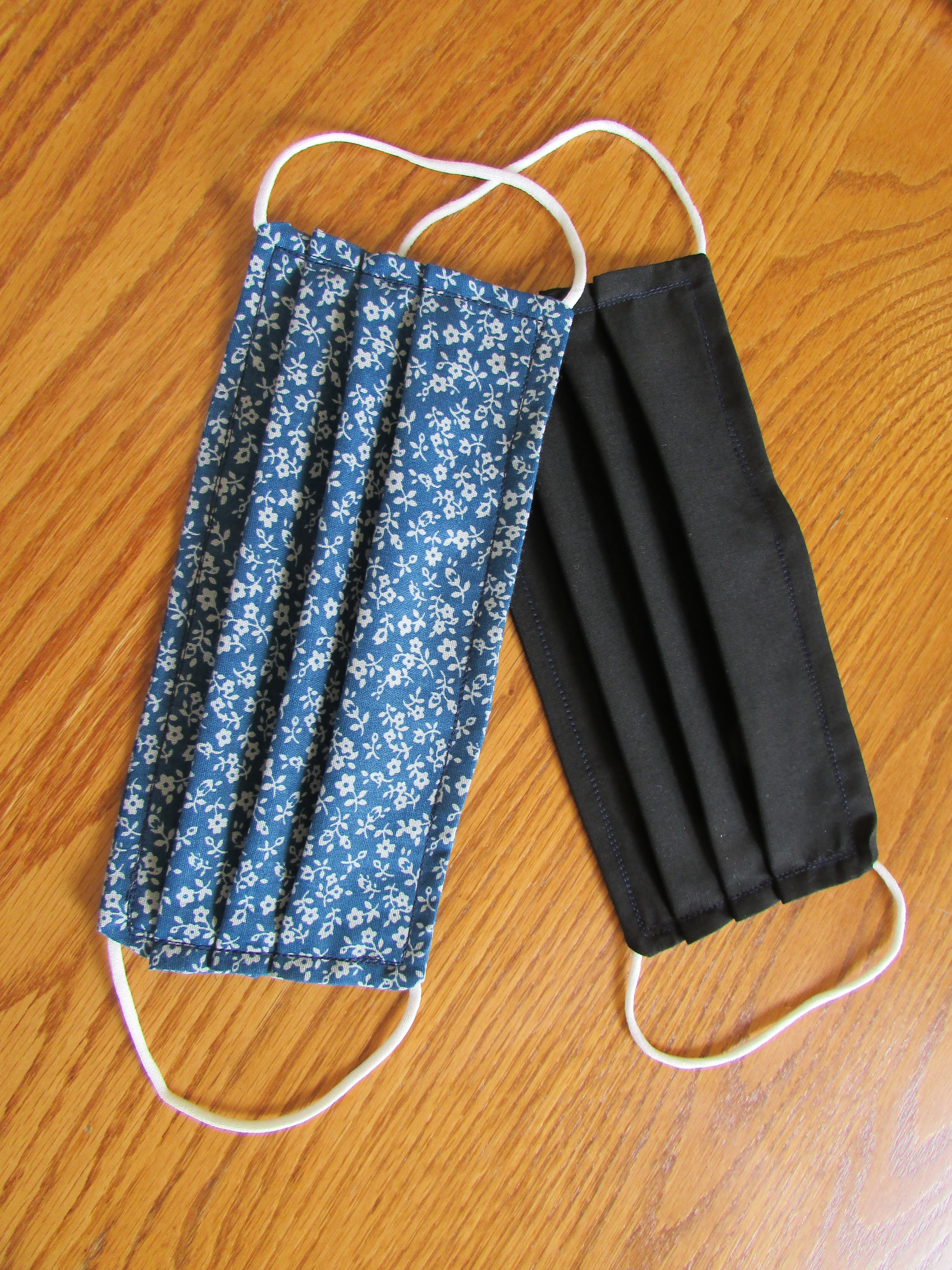
If you have a sewing machine and basic sewing skills, making your own masks is simple and a great way to use up fabric scraps. There are many excellent tutorials online. I made these two this week using this one.


Facebook, not Factbook!

facebook-thumbs-guardian-express

In my opinion, Facebook is a perfect example of a good thing gone very wrong. Facebook was launched on February 4, 2004 by Mark Zukerberg and his three college roommates as a social media platform meant to connect Harvard University students with one another. By the next day, over 1000 students had registered and by the end of that year, membership was open to nearly every university in the US and Canada. In September 2006, Facebook became available to anyone over the age of 13 with an email address and it rapidly ballooned into one of the most significant social media companies in history. By July 2015 half the world’s internet users were using Facebook.

On the surface, a social networking service open to everyone sounds like a wonderful idea, but people being people, it quickly morphed into something much uglier. ‘Everyone’ includes a lot of awful people who like nothing more than using the internet to be awful to as large an audience as possible. Online abuse and hate speech quickly became major issues that Facebook was ill-equipped to deal with. In no time, what was meant as a way for people to share their lives and photos with friends and family became flooded with fake news, propaganda, and false information on any and all subjects. This is particularly concerning considering the mind boggling fact that a study from the Pew Research Centre, also conducted in July 2015, found that 63% of Americans on the site were getting their news from Facebook!

Screen Shot 2020-08-10 at 11.41.42 AM

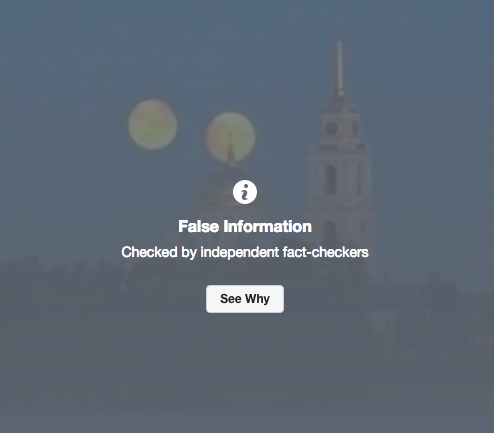
Facebook now works with third-party fact-checkers to try to identify and limit false news and I’m beginning to see more of these notifications, but so far, they’re only managing to catch the tip of the iceberg. It would help a great deal if people would do their own fact checking, but it’s a lot easier to just hit the share button than it is to do the work involved in making sure that something is accurate. The teacher in me always wants to point people toward the truth, but sadly, this sometimes gets me in trouble with those who don’t actually care if what they’re sharing is true as long as it fits their particular bias.

While there are many who are simply naive or gullible and who unintentionally share false information, there are others who are very purposeful about it. They are deliberate, sophisticated in their methods, and very devious. Take this recent post, for example.

117086856_10158958329000016_7096568034737799281_o It looks legit, but it’s not. Notice that it gives sources below the graphs. They’re blurry which makes them difficult to read and they don’t actually link to the sources given, but more grievous is the fact that if a person actually checks those sites, they discover that the numbers on the graphs don’t line up with the figures that they give! Someone has gone to a great deal of effort to create a false graphic that serves their agenda, but doesn’t provide facts.
So, in light of all this, why do I still use Facebook? I use it for the purpose that it was originally created. As frustrating as it can be, it’s still a useful communication tool. The chat feature was absolutely invaluable during the many years that we dealt with the needs and care of my very elderly parents from a distance. It allowed family members scattered across North America to participate in an ongoing discussion about life and death issues and to come to some very important decisions. It also allows me to participate in the day to day lives of my grown children and grandchildren who all live some distance away. I’ve used Facebook to reconnect with some important people from my past and to keep in touch with friends in faraway places like Japan, Mexico, China, and Saipan. As a neuroendocrine cancer patient living in a rural location where I don’t have access to an in-person support group, the Facebook patient groups that I belong to have been excellent sources of information and encouragement. Linking my blog to Facebook also allows it to reach a wider audience than it would otherwise.

So what can we, who still want to use Facebook, but who care about truth, do to ensure that we don’t contribute to the spread of false information? The American Friends Service Committee (AFSC) came up with a simple four step acronym that I think is worth sharing. SCEP: Source, Confirm, Evidence, Pause.

  1. Consider the Source. Is it from an independent news source that is likely to use fact-checkers and editors to verify a writer’s claims or is it from a website with a stated political aim?
  2. Google to Confirm. Is the story being reported by more than one site or author? If you can find it in other credible sources, it has a better chance of being legit.
  3. Assess the Evidence. A solid news story will be supported by strong evidence: verified documents, peer-reviewed research and sound studies, and direct quotes from named, not anonymous, sources.
  4. Pause. Instead of instantly liking or sharing a post that hits home, pause and consider. Is the article likely real? What do I hope will happen if I share it?

Be SCEPtical! It’s Facebook, not Factbook.


Just wear the mask!

I’ve avoided wading into the wearing of masks fray because I know that it’s controversial and has the potential to erupt into another nasty conversation on Facebook similar to the one provoked by my “redneck thinking” post back in April, but I can’t stay silent any longer. I am absolutely mind boggled that this is even an area of debate! Are people so stressed and so unhappy these days that they will jump at any reason to protest?

In an attempt to understand this controversy, we need to back up several months. In the very early days of the Covid-19 pandemic, public health officials thought that the virus was primarily transmitted by people touching contaminated surfaces and then their faces. Frequent hand washing, the use of hand sanitizers, and refraining from touching your face were thought to be the best ways to prevent its spread. At first, both the World Health Organization (WHO) and the Centers for Disease Control and Prevention (CDC) said that wearing masks was unnecessary. As time progressed, however, and more was learned about this new virus, it became clear that this early thinking was inaccurate. Instead, researchers now realize that Covid-19 is primarily spread by inhaling virus-laden droplets expelled by an infected person. As time passed and studies were conducted, it also became clear that people can transmit the virus before they begin to experience symptoms and, in fact, that some people who remain asymptomatic are actually contagious. These factors explain the more recent recommendation that people wear masks in public, especially in situations where it’s difficult to maintain distance between one another. Perhaps changing advice midstream led to confusion and fuelled the anti mask movement, but I think that there are also other reasons why it’s become necessary for many businesses and municipalities to make wearing masks in public spaces mandatory.

Denial is clearly at the root of some people’s refusal. In spite of all the information to the contrary, there are still those who refuse to accept the severity of this worldwide plague. Conspiracy theories abound and negative voices question the research and the data that it presents.

At the individual level, some people protest that their personal rights and freedoms are being infringed upon when they’re told that they must cover their mouths and noses. They selfishly choose to put personal comfort above the welfare of others. We all know that wearing a mask isn’t particularly comfortable. If you’re a glasses wearer, as I am, there’s the added frustration of fogged up lenses, although I’ve discovered that folding a Kleenex (tissue) into a strip and placing it across the bridge of my nose under the top edge of the mask helps a lot. I don’t like wearing a mask any more than anyone else does, but I wear one because I don’t walk this planet alone and I don’t want to take a chance on unknowingly passing a deadly virus to someone else, particularly one of the more vulnerable amongst us. As my specialist put it so succinctly when we discussed the topic at my appointment yesterday, “In our culture, too many people think only about their rights and freedoms while forgetting that we also have responsibilities.” In Genesis 4:1-12 and elsewhere throughout scripture, God answers the question, “Am I my brother’s keeper?” with a resounding YES! Jesus said that the greatest commandment is to “Love the Lord your God with all your heart and with all your soul and with all your mind.” The second is to “Love your neighbour as yourself.” In the days of Covid-19, loving your neighbour often involves wearing a mask!

Some of the excuses that I’ve heard for not wearing masks are absolutely ludicrous.

  • Wearing masks causes oxygen deprivation or carbon dioxide poisoning or similarly, rebreathing dirty moist air will make me sick. In reality, the fibres that cloth and surgical type masks are made from aren’t dense enough to block the exchange of gases and air can also get in around the edges. The only time that this excuse might be considered legitimate would be during strenuous exercise. If this is a concern, exercise outdoors instead of in a gym and maintain distance from people who aren’t part of your household or “bubble”.
  • The mask prevents communication. Sound passes easily through masks! This is only a legitimate concern for those who are hearing impaired and who depend on lip reading. Masks with clear panels are available for those who interact regularly with someone for whom this is an actual problem.
  • Masks hide our beautiful smiles. The world will survive without your beautiful smile until this pandemic eventually comes to an end!

And then there’s the one that I’ve seen circulating around on Facebook since our province announced that masks will be required in schools for students from grade 4 to 12. Masks make children unidentifiable and assist in human trafficking! Now that’s really grasping at straws! There is absolutely no question that human trafficking is an incredibly heinous crime and far more prevalent that most people are aware of or willing to admit, but to make the wearing of masks about human trafficking is a ridiculous stretch and an insult to intelligence.

Perhaps living in Asian countries where wearing a mask when you have a simple sniffle has long been a common courtesy has influenced my thinking on this topic, but I’m truly astonished by the tempest that this has created here in North America. As more businesses and municipalities make masks mandatory, the furor increases, but there’s really one simple answer for those who don’t want to comply. If you choose not to wear a mask, stay home!

download

Casual summer look

LogoLike many of you, we’ve been experiencing a heat wave lately. Summer clothes that literally never saw the light of day during last year’s non-summer have finally come out to play again! I’ve been wearing shorts and sleeveless tops almost every day.

When I culled my summer closet during my wardrobe funk back in June, I didn’t identify sleeveless tops as something I needed more of. In fact, I have quite a few of them. Some stay in my closet year round and are worn under sweaters and jackets in the cooler seasons.

IMG_1331

No, I didn’t really need another sleeveless top, but I spotted this one in the local thrift store earlier this week and it came home with me. I was actually there to look for books because I’ve been reading more than ever this summer and I was running out. The fitting rooms are still closed, but I was able to try the top on over the one I was wearing. I knew it fit but there was no mirror anywhere. I had no idea how it looked on me, but I decided to take a chance. At just $3.00, with all it’s original tags still on and an original price of $75.00, what did I have to lose? Besides, I wanted something new to share with you today!

IMG_1319

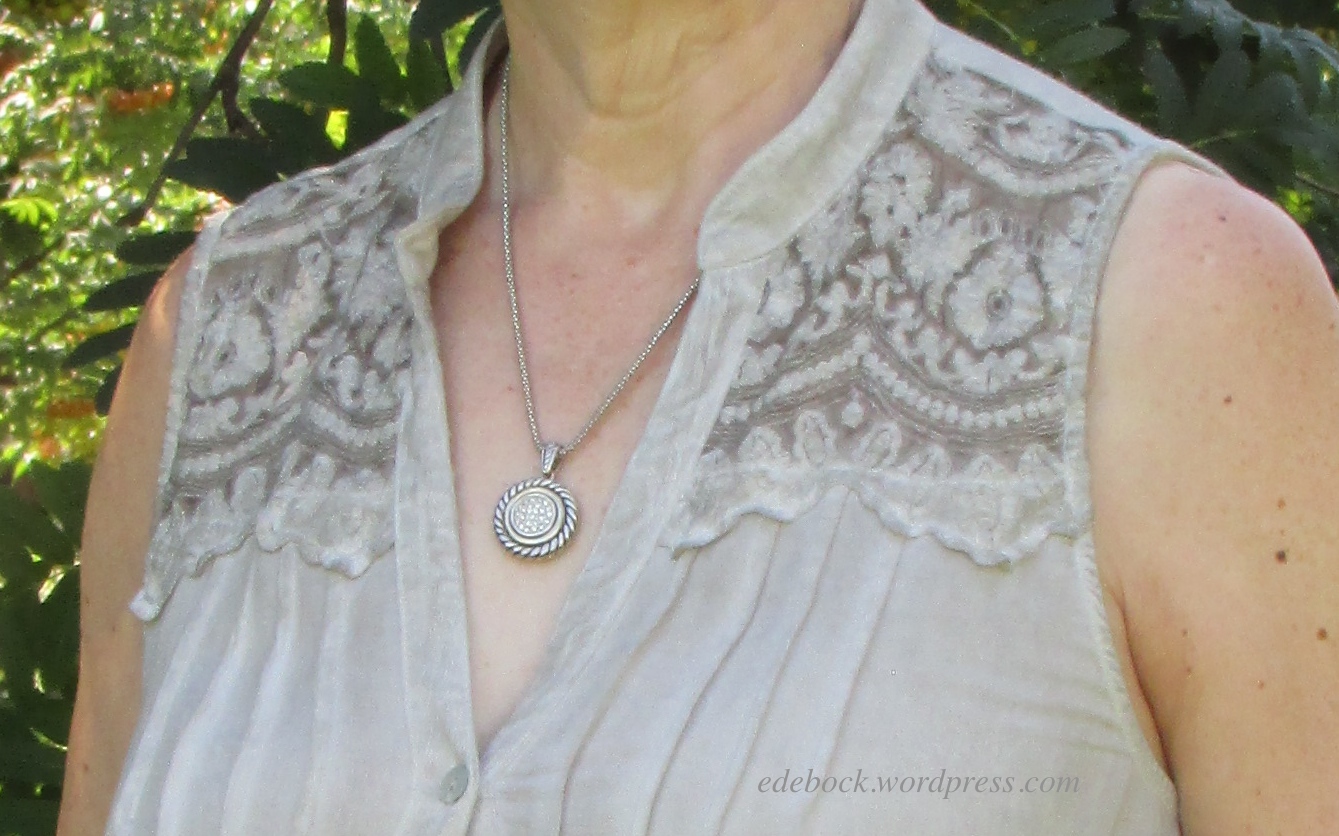
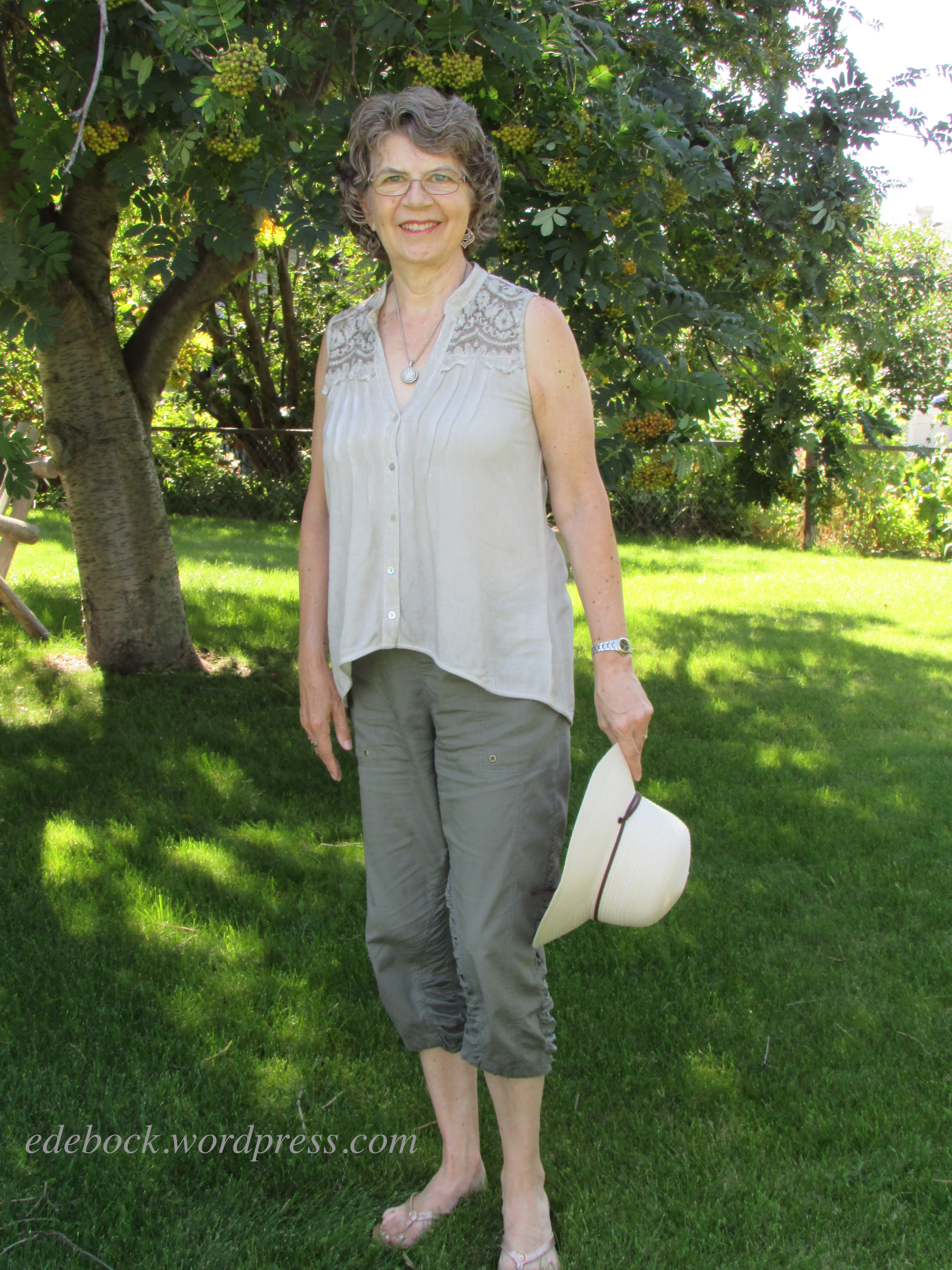
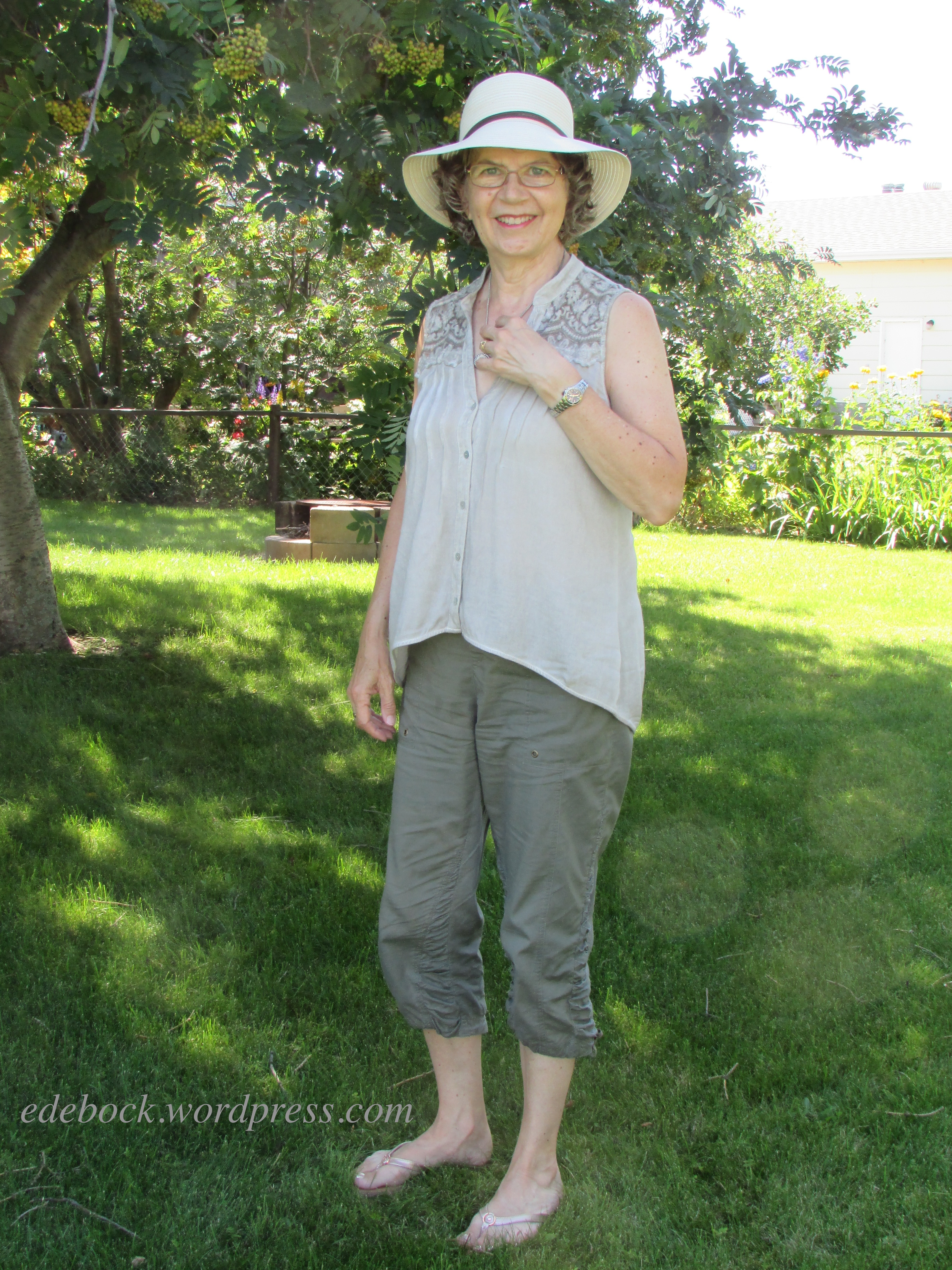
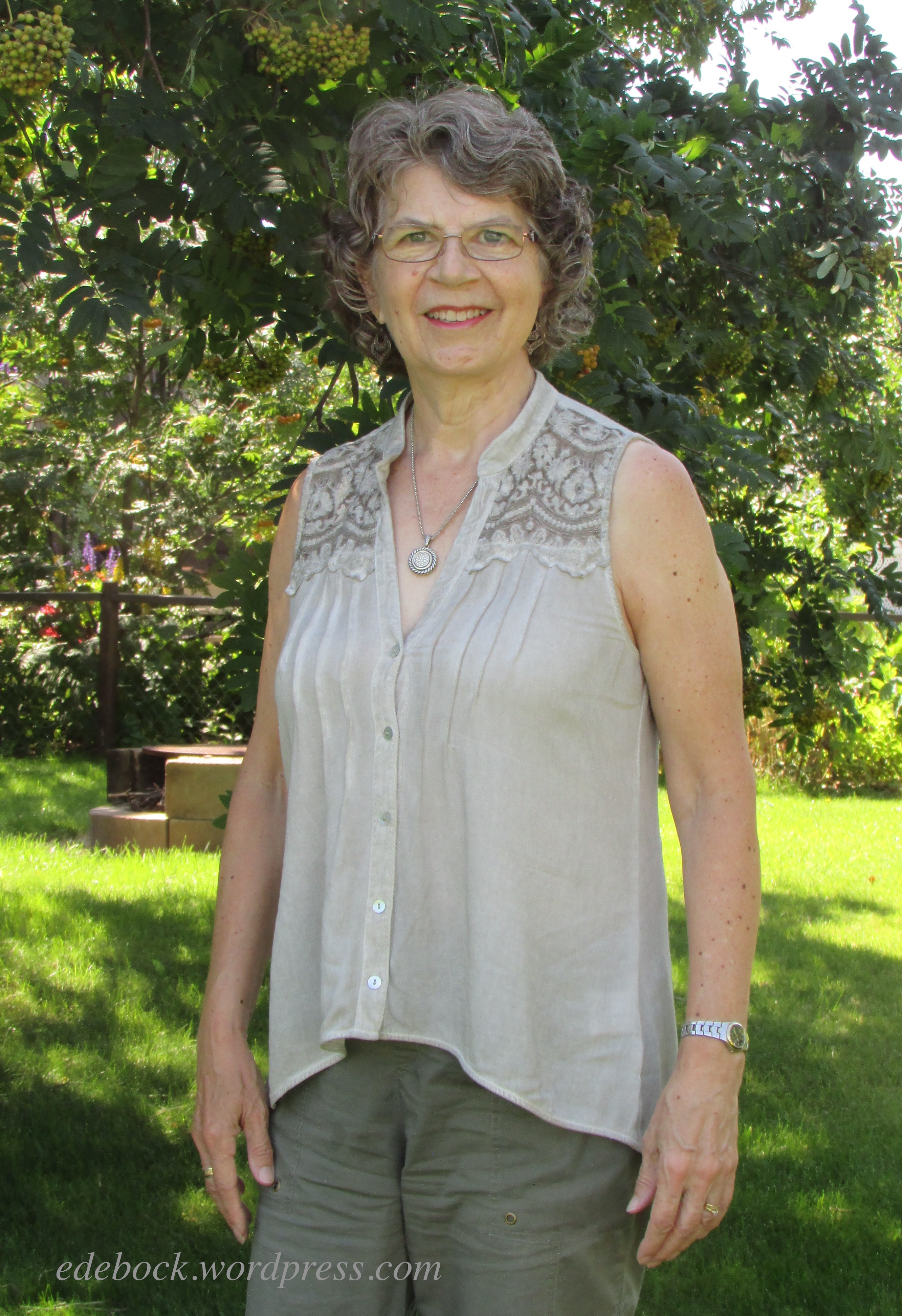
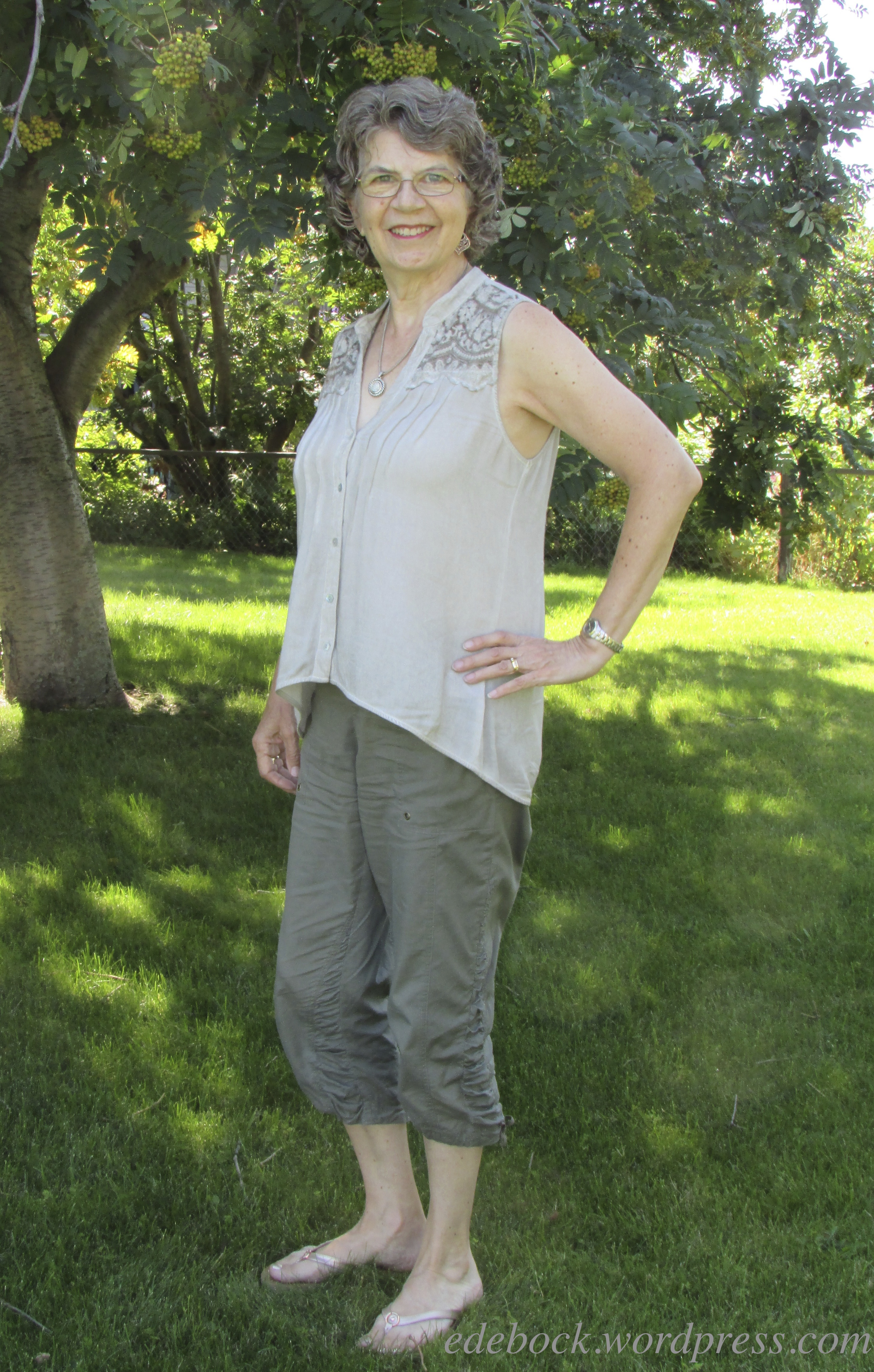
The greige (is it grey or is it beige?) colour, the soft, breathable fabric, the mother-of-pearl buttons, and the lacy inlays give the top a romantic, vintage look.

IMG_1331 - Version 2

I’ve styled it with an old pair of light cotton capris for a cool, casual look on a hot summer day. A thrifted necklace that I’ve had for several years, a pair of gold flip flops, and a hat finish off the look.

IMG_1315

How are you faring in the summer heat? Or is it winter where you are?

IMG_1326

Another HOOFING IT update

One month ago today I started counting kilometres as part of the Canadian Neuroendocrine Tumour Society (CNETS) HOOFING IT Across Canada fundraising challenge. My initial goal was to walk and/or hike 100 km and raise $1500 for NET cancer research by the time the campaign comes to an end on September 7.

IMG_1300

So, how am I doing?

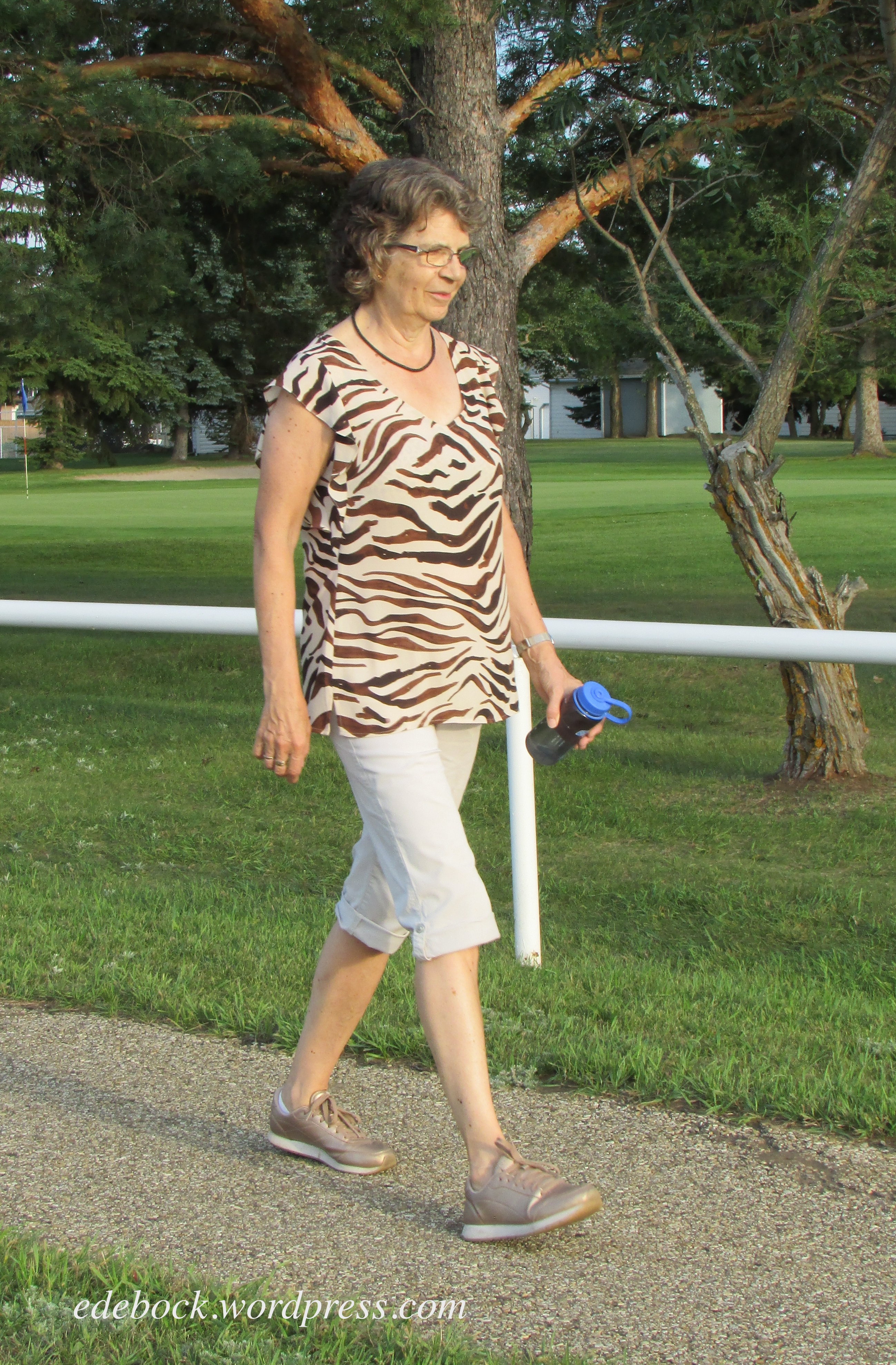
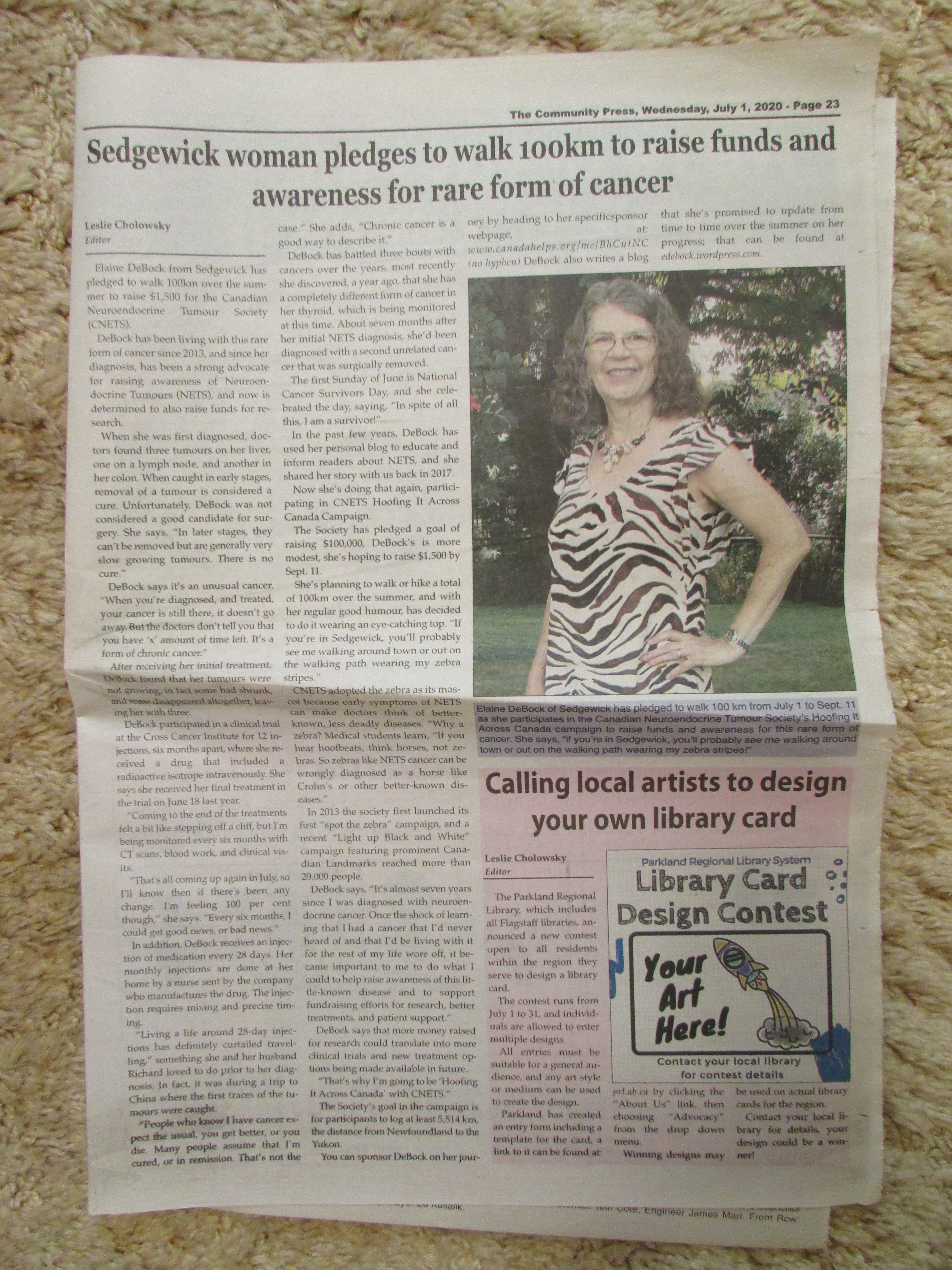
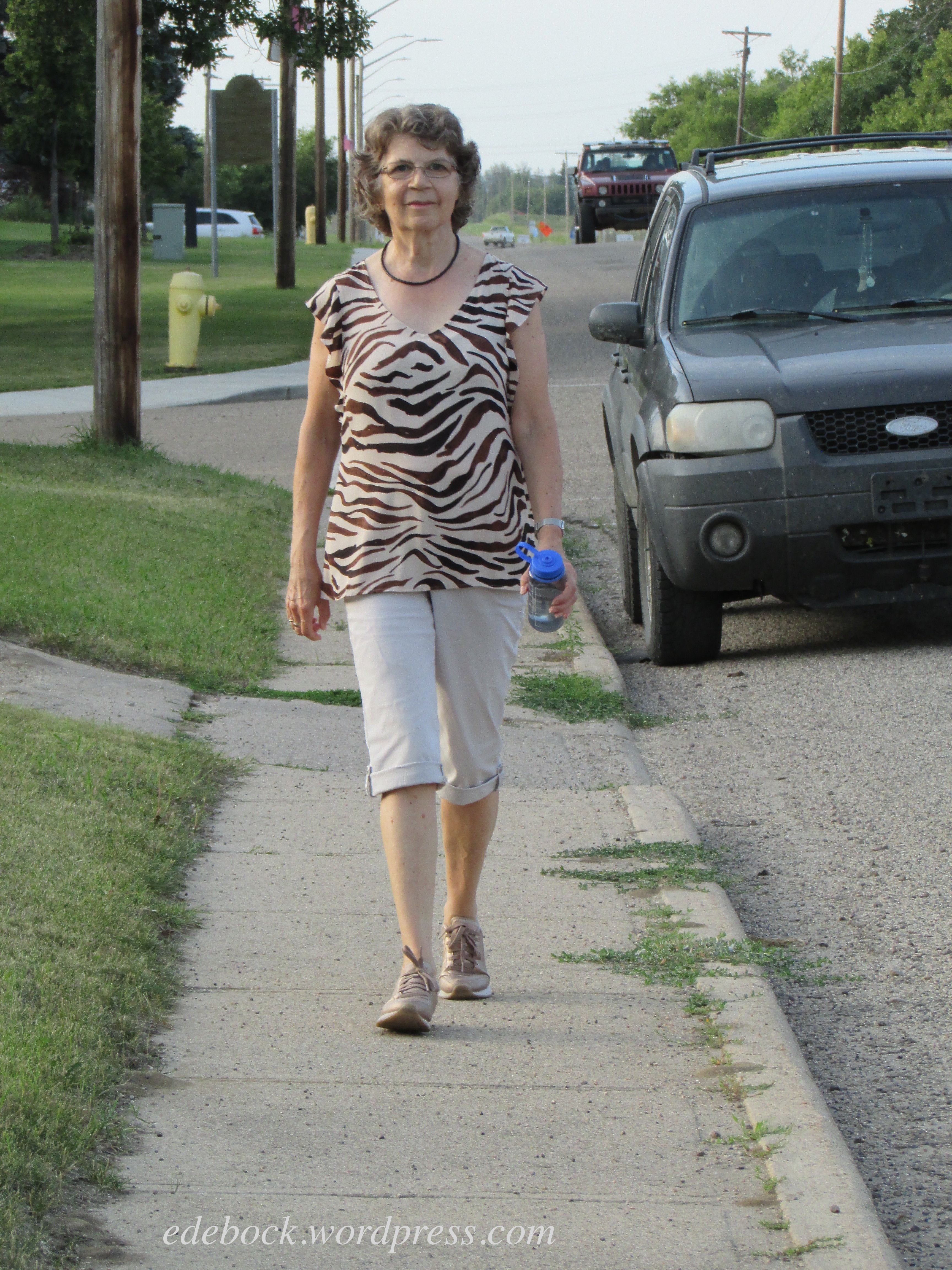
During the month of July, I walked 70.23 km, mostly up and down the streets of our tiny town and on the walking trail around the perimeter of the golf course. When that got too boring I headed out of town and enjoyed a couple of walks in the country. Most of the time, I wear my zebra stripes when I’m walking. Our local newspaper did an article on me on July 1st, so I’m hoping that when people see me, they’ll think, “There goes that lady who’s raising money for that rare cancer that she has. I should really make a donation.”

IMG_1290

Thanks to 22 big-hearted donors, I’ve been able to raise $1295 so far which places me amongst the top 10 fundraisers. I’m hoping that, with the help of a few more generous people, I can meet or even surpass my goal.

For me, a NETS cancer patient living in a rural area where I’m very much on my own, being a part of this effort has definitely been a morale booster. Members of the neuroendocrine cancer community across Canada have committed to racking up as many kilometres as we can by walking, hiking, kayaking, swimming, cycling, roller-blading, or any other forward moving activity that we can think of and tracking our individual distances. The results have been beyond amazing! Our original goal was 5,514 kilometres, the distance from Newfoundland and Labrador to the Yukon. We surpassed that in less than two weeks and doubled our goal to 11,028 km, the distance across Canada and back. Would you believe that we’ve already reached that milestone? Our latest goal is 20,000 km. We’re a determined bunch and we’re going to keep criss-crossing Canada as many times as we can until the end of this campaign!

Unfortunately, we’re not doing as well in the fundraising department. So far, we’ve raised $36,399 which is admirable for a group of just 78 people, but that’s a long way from our goal of $100,000. With just five weeks left we really need to bear down and focus on finding donors to help us meet our goal so that we can continue to support critical research projects that will eventually find the answers we so desperately need; answers to what causes this disease, how to detect it earlier, how to treat it more effectively, and ultimately, how to cure it.

I hate to continue nagging, especially when times are tough for many people, but if you haven’t already made a donation, would you please consider visiting my fundraising page and giving us a much needed boost? No amount is too small.

IMG_1307