One of my pet peeves is the amount of false or misleading information that people post or repost on social media. How is it that seemingly intelligent and honest people can be so gullible, so naive, as to believe everything they read? Just because you see something on Facebook, on somebody’s blog, or in an email doesn’t mean that it’s true!
As a teacher, it was part of my job to insist that students learn to check their sources and back up their statements with fact. Perhaps that’s why it bothers me so much when I see people spreading false information like dandelion seeds on the wind. It’s more important than ever to be critical online. The amount of misinformation that is spread on the web is absolutely staggering!

Some of the false information that is spread on the internet consists of ridiculous hoaxes that play on people’s fears, like the ones that are continually circulating warning us that Facebook is about to make everything we’ve ever posted public. Others are more damaging. Here’s a little video that explains this more clearly than I ever could.
In addition to scams and hoaxes, politics and religion are particularly hot topics for false information, but it goes far beyond those topics. I don’t know how many times I’ve seen people repost missing person reports only to discover when I check that the person has already been found safe and sound, sometimes many months or even years before! I can only assume that people repost these things because they simply don’t know how to distinguish fact from fiction or they don’t know how to fact check.
How to spot bogus stories
- The author is anonymous. If it were true, why wouldn’t the author put their name on it?
- On a similar note, beware of quotes from famous people. The internet is rife with false quotes attributed to everyone from Albert Einstein to Abraham Lincoln to Adolph Hitler.
- The message is riddled with spelling mistakes. This is pretty much a sure sign that it’s false. Why would you trust someone who doesn’t even bother to use spellcheck?
- The message itself argues that it isn’t false. “THIS IS NOT A HOAX!’ likely means that it is and “THIS IS A TRUE STORY” is probably a sure sign that it isn’t.
- And then there’s the old adage, if something sounds too good to be true, it probably is.
- Perhaps above all else, be skeptical!
How to fact check
- Ask the person who has posted the story if it can be verified. If they can’t offer any evidence for the claims that are being made, perhaps they aren’t true.
- Check the date and time that the original post was published.
- Consider the source. Is it reputable? For example, the internet is rife with wacky health advice. Use the search feature on the Mayo Clinic website to check for accurate information.
- If it’s a news item that seems questionable, check to see if other news sources are reporting it.
- If a news source is unfamiliar, go to their About tab. It may acknowledge the site’s bias or say that it’s satirical.
- Do a Google search. If you don’t find what you’re looking for right away, try other search terms. Whenever I see a missing person report on Facebook, I google the person’s name (eg. John Doe missing) and I can almost always find out immediately whether or not the person has already been located.
- Use one of the following fact checking sites. Again, you may have to try different search terms to find what you’re looking for. Be as specific as you can.
- Snopes.com Snopes is an excellent go-to for checking out hoaxes, rumours, urban legends, false quotes, etc. The number of topics that they cover is astounding and the site is constantly updated.
- TruthorFiction.com TruthorFiction is another excellent site that provides the truth about a wide variety of rumours, inspirational stories, virus warnings, hoaxes, scams, humorous tales, pleas for help, urban legends, prayer requests, and calls to action.
- Hoax-Slayer.com Hoax-Slayer is yet another recommended site that is dedicated to debunking email hoaxes, thwarting internet scammers, combating spam, and educating web users about email and internet security issues.
- FactCheck.org FactCheck.org is a nonpartisan, nonprofit site that aims to reduce the level of deception and confusion in American politics.
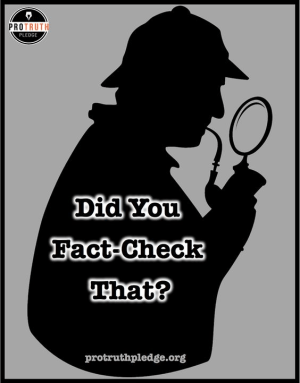
So how should you respond to someone who reposts false information? Keep it light. The goal isn’t to make anyone feel foolish. Assume that they weren’t intentionally trying to mislead anyone. Perhaps suggest a site where they can get accurate information about the topic or provide a link to the Snopes article that debunks the myth or rumour that they’ve reposted. Most people will respond well to gentle correction. The ones who boggle my mind are those who respond with something like “I know, but I thought it was interesting anyway” when I point out that they’ve posted something false. So far, I’ve managed to bite my tongue, metaphorically speaking, but in cases like that I’m sorely tempted to be less than polite!
And lastly, what do you do if you share something online and subsequently discover that it’s not true? It isn’t easy to put the genie back in the bottle, but by all means, try! Admit your mistake and do your best to correct it.
 Following Augustine
Pingback: Facebook, not Factbook! | Following Augustine
Pingback: One Word for 2021 | Following Augustine