Seven hours in Vegas

When you travel with Air Miles you don’t always have the choice of the shortest or most direct flights and sometimes that’s okay. When we flew to Mexico on February 9th, we left Calgary at 10:25 AM and after a two hour layover in Houston, arrived in Mexico City at 7:50 PM local time. Yesterday’s return trip was a lot longer, but also much more fun.

It was 5:15 AM when the alarm clock rang in our Mexico City hotel room. Forty-five minutes later we were in a taxi on our way to the airport. After being in the air for four hours and crossing two time zones, we touched down in Las Vegas at noon. Our connecting flight didn’t leave until 7:20 PM. We had seven hours to kill in Vegas!

After claiming our suitcase and passing through US Immigration and Customs in record time, we rechecked the luggage and caught a cab. I had the driver drop us at the Excalibur, close to one end of the famous Las Vegas Strip, where I stayed in November 2014 with the Rav4.

This was Richard’s first taste of Vegas. We started by dropping into the Excalibur’s lobby casino to try out a few of the penny machines. I soon turned my dollar into $2.50, but Richard lost his and it was time to head out and explore Sin City, USA! It was much chillier than my previous visit, but that didn’t seem to put a dent in the happy crowds strolling up and down the Strip enjoying its shops, restaurants and street performers. We joined them, stopping at Tom’s Urban for a late lunch.
img_3888

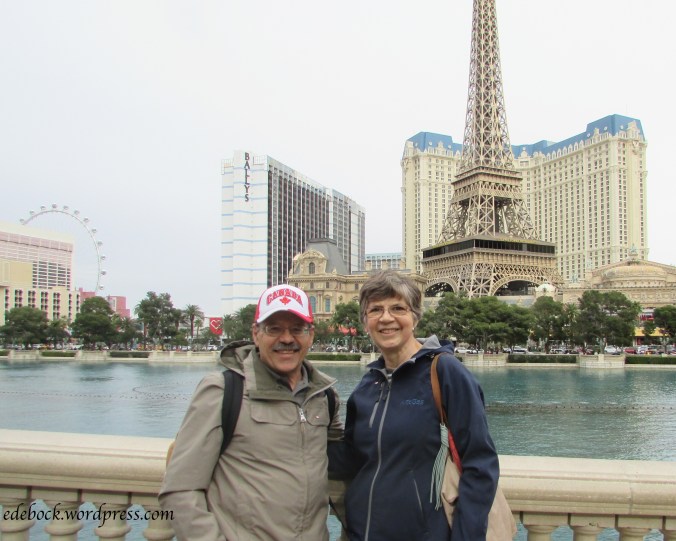
Continuing our walk, we arrived at the Bellagio just in time to watch the famed fountain show and then went inside to see the spectacular Chinese New Year display in the opulent hotel’s conservatory.

img_3890img_3896

Crossing the Strip, we made our way back to the Excalibur where we spent another half hour on the machines before catching a cab back to the airport. Seven hours in Vegas was definitely the best layover we’ve had in all our travels!

img_3898img_3897


Stripes and other trends for spring and summer

logoMy oldest son was born on February 21st. That was back in the day when they kept you in the hospital for a full week following a c-section. Though 37 years have come and gone, I clearly remember entering the hospital in the depths of an Alberta winter and coming out a week later into what felt like the beginnings of spring. Of course, we saw more of winter before it finally relinquished it’s icy grip, but ever since that year, as the end of February approaches, I begin to think that spring must be on its way.
What does that have to do with fashion, you ask? It will be awhile before those of us living this far north can begin switching over to our warm weather wardrobes, but it’s time to start thinking about the trends. What’s new for spring and summer 2017?

My favourite trend for the coming season is stripes! Stripes were all over the spring and summer catwalks in every form you could imagine. Horizontal, vertical and diagonal stripes; stripes of all colours and sizes; broad bands of colour and skinny hypnotic stripes. There were striped t-shirts, striped pants, striped dresses, striped swimsuits, even handbags and shoes with stripes. Stripes everywhere!

There’s nothing really new about stripes which is one of the reasons that I’m happy about the trend. I already have a couple of classic striped tees in my closet as well as my Ernest Tee from cabi and the striped swimsuit that I bought last summer. I don’t even have to go shopping to be on trend!

If stripes aren’t your thing, what are some of the other trends for spring and summer that you might find more to your liking? Apparently pink is the colour this season, especially shocking pink and shades of fuchsia, but bubblegum pink is also trending. Sadly, there’s only one pink item hanging in my closet right now, a t-shirt that’s past its best and only good for wearing around the house or to exercise in. Come to think of it, there’s also a bright pink sleeveless golf shirt and cap waiting for the snow on the golf course to melt, but perhaps another basic t-shirt like this one would be a good addition to my wardrobe. After all, it would kill two fashion birds with one stone.

weekend-maxmara-pink-three-quarter-sleeve-striped-top-product-1-16657021-0-697239914-normal

Apparently shoulder grazing statement earrings are also going to be big this spring and summer. Though I don’t have any that are quite that dramatic, I might have to go through my earring collection and pull out a few dangly pairs that I haven’t worn in quite awhile.

Speaking of shoulders, apparently shoulder pads are also coming back this season. Romantic ruffles will also be popular and so will t-shirts bearing slogans, particularly of the feminist variety.

Do any of these trends appeal to you? Which ones will you be adding to your shopping list?

Café Finca La Cañada

My Richard is a coffeeholic. Coatepec is known as the coffee capital of Mexico. Visiting a coffee growing operation seemed like a no-brainer.

Through another expat friend, Richard M was able to arrange for us to tour Café Finca La Cañada yesterday. Located just outside of Coatepec, up one of the roughest roads we’ve ever traveled, is the beautiful canyon estate owned by retired University of New Hampshire professor, Clifford J. Wirth, where he has now been producing organic, fair trade coffee for several years.

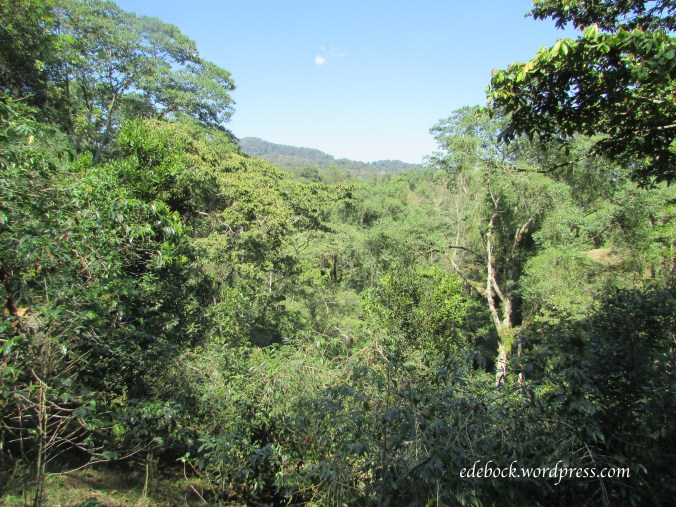
At first glance, the lush valley appears to be wild jungle, but on closer inspection one can see not only coffee trees but macadamia, banana, lemon, orange and tangerine trees growing on the steep hillside.

img_3852

img_3838

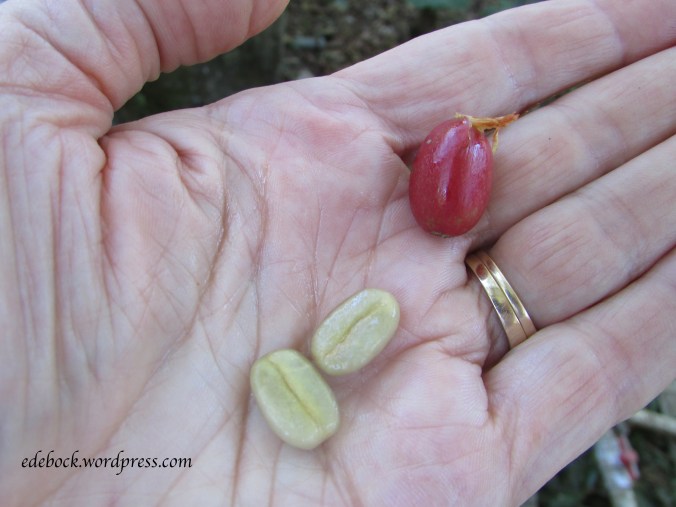
Coffee “cherries” ripening

Cliff started our very enjoyable and informative tour by walking us through the coffee harvesting process. The “cherries” are all hand picked by the Mexican family that works for him and lives on the estate. He explained the two processing methods that can be used, a wet method and a dry method. He uses the wet method. First, the freshly harvested cherries pass through a pulping machine to separate the skin and pulp from the bean.

img_3832

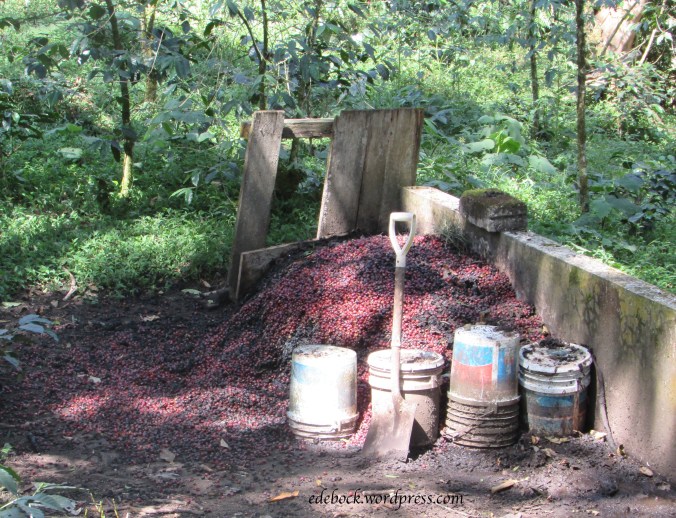
Then the beans are placed in a cement tank of water. The lighter unripe beans float to the top, while the heavier ripe ones sink to the bottom. The husks and unripe beans are  composted.

img_3829

Ripe coffee beans

img_3831

Composting the husks

After separation, the tank is again filled with water and the beans remain there for 3 or 4 days to remove the sweet gluey layer of mucilage that is still attached to the beans. While resting in the tanks, naturally occurring enzymes cause this layer to dissolve. When this process is complete, the beans feel rough to the touch.

img_3840

Drying beans

img_3843

At this point, the beans are placed on outdoor drying racks where they are turned regularly until most of the moisture has been removed. The racks are tented with plastic to protect the drying beans from rain.

Once the beans are ready, they are sent off-site for roasting and packaging. In addition to selling his coffee in a number of local shops, Cliff supplies several hotels and shops in the Cancun area. According to his Facebook page, his coffee is “Cultivated naturally below the tall trees of the Veracruz cloud forest without using agrochemicals, thus protecting the delicate ecosystem of the Suchiapa River, its flora and fauna–particularly the birds that migrate between Mexico, the United States, and Central America. The cultivation and processing methods protect the environment and workers’ welfare.”

Sadly, a fungus called coffee rust, or roya, has swept across Central America in recent years, withering trees and slashing production everywhere. Cliff told us that his trees are slowly dying and the estate now produces only 40% of the coffee that it did before the roya hit. When he took us hiking down into the beautiful canyon, he showed us examples of leaves that have been affected. He is now in the process of planting a new hybrid variety that is resistant to the blight.

I don’t drink coffee anymore because the acid bothers my stomach, but we bought a kilogram to take home and I’ll definitely be tasting it. I’ll just have to be careful to leave most of it for my coffeeholic husband!

Naolinco, where everything is leather

In this part of Mexico, the small town of Naolinco, nestled in the mountains northwest of here, is famous for its leather products. Apparently more than 200 shoe stores and cobblers line its narrow cobblestone streets.

This morning, we took the bus into Xalapa and then a taxi the rest of the way. The landscape was rugged and beautiful.

img_3776

From Xalapa, the drive to Naolinco is only about 33 km, but it took close to an hour as the road winds its way higher and higher into the mountains and passes through a couple of tiny towns. Even though it was a cool, cloudy day, the views were spectacular and our driver, realizing that Colleen and I were snapping pictures out both sides of the vehicle, began to stop along the way to allow us better opportunities to photograph the panoramas spread out below us.

img_3773img_3785img_3784

As the taxi drove up what appeared to be the main street lined with shop after shop selling shoes, boots, leather jackets, belts and handbags at a small fraction of the price that we would spend for similar products in Canada, we could actually smell the new leather all around us!

img_3789img_3791img_3800Once again, we felt as though we’d stepped back in time as we wandered the narrow streets. We also discovered a much more modern looking mini mall with three storeys of tiny shops all selling leather goods.
img_3797

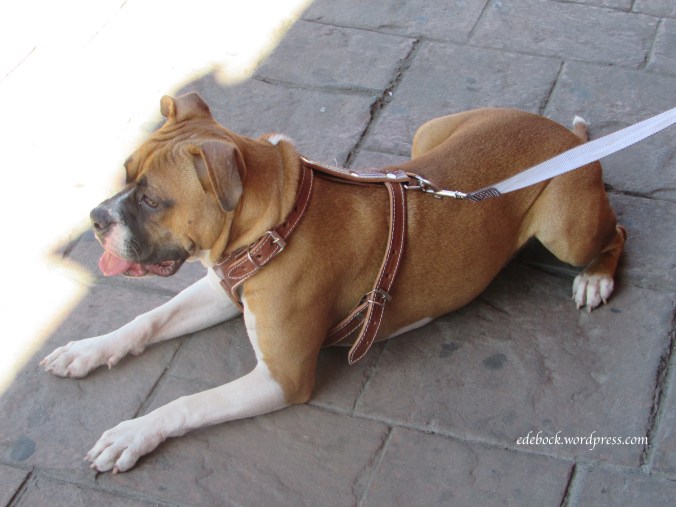
Amazingly, though there were many very tempting boots and handbags, all we bought was a harness for our new Mexican friend, Layla, the 7-month-old boxer pup that shares Richard M and Colleen’s home and hearts.

img_3819

Jalcomulco

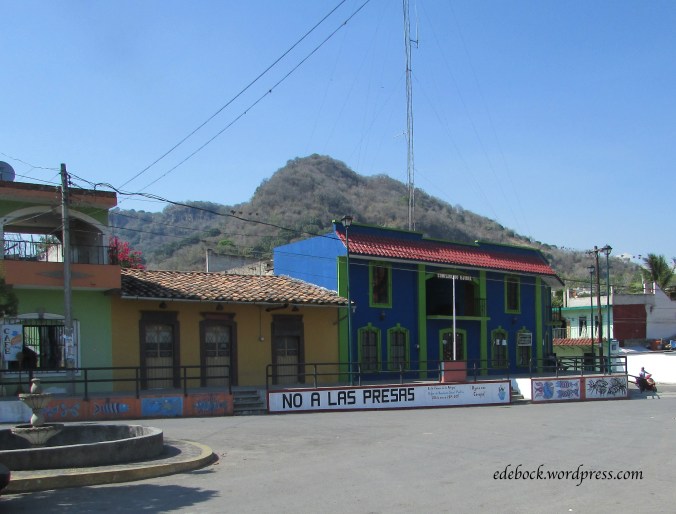
According to the weather forecast it was supposed to be overcast and rainy in Coatepec today, but when we awoke to another gloriously sunny day we decided to make the 30 km trek into the foothills to Jalcomulco. We flagged down a taxi around the corner from Richard M and Colleen’s place and when they asked him where we needed to go to catch the bus to Jalcomulco, he told us he’d take all four of us there for a total of 120 pesos (about $7.50 CAD), only a couple of dollars more than it would cost us to go by bus. Perfecto! The sights along the way were worth the trip.

img_3770img_3761img_3764

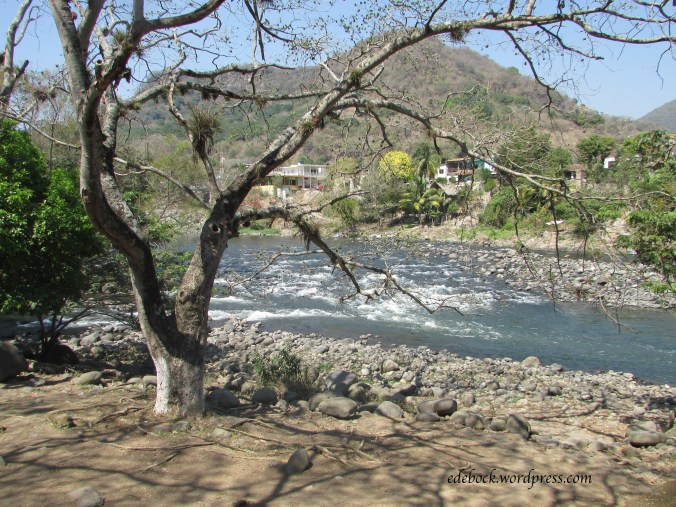
Jalcomulco is a centre of outdoor adventure and ecotourism. Whitewater rafting on La Antigua River which runs through town is particularly popular. We thought it might be very touristy, but it wasn’t at all. Jalcomulco is a charming colonial town, much smaller and quieter, but similar in appearance to Coatepec.

img_3752img_3727img_3747img_3751

We crossed a rickety suspension bridge and enjoyed a delicious lunch on an outdoor patio overlooking the river.

img_3735img_3734img_3731img_3741

This was my view from the table. Exquisite!

img_3736

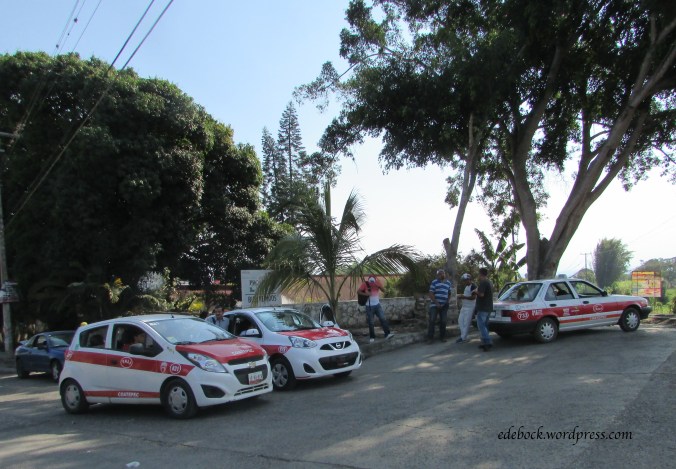
After strolling around and checking out a couple of shops, we caught another taxi back to Coatepec. On the way, we were reminded of the fact that we’re in a third world country. Our young driver received a call from his dispatcher and, joining several other taxis that were pulled off beside the road, informed us that he couldn’t go any further. We would have to wait about 30 minutes until an issue with the police in Coatepec had been resolved. Apparently, to the best of our understanding, the police had suddenly imposed a “tax” on the taxi companies! We were told that this kind of thing isn’t uncommon. Can you pronounce “graft” and “corruption”? Fortunately, we were able to be on our way in less than ten minutes.

img_3767

It has clouded up and cooled off a bit this evening, so perhaps the anticipated rain is still on its way. It was even hotter and drier in Jalcomulco that it’s been here in Coatepec.

Doors and windows

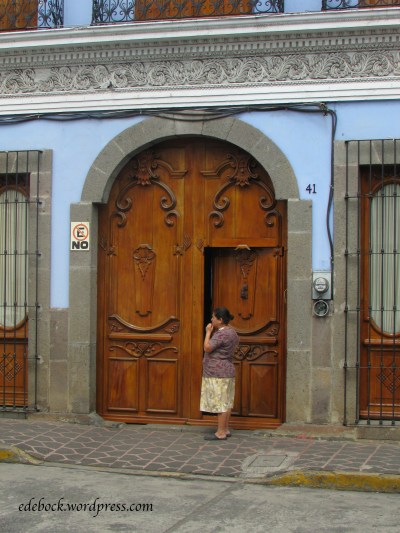
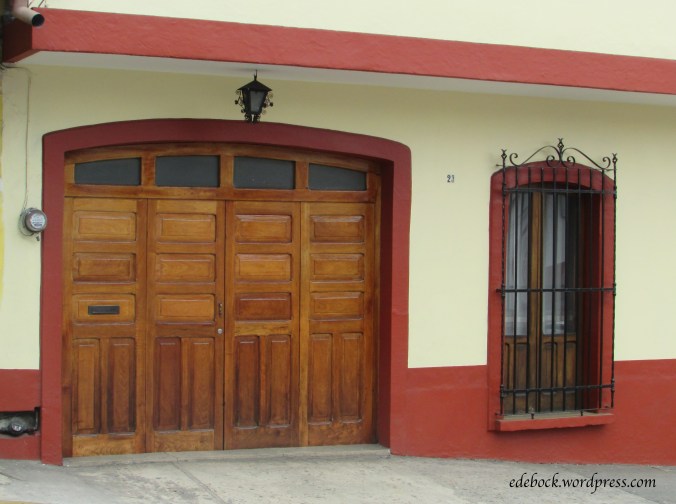
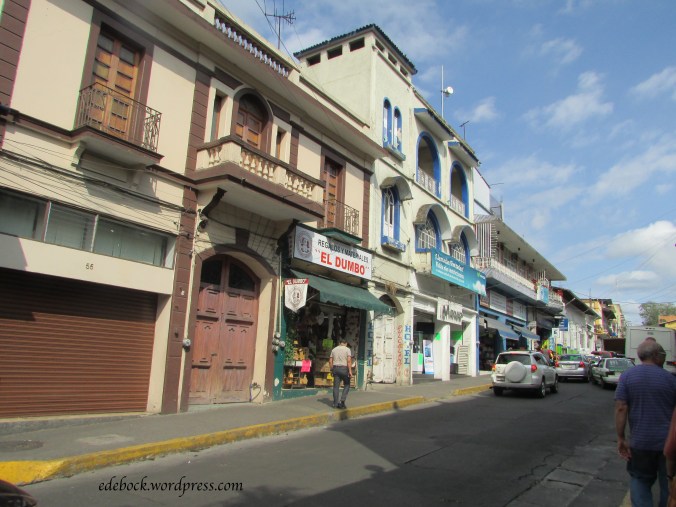
I’m quite madly in love with the architecture here in Coatepec, Mexico. I adore the bright colours, but the doors and windows are most amazing. In the downtown core, many of the businesses have huge, ornately carved wooden doors.

Some have a door within a door. Only one panel actually opens to allow access.

img_3716

img_3721

These are some of the windows above that amazing door! The balcony railing is a great example of the beautiful wrought iron work found all over Coatepec.

img_3720

Most windows in both homes and businesses have wrought iron bars for security purposes, but rather than being plain and ugly, they are usually delightfully decorative.

img_3663

Climbing Cerro de las Culebras

Richard M and Colleen use a laundry service here in Coatepec. For approximately $1.40 CAD per 2 kilograms of laundry, you drop it off one morning and pick it up the next afternoon washed, dried and neatly folded! When Colleen and I were on our way to pick up the laundry yesterday she pointed out a green hill in the distance. On top was a bright yellow circular tower of some sort with a cross its side. I immediately wondered if there was a trail leading up to it.

A quick internet search was all it took to discover that Cerro de las Culebras (Snake Hill) and the lookout tower on its top are easily accessible from the centre of town. This morning was warm and sunny, so after a hearty breakfast the four of us set out to find the trailhead and climb to the top. Forty-five minutes later we were at the bottom of a series of steep cobbled steps leading up the hillside.

img_3677

img_3678

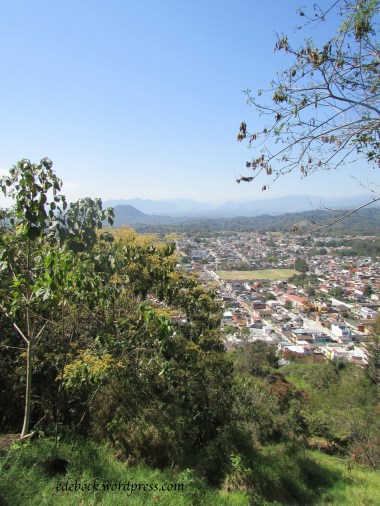
The lush greenery on either side made it a beautiful climb and soon we began to catch glimpses of the town spread out below.

img_3679img_3681

Before we knew it, we were at the top where the lookout tower with a white statue of Christ at its top stands in the middle of a grassy clearing. The views of Coatepec and the surrounding mountains were spectacular. In the distance, we could even see the snow covered peak of Pico de Orizaba, Mexico’s highest mountain and a dormant volcano that last erupted between 1545 and 1566. It is the third highest mountain in North America and the world’s second highest dormant volcano, behind only Kilimanjaro in Africa.

img_3692

img_3690-version-2

img_3686

img_3687-version-2

If you can’t spot Pico De Orizaba in this photo, I’ve circled it in the next one which was taken from the top of the observation tower.

img_3697

img_3701

What’s your best sleeve length?

logoSleeve length can enhance or detract from a woman’s appearance by drawing the observer’s eye toward or away from specific parts of her body. Though we’re probably not conscious of it, our eye is automatically attracted to the part of the body where the sleeve ends thus emphasizing that spot.

Let’s take a look:

img_1955Even if they aren’t perfectly toned, your arms will usually look longer and leaner in a sleeveless garment as it has the advantage of the unbroken line. In my younger years, I was self-conscious about showing off my arms feeling that they were too skinny. It wasn’t until I was almost 40 and started to work out with weights that I felt comfortable going sleeveless. Now it’s my favourite look for summer. I especially like the freedom of movement that it allows when I’m golfing and it also ensures that I don’t end up with a “farmer’s tan”.

img_2129-version-2

img_1799-version-3If you are truly uncomfortable going sleeveless or you work in a corporate environment where it isn’t considered appropriate, you might prefer a cap sleeve. Depending on your body shape, you might also appreciate cap sleeves for their shoulder-widening and therefore hip-balancing effect.


Short sleeves tend to fall parallel to the bust. This is great if you want to emphasize that part of your body, but not so great if you’d rather not.

img_1825

3/4 sleeves, considered by many to be the most flattering length, are my all time favourites for several reasons. I have long arms, so finding long sleeves that fit properly can be difficult. 3/4 sleeves eliminate that challenge. They’re also cooler than long sleeves when the weather is warm, but they usually provide adequate coverage when it’s cooler. Unlike longer sleeves, they don’t get in the way and, as a cancer patient who often has to deal with blood tests and IVs, they make it easy for me to expose the crook of my arm. They do tend to end close to the waist, however, so if that’s a part of your body that you’d rather the eye was drawn away from, they might not work for you.

Long sleeves draw the eye down providing a good option for anyone who would like to distract attention from their midsection, but they do place more focus on the hips. On me, long sleeves often end up as 3/4 length!

Do you have a favourite sleeve length?

Grocery shopping Mexico style

As we were preparing for our latest travel adventure, many people back home on the cold Canadian prairie had a hard time understanding why we would go to Mexico and not spend our time at a beach resort. To me, the answer is easy. First and foremost, the friends that we’re visiting don’t live at the coast. Secondly, this trip is giving us a rare opportunity to see “real” Mexico and to learn how the people of this country live.

Shopping here is absolutely nothing like shopping in Tijuana or on 5th Avenue in Playa del Carmen. Market areas aren’t inundated with cheap trinkets and we aren’t constantly accosted by aggressive hawkers. Everything here has set prices, so there’s no need to barter.

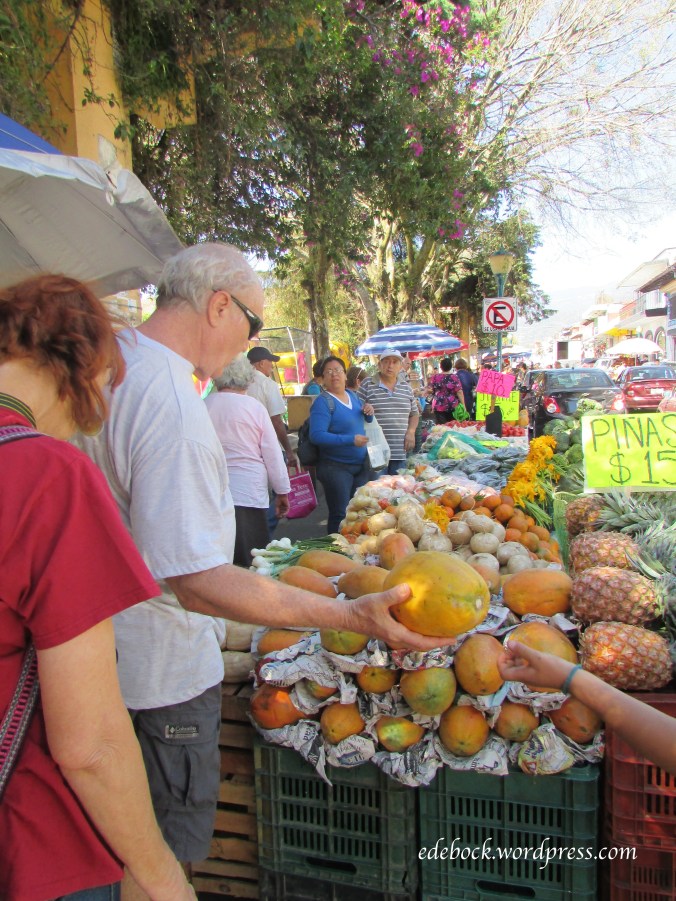
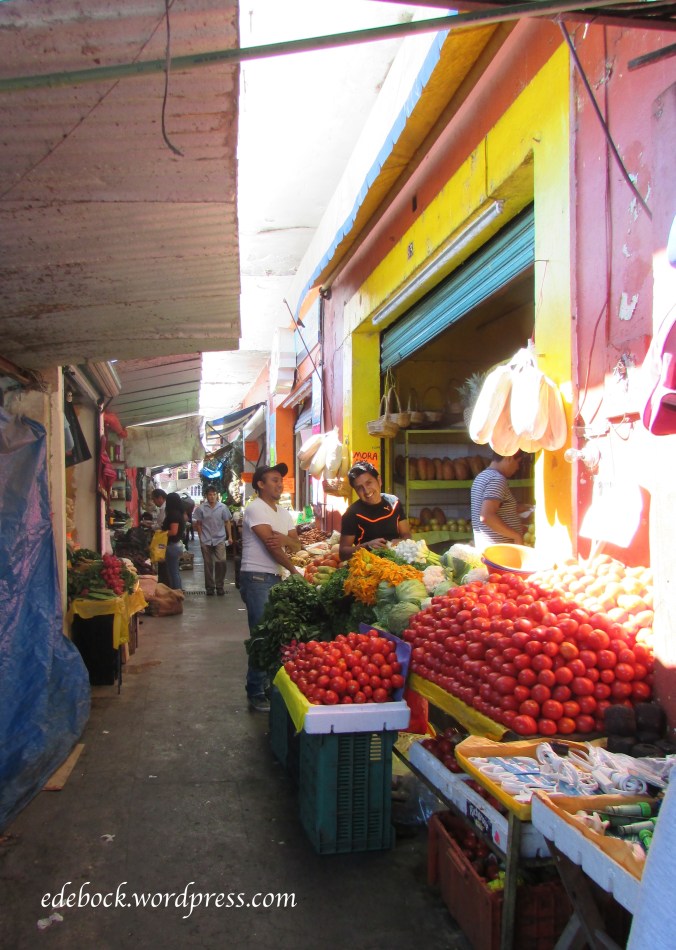
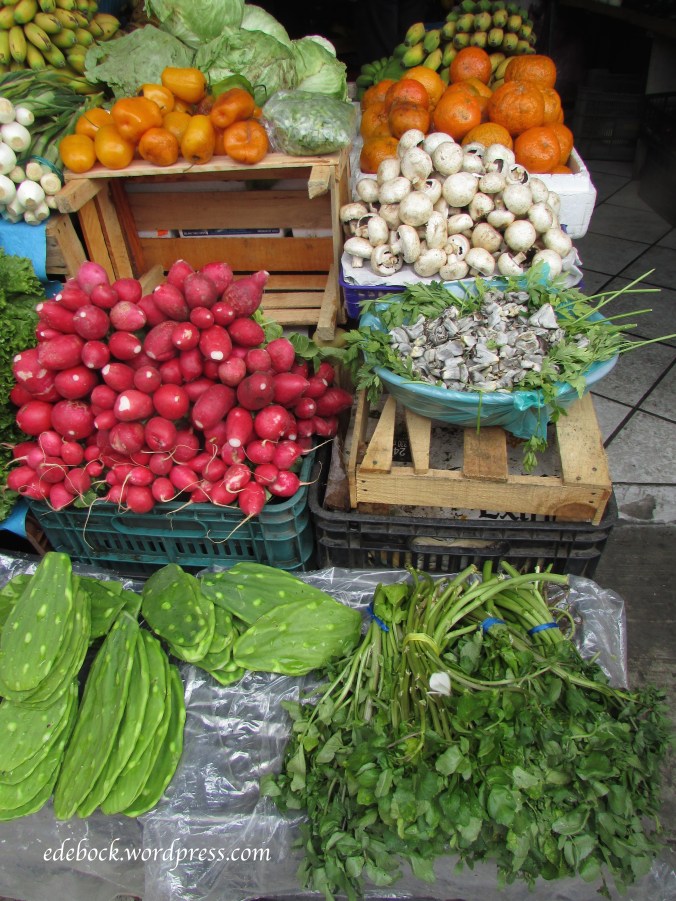
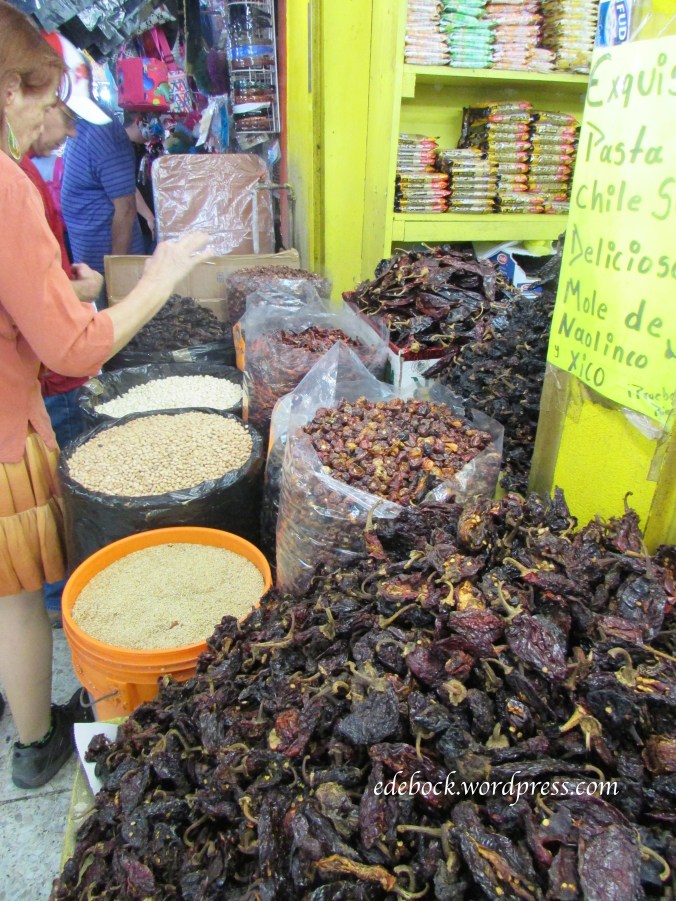
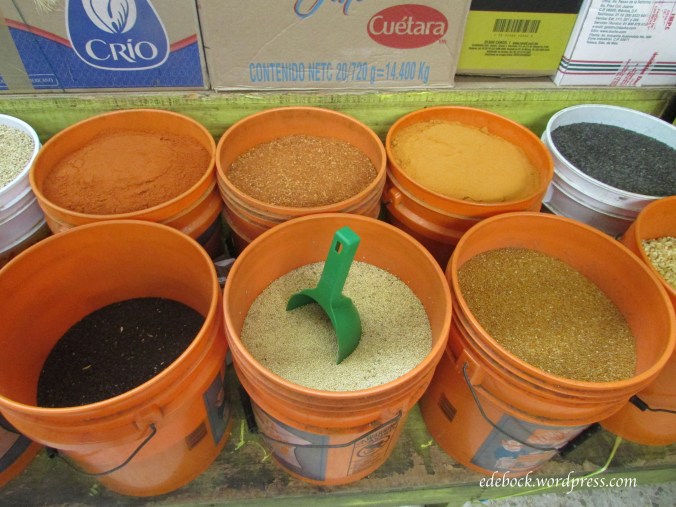
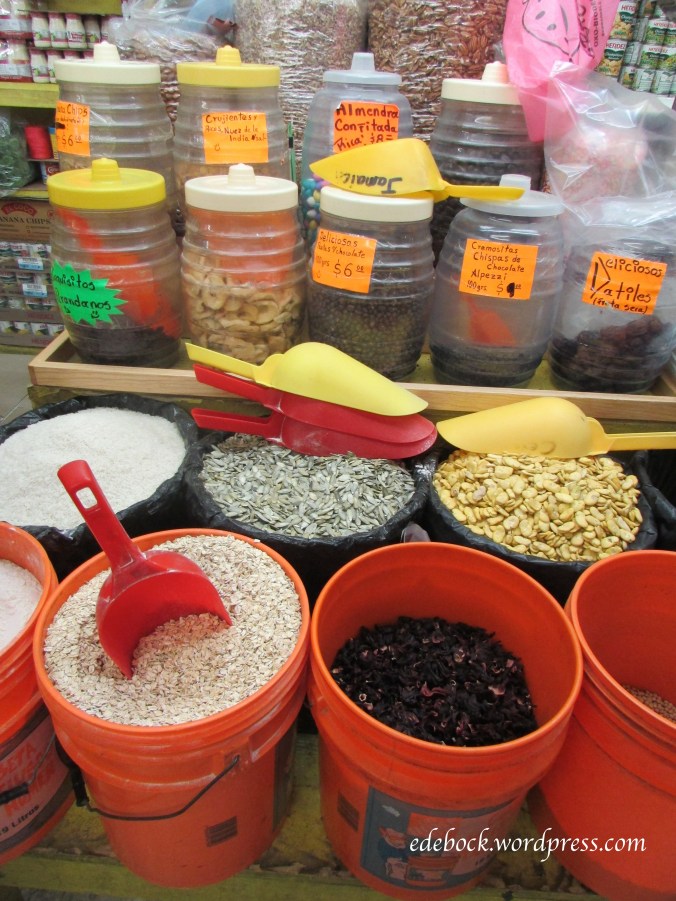
Wherever I go in the world, I like to see how and where the locals buy their groceries. Here in Coatepec there’s a Chedraui supermarket within walking distance that sells groceries, clothing, and household items; much like Walmart or Superstore back home. Chedraui is a huge Mexican supermarket chain that originated in nearby Xalapa. A person could easily do all their grocery shopping there, but Richard M and Colleen buy most of their food from small street side vendors and marketplaces that remind me of how we shopped in China. They also shop at tiny hole in the wall family run shops like the one just up the road from here. With it’s rough cement floor, shelves lining the side walls and a meat counter at the back, it’s smaller than our single car garage at home. In all of these places, the products are fresh and locally grown or produced. I’d forgotten how much I enjoy this kind of shopping!

So, let’s go grocery shopping…

img_3569img_3570img_3571img_3587-version-2img_3595img_3598img_3656img_3657img_3658img_3659

There are also vendors who regularly come through the neighbourhood or to the gate selling foodstuff. Today we had delicious tamales for lunch that were purchased from one of these pedlars. Yum!

Hello Xalapa!

We first woke up at 4 o’clock this morning because the house was shaking and the windows rattling. The 4.4 magnitude earthquake with its epicentre beneath the ocean less than 150 km east of here, was not something I had expected to experience during our stay in Mexico. After living for a year in Japan where the earth moves almost every other week, we’re pretty blasé about such things though and soon went back to sleep.

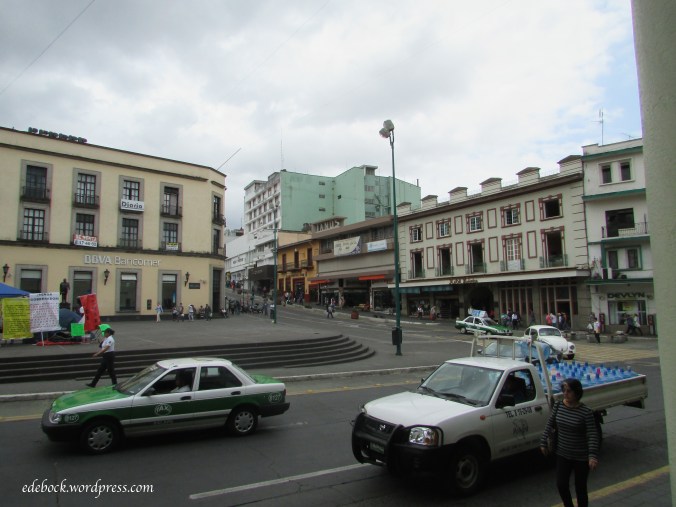
Later in the morning, we took a 20 minute bus ride into Xalapa (pronounced Halapa), a city of approximately 400 000 people that is the capital city of the Mexican state of Veracruz. Xalapa is also known as a centre of arts and culture.

We enjoyed strolling around the central part of the city including Parque Jaurez, one of the city’s most popular attractions. The park, located next to the provincial government building, is home to an amazing dragon play structure; it’s tongue a two sided slide, its body a climbing wall and its tail a rope climbing apparatus. I could imagine my five grandchildren having a blast playing on it.

We also enjoyed the Greek inspired statues of the four muses, especially this one!

img_3641-version-2

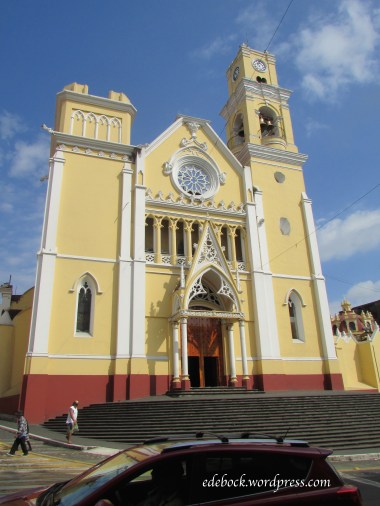
Across the street from the government building stands the impressive Xalapa cathedral, beautiful both inside and out.

img_3648

As we walked the nearby streets stopping into a few little shops, we joked that this one must be part of the empire owned by the newly elected president of a certain country to the north!

img_3654

img_3653

Clearly it was a fun filled morning! After a fabulous lunch in one of Xalapa’s finest restaurants, we returned to Coatepec but we’ll be back in Xalapa on Friday evening to hear the city’s symphony orchestra in concert.

img_3647

img_3662