Hiking the Highlands

Nova Scotia’s Cape Breton Highlands National Park boasts more than 20 trails ranging from short easy walks to spectacular hiking expeditions. We chose one of the most popular, the dramatic Skyline Trail on the western side of the Cabot Trail, for Wednesday’s hike.

As we approached the trailhead, we could see the tiny silhouettes of hikers against the skyline on the ridge high above us. Soon we would join them!

img_3024

The Skyline Trail offers two options. Many choose to stay on the well groomed path that takes them directly out to the headland cliff overlooking the Gulf of St. Lawrence. This out and back route is 7.5 km long. We chose the longer 9.2 km loop.

The back side of the loop, the road less traveled, crosses a high plateau. The trail is rougher and some sections were muddy as a result of the horrendous storm that swept across Cape Breton two days earlier.
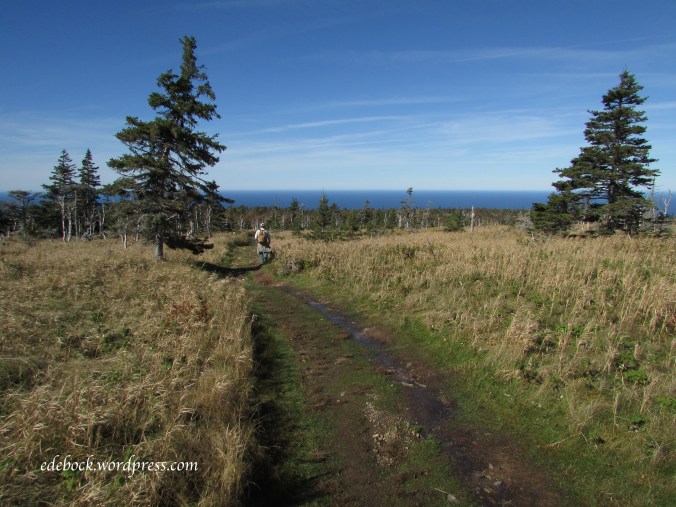
img_2972

Once we reached the far side of the plateau, the views were gorgeous.

img_2985

Sometimes we just had to sit and soak them in.
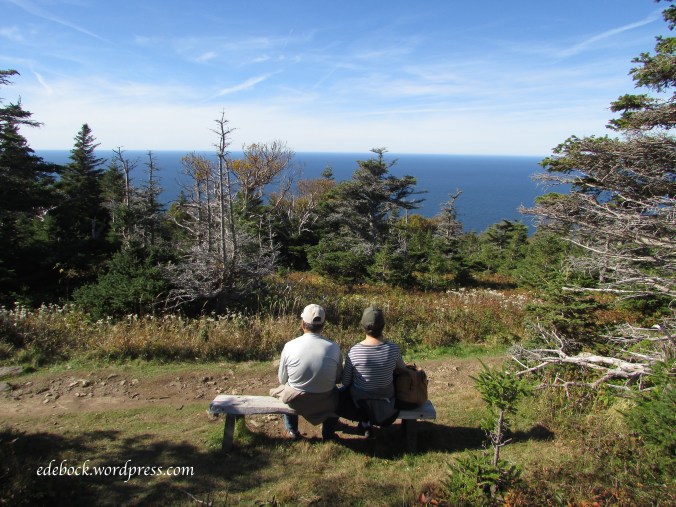
img_2982

Nothing prepared us for the spectacular views from the headland, however! There, a wooden boardwalk and a series of steps took us down the middle of the cliff. The open ocean was far below to our right and a deep ravine to our left. We watched eagles soar below us and vehicles winding their way along the Cabot Trail looked minuscule.

img_3006

Strategically placed by Parks Canada so that it isn’t visible from the highway below, the boardwalk protects the fragile headland plants from trampling and also gave me a sense of security as I crossed the ridge.

Once we tore ourselves away from the the amazing vistas spread out before us, the most used and best maintained portion of the trail took us back to the parking lot. There was a small change in elevation along this portion, but it was very gradual.
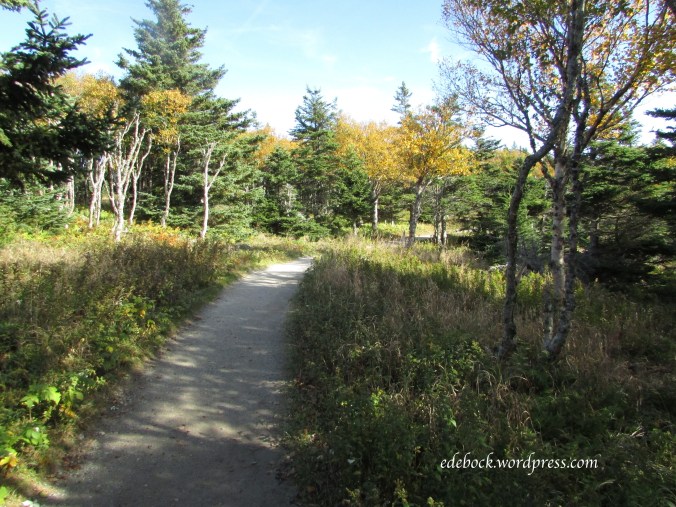
img_3018

Is it any wonder that I’m overwhelmed by the beauty of Nova Scotia?

Don’t get your knickers in a knot!

logo

If you’ve known me or followed this blog for very long, you know that I’m a self professed word nerd. It may be quirky, but I love words. Who else do you know who would watch a lecture series entitled The Secret Life of Words: English Words and Their Origins while walking on a treadmill?

So, it only makes sense (to me, at least) that a word nerd with an interest in fashion would be fascinated by some of the words used in the fashion business. Today I’m focusing on fashion words that are used differently in different countries. For me, they add to the fun of reading fashion blogs from around the world.

When I was a child, I often wore a jumper to school, but did I wear this

jumper-3

or this?

sweater

Here in Canada, as well as in the US, the first picture is a jumper, but in the UK and Australia, a jumper is what we in North America would call a sweater! The jumpers that I wore are known as a pinafores in the UK.

While we in North America understand the meaning of trousers, that’s not a word we’d likely use. Instead, we’d talk about our pants. That could be confusing if we were in the UK, however, where people would be embarrassed if anyone saw their pants. There the term is slang for underpants!

Depending on which side of the Atlantic you’re on, you might not want to get your knickers in a knot or your panties in a twist! Knickers is the British word for a lady’s underpants while here in North America, we usually call them panties.

Of course, men have different underwear words too. Some British men wear y-fronts, those old fashioned underpants with an inverted y shape in front. North American men usually refer to their underwear as briefs, shorts or boxers depending on the style they prefer.

Even babies get in on the underwear confusion. British and Australian babies wear nappies, but in North America, they wear diapers.

What do you call these?

coveralls

Here in North America, we call them coveralls, but in the UK they’re overalls. Here, overalls are bibbed pants/trousers held up by over-the-shoulder straps. In Britain, however, those are dungarees.

Are you confused yet? Can you think of any other examples?