Hiking Kejimkujik Seaside

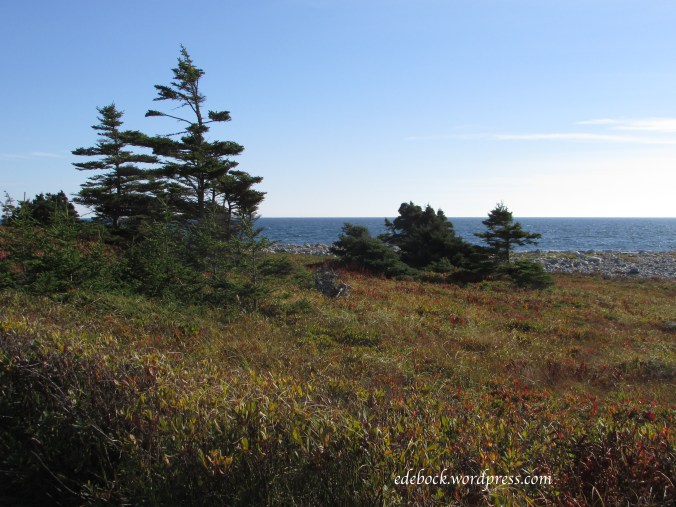
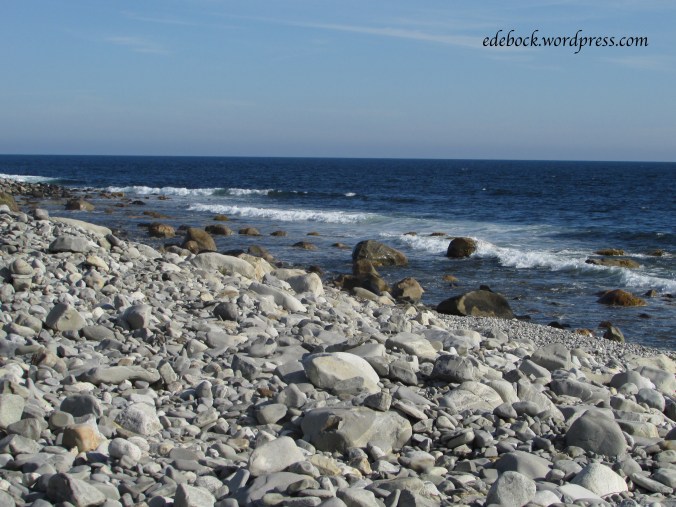
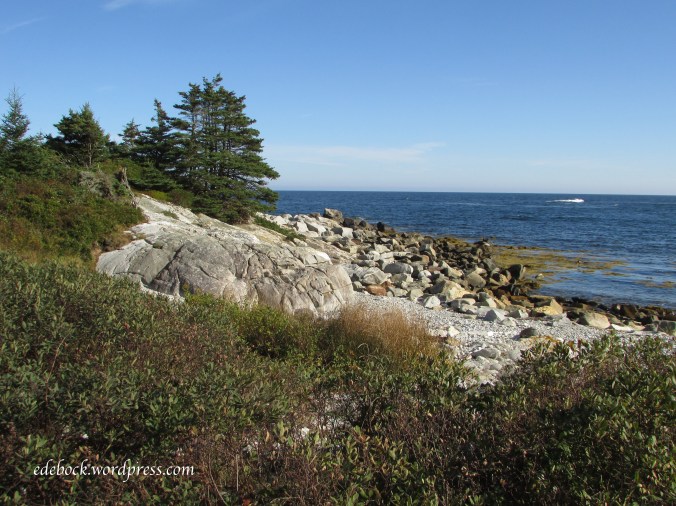
Nova Scotia’s Kejimkujik National Park is actually one park divided into two completely separate areas. Thankfully, locals refer to it as Keji because I’ve had a terrible time getting my tongue around that name! The meaning of the Mi’kmaq name is uncertain, but the park’s official stance is that it means “tired muscles”. Yesterday, we spent several hours hiking the beautiful Seaside portion of the park; 10.7 km in all and I’m proud to say that my muscles are just fine today!

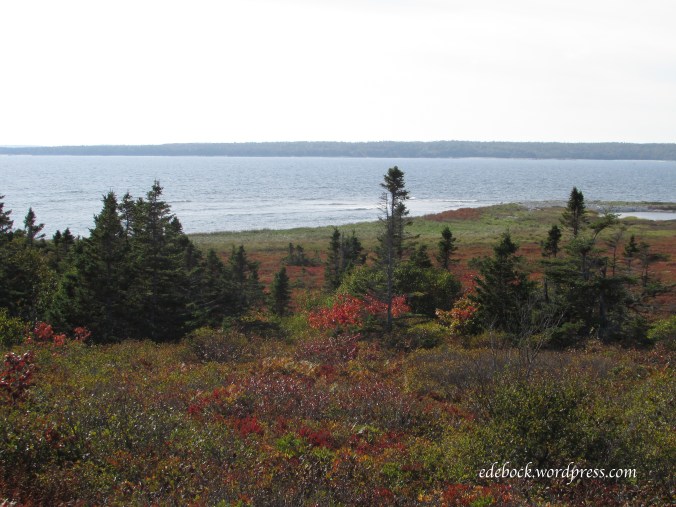
The hiking trails ramble through coastal barrens and bogs, around rocky headlands and along cobbled and sandy beaches offering views that are breathtaking. The trails are well maintained and there’s very little change in elevation, but if you go, you’ll definitely want good footwear for the rocky sections.

Come along on a virtual hike with me.
img_2885

img_2887

img_2890

img_2891

In the past, sheep were grazed on the barrens. Here are the remains of the shepherd’s home; definitely a room with a view!

img_2895

img_2898

img_2903

img_2905

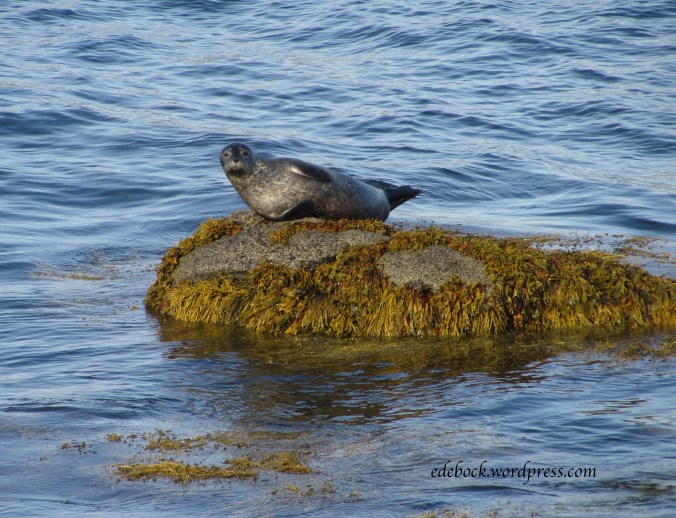
Wildlife share the park with hikers. A sign at the entrance warned that bears have been sighted. Thankfully, we didn’t see any, but there was plenty of scat along the trail. The only wildlife we saw was birds, a squirrel and this harbour seal sunning itself!
img_2908-version-2

img_2915

Colourful Lunenburg

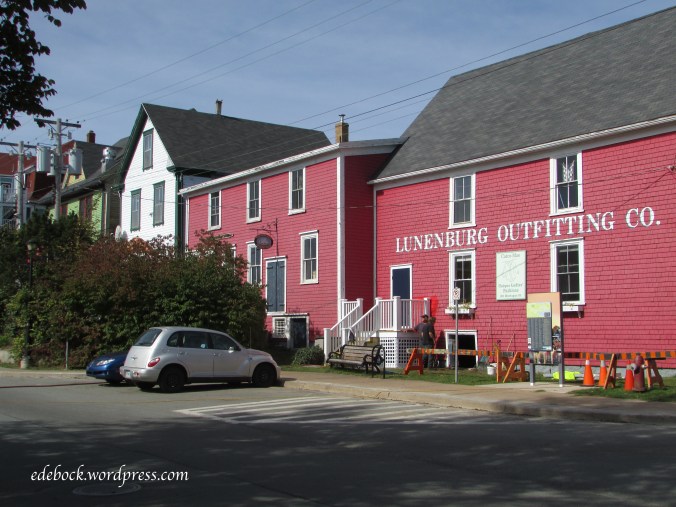
Old Town Lunenburg, Nova Scotia is one of only two urban communities in North America to have been designated a UNESCO World Heritage site. It’s also considered to be the best surviving planned British colonial town in North America. Its harbour-side streets are lined with well preserved and colourfully painted historic buildings.

This colourful section of King Street is known as the UNESCO Fresco!

img_2848

Canada’s Maritime provinces are dotted with old wooden churches, none more beautiful than St. John’s Anglican Church in Lunenburg.

img_2830

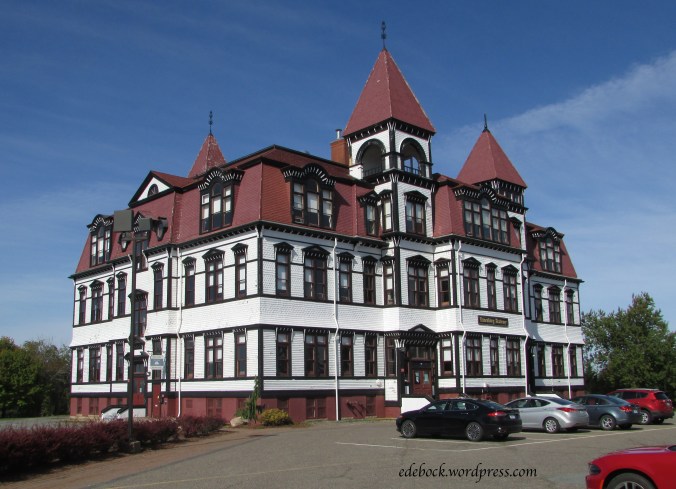
Visible for miles around, Lunenburg Academy, built in 1895, dominates the hilltop. Imagine going to school there!

img_2836

This stately giant stand nearby.

img_2834

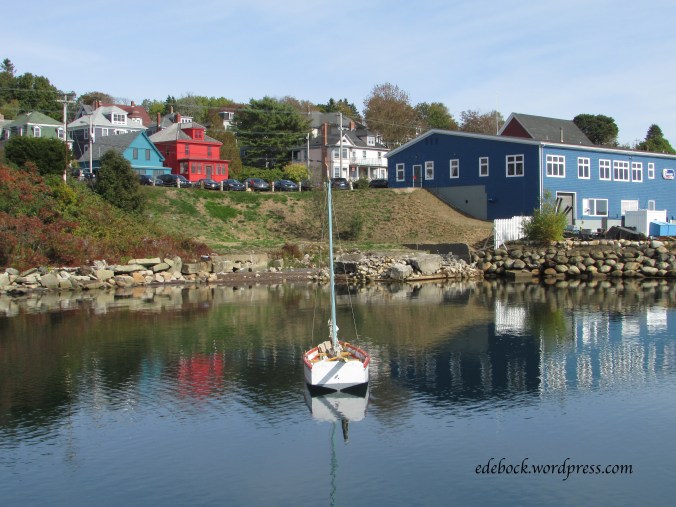
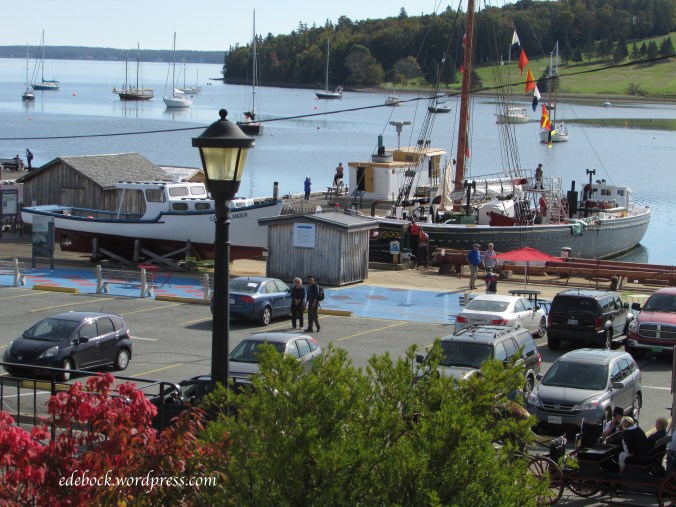
Though we’d visited before, we thoroughly enjoyed wandering the streets and busy harbour front again.

img_2847

img_2849

img_2856

img_2854

I loved the name on this fishing boat!

img_2857

img_2867

Searching for colour and finding history

img_2873-version-2

We knew from our previous visit with Ronnie and Myrna, the dear pen pal that I inherited from my mother-in-law, that they enjoy sightseeing drives through the lovely countryside around Mahone Bay. Like my own father, however, Ronnie has macular degeneration and is legally blind. He still has some sight, but not enough to drive. When we suggested taking them for a drive to look at the fall colours that Nova Scotia is famous for at this time of year, they jumped at the opportunity and off we went!

img_2788

With Richard behind the wheel and Myrna navigating, we headed inland toward New Ross. Sure enough, though many of the trees were still green, others were aflame. For those of you who are accustomed to the wide range of reds, oranges and golds of autumn, our delight might seem odd, but where we live in Alberta, we don’t experience the same array of colours in the fall. Most of our trees just turn shades of yellow.

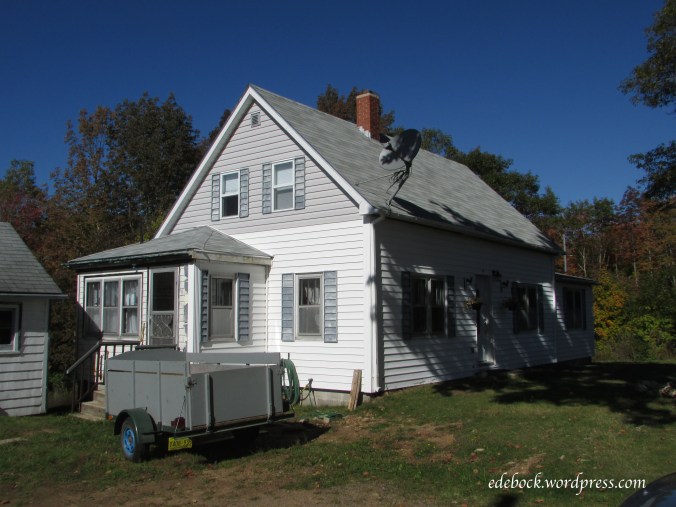
We saw much more than trees, however. Soon Myrna was pointing out the house where she grew up. It was here that she wrote the first letters to my mom-in-law over 75 years ago! Obviously well cared for, it has new shutters, windows and front door since the last time she saw it.

img_2791

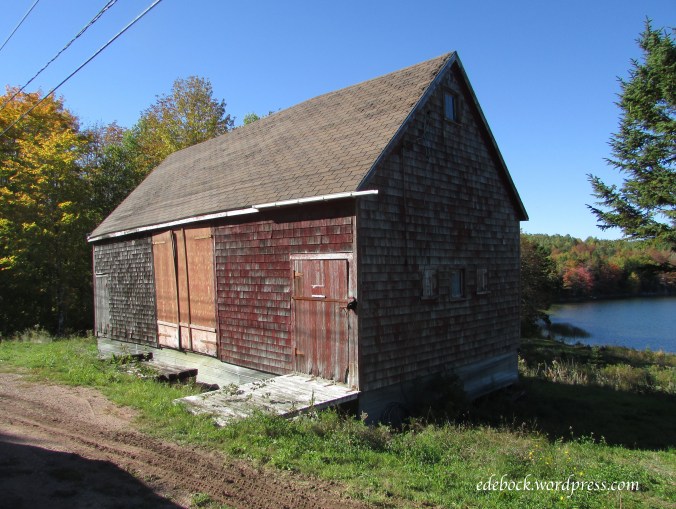
Along the same road, we saw her uncle’s old horse barn

img_2802

and the one room schoolhouse that she attended.

img_2805

At 16 years of age, with a grade 11 education, Myrna became a teacher in a similar school! She taught for five years before she and Ronnie married.

Nova Scotia has been changing before our very eyes with more colour every day. Here are just a few more sights from that day’s drive.

img_2792