When our daughter was suffering from leukemia in the early 1980s, we were told that if we simply boiled up some pine needles and fed her the resulting tea, she would be well. That was just one of many crazy cures that we were told about, so I expected to be inundated with similar tales when I was diagnosed with cancer two years ago. At first, I was pleasantly surprised not to be told about some magical potion or miracle fruit at every turn, but lately I’ve come to the end of my patience with all the nonsense being circulated through social media!
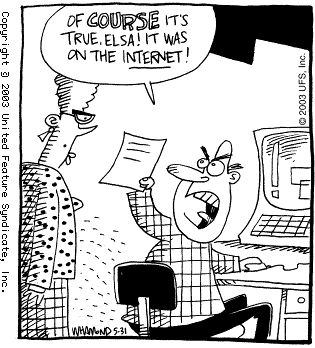
It absolutely astounds me how many cockamamie stories circulate on Facebook and are reposted by seemingly intelligent people who don’t bother to check the facts first. It’s so easy to do! Just plug a few key words into Snopes.com or TruthorFiction.com and voila! There you have it; the research, the facts, the truth!
These days, it’s the crazy cancer prevention and cancer cure stories that really burn me. Yesterday it was baking soda that would save my life! Really? If it was that easy, do you think there would still be thousands of people dying of cancer every day? According to Cancer Research UK, more than one person dies of cancer every four minutes in the UK alone! Would that be happening if the answer was sitting on the shelf in almost everyone’s kitchen? I don’t think so! With all the time and money that goes into medical research, does anyone really think that the cure for cancer is going to be found floating around on Facebook? Let’s use a little common sense!
Extraordinary claims require extraordinary evidence. YouTube videos and Facebook posts are most certainly not scientific evidence! Where are the clinical trials? Where are the published research papers? If only people would consider the source before choosing to repost something. If it doesn’t come from the Mayo Clinic or another reputable medical institution of that ilk, it probably isn’t true.
Of course, that brings me to my all time most loathed myth, the idea that governments, pharmaceutical companies and even charities are colluding to hide the cure for cancer because they make so much money from existing treatments. How can anyone actually believe that? There are so many ways to debunk that argument that I hardly know where to begin. First of all, it simply doesn’t make sense that pharmaceutical companies would want to suppress a potential cure. Finding a highly effective therapy would guarantee huge worldwide sales. Secondly, why wouldn’t doctors, who often prescribe less expensive generic drugs, use cheap treatments if they were shown to be effective in clinical trials? And then there’s perhaps the most obvious argument; cancer touches everyone. Even politicians, doctors and pharmaceutical executives get cancer. Their loved ones and colleagues die too. They are not exempt! Would they really withhold treatment from their own spouses, parents or children if they knew they could save their lives? Again, I think not!
Perhaps before reposting or passing on an unsubstantiated, too good to be true, miracle cure a person should ask themselves, what if one desperate cancer patient chooses to abandon conventional treatment and try this instead and what if it doesn’t work? Do I want to be responsible for that? Steve Jobs, co-founder of Apple Computer, had the same cancer that I have. He chose to ignore his doctors’ advice and sought out alternative treatments instead. By the time he discovered that they didn’t work and turned back to the doctors for help, it was too late. He was a highly intelligent man with enough money to be able to access the best of treatments available anywhere in the world and he might be alive today if he’d used a little common sense!
There ends my rant!









 Following Augustine