Age appropriate?

If you read yesterday’s post, you know that age has been on my mind a lot lately. Earlier in the summer, one of my favourite fashion bloggers, Jeannie over at gracefully50 wrote a post about an outfit that her husband thought was “not so age appropriate.” At the time, I had a couple of things hanging in my own closet that I hadn’t worn yet because I was wondering exactly that. Were they really suitable for someone my age?

Here’s one of them.

I bought it on sale for 500 yen (about $6 Canadian) the last time I was in Japan. I loved the style and the fact that it’s a subtle example of Engrish, the often bizarre use of English that appears on so many items of clothing in Japan. The front says

There is nothing in
your life that does non
have meaning

and

SMILE ON YOU
YOU ARE THE PERSON
WHO IS IMPORTANT FOR ME

appears on the nape.

I finally took it out of the closet and started wearing it recently and decided that, age appropriate or not, I love it! In fact, I love it so much that I wore it for a photo shoot with my talented nephew, William, an amateur freelance photographer.


After looking at his pictures, I’ve decided that if this is what 60 look like, I’m definitely okay with it!

Coming to terms with 60

I absolutely loved being 40. By then I’d lived through some of the best and the worst that life has to offer and figured that I’d learned a few things along the way. I had a past filled with memories and lifelong friends and I had a future to look forward to. 40 was a fabulous midway point!

50 was great too! By the time that birthday rolled around, I was looking forward to early retirement and all the adventures that would follow. My fifties have included everything from climbing Mount Fuji to travelling the length of Vietnam on overnight buses to flying over the jungle of Costa Rica on a zipline!

I really haven’t enjoyed being 59 though because 60 has been hanging over my head all year! I want to embrace the next decade with the same enthusiasm that I greeted my 40s and 50s with but it hasn’t come as easily. 60 is such a big number! No longer can I fool myself into thinking that I’m still young. In fact, middle aged is a stretch unless I truly expect to live to be 120!

You’d think that I would have adjusted to being 59 pretty quickly. Immediately after my birthday, we spent several days with my parents. My mother who suffers from Alzheimer’s disease is obsessed with people’s ages.

“How old are you?” she’d ask.
“Fifty-nine,” I’d reply.
“How old are you?” she’d ask again a few minutes later.
“Fifty-nine,” I’d say again.
Over and over and over again.
“I’m fifty-nine.” “I’m fifty-nine.” “I’m fifty-nine.”
It didn’t really help.

Now 60 is just over a month away and I’ve been thinking about ways to celebrate; ways that might make the transition easier. One of the things that I’m passionate about is making micro-finance loans through Kiva; loans that give a hand up to women who are less fortunate than I am. Last night I invested another $25 in Kiva and gave myself an early birthday present.

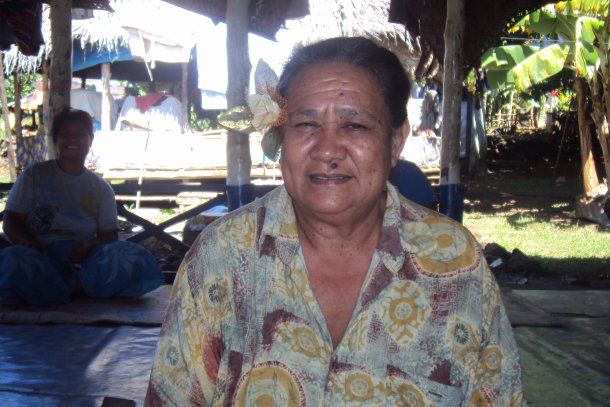
Most of the women that I’ve given loans to have been younger than I am because loaning to mothers with children in their care has been one of my priorities but this time I decided to look for a woman who was 60. Kiva doesn’t list borrowers according to age so finding her took awhile. I scanned the long list of women in need, looking at each thumbnail photo for one who looked like she might be 60. Sadly, I clicked on many well worn faces only to find that they were much younger. I was reminded again how fortunate I am to have had the life I’ve had. Finally, after searching through many profiles, there she was. Sofai!  My loan will enable her to purchase chemicals, sprayers, shovels and fertilizers for her small taro plantation on the Pacific island of Samoa.

Sofai

Over the next few weeks, I’m going to be looking for other ways to celebrate my “coming of age”. I’m not sure what they might be.

Any suggestions?

I don’t like being Spam!

What were you doing in my spam?” asked LouAnn, writer of ON THE HOMEFRONT, one of the blogs that I’ve been following lately.

I wish I could answer that, LouAnn! Apparently I’ve been ending up in a lot of people’s Spam lately, even my own daughter’s!

So what is Spam? No, I’m not talking about the canned luncheon meat that we found to be so popular on the island of Saipan!

According to Wikipedia, “Spam is the use of electronic messaging systems to send unsolicited bulk messages, especially advertising, indiscriminately.” Not guilty!

Microsoft Security defines it as “any kind of unwanted online communication.” Unwanted? Are my comments unwanted? I don’t think so! I tend to receive positive responses to the ones that don’t disappear into Spam folders never to be seen again.

So why are my comments ending up in Spam folders? That’s a good question and one that the WordPress happiness engineers haven’t been able to answer to my satisfaction yet. I do appreciate the support that I get when something goes wrong in the blogging world but I wish that they could figure this one out for me as I really don’t like being Spam!

This is not me!

An added blessing

I spent most of this morning in a dentist’s chair with my mouth wide open. In addition to having a broken tooth prepared for a crown and a temporary crown inserted, I had my annual cleaning and check-up. Little did I know that I might also be helping delay the onset of Alzheimer’s disease!

As I mentioned in an earlier post, though there isn’t enough scientific evidence to prove that a healthy lifestyle can prevent Alzheimer’s disease, studies have shown that regular exercise, a healthy diet, managing stress, getting quality sleep, staying socially active and engaging in mentally stimulating activities may help prevent or delay symptoms. Now it looks like good dental hygiene should be added to that list.

When I got home from the dentist and sat down to read the morning news the headline “Dental health linked to dementia risk” caught my eye. I was already aware of the connection between gum disease and heart disease, but dementia? As is so often the case, upon reading the article I discovered that the headline slightly overstates the case.

Apparently researchers in California who followed approximately 5500 seniors over an 18 year period found that women who reported brushing their teeth less than once a day were up to 65% more likely to develop dementia than those who brushed daily. The effect appeared to be less pronounced amongst men but men who had lost all or most of their own teeth and who did not wear dentures had almost twice the incidence of dementia as their counterparts. Other studies have found that people with Alzheimer’s disease, the most common form of dementia, have more gum disease-related bacteria in their brains than people without Alzheimer’s.

This morning’s article went on to say, however, that these studies do not prove that poor dental health results in dementia or that brushing your teeth regularly will prevent you from getting Alzheimer’s disease. Clearly much more research needs to be done before a link between dental health and the risk of dementia can be proven. For example, could the evidence simply be showing that people in the very early stages of dementia often fail to practice good dental hygiene?

Either way, I was happy to hear my dentist say that, other than the broken tooth, my teeth and gums are in excellent condition. If keeping them that way has any chance of protecting me against my mother’s fate, that’s definitely an added blessing!

Getting back on the horse

I suspect that the person who coined the saying “When you fall off the horse, you have to get back on” meant right away, not 35 years later!

I didn’t actually fall off the last time I was on a horse but it was quite a ride. Early in the spring of 1977, less than a year after we were married, Richard and I were visiting his parents’ farm when we decided to take the horses, Moose and Ginger, out for a ride. They hadn’t been ridden all winter. We rode up into the hills behind the house and all went well until we turned the horses toward home. That’s when Moose, with Richard aboard, decided to pull out all the stops and head back down the muddy trail at a full gallop! Moose came by his name honestly. He was a giant of a horse and stubborn as well. There was nothing Richard could do to slow him down. When Ginger, usually a calm and gentle mare, saw Moose take off, she decided to follow suit. I was an inexperienced rider; a city girl who’d married into a farming family. I clung to the saddle horn, determined that I was not going to fall off that horse and make a complete fool of myself. Down the trail we flew with mud flying everywhere. To this day I remember the thoughts running through my mind. I couldn’t remember whether or not we’d closed the gate at the bottom of the hill. If we had, what would the horses do when they got there? I was certain that if Ginger came to a sudden stop, I’d be launched into the air and would land as a broken heap somewhere on the other side of the fence! Fortunately, the gate was open and the horses slowed to a stop as they entered the yard. I slid off and walked gingerly back to the house covered in mud but with my pride intact. I had not fallen off the horse!

It wasn’t the wild ride that kept me from ever mounting a horse again. Over the next few years, pregnancies and babies kept my feet on solid ground when I was visiting my inlaws. Time slipped by and eventually there weren’t horses at the farm anymore. The opportunity to ride just didn’t present itself again.

This summer, as we travelled into BC’s Chilcotin ranching country, I decided that the time had come to get back on a horse. I wanted to go for a trail ride and though Richard was less than enthusiastic about the idea, he agreed to go with me and to fork over the high price that they charge tourists for such activities. Unfortunately, however, the day we’d chosen was a dismal rainy one. That’s when my wise husband came up with a much better suggestion. “If you really want to get back on a horse,” he said. “Why don’t you ask Sheryl to take you riding?”

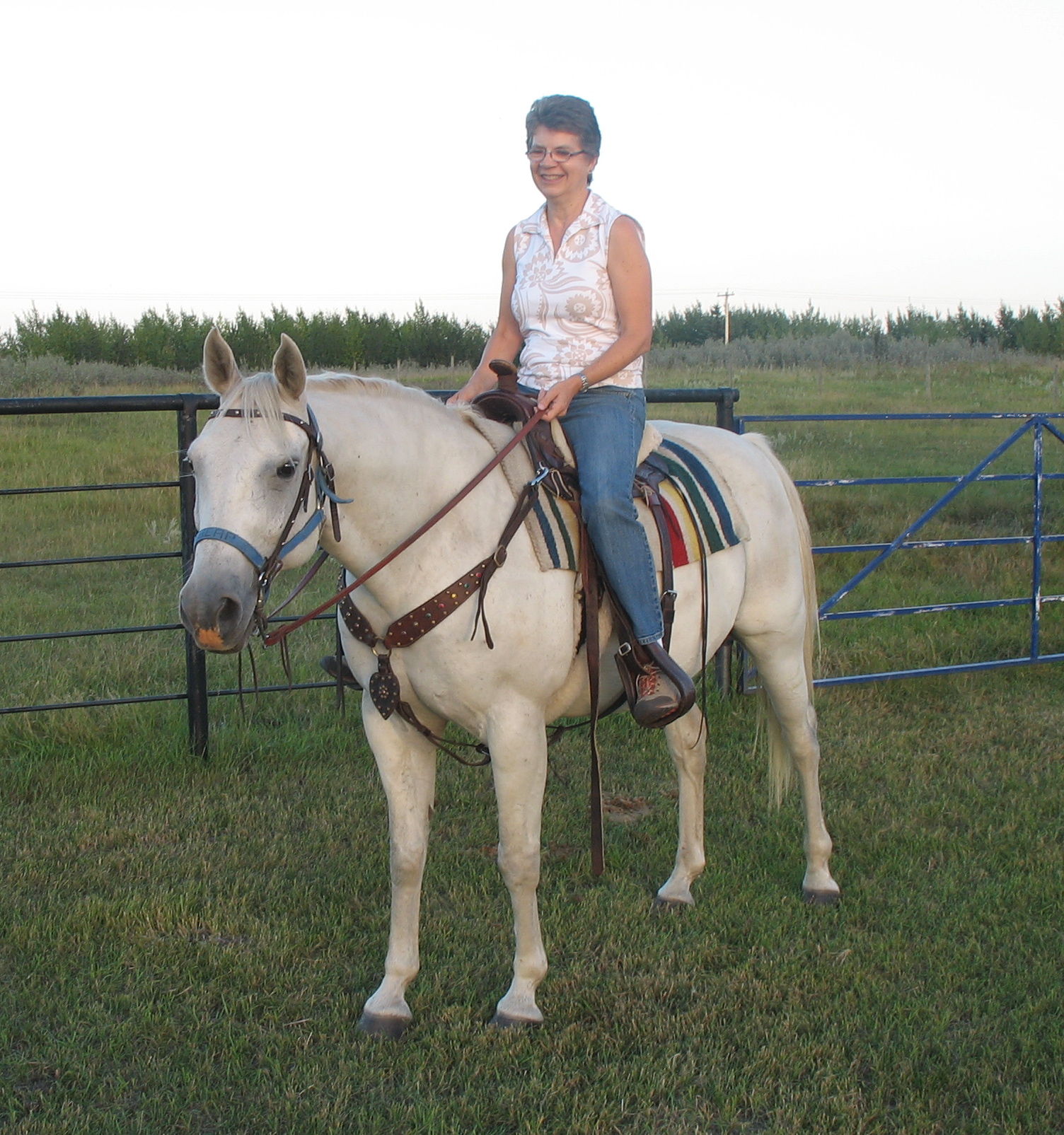
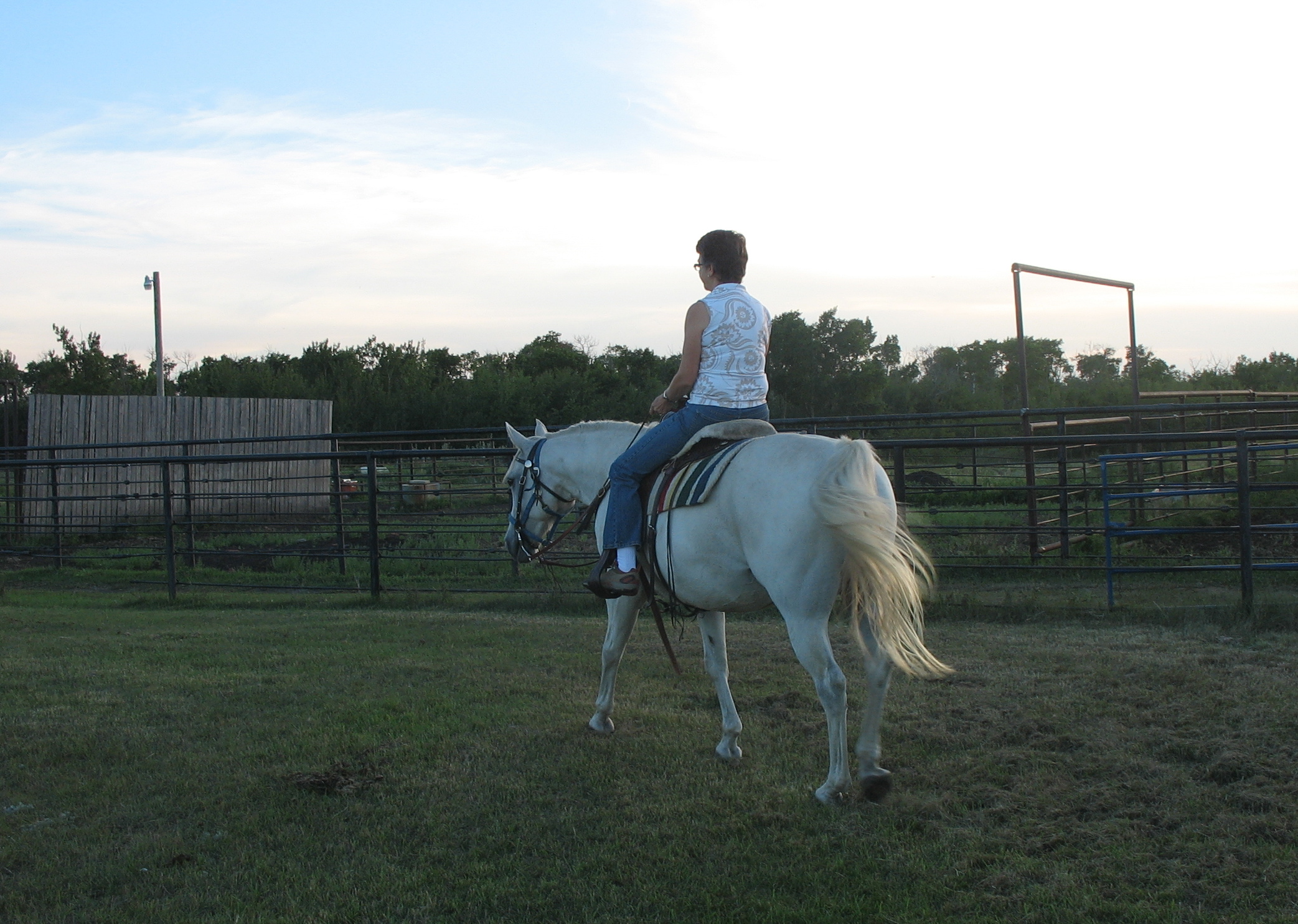
Sheryl is a long-time friend who loves riding and has her own horses. Knowing that I might not actually ask her, Richard did it for me and Sheryl readily agreed. She and I are co-leading of a group of children at Vacation Bible School this week and when this morning’s activities were over she suggested that we go riding this evening.  She and her husband, Trevor, own a hobby farm not far from town. They have quite a bit of bush and pasture land that is crisscrossed with riding trails. As the sun dropped below the horizon and cooler air replaced the heat of the day, we enjoyed a peaceful ride and a great visit. It was like going for a hike without any of the effort! As the evening came to an end, I told Sheryl that I’d love to do it again sometime. I’d just better not wait 35 years this time!


Riding Willow, a gentle horse of mostly Arabian descent.


Thank you, Sheryl!

an·tic·i·pa·tion

(an-tis-uh-pay-shun)  noun
1.  realization in advance, foretaste
2.  expectation or hope.
3.  a feeling of excitement about something that is going to happen in the near future

So what am I anticipating? First of all, did you know that August 18 has been designated International Geocaching Day, a day devoted to the hobby we’ve grown to love? Until recently, I didn’t either. Apparently today thousands of geocachers will attend one of more than 100 International Geocaching Day events around the globe. We won’t be amongst them but we wanted to do something special to honour the day. From the moment that we began geocaching 4 months ago, we’ve been planning on placing a few caches of our own around our area for other searchers to locate. The only reason that we didn’t place our first cache before this was because we haven’t been home enough but what better way to celebrate our first International Geocaching Day than to hide our first cache. We actually hid it yesterday as we knew we wouldn’t have the opportunity today but it was first published on geocaching.com this morning. So, I’m anticipating someone finding it soon! We also planted our first trackable in the cache. A trackable is a geocaching game piece that is moved from cache to cache by geocachers like ourselves. The goal we gave our trackable, attached to a Canada flag keychain, was to visit all 10 provinces and 3 territories of Canada as well as all 50 US states so I’m anticipating following it’s journey as it travels around North America.

I’m also anticipating being very busy this coming week. I spent this morning over at the church decorating for Vacation Bible School which starts at 9:00 a.m. Monday morning. We’ll spend every morning from Monday to Friday with an energetic bunch of kids helping lead them through a fun filled week of learning that “Everything is possible with God” (Mark 10:27). I’m also anticipating our house being busier than usual this week as we host 3 of the Bible school students who are coming to direct the VBS program. Though I thoroughly enjoy our empty nest, I’m looking forward to the excitement that youth bring with them!

Most of all though, I’m anticipating harvest! The reason that we’re not out searching for geocaches this afternoon is that Richard is swathing canola! That means that I’ll soon be out on the combine, one of my favourite places to be. While we were busy holidaying in BC, our home area was enjoying one of the best growing seasons ever. Lots of rain and lots of hot sunny days have resulted in grain that is ready to harvest much earlier than usual. Months ago when we agreed to help out with VBS, we had no reason to expect that it would conflict with harvest so next week we’ll spend mornings at the church and the remainder of each day in the field.

How boring life would be if we had nothing to anticipate!

What are you anticipating right now?

Barkerville

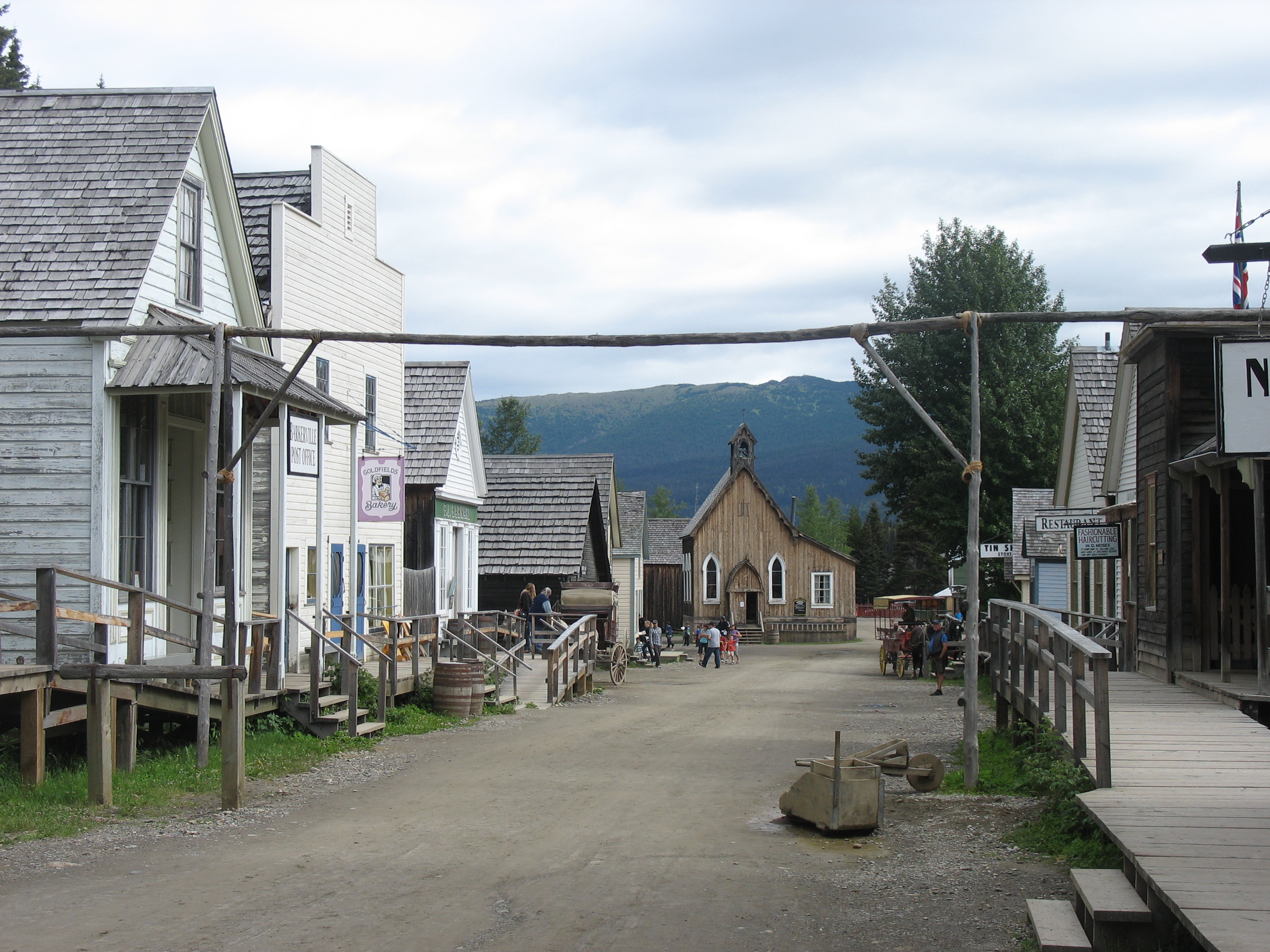
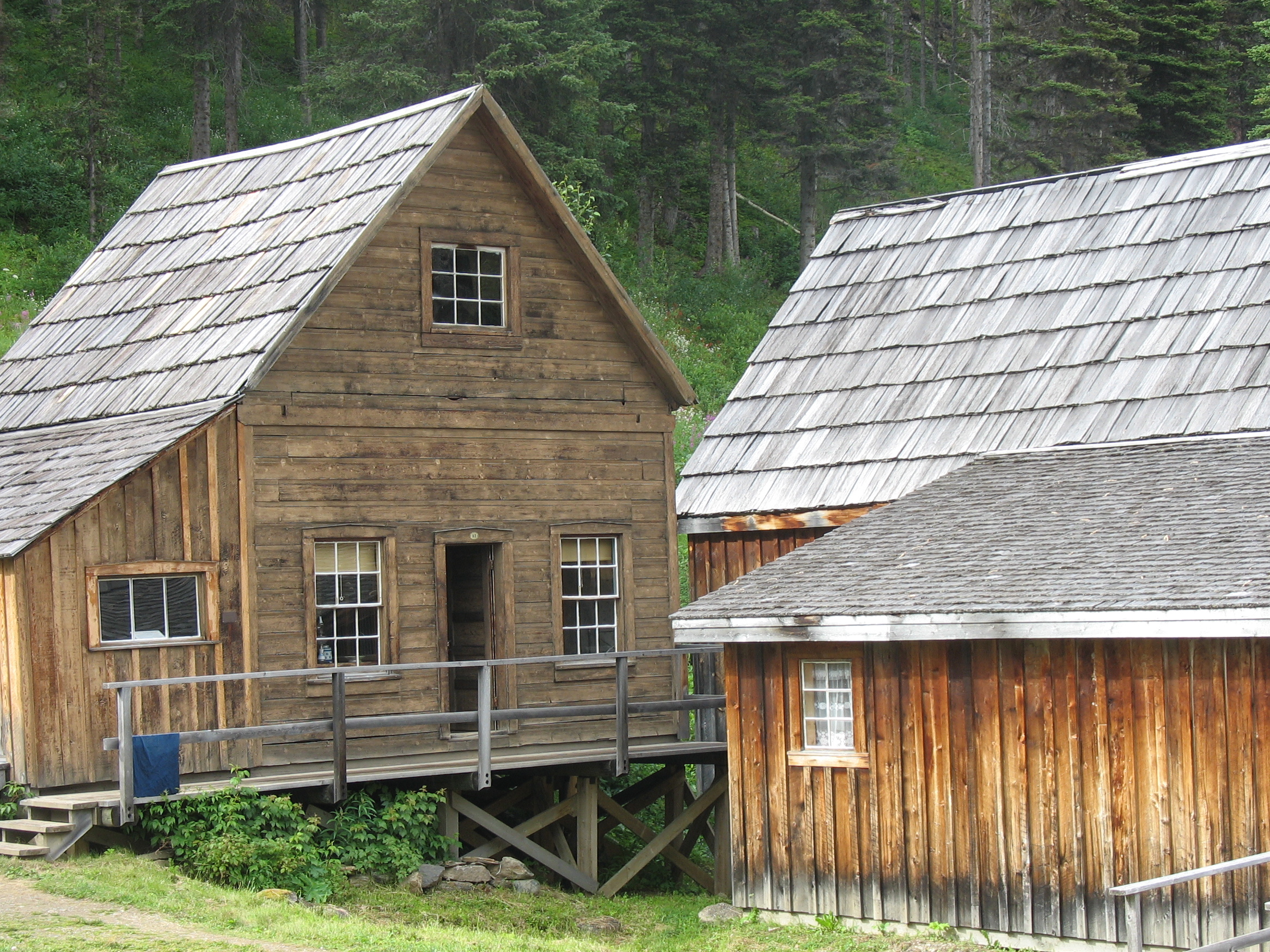
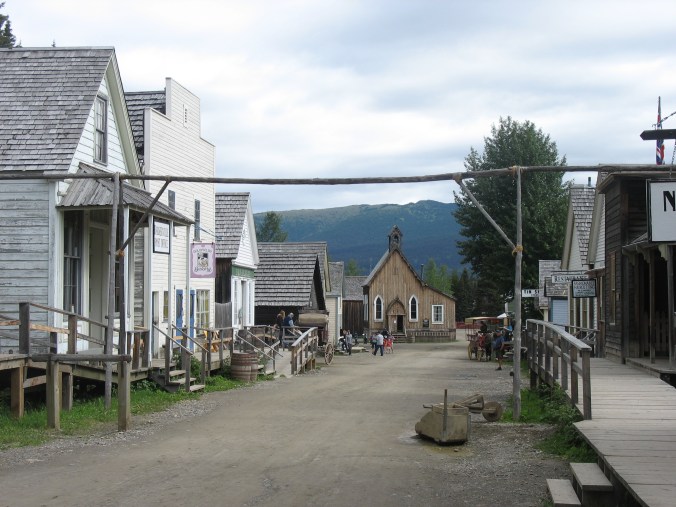
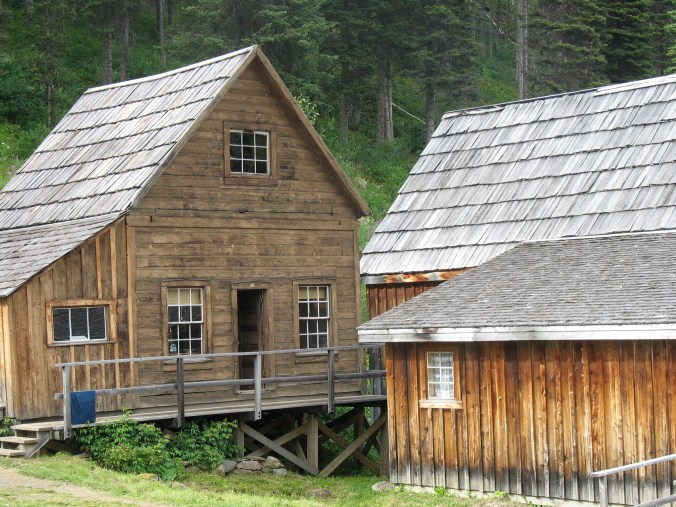
Like the miners of old, our destination as we travelled British Columbia’s gold rush trail was Barkerville situated high on the western edge of the Cariboo Mountains. Billy Barker found gold in nearby William’s Creek in 1862 triggering a stampede of thousands hoping to strike it rich. Barkerville soon had the largest population north of San Francisco and west of Chicago. Hungry for gold, men came from around the world and businesses of every description sprang into existence to provide for their needs and to profit from their earnings. Barkerville burned to the ground in September 1868 but it was quickly rebuilt.

As time went by and the gold supply dwindled, Barkerville became little more than a ghost town. In the late 1950s, the government of British Columbia decided that the town should be restored and operated as a tourist attraction. A great deal of effort went into ensuring its authenticity. Interestingly, as restoration began much was learned about life in Barkerville during its heyday from newspapers found stuffed behind walls to provide insulation from winter’s bitter cold.

When we walked through the doors of the Visitor’s Centre onto the streets of Barkerville, we stepped back in time. If you’ve been reading this blog for very long, you know that we are fascinated by old abandoned houses and the stories of the people who lived in them. Now imagine us surrounded by a whole town with more than 125 historical buildings, some original and some reconstructed! Boardwalks and dirt streets preserve the look of the original town and attendants in period costume add to the ambiance and entertain visitors with Barkerville’s stories.


Over the years, we’ve visited a number of similar sites; Fort Edmonton, Calgary’s Heritage Park, Nova Scotia’s Fortress of Louisbourg and Upper Canada Village near Morrisburg, Ontario. The latter is probably still my favourite because of its working lumber mill, textile mill and flour mill but unlike Barkerville, most of these are compilations of buildings brought from various different locations. Barkerville is unique in that it existed as a living town exactly where it stands today. The people whose stories we heard were real people. They came from around the world in search of gold and stayed to form a community. As we wandered the cemetery just outside town, we saw their names on the headstones. I wondered what it must be like for those who are still alive today who grew up in Barkerville and who saw their hometown become first a ghost town and then a tourist attraction. I wonder how many of them ever go back.

We easily spent a day and a half at Barkerville. We did the guided town tour and the historical tour of Chinatown, we took in the Cornish Waterwheel demonstration and ate at the Goldfield Bakery and at Wake-Up Jake’s Restaurant and Coffee Saloon, we saw a live show at the Theatre Royal and we browsed through the various shops.

Why not come and tour with us?

Someone’s waiting to take you for a ride

St. Saviours Anglican Church at the head of main street
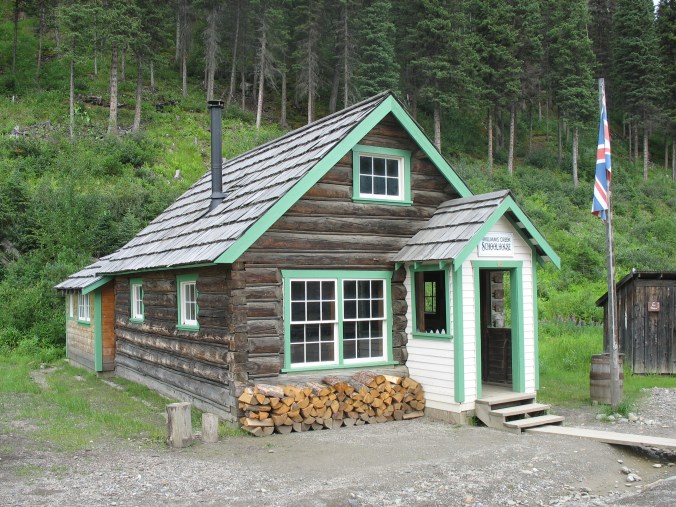
The schoolhouse
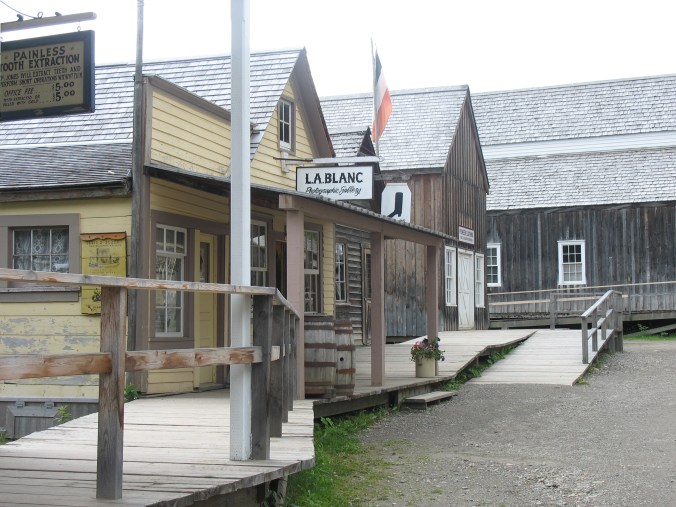
Notice the sign for Dr. Jones’ dental office in the top left hand corner. Painless tooth extraction and cheap too!
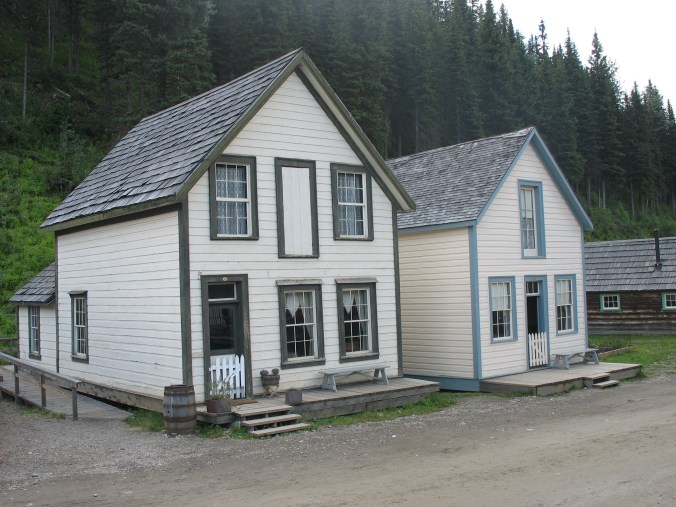
The Wendle house and the William Bowron house, a couple of the posher homes in town
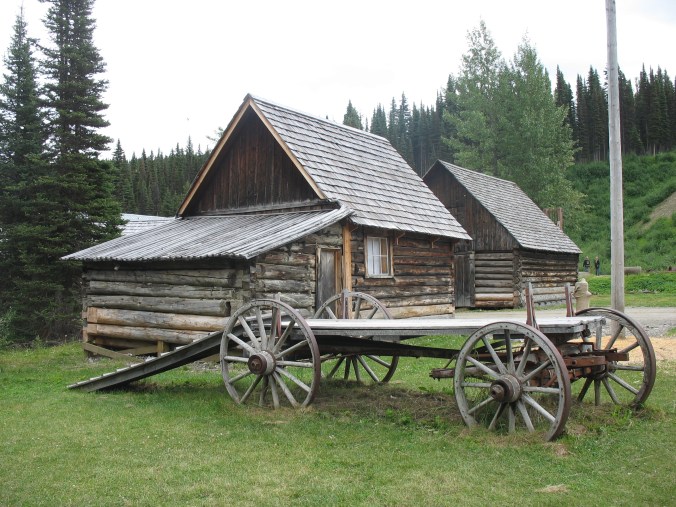
These are more typical

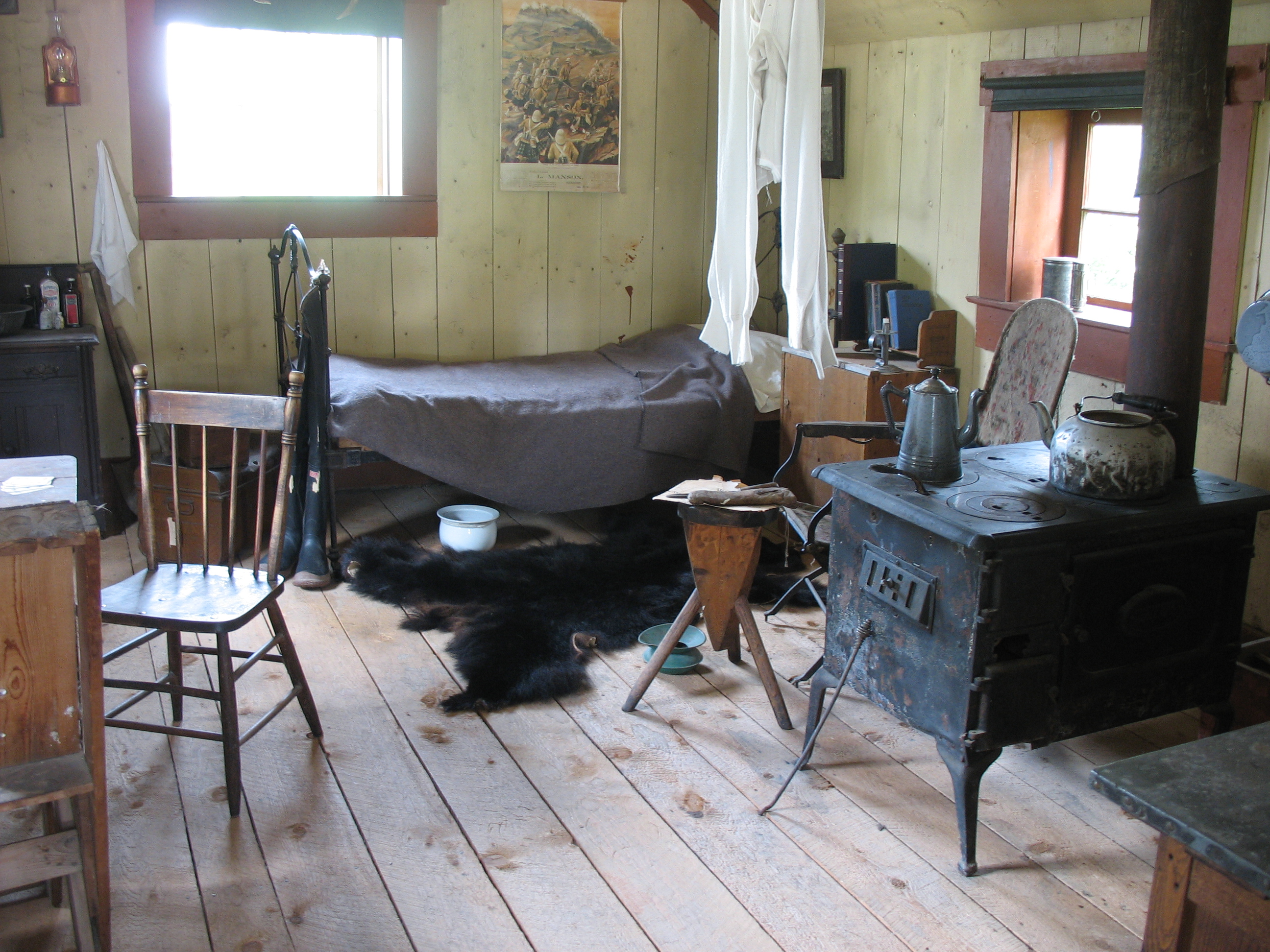
Inside a typical miner’s cabin

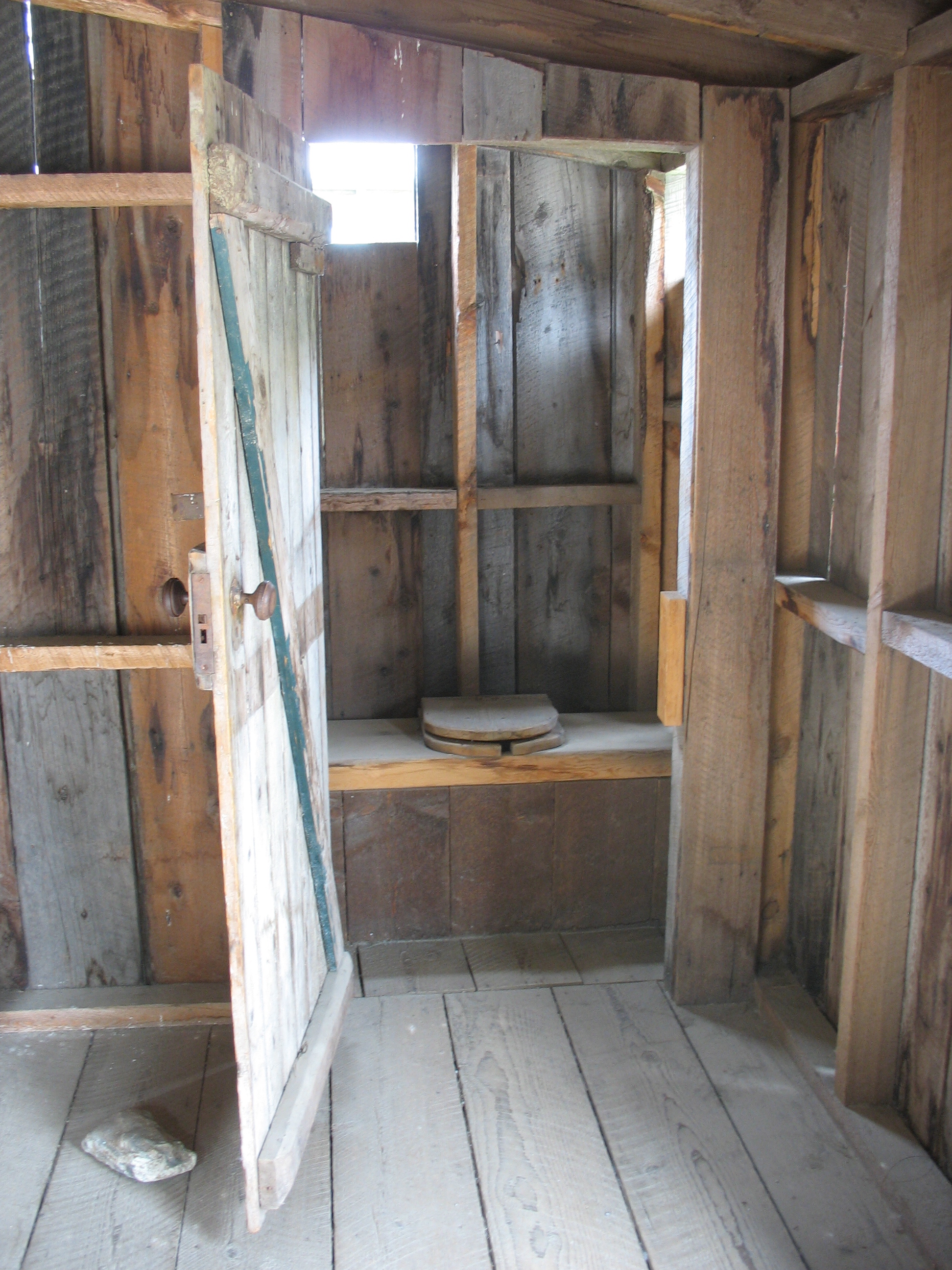
Someone had indoor plumbing… sort of!
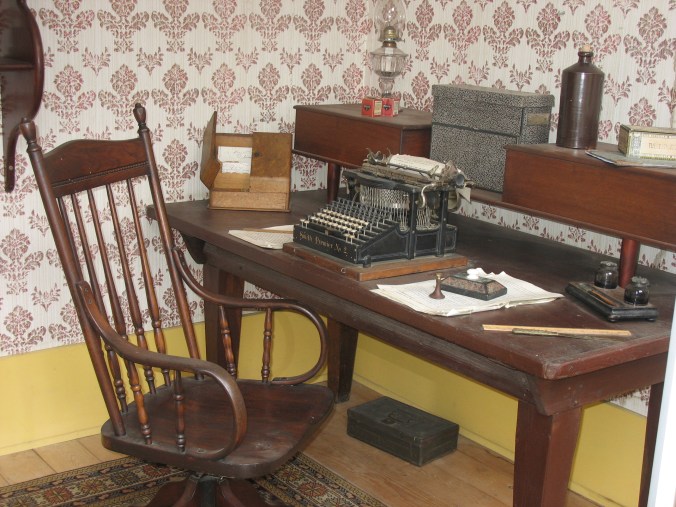
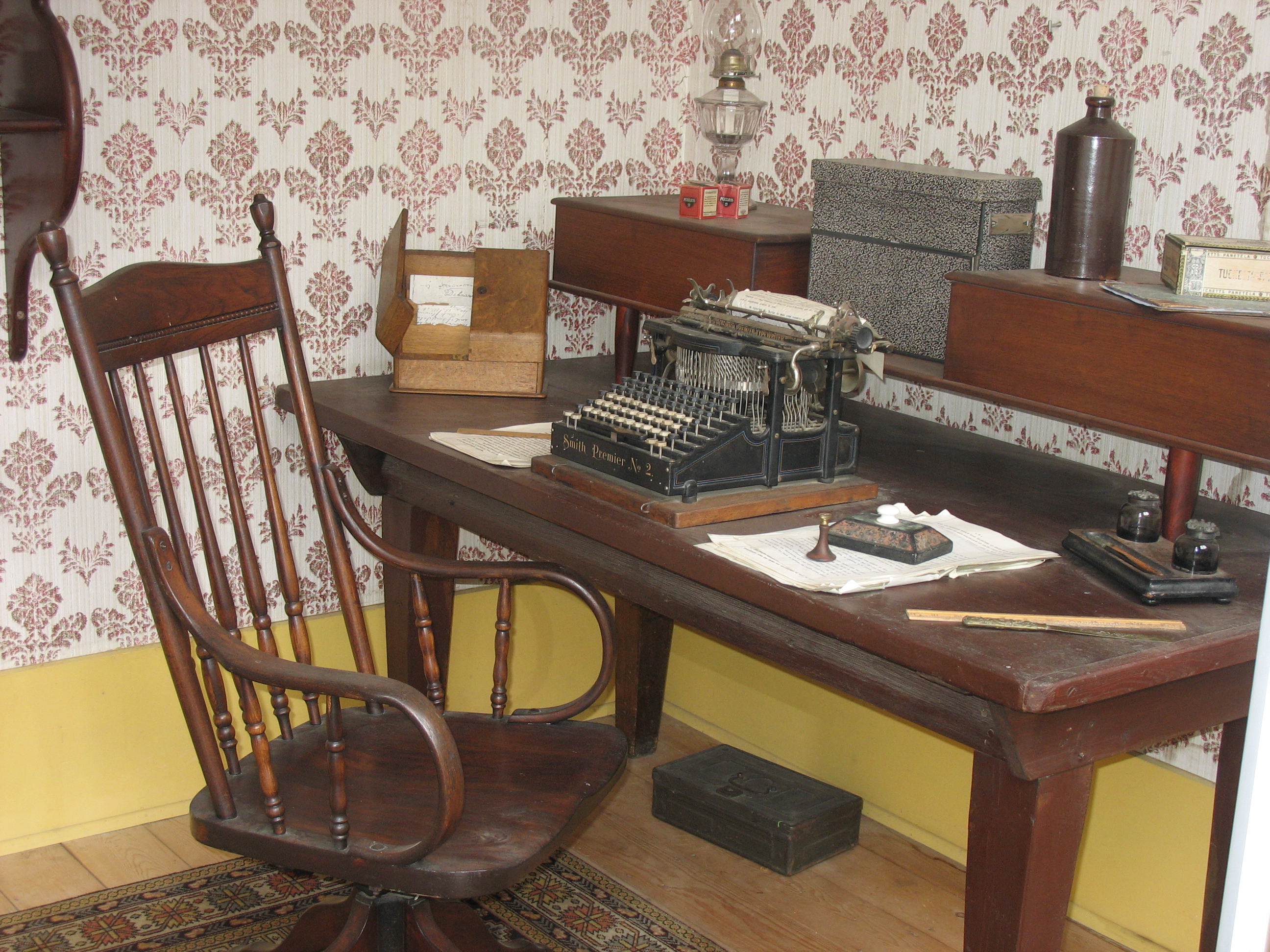
When I saw the lawyer’s office I thought of our son, Matt. I haven’t seen his new office yet but I suspect it’s a bit more modern!
That’s really odd!

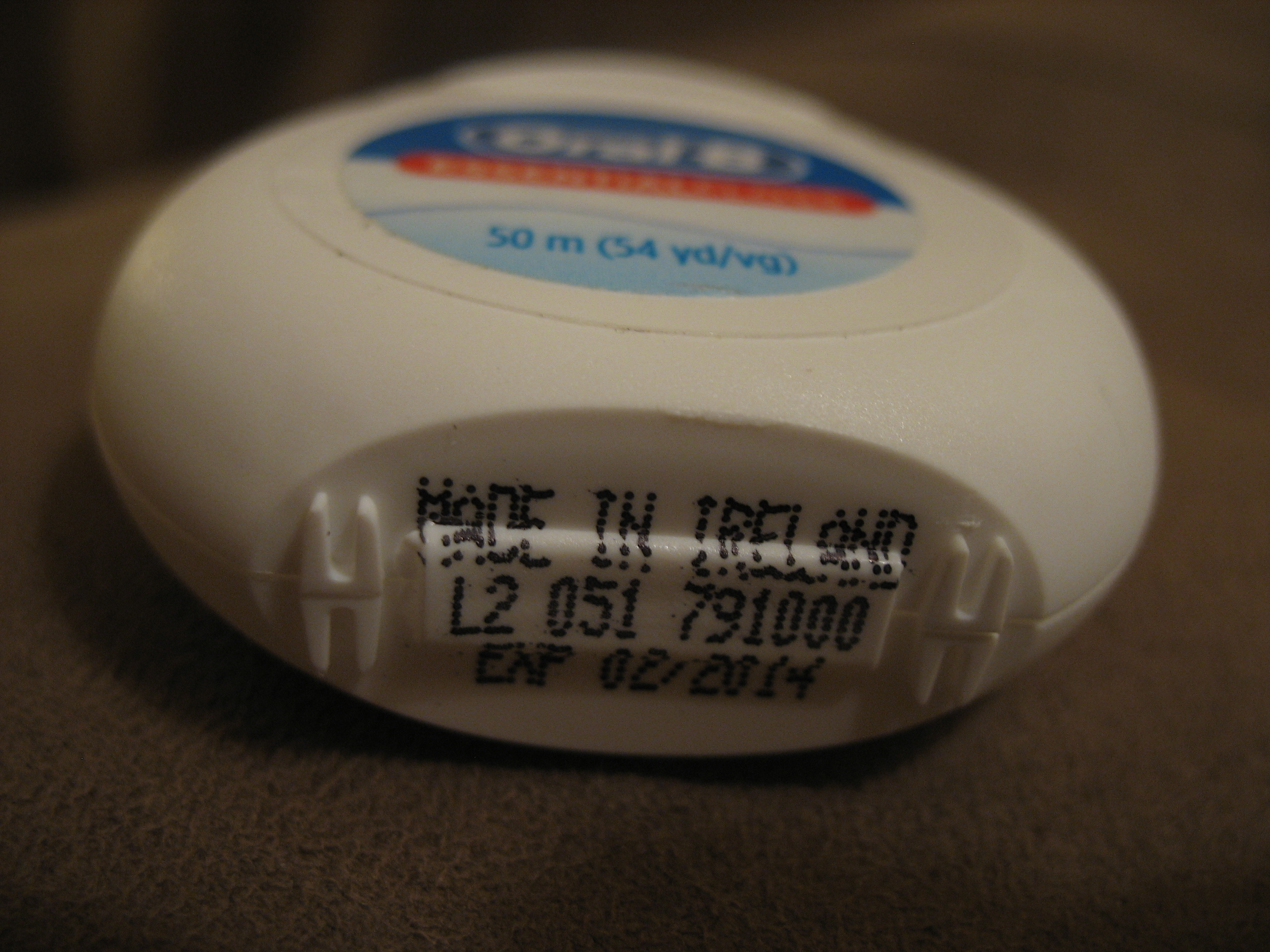
Every once in awhile we come across something really odd or out of place; something that doesn’t seem to make any sense at all, something like the expiry date on my dental floss! I’m really tempted to leave an open package on the shelf long past its best before date just to see what happens!

Sometimes things seem odd only because we don’t understand them. On our recent trip to Anahim Lake, we came across such a thing, the abandoned Canadian Coast Guard site, Loran C. It was the sign on the gate that left me most baffled.

The protection of life and property at sea? We must have been 300 km or more from the coast! It made absolutely no sense to me. There had to be an explanation for this one. I realize that governments are known for wasting money but surely they wouldn’t build a coast guard installation in the interior for no reason at all, or would they? That’s what I love about the internet; answers at my fingertips, but I had to wait until we got home to search for this one.

It turns out that the Loran (Long Range Navigation) C station west of Williams Lake was one of a series throughout both Canada and the US. It was part of a radio navigation system which enabled ships and aircraft to determine their position and speed using low frequency radio signals transmitted by fixed land based radio beacons. With the advent of the satellite based Global Positioning System (GPS) the Loran C became obsolete and last year the decision was made to decommission it and dismantle the 183m (600 feet) radio tower because it was deemed to be a hazard to both public safety and aviation in the area once the station was no longer manned.

I’m glad to have found an explanation for the Loran C but that still doesn’t answer my burning question… what happens to dental floss that isn’t used up before it’s expiry date?

Memories remade

I don’t think many tourists go to Anahim Lake, BC. I’m sure that even fewer go a second time. There’s not much about the remote community of 360, located 316 km (198 miles) west of Williams Lake, to attract visitors. With its scattered homes and rough unpaved roads, it’s really quite sad looking.

Someone taking the BC Ferries Discovery Coast Passage between Port Hardy on Vancouver Island and Bella Coola on the mainland, might stop there for gas (142.9/litre when we were there). Others might come for the year-round outdoor adventure opportunities in nearby Tweedsmuir Provincial Park and the surrounding area; activities including fishing, canoeing, hiking, horseback riding, and bird watching in the summer or cross-country skiing and snowmobiling in the winter but they wouldn’t find meals or accommodation available at Anahim Lake.

When we decided to leave the trailer in Williams Lake and take a day trip to the west, we didn’t know how far we’d go but as the day progressed Anahim Lake became our destination, our turn around point. I remembered nothing of the community itself from my first visit on a family vacation in the mid 1960s. What I did remember was attending the Anahim Lake rodeo, still an annual event. For a horse mad city girl, a genuine small town rodeo was big excitement! Huge!

Ever since my mother’s diagnosis with Alzheimer’s disease, memory and how it works has fascinated me. Over the years as I’ve thought back on childhood trips through central BC, I remembered the wide open rolling ranchland of the Chilcotin region. As we drove out to Anahim Lake this summer, I was surprised to see much less of that than I expected to. Much of our time was spent driving through forest. Logging trucks with heavy loads lumbered past us all day long but I remembered nothing of that. I suspect that that’s because I was growing up at the coast surrounded by forest and forestry. It wasn’t unusual. It didn’t stand out. Ranching, however, was something brand new and interesting. At that point in my life, I’d never been to the prairies and had never seen vast expanses of wide open land.

I did remember bumping over cattle guards and sharing the road with cows and horses. That hasn’t changed. You definitely know you’re in ranching country when open range livestock have the right of way and you stop beside the highway to wait while a lone cowgirl drives a herd of cattle down the road!

I loved the rustic fences that are still in use throughout the area.

Hell’s Gate

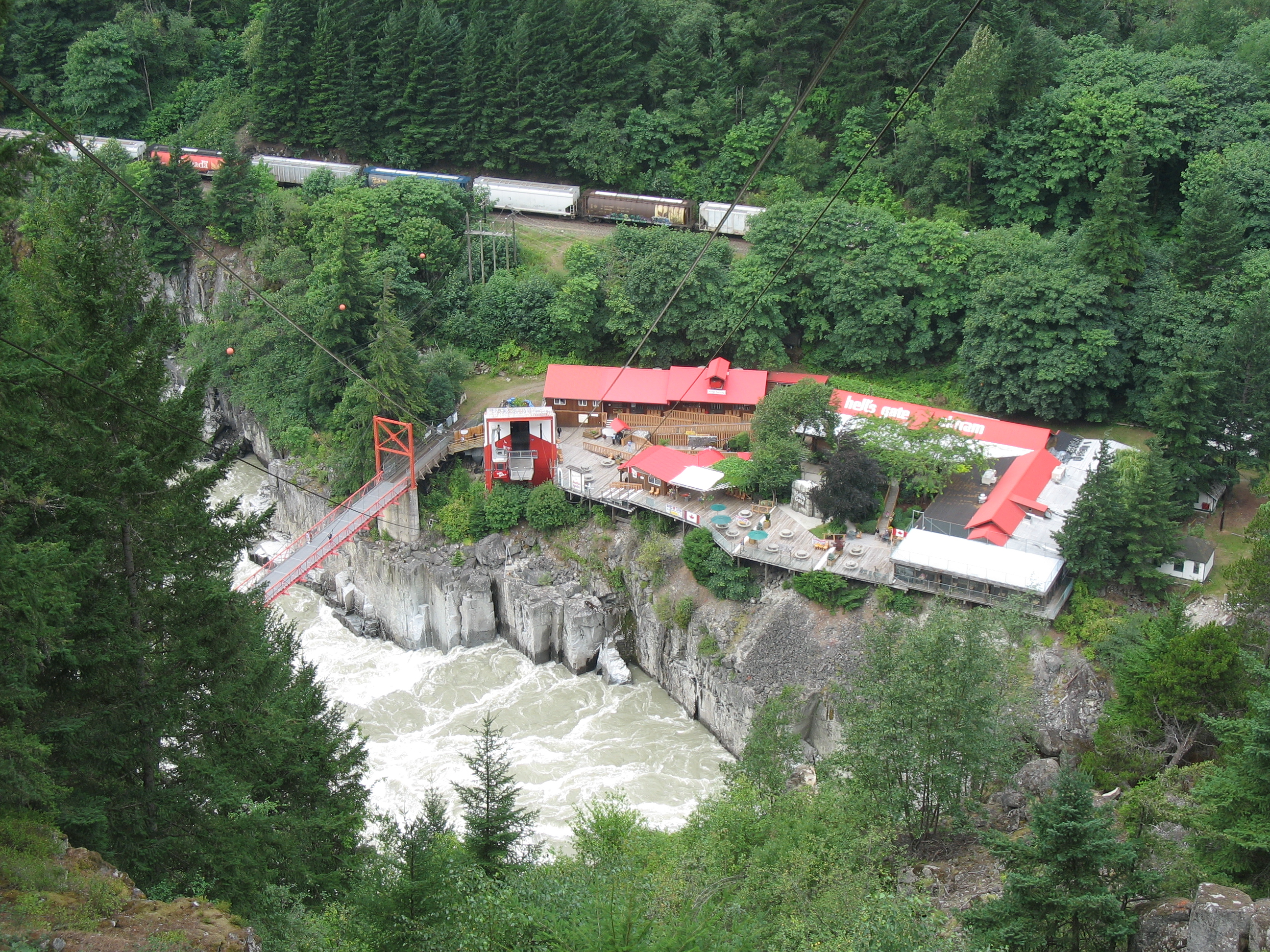
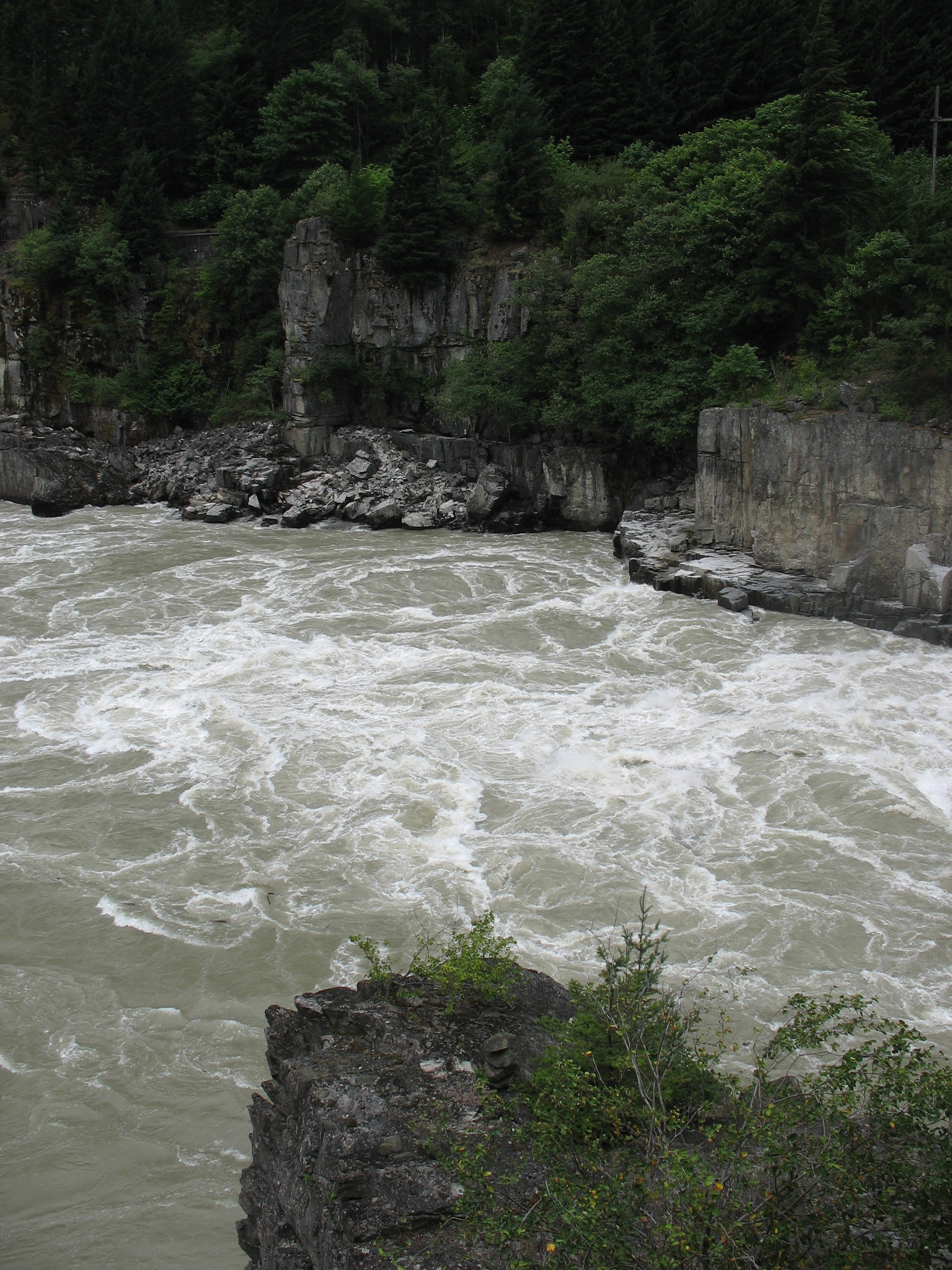
Travelling the gold rush trail included a stop at Hell’s Gate, one of British Columbia’s prime tourist spots. Here, at the narrowest and deepest spot on the Fraser River, towering rock walls plunge toward each other forcing the water through a gorge that’s only 35 metres (110 feet wide).

“We had to travel where no human being should venture for surely we have encountered the gates of hell.”

Today, the river is even narrower at Hell’s Gate than it was in 1808 when the explorer, Simon Fraser, penned those words. During the construction of the Canadian National Railway through the canyon in 1913, blasting triggered a rock slide that partially blocked the river’s path.

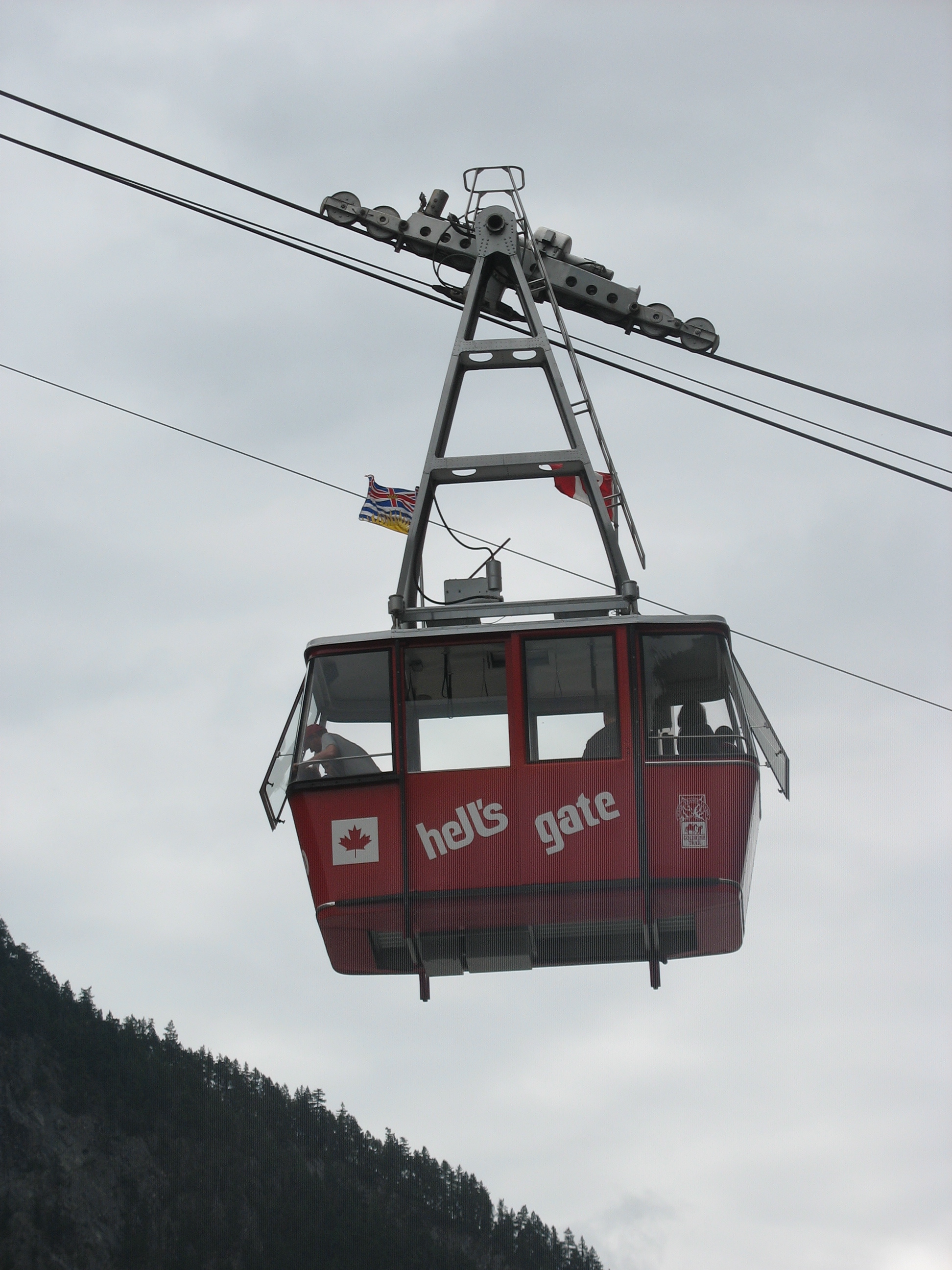
We enjoyed breathtaking views as we descended 153 metres (502 feet) into the canyon on the 25-passenger airtram that crosses the river at its narrowest point. Had I not overcome my fear of heights in recent years, I don’t know if I could have done it.

our destination

Though it’s very stable and the side rails are high, I certainly couldn’t have walked across the suspension bridge with it’s open grate floor in my younger days but that’s my shoe, proof that I really did it!


Hell’s Gate is more than just a tourist attraction. The 1913 rock slide resulted in a dramatic drop in the salmon run up the river at spawning time. It took 30 years of work by dedicated scientists and several years of construction to repair the damage. Now, Hell’s Gate fishways, built by a joint Canadian – United States Commission stands as monument to man’s dedication and ingenuity and once again allows the salmon to migrate upstream to their spawning grounds.

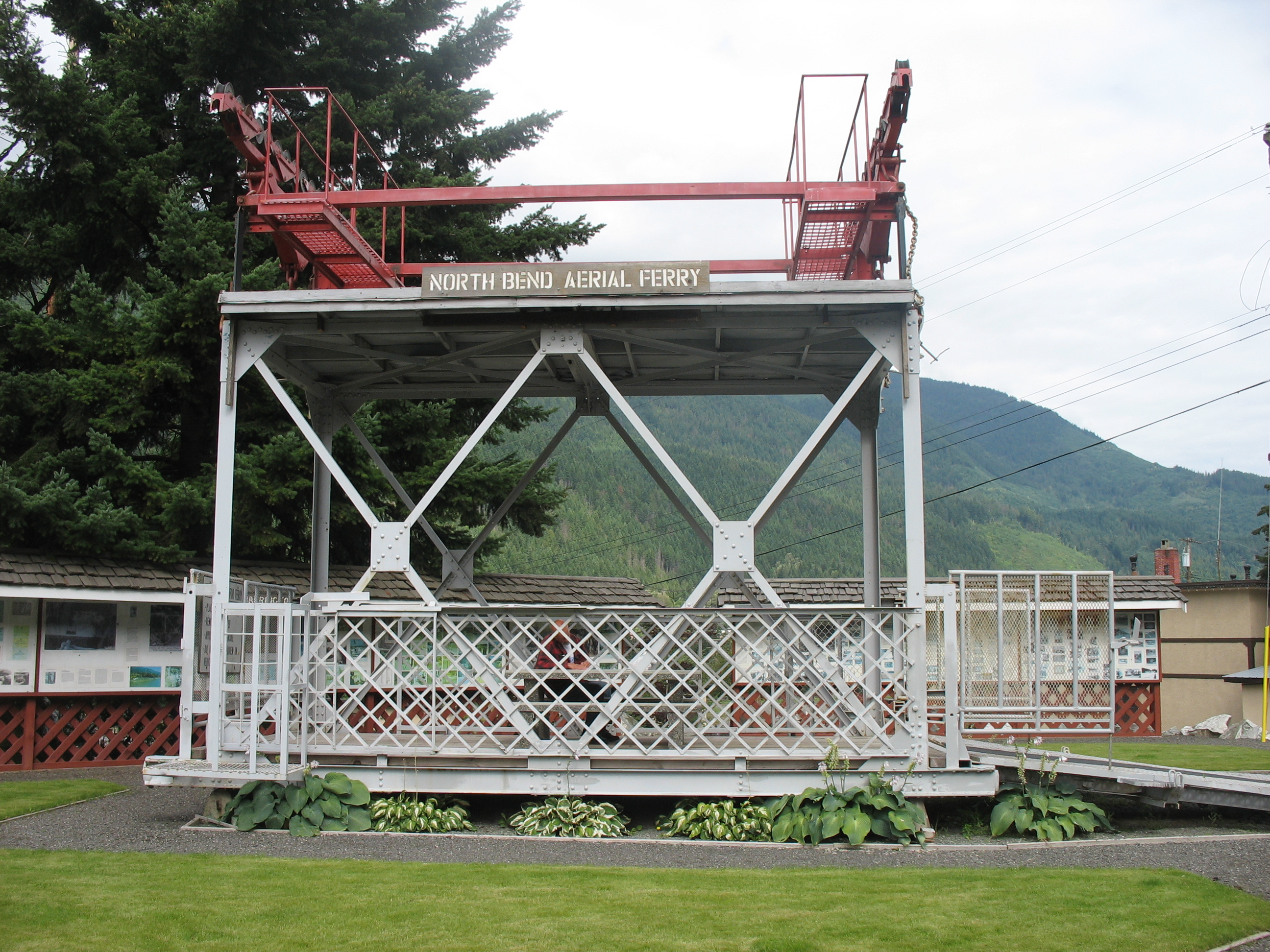
Just upriver from Hell’s Gate, we stopped at the small community of Boston Bar to photograph a different sort of aerial tram. Dangling high above the mighty Fraser River on cables that were 366 metres (1200 feet) long, the North Bend Aerial Ferry transported passengers and vehicles across the river for 45 years. I remember watching my family cross on this contraption in the mid 1960s. I thought they were crazy and refused to go with them. I still remember standing on solid ground convinced that I was about to become an orphan! Fortunately, my family lived to tell the tale and the aerial ferry continued to operate without incident until a bridge was built in 1985.