Home to Funabashi

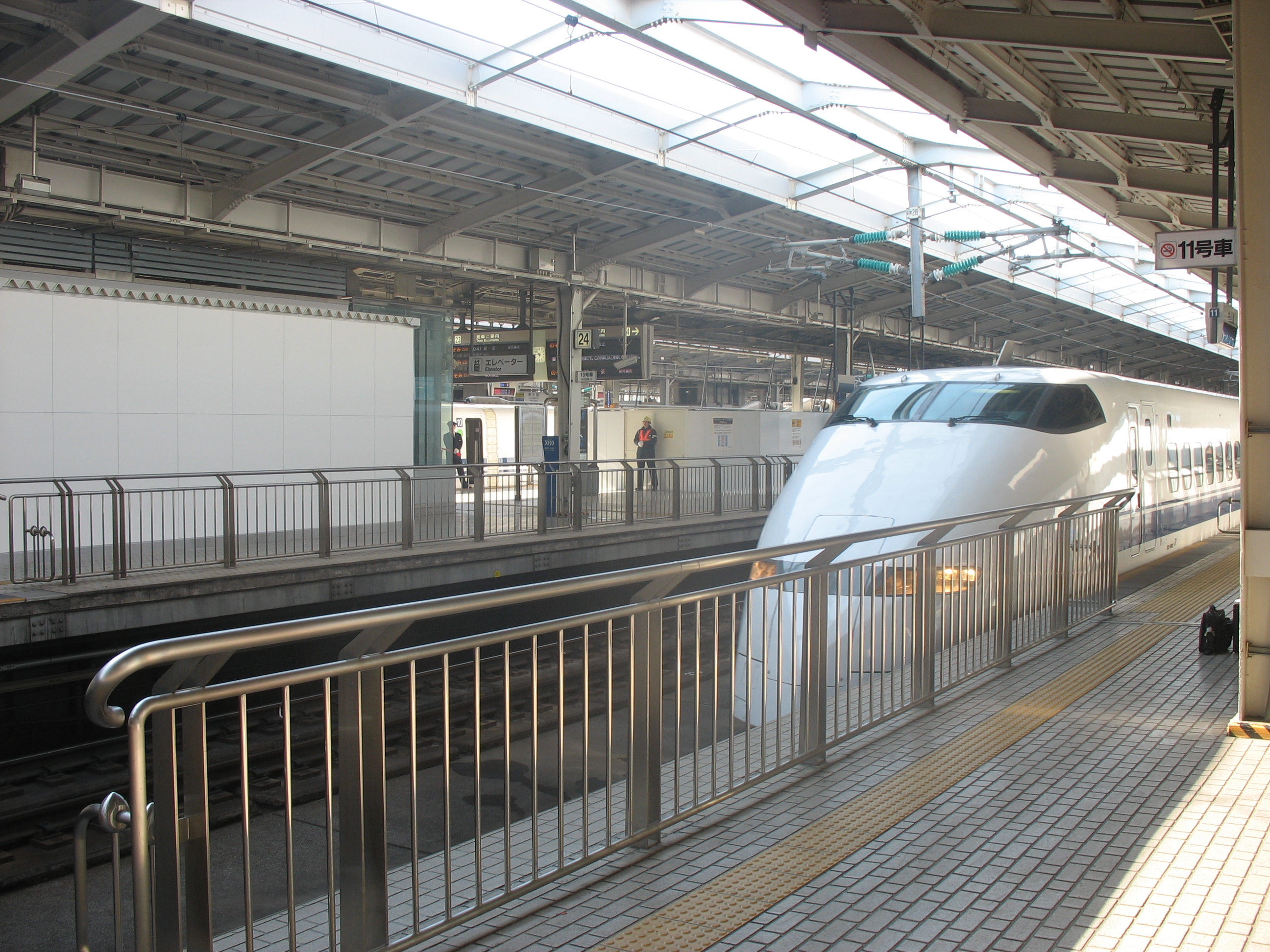
We came ‘home’ to Funabashi yesterday travelling from Osaka to Tokyo on the Shinkansen (bullet train). Ever the frugal travellers and having plenty of time to make the trip, we chose a less expensive train that made many stops along the way.

Our train pulling into the station

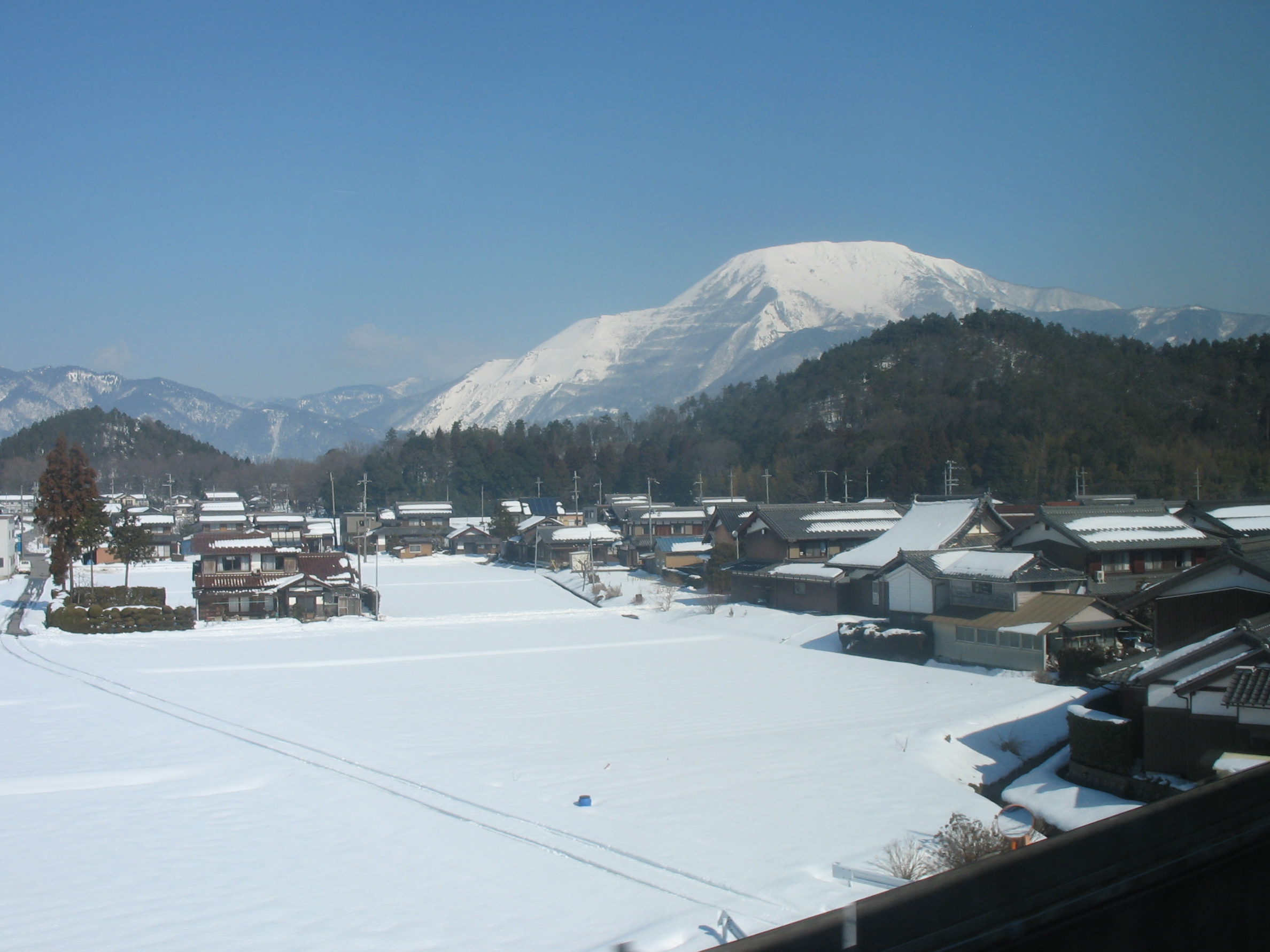
Though we’d been to both Osaka and Tokyo before, we hadn’t seen much of the countryside in between. Near Maibara we saw something we hadn’t seen in Japan before; snow! Apparently parts of the country have had a lot of it lately.

Further along the way we were blessed with a close up, almost perfect view of Mt. Fuji! What a sight! It was very cool to look at it in it’s shining glory and remember the morning in July 2008 when we watched the sunrise from its summit.

Fuji-San


Lost and found

Imagine trying to meet a friend in West Edmonton Mall on a busy day, perhaps during the Christmas shopping season. Now imagine that you’ve never been there before, you don’t know exactly where you’re supposed to meet and you can’t read any of the signs that surround you. That’s pretty much what our experience last evening was like!

We were supposed to meet Matt and Robin’s friend, Kumiko, for dinner. She suggested that we meet at the South/North gate of Namba subway station. South/North? That doesn’t make sense, I told her when we made our plans over the phone a couple of days earlier but she assured me that such a gate existed. I’ve seen enough of the crazy use of English in this country to accept that that was, in fact, a possibility. Namba station, like many others in Japan is a huge shopping complex as well as a train station but it doesn’t have a South/North gate.

When it became obvious that we had no idea where to find Kumiko, we tried calling her on a public phone but couldn’t figure out how it worked; another disadvantage of not knowing the language! We did find a helpful English-speaking lady in an information centre who assured us that the elusive South/North gate did not exist. She suggested that we might go to the station master’s office and ask to have our friend paged. That sounded like a great idea. When we got there, I tried to ask the young man who served us to do just that but his English was extremely limited. Through gestures, I tried to explain. “Oh, you want me to phone your friend?” he asked. That was even better than we hoped for! He made the call and Kumiko, who was actually running a little late, showed up a few minutes later!

She took us to a little restaurant nearby and treated us to an amazing assortment of Japanese dishes. Chicken is the restaurant’s specialty and, in addition to miso soup, seafood sashimi, vegetable tempura and rice, we enjoyed chicken in a variety of ways; raw, deep fried, in mini wraps with avocado, and grilled on little wooden skewers. It was all delicious and we were absolutely stuffed by the time we finished.

It was great to reconnect with Kumiko who was, in fact, our first tour guide in Japan. On the first day of our visit with Matt and Robin in 2005, they had to work and Kumiko spent the day showing us Kyoto.
Ryokuchi-koen

Joel and his parents left for a pastor’s conference yesterday morning and Kelly had a meeting to attend so we were on our own for awhile. With map in hand, we set off by bicycle to find Ryokuchi-koen. Koen is the Japanese word for park. Ryokuchi is huge and includes tennis courts, ball diamonds, playgrounds, flower gardens and many other attractions. Our main reason for going was the Open-air Museum of Old Japanese Farm Houses.

The museum features 11 traditional country homes and other structures that were brought here from all over Japan. All have been painstakingly reconstructed and filled with period era tools and other displays.

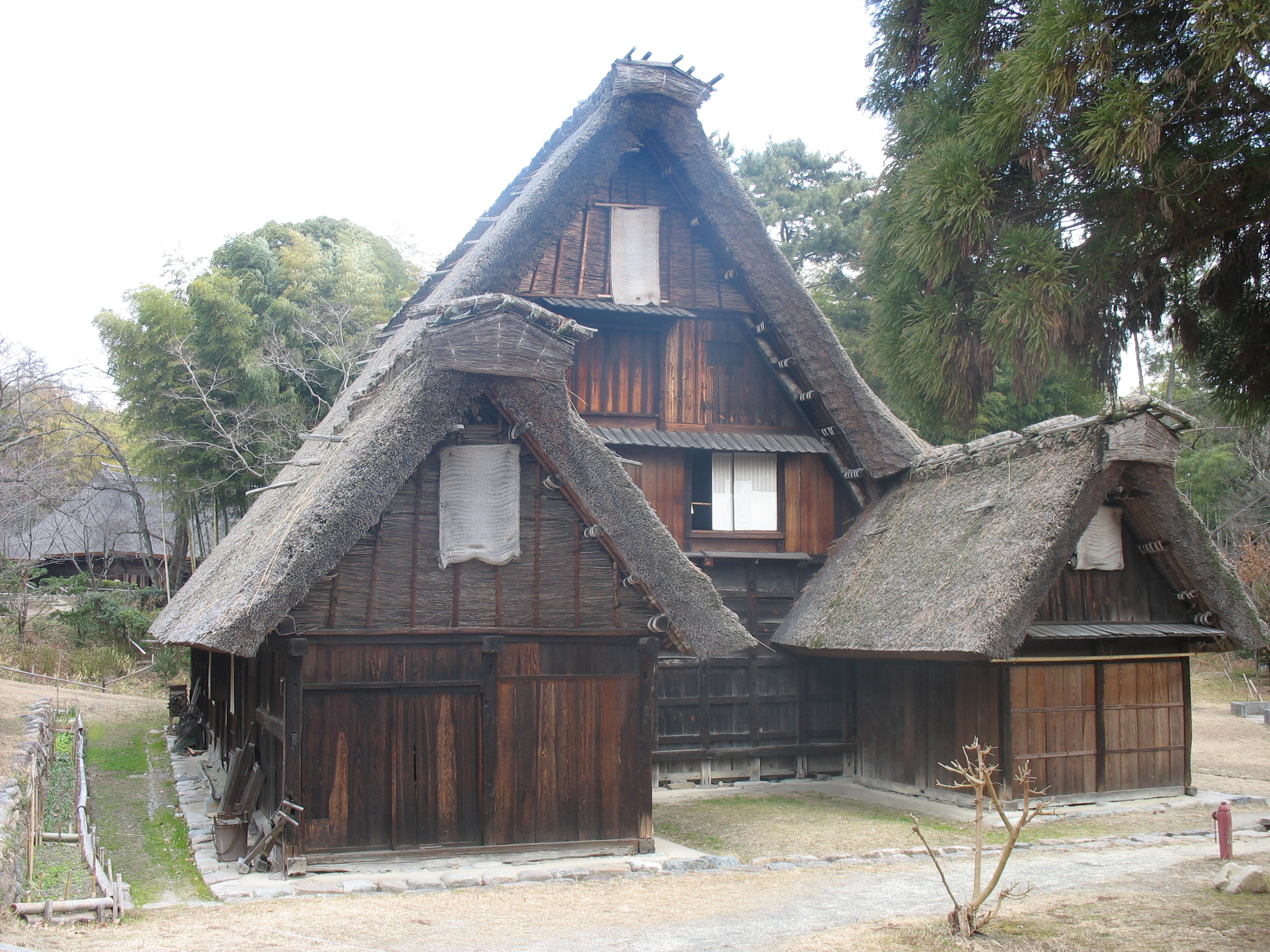
Perhaps the most fascinating of the buildings was the giant thatch roofed Gassho-zukuri from Shirakawa, Gifu Prefecture. Gassho refers to the steep roof which is said to look like two hands pressed together in prayer. An excellent volunteer interpreter who spoke reasonably good English spent considerable time showing us around and explaining not only the architectural details of the house but also the lifestyle of it’s occupants. The extended family of 20 to 40 individuals lived on the main floor while the two upper stories were devoted to the raising of silk worms. The occupants of the house included the parents, the oldest son, his wife and their children as well as the daughters of the family and their children. Their husbands didn’t live in the house with them. The communal bedroom shared by all the house’s occupants had a small door to the outside through which they would enter for night time visits with their wives!

Many of these houses are still in use in the Shirikawa region, predominantly in the small villages of Ogimachi and Ainokura which have both been declared Unesco World Heritage sites but I suspect that the lifestyle of their occupants has changed somewhat over time!

Gassho-zukuri from Shirikawa

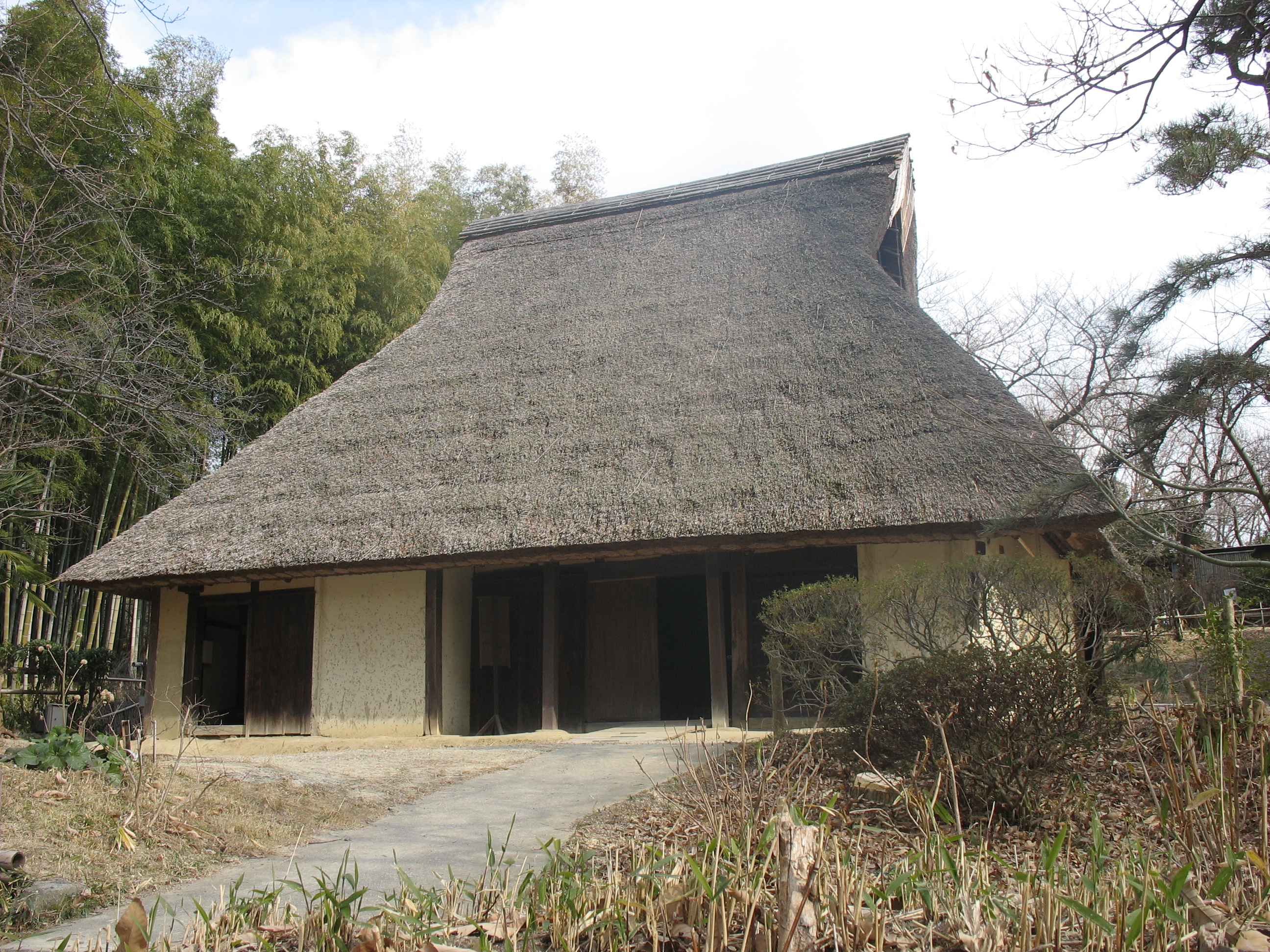
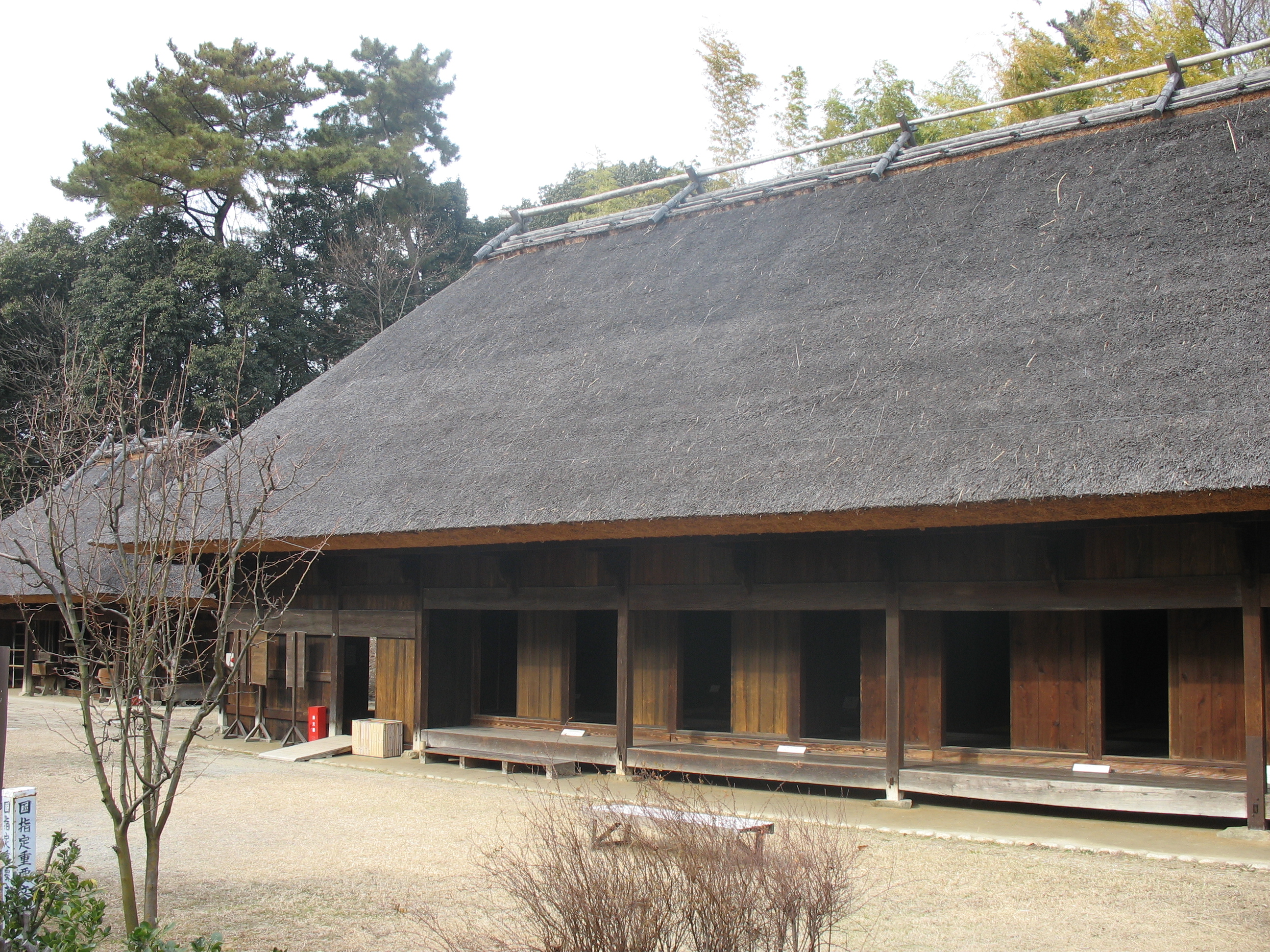
A few of the other structures in the museum: