Subarashi Christmas

We celebrated Christmas with our church family today and it was subarashi – absolutely wonderful! We got up a little earlier than usual so that I could put together the food that we were taking for the big potluck meal after the service. Everyone was in a festive mood when we arrived and it quickly struck me that while we’re far from family this Christmas, we’re part of a whole new family and so privileged to share this special time with them.

When the service began, the lights were dimmed and with the auditorium lit by a single candle, we all sang Happy Birthday to Jesus (in English). It was very moving. Next we sang several familiar carols in Japanese and then Pastor Steve delivered his Christmas message.

The meal was amazing. The food line passed through three small rooms and the tables were laden with a wide variety of dishes – everything from pizza to sushi! It was impossible to sample everything but we tried as many as we could.

Following the meal, we moved back into the sanctuary for the Christmas program featuring performances by a variety of groups from the youngest children to an adult choir. I took a few photos throughout the day but it’s impossible to capture what Hope Church has come to mean to us in either pictures or words. We feel God’s love so strongly in that place and in a short time we have developed wonderful relationships with many people there. We came home bearing gifts from some of our special friends but, more importantly, we made memories today that will stay with us and when future Christmases roll around, we’ll remember our subarashi Hope Church Christmas with joy.

Today truly was our Christmas celebration. We have one more day of classes and then on Tuesday morning, we fly to Vietnam. On Christmas morning, we’ll be picked up at our hotel in Hanoi and driven to beautiful Halong Bay where we’ll board a junk for an overnight sightseeing tour. Christmas dinner will be a seafood feast on board the boat and if the weather cooperates, we’ll also enjoy some swimming and kayaking. After returning to Hanoi, we’ll travel the length of Vietnam to Ho Chi Minh City (Saigon) and then fly to Siem Reap, Cambodia to see beautiful Angkor Wat. We’ll arrive back in Japan early on January 5. I don’t know if we’ll have access to the internet while we’re traveling so the blog may be silent until that time but I’m sure there will be lots to share when we return. In the meantime, have a very Merry Christmas wherever you are and we wish you all the best in the New Year.

Christmas in Japan

Though Christmas has only become widely popular in Japan in recent decades, its roots go back several centuries. It was first introduced by Catholic missionaries in the mid 1500s. Beginning with the expulsion of missionaries in 1587, however, Christianity was banned throughout Japan during the Edo period and the public practice of Christmas ceased.

For the next 250 years small groups known as Kakure Kirishitan, hidden Christians, continued to meet underground. Persecution was severe and any who were detected during that time were executed for their faith.

Christianity and Christmas reemerged at the beginning of the Meiji period which lasted from 1868 to 1912. By the turn of the century, Japan had become a leading manufacturer and exporter of Christmas ornaments. It was through this industry that the average Japanese gradually became exposed to the western concept of Christmas. Though I wasn’t aware of the fact until now, chances are that many of my Christmas ornaments back home in Canada were made in Japan.

Christmas in Japan is very much a commercial endeavor. In the 1930s, stores began to popularize the celebration by having special sales and, as at home, Christmas decorations appear immediately after Halloween. During World War II, the use of English loan words was prohibited so, for a time, Christmas became known as seitansai, which literally means “holy birth festival” but once the ban was lifted, the term Christmas regained popularity.

Not a national holiday in Japan, Christmas is celebrated as a purely secular event. Adult students often tell us that they like Christmas but they always hasten to add “but we’re not Christian”. When I asked one class why they celebrate the birth of a god if they don’t believe in him, they told me that it’s because Japanese people love festivals and decorating. How true that is!

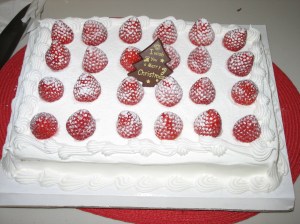
Though many Japanese do enjoy celebrating Christmas, it is vastly overshadowed by New Years which has much greater significance here. If Christmas fell at some other time of year, it might have become much bigger than it is. Devoted mainly to children, Christmas often involves decorating, gift giving and a special meal. Turkey is not usually eaten. Instead, chicken tends to be the meat of choice. In fact, many order a special meal from Kentucky Fried Chicken! I’ll bet that’s a Christmas tradition that wouldn’t go over very well in most North American homes! Japanese Christmas cake is also very different from ours. Unlike our heavy fruit cakes, it’s a delicious sponge cake with whipped cream filling and topped with fresh strawberries. Definitely delicious!

img_3029

Memories from my Dad

After reading my recent post about our day at Yokohama, my father sent the following message. I found it very interesting so I thought I’d share it with the rest of you.  Thanks, Dad!  It’s nice to have you as a guest on the blog.

Your comments on Yokohama and the silk trade brought reminiscences. Vancouver, of course, was very much involved. When I was young (a long time ago), at 11 o’clock every second Saturday morning, a big 3-funnelled Empress liner — Empress of Japan, Empress of Canada, Empress of Asia, or Empress of Russia — would sail from CPR Pier B or Pier C (opposite sides of the same wharf), about where the cruise ship wharf is now. Destinations would be Victoria, sometimes Honolulu, Yokohama, sometimes Kobe, Shanghai, Hong Kong, and sometimes Manilla. On the following Monday the next Empress would come in, so there would be one at the wharf most of the time. When the ship docked, there would be a train of baggage cars (not freight cars) on the dock and the silk would come off as the top priority. The train would then highball through Calgary to Moose Jaw, cross the border at Portal, and continue on to Chicago, which was then the centre for the silk trade in North America. That was in the days when the passenger train was king. But the passenger trains would pull off into a siding to let the silk train go by.

Snow?

For those of you who’ve been wondering or asking why there’s snow falling on my blog, it’s an option that WordPress made available for the Christmas season. I thought it was kind of cute and since it might be the only snow we see this winter, I decided to accept it. All I had to do was find the right screen and then check the box next to “Show falling snow on this blog”.  Had it been any more complicated than that, I assure you that it wouldn’t be there!  It will disappear on January 4, 2009.

Happy Birthday!

Following Augustine is one year old today!  It all began with a short post on December  7, 2007 announcing that Richard and I had accepted teaching positions in Japan and were preparing to spend a year abroad.

The blog has been a wonderful way of sharing our adventure with friends and family back home as well as others who have come across it along the way.  It has been a blessing in other ways too.  I have always loved writing.  In my younger days as a stay at home mom, I did some freelance writing and had a few articles published but once I went back to teaching, there didn’t seem to be enough time to keep it up.  Sharing my love of reading and writing with my students seemed to fill the gap but writing the blog has definitely rekindled my love of writing.  Sometimes it’s easy.  The words seem to flow, tumbling over one another in a rush to get onto the screen.  Other times, they don’t come as easily.  Sentences are written and rewritten as I struggle to picture for you the wonderful things that we’ve been experiencing.   As in other things, I’m a bit of a perfectionist and I don’t like to hit the publish button until it sounds just right to me!

I’m also a person who has a tendency to live for the future.  I love planning things and looking forward to whatever it is that’s coming next.  I don’t suppose there’s anything terribly wrong with that but writing the blog has forced me to learn to live in the moment and to experience everything with my eyes wide open.  Even as we are in the midst of discovering new and interesting aspects of life here in Japan, I’m thinking about how to share them with you.  I’ve discovered that I love living this way and I hope that this is something that carries over into my life back home when our time here is done.

Yokohama

Since the port of Yokohama opened in 1859, it has grown from a small village of 600 people to Japan’s second largest city with a population of over 3.5 million! From its early days of exporting Japanese silk and tea, it has become a vibrant metropolis and a major international trading port.

We spent today exploring the area surrounding Yokohama’s harbour, an easy day trip from here. I was disappointed to discover that the world’s largest ferris wheel doesn’t operate on Thursdays at this time of year but a ride in the world’s fastest elevator to the observatory on the 69th floor of the Landmark Tower, Japan’s tallest building, afforded us excellent views of the surrounding area. In addition to its role as a modern seaport, Yokohama has also become an industrial centre and since it hasn’t rained for the past few days, the air was pretty hazy. We couldn’t see very far into the distance.

img_2995 img_2991

While much of the harbour area is very modern, including a moving sidewalk that carried us from the train station to the Landmark Tower five minutes away, there are also a number of very historic buildings that are still in use. We spent a while poking through some of the interesting little shops that are img_2999now housed in one of the old brick shipping warehouses. Since coming to Japan, we’ve both read James Clavell’s novel, Gaijin, which was set in Yokohama during its very early trading days so it was easy for us to imagine what the area might have been like in those days.

We also enjoyed strolling the seafront promenade in Yamashita Park and visited the nearby Silk Museum which was very interesting.

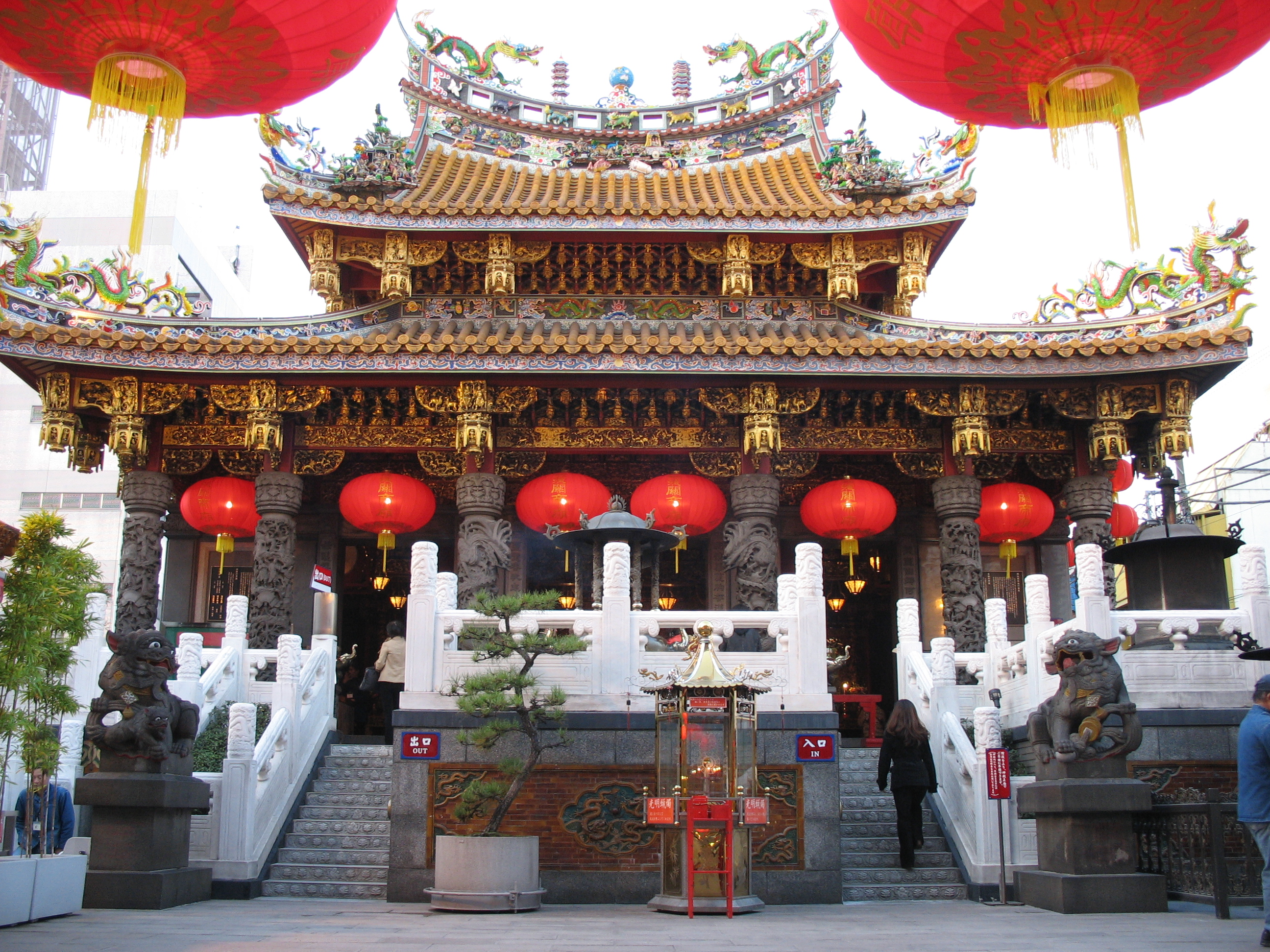
Not far from the harbour is Chinatown, one of Yokohama’s most popular tourist attractions. With its colourful facades and abundance of eating establishments, it struck us as much less genuine than Vancouver’s Chinatown or even Edmonton’s. Apart from the many restaurants, there were lots of tiny souvenir shops where practically everything seemed to have a panda motif. Kantei-byo, the very elaborate Chinese temple at the heart of the district was interesting to see, however.

img_3007

Nomi no fufu

Did you know that a female flea is always bigger than a male flea? I didn’t until this past weekend.

Compared to most Japanese women and even many of the men, I’m very tall. They’re often amazed by my size and comment on it quite openly. Fortunately, they also tell me that I’m beautiful or I might feel somewhat insulted! This weekend was no exception. Rie’s family was not only surprised by my height but by the fact that I’m taller than Richard. It was her husband, Keiji, who introduced us to the Japanese term used to describe a couple like us. Nomi no fufu literally means ‘flea couple’ and is used because of the scientific fact that female fleas are bigger than males! I suspect that I’ll be hearing it for a long time. Richard clearly loves the saying and will probably remember it long after he forgets the other Japanese words that he’s learned. Oh well, it’s better than saying that I suffer from ‘gigantism’, which is what he’s been saying for the past several months! Maybe I should start calling him Little Flea!

Onjuku adventure

We’re just back from our weekend trip to my student’s second home in Onjuku and what an adventure it was! It rained very heavily Thursday night and we woke to a wet dreary looking world on Friday morning. The forecast was for good weather over the weekend though so we hoped for the best. Sure enough, early in the afternoon shortly after we met Rie and set out the sky cleared and the sun began to shine.

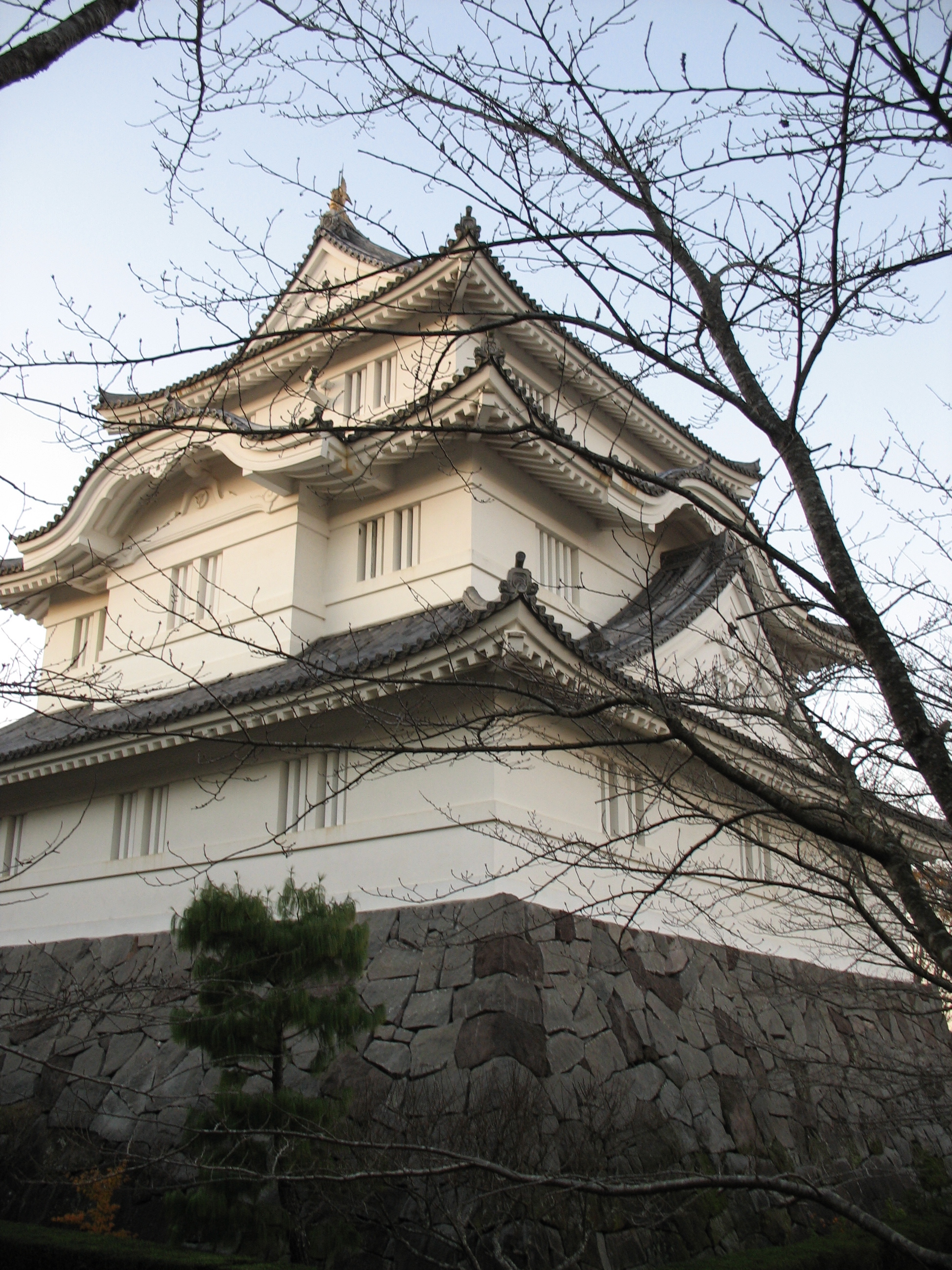
It took us four hours to travel the approximately 120 km across the Boso Peninsula to Onjuku. We explored back roads that we would never have seen from train or bus and made several stops along the way to enjoy the sights. img_2892One of our stops was at Otaki Castle which, though much smaller, is built in the same style as the castles we visited at Osaka and Himeji on our first trip to Japan. We would also have done some hiking but the riverside trail was impassible because of the heavy rainfall.

Rie’s husband, Keiji, who took the train out to Onjuku after he finished work for the day, joined us a couple of hours after our arrival and then began the first of the amazing meals that Rie prepared! Served in traditional Japanese style, dinner both days stretched out over a couple of hours and consisted of a wide variety of foods served in several small courses. Presentation is an important part of the Japanese dining experience and Rie is a very artistic person so everything came to the table looking beautiful. Dinner both days began with sashimi, slices of raw fish which Richard and I have both come to enjoy very much.

Neither of us had met Keiji before but it didn’t take us long to decide that he and Richard are two of a kind. In spite of his very limited broken English, Keiji’s sense of humour shone through and we enjoyed him thoroughly. Though he didn’t join us for most of the weekend’s activities, he was a wonderful host whenever we were at the house.

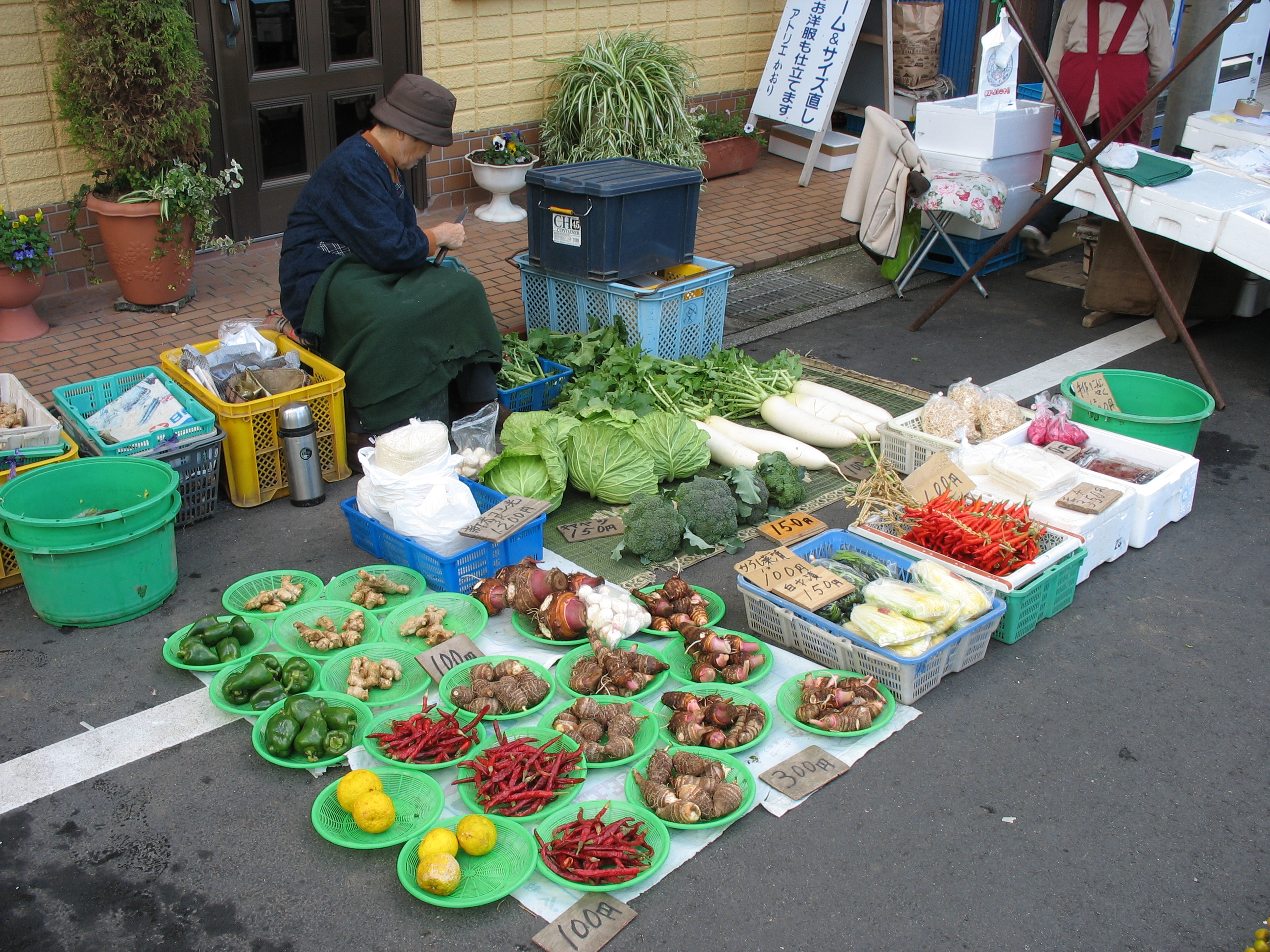
Yesterday began early with a visit to the Saturday morning market in nearby Katsuura. The street was lined with vendors selling a wide variety of seafood, produce and even flowers. It was amazing to us to see all of this happening outdoors at the end of November!

img_2894 img_2901 img_2905

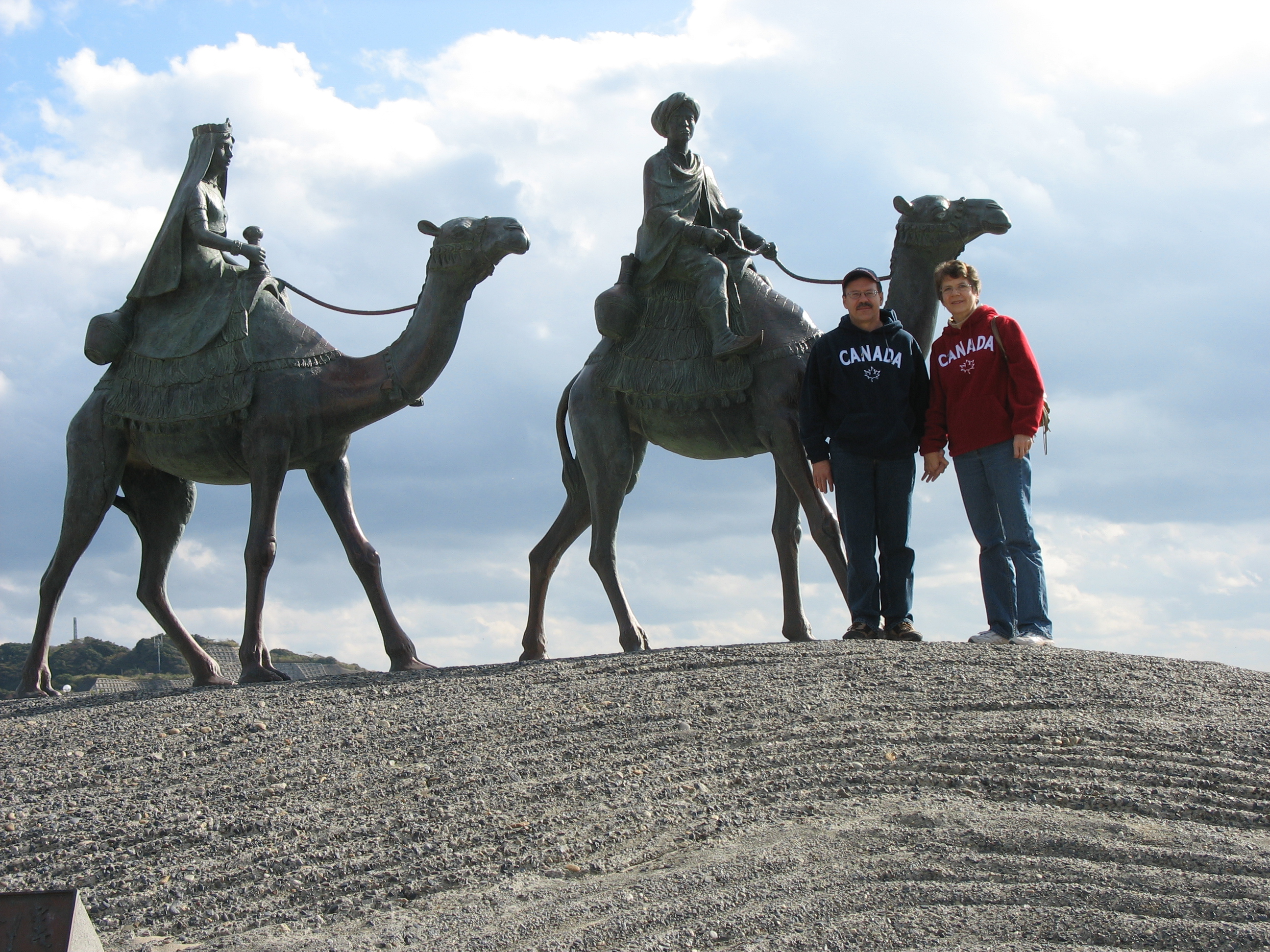
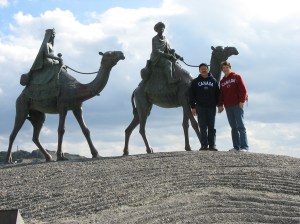
After the market, we headed back to the house for breakfast then went toimg_29091 Onjuku beach, a 2 km stretch of white sand, to see the famous statue of a prince and princess in Arabian garb riding on camels. The landmark was erected in 1969 to commemorate Tsukino-Sabaku (Moonlit Desert), a 1923 song inspired by this beautiful beach. Like many spots along the coastline this weekend, Onjuku beach was dotted with surfers.
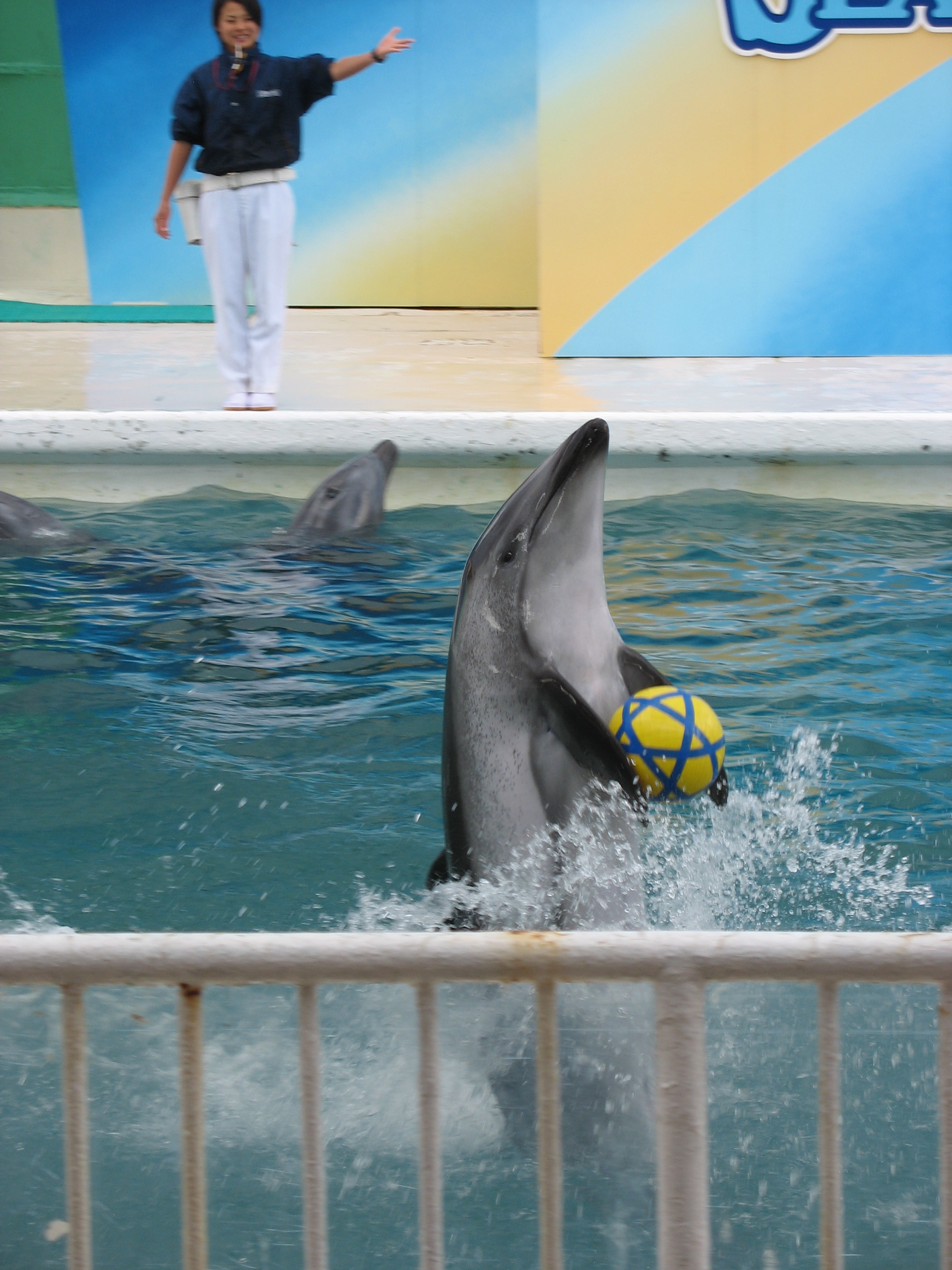
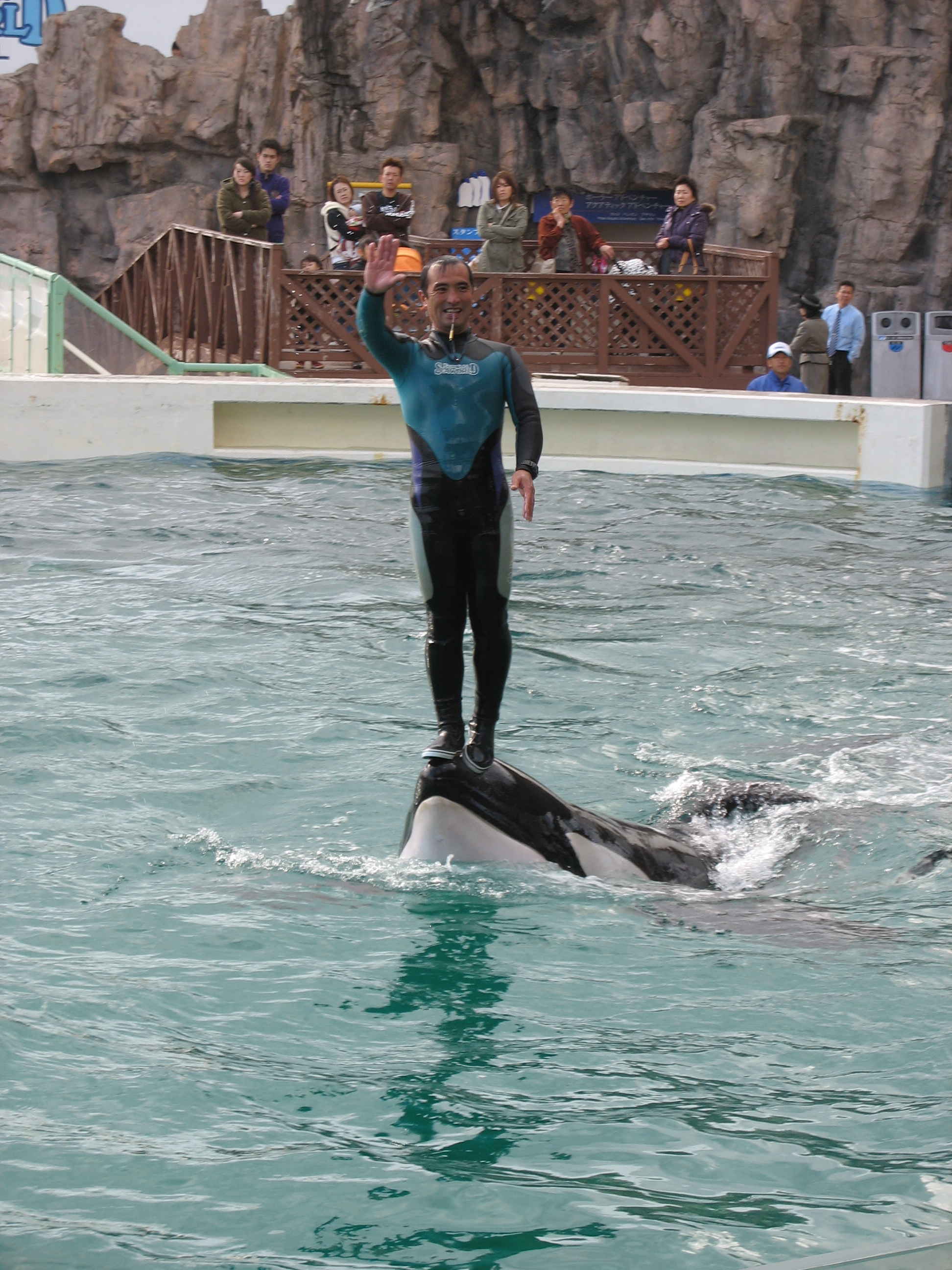
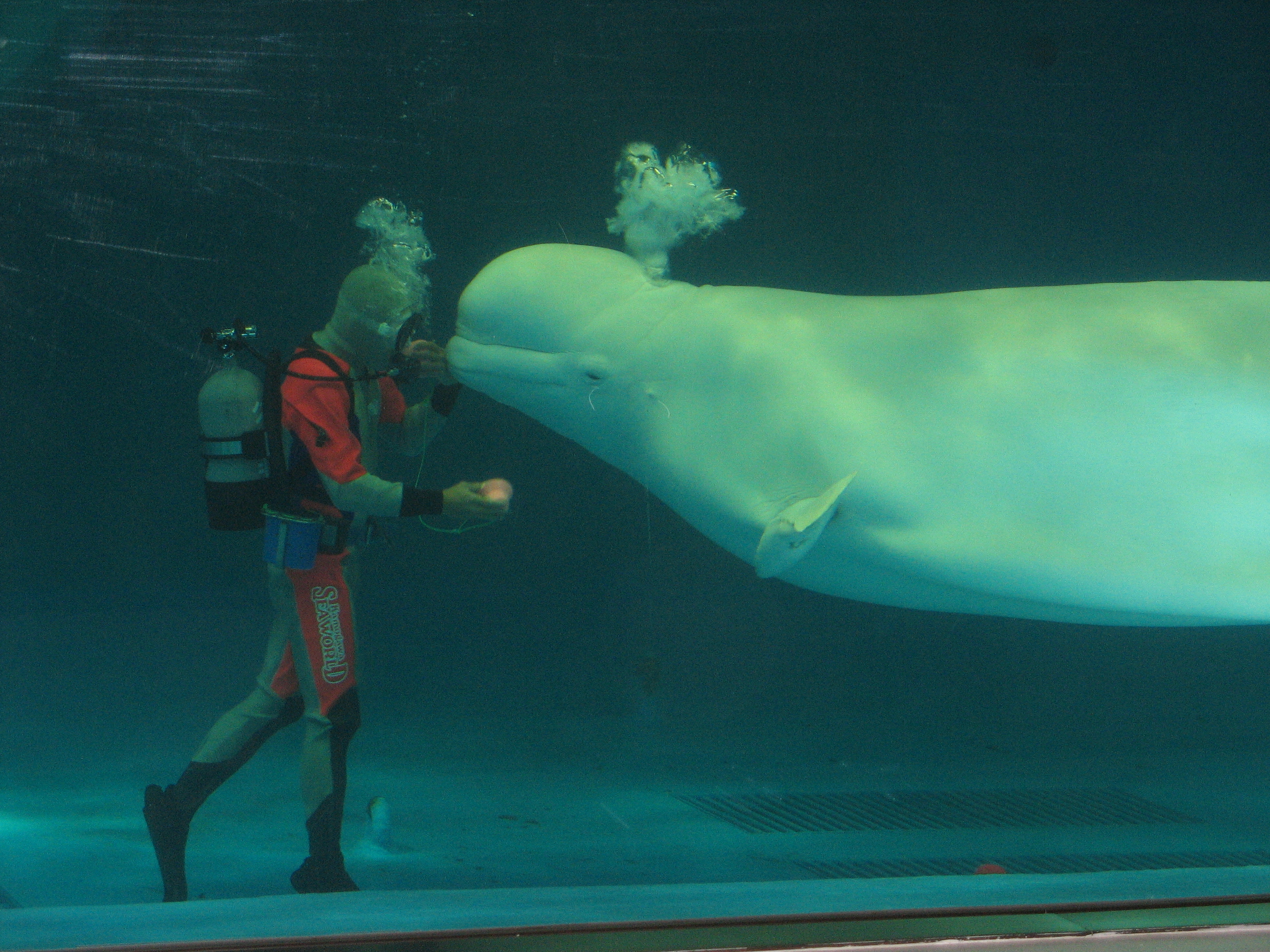
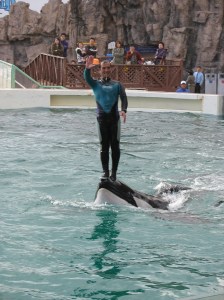
Next on the agenda was a trip to Kamogawa Sea World, one of the world’s largest facilities of it’s kind. We observed a wide variety of fish and other sea life in the aquarium and took in the dolphin, killer whale, sea lion and beluga whale performances. While we have attended similar shows in other places, we’ve never seen anything quite like the killer whale show before. The trainers entered the water with the whales and the interaction between them and the enormous animals was absolutely amazing.
img_2921 img_2941 img_2955

A stop at Tanjo-ji temple finished the day’s sightseeing. Back at the house, we were joined by the rest of Rie and Keiji’s family, their two daughters, son-in-law and three grandchildren who all stayed the night. We thoroughly enjoyed being surrounded by a family and realized that, except at church, we don’t have that experience here in Japan.

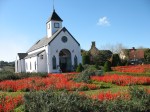
When Keiji, who has been teaching school for 38 years, retires next year, he and Rie will move to the lovely Onjuku house that they built three years ago but for now it’s their weekend getaway. After a relaxing breakfast this morning, everyone packed up and went their separate ways. Miwa, the elder unmarried daughter, joined Richard, Rie and I while Keiji took her car and headed for home. The four of us spent the day taking the scenic seaside route around the southern end of the peninsula and back up the Tokyo Bay side. It was a day of surprises. Our first stop was at Rosemary Park, a quaintimg_2974 bit of Victorian England complete with gardens and gazebos, a little church and even a replica of William Shakespeare’s birthplace! As we strolled amongst the flowers and enjoyed soft ice cream in the sunshine, we had to once again remind ourselves what time of year it is. The day was so warm that we didn’t even need jackets.
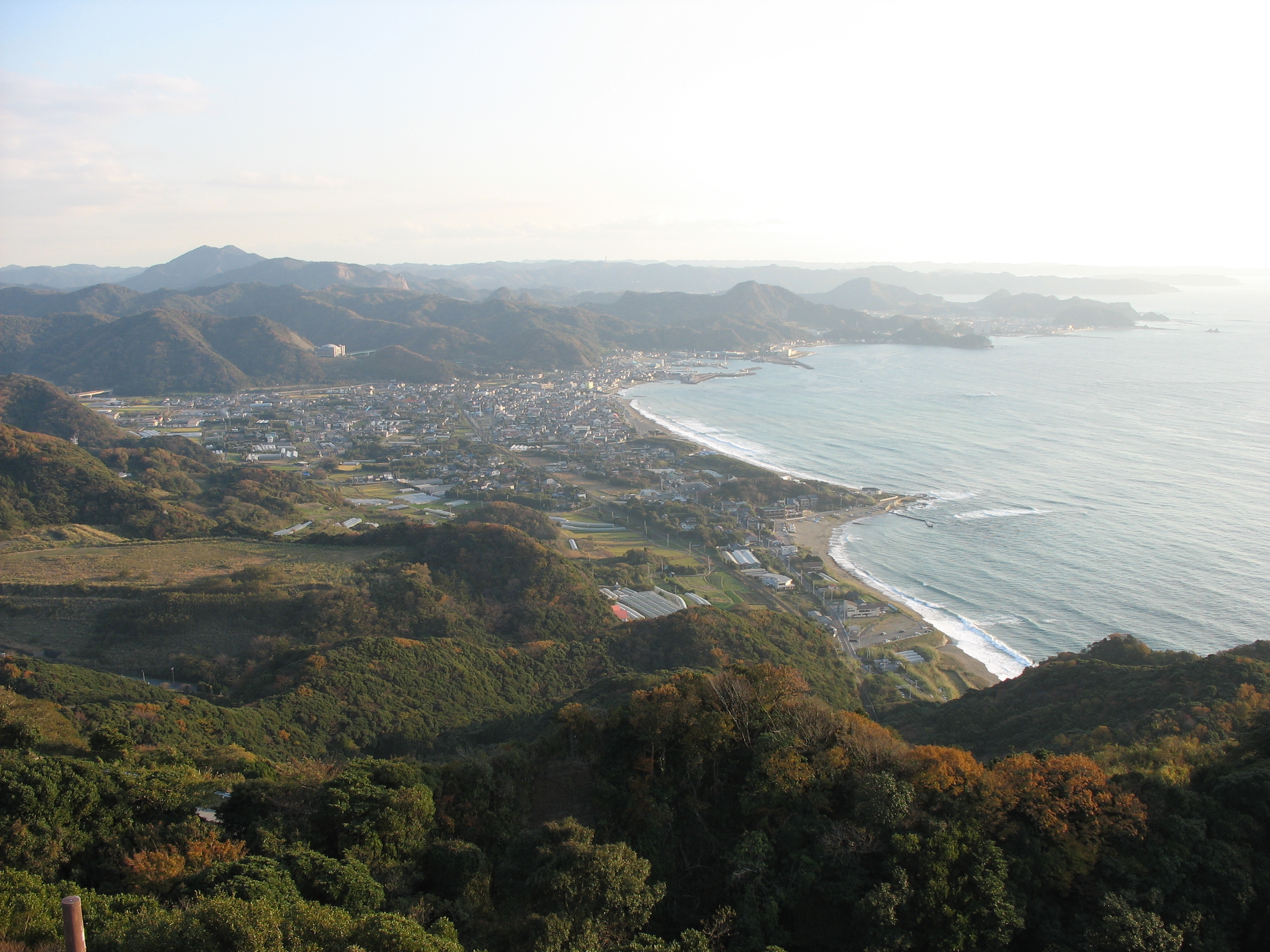
Before we left for the weekend, Rie drew me a map of the places that we’d visit and the routes we’d take. It showed us driving around the peninsula but not all the way to Nojimazaki at the very end. If there was one place that we’ve visited in Japan that I’d have chosen to return to above all others, it would have been Nojimazaki. It is such a beautiful spot and we enjoyed our stay there so very much. Imagine my surprise when we rounded a curve today and I spotted the Nojimazaki lighthouse in the distance! My amazement grew as we continued toward it and by the time the car stopped almost across the street from the hotel that we stayed in back in early July, I was pretty much in tears. Never in my life did I expect to see that spot again or to climb the 77 stairs and 14 ladder steps up the inside of that wonderful lighthouse! The icing on the cake was yet another amazing meal in a restaurant looking out over almost the same view that we had enjoyed from our hotel room.

We made one more stop along the way, riding a cable car up a mountainside. Rie and Miwa, who had never been up before, had hoped to show us a giant Buddha carved into a rock face but we discovered that it was quite a hike from the top of the cable car and it was too late in the day for such a jaunt. The views from the top of the cable car were spectacular, however.

img_2988

Rie is a tremendously giving person. Not only did she refuse to let us pay for anything this weekend except the ice cream at Rosemary Park, but we learned on the way up the mountainside that she hates cable cars and was only making the trip for our sake!

We feel so very privileged to have had the opportunity to share this weekend with such special people. I think we all stepped a long way outside our comfort zones and hopefully came away better because of it. I know we most certainly did.